






Was this page helpful?

| Power Grid: |
220 V, 50 Hz Plug: Type A , Type C
Type A:
  Read about power adapters |
|---|---|
| Currency: |
Vietnamese Dong (VND) £1 ≈ ₫34,381 |
| Cashless info: |
Rating 4/5
Cashless payments are widely accepted in Vietnam, especially in larger cities and tourist areas. Cash is still commonly used in rural areas.
Save with a travel credit card |
| eSIM providers: |
Best value: Saily Flexibility: Airalo Read our in-depth comparison |
| Tipping: | Tipping is not customary in Vietnam, but small tips are appreciated for good service in restaurants, taxis, and hotels. |
|---|---|
| Public drinking: | Public drinking is generally allowed in Vietnam, but drinking in certain public spaces, like parks, may be regulated. |
| Public smoking: | Smoking is allowed in outdoor public spaces, but there are smoking restrictions in some indoor public areas. |
| Independence Day (2 September) |
Celebrates Vietnam’s independence from France |
|---|---|
| Tết (January/February) |
The most important holiday in Vietnam, typically in January or February |
| Emergency contact: | Emergency Numbers: 113 (Police), 115 (Ambulance), 114 (Fire) |
|---|---|
| Taxi apps: | Grab |
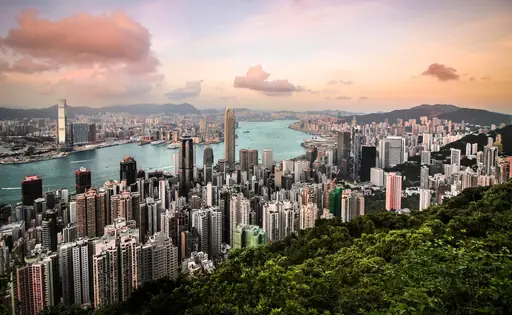
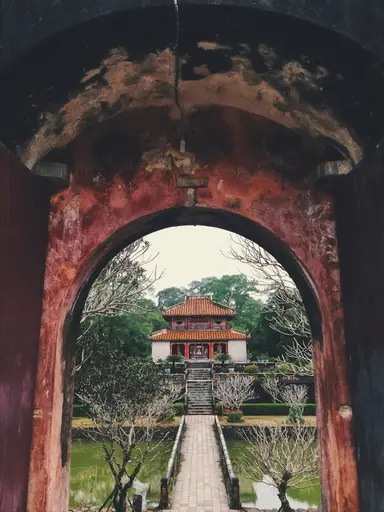
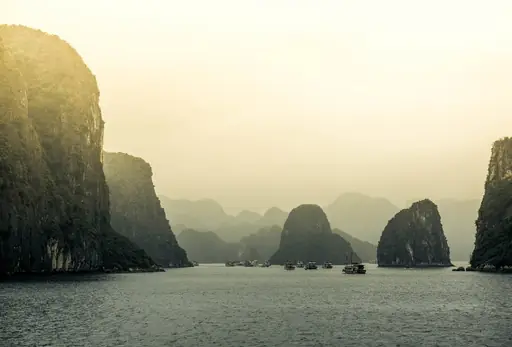
| Other: | Vietnam is famous for its vibrant cities, historic sites, and stunning landscapes like Ha Long Bay and the Mekong Delta, offering a rich and diverse travel experience. |
The best times to travel section shows how the months compare for a visit, so you can find the time of year that fits what you want to do.
Background colours of the months:
The colour shows the typical temperature: yellow (hot), green (mild) and blue (cold). How strong the colour is shows the travel season: full colour means high season, soft colour means shoulder season and soft-striped means off season.
Weather symbols:
Each month has one symbol showing what the weather is typically like, such as hot and sunny, freezing or a rainy or snowy season. Use them to quickly spot months that match the weather you want, or to avoid the ones that don't.
Crowdedness:
The people icon shows how busy the place usually is. The more people, the more crowded it gets.
Additional notes:
The grey info boxes point out special things worth knowing, like recurring weather issues or seasonal events.
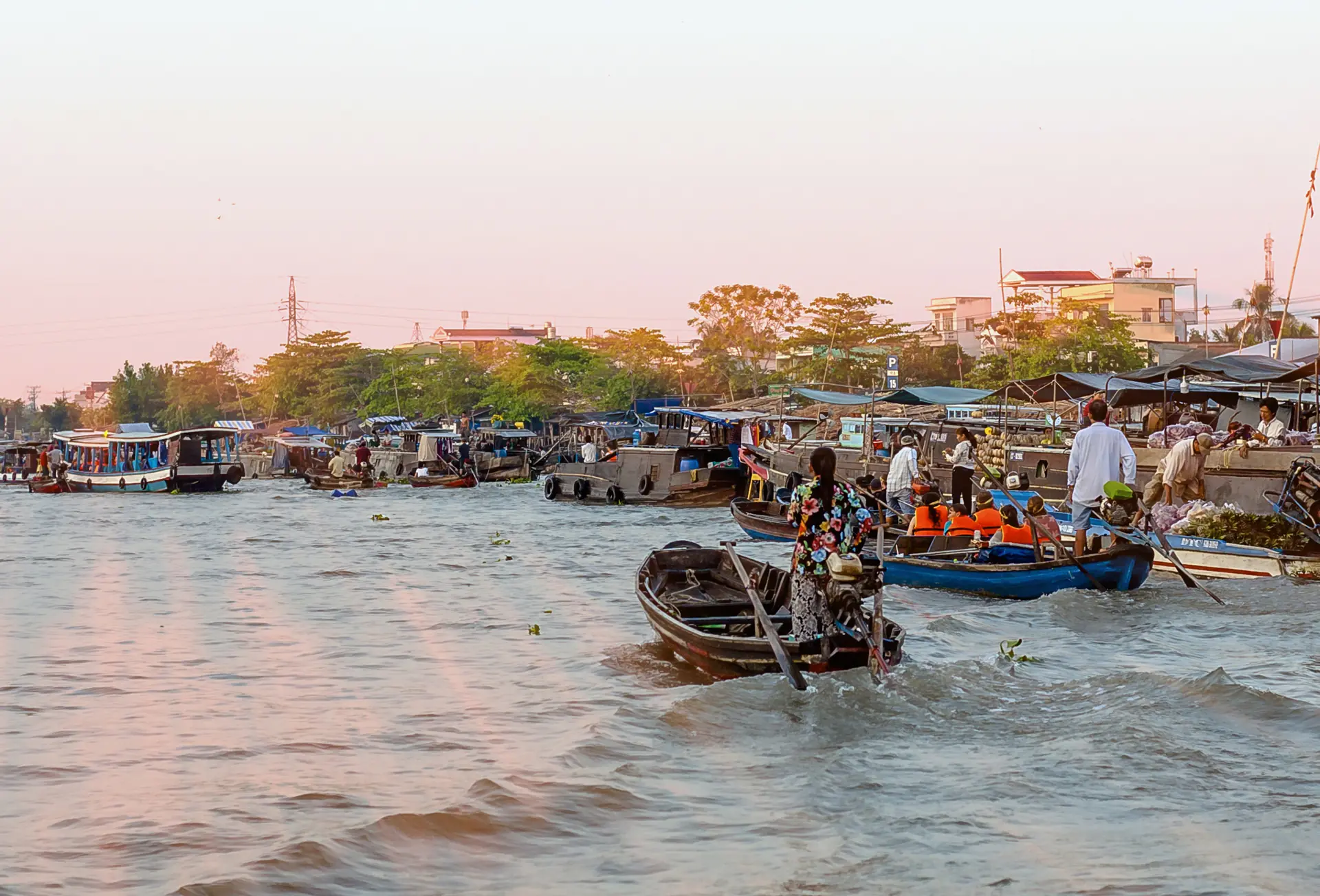
Cai Rang Floating Market in Cai Be serves as a central hub where boats carry fresh produce from nearby farms to eager shoppers. The scene centers on water itself with vendors arranging fruits vegetables and spices along small vessels. Each morning brings new deliveries creating a steady flow of goods that reflect the region’s agricultural focus.
The market operates primarily by boat making every trip essential for both sellers and buyers. Vendors shout offers while customers paddle between boats to compare prices. This method keeps interactions direct and efficient without complicated stalls or fixed shops. The rhythm of Cai Rang depends on this back-and-forth exchange shaped by the river’s currents.
Visitors encounter a wide range of local products including tropical fruits like dragon fruit and rambutan alongside dried herbs and rice noodles. Many items are sold in bulk requiring buyers to carry their purchases carefully. The market also showcases traditional boats built for navigating narrow canals adding cultural context to daily commerce.
Exploring Cai Rang provides insight into how communities adapt to water-based living. It highlights practical solutions for trade and daily needs without relying on cars or trucks. Observers notice the skill involved in maneuvering boats while maintaining steady sales showing a well-practiced system that has evolved over years of use.
Cai Rang Floating Market, located in Can Tho, Vietnam, is accessible primarily by boat due to its location on the Hậu River. Visitors can reach it via motorbike or car to the riverbank, followed by a short boat ride through local canals. The market operates daily from early morning until late afternoon, with vendors selling fresh produce, seafood and regional goods directly from their boats. Public ferries and private boats are available for transport, though schedules may vary seasonally due to water levels. Tuk-tuks or bicycles can be rented locally for short trips along nearby roads. The area is best visited early to experience peak activity and avoid heavy midday heat.
Cai Rang’s floating markets attract budget travelers and those seeking authentic experiences. Hostels and guesthouses line the canals, offering dormitory beds for as low as US$10 – 15 (£7.52 – 11.27) per night and private rooms around US$25 – 35 (£18.79 – 26.30). Many accommodations feature rustic décor with local artwork, open‑air kitchens and communal spaces where visitors can mingle with fishermen. For a slightly higher spend, boutique homestays provide clean, air‑conditioned rooms and personalized tours of the market stalls. Some establishments specialize in eco‑friendly stays, using solar power and recycled materials, reflecting the area’s growing emphasis on sustainable tourism. Overall, lodging ranges from modest, affordable options to comfortable, culturally immersive experiences.
Log in to add this place to a travel list and get a summary of all recommended items for your whole trip.
We calculate the average costs when travelling to destinations and compare those with the living costs at your home. With this you can get an estimate of how expensive or cheap the destination is for you.
To customise this, you can set up which location and price level are used for the calculations in your account settings.
The exchange rate price factor shows how expensive or cheap a currency currently is compared to its historical average. It's a quick way to see if a country is currently more or less affordable due to exchange rate changes.
