

Africa › Egypt › Nile River

Nile River

Scroll
Majestic waters weaving through timeless desert

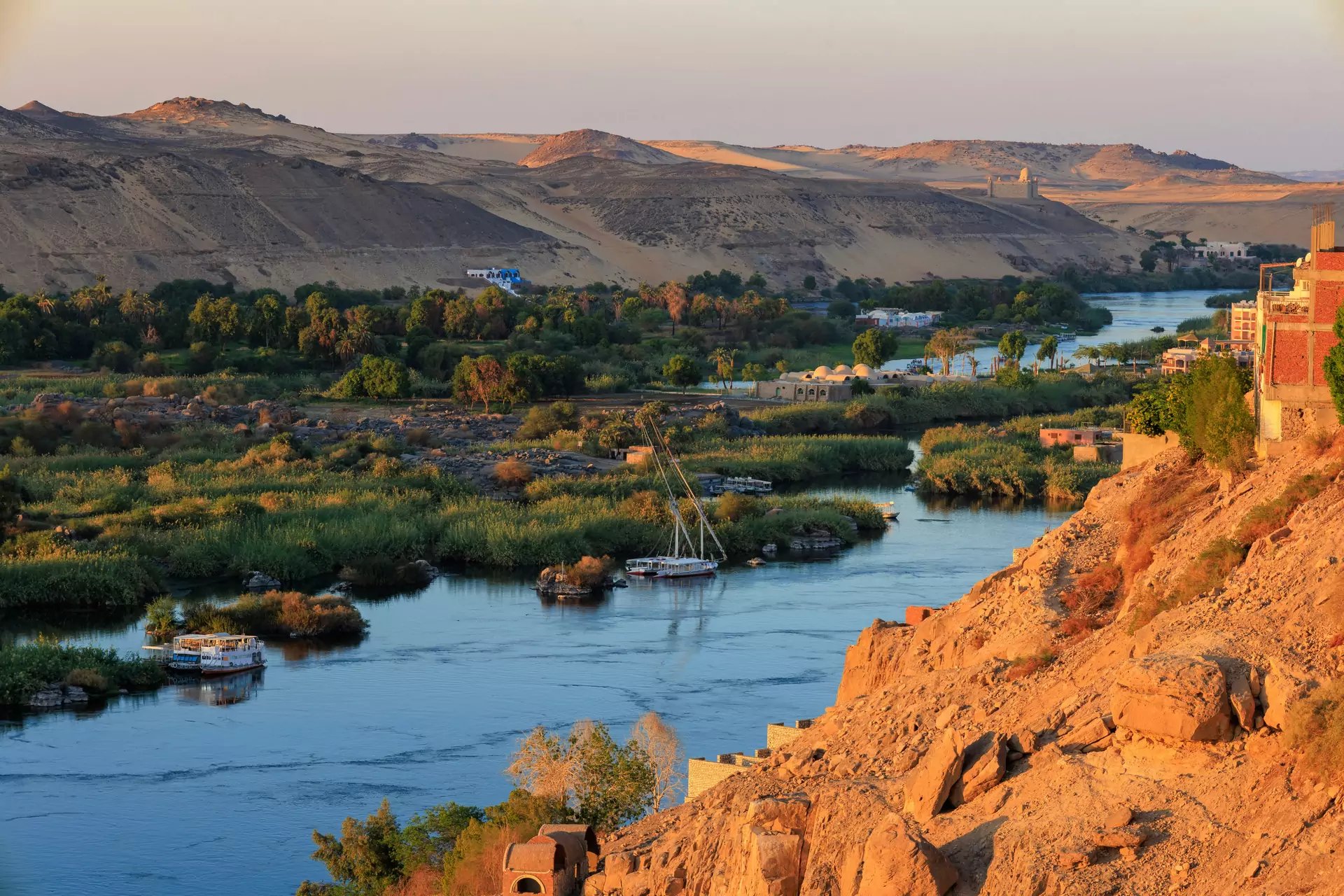
The Nile River stretches across Egypt, shaping life and landscape over thousands of years. Flowing from deep in Africa to the Mediterranean Sea, it supports agriculture through its yearly floods that deposit rich silt along its banks. Ancient cities like Luxor and Aswan grew near its waters, leaving behind temples, tombs and artifacts visible today. The river remains central to Egypt’s culture, economy and daily routines, providing water for crops and transportation routes while inspiring countless stories about its origins and significance in history.

River
Climate zone: Hot desert

Hot desert: Extremely arid climates with very high temperatures, minimal rainfall, strong evaporation and sparse vegetation, typical of subtropical deserts.

See climate table
Ticket price: $$$
$Cheap
$$Medium
$$$Expensive, upscale
$$$+Very expensive, luxury
Safety: 6.2
General Safety:6
Accessibility:7
Read details
Tourist English: 3/5
English is widely understood along major tourist sites on the Nile, especially in Cairo, Luxor and Aswan. Most hotel staff, tour guides and shopkeepers speak basic English, making communication easy for visitors.
Last update: 12 Oct 2026
* We earn a commission from some links on this page.
Nile River Summary
Historic for river cruises and ancient sites. Sail past temples, visit archaeological landmarks and explore desert landscapes.
Best times to travel

The best times to travel section shows how the months compare for a visit, so you can find the time of year that fits what you want to do.

Background colours of the months:
The colour shows the typical temperature: yellow (hot), green (mild) and blue (cold). How strong the colour is shows the travel season: full colour means high season, soft colour means shoulder season and soft-striped means off season.

Weather symbols:
Each month has one symbol showing what the weather is typically like, such as hot and sunny, freezing or a rainy or snowy season. Use them to quickly spot months that match the weather you want, or to avoid the ones that don't.

Crowdedness:
The people icon shows how busy the place usually is. The more people, the more crowded it gets.

Additional notes:
The grey info boxes point out special things worth knowing, like recurring weather issues or seasonal events.

for Nile River
☀️
Jan
☀️
Feb
🔥
Mar
🔥
Apr
🔥
May
🔥
Jun
🔥
Jul
🔥
Aug
🔥
Sep
🔥
Oct
🔥
Nov
☀️
Dec
High season: Jan. - March, Nov. - Dec.
Shoulder season: April, Oct.
Tap on a month for more info Hover over a month for more info
Peak Nile cruise season runs October to April, with Christmas and New Year the busiest and most expensive weeks
Summer heat in Luxor and Aswan regularly exceeds 40 °C from May to September, many cruises reduce or pause sailings

The Nile River stretches across Africa’s Egypt as a lifeline of water and history. Flowing northward from distant highlands to the Mediterranean Sea it has shaped life in this region for thousands of years. Its steady current supports agriculture fishing and trade creating spaces where communities thrive along its banks.

Ancient cities like Thebes and modern towns share the river’s resources today. Farmers use irrigation systems to grow crops such as cotton sugarcane and vegetables. Boats carry goods between villages while fishermen cast nets hoping for tilapia or catfish. The Nile also serves as a route for travelers exploring temples tombs and bustling markets that line its shores.

Seasonal changes influence the river’s flow bringing occasional floods that deposit fertile silt onto fields. This natural cycle has guided farming practices since pharaonic times. Modern dams regulate water levels protecting crops during dry spells while ensuring enough supply reaches homes and businesses downstream.

Beyond practical uses the Nile holds cultural meaning for Egyptians. Stories myths and art often reference its waters linking daily life to stories passed through generations. Whether seen as a source of sustenance or inspiration it remains central to identity shaping how people live work and celebrate in this historic landscape.

Why travel to Nile River?

🏯Places worth seeing
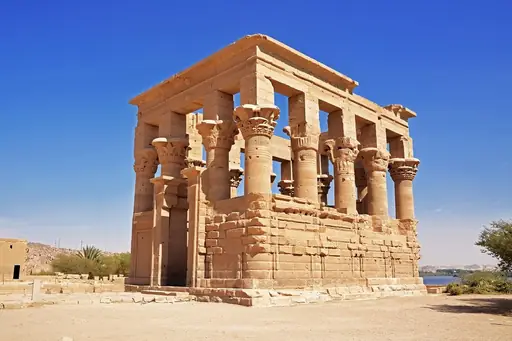
  • 1 Philae Temple
  • 2 Egyptian Museum
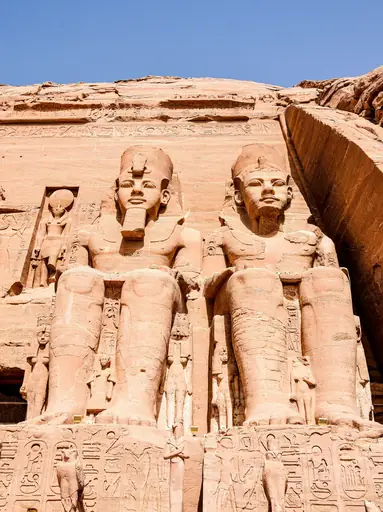
  • 3 Abu Simbel Temples
  • 4 Valley of the Kings
  • 5 Luxor Temple
  • 6 Sphinx International Airport
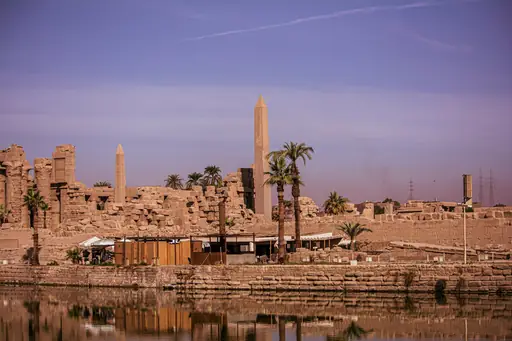
  • 7 Karnak Temple Square
  • 8 Pyramids Heights Compound
  • 9 Temple of Hatshepsut
🏞️Natural landmarks
  • 1 Mount Sinai
  • 2 Nile River
  • 3 SIWA Oasis
  • 4 BP West Nile Delta Gas Plant
🛍️Shopping
  • 1 Bazaar
  • 2 Mall of Egypt

Knowledge before you go

  • Pack insect repellent; mosquitoes are common near the Nile.
  • Carry a reusable water bottle and stay hydrated, especially during boat tours on the river.
  • Check local weather forecasts before traveling; sudden heatwaves can affect river navigation schedules.
  • Learn basic Arabic greetings; locals appreciate respectful interaction when visiting Nile-side villages.

How to travel to Nile River

The Nile River is accessible primarily through river cruises, which operate between key ports such as Aswan and Cairo. These cruises offer multi-day journeys with stops at historical sites like Luxor and Karnak. For independent travelers, local feluccas – traditional sailboats – provide a slower, budget-friendly option for short stretches of the river. Major cities along the Nile, including Luxor and Aswan, have docks and terminals serving both domestic and international vessels. Road access to river ports is limited due to the river’s winding course, making water-based entry the primary method. Air travel connects travelers to nearby airports like Luxor International Airport, from which transfers by boat or car reach river embarkation points.

Access summary

  • From Cairo International (CAI): Taxi to Nile promenade, 30–45 min.
  • From Alexandria: Ferry to Cairo, 1.5 hours; or bus, 4 hours.
  • By Nile cruise from Aswan, 6–8 days for full river tour.

Where to stay near Nile River

Along the Nile’s banks, accommodations range from modest riverfront guesthouses to opulent resorts overlooking the water. Budget travelers can find clean, family‑run lodgings in towns like Aswan and Luxor, offering basic amenities and local cuisine at reasonable rates. Mid‑range options include boutique hotels that blend traditional Egyptian décor with modern comforts, often featuring rooftop terraces for sunset views. Luxury stays are plentiful near Cairo’s embankments and along the Nile Delta, where expansive villas and five‑star resorts provide private pools, spa services and personalized butler care. The region is renowned for its river cruises, which combine lodging aboard elegant ships with guided excursions to ancient temples and archaeological sites. Each tier delivers a distinct experience of Egypt’s timeless waterway.

Budget snapshot
Costs compared to home

We calculate the average costs when travelling to destinations and compare those with the living costs at your home. With this you can get an estimate of how expensive or cheap the destination is for you.

To customise this, you can set up which location and price level are used for the calculations in your account settings.

-81 %
Daily expenses in the region are around 81% lower than the average across United States. That means you'll spend a lot less on meals and getting around.
Exchange rate trend

The exchange rate price factor shows how expensive or cheap a currency currently is compared to its historical average. It's a quick way to see if a country is currently more or less affordable due to exchange rate changes.

---
We currently don't have exchange rates for this place

Safety information overview

General safety
6
The Nile River in Egypt offers generally safe travel conditions, with well‑patrolled tourist sites and reliable local guides. Minor petty theft can occur near crowded markets; stay vigilant, avoid isolated stretches at night and follow official safety advisories for a secure experience.
Accessi­bility
7
The Nile River offers moderate accessibility: many cruise ships and riverbank towns have wheelchair-friendly docks, but narrow pathways and uneven stone steps can be challenging. Public transport to launch sites is limited, so plan ahead for accessible boats and guide services.

Looking for inspiration?

Discover
Top motorcycling destinations and scenic routes
A great motorcycle route asks for more than scenery: it needs road surface, corner sequencing and enough remoteness to make the ride itself the point rather than simply transport…
Read more
Discover
Top kayak and SUP destinations worldwide
Kayaking and stand-up paddleboarding have developed from niche pursuits into mainstream water activities with accessible rental infrastructure, guided tour programmes and dedicated…
Read more
Discover
Ultimate bike routes and cycling getaways
Cycling is one of the most rewarding ways to explore a destination, covering enough ground to see real variety while staying connected to the landscape in a way that faster travel…
Read more
Discover
Most beautiful beaches and coastal escapes
For a lot of people, a beach is the whole point of a holiday, but what makes a beach day perfect really depends on personal taste. Some travellers want isolation and the feeling…
Read more
Discover
Stunning national parks and wilderness areas
National parks exist because someone decided that certain landscapes were too important to lose. The best of them protect ecosystems, wildlife and natural processes that would…
Read more
Discover
Intimate escapes and romantic getaways
The most memorable trips for couples tend to have less to do with luxury and more to do with the quality of shared experience. A place that slows you down, removes the usual…
Read more
Was this page helpful?
Feedback