
Best cozy town destinations in Europe
Best cozy town destinations in Europe
Cobblestone historic quarters and alpine mountain settlements in Europe
Stone-built villages in rural England, built from the same honey-coloured limestone for centuries, anchor much of Europe's idea of a cozy town, while alpine villages further east offer a similarly compact, walkable charm shaped by mountains rather than countryside.
The destinations on this list range from historic stone-built villages with centuries of largely unchanged architecture to small alpine towns built around a single church spire and a handful of narrow streets. Both reward visiting outside the busiest summer weekends.
Staying overnight rather than day-tripping from a nearby city tends to reveal a noticeably different, quieter atmosphere once the day's visitors have left. Local tea rooms and pubs often double as informal community hubs. Wearing comfortable walking shoes also matters considerably given the uneven, centuries-old streets involved.
Lists by region
Town in Switzerland
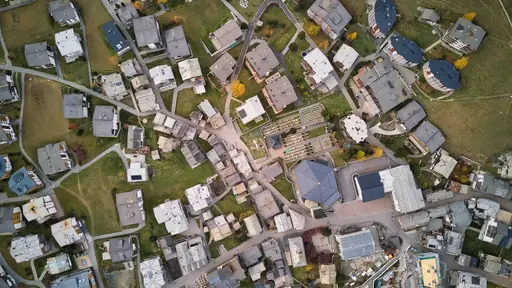
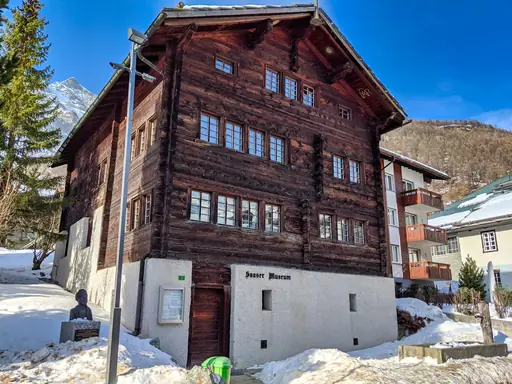
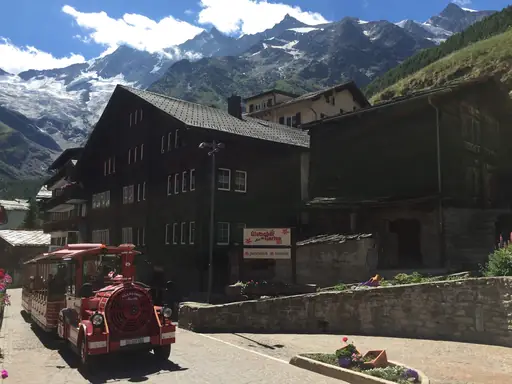
Saas-Fee
Glaciers, Peaks and Alpine Serenity
The Metro Alpin, an underground funicular, climbs through the glacier to Mittelallalin at about 3,500 metres. Back in the village, cars are not allowed, so streets stay quiet. Wooden chalets sit under a ring of 4,000 metre peaks. After skiing, warm up with cheese fondue.
Village in France
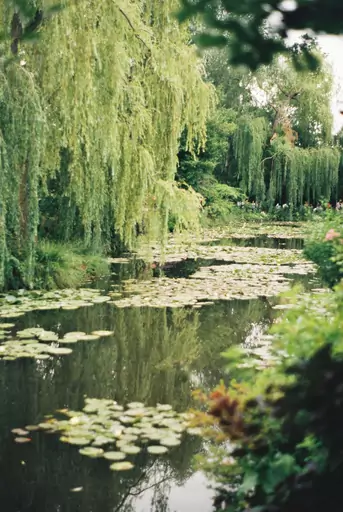
Giverny
Monet's living canvas of inspiration
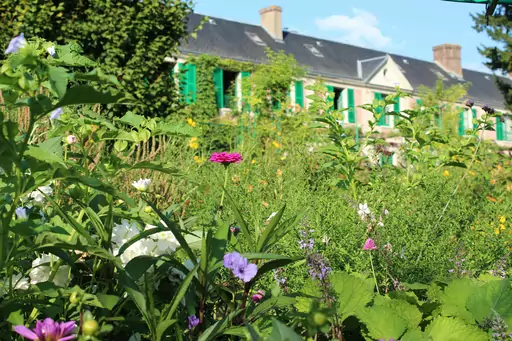
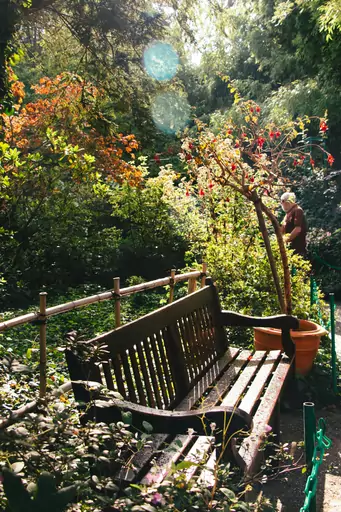
Monet's pink house and garden made this small village famous. Water lily ponds and a Japanese bridge inspired his best known paintings. Visitors can browse the Museum of Impressionisms and small cafes near the garden entrance. Spring and early summer bring the most blooms across the garden paths.
City in Germany
Bamberg
Smoked beer and a UNESCO old town
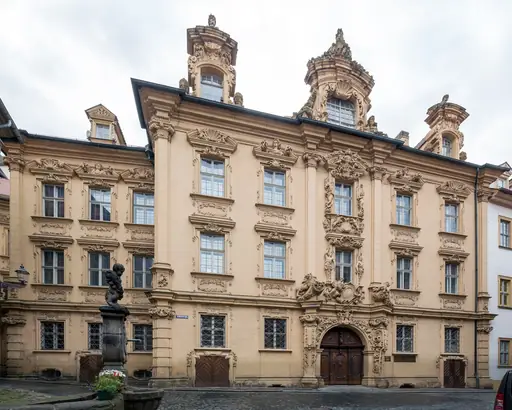
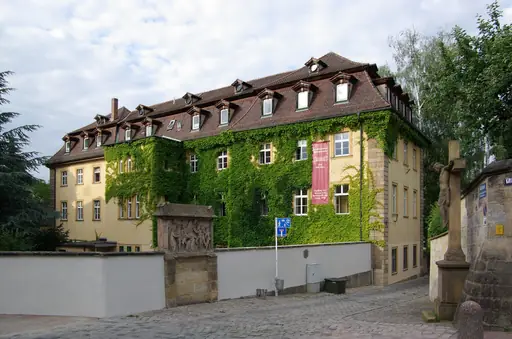
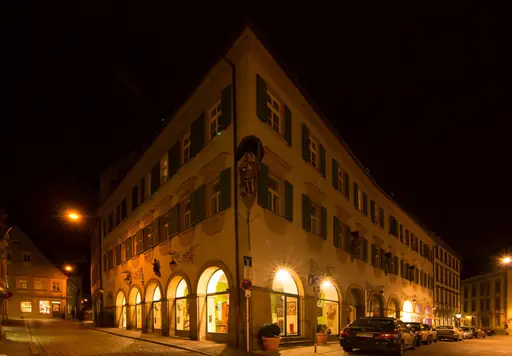
A UNESCO listed old town spreads across seven hills beside the Regnitz river. Brewery taverns serve smoky Rauchbier in cosy wood panelled rooms. Visitors can see the half timbered Old Town Hall sitting on its own bridge island. Cobbled streets and cafes suit slow wandering all afternoon.
Village in France
Gordes
Timeless stone charm amid lavender fields
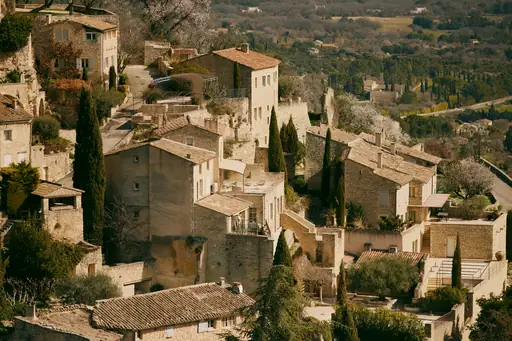
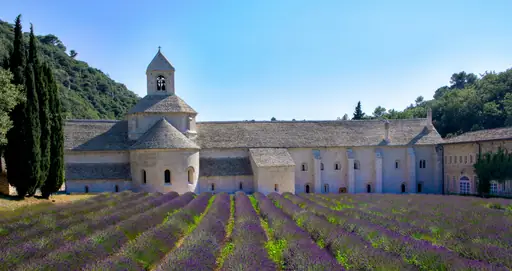
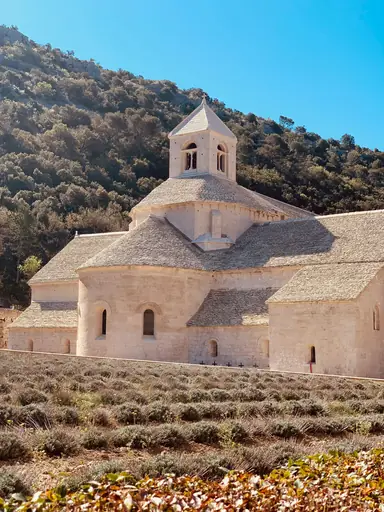
On Tuesday mornings farmers fill the main square with market stalls. Stone houses climb the hillside in tiers. Nearby, the Village des Bories has dry stone huts built without mortar. Sénanque Abbey, a Cistercian monastery, is ringed by lavender in July. Wear flat shoes for the steep lanes.
Village in Switzerland
Lauterbrunnen
Valley of 72 waterfalls
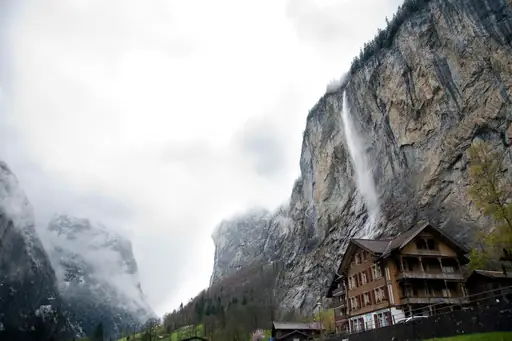
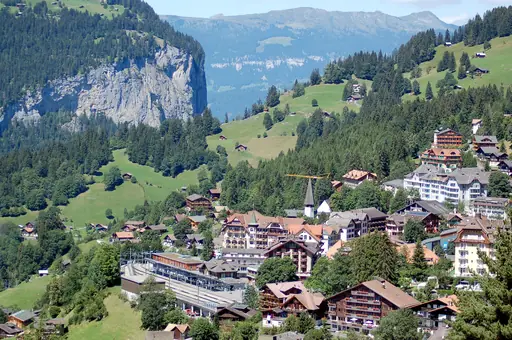
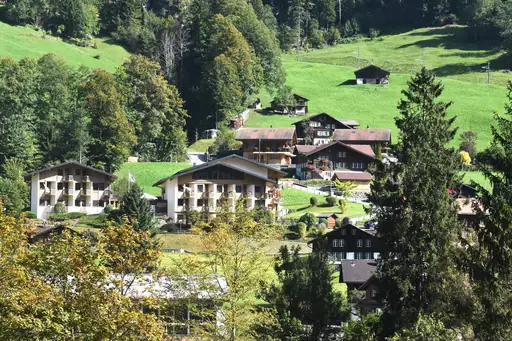
Waterfalls drop down sheer cliffs on both sides of this Swiss valley village. Staubbach Falls drops almost 300 metres beside the village. Visitors can ride cable cars to Mürren and hike to Trümmelbach Falls. Cows and wooden chalets fill the green meadows around the village in summer.
Town in Albania
Gjirokastër
Ancient stone streets echo timeless heritage
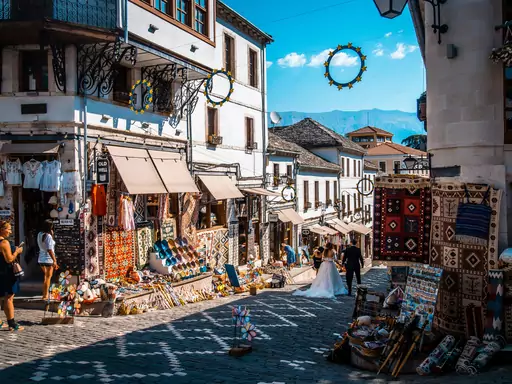
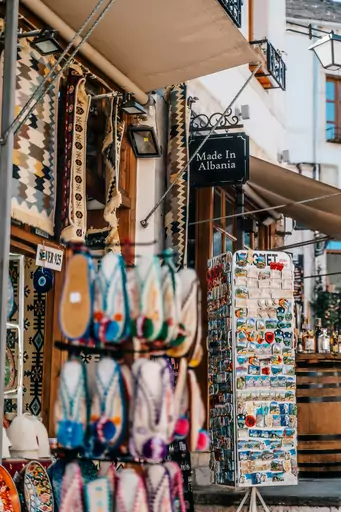
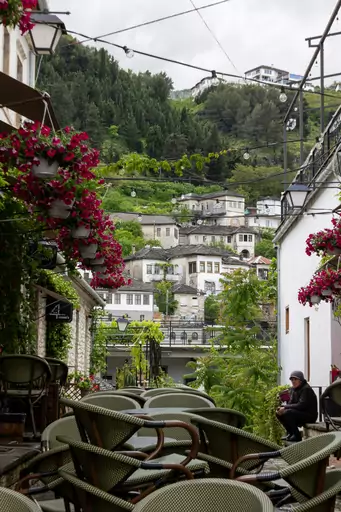
Stone houses with slate roofs climb a hillside in this Albanian town. A huge castle overlooks the old bazaar. Visitors can tour Ottoman mansions and taste byrek pastries in family run cafes. UNESCO lists the old town for its well preserved Ottoman architecture and steep cobbled lanes.
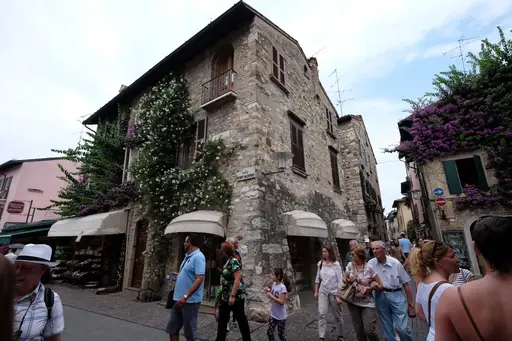
Town in Italy
Sirmione
Castles, Spas and Lake Garda Views
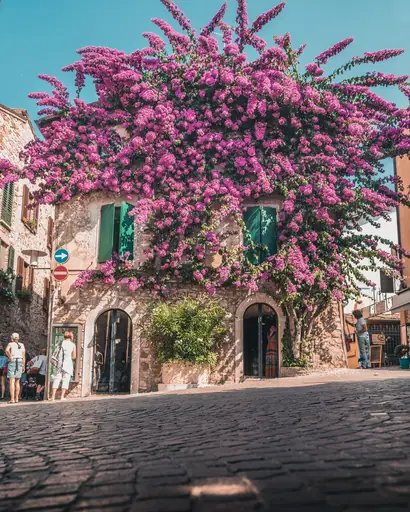
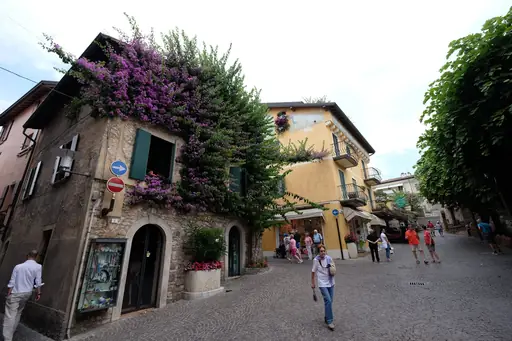
Roman villa ruins stand at the tip of this narrow peninsula. They are called the Grottoes of Catullus, after a Roman poet. The Scaliger Castle from the 1200s guards the entrance behind a moat. Hot springs bubble up from the lake bed and feed local spas.
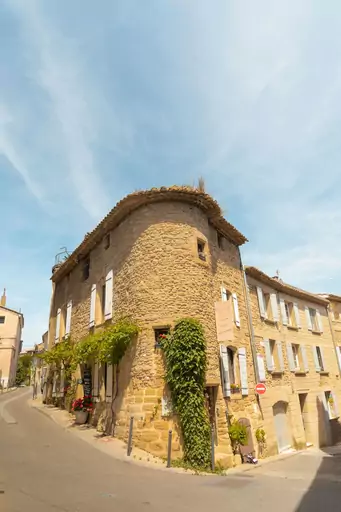
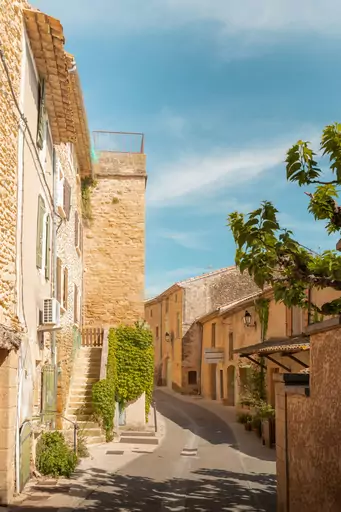
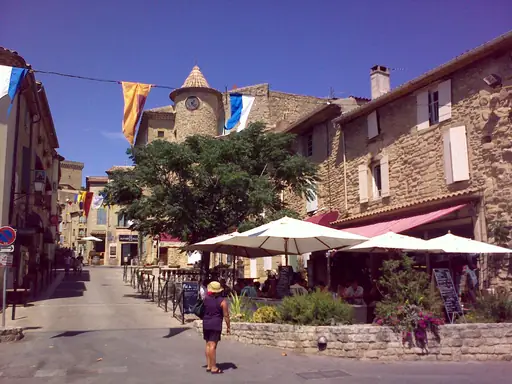
Village in France
Châteauneuf-du-Pape
Sun‑kissed vineyards, historic hilltop charm
In the southern Rhône valley, large round stones cover the vineyards and hold the day's heat for the vines. The ruined castle was built for the popes of Avignon in the 1300s. Walk up for views over the vines. Taste red wine in small family cellars.
Town in Italy
Ravello
Romantic Gardens Above the Amalfi
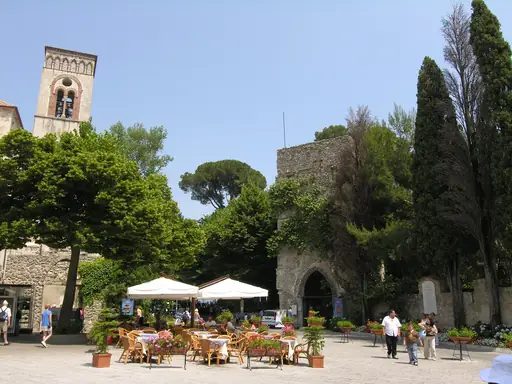
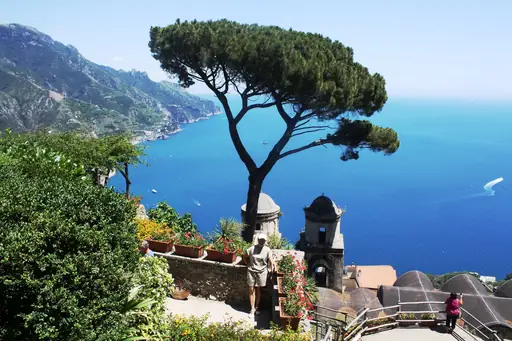
Composer Richard Wagner visited Villa Rufolo in 1880. He took its garden as his model for a scene in Parsifal. The villa dates to the 1200s. Ravello sits high above the sea, away from the crowds on the coast. Summer concerts play on the garden terrace.
Village in France
Saint-Paul-de-Vence
Sunlit vineyards and historic hilltop charm
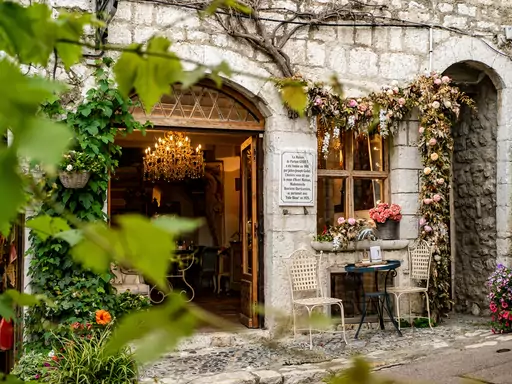
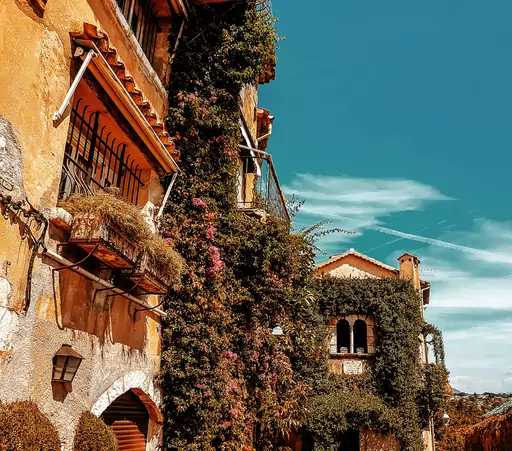
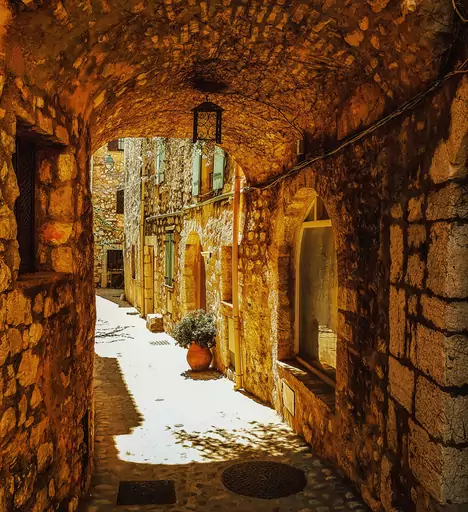
Sunlight turns the stone lanes golden in the late afternoon. Galleries and artists' studios fill the old village. The painter Marc Chagall lived here and is buried in the village cemetery. Watch locals play pétanque, a ball game, under the plane trees. Stay for dinner at a stone terrace restaurant.
Town in Bulgaria
Nesebar
Ancient Black Sea charm and sun
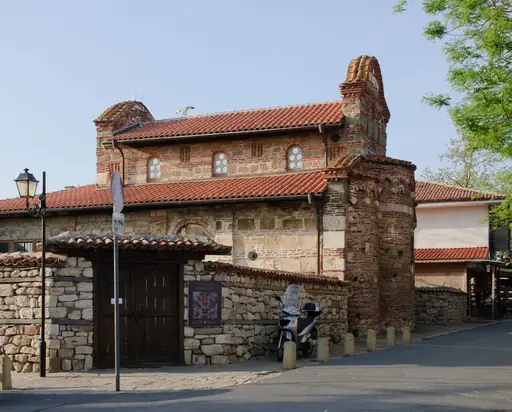
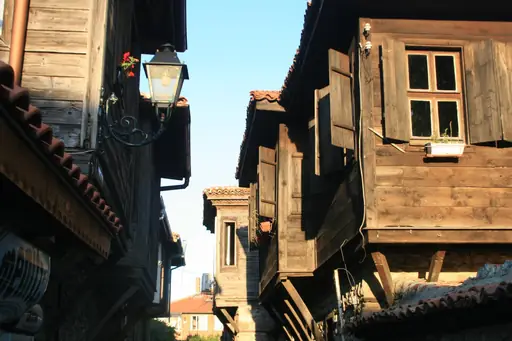
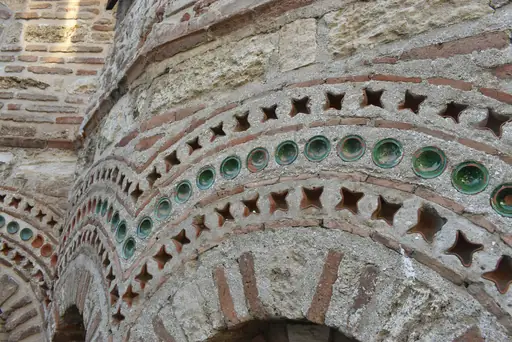
Greek settlers founded a colony on this small rocky peninsula more than 2,500 years ago. UNESCO lists the old town today. Wooden houses from the 1800s sit on stone ground floors above narrow lanes. Ruined Byzantine churches stand beside small cafes with sea views. Fresh fish is served at harbour restaurants.
Town in Italy
Cefalù
Sicilian Charm, Beaches and History
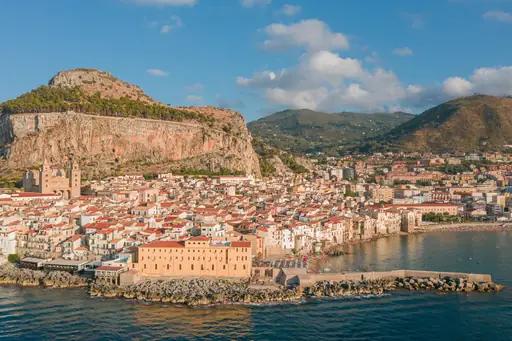
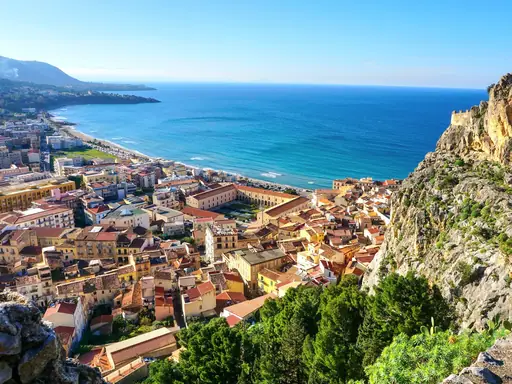
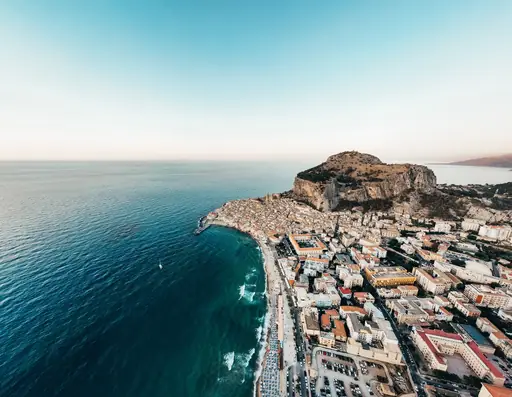
A Norman cathedral rises over a curved sandy beach and old fishing town. Cobbled streets wind up to La Rocca, a rocky headland with a hilltop hike. Visitors can eat grilled swordfish and granita on the seafront. The UNESCO listed cathedral has gold mosaics inside.
City in Bulgaria
Plovdiv
Europe’s Oldest City, Alive with Art
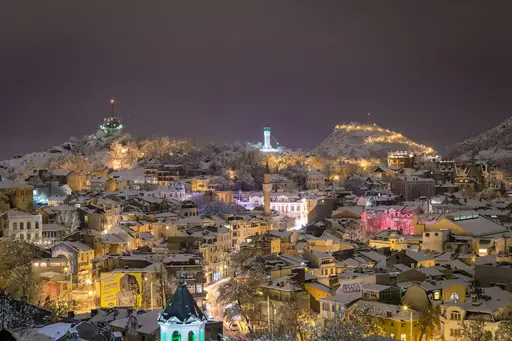
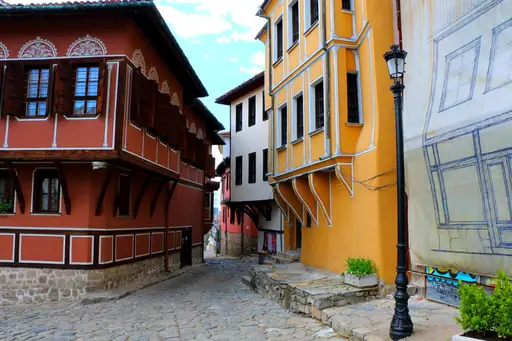
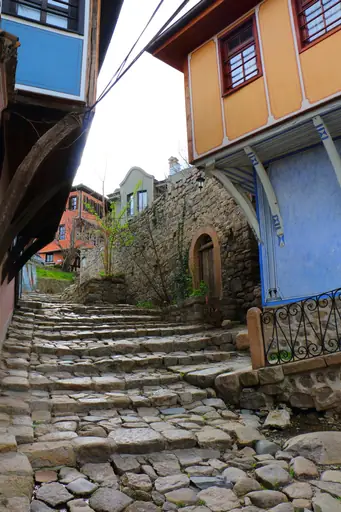
Come in the evening, when lamps light the old town and the Roman theatre hosts concerts. The theatre dates to the 2nd century. Cobbled lanes lead past colourful mansions from the 1800s. In the Kapana district, small cafes and craft shops fill the narrow streets.
Town in Greece
Oia
Sunsets Over Whitewashed Cliffs
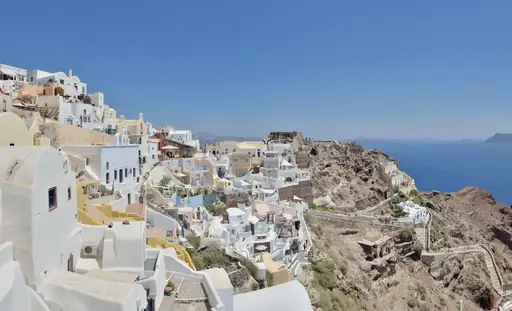
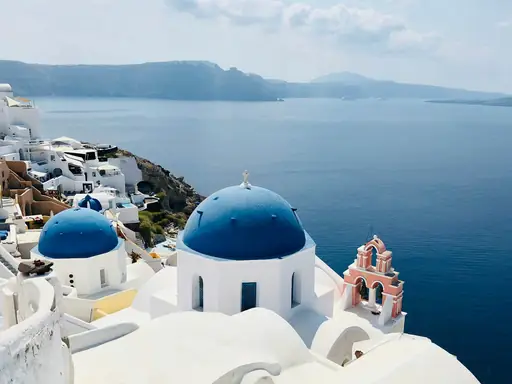
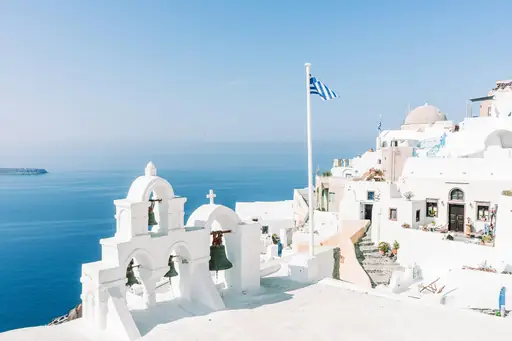
White houses with blue domes line the caldera rim in this Santorini village. Sunset crowds gather at the old castle ruins. Visitors can walk marble lanes and dine on terraces with sea views. Early morning is quiet and photogenic before the crowds arrive and the shops open.
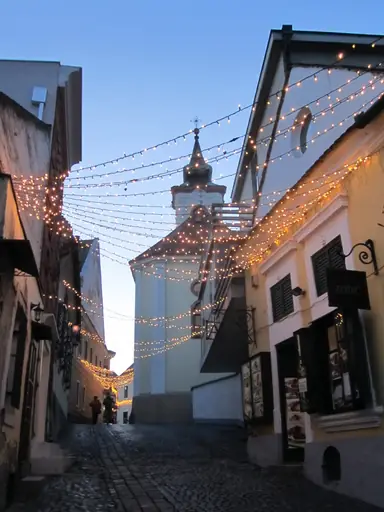
Town in Hungary
Szentendre
A riverside town of art and charm
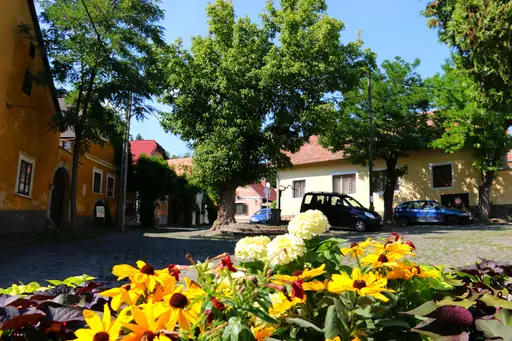
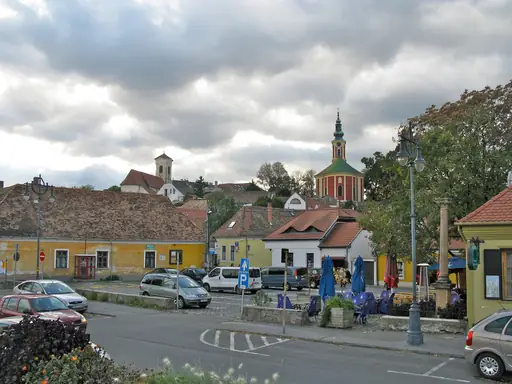
Artists have kept studios here since the 1920s. Small galleries and museums line the cobbled lanes, including a marzipan museum. Serbs settled the town in the late 1600s and left colourful churches. Take the suburban rail from Budapest, which takes about 40 minutes. Cafes have terraces with views of the Danube.
Valley in Italy
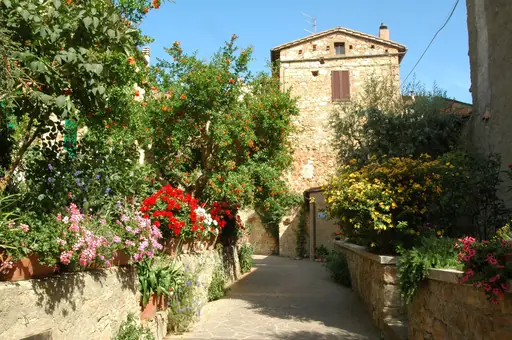
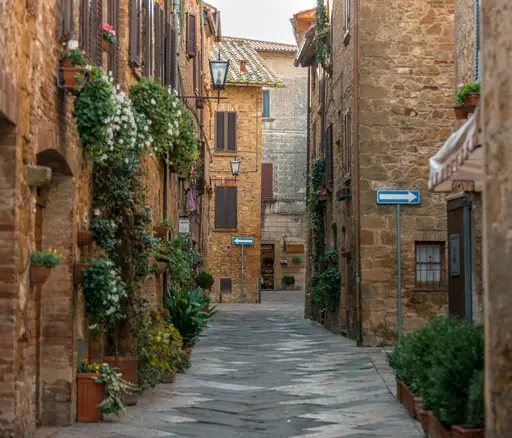
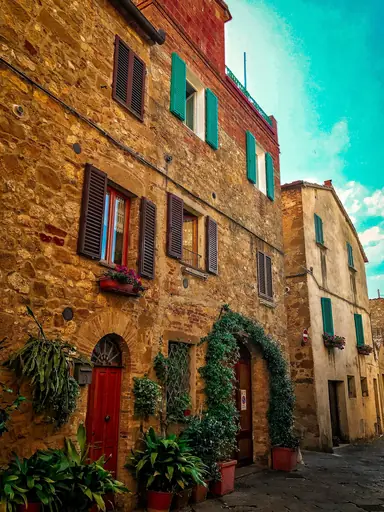
Val d'Orcia
Rolling vineyards cradle historic hilltop charm
Pilgrims walking the Via Francigena to Rome passed through these hills in the Middle Ages. Stone farmhouses and tiny villages still line the old route. Pienza makes pecorino cheese that goes well with local honey. Watch cypress lined roads glow at sunset. Evening air smells of wood smoke.
Town in Greece
Nafplio
Venetian Charm Meets Greek History
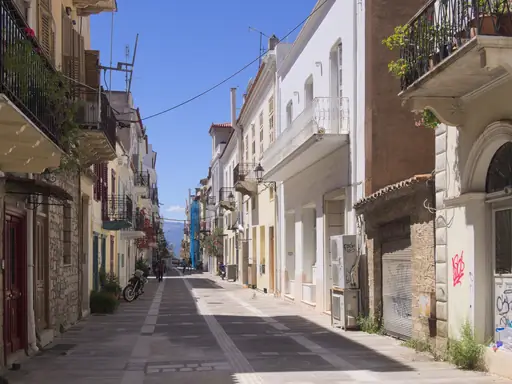
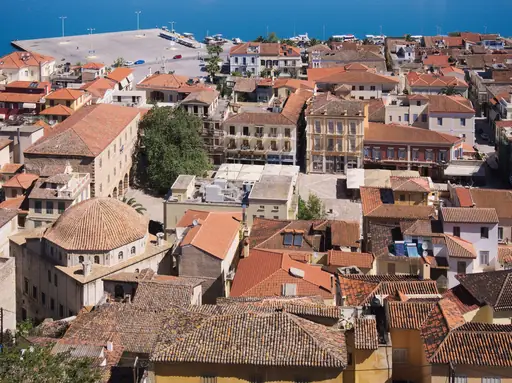
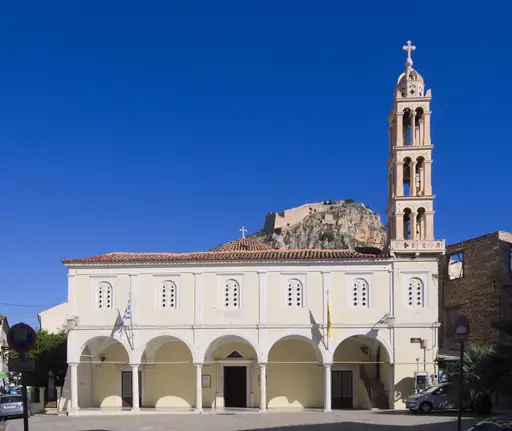
Palamidi Fortress crowns a rocky hill above the town. Venetians built it in the early 1700s. Below, neoclassical houses with flowery balconies line quiet lanes. Have a coffee on Syntagma Square. Then stroll the harbour promenade towards Bourtzi, a small fort on an island. Evening lights make the old town glow.
Village in United Kingdom
Bibury
Timeless stone cottages beside tranquil river
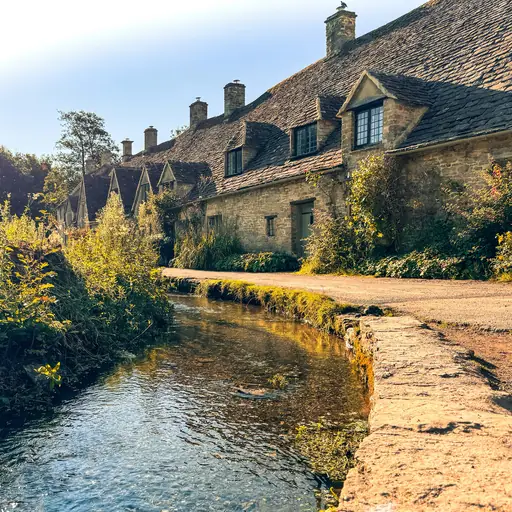
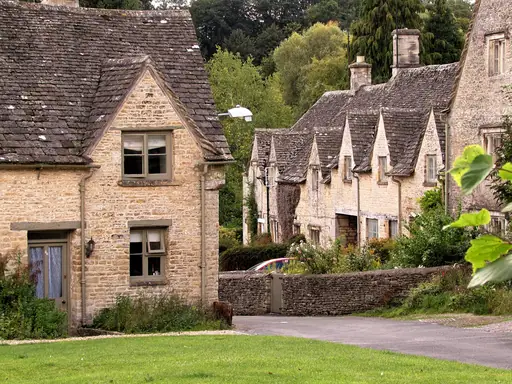
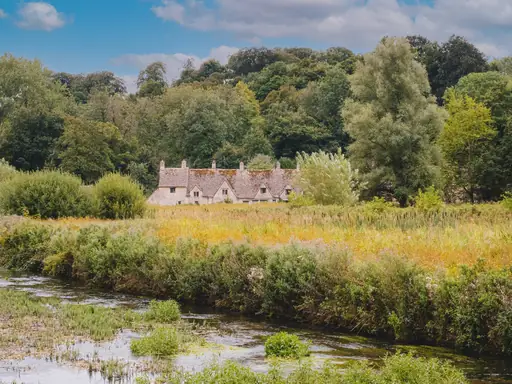
Come early on a weekday, before the day groups arrive. Arlington Row is a line of stone weavers' cottages beside a small stream. The cottages date to the 1600s. The river Coln runs clear below the footbridges. Have a cream tea at a village tearoom.
City in Slovenia
Piran
Venetian Alleys, Adriatic Sunsets, Charm
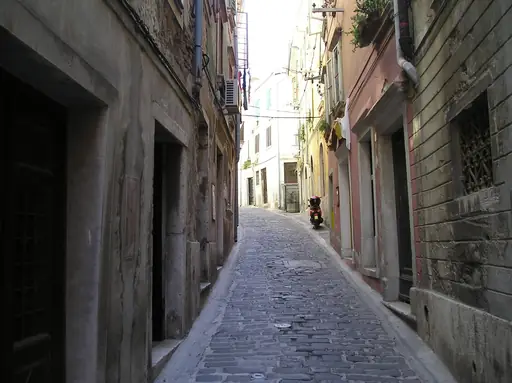
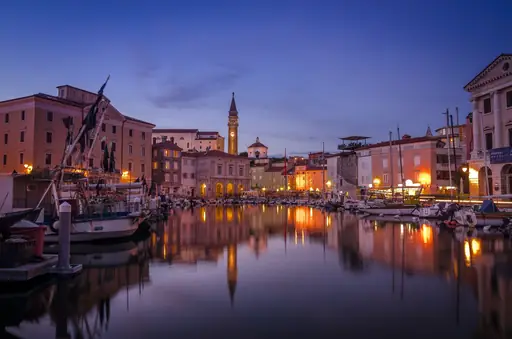
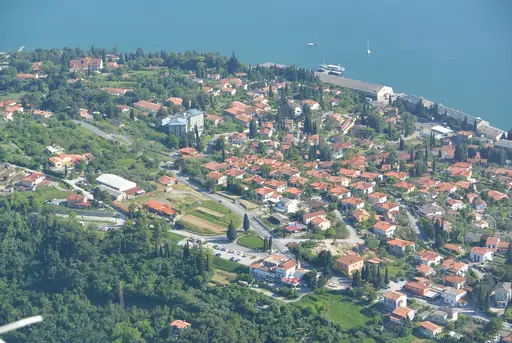
On a narrow point jutting into the Adriatic, this Slovenian port is packed with Venetian style houses. Tartini Square, named for a violinist born here in 1692, is the central meeting spot. Climb the old walls for roof views. Eat fresh grilled fish by the harbour.
Town in Italy
Matera
The ancient cave city of Italy
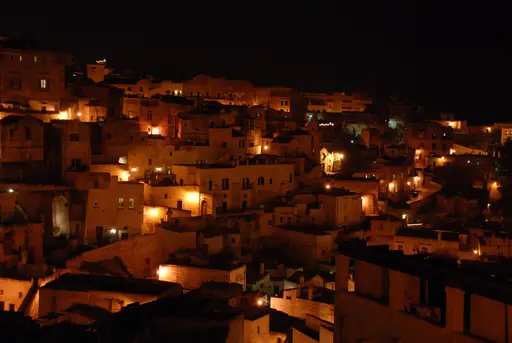
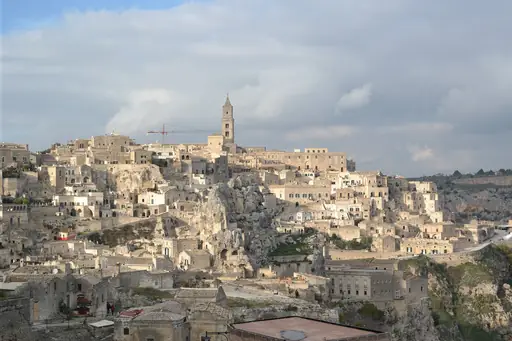
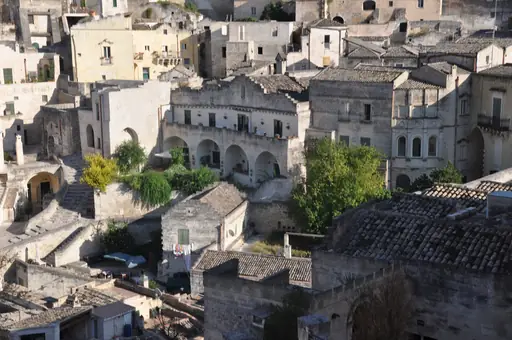
Ancient cave dwellings called Sassi climb a ravine in this southern Italian town. UNESCO lists the Sassi di Matera. Visitors can stay in cave hotels and eat local bread and cheese. Evening lights make the stone streets glow warmly and invite slow walks across the old town.
City in France
Carcassonne
Medieval Walls, Towers and Timeless Magic
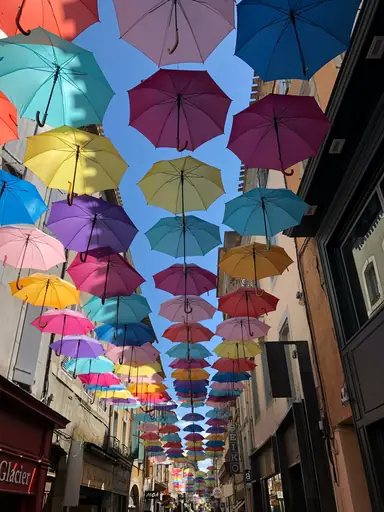
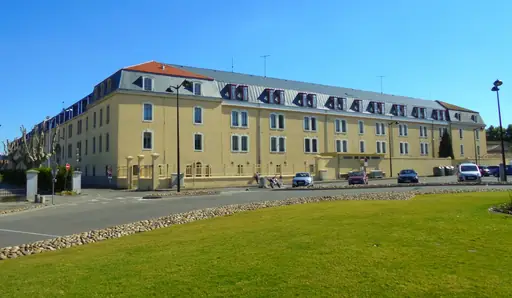
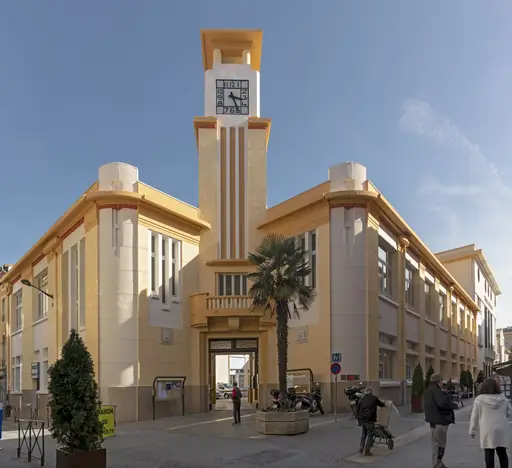
A fortified medieval citadel with dozens of towers rises above the Aude river. Cobbled lanes inside the walls hold cafes and small shops. Visitors can taste cassoulet stew in family run restaurants. The Canal du Midi runs through the lower town for gentle waterside walks.

Town in France
Amboise
Renaissance Charm along the Loire
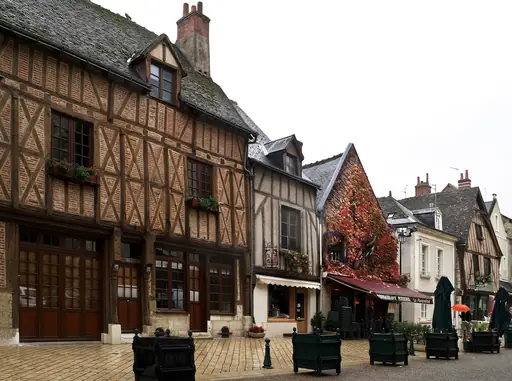
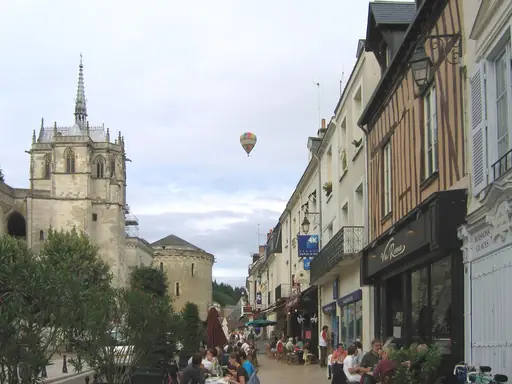
A royal château towers over this small Loire town beside the river. Leonardo da Vinci spent his final years at nearby Clos Lucé. Visitors can browse cafes, pastry shops and wine cellars carved into the rock. Evenings feel calm and peaceful once the day trippers leave.
Town in Ireland
Dingle
Wild Atlantic Views, Music & Craic
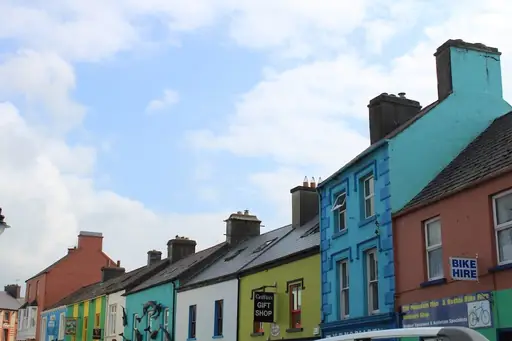
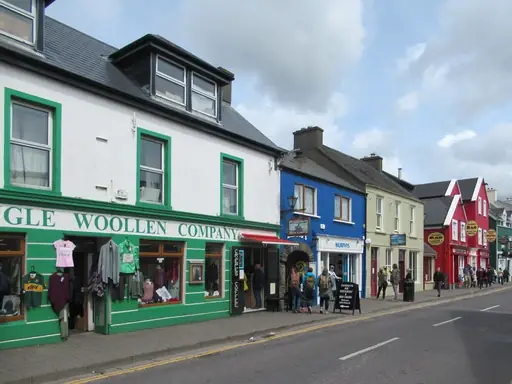
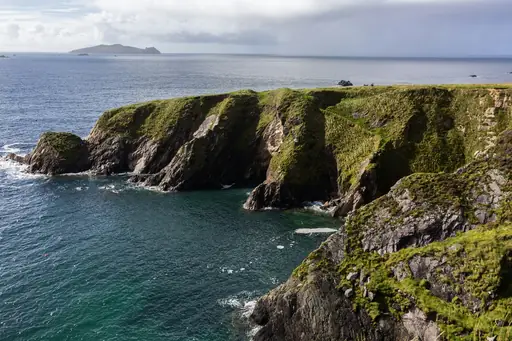
The town is like a big village that never lost its fishing roots. Bright shopfronts line the harbour. Fresh fish comes in daily to small restaurants. Pubs host live music sessions most nights. Order a pint and a bowl of seafood chowder. Stay at a small guesthouse near the water.
Town in Italy
Alberobello
The fairytale town of trulli
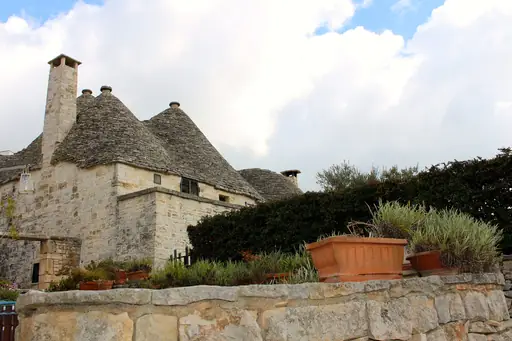
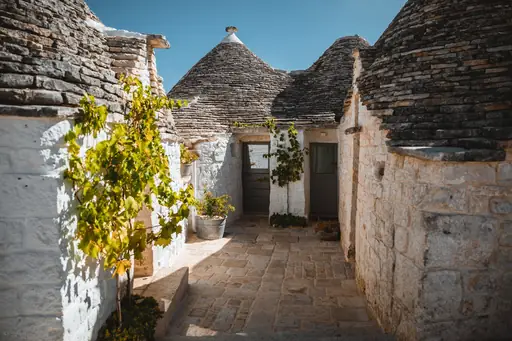
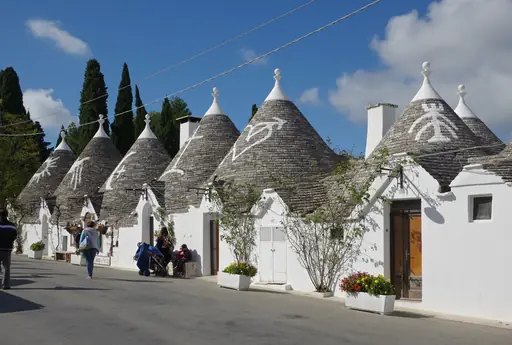
Whitewashed stone huts with conical roofs, called trulli, crowd the hillsides of this Puglian town. More than a thousand stand in two UNESCO listed districts. Visitors can wander lanes of craft shops and sleep in restored trulli. Local orecchiette pasta and wine make dinner a slow evening affair.
Village in Norway
Reine
Lofoten’s Iconic Fjord Village
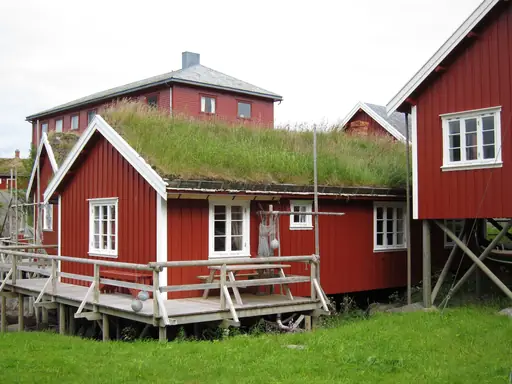
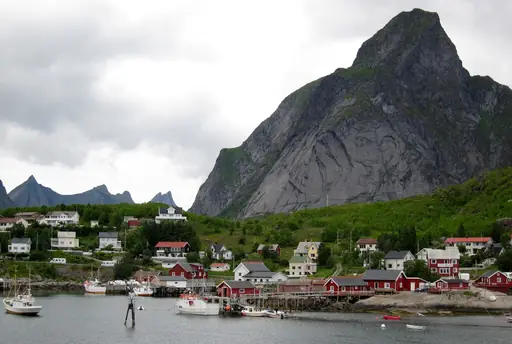
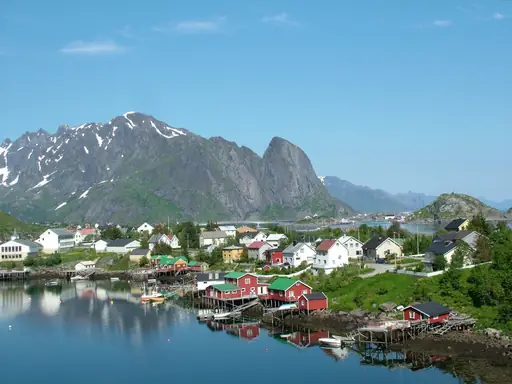
Red rorbu cabins, old fishermen's huts on stilts, line the water. Tall peaks rise straight from the fjord behind them. Fish still dries on wooden racks in late winter and spring. Come in winter for northern lights and a warm cabin with a view. Warm cafes sell cinnamon buns.
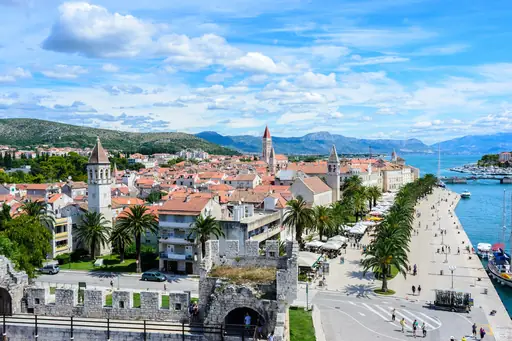
Town in Croatia
Trogir
Medieval Marvel on the Adriatic
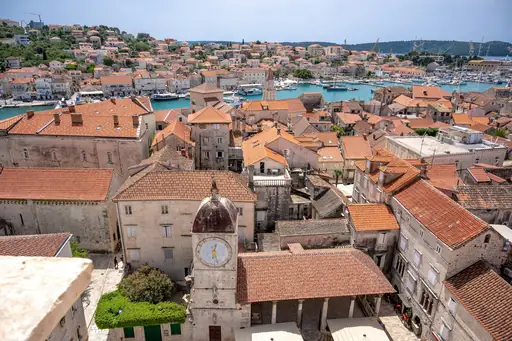
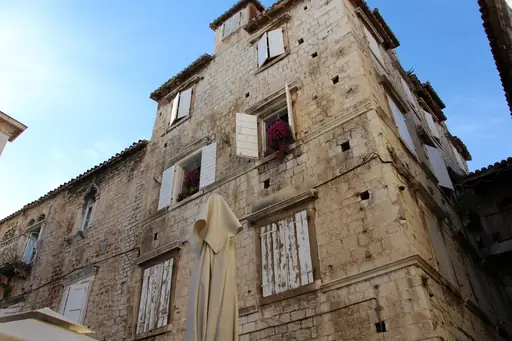
The portal of St Lawrence Cathedral has carved figures by Master Radovan from around 1240. The old town sits on a tiny island joined to the mainland by a bridge. Stone lanes are too narrow for cars. Sit on the waterfront promenade and watch boats come in.
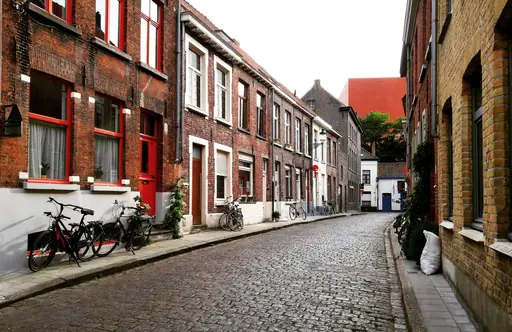
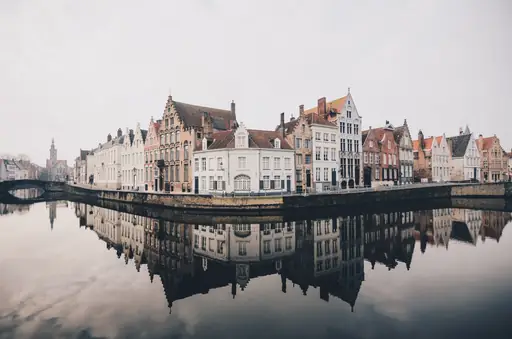
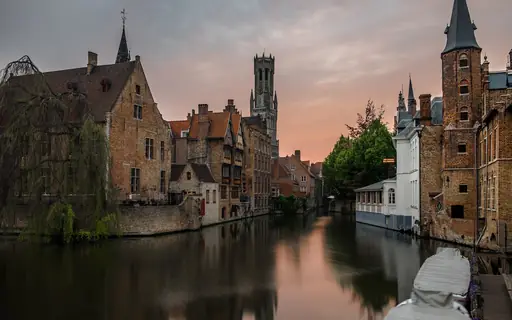
City in Belgium
Bruges
Medieval Charm and Chocolate Bliss
Canals, cobbled lanes and medieval brick houses give this Belgian town a storybook feel. Horse drawn carriages and canal boats circle the old centre. Visitors can sip Belgian beer, eat chocolate and climb the Belfry. Evenings turn quiet once the day trippers leave and the canals glow.
Town in France
Annecy
Fairytale town by a crystal lake
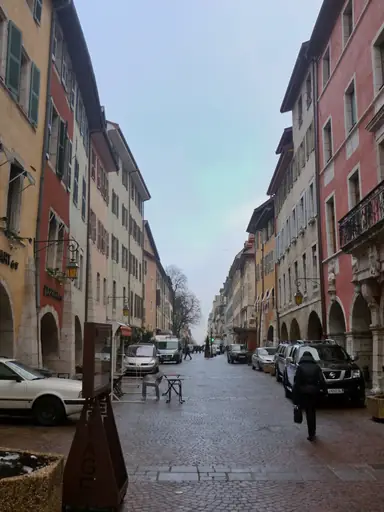
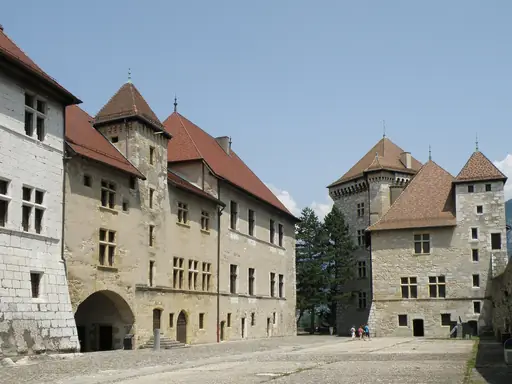
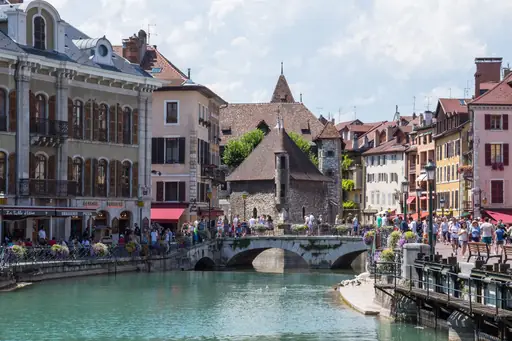
Canals wind between pastel houses in this lake town beside the French Alps. The Palais de l'Île, a medieval island prison, sits in the middle of the old town. Visitors can swim or paddle in Lake Annecy and eat tartiflette in winter. Markets fill the old town streets on Tuesday, Friday and Sunday.
Village in Austria
Hallstatt
A Fairytale Village by the Lake
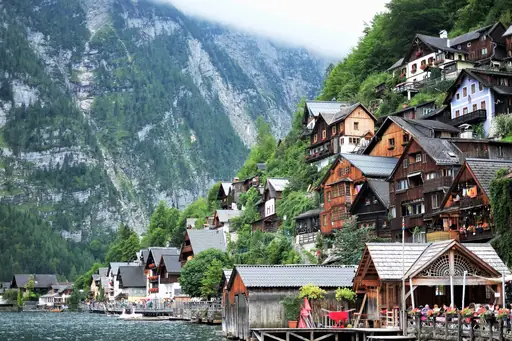
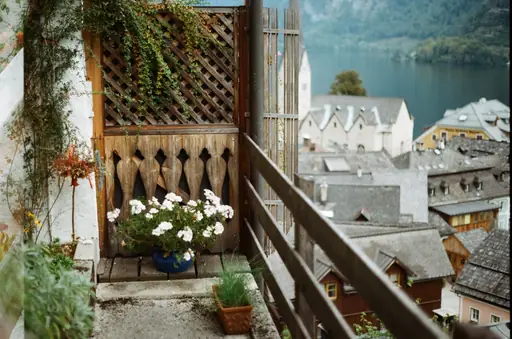
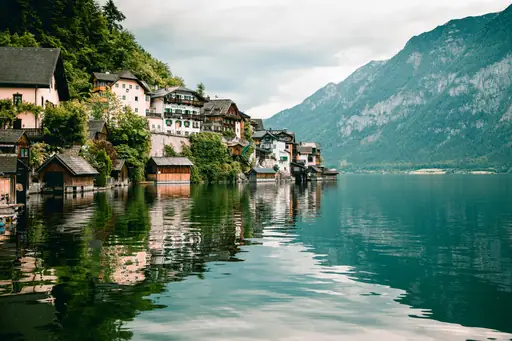
Houses cluster between a dark mountain and a glassy lake in this Alpine village. UNESCO lists the Salzkammergut region with its salt mining heritage. Visitors can ride the funicular to the salt mine and the Skywalk. Early mornings and evenings are the quietest times to walk the lakeside lanes.
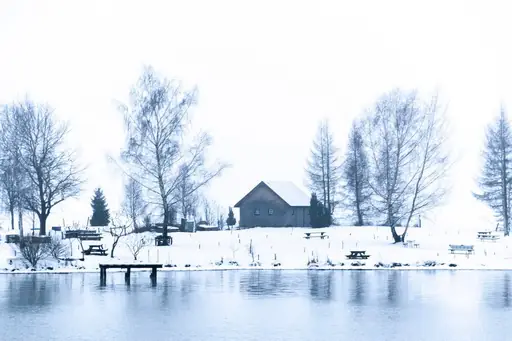
Village in Austria
Sankt Gilgen
Lakeside Charm in the Alps
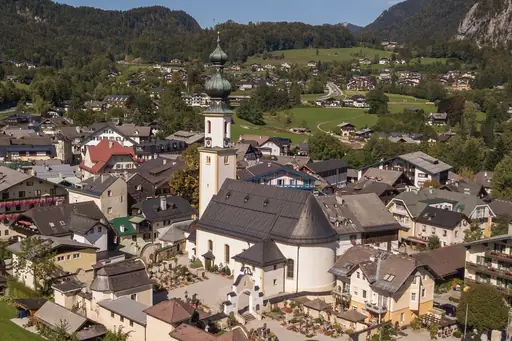
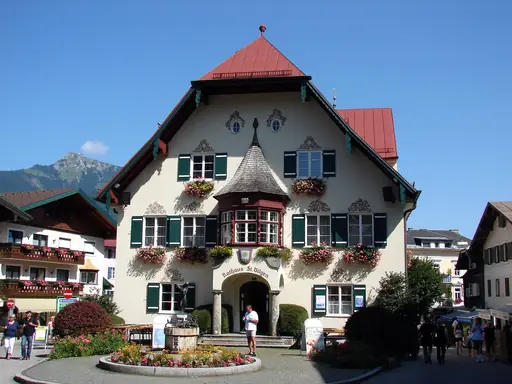
It is a calm lake village with the views of a postcard and few of the crowds. Mozart's mother was born here. Walk the shore of Lake Wolfgang past wooden boathouses. Take a cable car up the Zwölferhorn for views over the lakes. Boat trips cross the lake in summer.
Region in Finland
Lapland
Northern lights and midnight sun
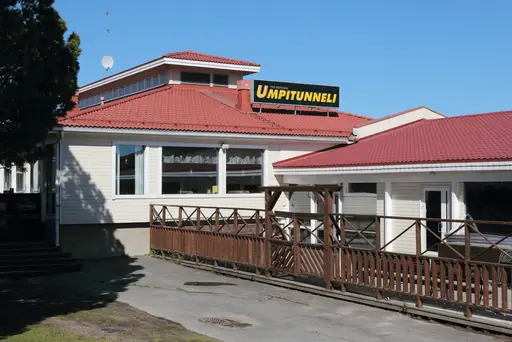
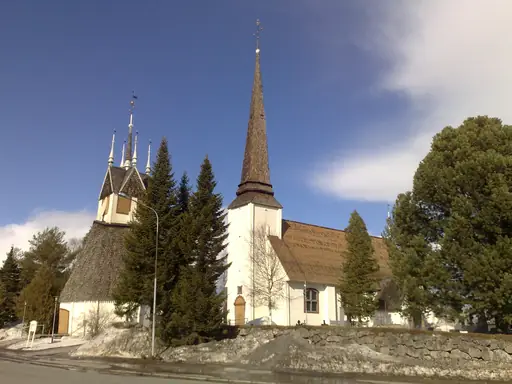
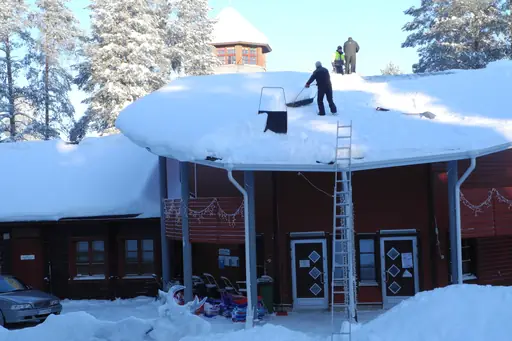
Snow covered forests, reindeer and northern lights create a winter wonderland in Finnish Lapland. Rovaniemi is the official hometown of Santa Claus. Visitors can stay in glass igloos and log cabins with private saunas. Husky rides and snowmobile safaris fill the days in the snowy forest.
Town in United Kingdom
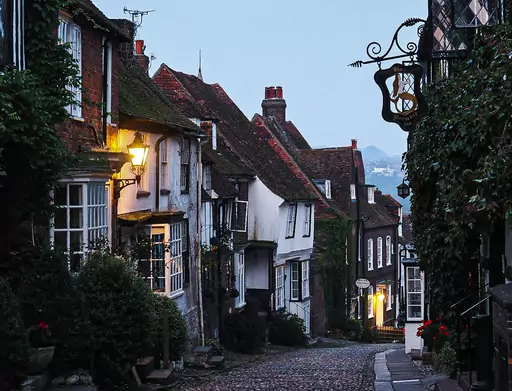
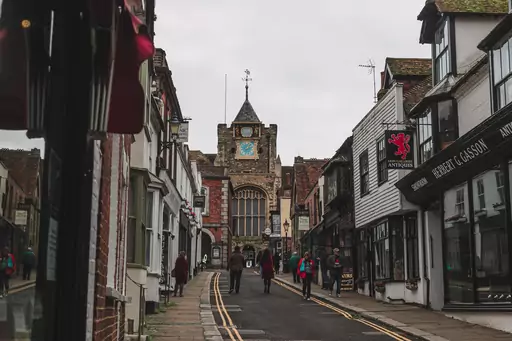
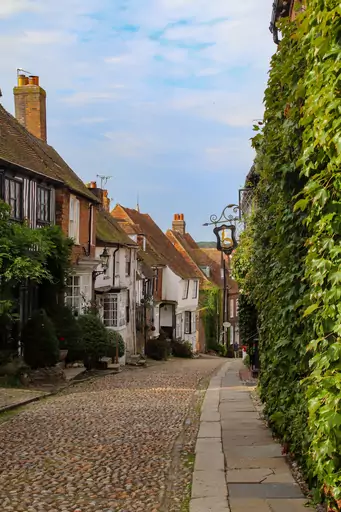
Rye
Medieval citadel with smuggler's soul
It looks like a film set for an English storybook village. Cobbled Mermaid Street climbs between timber framed houses. Tea rooms and antique shops fill the lanes. Stop for fish and chips. Then watch the sun set over Romney Marsh from the old Ypres Tower.
Town in Czech Republic
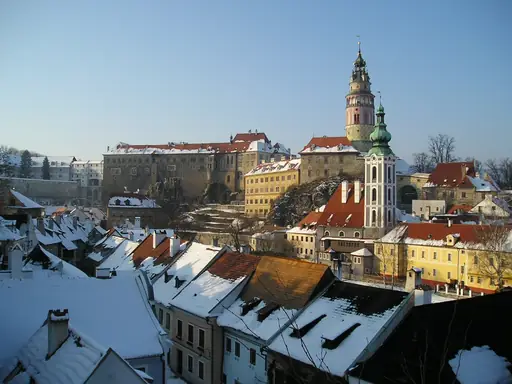
Český Krumlov
Fairytale Town with Rich History
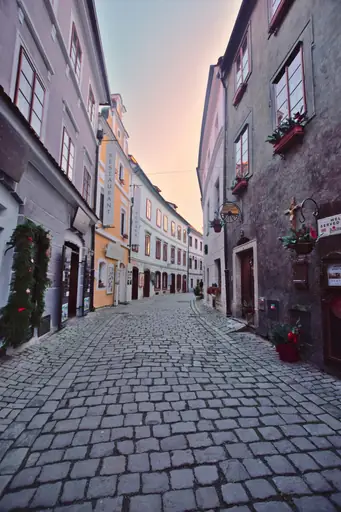
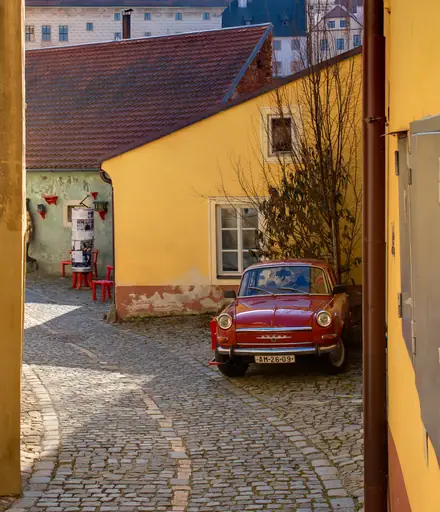
A fairy tale castle rises above a bend in the Vltava river in this Czech town. Red roofs, Baroque houses and winding lanes fill the UNESCO listed old town. Visitors can paddle rafts on the river and dine in candlelit cellars. Winter lights add extra warmth to the streets.
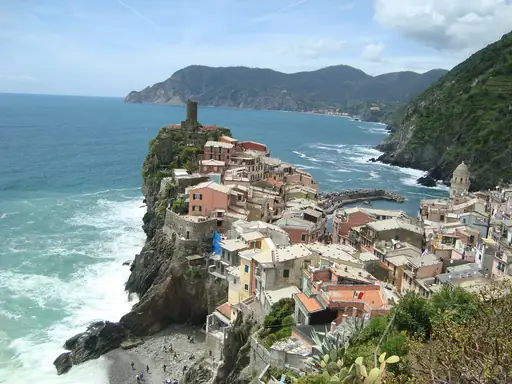
Region in Italy
Cinque Terre
Colorful Cliffs and Coastal Charm
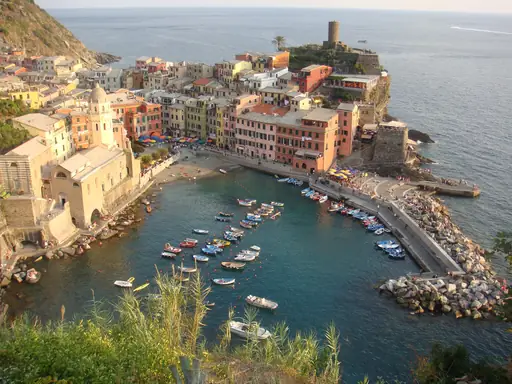
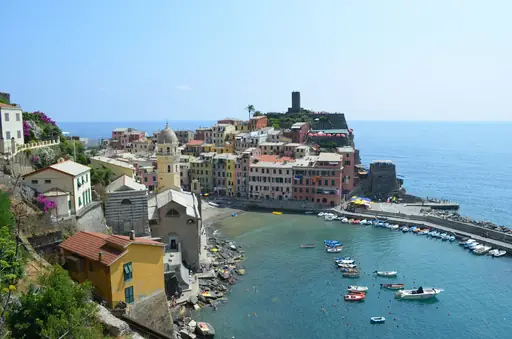
Five colourful villages cling to cliffs above the Ligurian Sea. Hiking trails and a local train link them together. Visitors can eat fresh anchovies, focaccia and pesto and swim from small beaches. Sciacchetrà dessert wine is a sweet local speciality from terraced vineyards above the sea.
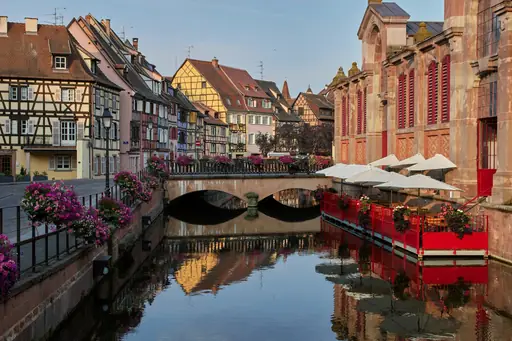
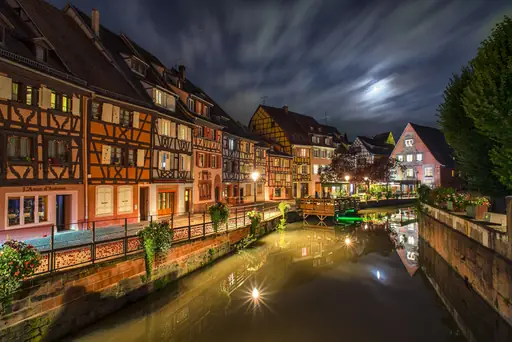
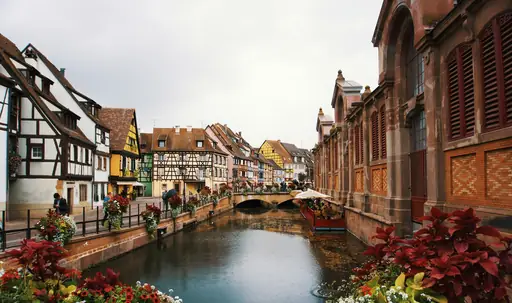
City in France
Colmar
A Fairytale Town in Alsace
Half timbered houses in pastel colours and flower boxes line the canals of this Alsatian town. The Little Venice quarter has flat bottomed boats gliding past. Visitors can taste Riesling wines and Alsatian dishes like tarte flambée. Christmas markets make winter especially warm and cheerful.
Town in Portugal
Óbidos
A Fairytale Town Behind Ancient Walls
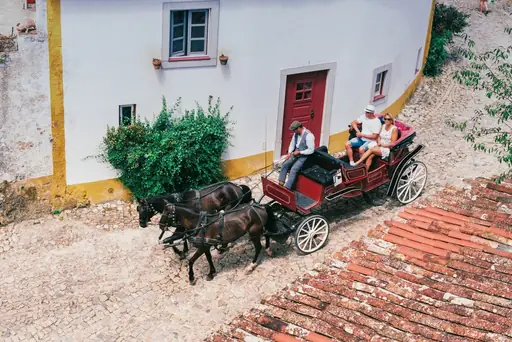
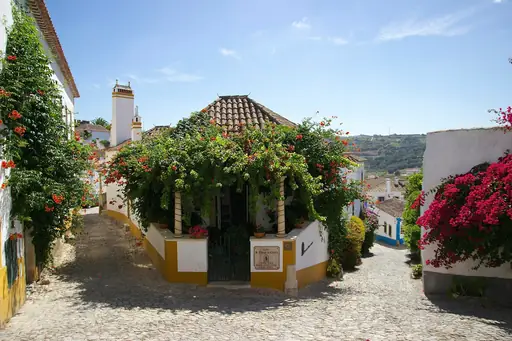
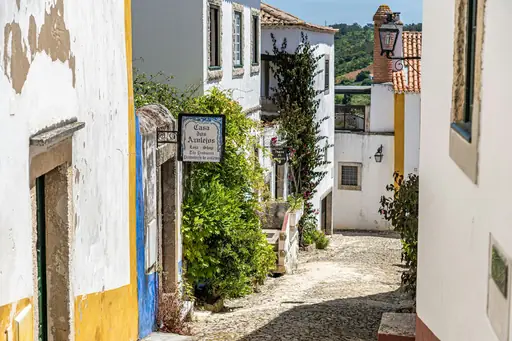
Whitewashed houses line cobbled lanes inside intact medieval walls. A castle at the top now serves as a pousada hotel. Visitors can sip ginjinha cherry liqueur from chocolate cups. Bookshops, cafes and craft stores fill old buildings along the main street for a slow browse.
Region in Germany
Bavaria
Alps, castles, beer gardens and old towns
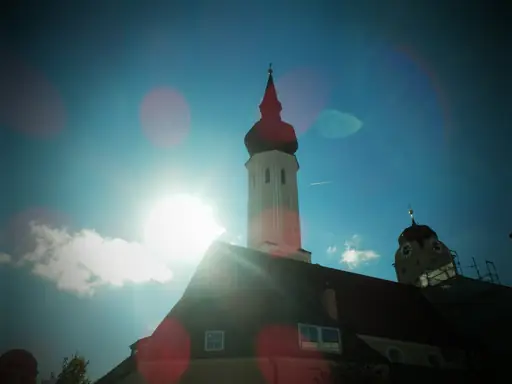
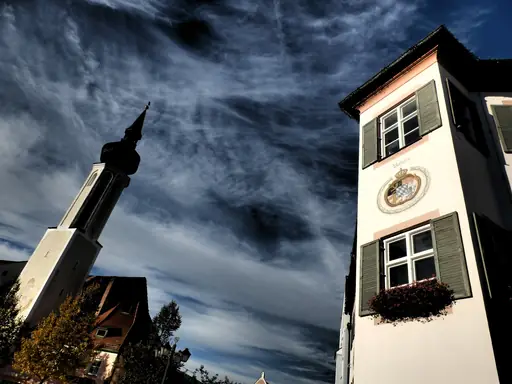
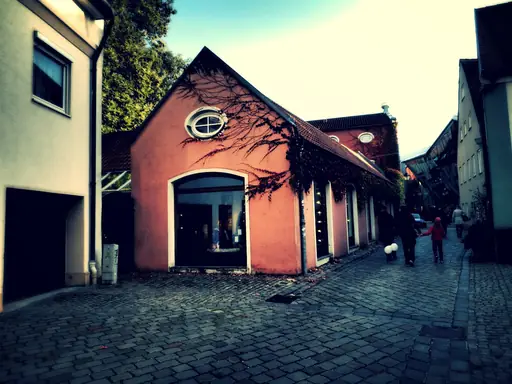
Half timbered villages, onion domed churches and Alpine lakes define this German state. Garmisch Partenkirchen, Oberammergau and Berchtesgaden are popular cosy bases. Visitors can linger in beer gardens, hike mountain trails and browse Christmas markets in winter. Neuschwanstein Castle lies a short drive from Füssen.
Village in Greece
Lindos
Ancient Ruins Meet Pristine Beaches
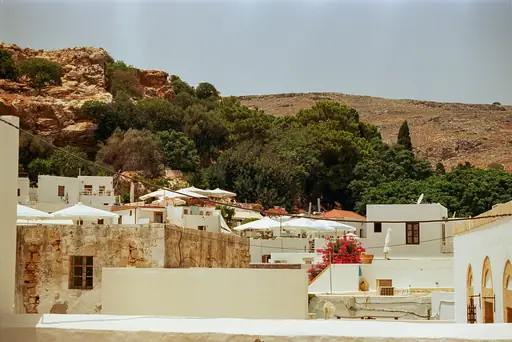
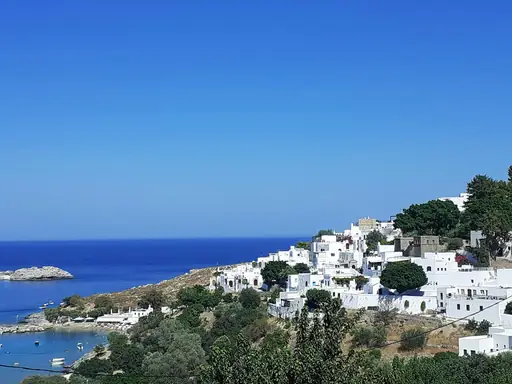
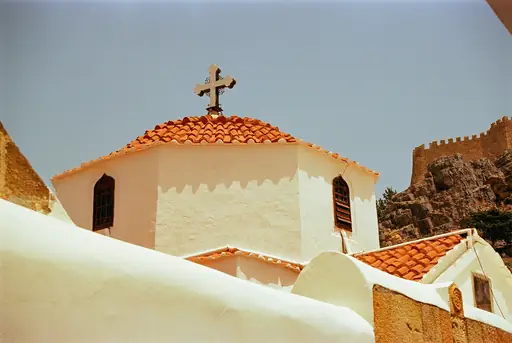
A whitewashed village climbs to an ancient acropolis above a small bay. Captains' houses have pebble mosaic courtyards. Visitors can ride donkeys or walk up to the temple of Athena Lindia. St Paul's Bay below is a calm swimming spot after a morning of sightseeing.
Town in Italy
Orvieto
Umbrian hilltop gem
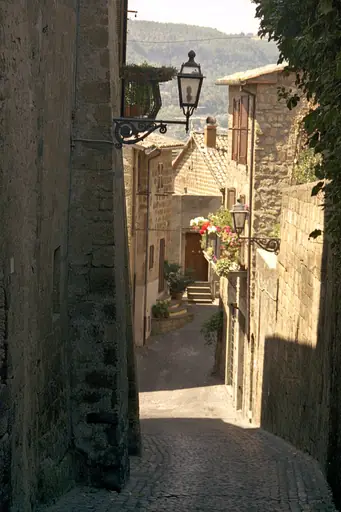
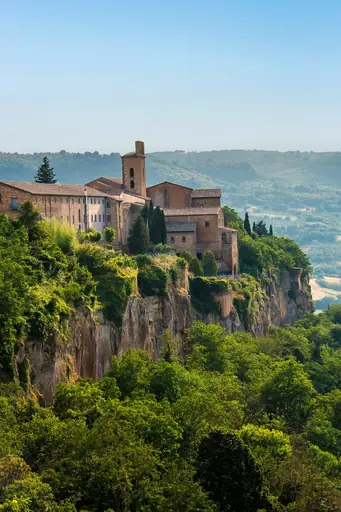
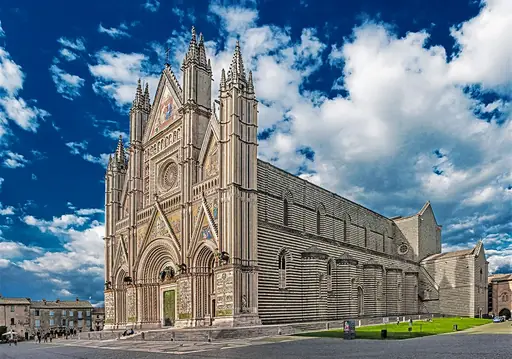
Church bells echo off the stone lanes in the late afternoon. The town sits on a cliff of soft volcanic rock and is small enough to cross on foot. Pop into a wine shop for Orvieto Classico, a crisp local white. The cathedral front glows gold at sunset.
Village in Norway
Geiranger
Majestic Fjords and Dramatic Waterfalls
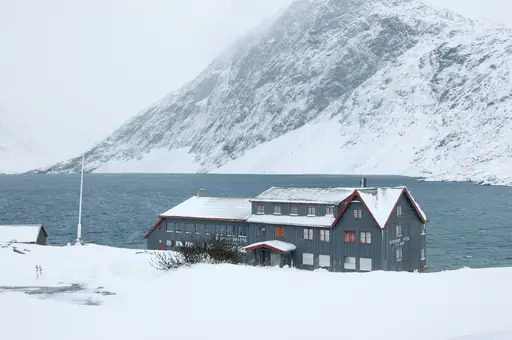
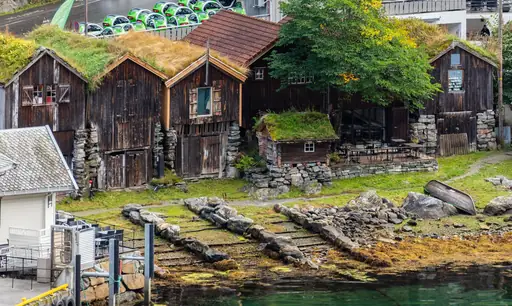
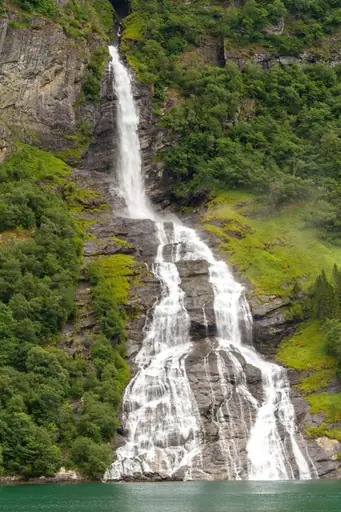
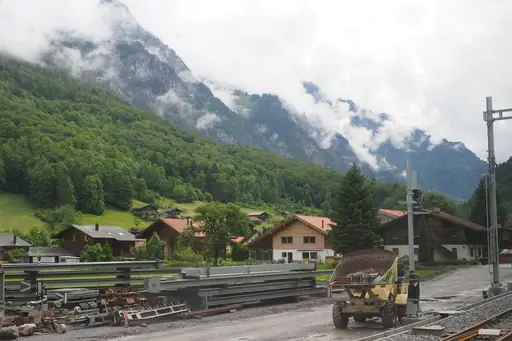
Steep green cliffs surround this tiny village at the head of a UNESCO listed fjord. Waterfalls called the Seven Sisters and the Suitor drop down the cliffs. Visitors can take fjord cruises and hike to the Flydalsjuvet viewpoint. Mornings are quiet before the cruise ships arrive and the water is still.
Village in Switzerland
Grindelwald
A Majestic Swiss Mountain Village
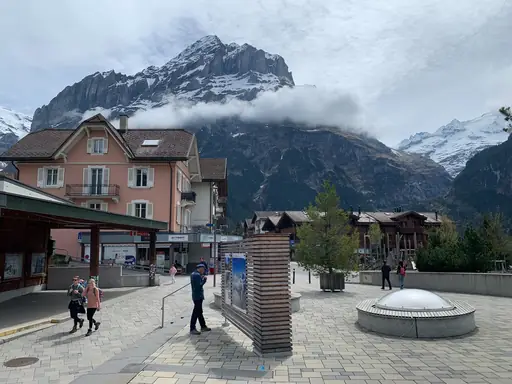
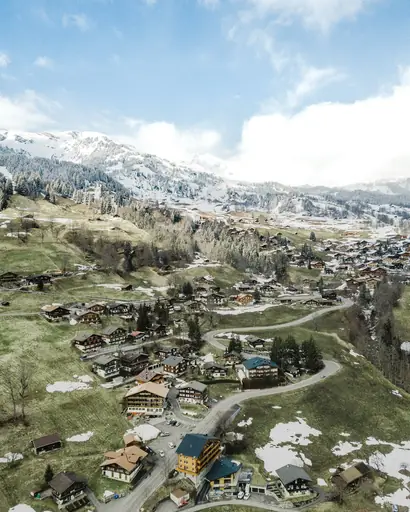
Wooden chalets sit beneath the Eiger north face in this Swiss village. Trains climb to Kleine Scheidegg and Jungfraujoch. Visitors can ski, hike and sip hot chocolate on mountain terraces. A gondola to a clifftop walk at First adds big views of the Alps and the glaciers.
Village in France
Moustiers Sainte Marie
Gateway to the Verdon Gorge
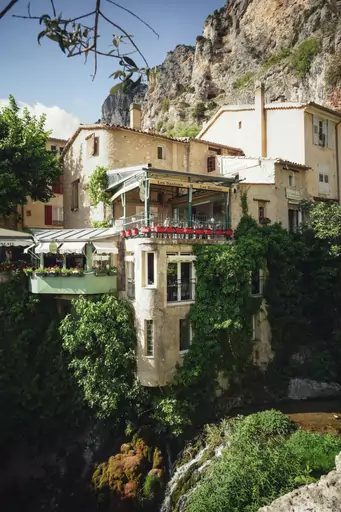
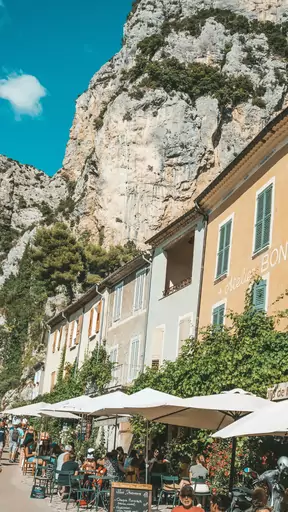
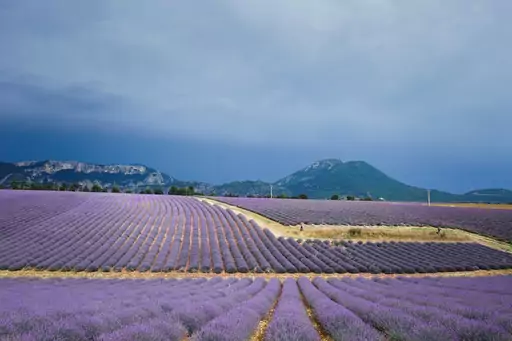
A star hangs on a chain across a cliff above this Provençal village according to legend. Faience pottery has been made here since the 1600s. Visitors can browse pottery studios and lavender shops. The Verdon Gorge lies nearby for hiking and boating on green water.
City in France
Saint-Malo
Walled city, wild tides, pirate tales
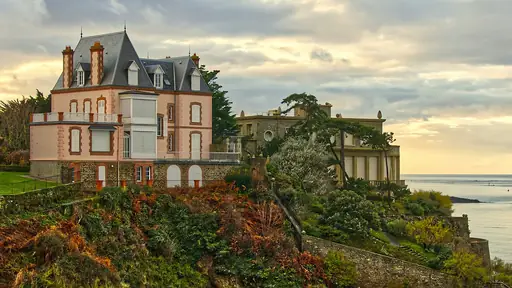
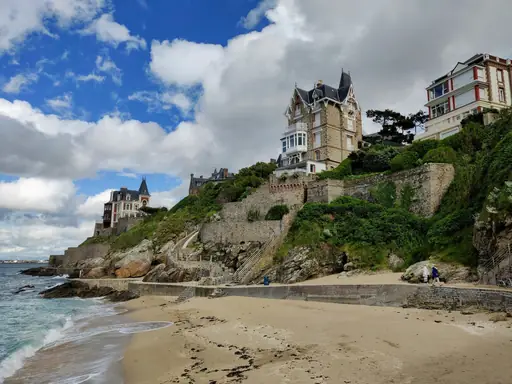
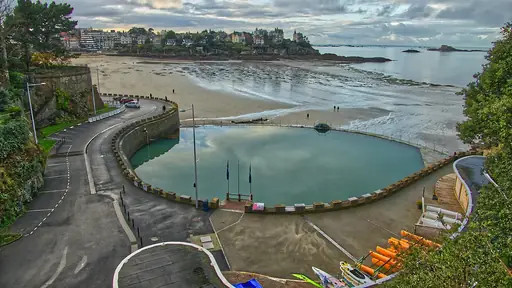
Jacques Cartier sailed from here in 1534 on his voyage to what is now Canada. Privateers called corsairs also grew rich from this port. Today the walled old town is full of crepe houses and small cafes. Walk the ramparts at dusk. Pick up salted caramel sweets from a local shop.
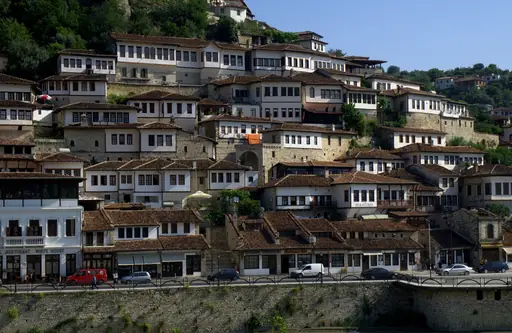
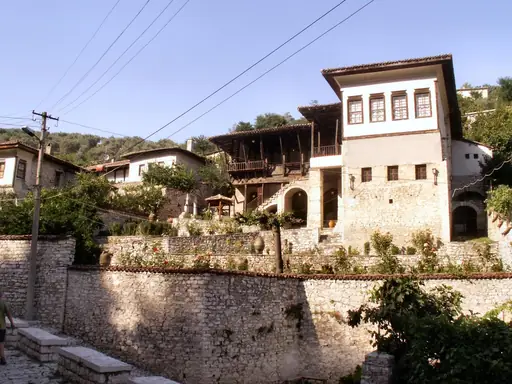
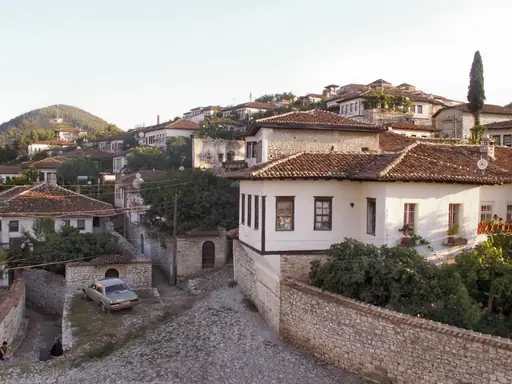
Town in Albania
Berat
City of a Thousand Windows
Ottoman era white houses stack up the hillside in this Albanian town known as the city of a thousand windows. A living hilltop castle holds churches and small guesthouses. Visitors can cross the Gorica bridge and taste local raki and wine. UNESCO lists the old quarter alongside Gjirokastra.
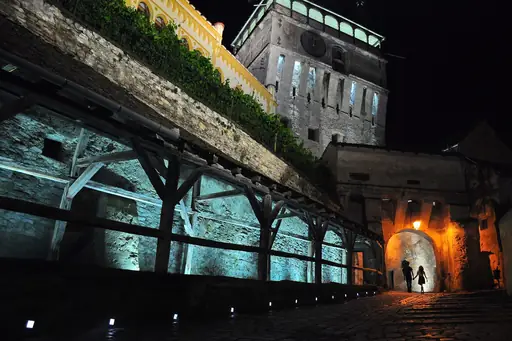
Town in Romania
Sighișoara
Medieval magic in Transylvania
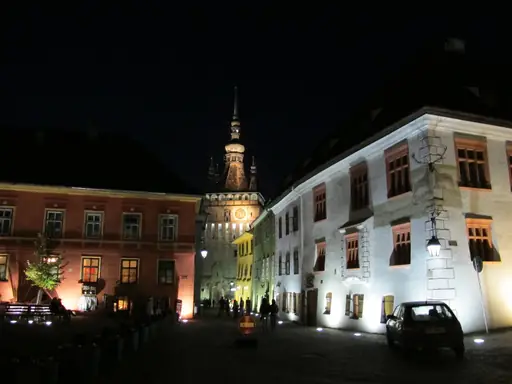
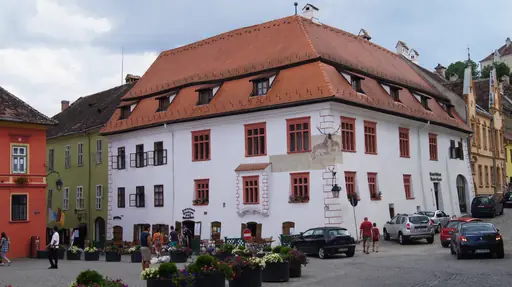
On a hill above the Târnava Mare river in central Romania, the old citadel is a maze of cobbled lanes. Painted houses in yellow, pink and blue lean together. Climb the Clock Tower for roof views. Order ciorbă, a sour soup, in a small cellar restaurant.
Region in France
Provence
Sunlit lavender fields and historic villages
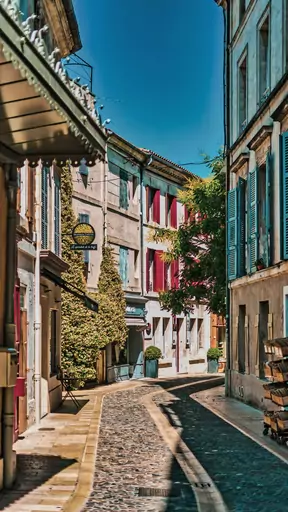
Locals play pétanque, a game of tossing steel balls, in the shade of plane trees. Weekly markets sell olives, goat cheese and lavender. Hilltop villages have stone houses with blue shutters. Visit in late June or July when the lavender fields bloom purple. Sit down for a long lunch with local rosé.
Island in Greece
Hydra
Car-Free Charm and Greek Sun
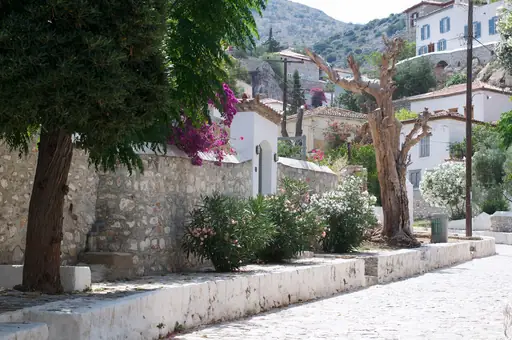
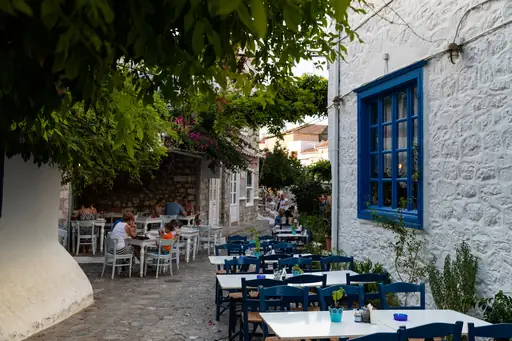
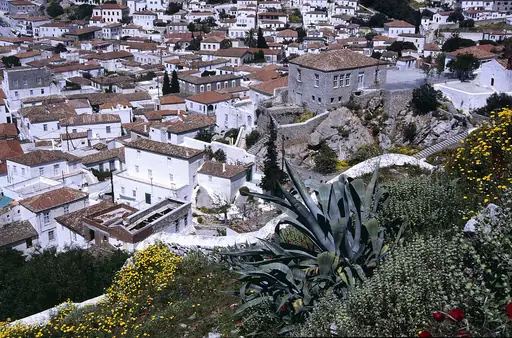
No cars are allowed on this small Greek island, only donkeys and boats. Stone mansions surround a horseshoe shaped harbour. Visitors can swim off rocks and dine at seafront tavernas. Artists and writers including Leonard Cohen once lived here and gave the island its creative fame.
Village in France
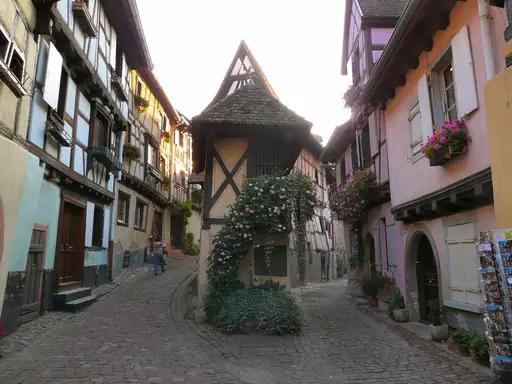
Eguisheim
Timeless village where history greets you
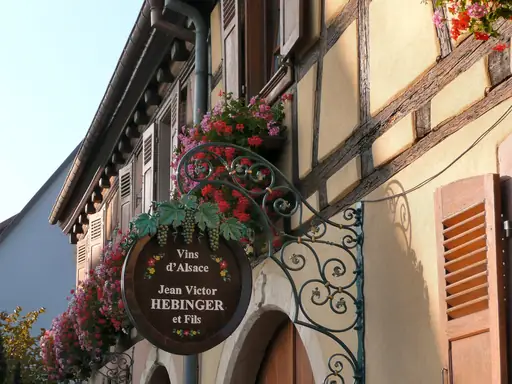
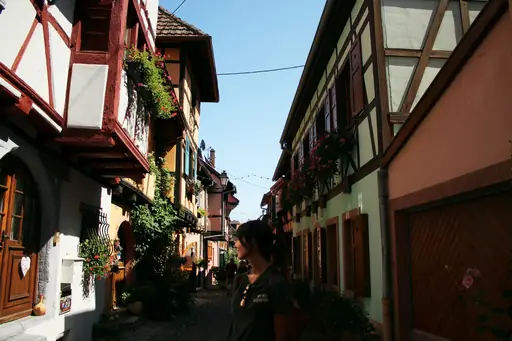
Flower boxes spill red and pink blooms from half timbered houses. The streets curve in circles around a small castle. Wine cellars offer tastings of Riesling and Gewürztraminer. Pope Leo IX was born here in 1002. Stay for dinner at a winstub, a cosy local tavern. Window boxes bloom from spring to autumn.

Village in France
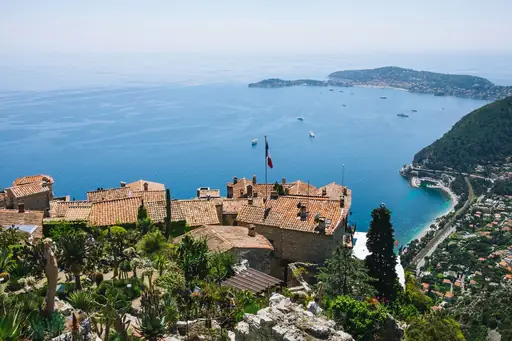
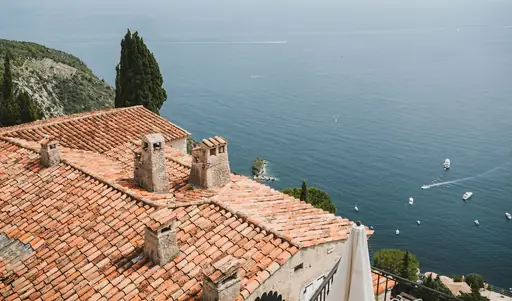
Èze
Medieval Magic Above the Riviera
The Exotic Garden of Èze fills the ruins of a hilltop castle with cactus and succulents. The village clings to a rock about 430 metres above the sea. Stone lanes are narrow and steep with small galleries. Hike the Nietzsche Path down to the coast.
Village in Italy
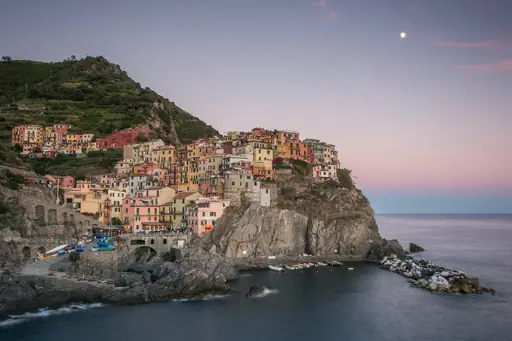
Manarola
Enchanting Cliffside Coastal Village
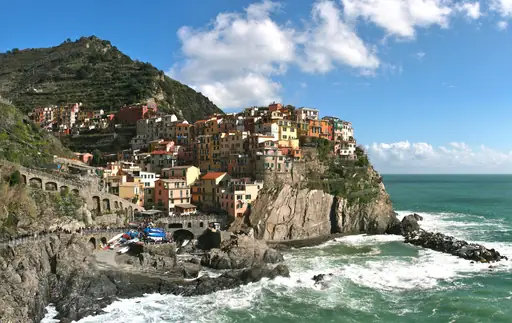
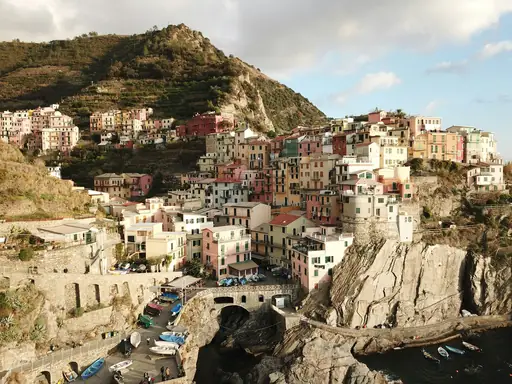
Pastel houses perch on a rock above a tiny harbour. Vineyard terraces climb the hills behind the village. Visitors can swim from the rocks and sip local Sciacchetrà wine. Sunset photographers gather at the harbour path each evening to watch the light fade over the sea.
Town in Germany
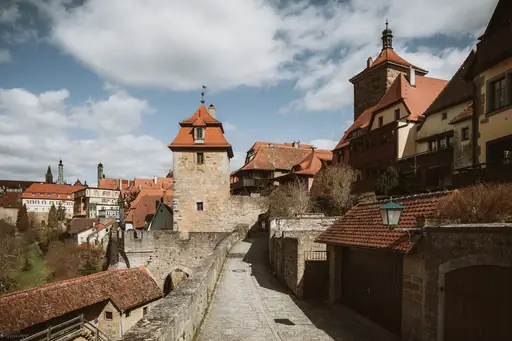
Rothenburg ob der Tauber
Half-timbered streets and a walkable town wall
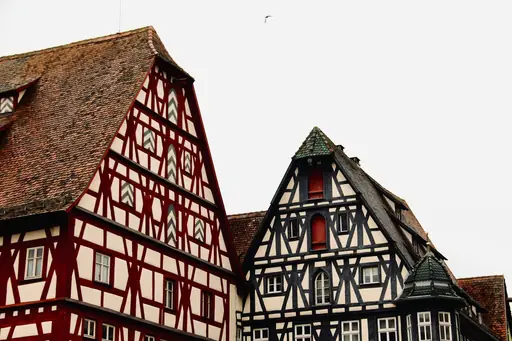
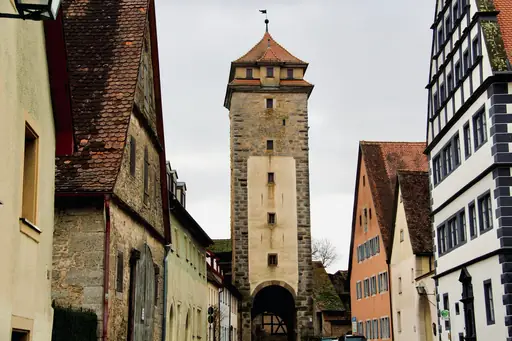
Come in December when the Christmas market fills the main square. Mulled wine and roasted almonds scent the lanes. Snow often dusts the half timbered houses. In the evening join the night watchman tour. A guide in a cloak leads you through the dark lanes with a lantern.
Town in Iceland
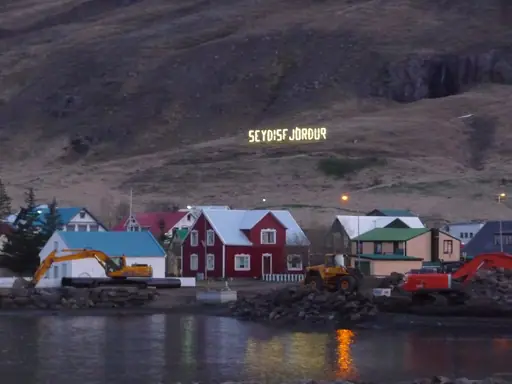
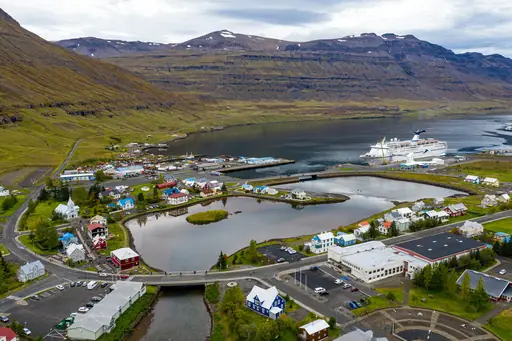
Seydisfjordur
Colorful Fjord Village of the East
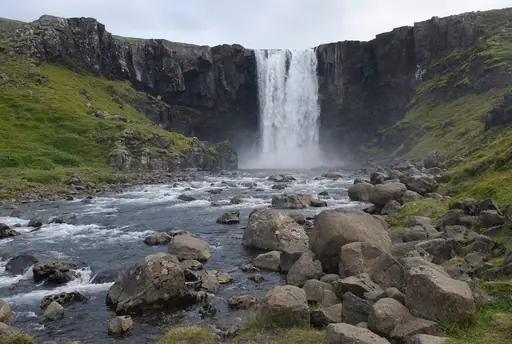
Norwegian herring fishermen built many of the town's wooden houses in the late 1800s. A rainbow painted path leads to the blue church. Summer concerts fill that church on Wednesday evenings. The ferry from Denmark docks here. Hike to waterfalls above the town in summer. A small arts centre keeps the town lively all year.
Town in Italy
Taormina
Sicily’s Cliffside Charmer by the Sea
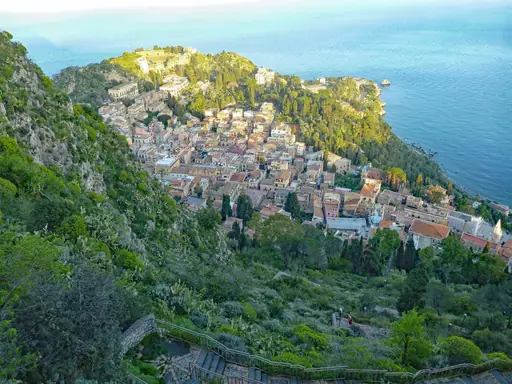
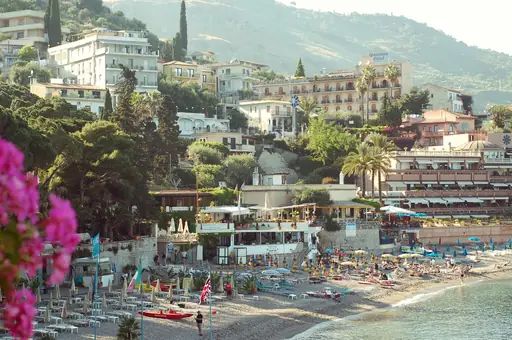
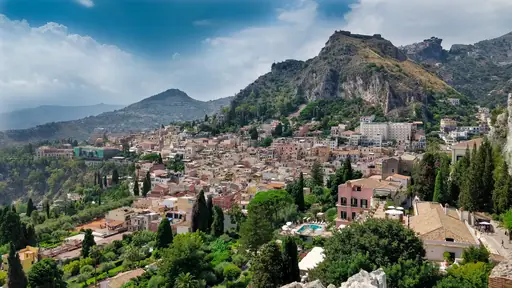
It feels like a balcony hung above the sea, with Mount Etna smoking in the distance. The ancient Greek theatre dates to the 3rd century BC. Corso Umberto, the main street, is lined with ceramics shops and cafes. Try granita, a semi frozen sweet ice, with a warm brioche.
Village in Switzerland
Wengen
Car-Free Alpine Bliss and Epic Views
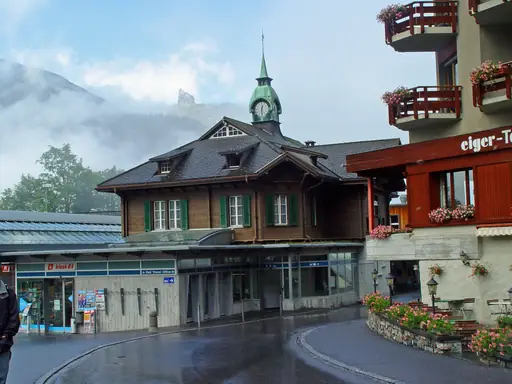
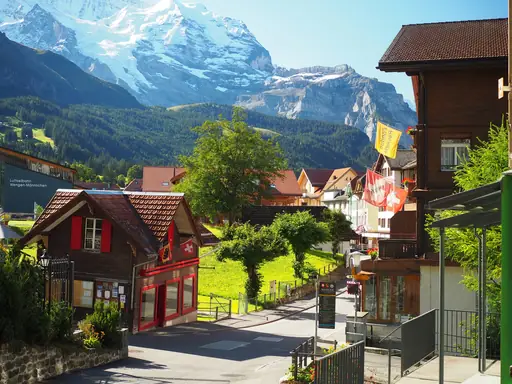
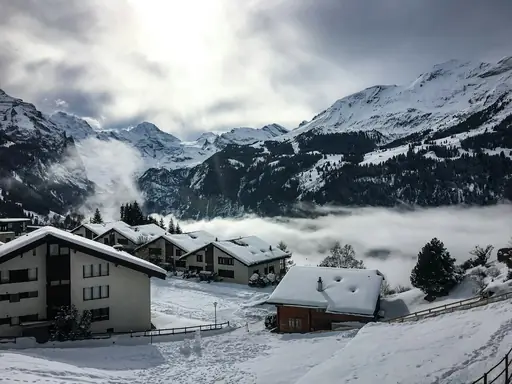
Come in January when the Lauberhorn ski race fills the village with fans. No cars are allowed here, so streets stay quiet and snowy. A cog train climbs from Lauterbrunnen. Wooden chalets look across the valley to the Jungfrau peak. Cafes serve hot chocolate by the window.
Town in Switzerland
Murten
Charming medieval lakeside town
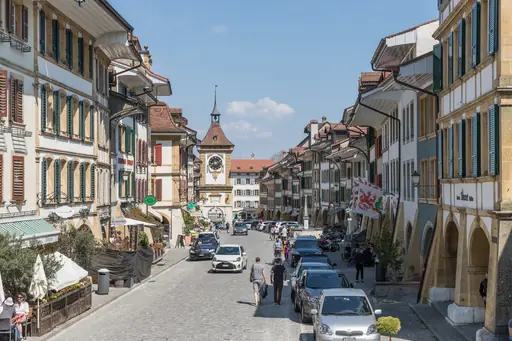
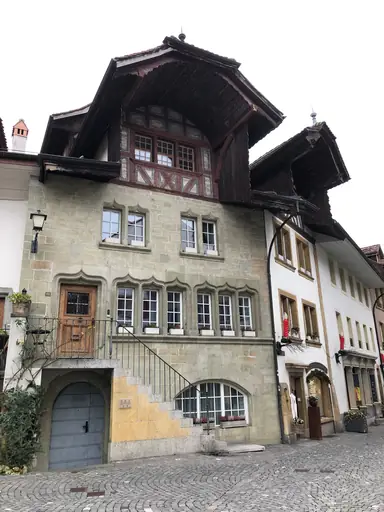
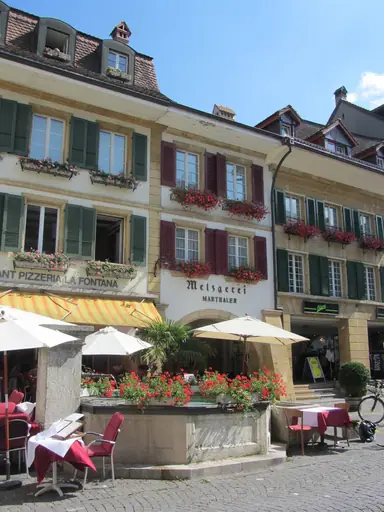
On the shore of Lake Murten in western Switzerland, a medieval wall circles the old town. You can walk along the top of it. Arcaded lanes hold chocolate shops and cafes. Sit by the lake with a slice of Nidelkuchen, a local cream tart. Cross to the lake for a swim in summer.
Town in Denmark
Skagen
Where Two Seas and Art Meet
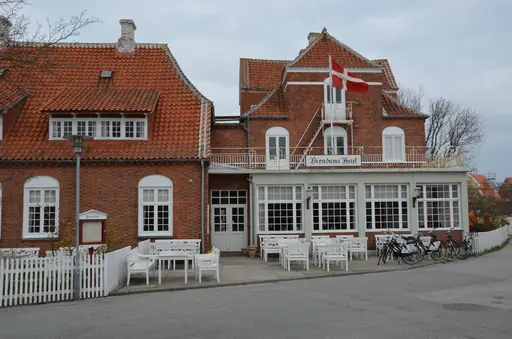
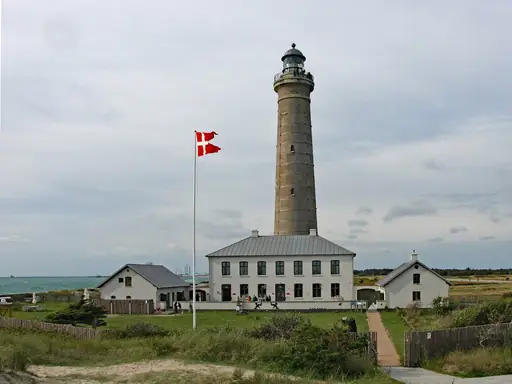
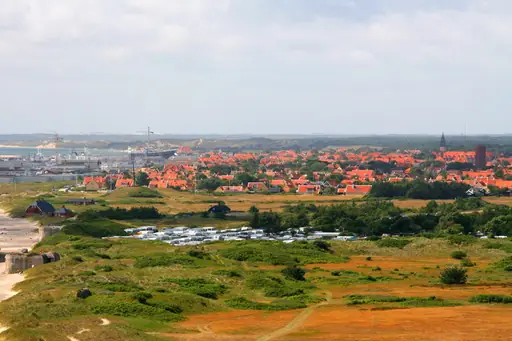
Visit in summer, when the sun sets late and the light turns soft and golden. Artists called the Skagen Painters came here in the 1880s for that light. Houses are painted yellow with red tile roofs. At Grenen, the northern tip, two seas meet in a line of foam.

City in Sweden
Visby
Medieval Walls, Roses and Ruins
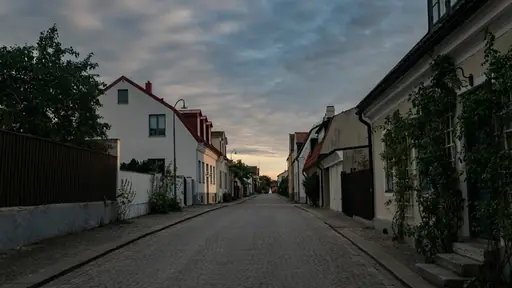
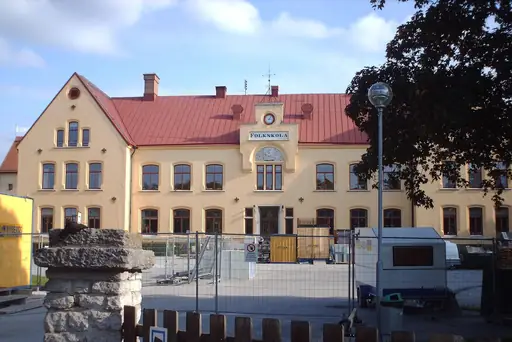
On the west coast of Gotland, Sweden's largest island, a medieval wall circles the old town. Cobbled lanes wind between stone houses covered in roses. Ruined churches stand open to the sky. Warm up with a saffron pancake, a Gotland treat. Walk the wall at sunset for views of the sea.
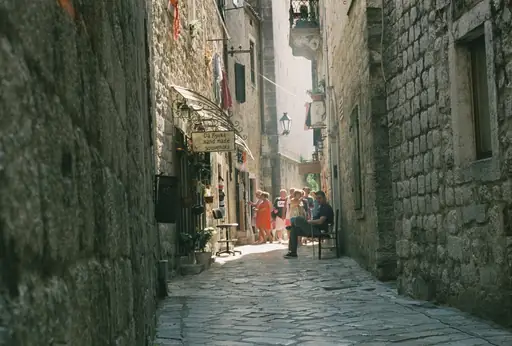
City in Montenegro
Kotor
Medieval magic on a fjord-like bay
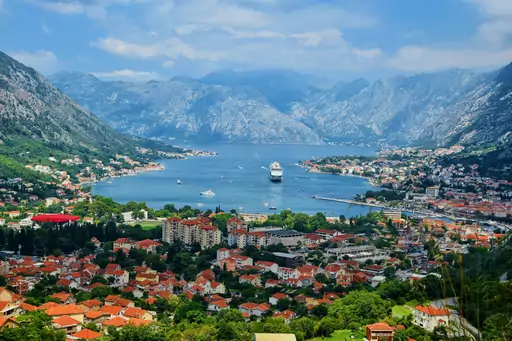
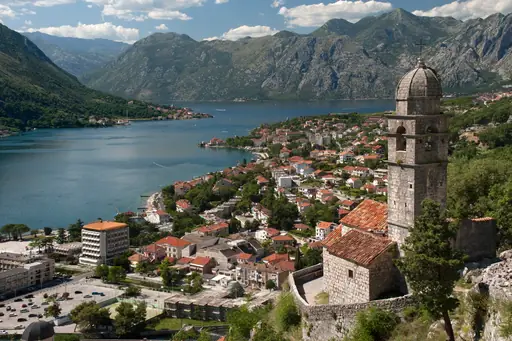
Medieval walls climb the hillside above a fjord like bay in this small town. The old town holds a maze of stone lanes and squares. Visitors can climb to San Giovanni fortress for bay views. Cats roam the squares and add to the charm of the lanes.
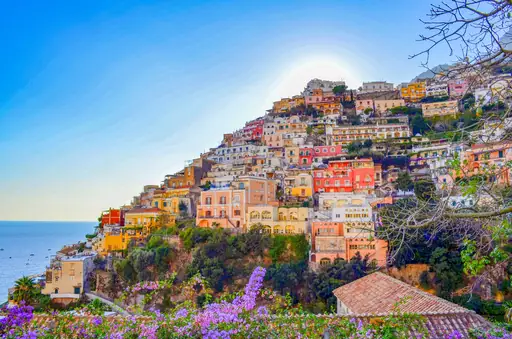
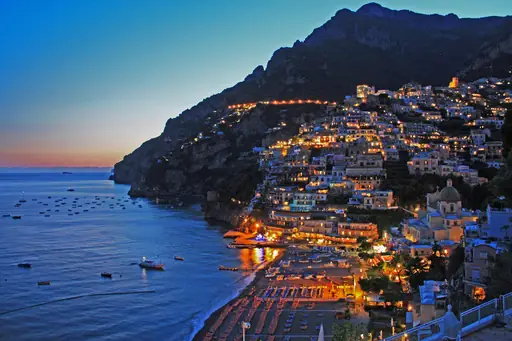
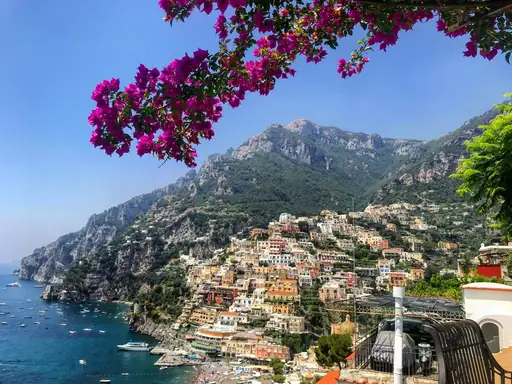
Village in Italy
Positano
Cliffside Beauty on Amalfi Coast
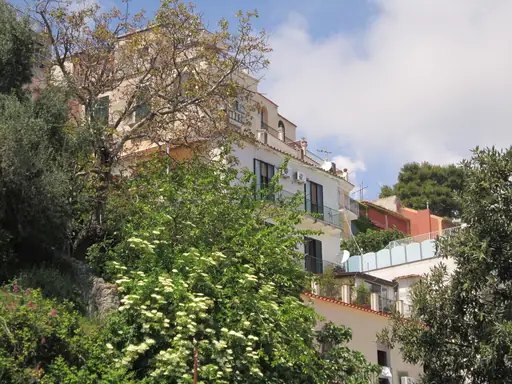
The tiled dome of Santa Maria Assunta stands over the village centre. Houses in pink, orange and white stack up the cliff above Spiaggia Grande. Lanes are steep and full of stairs, so wear good shoes. Small shops sell lemon sweets and handmade leather sandals.
Village in Spain
Alquezar
A Medieval Gem in the Mountains
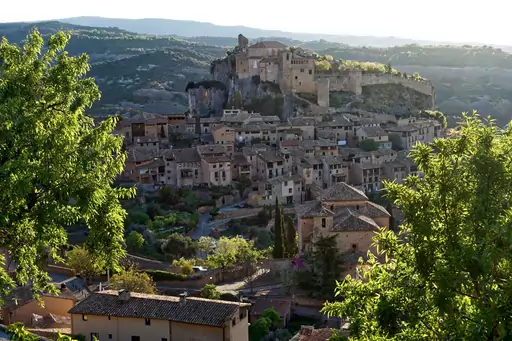
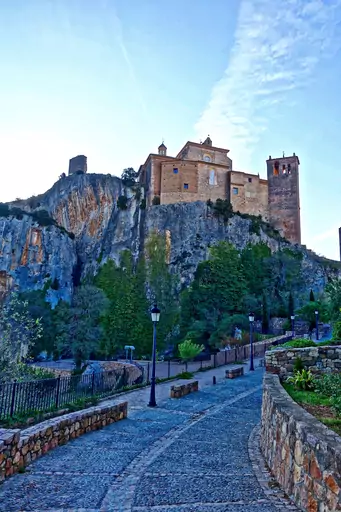
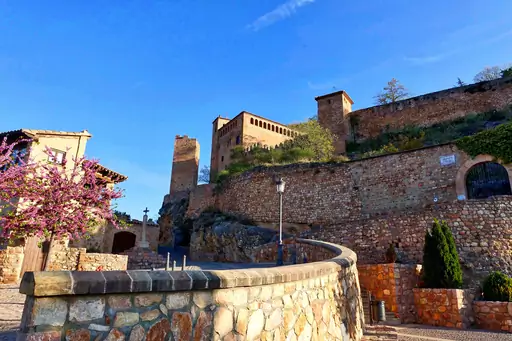
A medieval village clings to a rocky ridge above the Vero river canyon. Its old collegiate church and castle rise over a maze of stone lanes. Visitors can follow walkways built into the cliff above the turquoise water. Local restaurants serve hearty Aragonese dishes and fine olive oil.
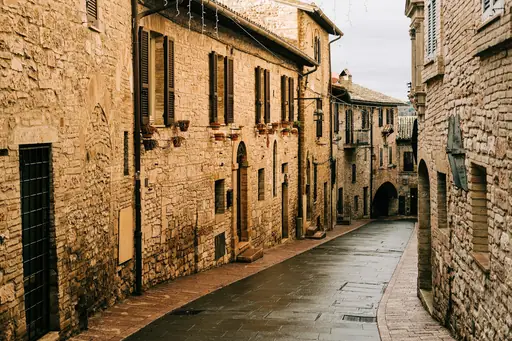
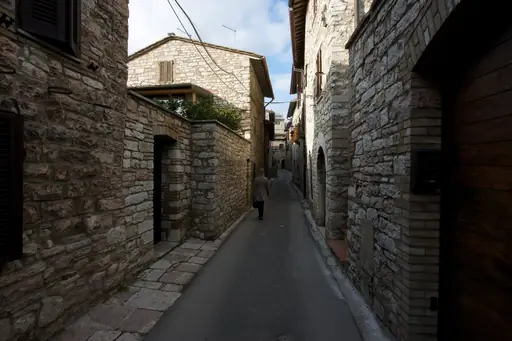
City in Italy
Assisi
Hilltop Saints, Frescoes and Peaceful Views
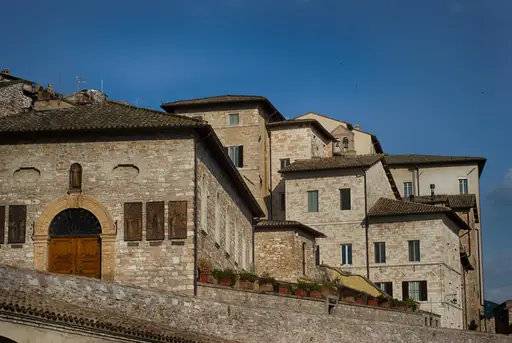
Rose coloured stone buildings climb Mount Subasio in this quiet Umbrian hill town. The Basilica of St Francis holds medieval frescoes by Giotto and other famous artists. Visitors can walk steep lanes and stop for lunch on small terraces. Evenings turn peaceful once the tour groups leave.
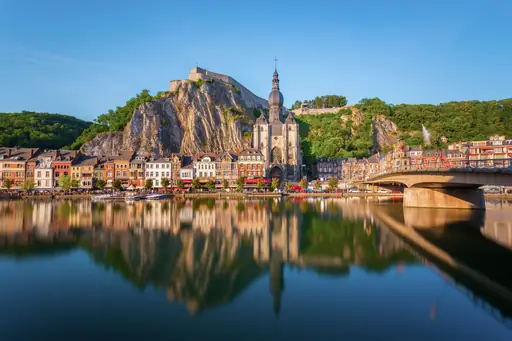
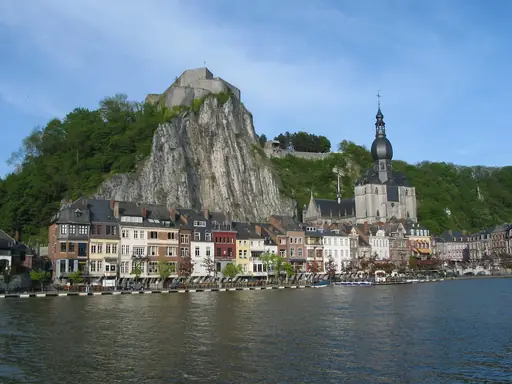
City in Belgium
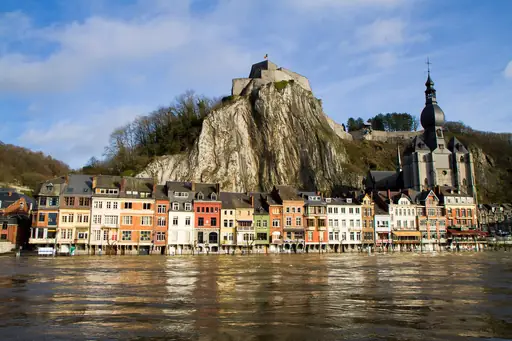
Dinant
Cliffs, Saxophones and River Views
A collegiate church with a bulb shaped tower rises above the Meuse river. A cable car climbs to the Citadel for views over the town. Visitors can taste couques de Dinant hard honey biscuits and Belgian beer. Saxophone inventor Adolphe Sax was born here in 1814.
Town in Italy
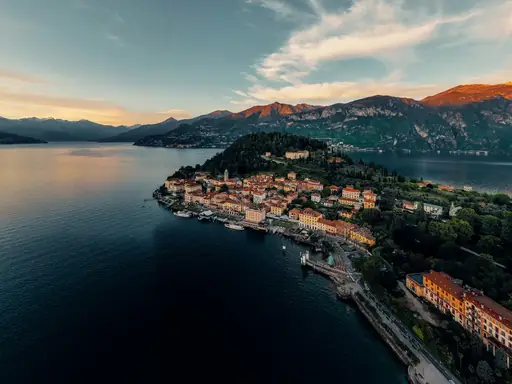
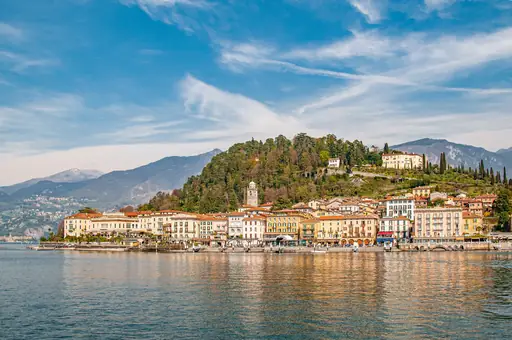
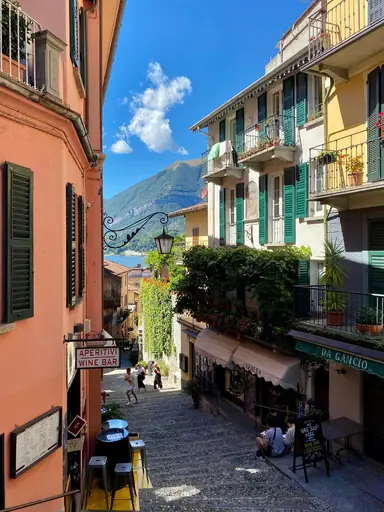
Bellagio
Pearl of Lake Como’s Shores
Terracotta roofs and stepped lanes climb from the shore of Lake Como in this elegant village. Visitors can browse craft shops, gelaterias and lakeside restaurants. Villa Melzi has waterfront gardens with azaleas and statues. Ferries link the village to Varenna and Menaggio for easy day trips.
Village in Norway
Flåm
Fjord Dreams and Railway Magic
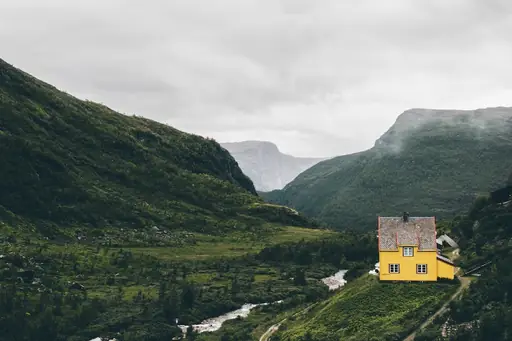
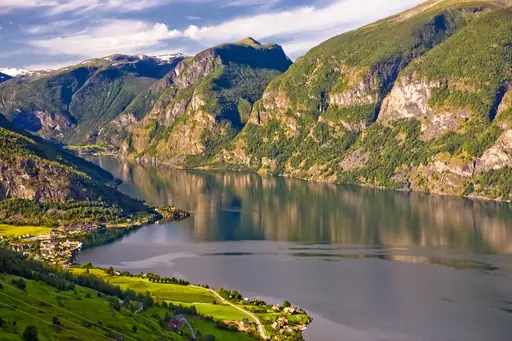
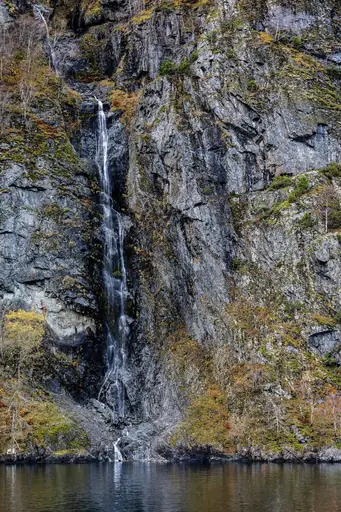
A tiny village sits at the end of the Aurlandsfjord in Norway. The Flåm Railway climbs steeply through waterfalls and mountains to Myrdal. Visitors can kayak the fjord and hike to waterfalls. A local brewery serves beer in a pub built in a stave church style.
Town in United Kingdom
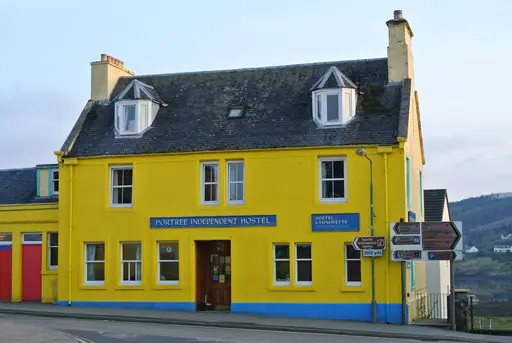
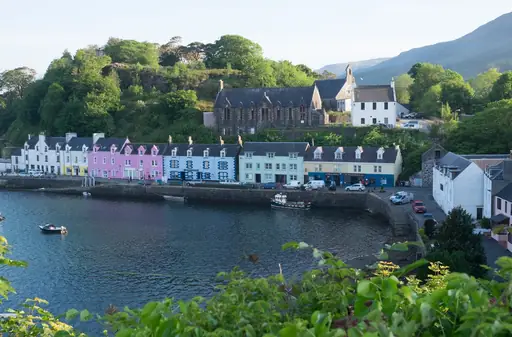
Portree
Colorful Harbour in the Scottish Highlands
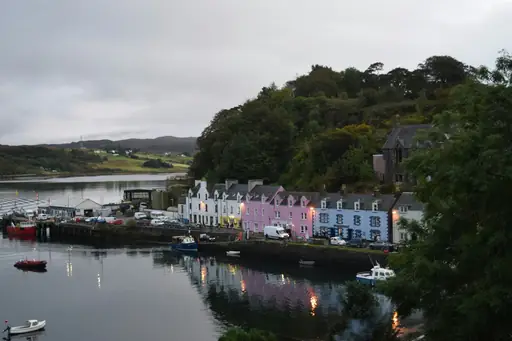
Pastel painted houses curve around the harbour like a bit of the Mediterranean in Scotland. Portree is the main town on the Isle of Skye. Fishing boats bob below the colourful row on Quay Street. Warm up in a pub with fresh seafood and a peat fire.
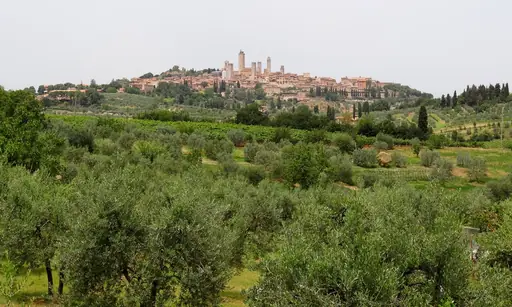
Town in Italy
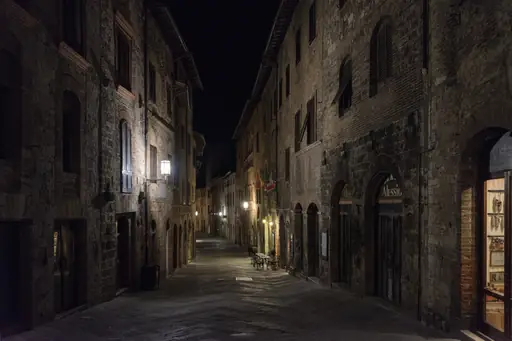
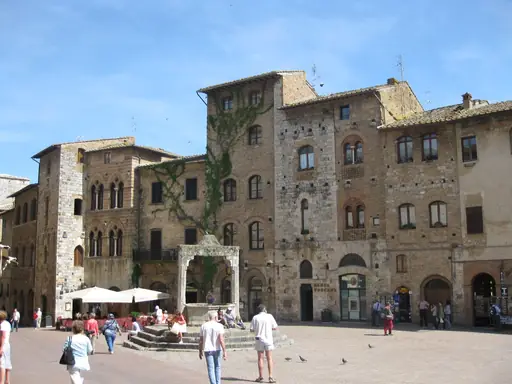
San Gimignano
Medieval Towers and Tuscan Charm
Wood smoke and rosemary scent the stone lanes in the evening. Medieval towers rise above small squares. Sit in Piazza della Cisterna, a triangle shaped square with an old well. Order gelato there. Shops sell local saffron and wine. Walk the town walls at sunset for views over the hills.
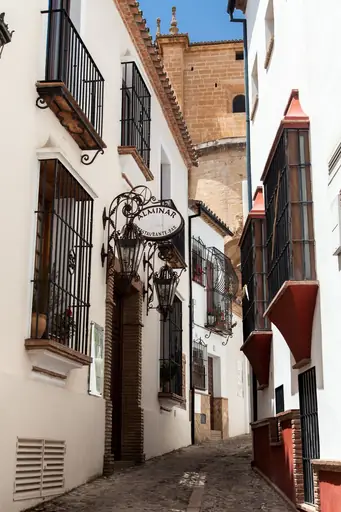
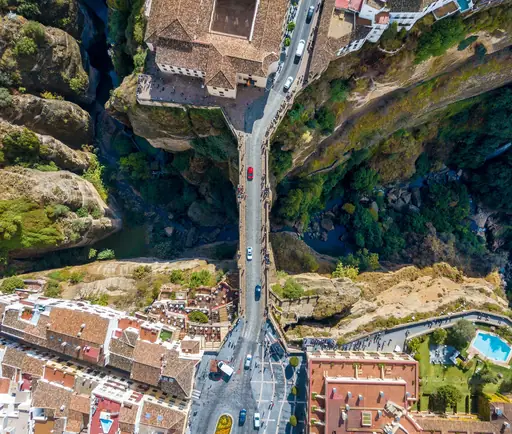
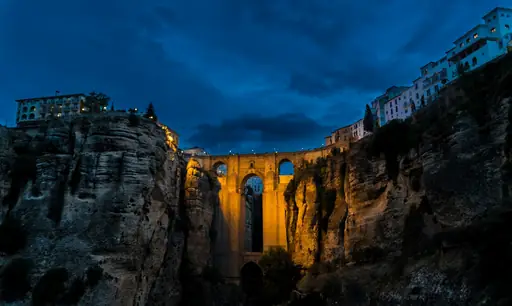
City in Spain
Ronda
Clifftop drama and Andalusian soul
A deep gorge splits this hilltop town in two. The Puente Nuevo, finished in 1793, links the old and new halves. Walk the paths below for a view of the bridge. Wander whitewashed lanes and stop for tapas of oxtail stew. Evenings are calm once day visitors leave.
Town in Italy
Lucca
Medieval Charm and Hidden Gems
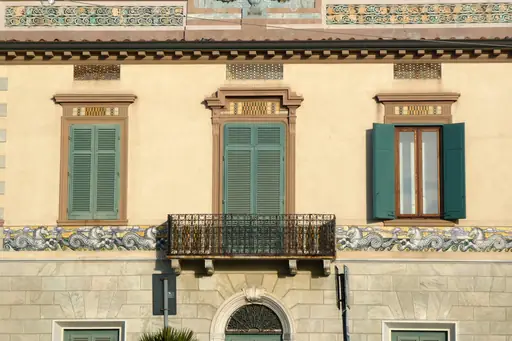
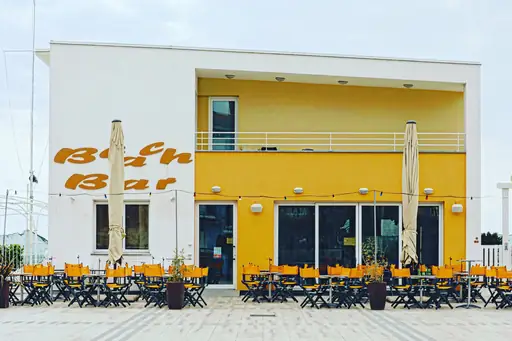
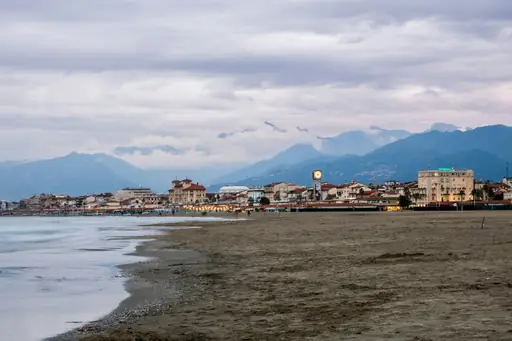
Renaissance walls circle this small Tuscan city and form a tree lined park. Cyclists ride the ramparts above the old streets. Visitors can climb the Guinigi Tower with oak trees growing on top. The oval Piazza dell'Anfiteatro follows the shape of a Roman arena and is lined with cafes.
Island in France
Mont Saint-Michel
A Medieval Island Rising from the Sea
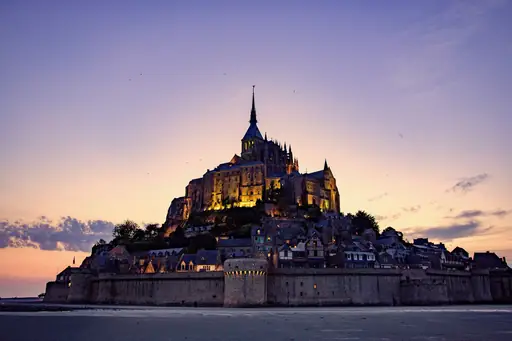
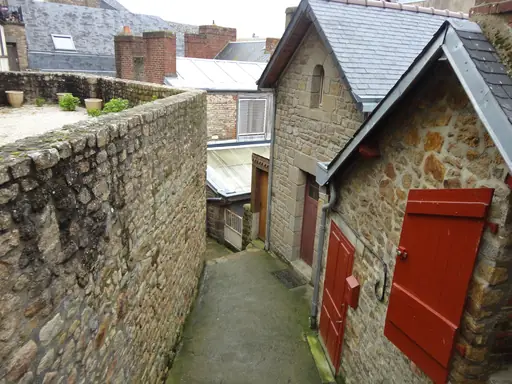
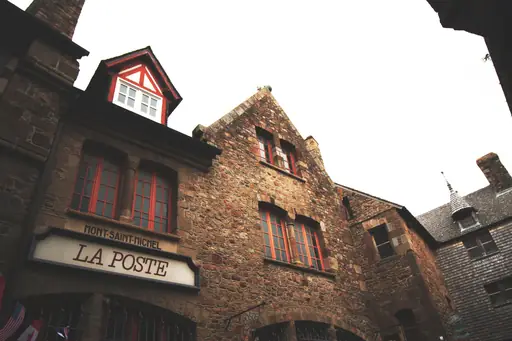
A granite island topped by an abbey rises from wide tidal flats. Only a few dozen people live on the island. Visitors can walk the Grande Rue and stay overnight in a small inn. Evenings are quiet once the crowds leave and the tide comes in.
Town in Switzerland
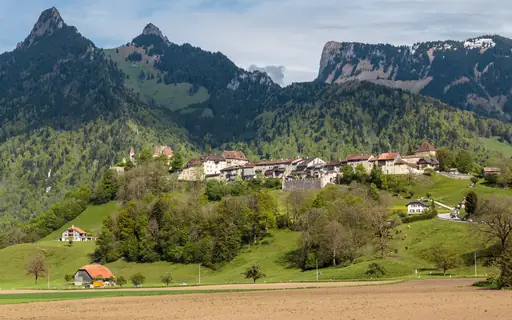
Gruyères
Medieval Charm and Cheese Delights
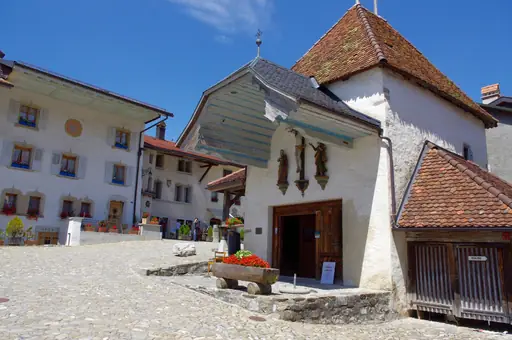
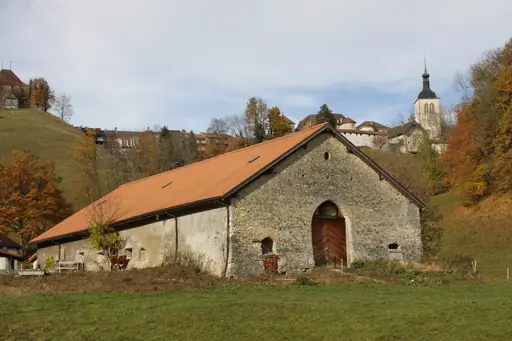
A medieval hilltop village gave its name to Gruyère cheese. The Castle of Gruyères looks out over the green valley. Visitors can taste fondue and meringues with double cream. The HR Giger Museum adds a surprising dark art stop for visitors who like the unusual.
Village in Italy
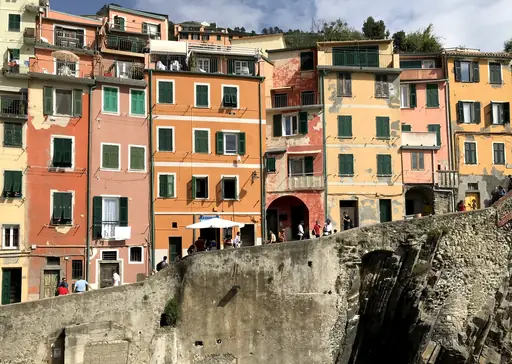
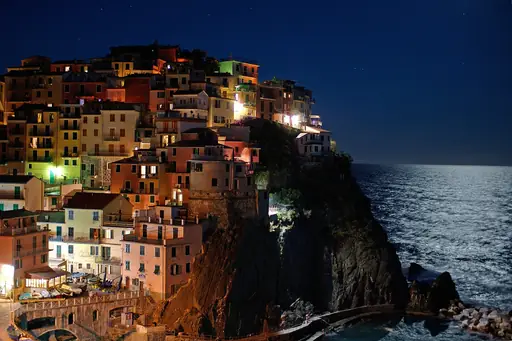
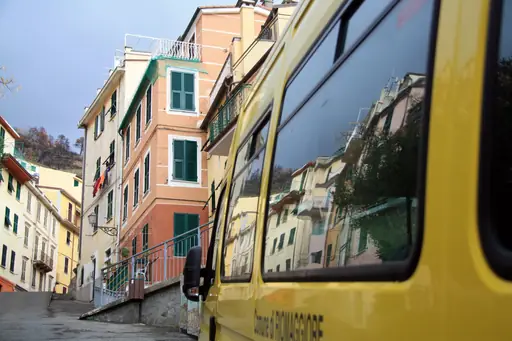
Riomaggiore
Pastel Cliffs Meet Azure Sea
The smell of fried seafood and salt air fills the steep main street. Tall pink and yellow houses stack down to a tiny harbour. Eat a paper cone of fried anchovies from a window shop. Then watch the sun set from the rocks by the harbour.
Town in Italy
Varenna
Charming Lakeside Escape in Italy
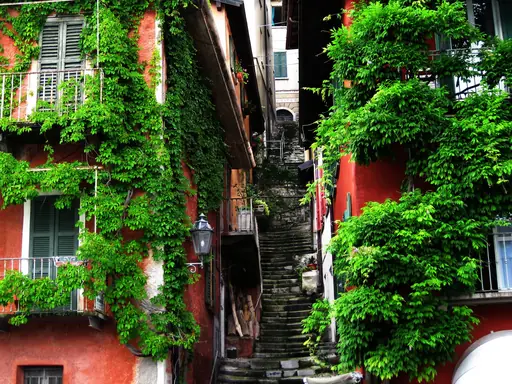
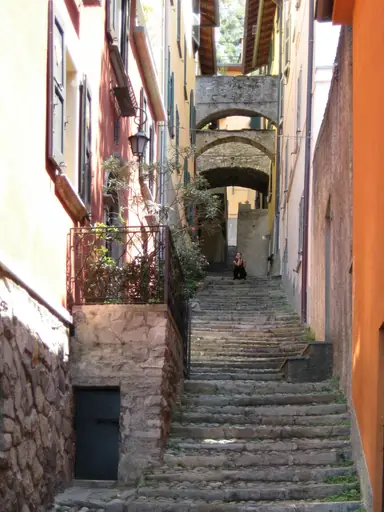
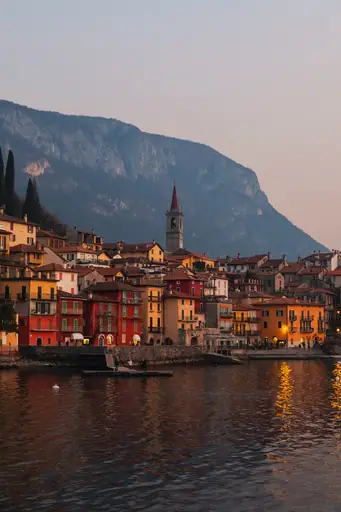
Water laps at the stone steps below tall orange and yellow houses. Narrow lanes drop to a tiny harbour. Walk the Passerella, a path hung along the cliff just above the lake. Take the short ferry to Bellagio for lunch. Stay for dinner when lanterns light the waterfront.
Region in United Kingdom
Cotswolds National Landscape
Honey-Colored Villages and Rolling Hills
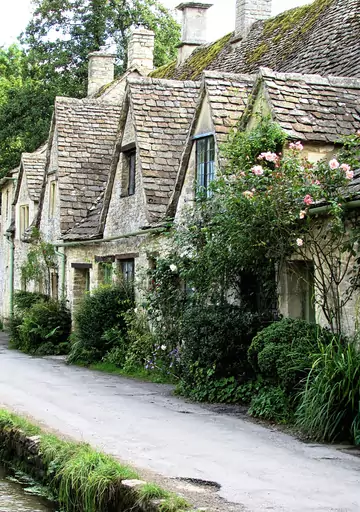
Honey coloured stone cottages fill villages across these rolling English hills. Bibury, Castle Combe and Bourton on the Water are favourites. Visitors can walk footpaths between villages and warm up in cosy pubs. Cream tea is a classic stop on almost every afternoon outing in the countryside.
Village in Spain
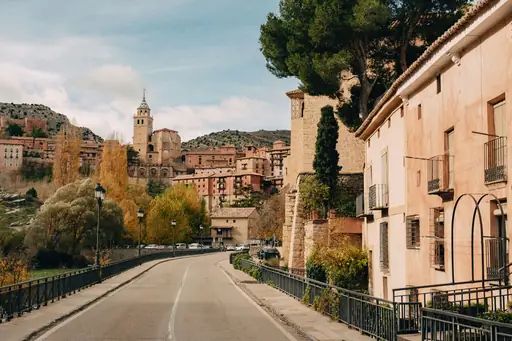
Albarracín
Coastal charm meets historic stone streets
Come at dusk, when street lamps light the rust pink walls and the crowds thin out. The town sits on a rocky bend of the Guadalaviejo river. Narrow lanes climb to a cathedral and a castle. Order roast lamb in a small stone tavern. Walk the old walls for views of the red hills.
Town in Malta
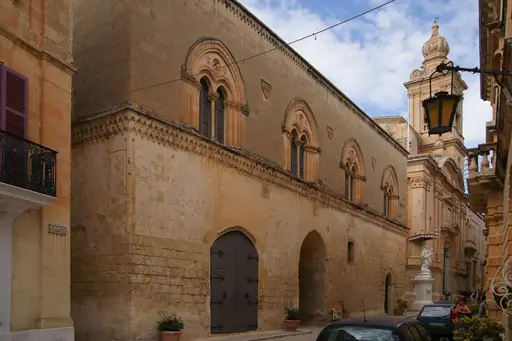
Mdina
The Silent City of Malta
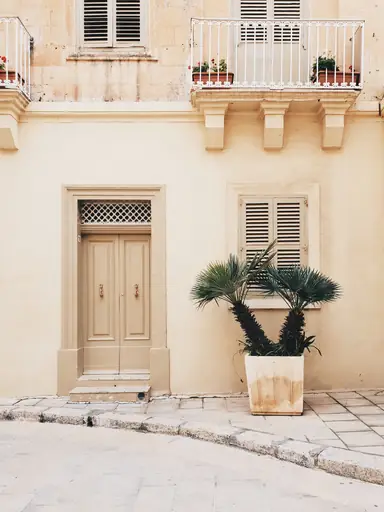
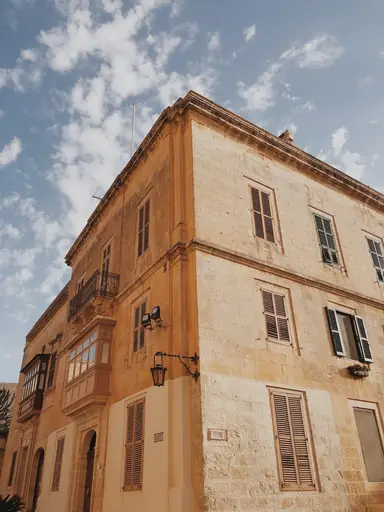
A quiet walled city sits on a hilltop in the middle of Malta. Few cars are allowed so the lanes stay peaceful. Visitors can sip coffee and eat cake at Fontanella Tea Garden. Game of Thrones fans may recognise the gates and squares from the series.
Village in Netherlands
Giethoorn
Venice of the North, Without Roads
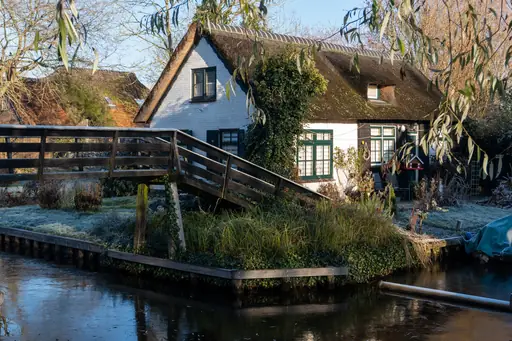
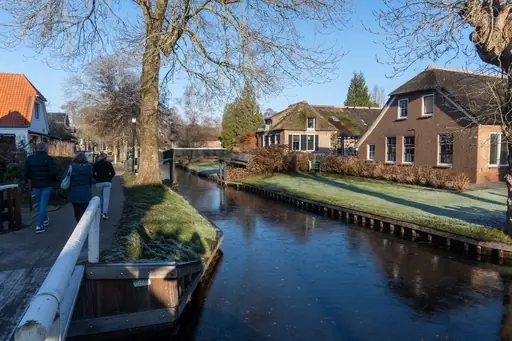
Canals replace roads in this small Dutch village known as the Venice of the Netherlands. Thatched cottages stand on islands linked by wooden bridges. Visitors can rent electric whisper boats and paddle through quiet lanes and under bridges. Cars are barely used here so the village stays peaceful.
Town in Slovenia
Bovec
Slovenia’s Adventure Capital
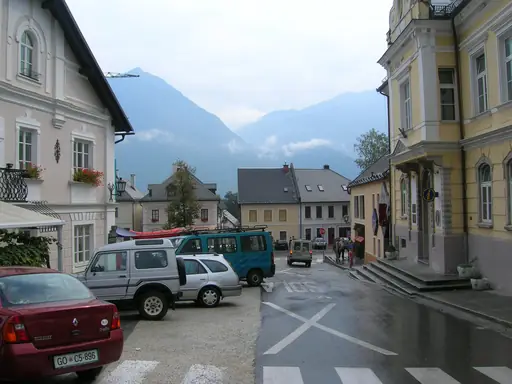
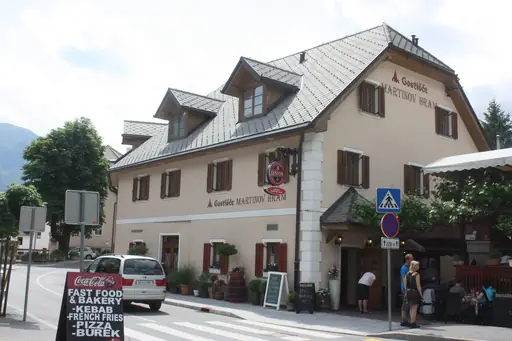
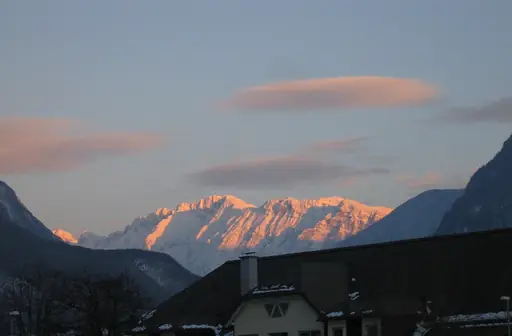
A quiet valley town sits beneath the Julian Alps beside the turquoise Soča river. Rafting, kayaking and hiking fill the days. Visitors can eat local cheese and trout at family run restaurants. Kanin ski area above the valley opens in winter for snowy adventures and cosy lodge evenings.
Town in Switzerland
Zermatt
Alpine Magic and the Matterhorn
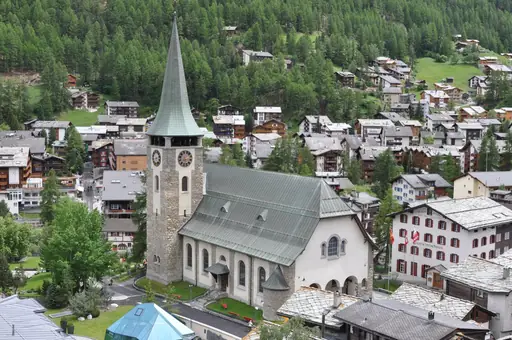
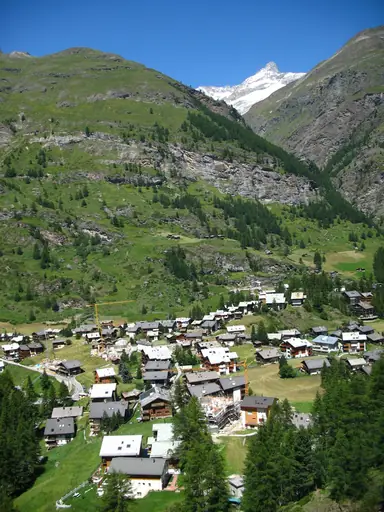
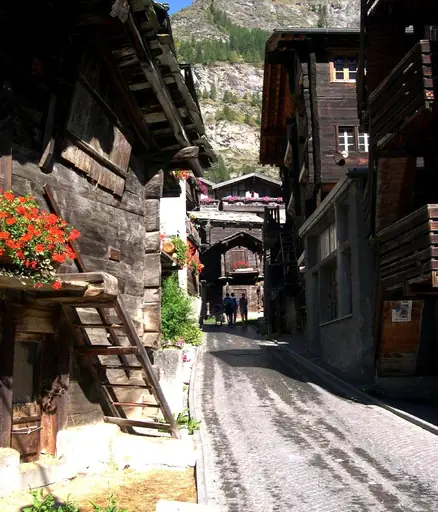
Locals get around in small electric taxis because gas cars are banned in the village. The streets are quiet and full of wooden chalets. The Matterhorn looms at the end of the main street. Warm up with raclette, melted cheese scraped over potatoes. Evenings are calm once the lifts close.
Town in Italy
Amalfi
Enchanting Coastal Italian Gem
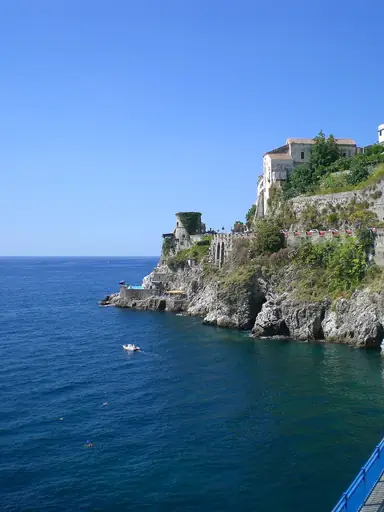
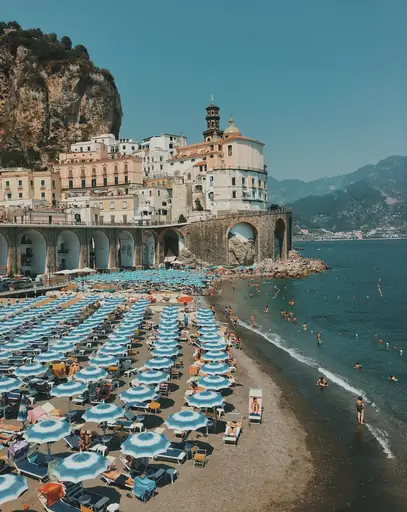
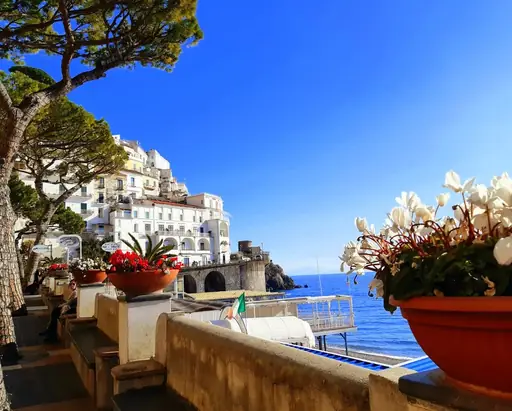
Pastel houses stack up a steep cliff above the Tyrrhenian Sea in this small coastal town. The striped Duomo di Sant'Andrea sits at the top of a wide stairway. Visitors can sip lemon liqueur and watch boats from cafe terraces. Old paper mills in the Valle dei Mulini add a quiet history stop.
Town in Slovenia
Bled
Fairytale Lake and Alpine Beauty
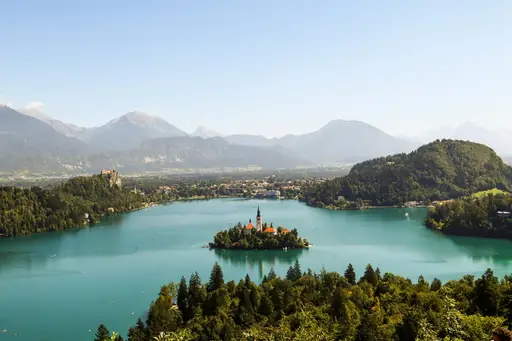
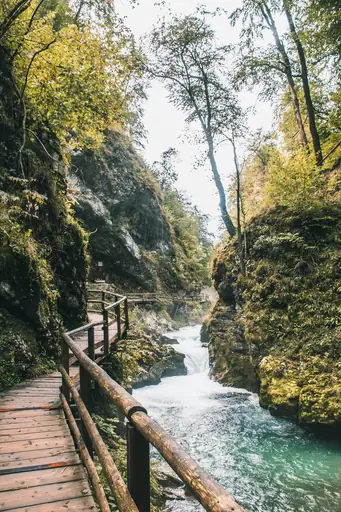
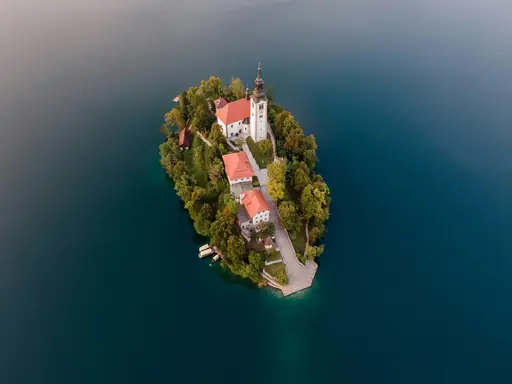
A small lake town with an island church and a clifftop castle sits beneath the Julian Alps. Traditional wooden pletna boats carry visitors to Bled Island. Visitors can walk the lake path and taste kremšnita cream cake. Vintgar Gorge nearby adds a scenic hike through a wooden boardwalk.
Town in Croatia
Rovinj
Adriatic Charm, Art and Sunsets
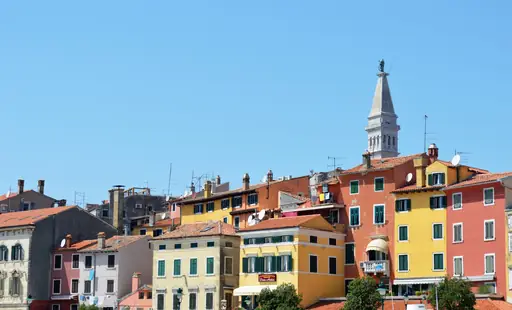
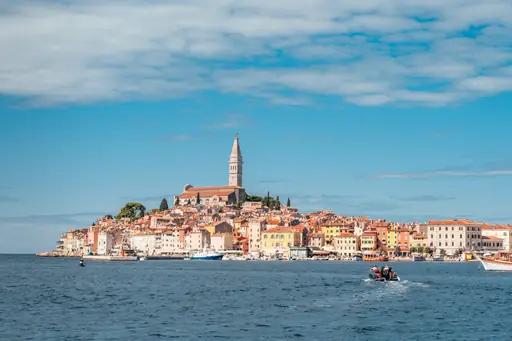
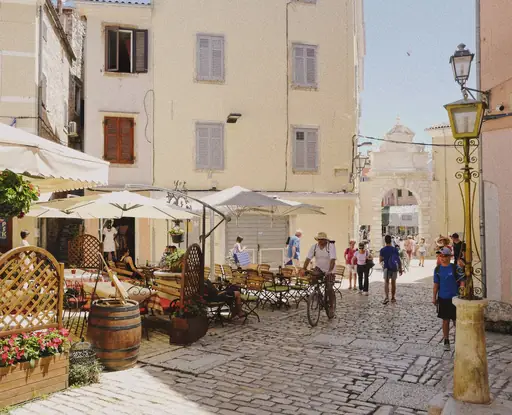
Many locals speak Italian as well as Croatian, a sign of the town's long Venetian past. Pastel houses crowd a small peninsula topped by the church of Saint Euphemia. Walk up Grisia Street, lined with small art galleries. End the day with fresh seafood at the harbour.
Town in Italy
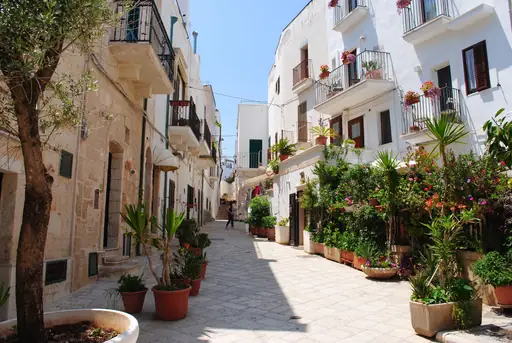
Polignano a Mare
Dramatic Cliffs and Crystal Waters
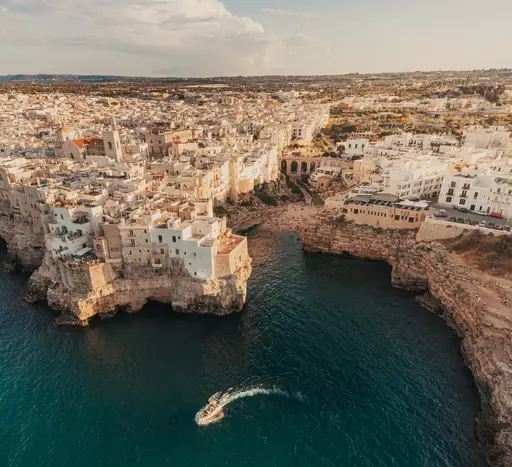
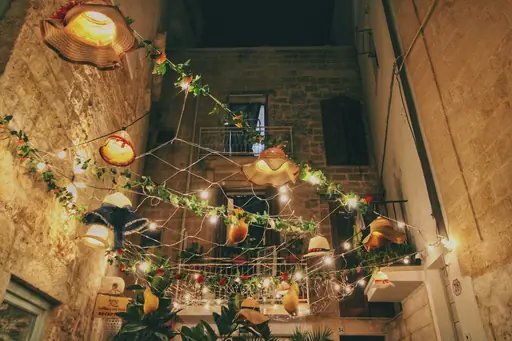
Locals swim at Lama Monachile, a small pebble cove between white cliffs and a stone bridge. Whitewashed lanes above hold tiny cafes and shops. A statue of singer Domenico Modugno, who was born here and sang Volare, stands on the seafront. Cafes serve fresh seafood and cold local white wine.
Island in Croatia
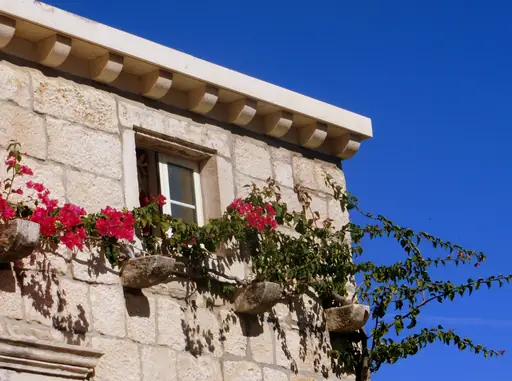
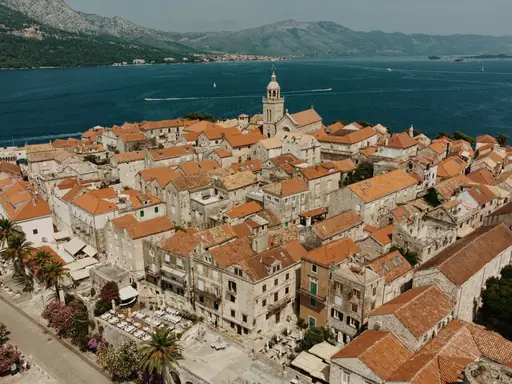
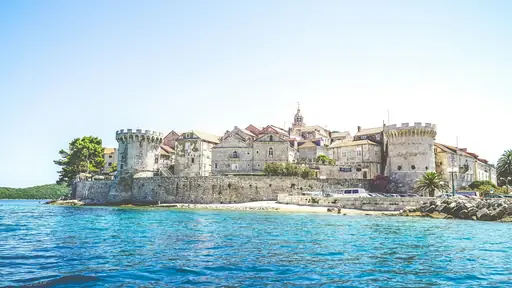
Korčula
Medieval charm meets Adriatic beauty
Medieval walls wrap a small peninsula town in the Adriatic. Local tradition says Marco Polo was born here. Visitors can taste local Grk white wine and fresh oysters from nearby bays. The herringbone street plan keeps the wind out of the lanes on breezy days.
Other lists you may like
Discover
Best cozy town destinations in Africa
North African mountain towns painted in distinctive colours have become some of the region's most distinctive small towns, while southern African wine-country towns offer a…
Read more
Discover
Best cozy town destinations in Asia
A lantern-lit old town in Vietnam has preserved its heritage remarkably well, with tailors, lanterns and riverside cafés creating an atmosphere that's hard to find elsewhere in the…
Read more
Discover
Best cozy town destinations in North America
Small New England towns, with their white church steeples and town greens, anchor much of North America's idea of a cozy town, particularly during autumn, while French-influenced…
Read more
Discover
Best cozy town destinations in Oceania
A harbour town in New Zealand, built around an unusual settler history inside a volcanic crater, offers one of the region's most distinctive small towns, while an inland village in…
Read more
Discover
Best cozy town destinations in South America
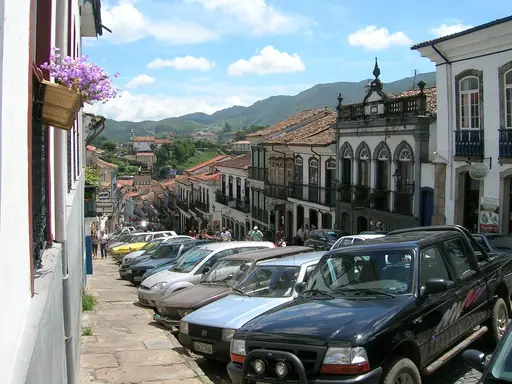
A colonial town in Colombia, built around one of South America's largest colonial-era plazas, has preserved its whitewashed architecture remarkably well, while a small mountain…
Read more
Discover
Most picturesque small towns and charming villages
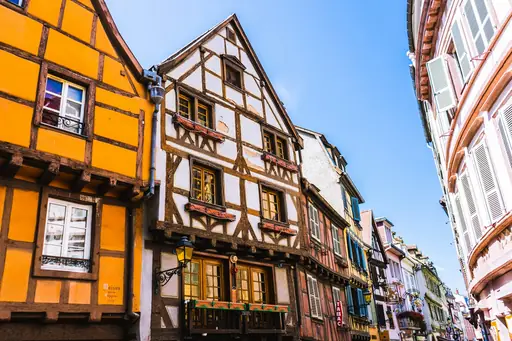
Small towns and villages reveal a different side of a country than its cities tend to. The pace is slower, the architecture is less altered by development and the relationship…
Read more

Discover
Most picturesque small towns and charming villages in Africa
Read more
Discover
Most picturesque small towns and charming villages in Asia
Read more
What other users say about travelfilters
“travelfilters made it easy for me to find ski areas and compare what else they offer, so that I could find the best place for my personal travel style.”

Chris
Snowboarding & Onsen trip to Japan
“I love how transparent the data feels. There is no pushy upsell, just honest information and settings I can tune to my own travel style.”

Maria
After booking her 2027 winter escape
“The level of detail for each destination and how well those are displayed, make planning feel confident instead of overwhelming.”

Mina
Planned a week in New York City
“We used travelfilters for our planning from start to end. The trip turned out even better than expected, thanks to all their tools and customisation options.”

Allan & Etienne
Trip to Japan to see autumn foliage
“Thanks to travelfilters, I found some hidden gems to see. Being able to filter for exactly your interests is a game changer for my travel planning.”

Michael
Tour through the old cities of Northern Italy
“The customizable filters helped me find a quiet beach town with good wifi and low season crowds in under five minutes.”

Diego
Weekend Escape to Llanes, Spain
“The airport connection map saved me hours by showing good flight options from my home airport to lesser-known cities.”

Nguyen
Planning a 2027 trip to France
“The website is clean, fast and focused on the search itself, which makes travelfilters feel more like a professional tool than an ad-heavy booking site.”

Hassan
Christmas Market trip, Germany
