
Best beer destinations in Europe
Best beer destinations in Europe
Historic regional breweries and traditional ale houses in Europe
Europe contains the world's most deeply rooted brewing traditions, with distinct regional styles shaped by centuries of accumulated knowledge about local ingredients, water chemistry and fermentation technique. The continent's historic brewing heartlands remain the reference point for entire style categories, and drinking those beers in their place of origin remains a qualitatively different experience from encountering them elsewhere. A thriving craft brewing scene has added a new layer across most countries without displacing the traditions beneath it.
The strongest markets have developed mature brewery tourism infrastructure, with taprooms, guided tours and beer-focused accommodation widely available. Several cities function as natural hubs with enough breweries, specialist bars and beer culture within walking distance to sustain a dedicated multi-day visit. Beer festivals across the continent range from vast international events to small regional celebrations of local styles.
The most famous festivals sell out months ahead and accommodation in host cities fills quickly around those dates. Shoulder season visits to brewing regions deliver better access to individual producers with more time than peak periods allow. Your money goes a long way in several of Europe's strongest brewing countries, making extended beer-focused itineraries practical on modest budgets.
Lists by region
Region in Belgium
Flanders
Coastal charm and historic city streets
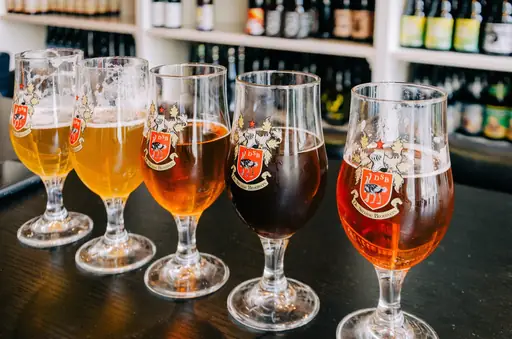
Flanders gave rise to sour red and brown ales aged for months in oak barrels. Brewers blend young and old batches together to balance the tartness. Visitors can sample these sours in village breweries scattered across the region. Cherries are sometimes added during a second fermentation for extra sweetness.
Region in Germany
Bavaria
Alps, castles, beer gardens and old towns
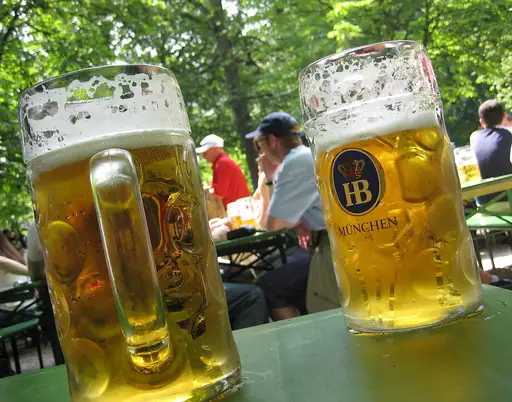
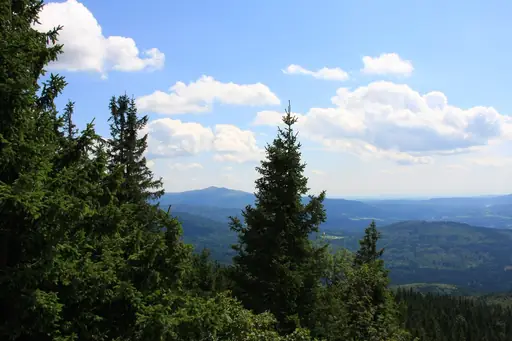
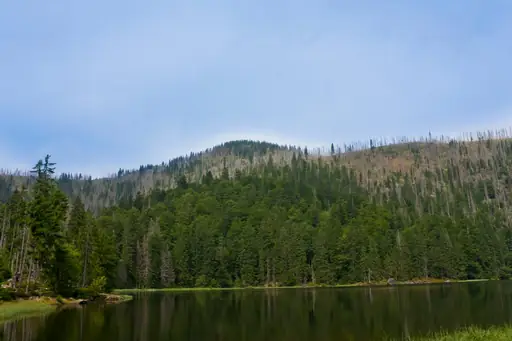
Bavaria gave the world the Reinheitsgebot, a beer purity law passed in 1516. The rule originally allowed only water, barley and hops in every brew. Visitors can find beer gardens shaded by chestnut trees in nearly every town. Long wooden tables encourage strangers to share a bench and a beer.
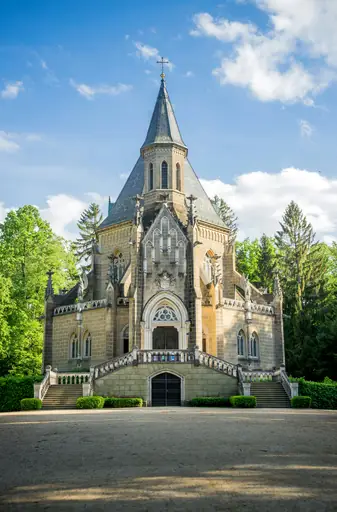
Region in Czech Republic
Bohemia
Fairytale castles and pristine wilderness
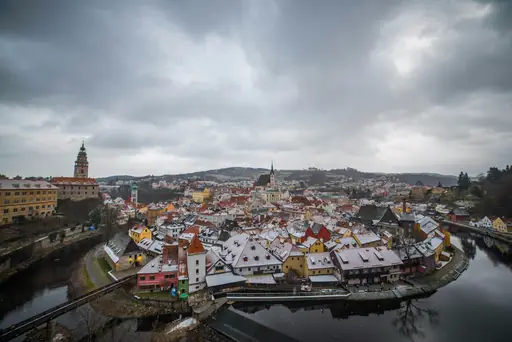
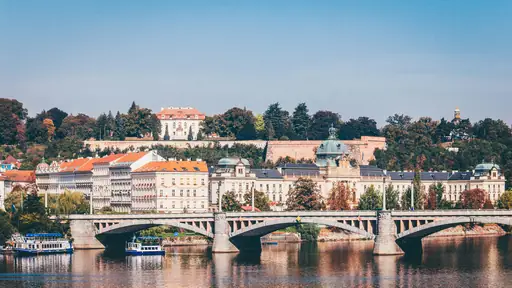
Bohemia's Zatec region has grown the aromatic Saaz hop for over a thousand years. Brewers across Europe still prize these hops for classic pilsner style beers. Visitors can tour hop fields and a small museum dedicated to the harvest. The area calls itself the birthplace of one of the world's oldest hop growing traditions.
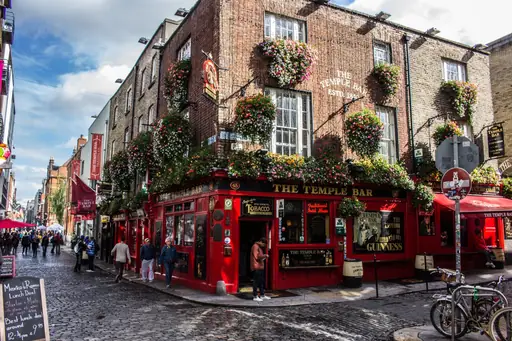
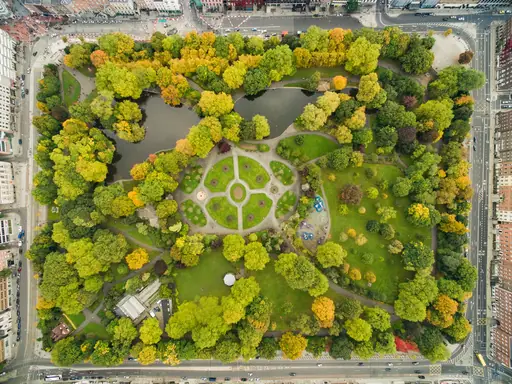
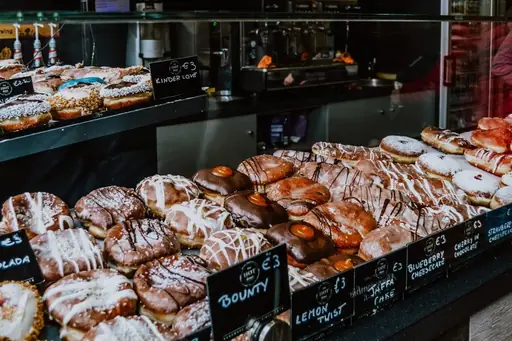
City in Ireland
Dublin
Where History, Pubs and Culture Collide
Guinness has been brewed at St. James's Gate in Dublin since 1759. The original lease on the site famously ran for 9,000 years. Visitors can pour their own pint at the Guinness Storehouse before reaching the rooftop Gravity Bar. Views from the top stretch across the whole city skyline.
City in Czech Republic
Pilsen
Beer Legends, Culture and Cobblestones
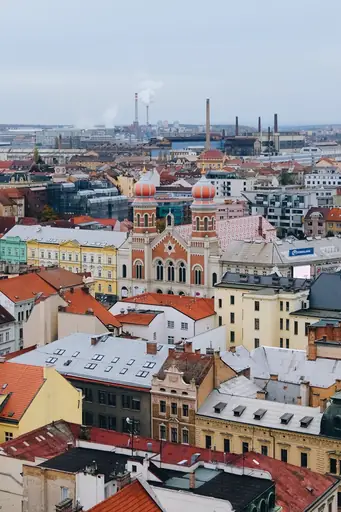
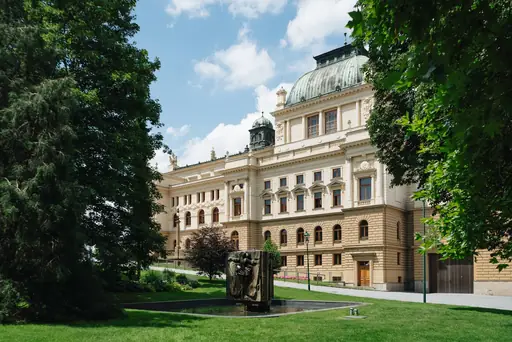
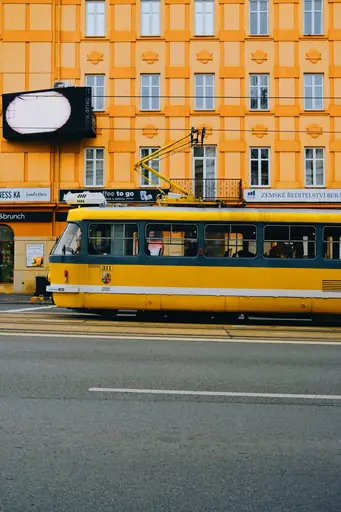
Pilsner Urquell has brewed the original pale lager style in Pilsen since 1842. Soft local water helped brewers create the clear golden beer that gave pilsner its name. Visitors can tour underground cellars where the beer once aged in barrels. A small glass poured straight from the tank is the classic way to try it.
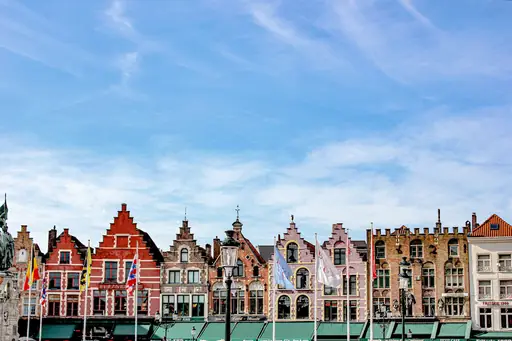
City in Belgium
Bruges
Medieval Charm and Chocolate Bliss
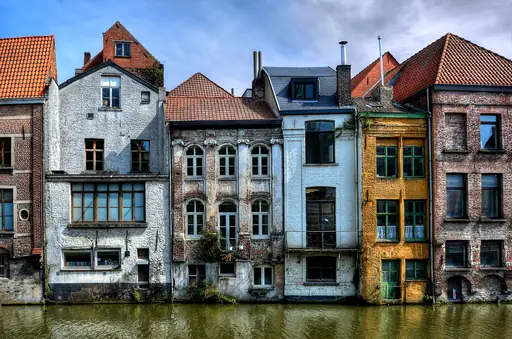
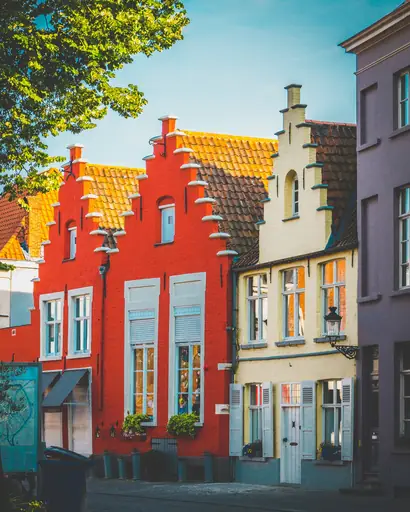
Halve Maan Brewery still operates in the middle of old town Bruges. An underground pipeline now pumps finished beer beneath the streets to a bottling plant outside the city. Visitors can climb to the rooftop for a view over the canals. The brewery has stayed in the same family since 1856.
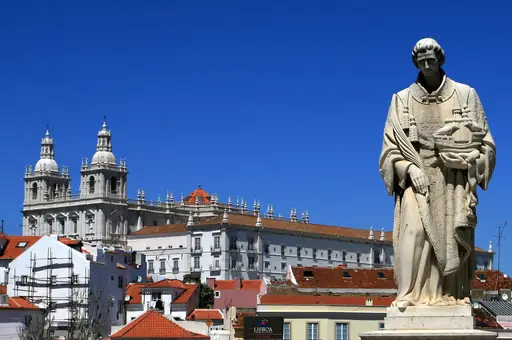
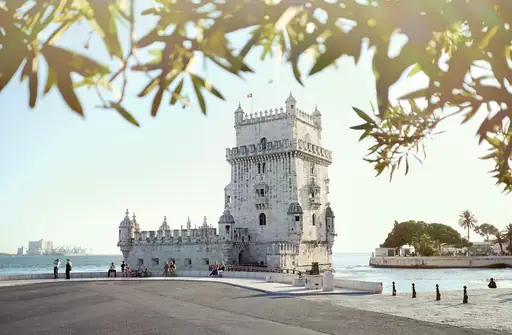
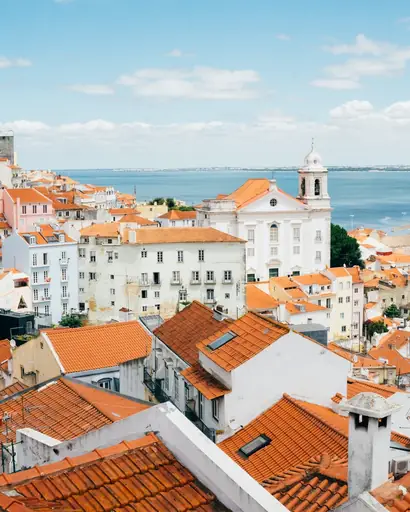
City in Portugal
Lisbon
Sun-soaked streets and rich history
Cervejaria Trindade in Lisbon occupies a former 13th century monastery covered in hand painted tiles. Beer has been served under its vaulted ceilings since the 1830s. Visitors can order local lagers beneath walls decorated with historic azulejo scenes. The dining hall remains one of the oldest beer halls in the country.
City in Estonia
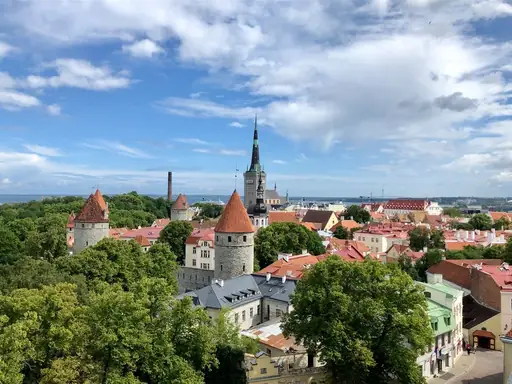
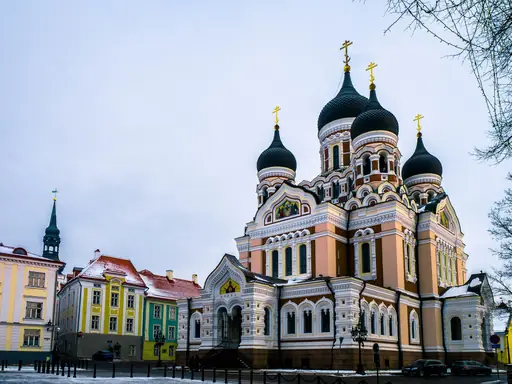
Tallinn
Medieval charm meets modern innovation
A. Le Coq has brewed beer in Tallinn since a French born entrepreneur bought the brewery in 1913. The company built its reputation partly by shipping beer to the Russian imperial court. Visitors can tour the historic brewery and its adjoining museum exhibits. It remains Estonia's largest and best known beer brand today.

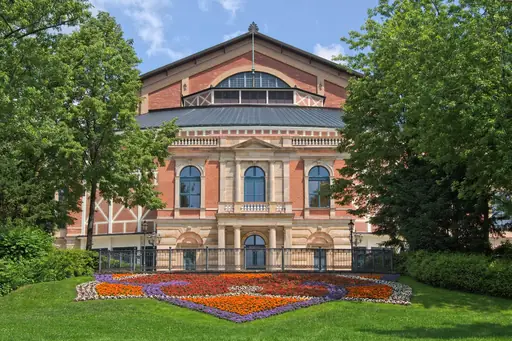
Town in Germany
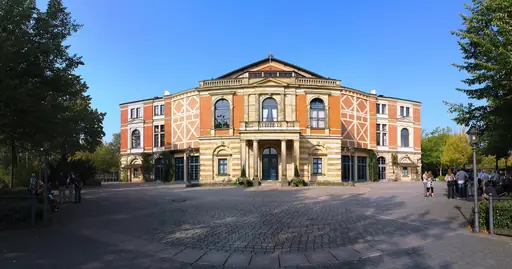
Bayreuth
Wagner, baroque theaters and Franconian beer
Maisel's Brewery has produced its wheat beer in Bayreuth since the 1880s. A dedicated museum here traces the brewing process from grain to glass. Visitors can walk through preserved copper kettles from the brewery's earlier decades. Wagner's opera festival draws crowds to the same town each summer.
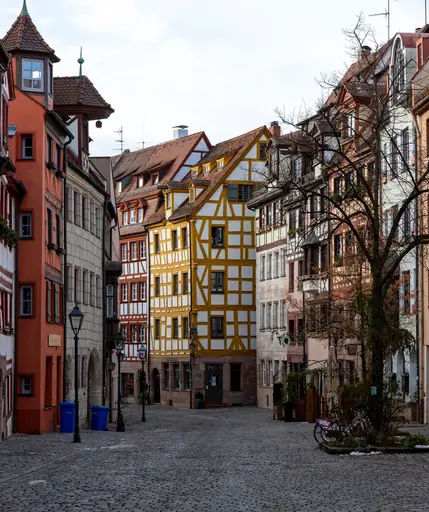
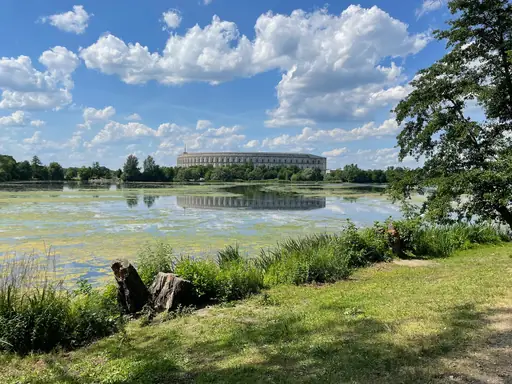
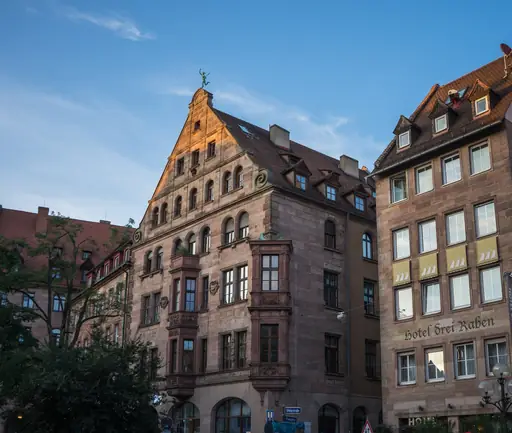
Region in Germany
Franconia
Beer cellars, vineyards and Baroque palaces
Franconia has more breweries per person than almost anywhere else in the world. Small family run operations often serve only their own village and a few neighbours. Visitors can follow a beer trail linking dozens of tiny breweries by bike or on foot. Many still age their lagers in cellars cut into local sandstone hills.
City in Czech Republic
České Budějovice
Bohemian Squares, Beer and Bridges
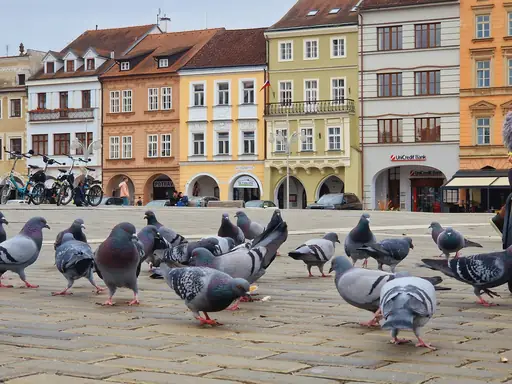
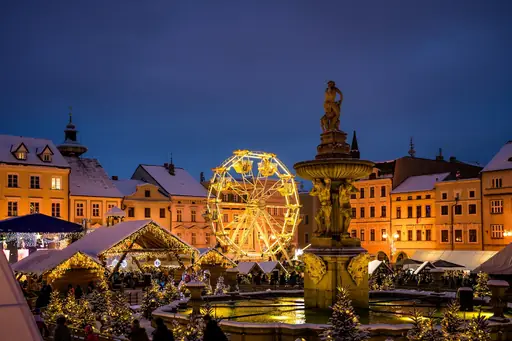
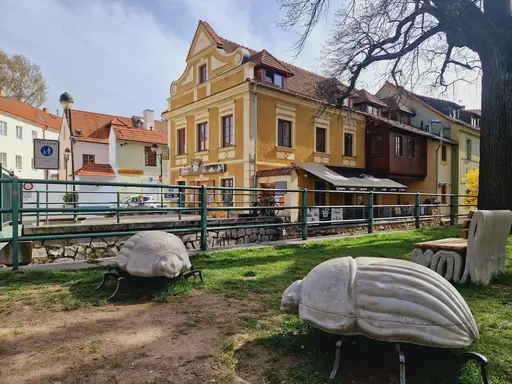
Budweiser Budvar has brewed lager in Ceske Budejovice since 1895. The town's German name, Budweis, gave the beer its original name. Visitors can tour the brewery's cellars where the beer still lagers for weeks. A long running trademark dispute with the American Budweiser continues to this day.
City in Belgium
Antwerp
Europe’s Hidden Gem of Culture & Style
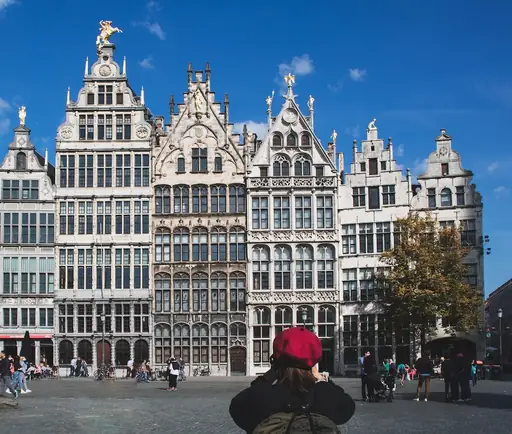
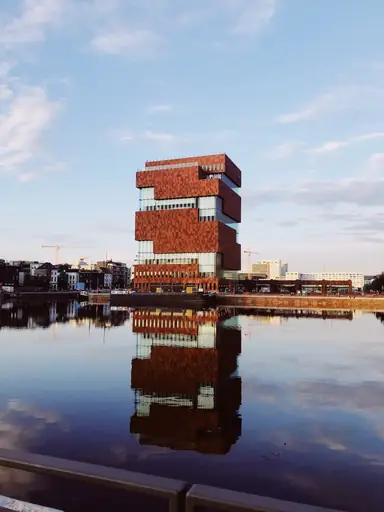
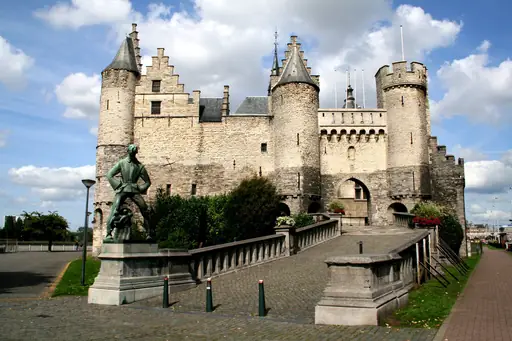
De Koninck has brewed its amber ale in Antwerp since the 1830s. Locals order it in a distinctive stemmed glass nicknamed the bolleke. Visitors can tour the brewery and finish with a fresh pour in the tasting hall. Corner pubs across the city still serve little else on tap.
City in Belgium
Brussels
Europe's cozy capital of culture
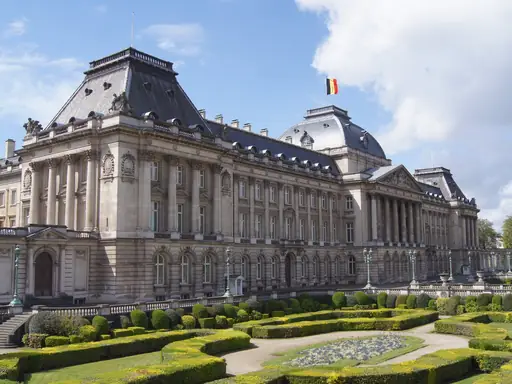
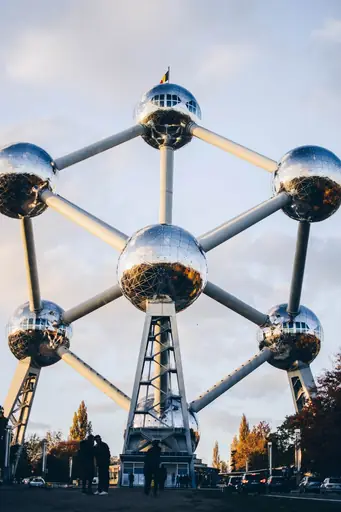
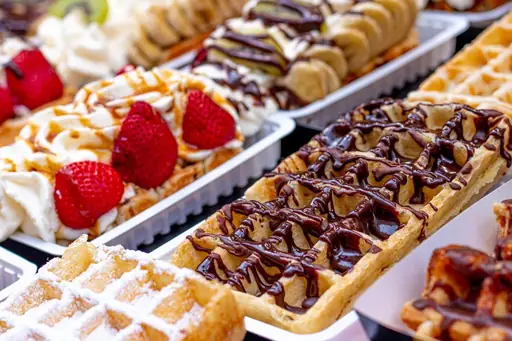
Delirium Cafe in Brussels once held a Guinness World Record for its beer list. Thousands of different bottles fill shelves lining every wall of the bar. Visitors can choose from styles ranging from Trappist ales to fruit lambics. A pink elephant mascot marks the entrance down a narrow alley.
City in Germany
Munich
Bavarian capital of beer gardens and museums
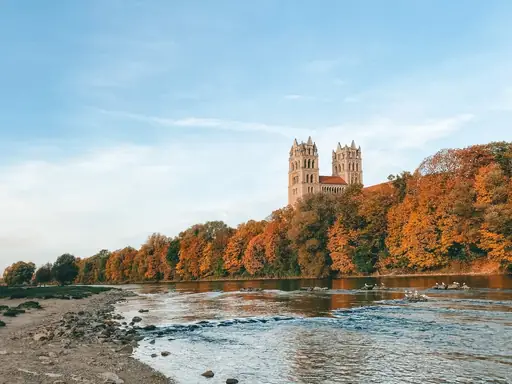
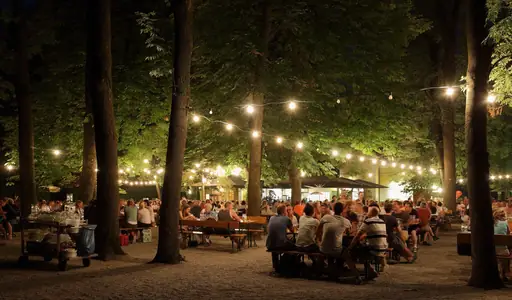
Only six breweries are permitted to serve beer inside the tents at Munich's Oktoberfest. Hofbrauhaus, founded in 1589, remains one of the oldest and most famous among them. Visitors can raise a full litre stein inside its vaulted, centuries old hall. Brass bands play through the evening as servers weave between long tables.
City in Latvia
Riga
Art Nouveau, Old Town, Baltic Soul
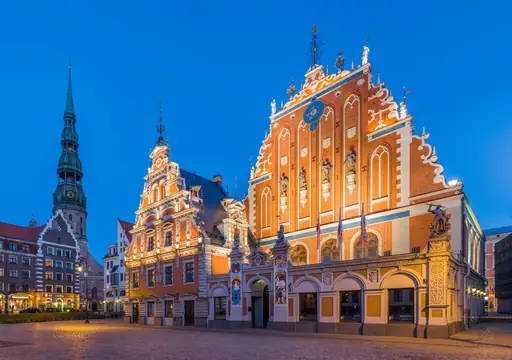
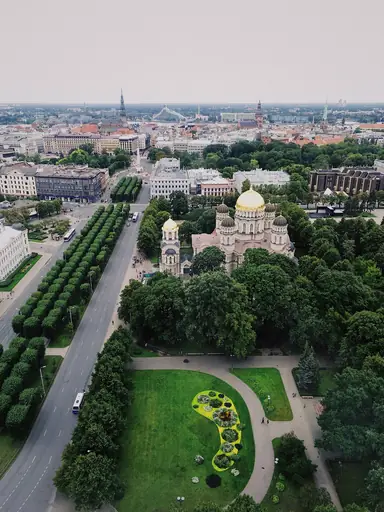
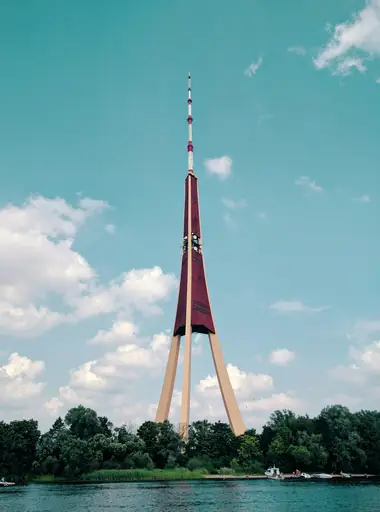
Aldaris has brewed beer in Riga since 1865, making it the largest brewery in the Baltics. German trained brewers originally set up the operation beside the Daugava River. Visitors can tour the historic site and sample its classic pale lager. The brand's beer remains a fixture in bars across Latvia.

City in United Kingdom
London
A Tapestry of History and Modernity
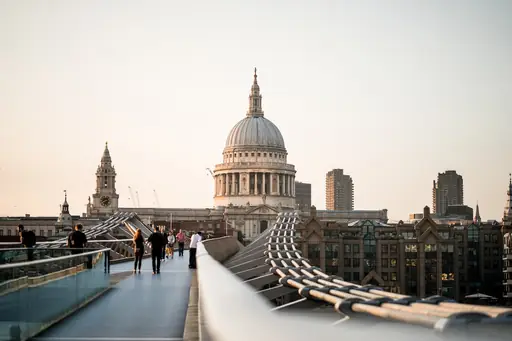
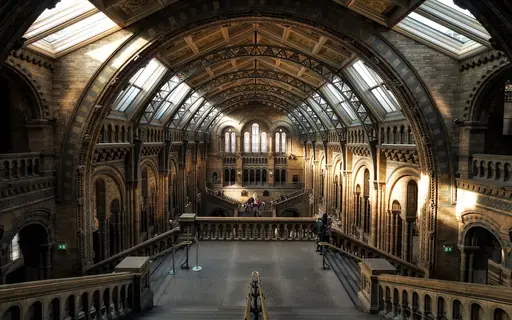
Meantime Brewing helped revive the historic London porter style from near extinction. The dark, roasted beer once fuelled dockworkers along the Thames in the 1700s. Visitors can sample modern versions in taprooms across Greenwich and beyond. Borough Market nearby adds dozens of stalls pouring independent London breweries.
City in Germany
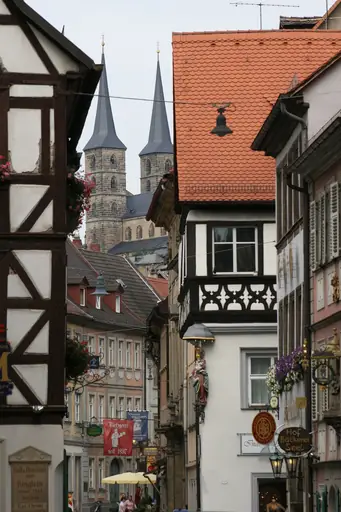
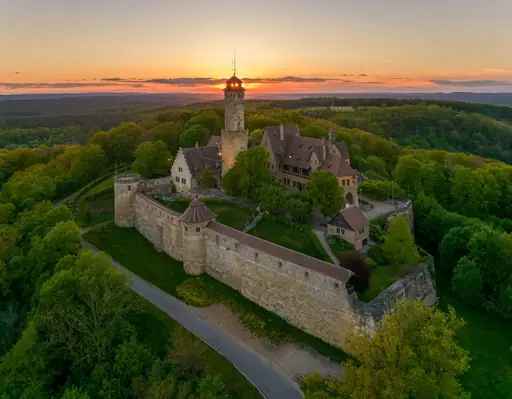
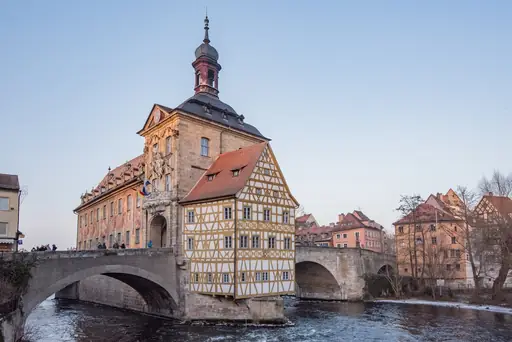
Bamberg
Smoked beer and a UNESCO old town
Bamberg is known for rauchbier, a beer brewed from malt dried over open flame. The centuries old Schlenkerla tavern still serves it straight from wooden barrels. Visitors can taste the smoky flavour alongside hearty Franconian dishes. Locals compare the taste to bacon or a campfire ember.


City in Czech Republic
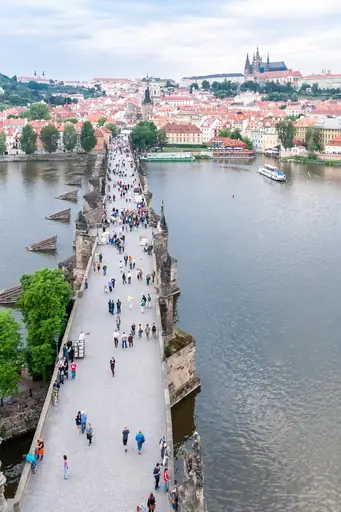
Prague
A fairy-tale city with rich history
Czechs drink more beer per person than any other nation on Earth, much of it in Prague. U Fleku has brewed its own dark lager in the same building since 1499. Visitors can sit at long wooden tables inside its centuries old beer hall. Strolling accordion players sometimes wander between tables during the evening.
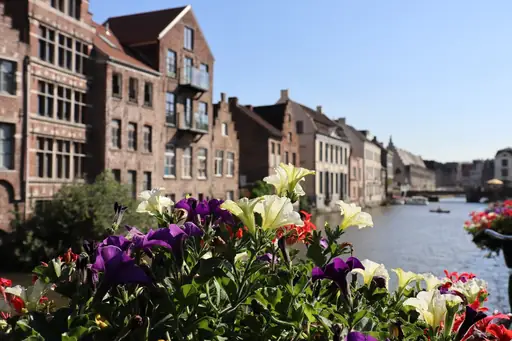
City in Belgium
Ghent
Medieval Canals, Art and Hip Vibes
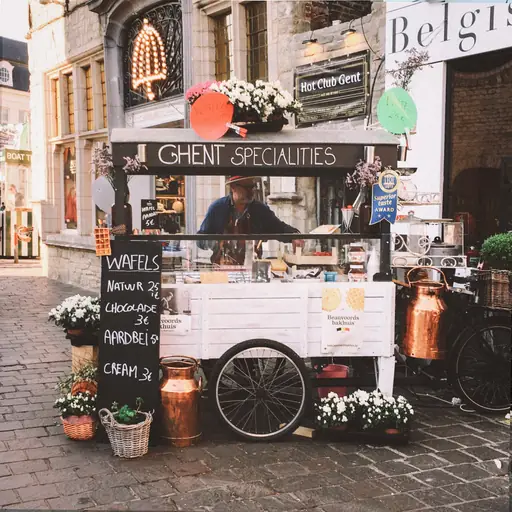
Gruut Brewery in Ghent brews beer using herbs instead of hops, a method called gruit. The recipe revives a brewing style common before hops became standard centuries ago. Visitors can taste the herbal, slightly spiced result on a brewery tour. The taproom sits inside a converted building near the city's old docks.
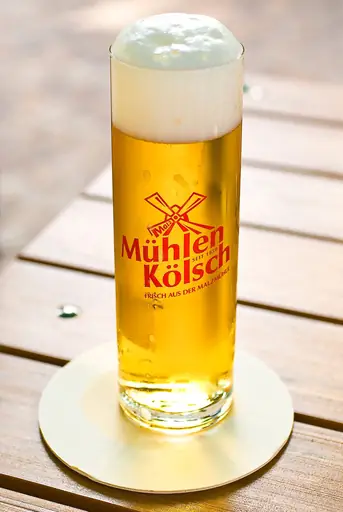
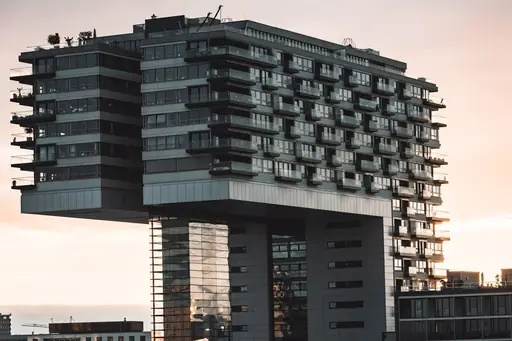
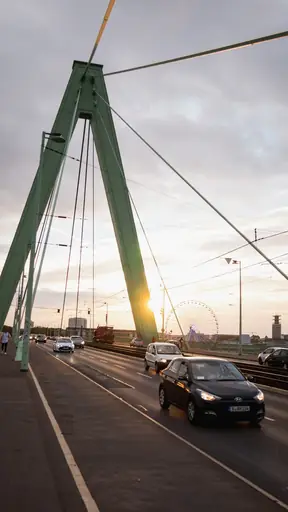
City in Germany
Cologne
Gothic cathedral, Roman ruins and Kölsch
Kolsch beer can legally be brewed only within the city limits of Cologne. Servers pour it into narrow 0.2 litre glasses called Stangen. Visitors can order round after round as waiters keep tallies on a paper coaster. Dozens of small breweries across the old town each keep their own house recipe.
City in United Kingdom
Edinburgh
History, Culture and Festival Fever
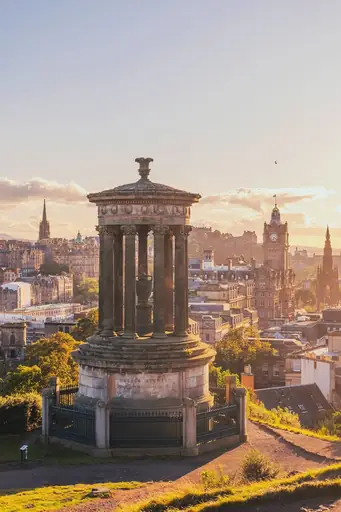
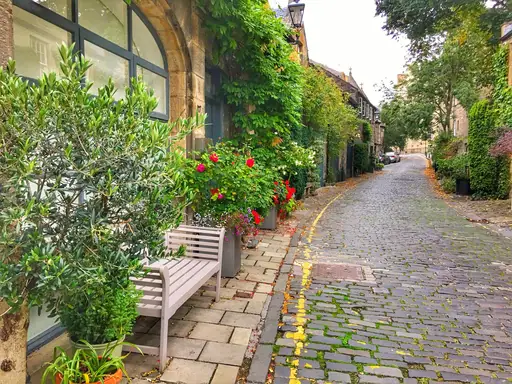
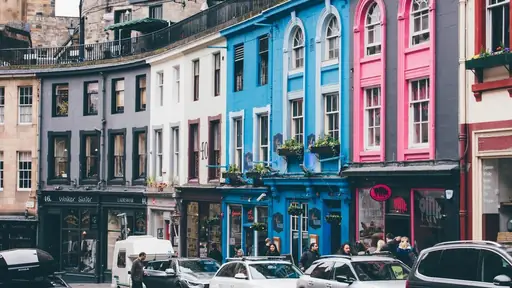
Edinburgh once supported around 40 breweries thanks to the mineral rich water beneath the city. Caledonian Brewery, founded in 1869, remains one of the last still operating today. Visitors can tour the historic site and sample cask conditioned ales onsite. Steam still rises from traditional copper kettles during the brewing process.
Brewery in Germany
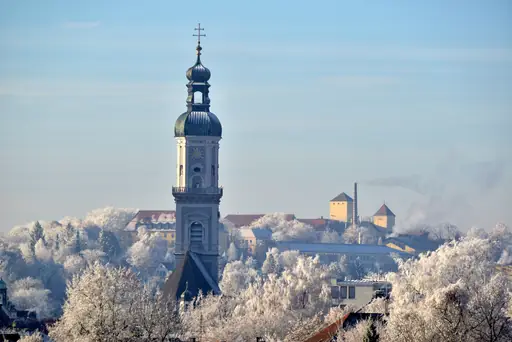
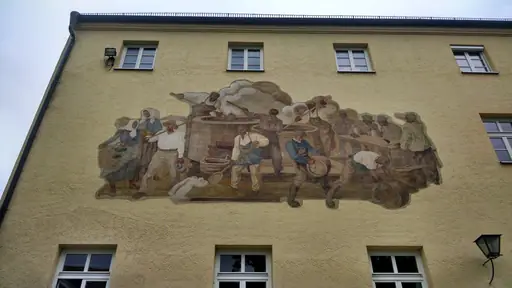
Weihenstephan
Brewing on the same hill for centuries
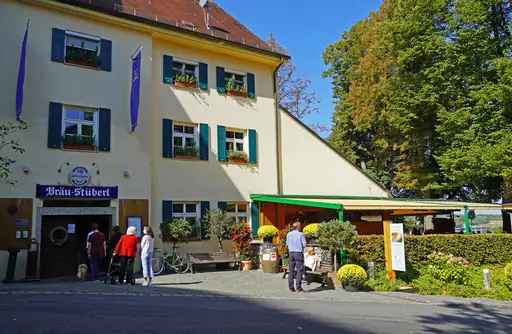
Weihenstephan Brewery has operated continuously since 1040, making it the world's oldest brewery. A Benedictine monastery originally ran the operation on the same hillside site. Visitors can tour the brewery and the attached university brewing school nearby. Its beer garden looks out over rolling farmland outside Munich.
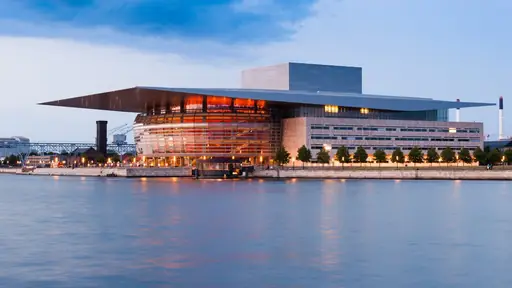
City in Denmark
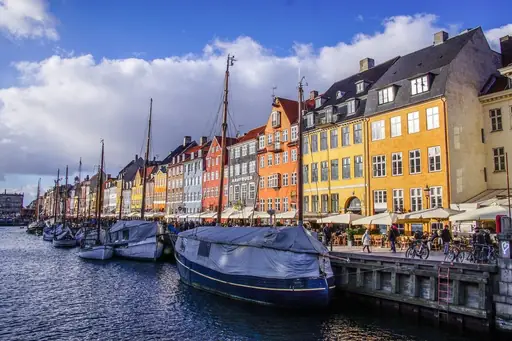
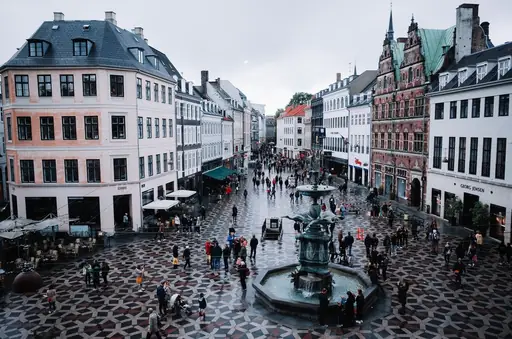
Copenhagen
Scandi-cool vibes and world-class food
Carlsberg has brewed beer in Copenhagen since 1847, built around a slogan claiming it is probably the finest beer anywhere. Two stone elephants still guard the gate of the old brewery grounds. Visitors can tour the historic site and its modern visitor centre. The Carlsberg Foundation later funded much of Denmark's scientific research.
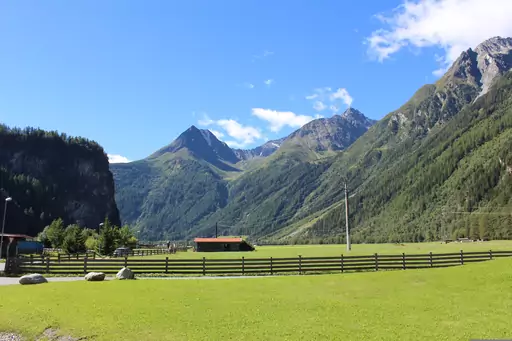
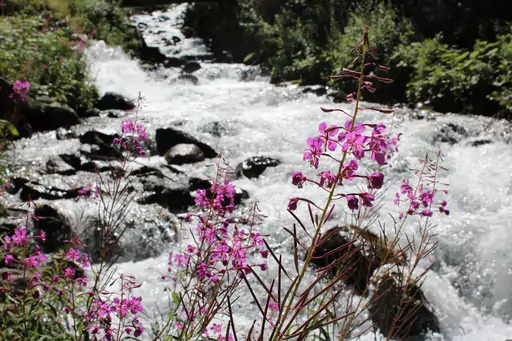
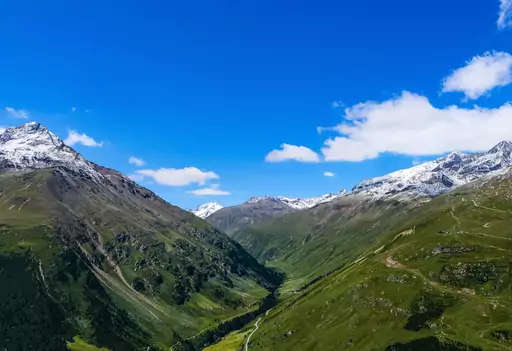
Valley in Austria
Ötztal
Majestic alpine valley with crystal lakes
Bierol, a small craft brewery in the Oetztal valley, ages many of its beers in old wine and whisky barrels. Alpine spring water and cool cellar temperatures shape the brewing process here. Visitors can sample barrel aged stouts and sours at the brewery's own taproom. Glacier peaks rise directly above the valley floor outside.
City in United Kingdom
Bristol
Creative Energy on the River Avon
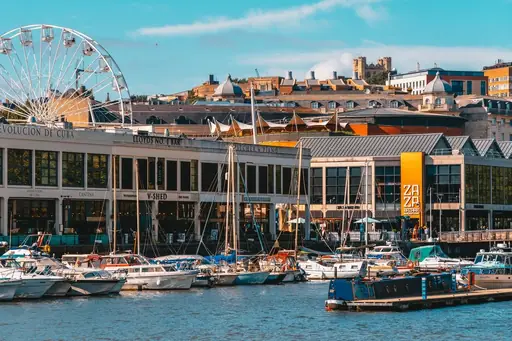
Bristol Beer Factory helped revive the city's brewing scene from an old bonded warehouse. Sailing ships once stored sherry and rum in the same waterfront buildings. Visitors can sample cask ales in taprooms scattered through the harbourside district. Street art nearby marks Bristol's reputation as a creative, independent city.
City in United Kingdom
Leeds
Northern England's Dynamic Cultural Hub
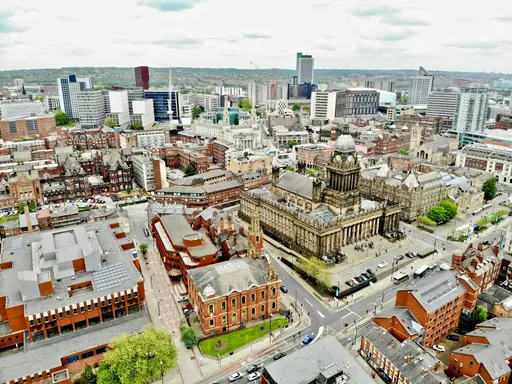
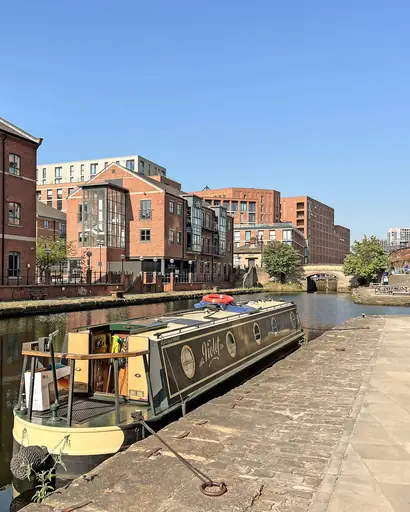
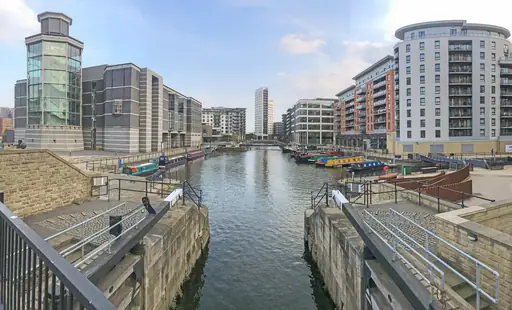
Northern Monk brews its beer inside a converted Victorian mill in Leeds. The building once produced flax before the brewery moved into the same brick halls. Visitors can sample small batch beers in the taproom built among the old machinery. Yorkshire's brewing history stretches back through Leeds' industrial rise.
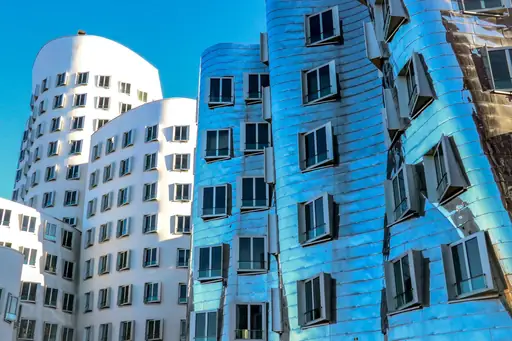
City in Germany
Düsseldorf
Rhine promenade, Altbier and Königsallee
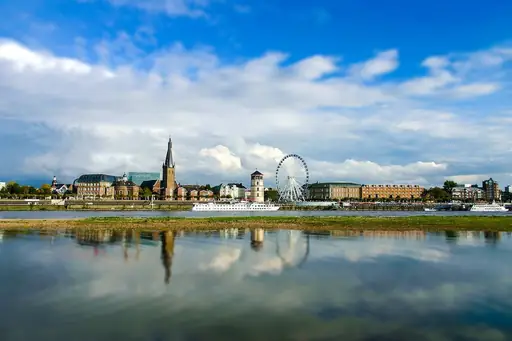
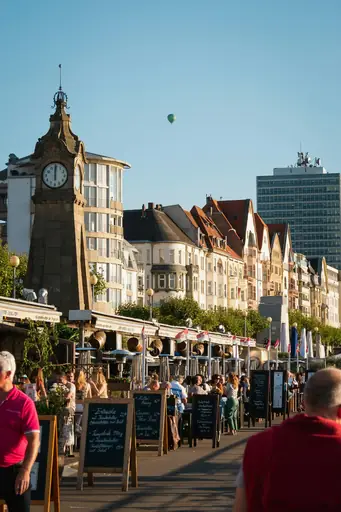
Altbier defines Dusseldorf's Altstadt, sometimes called the longest bar in the world. Breweries here serve the dark, copper coloured ale straight from the tank. Visitors can order round after round as waiters mark tallies on beer mats. Local pubs still brew small batches on site rather than buying in bulk.
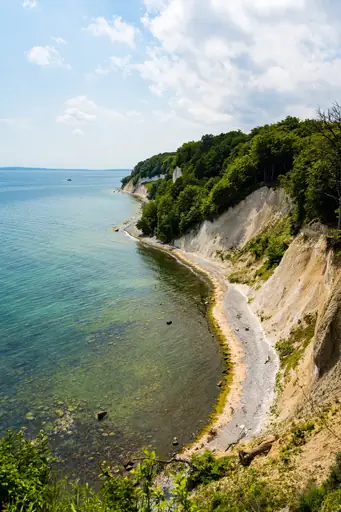
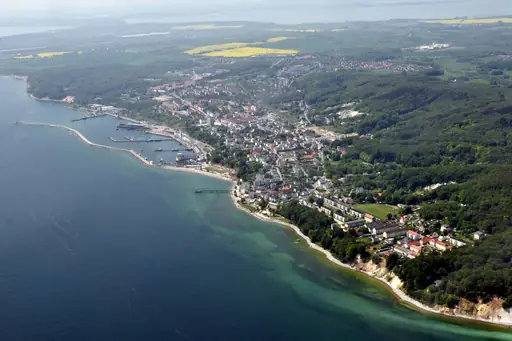
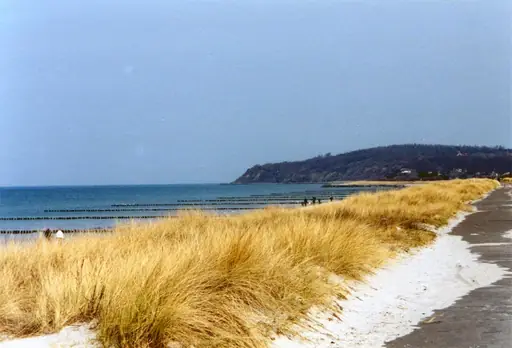
Island in Germany
Rügen
Chalk cliffs, grand piers and long beaches
A small brewery on the island of Rugen has produced its own regional beer since the early 1900s. Chalk cliffs and Baltic breezes surround the modest brewing operation. Visitors can find the local label served in seaside restaurants around the island. Its bottles rarely travel far beyond Rugen's own coastline.
City in Slovenia
Ljubljana
A charming green city with soul
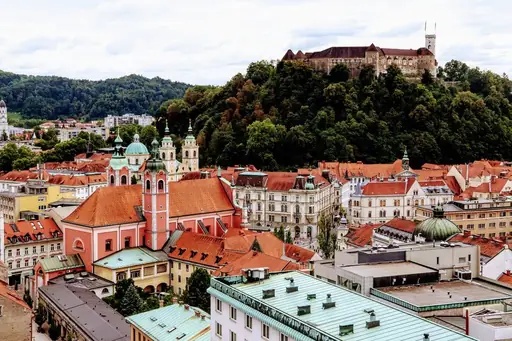
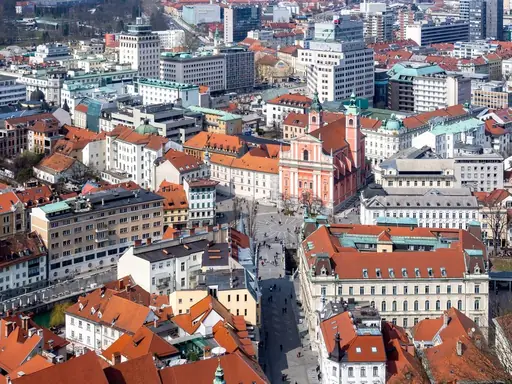
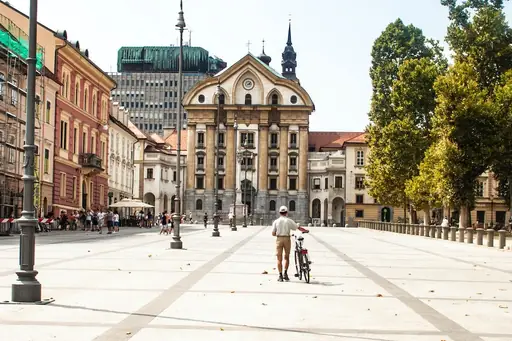
Union Brewery has produced Slovenia's most recognised lager from the same Ljubljana site since 1864. A museum inside the brewery traces the country's beer history through old equipment and photographs. Visitors can finish a tour with a fresh pour in the on-site tasting room. The brewery's tower remains a landmark on the city skyline.
Region in Germany
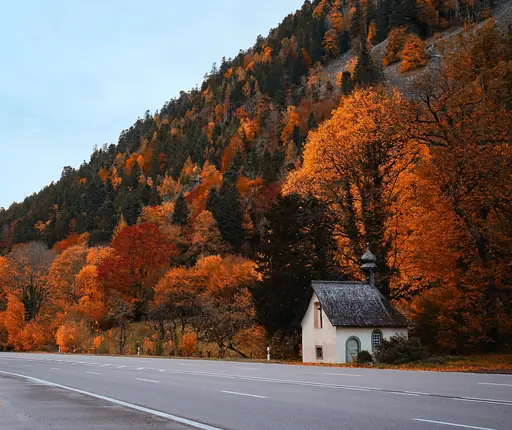
Black Forest
Dark woods, lakes and hilltop villages
Rothaus Brewery has brewed its Tannenzapfle pils deep in the Black Forest since 1791. The tall, narrow bottle design has barely changed in decades. Visitors can tour the state owned brewery tucked among pine covered hills. Cool mountain water from the forest still feeds every batch.
Other lists you may like
Discover
Top beer destinations and famous breweries
Beer travel has developed a dedicated following built around the explosion of craft and independent brewing that has transformed the offer in many countries over the past two…
Read more
Discover
Best beer destinations in Africa
Africa's beer culture is built on a foundation of mass-market lager brands with deep roots in local identity, several of which have genuine character and are worth engaging with on…
Read more
Discover
Best beer destinations in Asia
Asia's beer culture spans an enormous range, from the deeply embedded drinking traditions of East Asia and the rapidly evolving craft scenes of its major cities to the more…
Read more
Discover
Best beer destinations in North America
North America's beer culture has been transformed by four decades of craft brewing growth that has produced one of the most diverse and innovative brewing scenes in the world. The…
Read more
Discover
Best beer destinations in Oceania
Oceania's beer scene is dominated by the mature and diverse craft brewing industries of Australia and New Zealand, both of which have developed well beyond the early craft wave…
Read more
Discover
Best beer destinations in South America
South America's beer culture is undergoing a rapid transformation, with a craft brewing movement that has taken root across the continent's major cities and produced a scene of…
Read more
What other users say about travelfilters
“travelfilters made it easy for me to find ski areas and compare what else they offer, so that I could find the best place for my personal travel style.”

Chris
Snowboarding & Onsen trip to Japan
“I love how transparent the data feels. There is no pushy upsell, just honest information and settings I can tune to my own travel style.”

Maria
After booking her 2027 winter escape
“The level of detail for each destination and how well those are displayed, make planning feel confident instead of overwhelming.”

Mina
Planned a week in New York City
“We used travelfilters for our planning from start to end. The trip turned out even better than expected, thanks to all their tools and customisation options.”

Allan & Etienne
Trip to Japan to see autumn foliage
“Thanks to travelfilters, I found some hidden gems to see. Being able to filter for exactly your interests is a game changer for my travel planning.”

Michael
Tour through the old cities of Northern Italy
“The customizable filters helped me find a quiet beach town with good wifi and low season crowds in under five minutes.”

Diego
Weekend Escape to Llanes, Spain
“The airport connection map saved me hours by showing good flight options from my home airport to lesser-known cities.”

Nguyen
Planning a 2027 trip to France
“The website is clean, fast and focused on the search itself, which makes travelfilters feel more like a professional tool than an ad-heavy booking site.”

Hassan
Christmas Market trip, Germany
