





Was this page helpful?

| Power Grid: |
220 V, 50 Hz Plug: Type A , Type C
Type A:
  Read about power adapters |
|---|---|
| Currency: |
Bolivian Boliviano (BOB) £1 ≈ BOB 15.88 |
| Cashless info: |
Rating 3/5
Cashless payments are becoming more common in Bolivia, particularly in larger cities, but cash is still widely used, especially in rural areas.
Save with a travel credit card |
| eSIM providers: |
Best value: Saily Flexibility: Airalo Read our in-depth comparison |
| Tipping: | Tipping is not mandatory in Bolivia, but leaving 10% in restaurants and small tips for taxi drivers or hotel staff is appreciated. |
|---|---|
| Public drinking: | Public drinking is not common in Bolivia and is not widely accepted outside of private spaces or licensed establishments. |
| Public smoking: | Smoking is allowed in designated smoking areas and licensed establishments but is prohibited in most indoor public spaces. |
| Dia del Trabajo (Labour Day) (May) |
Expect some business closures and public celebrations. |
|---|---|
| Carnival (February) |
Expect lively celebrations, street parties, and crowded events. |
| Emergency contact: | Emergency Numbers: 110 (Police), 118 (Ambulance), 119 (Fire) |
|---|---|
| Taxi apps: | Cabify, Uber |
| Other: | Bolivia offers a range of natural attractions, including the Uyuni salt flats, the Amazon rainforest, and the high-altitude city of La Paz. |
The best times to travel section shows how the months compare for a visit, so you can find the time of year that fits what you want to do.
Background colours of the months:
The colour shows the typical temperature: yellow (hot), green (mild) and blue (cold). How strong the colour is shows the travel season: full colour means high season, soft colour means shoulder season and soft-striped means off season.
Weather symbols:
Each month has one symbol showing what the weather is typically like, such as hot and sunny, freezing or a rainy or snowy season. Use them to quickly spot months that match the weather you want, or to avoid the ones that don't.
Crowdedness:
The people icon shows how busy the place usually is. The more people, the more crowded it gets.
Additional notes:
The grey info boxes point out special things worth knowing, like recurring weather issues or seasonal events.
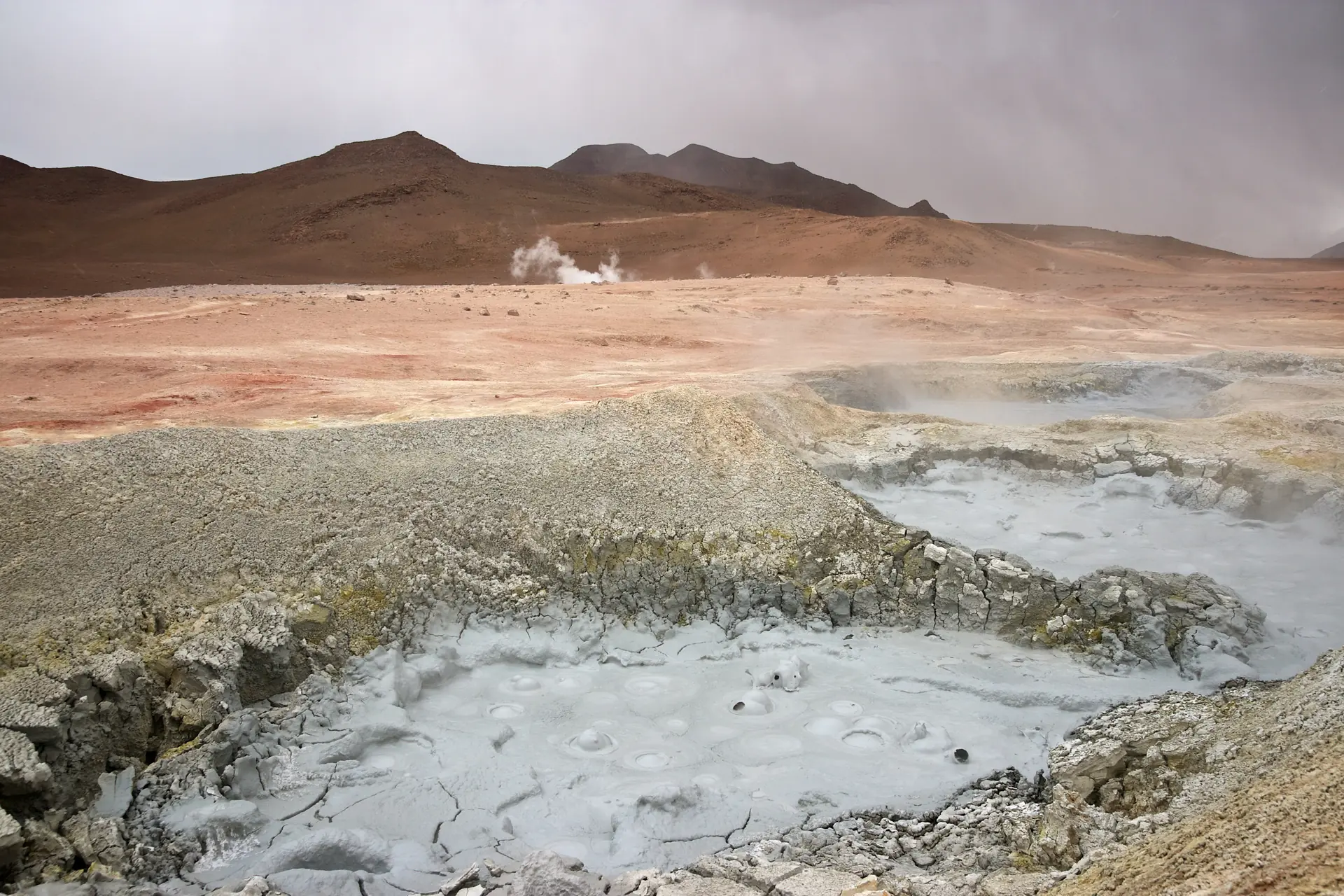
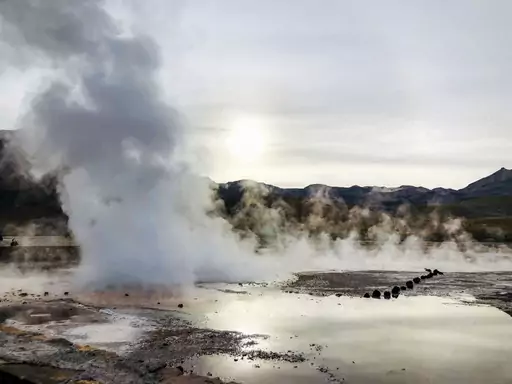
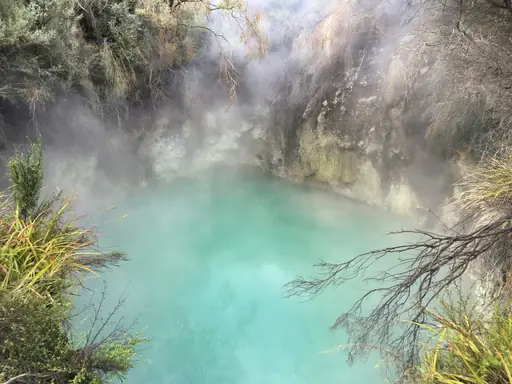
South America’s Bolivia holds a hidden gem called Sol de Manana. This place is known for natural hot springs that bubble up from deep underground. The water stays warm year round thanks to geothermal activity beneath the surface. Visitors can soak in pools surrounded by rugged landscapes and fresh mountain air.
The area sits near the edge of a volcanic region where steam rises gently into the sky. Rocks around the springs are dark and rough with mineral deposits that give them a unique look. Many people come to relax after hiking or exploring nearby trails. The sound of water bubbling creates a calm atmosphere that feels far from busy city life.
Local guides often share stories about how these springs have been used for centuries by indigenous communities. Some believe the mineral-rich waters help with relaxation and minor health concerns. Whether you choose to sit quietly or dip your feet in, the experience feels personal and peaceful. The surrounding vegetation includes hardy plants that thrive in warm soil.
Travelers should bring waterproof shoes because rocks can be slippery near the pools. Bringing a towel and swimsuit makes it easy to enjoy the full visit. Early mornings tend to be quieter, so arriving before crowds helps you find a calm spot. The region’s climate stays mild during most of the year which supports comfortable visits at any time.
Sol de Manana, a geothermal area in Bolivia’s Potosí Department, is accessible via a 45-minute drive from Uyuni, the nearest major town. The route begins on the Uyuni–Potosí highway, transitioning to unpaved roads through salt flats and arid landscapes. Public transportation includes shared vans or taxis departing from Uyuni’s bus terminal, though private transfers are recommended for flexibility. During the dry season (May–October), road conditions improve, while the rainy season may require 4x4 vehicles due to muddy terrain. Entry requires a small fee at the nearby Colchani village checkpoint. Facilities include basic restrooms and viewing platforms near thermal pools. Accommodation in Uyuni or nearby Salar de Uyuni lodges is advised for early access.
Near the Sol de Manzana hot springs, accommodation ranges from rustic eco-lodges to mid‑range boutique inns, offering a blend of comfort and local charm. Many lodgings feature heated pools that complement the natural thermal baths, while others provide panoramic views of the surrounding highland valleys. The area is renowned for its sustainable, locally sourced construction – wooden cabins with stone foundations that blend seamlessly into the landscape. Prices vary from modest PEN 114 – 190 (£24.80 – 41.34) per night for basic rooms to PEN 304 – 456 (£66.14 – 99.22) for suites with private hot‑spring access and spa services. Travelers often choose eco‑friendly stays that support community projects, ensuring a responsible yet relaxing experience.
Log in to add this place to a travel list and get a summary of all recommended items for your whole trip.
We calculate the average costs when travelling to destinations and compare those with the living costs at your home. With this you can get an estimate of how expensive or cheap the destination is for you.
To customise this, you can set up which location and price level are used for the calculations in your account settings.
The exchange rate price factor shows how expensive or cheap a currency currently is compared to its historical average. It's a quick way to see if a country is currently more or less affordable due to exchange rate changes.
