







Was this page helpful?

| Opening hours: |
|
||
|---|---|---|---|
| Public website: | www.waiotapu.co.nz |
| Power Grid: |
230 V, 50 Hz Plug: Type I
Type I:
 Read about power adapters |
|---|---|
| Currency: |
New Zealand Dollar (NZD) £1 ≈ NZ$2.34 |
| Cashless info: |
Rating 5/5
Cashless payments are widely accepted across New Zealand, and credit cards are commonly used, especially in urban areas and tourist spots.
Save with a travel credit card |
| eSIM providers: |
Best value: Saily Flexibility: Airalo Read our in-depth comparison |
| Tipping: | Tipping is not expected in New Zealand, though it is appreciated for exceptional service. 5-10% in restaurants and small tips for taxi and hotel staff are common. |
|---|---|
| Public drinking: | Public drinking is generally allowed in some designated areas but may be restricted in others. Consumption of alcohol in public places may require a permit. |
| Public smoking: | Smoking is restricted in many public areas, especially indoor spaces and public transport. |
| Waitangi Day (6 February) |
A national holiday celebrating the signing of the Treaty of Waitangi |
|---|
| Emergency contact: | Emergency Number: 111 (Police, Fire, Ambulance) |
|---|---|
| Taxi apps: | Uber, Ola |
| Other: | New Zealand is known for its stunning landscapes, from beaches and mountains to national parks and cultural experiences. |
The best times to travel section shows how the months compare for a visit, so you can find the time of year that fits what you want to do.
Background colours of the months:
The colour shows the typical temperature: yellow (hot), green (mild) and blue (cold). How strong the colour is shows the travel season: full colour means high season, soft colour means shoulder season and soft-striped means off season.
Weather symbols:
Each month has one symbol showing what the weather is typically like, such as hot and sunny, freezing or a rainy or snowy season. Use them to quickly spot months that match the weather you want, or to avoid the ones that don't.
Crowdedness:
The people icon shows how busy the place usually is. The more people, the more crowded it gets.
Additional notes:
The grey info boxes point out special things worth knowing, like recurring weather issues or seasonal events.
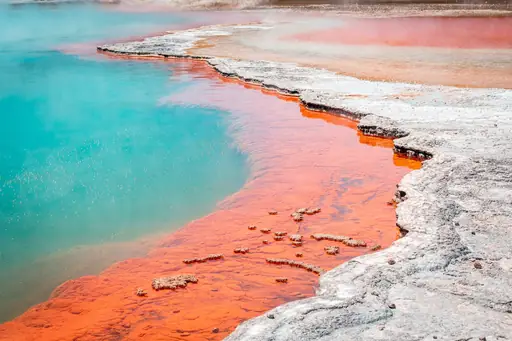
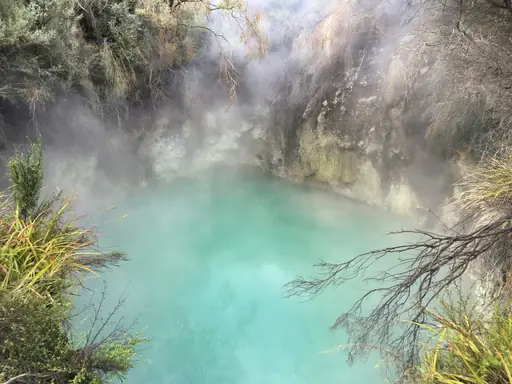
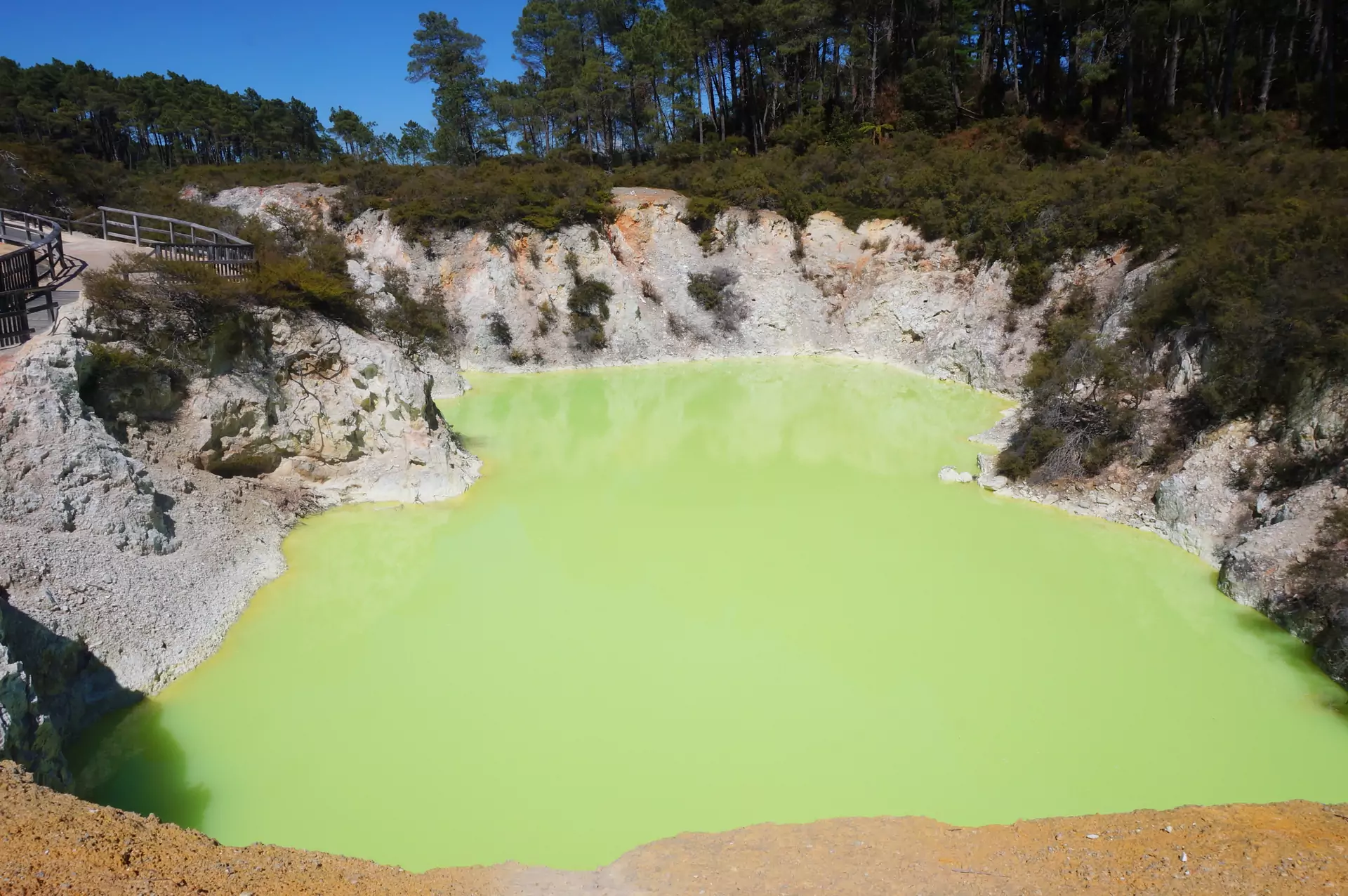
Wai-O-Tapu is a geothermal area in New Zealand’s North Island known for its steaming pools and colorful mineral deposits. The landscape shifts constantly as hot water rises through cracks in the earth creating vivid hues of yellow orange and green. Visitors see bubbling mud pools and fumaroles releasing sulfurous steam that carries a sharp scent across the ground.
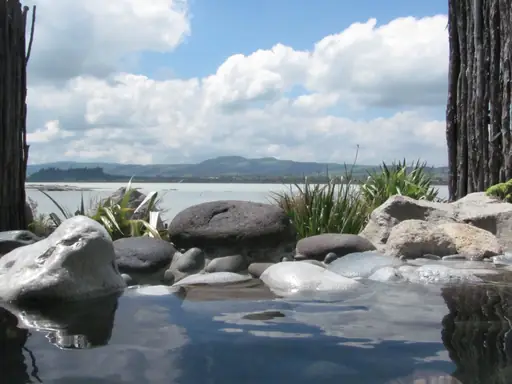
The region’s geothermal activity shapes both the land and local culture. Māori traditions connect these waters to stories about creation and healing. Some springs reach temperatures high enough for small boats or walking paths while others form natural basins where people can sit near the warmth without getting too close. The area includes Lady Knox Geyser which erupts daily at set times adding a predictable rhythm to an otherwise unpredictable environment.
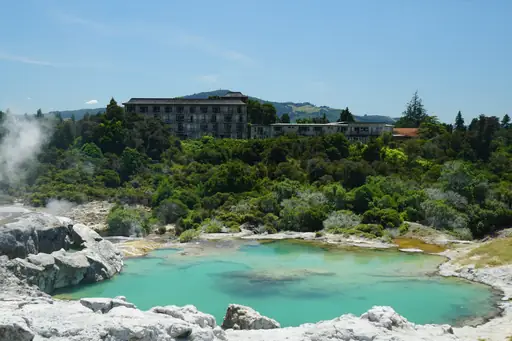
Walking through Wai-O-Tapu feels like moving between worlds. The ground is uneven and sometimes cracked revealing steam vents that hiss softly. On clear days the sky frames bright blue pools surrounded by dark volcanic rock. Sound of water mixing with wind creates a calm atmosphere even when small eruptions send droplets into the air. Pathways guide visitors along safe routes while still allowing close views of features like Champagne Pool whose turquoise waters reflect light differently depending on sunlight.
Travelers who come here often notice how the area balances natural power with quiet beauty. It is not a crowded tourist site but rather a place where people respect the land by staying on marked trails and keeping noise low. The experience encourages reflection about earth’s energy and reminds visitors of forces that shape islands over time. For those seeking calm or curiosity this spot delivers clear sensory impressions without unnecessary distractions.
Wai-O-Tapu, located on New Zealand’s North Island, is accessible via State Highway 1, connecting it to major towns like Rotorua and Taupō. The geothermal park sits approximately 25 km northeast of Rotorua city center, reachable by car within a 30-minute drive from the town. Public transport options include guided tours departing from Rotorua or Auckland, as well as limited local bus services during peak hours. The nearest airport is Rotorua Airport (ROT), with rental cars available for onward travel to Wai-O-Tapu. Taxis and private transfers can also be arranged in advance. Visitors should allow extra time for rural road conditions, especially after rainfall.
Wai‑O‑Tāpu’s accommodation scene blends rustic charm with modern comfort. Most visitors stay at nearby guesthouses and self‑contained cabins that offer easy access to the geothermal park while providing a quiet retreat after a day of steaming pools. Prices range from NZ$120 (£50.98) for basic rooms in family‑run inns to NZ$250 (£106.21) for boutique lodges featuring private hot‑spring tubs and panoramic views. The area is renowned for its eco‑friendly, locally sourced décor, with many properties incorporating recycled materials and solar power. For travelers seeking a more secluded experience, there are a handful of luxury chalets that boast infinity pools overlooking the volcanic landscape, priced around NZ$350 (£148.69) per night.
Log in to add this place to a travel list and get a summary of all recommended items for your whole trip.
We calculate the average costs when travelling to destinations and compare those with the living costs at your home. With this you can get an estimate of how expensive or cheap the destination is for you.
To customise this, you can set up which location and price level are used for the calculations in your account settings.
The exchange rate price factor shows how expensive or cheap a currency currently is compared to its historical average. It's a quick way to see if a country is currently more or less affordable due to exchange rate changes.
