







Was this page helpful?

| Power Grid: |
230 V, 50 Hz Plug: Type C , Type F
Type C:
  Read about power adapters |
|---|---|
| Currency: |
Euro (EUR) £1 ≈ €1.19 |
| Cashless info: |
Rating 5/5
Cashless payments are widely accepted in Italy, particularly in cities. While larger establishments and chains are fully cashless, smaller shops may still prefer cash.
Save with a travel credit card |
| eSIM providers: |
Best value: Saily Flexibility: Airalo Read our in-depth comparison |
| Tipping: | Tipping is customary in Italy, especially in restaurants where 10-15% is typical. Tipping for taxi drivers is usually rounded up or 5-10%. Small tips for hotel staff are also appreciated. |
|---|---|
| Public drinking: | Public drinking is allowed in Italy, especially in public squares and during festivals. In some regions, it is illegal to drink alcohol in certain areas like public transport or near schools. |
| Public smoking: | Smoking is banned in indoor public spaces and on public transport. Designated smoking areas are available outside. |
| Ferragosto (August) |
Many businesses close, and Italians take holidays. It’s very busy in tourist areas. |
|---|---|
| Christmas (December) |
Christmas markets and festivities are popular, expect higher prices and crowded attractions. |
| La Befana (January) |
Celebrated on January 6, the Epiphany is a public holiday with festive events, and some businesses close. |
| Emergency contact: | Emergency Number: 112 (Police, Fire, Ambulance) |
|---|---|
| Taxi apps: | Uber, Free Now, ItTaxi |
| Other: | Italy's tourist infrastructure is well-developed, but some rural or historical areas may require extra planning for accessibility. |
The best times to travel section shows how the months compare for a visit, so you can find the time of year that fits what you want to do.
Background colours of the months:
The colour shows the typical temperature: yellow (hot), green (mild) and blue (cold). How strong the colour is shows the travel season: full colour means high season, soft colour means shoulder season and soft-striped means off season.
Weather symbols:
Each month has one symbol showing what the weather is typically like, such as hot and sunny, freezing or a rainy or snowy season. Use them to quickly spot months that match the weather you want, or to avoid the ones that don't.
Crowdedness:
The people icon shows how busy the place usually is. The more people, the more crowded it gets.
Additional notes:
The grey info boxes point out special things worth knowing, like recurring weather issues or seasonal events.
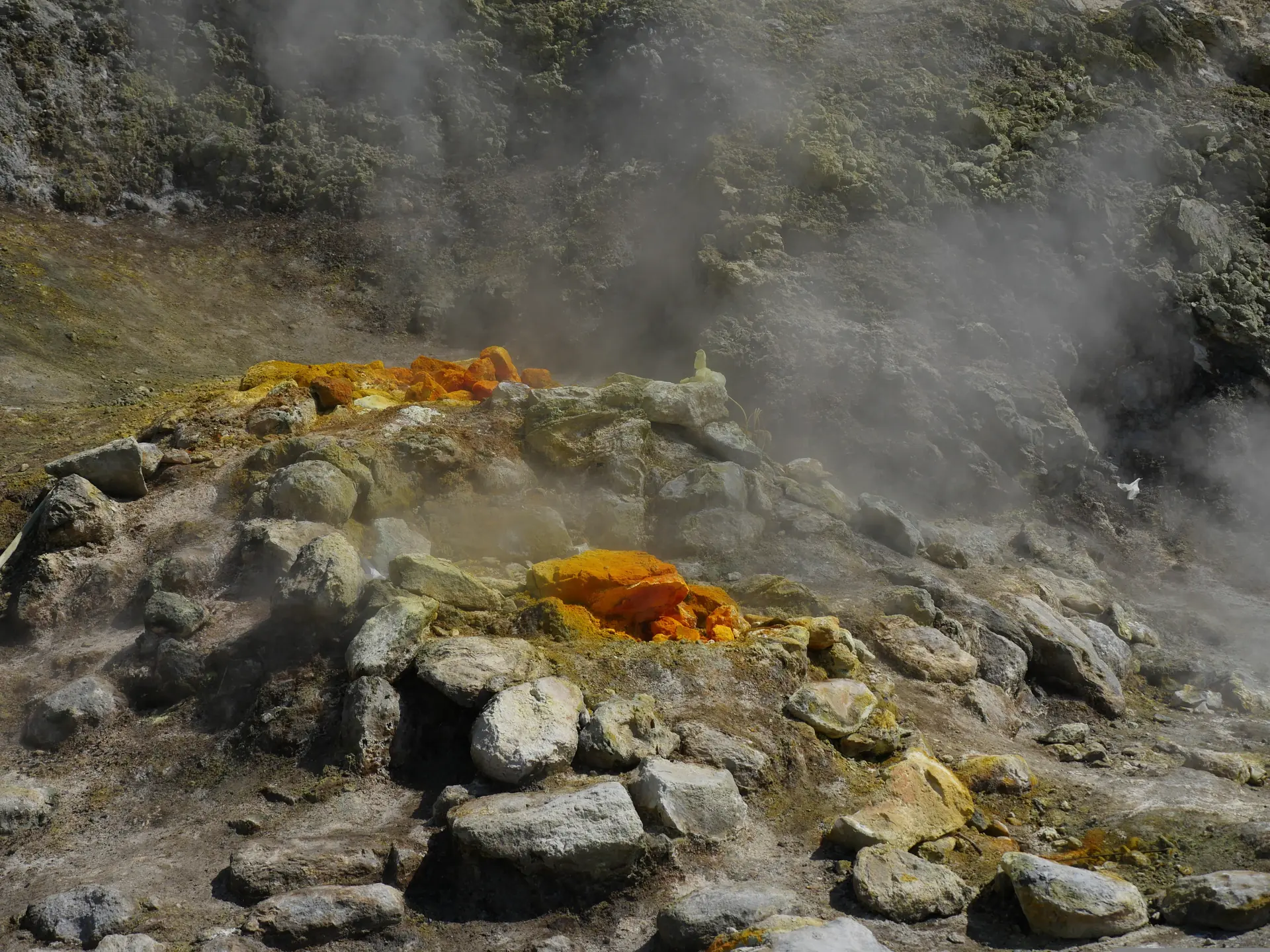
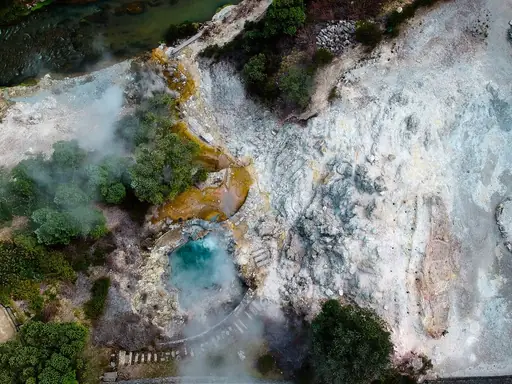
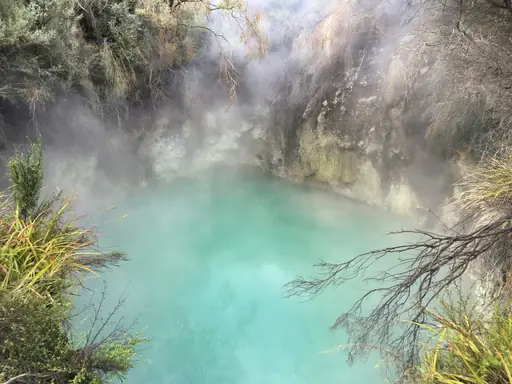
Solfatera di Pozzuoli sits near Naples where a volcanic crater meets the sea. The site shows signs of ancient eruptions with sulfur smells and steam rising from the ground. Visitors see cracked earth and mineral deposits that create a stark landscape. This place feels alive with geological energy shaping its terrain.
The area has been studied for centuries because it reveals how volcanoes change land over time. Scientists track small earthquakes and gas emissions to understand hidden activity below. The crater’s edges hold layers of ash and rock telling stories of past events. Some parts are closed for safety while others allow guided walks to observe safely.
Local guides explain how the volcano influences nearby towns through heat and fertile soil used in farming. Vineyards grow grapes near warm ground producing unique flavors. The site connects history with modern science showing nature’s power shaping daily life. Visitors learn about risks and benefits of living close to active geology.
Travelers can visit during daylight hours when paths are open. Wear sturdy shoes as terrain varies between solid ground and uneven surfaces. Bring water and check weather updates before exploring. The experience combines education with awe at Earth’s forces without relying on flashy descriptions or exaggerated claims.
Solfatra di Pozzuoli, a volcanic area near Naples, is accessible via public transport from central Naples. The nearest train station is Pozzuoli, served by Circumvesuviana and Cumana lines, with frequent connections to Naples and other nearby towns. Buses operated by companies like Azienda Napoletana Mobilità (ANM) also provide routes to Pozzuoli, with stops near the volcano’s entrance. Private transfers or taxis are available for direct access from Naples airport (Capua) or major train stations. The site is located within the Phlegraean Fields and visitors should follow local signage for parking and trailheads. Accessibility may vary seasonally due to volcanic activity monitoring.
Prices range from €70 (£58.78) to €150 (£125.95) per night for standard rooms, while suites featuring panoramic views of the crater can reach €200 – 250 (£167.93 – 209.92). Some properties specialize in wellness retreats, offering spa treatments that use volcanic mud and mineral waters. For travelers seeking a quieter experience, small family-run guesthouses offer budget-friendly stays around €50 – 80 (£41.98 – 67.17), often including homemade meals made from regional produce.
Log in to add this place to a travel list and get a summary of all recommended items for your whole trip.
We calculate the average costs when travelling to destinations and compare those with the living costs at your home. With this you can get an estimate of how expensive or cheap the destination is for you.
To customise this, you can set up which location and price level are used for the calculations in your account settings.
The exchange rate price factor shows how expensive or cheap a currency currently is compared to its historical average. It's a quick way to see if a country is currently more or less affordable due to exchange rate changes.
