
Best geothermal destinations in Asia
Best geothermal destinations in Asia
Smoking caldera landscapes and bubbling sulfur vents across Asia
Asia's geothermal offer is anchored by Japan's onsen culture, one of the world's most deeply embedded bathing traditions, where thousands of hot spring facilities ranging from rural ryokan bathhouses to purpose-built resort complexes have developed around a geothermal resource of extraordinary geographic spread. The cultural significance of communal bathing in Japan extends well beyond the thermal properties of the water, with onsen etiquette, ryokan traditions and regional spring varieties rewarding dedicated exploration across multiple visits.
Beyond Japan, significant geothermal bathing and geyser landscapes are found across the volcanic zones of Southeast Asia, the Tibetan plateau and the Kamchatka peninsula, with traditions and infrastructure varying considerably by country and region. Several destinations combine geothermal bathing with broader volcanic landscapes, where hot springs sit within active geological environments that add drama well beyond the bathing experience itself.
Onsen etiquette in Japan requires advance research as tattooing restrictions and bathing protocols vary by establishment and affect access for some visitors. Water temperatures at natural sources across the region vary considerably and checking before entering is essential. Your money goes a long way across most of the continent's geothermal destinations making extended hot spring itineraries practical even when ryokan accommodation adds to overall costs.
Lists by region

City in Japan
Oita
Monkeys, hot springs and Otomo history
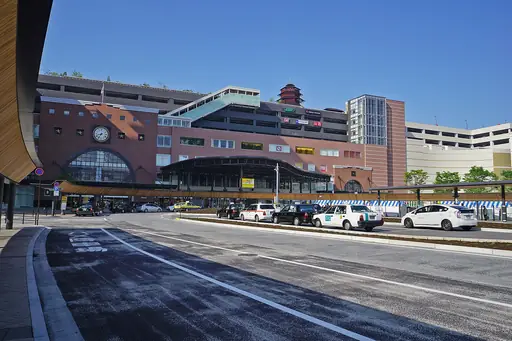
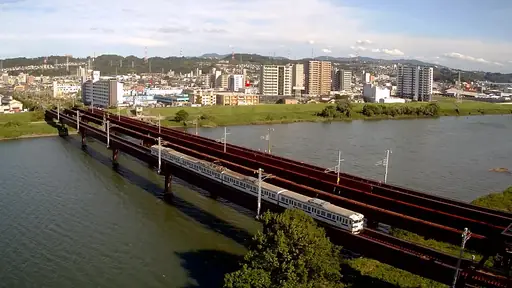
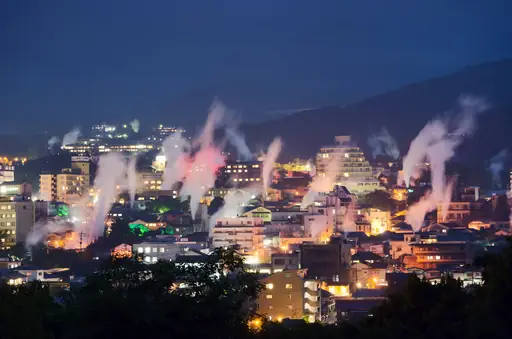
Autumn from late October to November has red maple leaves around the hot spring towns of Yufuin and Beppu, so bathers soak in outdoor pools beside the colours. Oita has more hot spring sources than any other prefecture in Japan, with about 4,000 spread across the region.
Island in Indonesia
Java
Vibrant capital city and ancient temples
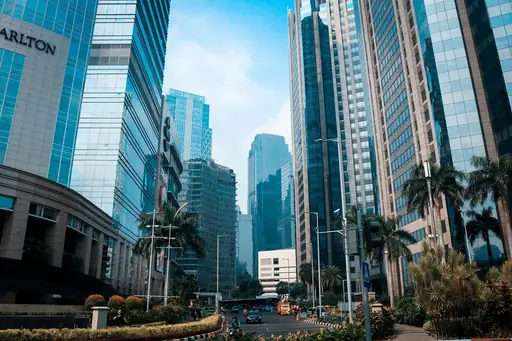
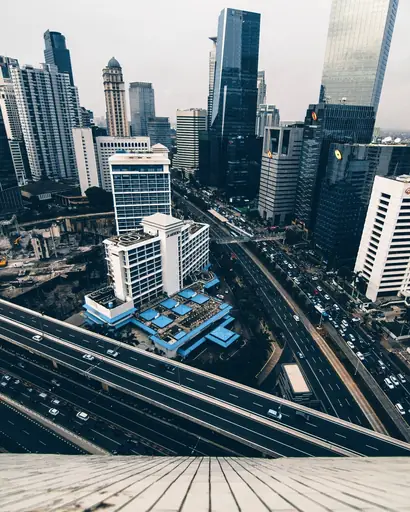
Like a line of fire across the sea, Java has more than 100 volcanoes, about 45 of them active, so the island is full of crater lakes, steaming vents and hot springs. Near Bandung, Tangkuban Perahu has crater walks while the Ciater springs have warm pools in the tea plantations.
Valley in Russia
Valley of Geysers
Erupting wonders beneath Icelandic skies
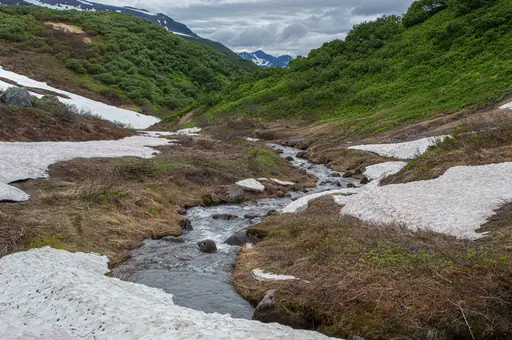
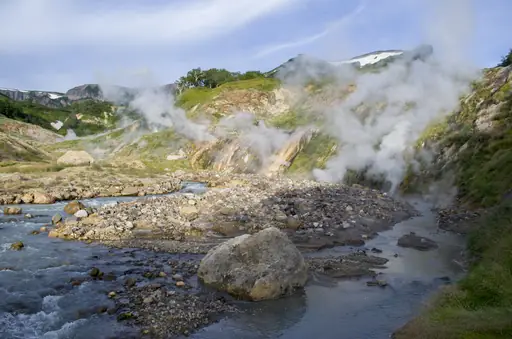
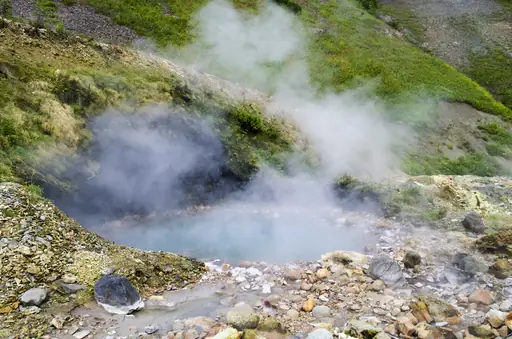
Like a wilder version of Yellowstone at the far eastern end of Russia, the Valley of Geysers in Kamchatka has about 90 geysers along a canyon with steaming hot springs and mud pots. It was found in 1941 by the scientist Tatyana Ustinova and is reached by helicopter.
Island in Japan
Kyushu
Volcanoes, onsen and tonkotsu ramen
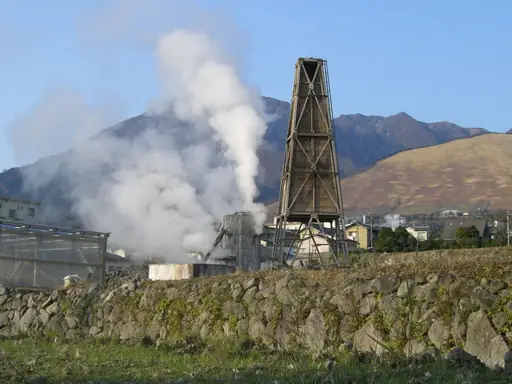
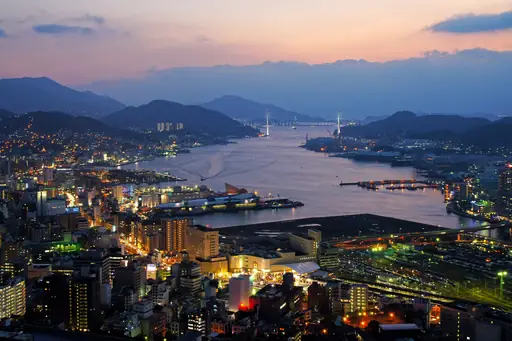
Hot springs on Kyushu are mentioned in records from the 700s, while today the island has thousands of springs around volcanoes such as Aso, Unzen and Sakurajima, a smoking volcano in Kagoshima Bay. At Ibusuki on the south coast, visitors lie in warm black volcanic sand beside the sea.
Town in Japan
Hakone
Onsen town with Fuji views and lake cruises
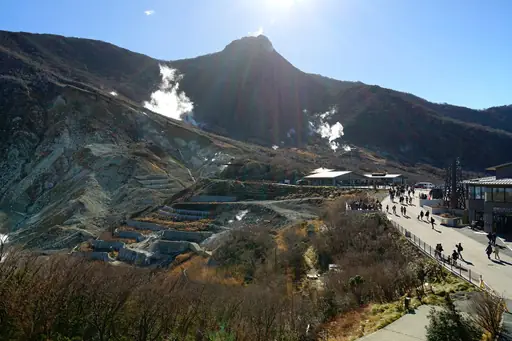
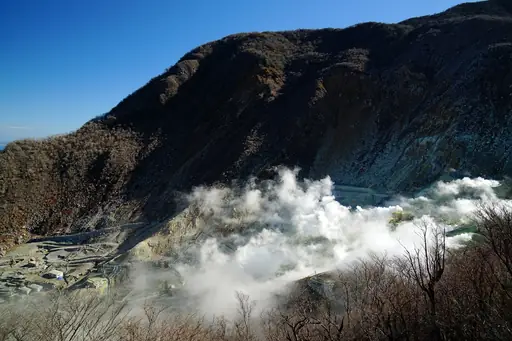
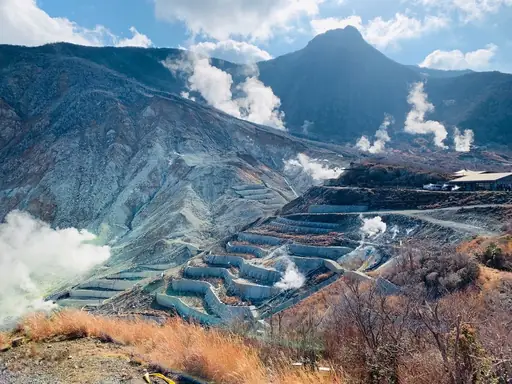
The smell of sulphur and white steam are part of Owakudani, a volcanic valley where eggs boiled in the hot springs turn black and are said to add seven years to a person's life. Hakone also has onsen inns with views of Mount Fuji and Lake Ashi.

Town in Japan
Zao Onsen
Sulphur onsen, snow monsters and ski slopes
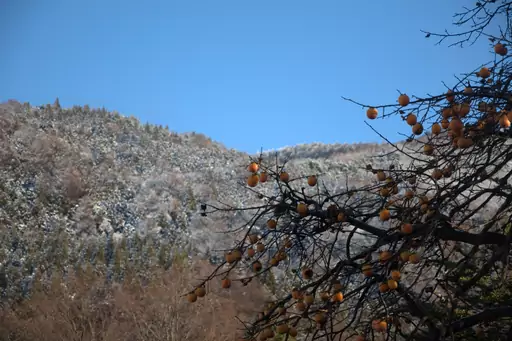
Zao Onsen is said to be about 1,900 years old, while its strongly acidic water has a sulphur smell and is known for making skin feel smooth. In winter the fir trees on the mountain freeze into shapes called snow monsters, so skiers finish the day in outdoor baths.
Village in Japan
Shibu Onsen
Nine public baths and cobbled lanes
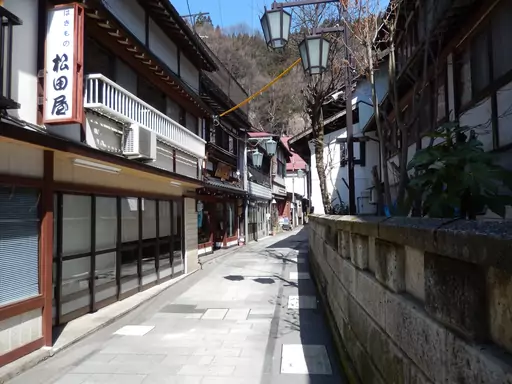
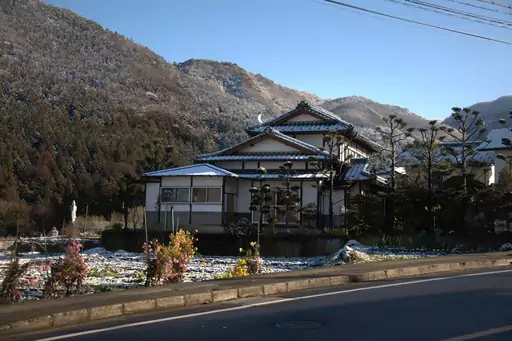
In the mountains of northern Nagano, Shibu Onsen is a village with nine public bathhouses, each with its own name and said to bring luck. Walkers in yukata robes and wooden sandals go from bath to bath while snow monkeys soak in hot springs at nearby Jigokudani Monkey Park.
Region in Japan
Izu Peninsula
Hot springs, volcanic coast and beaches
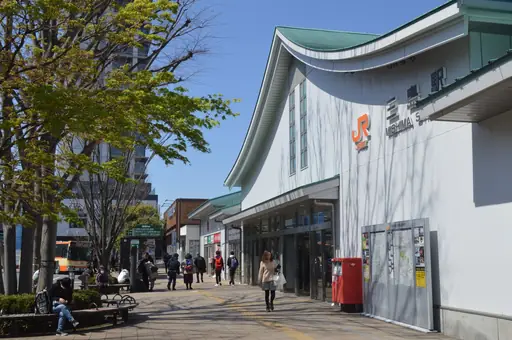
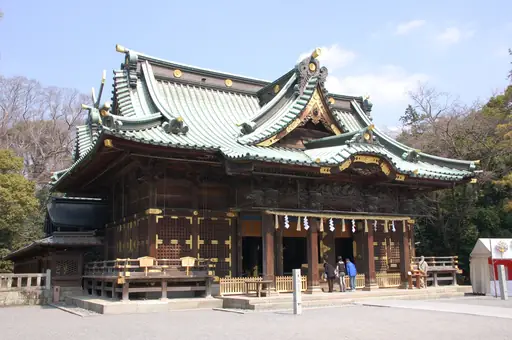
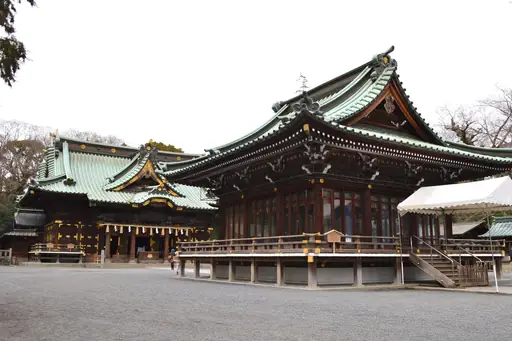
Bathers in Izu wash carefully before getting into shared baths, a custom that keeps the water clean for everyone, while many towns have free foot baths called ashiyu beside the road. In Shuzenji a small bath called Tokko no Yu sits in the middle of the river and dates from the 800s.
State/Prefecture in Japan
Hokkaido
Volcanoes, powder snow and fresh seafood
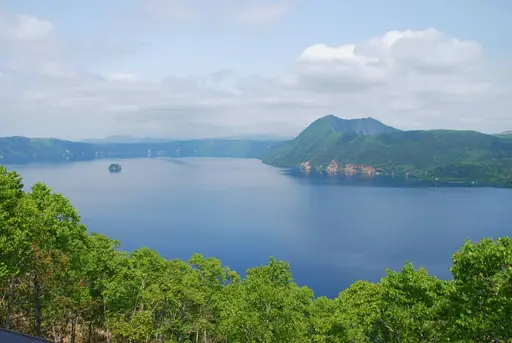
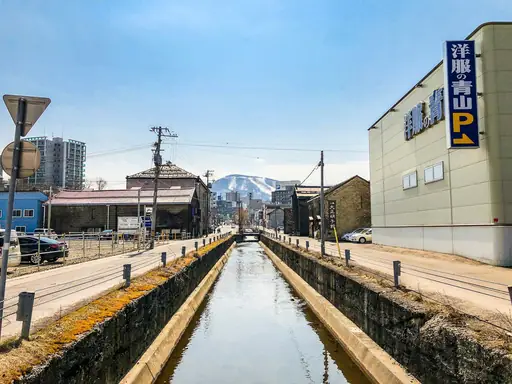
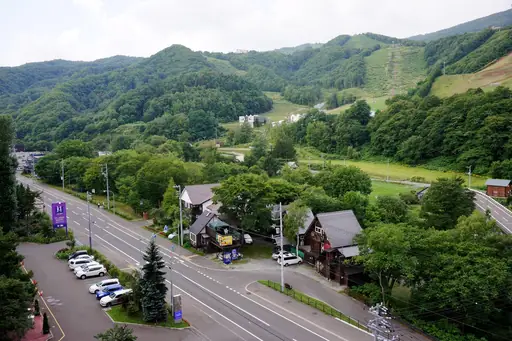
On the northernmost main island of Japan, Hokkaido has many volcanoes and hot spring towns such as Jozankei near Sapporo and Sounkyo in a deep gorge. Outdoor baths called rotenburo are common in the region, so bathers soak in hot water while snow falls around them in winter.
Village in Japan
Kurokawa Onsen
Riverside bath hopping in a Kumamoto valley
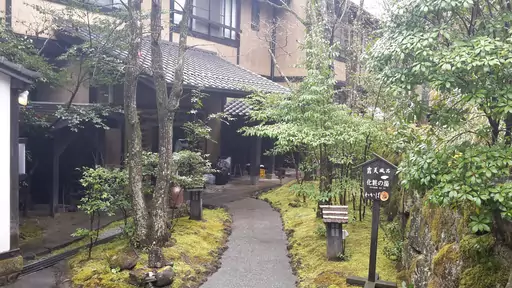
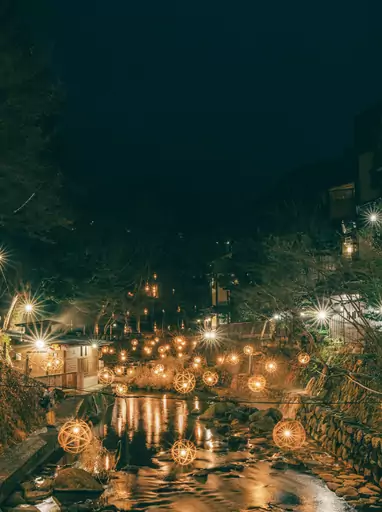
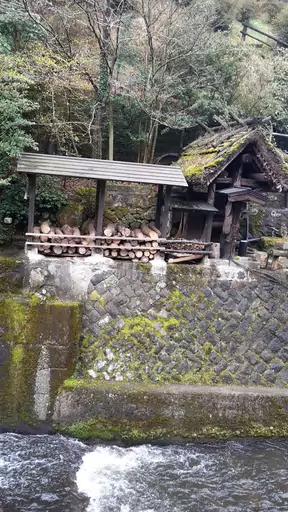
Sulphur steam and the sound of the river are part of the narrow lanes in Kurokawa Onsen, a village in a forested valley where inns have riverside outdoor baths. A wooden pass called the nyuto tegata is good for three baths at different inns, so guests walk in yukata robes from one to the next.
Town in Japan
Noboribetsu
Steaming hell valley and nine spring types
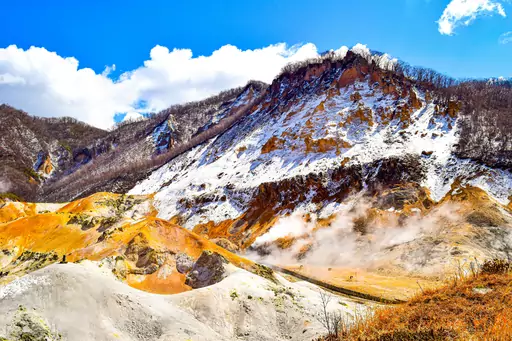
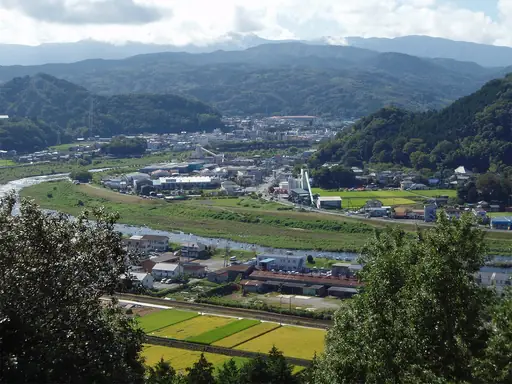
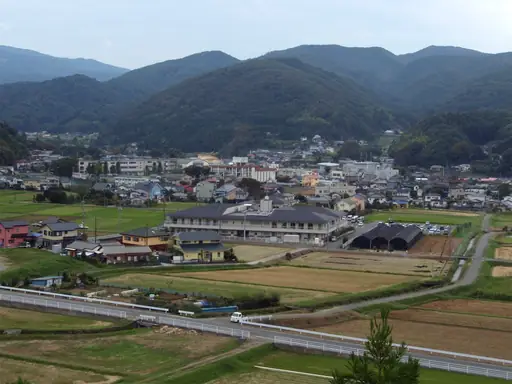
In southwestern Hokkaido near the Pacific coast, Noboribetsu has Jigokudani, a volcanic crater nearly 1,500 feet wide that is called Hell Valley, with steaming vents and bubbling pools. Nearby Oyunuma is a hot sulphur pond where a warm stream makes a natural foot bath that visitors walk along.
Town in Japan
Izu
Shuzenji hot springs, wasabi and Amagi hikes
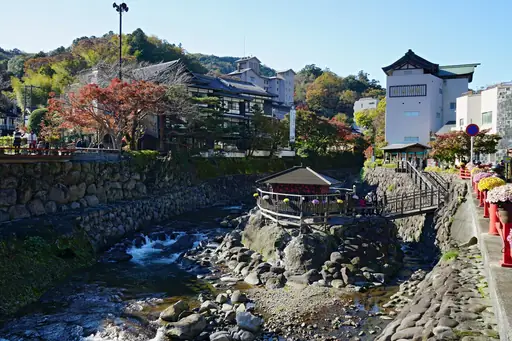
In February the early blooming Kawazu cherry trees are pink along the river in Izu, so bathers soak in outdoor hot springs under the blossoms. The peninsula has hundreds of springs at towns such as Atami, Shuzenji and Ito, many with views of the sea.
Town in Japan
Unzen Onsen
Volcanic hot spring town with steaming hells
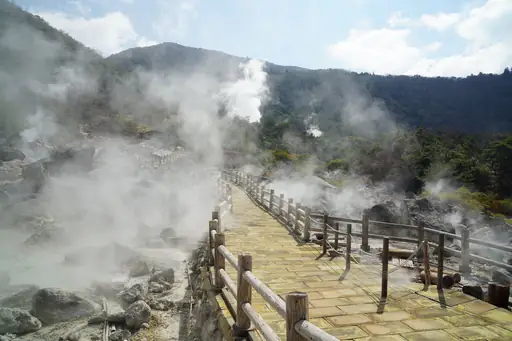
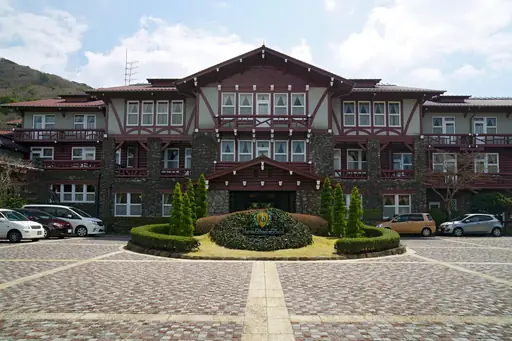
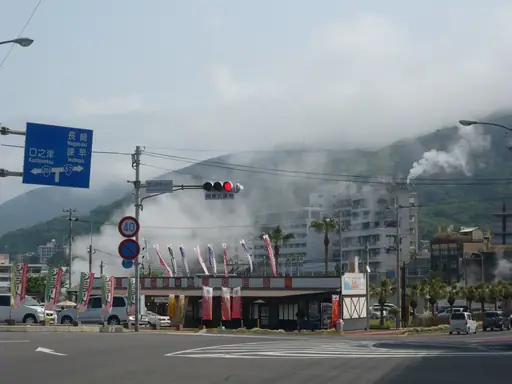
In late April and early May red azaleas bloom on the slopes of Unzen, while the steam fields of Unzen Jigoku have walking paths past bubbling vents and boiling pools. Visitors eat eggs cooked in the hot steam and soak in milky sulphur baths at nearby inns.
City in Japan
Beppu
Steaming hot springs and colourful Hells
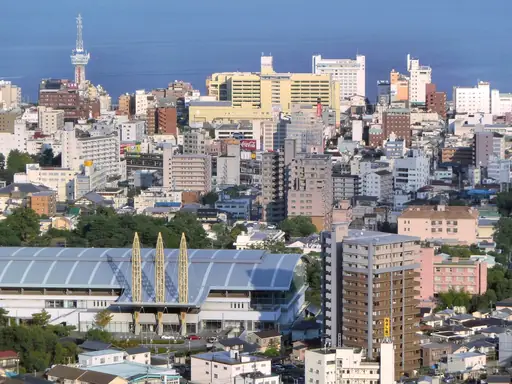
Umi Jigoku, the Sea Hell, is a cobalt blue pool of boiling water that is one of the eight hot spring sights of Beppu called the hells. The city has about 2,800 hot spring sources, so bathers also get buried up to the neck in warm volcanic sand at Takegawara.
City in Turkey
Pamukkale
Cotton Castle of Thermal Pools
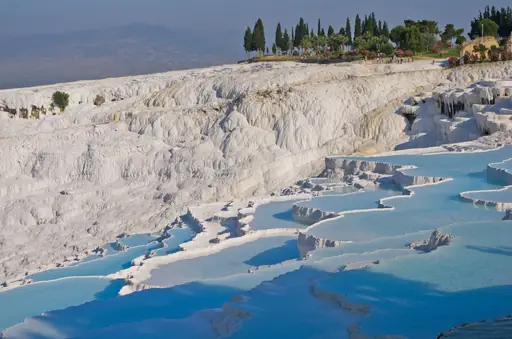
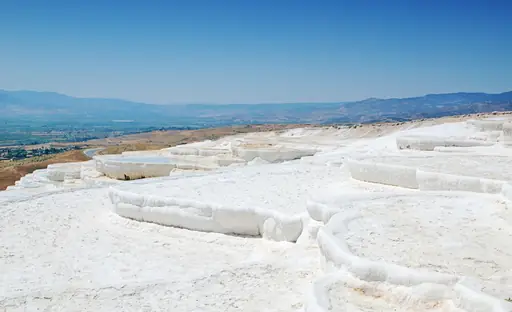
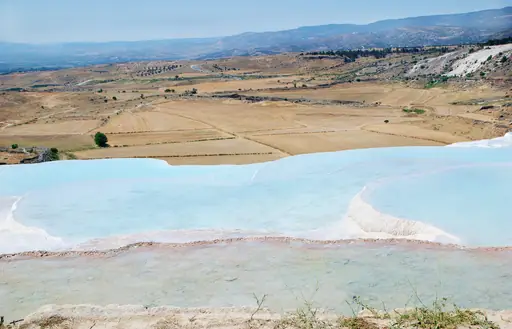
Walking barefoot on the white terraces is the rule at Pamukkale, which means cotton castle in Turkish, since shoes would damage the soft travertine stone. Above, Roman bathers once soaked in the ancient spa town of Hierapolis while today swimmers float among fallen marble columns in a warm mineral pool.
Town in Japan
Kusatsu-Onsen
Steaming hot water field and bath hopping
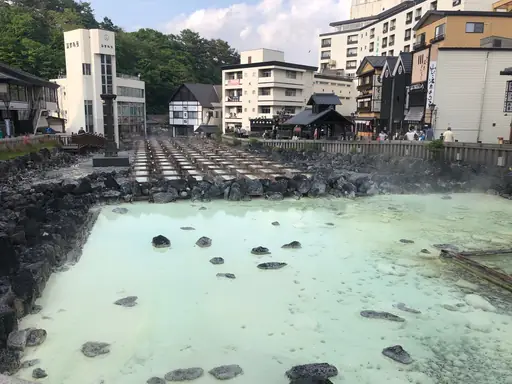
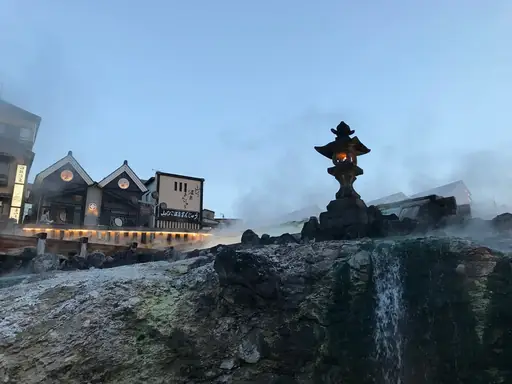
The Yubatake, a hot water field in the centre of Kusatsu, sends steaming spring water through long wooden channels at a rate of thousands of gallons a minute. Bathers cool the strongly acidic water with long wooden paddles in a show called yumomi, a way of lowering the heat without adding plain water.
Region in Indonesia
Dieng Plateau
Mist‑kissed highlands echo ancient rhythms
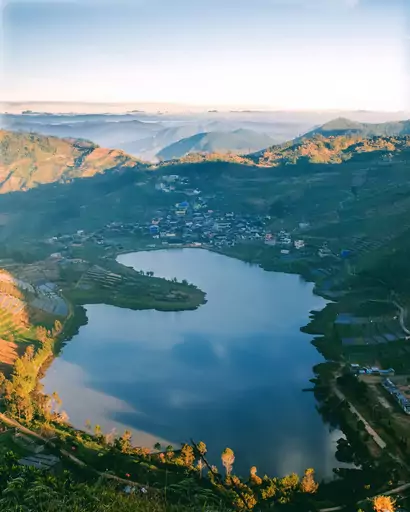
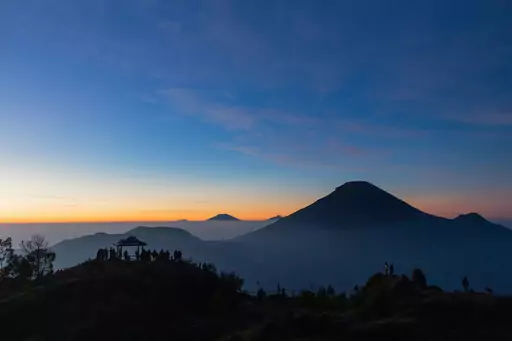
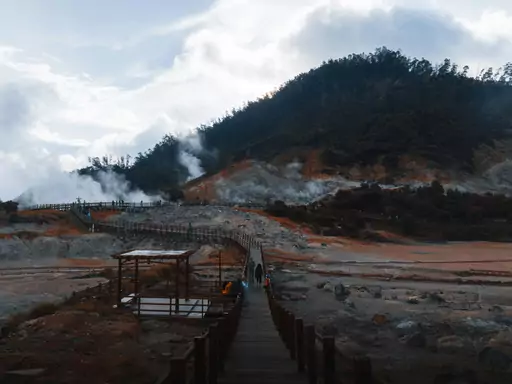
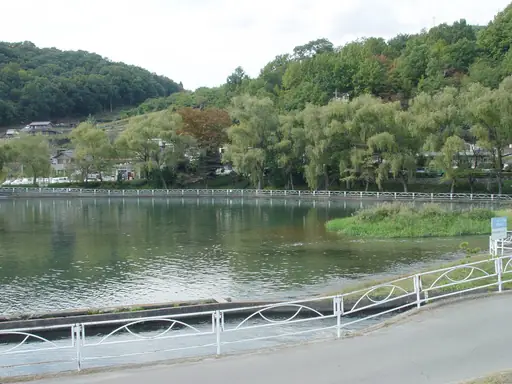
Dieng takes its name from a word meaning abode of the gods while the plateau, about 6,800 feet high, has Hindu temples from the 7th and 8th centuries beside bubbling craters. Sikidang crater has boiling mud and sulphur steam, while Telaga Warna, a lake, changes colour from green to blue.
State/Prefecture in Japan
Yamanashi
Mount Fuji's north side, lakes and wine
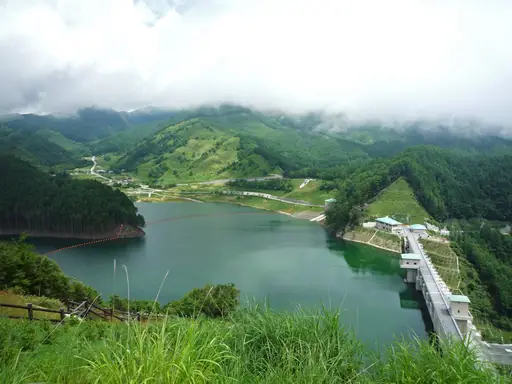
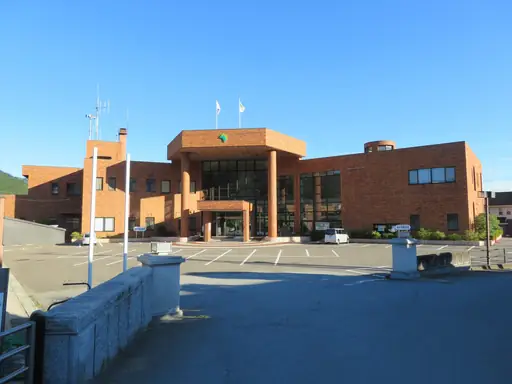
Outdoor baths at hotels around Lake Kawaguchi have views of Mount Fuji across the water, so bathers soak in hot spring water while the snowcapped volcano is reflected in the lake. Yamanashi also has Isawa Onsen in the Kofu basin, fruit orchards and houtou, a hearty noodle stew.
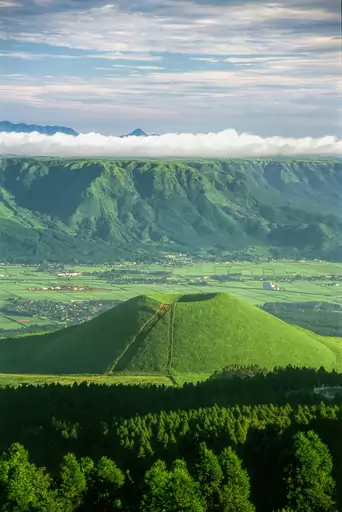
National Park in Japan
Aso-Kuju National Park
Giant caldera, active volcano and highlands
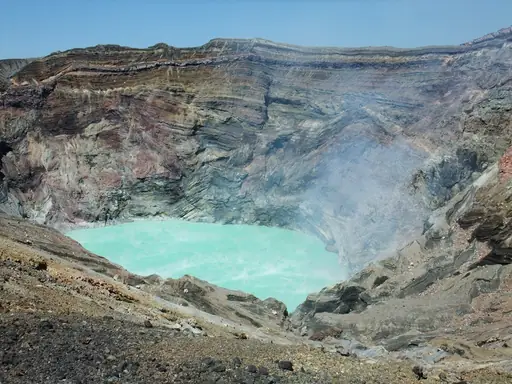
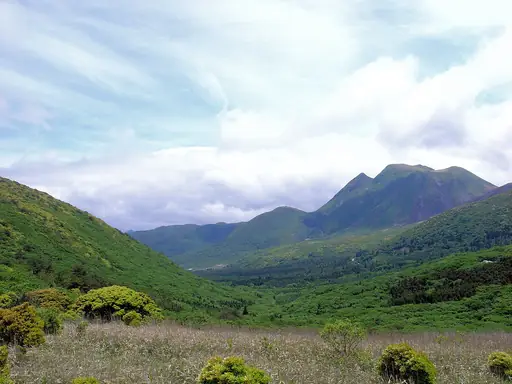
Farmers and volunteers burn the grass on the slopes of Mount Aso each early spring in a custom called noyaki, which keeps the meadows open for cattle and horses. The Aso caldera is one of the biggest in the world, with an active crater at Nakadake and hot spring villages like Uchinomaki.
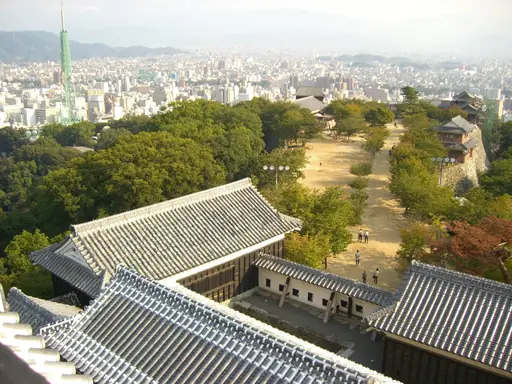
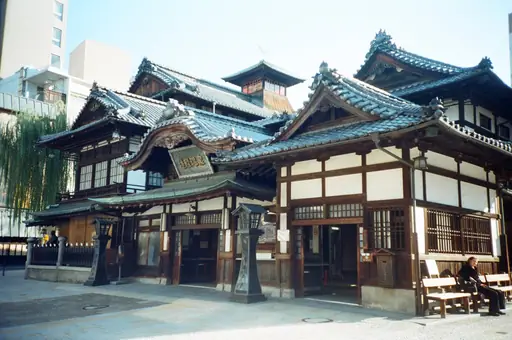
City in Japan
Matsuyama
A hilltop castle and Japan's oldest hot spring
The sound of a drum from the roof of Dogo Onsen Honkan and steam from its baths are part of a morning in Matsuyama. The wooden bathhouse was built in 1894 over hot springs said to be some 3,000 years old, while visitors soak and then drink tea in a tatami room.
Volcano in Indonesia
Kawah Ijen
Erupting beauty amid lush volcanic landscapes
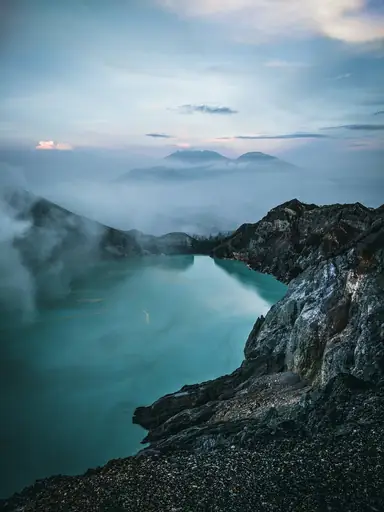
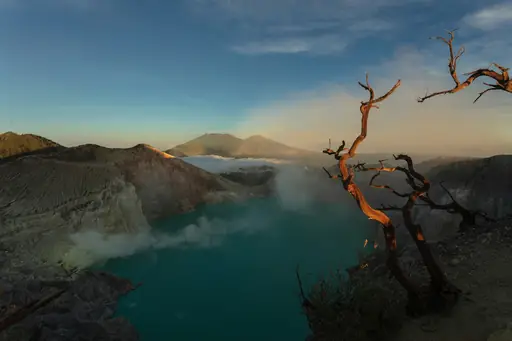
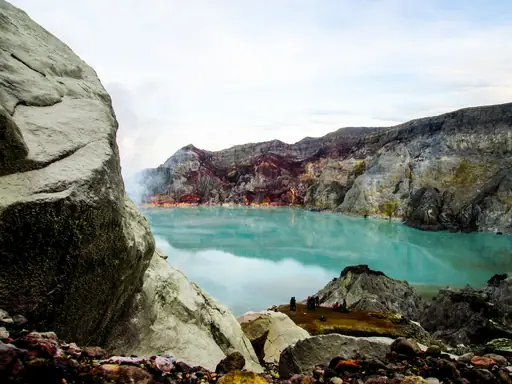
At night the Kawah Ijen crater has electric blue flames caused by sulphur gas burning as it escapes from cracks in the rock, below a turquoise lake of acid water. Hikers start the two hour climb around 2 am with a guide while miners carry baskets of yellow sulphur down the rim.
Other lists you may like
Discover
Top geothermal wonders and volcanic landscapes
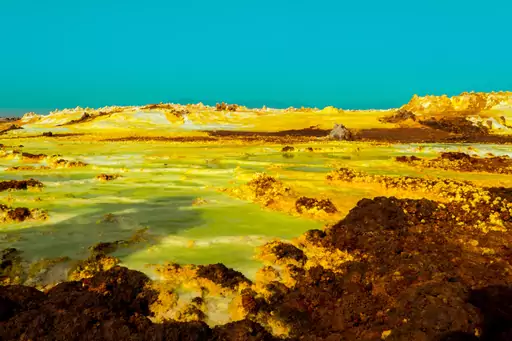
Geothermal travel encompasses a spectrum of experiences from the dramatic spectacle of geyser fields and volcanic hot springs to the deeply embedded bathing cultures that have…
Read more
Discover
Best geothermal destinations in Africa
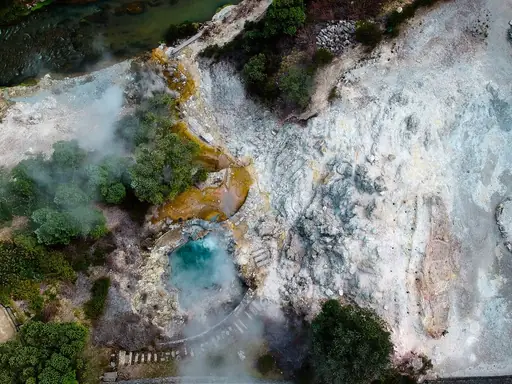
Africa's geothermal activity is concentrated along the East African Rift System, one of the world's most significant active geological features, where the slow separation of…
Read more
Discover
Best geothermal destinations in Europe
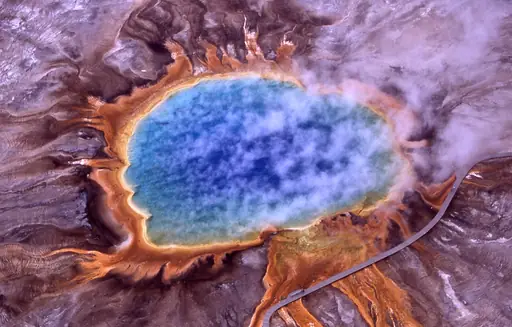
Europe's geothermal offer is concentrated in its volcanically active zones, with Iceland, the Italian peninsula and the Carpathian basin containing the most significant thermal…
Read more
Discover
Best geothermal destinations in North America
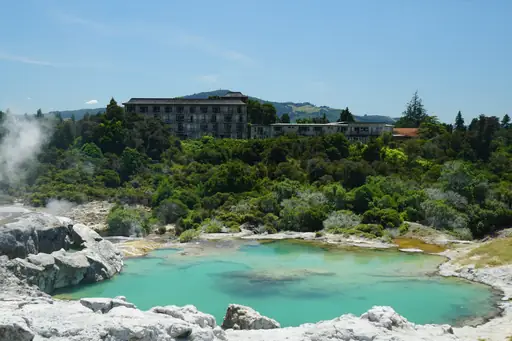
North America's geothermal offer is anchored by the vast hydrothermal systems of the Rocky Mountain interior, where the continent's most extensive concentration of geysers, hot…
Read more
Discover
Best geothermal destinations in Oceania
Oceania's geothermal offer is concentrated in New Zealand's North Island, where one of the world's most accessible and varied hydrothermal landscapes produces geysers, boiling mud…
Read more
Discover
Best geothermal destinations in South America
South America's geothermal offer is concentrated along the Andean volcanic arc, where one of the world's most extensive chains of active volcanic systems produces hot springs,…
Read more
What other users say about travelfilters
“travelfilters made it easy for me to find ski areas and compare what else they offer, so that I could find the best place for my personal travel style.”

Chris
Snowboarding & Onsen trip to Japan
“I love how transparent the data feels. There is no pushy upsell, just honest information and settings I can tune to my own travel style.”

Maria
After booking her 2027 winter escape
“The level of detail for each destination and how well those are displayed, make planning feel confident instead of overwhelming.”

Mina
Planned a week in New York City
“We used travelfilters for our planning from start to end. The trip turned out even better than expected, thanks to all their tools and customisation options.”

Allan & Etienne
Trip to Japan to see autumn foliage
“Thanks to travelfilters, I found some hidden gems to see. Being able to filter for exactly your interests is a game changer for my travel planning.”

Michael
Tour through the old cities of Northern Italy
“The customizable filters helped me find a quiet beach town with good wifi and low season crowds in under five minutes.”

Diego
Weekend Escape to Llanes, Spain
“The airport connection map saved me hours by showing good flight options from my home airport to lesser-known cities.”

Nguyen
Planning a 2027 trip to France
“The website is clean, fast and focused on the search itself, which makes travelfilters feel more like a professional tool than an ad-heavy booking site.”

Hassan
Christmas Market trip, Germany
