





Was this page helpful?

These place ratings give you a quick overview of how well a destination matches different types of trips.
‘Best for’ scores:
The specific interest scores show where this place really shines – whether it's ideal for hiking, food & drink experiences, museums or other activities. These highlights help you understand what makes the destination special at a glance.
‘Your personal’ scores:
This reflects how well a place matches your personal preferences. You can adjust the importances of travel topics or other personal requirements categories in your account settings.
‘Suited for’ badges:
These give you a quick overview of how well a destination suits specific types of travellers, to help you find the places that match your lifestyle, preferences or travel situation.
| Power Grid: |
220 V, 50 Hz Plug: Type C , Type F
Type C:
  Read about power adapters |
|---|---|
| Currency: |
Russian Rouble (RUB) £1 ≈ RUB 96.93 |
| Cashless info: |
Rating 4/5
Cashless payments are widely accepted in Russia, especially in cities like Moscow and St. Petersburg.
Save with a travel credit card |
| eSIM providers: | We cannot recommend an eSIM provider for this country. We advise getting a local SIM card. |
| Tipping: | Tipping is not mandatory in Russia, but a 10% tip is appreciated in restaurants. Small tips for taxi drivers and hotel staff are also common. |
|---|---|
| Public drinking: | Public drinking is prohibited in many areas, particularly in public transport and on streets in larger cities. |
| Public smoking: | Smoking is prohibited in indoor public spaces, including restaurants and public transport. |
| Emergency contact: | Emergency Number: 112 (Police, Fire, Ambulance) |
|---|---|
| Taxi apps: | Yandex Taxi, Uber |
| Other: | Russia offers a wide range of experiences, from its rich cultural history to diverse landscapes, including the Kremlin and Siberian wilderness. |
The best times to travel section shows how the months compare for a visit, so you can find the time of year that fits what you want to do.
Background colours of the months:
The colour shows the typical temperature: yellow (hot), green (mild) and blue (cold). How strong the colour is shows the travel season: full colour means high season, soft colour means shoulder season and soft-striped means off season.
Weather symbols:
Each month has one symbol showing what the weather is typically like, such as hot and sunny, freezing or a rainy or snowy season. Use them to quickly spot months that match the weather you want, or to avoid the ones that don't.
Crowdedness:
The people icon shows how busy the place usually is. The more people, the more crowded it gets.
Additional notes:
The grey info boxes point out special things worth knowing, like recurring weather issues or seasonal events.
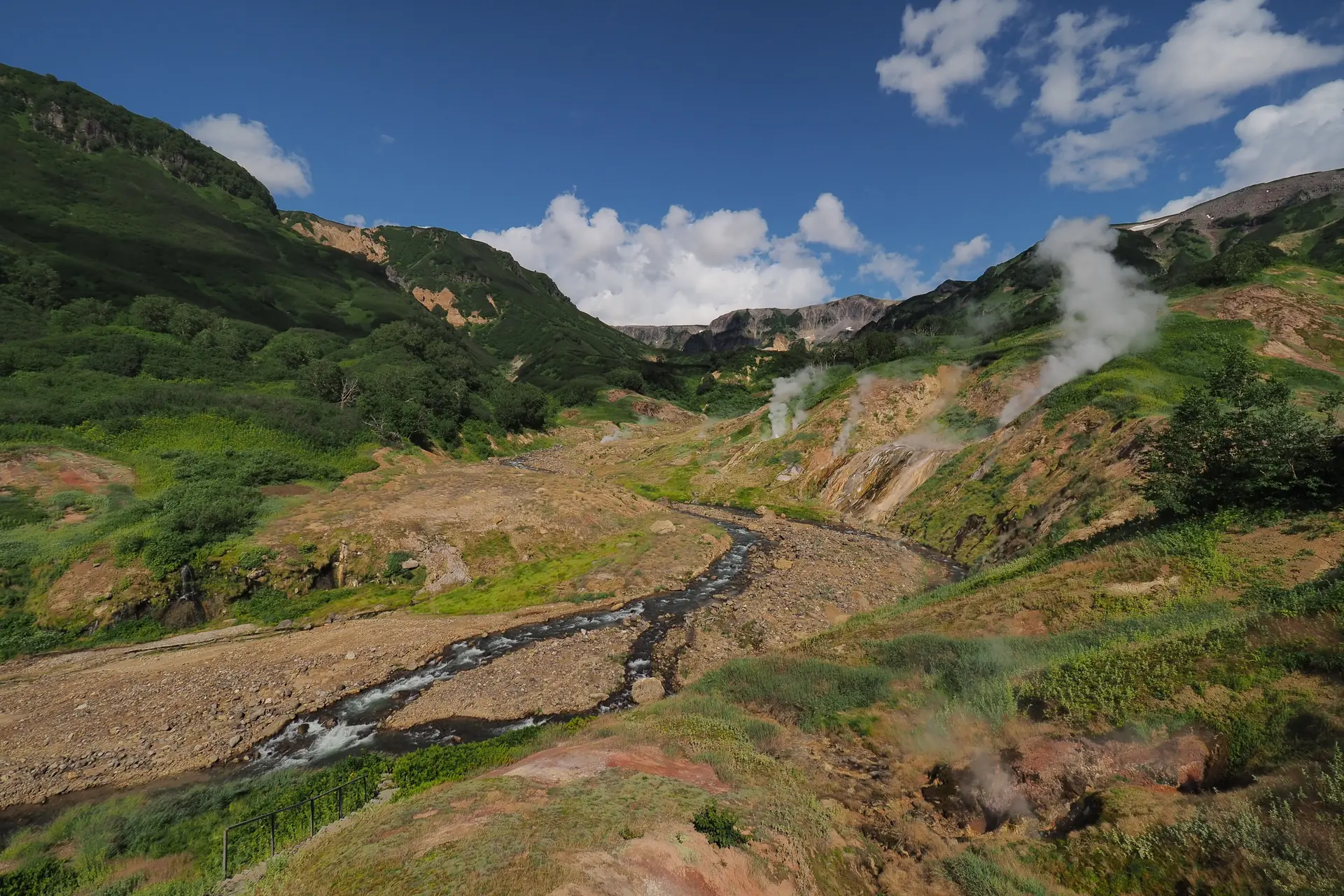
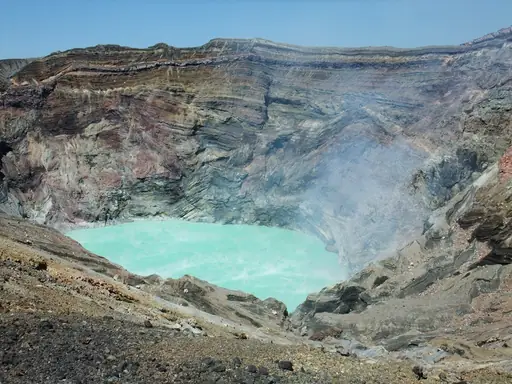
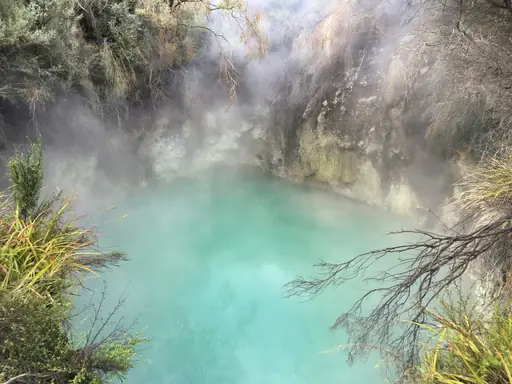
The Valley of Geysers in the Kamchatka Peninsula offers a unique combination of geological wonder and remote wilderness that appeals to travelers seeking authentic natural experiences. The valley’s geyser field is one of the few in the world where active hot springs, fumaroles and steaming vents coexist within a single, compact area. Visitors can observe eruptions ranging from gentle steam plumes to powerful jets that reach several meters high, all set against a backdrop of lush coniferous forest and snow‑capped volcanoes. Beyond its geothermal activity, the valley provides insight into volcanic processes that shape Earth’s surface. Guided walks explain how heat from magma chambers drives surface eruptions, while scientists monitor seismic activity to better understand regional tectonics. The area is also home to diverse wildlife; brown bears, reindeer and numerous bird species thrive in this relatively undisturbed habitat. Accessibility has improved with the construction of a gravel road that connects the valley to the nearby town of Petropavlovsk-Kamchatsky, making it possible for travelers on a limited schedule. Accommodation options range from modest hostels to eco‑lodges, allowing visitors to choose comfort levels that suit their itineraries. For those interested in geology, ecology and remote landscapes, the Valley of Geysers offers an immersive encounter with Earth’s dynamic systems without the crowds found at more commercial destinations.
The Valley of Geysers, located in Russia’s Kamchatka Peninsula, is accessible via a combination of air and land travel. The nearest major airport is in Petropavlovsk-Kamchatsky, from which travelers can take domestic flights to the region or drive along the scenic Route 939. Road access requires a 4x4 vehicle due to rugged terrain, with journeys often taking several hours through remote areas. For international visitors, chartered flights or guided tours are recommended during summer months when weather conditions permit. The valley’s unique geothermal activity and challenging landscape necessitate careful planning for safe exploration.
The Valley of Geysers offers a mix of rustic lodges and modern cabins that cater to both budget travelers and those seeking comfort. Most accommodations are family‑run guesthouses with basic amenities, providing an authentic experience at modest rates ranging from US$30 (£22.43) to US$70 (£52.33) per night. For higher-end options, there are boutique eco‑resorts featuring geothermal heating, panoramic views and private hot‑springs pools, priced between US$120 (£89.71) and US$200 (£149.52). The area is renowned for its “geyser‑theme” cabins – structures built around natural steam vents that offer unique, heated rooms without conventional HVAC systems. Seasonal campsites with shared kitchens are plentiful, especially during the summer months, allowing visitors to immerse themselves in the valley’s raw beauty while staying within a tight budget.
We calculate the average costs when travelling to destinations and compare those with the living costs at your home. With this you can get an estimate of how expensive or cheap the destination is for you.
To customise this, you can set up which location and price level are used for the calculations in your account settings.
The exchange rate price factor shows how expensive or cheap a currency currently is compared to its historical average. It's a quick way to see if a country is currently more or less affordable due to exchange rate changes.
To help you plan your trip, we provide estimated daily costs per person (when travelling as a pair) for different travel styles. These numbers give you an idea of what you might spend each day at this destination, including accommodation, food, transport and activities.
Additionally, we also provide average hotel costs for different travel styles to give you an estimate for the accommodation only.
Please note that these are only estimates. The real costs depend on booking times, season and other factors.
Travel style categories explained:
Backpacker:
Staying in hostels or budget hotels, cooking your own meals or eating cheap and choosing low-cost activities.
Mid-range:
Staying in mid-range hotels, eating at a mix of restaurants and casual spots and enjoying a variety of activities.
Luxury:
Staying in luxury hotels, dining out at high-end restaurants and enjoying premium experiences without worrying about the price.
| Backpacker | Mid-range | Luxury | |
|---|---|---|---|
| 💵 Total costs per day, including accommodation | |||
| 🏨 Accommodation per night, per person | |||
| 🍝 Food per day | |||
| 🚕 Transportation per day |
| 🍽️ Restaurant Dinner, per person | |
|---|---|
| 🍛 Lunch Set, per person | |
| 🍟 Fast food combo | |
| 🍝 Preparing your own food, per day | |
| ☕ Cappuccino | |
| 🍺 Beer in a restaurant, 0.5 l |
| 🚌 Public transport ticket | |
|---|---|
| 🚕 Taxi Ride, 10 km / 6 mi | |
| ⛽ Petrol, 1 l |
| 🎞️ Cinema ticket | |
|---|---|
| 👩⚕️ Doctor's consult | |
| 🤧 Cold medication | |
| 💇 Basic haircut |
Log in to add this place to a travel list and get a summary of all recommended items for your whole trip.
