









Was this page helpful?

| Power Grid: |
230 V, 50 Hz Plug: Type C , Type F
Type C:
  Read about power adapters |
|---|---|
| Currency: |
Indonesian Rupiah (IDR) £1 ≈ IDR 24,141.20 |
| Cashless info: |
Rating 4/5
Cashless payments are becoming more common in urban areas of Indonesia, particularly in larger cities. Credit cards and mobile payment apps like GoPay and OVO are widely accepted in many establishments.
Save with a travel credit card |
| eSIM providers: |
Best value: Saily Flexibility: Airalo Read our in-depth comparison |
| Tipping: | Tipping is appreciated but not mandatory in Indonesia. A 5-10% tip is common in restaurants, and taxi drivers may expect small tips for good service. |
|---|---|
| Public drinking: | Public drinking is not commonly seen in Indonesia. Alcohol is consumed mainly in licensed establishments such as bars, restaurants, and hotels. |
| Public smoking: | Smoking is prohibited in many indoor public spaces, including restaurants, shopping centres, and public transport. |
| Independence Day (17 August) |
A national holiday with celebrations and ceremonies |
|---|---|
| Nyepi (March/April) |
The Balinese Day of Silence, celebrated with unique rituals and festivities |
| Emergency contact: | Emergency Number: 112 |
|---|---|
| Taxi apps: | GoJek, Grab |
| Other: | Indonesia is known for its stunning natural landscapes, including beaches, volcanoes, and jungles. It is a great destination for nature lovers and adventure seekers. |
The best times to travel section shows how the months compare for a visit, so you can find the time of year that fits what you want to do.
Background colours of the months:
The colour shows the typical temperature: yellow (hot), green (mild) and blue (cold). How strong the colour is shows the travel season: full colour means high season, soft colour means shoulder season and soft-striped means off season.
Weather symbols:
Each month has one symbol showing what the weather is typically like, such as hot and sunny, freezing or a rainy or snowy season. Use them to quickly spot months that match the weather you want, or to avoid the ones that don't.
Crowdedness:
The people icon shows how busy the place usually is. The more people, the more crowded it gets.
Additional notes:
The grey info boxes point out special things worth knowing, like recurring weather issues or seasonal events.
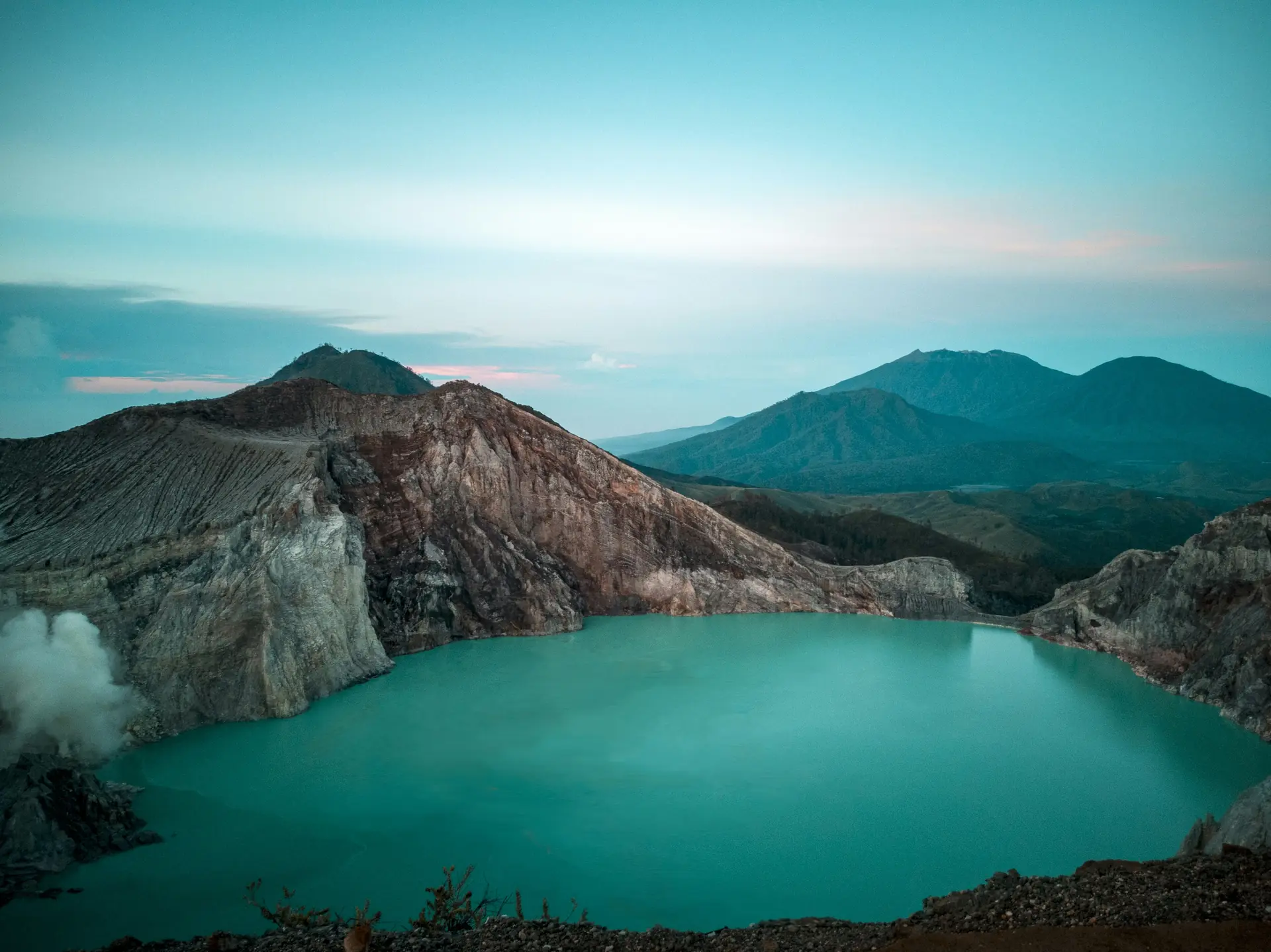
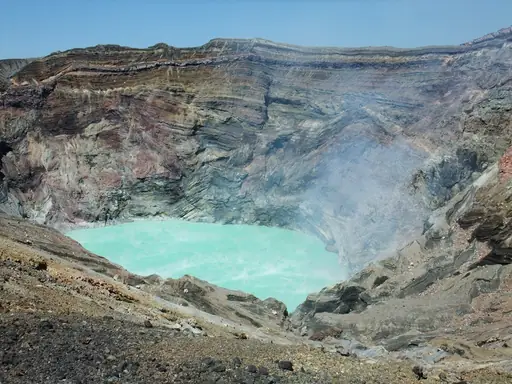
Kawah Ijen is a volcanic crater lake located on Java Island in Indonesia. The site features a deep blue pool surrounded by rugged terrain and sulfur-yellow deposits. Visitors often see miners collecting solid sulfur using simple tools. The air carries a sharp scent of sulfur, creating an unusual landscape that feels both harsh and strikingly beautiful.
The journey to Kawah Ijen involves a drive through rural villages before reaching the base. Many travelers start their day early to catch sunrise over the crater. The path includes walking on uneven paths with occasional stops at local markets selling fresh produce or handmade goods. Guides explain how the volcano’s activity shapes daily life, from farming practices to traditional crafts passed down through generations.
Safety requires attention here. The sulfur gases can irritate lungs so masks are recommended for those sensitive to fumes. Trails may be slippery due to volcanic ash or wet surfaces. Local authorities monitor the area closely, but staying on marked paths reduces risks. Guides often share stories about past eruptions and how communities adapt to living near active geology.
Cultural connections run deep in this region. The volcano holds significance for nearby villages, with some rituals tied to its presence. Artisans sell woven baskets or carved wooden items made from local materials. Evenings bring quiet moments by campfires where travelers might hear traditional music played on bamboo instruments. The experience feels grounded, connecting people to both natural forces and enduring ways of life.
Kawah Ijen, located in East Java, Indonesia, is accessible via a multi-day trek starting from the town of Banyuwangi. The journey typically begins by driving or taking a bus to the village of Tujung, followed by a 4–5 hour hike through volcanic terrain and steep paths to reach the crater rim at dawn for sunrise views over the glowing blue lava lake. Visitors often combine this trek with nearby attractions such as Sangeh Beach or Mount Bromo. Entry requires a permit, which can be purchased locally. The area is best visited early in the morning due to limited daylight and trail conditions that may change after rainfall.
In the vicinity of Kawah Ijen, accommodations range from modest homestays to mid‑priced boutique lodges, catering mainly to trekkers and eco‑tourists. Most lodging is clustered in Banyuwangi town or along the highway to Ijen, offering basic rooms with shared bathrooms, free Wi‑Fi and local cuisine at reasonable rates (typically IDR 200 (£0.01) per night). The area is renowned for its “guesthouses” that blend traditional Javanese architecture with sustainable practices – solar panels, rainwater harvesting and organic gardens. For those seeking a bit more comfort, eco‑resorts provide private cabins, hot tubs overlooking the volcanic landscape and guided sunrise tours, usually priced around IDR 600 (£0.02) per night.
Log in to add this place to a travel list and get a summary of all recommended items for your whole trip.
We calculate the average costs when travelling to destinations and compare those with the living costs at your home. With this you can get an estimate of how expensive or cheap the destination is for you.
To customise this, you can set up which location and price level are used for the calculations in your account settings.
The exchange rate price factor shows how expensive or cheap a currency currently is compared to its historical average. It's a quick way to see if a country is currently more or less affordable due to exchange rate changes.
