

Asia › Japan › Izu Peninsula › Izu

Izu

Scroll
Shuzenji hot springs, wasabi and Amagi hikes

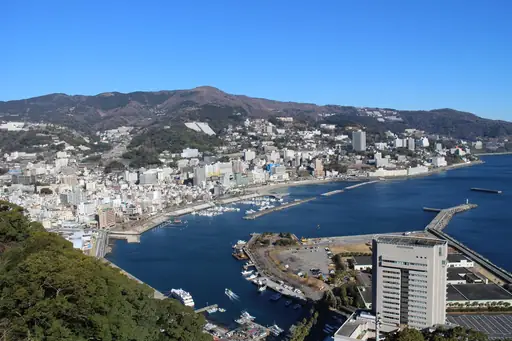
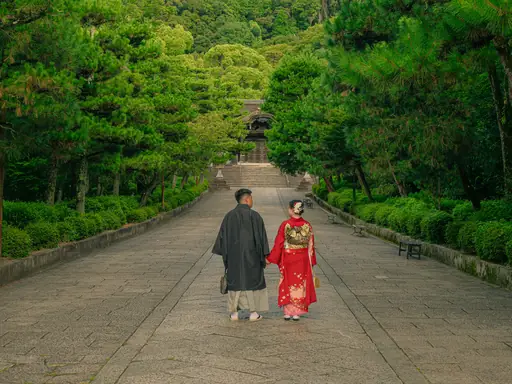
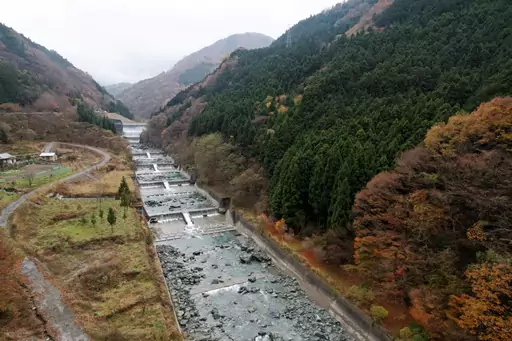
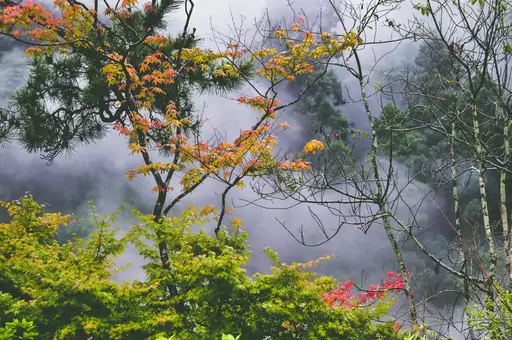
Izu is a city in the north-central Izu Peninsula in Shizuoka Prefecture, made up of four former towns including Shuzenji and Toi. Shuzenji is the best known, a hot spring town with a bamboo path and the Zen temple that gave it its name. Toi, on the Suruga Bay coast, has a former gold mine with a tunnel you can walk through. Inland, Jōren Falls is a 25 m waterfall and the Amagi Mountains fill much of the city. One night in Shuzenji plus a day for the mine or the falls suits most trips. A car helps beyond the town centres.

Town in Japan
Climate zone: Humid subtropical

Humid subtropical: Warm temperate climates with hot, humid summers, mild winters and evenly distributed rainfall, common on eastern continental margins.

See climate table
Price level: $$$
$Cheap
$$Medium
$$$Expensive, upscale
$$$+Very expensive, luxury
See price details
Safety: 8.2
General Safety:9
Health & medical:7
Accessibility:5
Tap water:9
Read details
Tourist English: 2/5
English is spoken at major hotels, onsen and tourist centres, but less so in small shops and rural inns. Signage is improving, but a translation app is helpful for smooth travel.
Last update: 20 Oct 2026
* We earn a commission from some links on this page.
Izu Summary

These place ratings give you a quick overview of how well a destination matches different types of trips.

‘Best for’ scores:
The specific interest scores show where this place really shines – whether it's ideal for hiking, food & drink experiences, museums or other activities. These highlights help you understand what makes the destination special at a glance.

‘Your personal’ scores:
This reflects how well a place matches your personal preferences. You can adjust the importances of travel topics or other personal requirements categories in your account settings.

‘Suited for’ badges:
These give you a quick overview of how well a destination suits specific types of travellers, to help you find the places that match your lifestyle, preferences or travel situation.

Read how our scores work
Great for coastal nature and hot springs. Relax in seaside onsens, hike rugged cliffs, visit beaches and waterfalls and enjoy scenic coastal drives.
Place score
8.1
Best at:
Spotless
9
Hot springs
9
Cycling
8
Cosy towns
7
Forests
7
Personal score
?
Log in to see how this place matches your personal travel interests.
Suited for
👶 7
Families
🧓 6
Seniors
🛡️ 8
Travel Beginners
❤️ 8
Couples
Japan – Quick facts
Power Grid: 100 V, 50 Hz
Plug: Type A
Type A:
Diagram of a Type A power plug

Read about power adapters
Currency: Japanese Yen (JPY)
£1 ≈ JP¥210
Cashless info: Rating 4/5
Cashless payments are becoming more common, especially in cities, with some shops still preferring cash. Be prepared for occasional cash-only situations in rural areas.

Save with a travel credit card
eSIM providers: Best value: Saily
Flexibility: Airalo
Read our in-depth comparison
Tipping: Tipping is not customary in Japan and can be considered rude. Excellent service is the norm, and tipping is unnecessary in most places.
Public drinking: Public drinking is legal and commonly accepted, particularly during festivals and events.
Public smoking: Smoking is prohibited in indoor public places but allowed in designated outdoor areas. Some restaurants may have smoking sections.
New Year
(January)
One of the most important holidays, expect crowded temples and high prices. Plan ahead.
Golden Week
(April-May)
The busiest travel time, expect high demand for accommodation and transport.
Obon
(August)
A time to honour ancestors, many businesses close, and transport can be crowded.
Emergency contact: Emergency Number: 110 (Police), 119 (Fire & Ambulance)
Taxi apps: Uber, JapanTaxi, DiDi
Other: Japan is a country of respect, so understanding local customs and etiquette is important. Public transport is efficient, but can be crowded during peak hours.
Best times to travel

The best times to travel section shows how the months compare for a visit, so you can find the time of year that fits what you want to do.

Background colours of the months:
The colour shows the typical temperature: yellow (hot), green (mild) and blue (cold). How strong the colour is shows the travel season: full colour means high season, soft colour means shoulder season and soft-striped means off season.

Weather symbols:
Each month has one symbol showing what the weather is typically like, such as hot and sunny, freezing or a rainy or snowy season. Use them to quickly spot months that match the weather you want, or to avoid the ones that don't.

Crowdedness:
The people icon shows how busy the place usually is. The more people, the more crowded it gets.

Additional notes:
The grey info boxes point out special things worth knowing, like recurring weather issues or seasonal events.

for Izu, Japan
☀️
Jan
🌤️
Feb
🌦️
Mar
🌦️
Apr
🌦️
May
🌦️
Jun
🌦️
Jul
🔥
Aug
🌦️
Sep
⛈️
Oct
🌤️
Nov
☀️
Dec
High season: Feb. - March, July - Aug.
Shoulder season: Jan., April - May, Sep. - Dec.
Crowdedness: 6 (Many tourists)
Tap on a month for more info Hover over a month for more info
Kawazu cherry blossoms bloom early February to early March, among Japan's earliest
Swimming beaches open mid-July to August, best in the south around Shimoda
Southern coast is milder and warmer; inland mountains are cooler and wetter

Why travel to Izu?

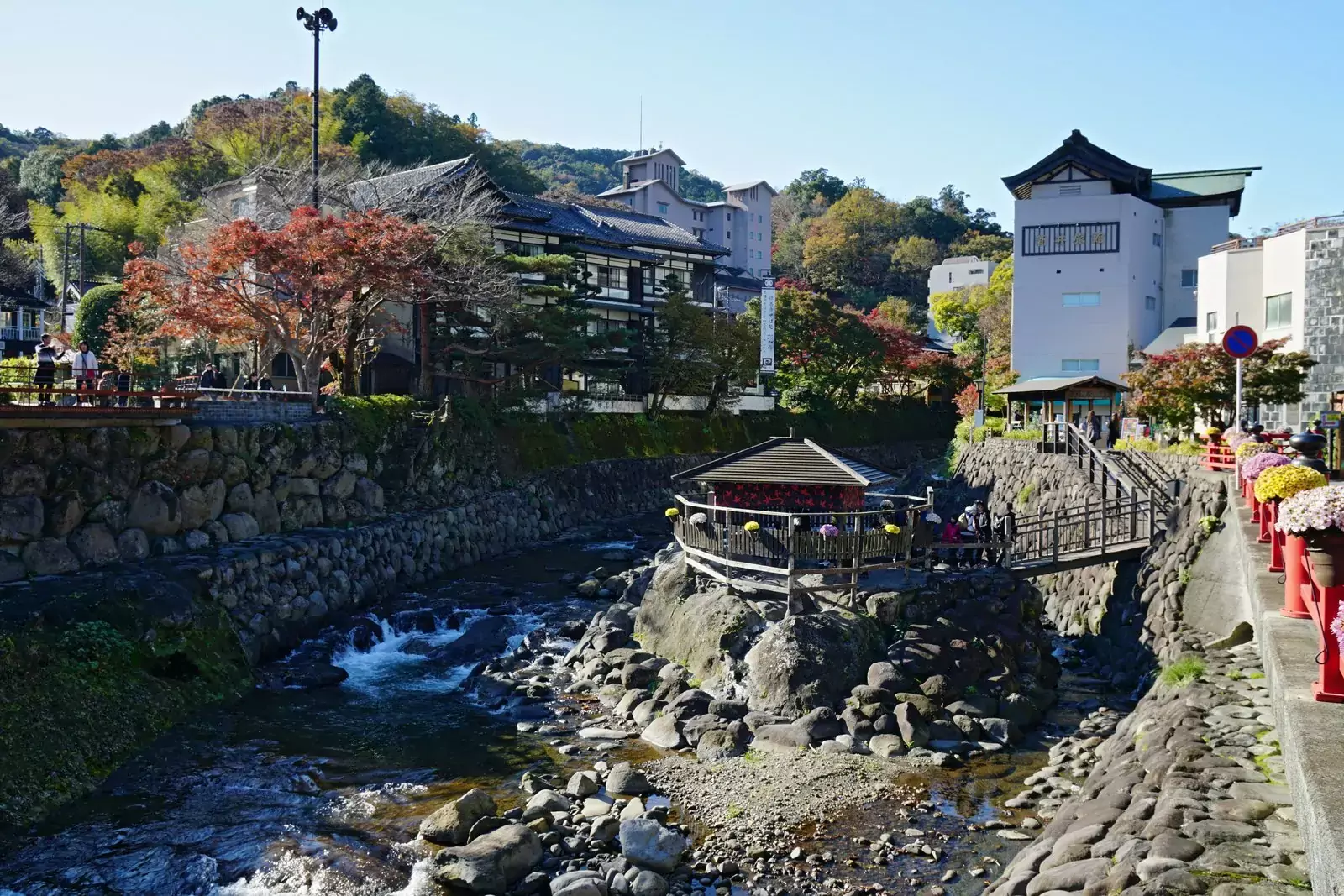
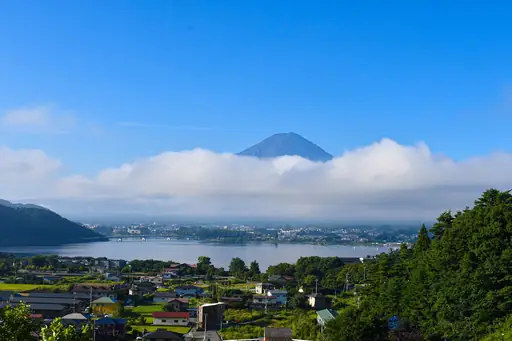
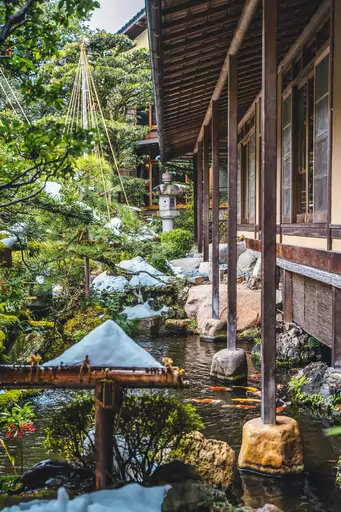
Most people come for Shuzenji Onsen, a compact hot spring town along the Katsura River, with a bamboo path that's lit in the evenings and Tokko-no-yu, a spring monument set in the riverbed. Shuzenji Temple, the Zen temple that gave the town its name, was founded more than 1,200 years ago and has cherry trees and a small museum. More than 20 ryokan and other inns line the streets. Some let day visitors use their baths for a fee. Beyond the town the city is mostly forested hills. Daruma-yama Kogen is a plateau with a rest house and hiking trails. On clear days it has views of Mount Fuji, best in winter and spring. The Amagi traverse is a longer hiking route. In Yugashima, Jōren Falls is about 25 m high on the upper Kano River. The area is also known as a literary village linked to the writer Uno Chiyo. Toi is a separate trip on the Suruga Bay side. Its gold mine was once one of Japan's more productive and later reopened for visitors. You can walk about 350 m of tunnel with life-size miner figures, see a gold museum and try gold panning. The Toi coast is also used for diving. Shuzenji works as an overnight stop or a long day trip from Tokyo. If you only want an onsen town, Shuzenji alone is enough. A second day covers the mine, the falls or a hike.

🏯Places worth seeing
  • 1 Shuzenji-Onsen Parking Area
  • 2 Atagawa Tropical Alligator Garden
  • 3 Perry Road
🎡Places for activities
  • 1 Cycle Sports Center
  • 2 Izu Teddy Bear Museum
  • 3 Izu Cactus Park
  • 4 Toi Kinzan
  • 5 Izu Panorama Park
🏞️Natural landmarks
  • 1 Joren Falls
  • 2 Mt. Omuro
  • 3 Shirahama Beach
  • 4 Toda shipbuilding local materials Museum, Suruga Bay deep-sea organisms Museum
  • 5 Sanshiro Island and Toronbo
  • 6 Cape Iro
🍽️Eat & Drink
  • 1 Soba to Jizakana Hakushige
    Shinshu soba served with fresh Izu wasabi, plus local fish and shrimp tempura, kakiage and simmered fish. The restaurant recommends pairing these fish dishes with a drink and is in Shuzenji.
  • 2 Shikishi
    Soba in four varieties and beef stew, plus tororo rice made with local ingredients, at the dining room of a Shuzenji ryokan. It has views of the Katsura River and is near the Tokko no Yu bath.
  • 3 Izu no Satarou
    Boar curry and Amagi-don, a rice bowl with wild boar meat, at a restaurant in Yugashima. It serves from 10:30 in the morning until 8 at night and closes on Thursdays.
  • 4 Soba-dokoro Kameya
    Soba at a shop in Shimofunahara, in the Amagi area, listed by the tourism association among places serving wild boar dishes. It is open every day from 10:30 to 4 in the afternoon.
  • 5 Houyu
    Ramen, Chinese dishes and fried rice at a casual shop five minutes on foot from Shuzenji Station, with meals under 1,000 yen. Retty lists it among popular Shuzenji places for a quick meal.
  • 6 Dokko Soba Odo
    Soba at a well-known shop in Shuzenji Onsen, praised by a Tripadvisor reviewer for its thin noodles. It has 25 reviews on Tripadvisor and a mid-range price band.
  • 7 Amago-jaya
    Amago, river trout, as sashimi and other dishes, with fresh wasabi served with nearly everything on the menu, from drinks to dessert. The restaurant also sells ungrated wasabi to take home, in Shuzenji.
  • 8 Meshi-ya Mizu
    Hanaguruma bento, a pretty box of local fish and seasonal vegetables with a choice of white, black or mixed-grain rice, at a small restaurant near Shuzenji Temple. An evening course is available with two days' notice.
  • 9 Cafe Hirono
    Soft ice cream topped with wasabi grated on the spot, to take away or eat in, at a tiny shop on the river near the Tokko no Yu open-air bath. It is in the centre of Shuzenji.
🎈Events
  • Kawazu Cherry Blossom Festival (Feb–Mar)
  • Shuzenji Summer Festival
  • Dogashima Fireworks Festival
  • Shimoda Black Ship Festival (May)
  • Izu Trail Journey (Marathon)
  • Atami Sea Fireworks
  • Toi Gold Mine Festival
  • Izu Kogen Sakura Festival
  • Shirahama Beach Opening
  • Cape Irozaki Lantern Festival

Knowledge before you go

  • Nozomi trains skip Mishima, so board a Hikari or Kodama.
  • The Daruma-yama bus has few departures, so confirm the last return before heading up.
  • Wasabi picking experiences need an advance reservation, so book through the city tourism site before you go.
  • Tokko-no-yu is no longer open for bathing, but you can soak your feet in the foot baths beside it.

How to travel to Izu

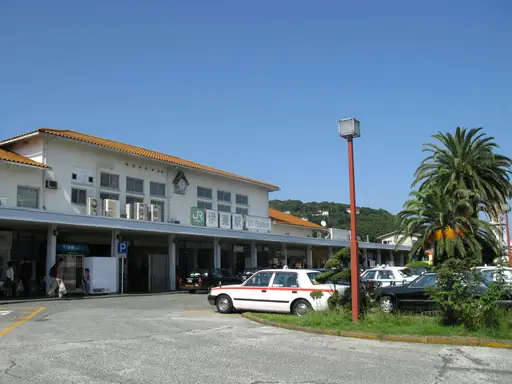
Trains are the usual way to reach Izu, with Shuzenji Station as the main stop. From Tokyo, ride the Tokaido Shinkansen to Mishima in just under an hour on a Hikari or Kodama (Nozomi trains skip Mishima). Then take the Izuhakone Railway Sunzu Line to Shuzenji in about 35 minutes. The whole trip takes around 1 hour 25 minutes. A few Odoriko limited express trains a day run direct from Tokyo in about 2 hours. From Atami, the Odoriko takes about 40 minutes and the Tokaido Line to Mishima plus the Sunzu Line takes around 47. The Japan Rail Pass doesn't cover the Izuhakone Railway leg. Haneda (HND) and Narita (NRT) are reached via Tokyo. By road the city is about 2 hours from the Tokyo area. Drivers usually come through Mishima and head south onto the peninsula.

Access summary

  • From Tokyo Haneda (HND): Train via Tokyo–Mishima–Shuzenji, roughly 2–3 hours.
  • From Tokyo city: Tokaido Shinkansen to Mishima, local train/bus into Izu, about 2 hours.
  • From Shizuoka city: Tokaido Line/Shinkansen to Numazu–Mishima, then Izu lines, around 1.5 hours.

Where to stay in Izu

Most visitors stay in Shuzenji Onsen, where traditional ryokan with hot spring baths are the main type of lodging. Many include dinner and breakfast. A few smaller guesthouses and business hotels are around the station and the river. Staying in the onsen district puts the bamboo path, the foot baths and the temple on your doorstep for the evening. Toi has hot spring hotels and small inns on the west coast, which suit a diving or gold mine trip. Daruma-yama Kogen has a public campground and log lodges for hikers. Mishima and Atami have far more hotels at lower prices and are each less than an hour from Shuzenji by train. They work as a base if the ryokan are full or you prefer a city. Book ahead for autumn colour weekends and for holidays.

How to get around Izu

Shuzenji's onsen district is small enough to walk, but the rest of the city is spread out and works best with a bus or a car.

Onsen district:
The main sights are within a few minutes of each other along the river.
From Shuzenji Station, a local bus to the onsen area takes 5 to 10 minutes and a taxi takes about the same.

Buses:
Buses are the way to reach the rest of the city without a car.
A Tokai bus toward Dogashima or Matsuzaki runs from Shuzenji Station to the Toi Gold Mine in about 50 minutes. Buses to Daruma-yama Kogen run only a few times a day, so check the timetable and the last return before you go. Services toward Yugashima and Jōren Falls are also limited.

Hire car:
A hire car makes the most difference if you want the falls, the Amagi area and Toi in one trip.
Mountain roads can be narrow and sometimes one lane after heavy rain. If you're only visiting Shuzenji, a car adds little. Without one, base yourself in Shuzenji and plan one bus excursion per day.

Food in Izu

Food in Izu is built around local ingredients from the hills and the sea. Mountain wasabi is the best-known product and shiitake mushrooms are another local crop while the coast supplies fresh seafood. Meals are mostly simple and regional rather than elaborate.

Wasabi:
Wasabi grown in the mountains turns up in many forms, from grated fresh wasabi served with rice or noodles to pickles and even soft serve ice cream.
The soft serve is sweet with a mild kick of wasabi.

Soba:
Shuzenji has plenty of soba shops, where the noodles are often served with freshly grated wasabi on the side.
Broths are often fish based so vegetarians should ask before ordering.

Seafood:
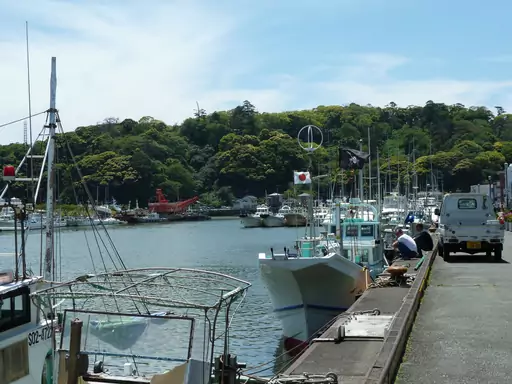
The Suruga Bay side around Toi is the place for fresh seafood, usually served as sashimi or on rice bowls.
Menus there are mostly fish, so vegetarians will find little.

Many restaurants in Shuzenji tend to close early in the evening, so a ryokan dinner or an early meal is the easy plan. Convenience stores near the station handle quick meals and hiking lunches for Daruma-yama.

Budget snapshot
Costs compared to home

We calculate the average costs when travelling to destinations and compare those with the living costs at your home. With this you can get an estimate of how expensive or cheap the destination is for you.

To customise this, you can set up which location and price level are used for the calculations in your account settings.

-45 %
Daily expenses in Izu are around 45% lower than the average across United States. That means you'll spend a lot less on meals and getting around.
Exchange rate trend

The exchange rate price factor shows how expensive or cheap a currency currently is compared to its historical average. It's a quick way to see if a country is currently more or less affordable due to exchange rate changes.

-20 %
Your exchange rate (GBP to JPY) is 20% better than in recent years. That means travelling now is considerably cheaper compared to the past.

Travel costs

To help you plan your trip, we provide estimated daily costs per person (when travelling as a pair) for different travel styles. These numbers give you an idea of what you might spend each day at this destination, including accommodation, food, transport and activities.

Additionally, we also provide average hotel costs for different travel styles to give you an estimate for the accommodation only.

Please note that these are only estimates. The real costs depend on booking times, season and other factors.

Daily cost summary

Travel style categories explained:

Backpacker:
Staying in hostels or budget hotels, cooking your own meals or eating cheap and choosing low-cost activities.

Mid-range:
Staying in mid-range hotels, eating at a mix of restaurants and casual spots and enjoying a variety of activities.

Luxury:
Staying in luxury hotels, dining out at high-end restaurants and enjoying premium experiences without worrying about the price.

Backpacker Mid-range Luxury
💵 Total costs per day, including accommodation
£49
£108
£270
🏨 Accommodation per night, per person
£26
£68
£135
🍝 Food per day
£17
£32
£97
🚕 Transportation per day
£6
£8
£37
Food & Drink
🍽️ Restaurant Dinner, per person
£12.50
🍛 Lunch Set, per person
£4.60
🍟 Fast food combo
£3.70
🍝 Preparing your own food, per day
£7
☕ Cappuccino
£2.20
🍺 Beer in a restaurant, 0.5 l
£2.20
Transportation
🚌 Public transport ticket
£1.40
🚕 Taxi Ride, 10 km / 6 mi
£23
⛽ Petrol, 1 l
£0.85
Other
🎞️ Cinema ticket
£9
👩‍⚕️ Doctor's consult
£32
🤧 Cold medication
£8.50
💇 Basic haircut
£8.50

Safety information overview

General safety
9
Izu is very safe for travellers, with low crime in Shuzenji and the coast. The main risks are natural. Heavy rain and typhoons can close mountain roads and weather in the Amagi hills changes fast. The area is volcanic and earthquake-prone.
Health & Medical
7
Health risks are low and the city has clinics and a hospital, with larger hospitals in Numazu and Mishima. English-speaking care is limited, so carry travel insurance. Summers are hot and humid so hikers should carry water and rain gear in the Amagi hills.
Accessi­bility
5
Shuzenji's riverside area is fairly compact but has steps, short slopes and bridges. Shuzenji Temple has stairs. Buses to the rest of the city are infrequent. Sights such as Jōren Falls and the Amagi trails involve uneven paths. A car or taxi helps.
Tap water
9
Tap water is safe to drink in Izu. The city sits in forested mountains with plenty of spring and river water. Shops and vending machines in Shuzenji and Toi sell bottled drinks. A refillable bottle is worth carrying on hikes and hot days.

Packing recommendations for Izu

Log in to add this place to a travel list and get a summary of all recommended items for your whole trip.

Looking for inspiration?

Discover
Volcano destinations and volcanic landscapes
Volcanic destinations offer a category of landscape experience unavailable anywhere else, with the combination of raw geological drama, active crater environments and the…
Read more
Discover
Best couple vacation destinations in Asia
Asia is perfect for couples who want their holiday to feel like a shared adventure rather than just a change of scenery. Few continents offer so many ways to be amazed together.…
Read more
Discover
Best natural wonder destinations in Asia
Asia contains some of the most extraordinary natural wonders on earth, shaped by the collision of tectonic plates, vast river systems, volcanic activity and climatic extremes that…
Read more
Discover
Best wellness destinations in Asia
Asia's wellness offer is rooted in some of the world's most ancient and sophisticated therapeutic traditions, with Ayurvedic medicine, traditional Chinese medicine, Thai massage,…
Read more
Discover
Best destinations for first-time travelers in Asia
Asia has one of the best established beginner travel routes anywhere, largely because so many first time travelers have worn the path before you. Southeast Asia in particular…
Read more
Discover
Best rural retreat destinations in Asia
Rural retreat travel is defined by the deliberate removal from urban pace and density, with landscape immersion, slower rhythms and direct engagement with food, nature and local…
Read more
Discover
Top hot springs destinations and thermal resorts
Hot spring travel sits at the intersection of natural landscape, geological spectacle and bathing culture, with the world's most rewarding destinations combining accessible thermal…
Read more
Discover
Best solo travel destinations in Asia
Asia is where most solo travelers figure out they can actually do this. The backpacker trails through Southeast Asia have been running for decades, and the infrastructure along…
Read more
Discover
Top solo travel destinations and safe hubs
Travelling alone sounds like a bigger deal than it is. The first day feels strange – eating dinner by yourself, navigating without someone to double-check the map with, making…
Read more
Discover
Best hot springs destinations in Asia
Asia's hot spring offer is defined by Japan's onsen culture, one of the world's most sophisticated and deeply embedded bathing traditions, where thousands of facilities ranging…
Read more
Discover
Best couple holiday destinations
Travelling as a couple sounds simple enough, yet the best couple holiday destinations mean something different to almost every pair. What feels romantic to one couple can feel like…
Read more
Discover
Traditional Japanese onsen towns and hot springs
Japan has a relationship with hot spring bathing that goes back more than a thousand years and the culture that has grown up around it is unlike anything found elsewhere. An onsen…
Read more
Discover
Best destinations for first-time travellers
A first trip abroad works best somewhere that eases you in, rather than throwing every possible culture shock and logistical headache at you at once. Some first-time travellers…
Read more
Discover
Best geothermal destinations in Asia
Asia's geothermal offer is anchored by Japan's onsen culture, one of the world's most deeply embedded bathing traditions, where thousands of hot spring facilities ranging from…
Read more
Discover
Top geothermal wonders and volcanic landscapes
Geothermal travel encompasses a spectrum of experiences from the dramatic spectacle of geyser fields and volcanic hot springs to the deeply embedded bathing cultures that have…
Read more
Feedback
