
Traditional Japanese onsen towns and hot springs
Traditional Japanese onsen towns and hot springs
Top towns in Japan for traditional hot springs
Japan has a relationship with hot spring bathing that goes back more than a thousand years and the culture that has grown up around it is unlike anything found elsewhere. An onsen town is its own kind of destination, built around the ritual of slowing down, soaking in mineral-rich water and letting the pace of a place reset your own. The best ones combine steam, wooden architecture, seasonal food and a particular quiet that settles over everything by evening.
The towns on this list range from well-known destinations that have earned their reputation over centuries to smaller, lesser-visited places that offer a more intimate experience. Some are nestled in mountain valleys, others sit on coastlines or in forested hills. What they share is a seriousness about the onsen experience itself and an atmosphere that makes it genuinely easy to disconnect.
A first visit to an onsen town involves a few customs worth knowing in advance, from bathhouse etiquette to the rhythm of a ryokan stay. Getting those details right makes the experience significantly better and this list tries to give you what you need to arrive prepared.
Town in Japan
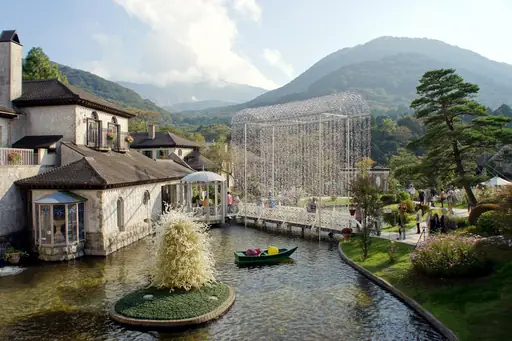
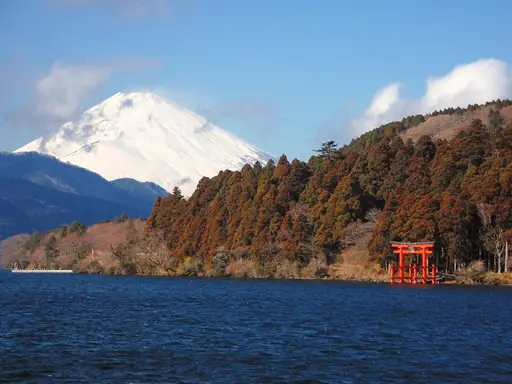
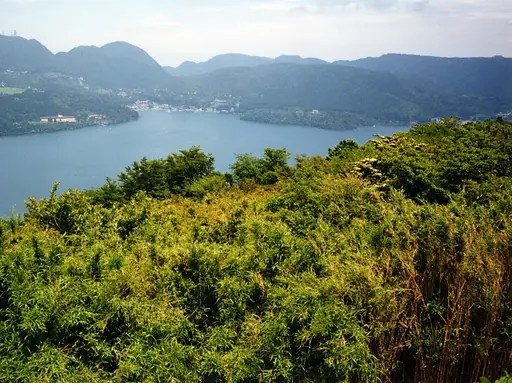
Hakone
Onsen town with Fuji views and lake cruises
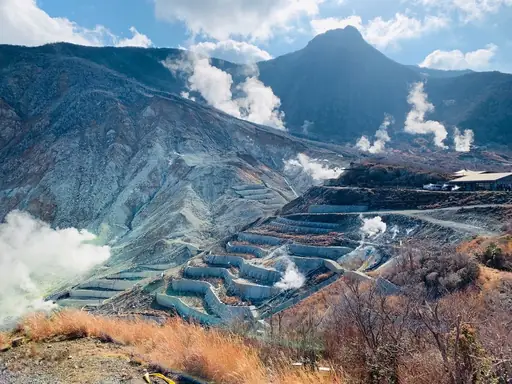
Owakudani formed after Mount Hakone's last major eruption thousands of years ago. Sulphur vents still stain the valley floor yellow and send steam into the air. Visitors can buy eggs boiled black in the natural hot spring water here. Local legend says eating one adds several years to your life.
City in Japan
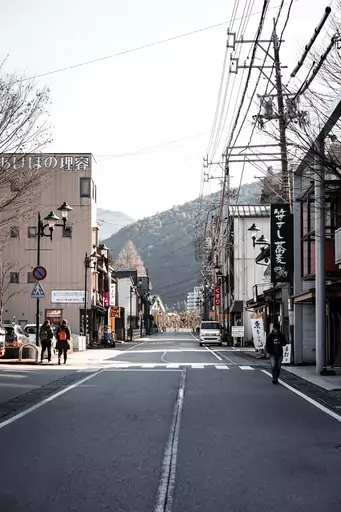
Gero
One of Japan's three great hot springs
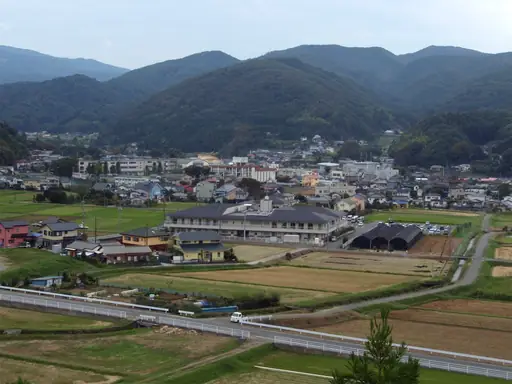
Gero is ranked among Japan's three greatest hot spring towns, a title dating back centuries. Its alkaline water is said to leave skin noticeably smoother after bathing. Visitors can soak in free public foot baths scattered along the river. A wooden bridge lit at night connects the town's two riverbanks.
Town in Japan
Izu
Shuzenji hot springs, wasabi and Amagi hikes
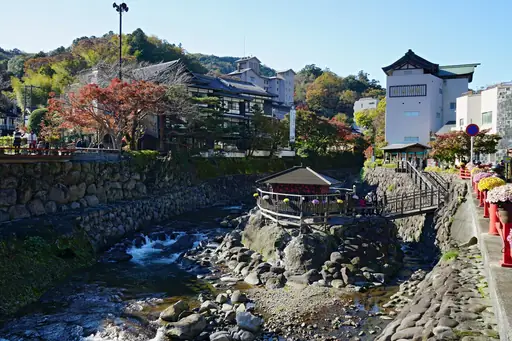
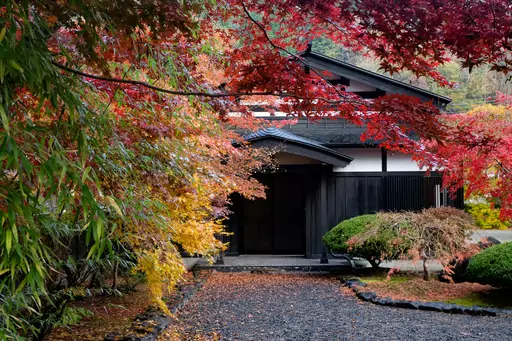
Shuzenji Onsen grew up around a temple said to date back over a thousand years. A monk is said to have found the hot spring by striking rock with his staff. Visitors can walk through a bamboo grove path along the town's river. Public foot baths line the riverside walk through the old town centre.
Town in Japan
Nyuto Onsen
Seven secluded onsen inns in beech forest
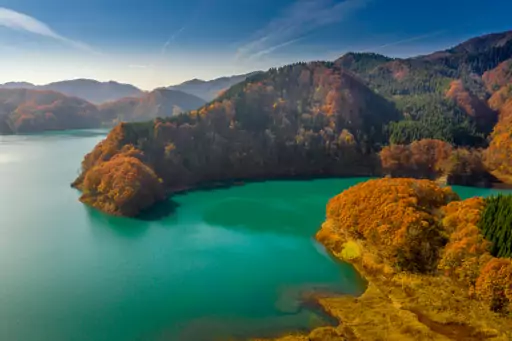
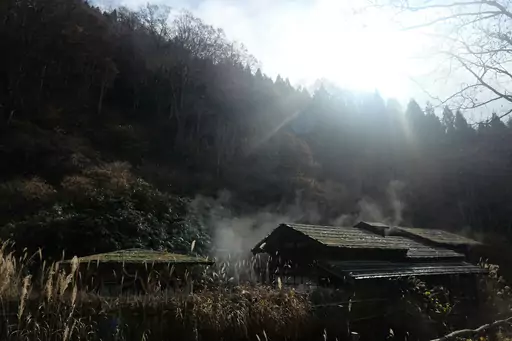
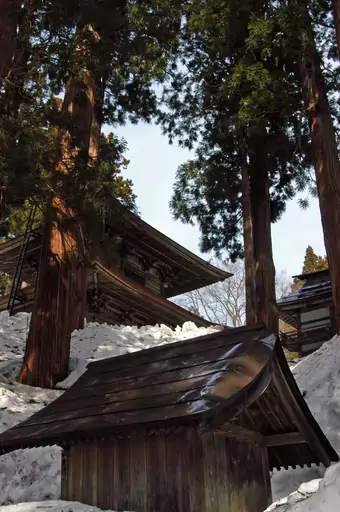
Nyuto Onsen is a cluster of remote hot spring inns tucked into an Akita mountainside. Its milky white water comes from several distinct mineral springs nearby. Visitors can hike between the inns along forest trails in winter snow. Lantern-lit paths guide bathers to outdoor baths after dark.
Village in Japan
Nozawa Onsen
Thirteen free public baths and a ski area
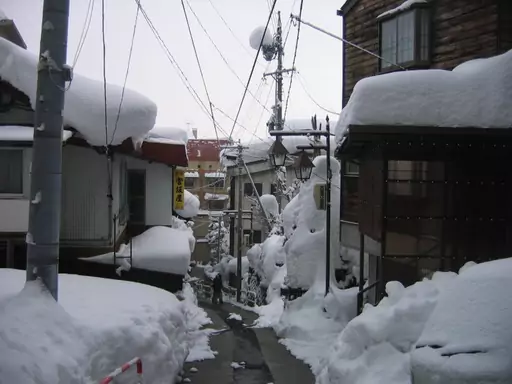
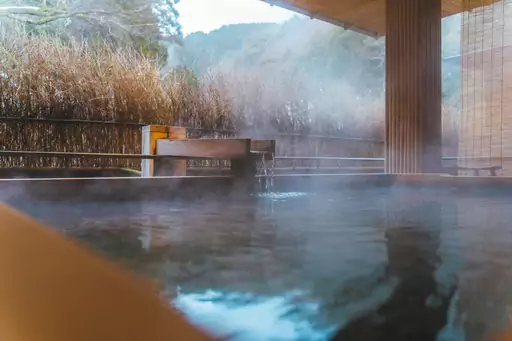
Nozawa Onsen keeps thirteen free public bathhouses called soto-yu scattered through its streets. Locals have maintained these community baths for residents and visitors alike for generations. Skiers can soak here after a day on the surrounding mountain slopes. Steam rising from roadside drains marks where hot spring water runs beneath the town.
Village in Japan
Kinosaki Onsen
Seven bathhouses to stroll between in yukata
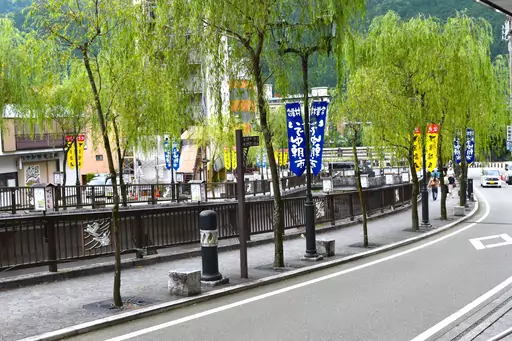
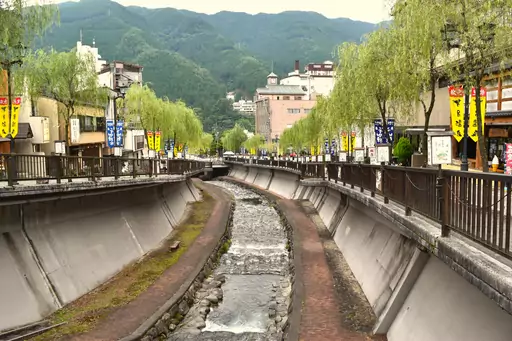
Kinosaki Onsen grew up around seven public bathhouses spread along a willow-lined canal. Visitors traditionally wear yukata robes and wooden geta sandals while walking between them. Guests can hop from bathhouse to bathhouse using a single day pass. The clatter of geta on stone streets is one of the town's signature sounds.
City in Japan
Matsuyama
A hilltop castle and Japan's oldest hot spring
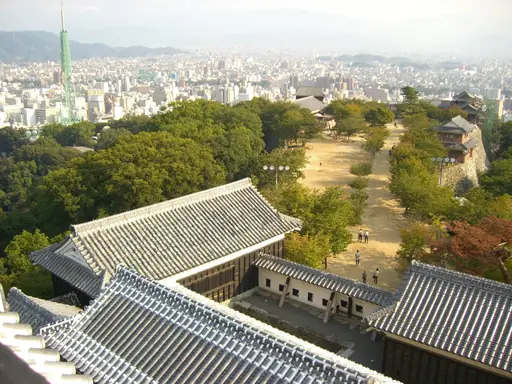
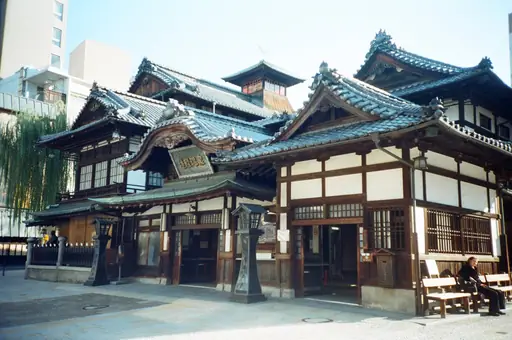
Dogo Onsen is considered one of the oldest hot springs in Japan, mentioned in ancient texts. Its main bathhouse was built in 1894 and still operates today. Visitors can bathe inside the wooden building or soak in a private room upstairs. The building is often cited as an inspiration for the bathhouse in Spirited Away.
National Park in Japan
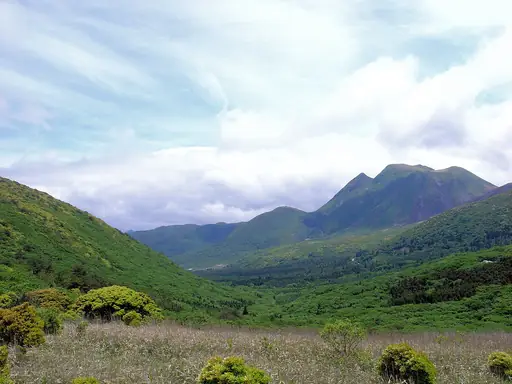
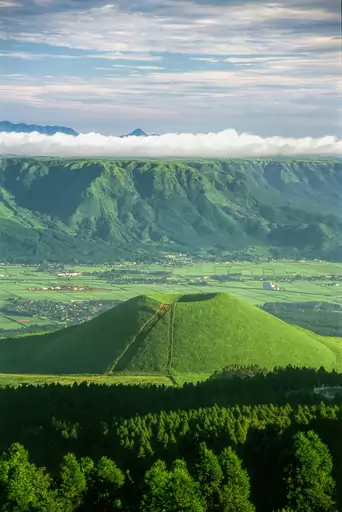
Aso-Kuju National Park
Giant caldera, active volcano and highlands
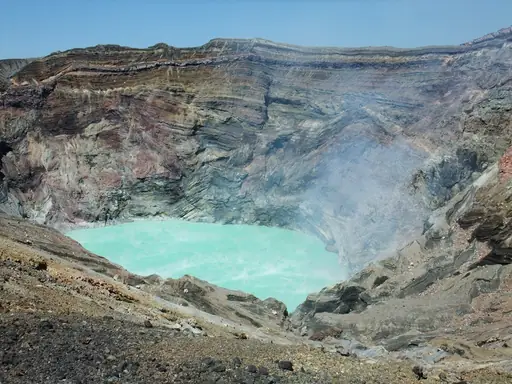
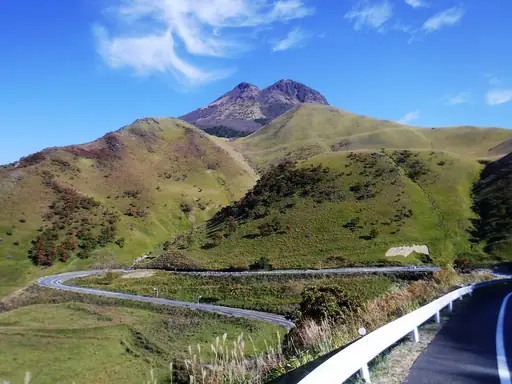
Mount Aso's caldera is among the largest volcanic craters in the world. Hot springs across the park draw their heat directly from the still active volcano below. Visitors can drive across the vast grassy caldera floor between soaking stops. Steam vents near the summit remind visitors the mountain is still very much alive.

Town in Japan
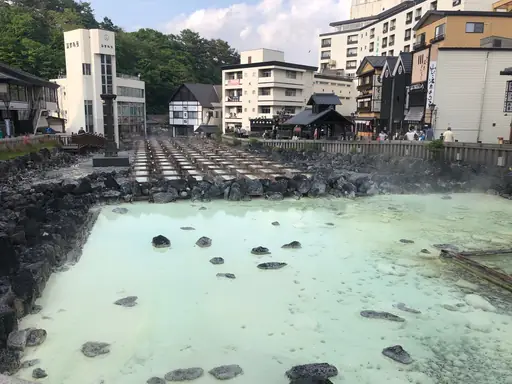
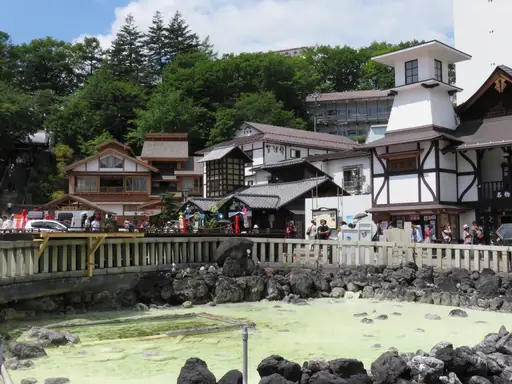
Kusatsu-Onsen
Steaming hot water field and bath hopping
Kusatsu produces the largest volume of hot spring water flowing naturally from the ground in Japan. Its water is so acidic that it must be cooled before bathing. Visitors can watch the yumomi performance, where workers stir the water with long wooden paddles. The town's central field, Yubatake, sends steam rising through the streets.
Town in Japan
Yufuin Onsen
Lakeside onsen town below Mount Yufu
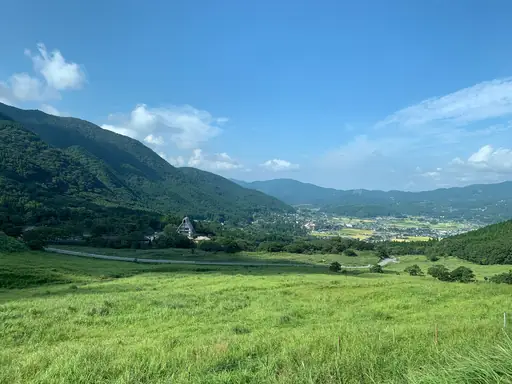
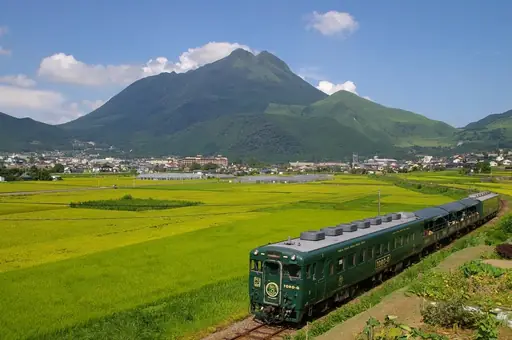
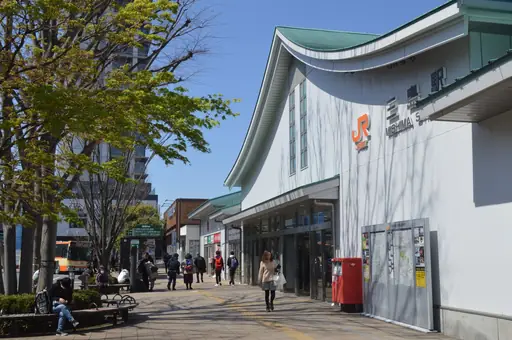
Yufuin sits at the base of Mount Yufu, quieter than its larger neighbour Beppu. Lake Kinrin nearby steams gently where hot springs feed into the cold lake water. Visitors can walk the lake's shoreline path in the early morning mist. Small galleries and craft shops line the town's main street.
Region in Japan
Izu Peninsula
Hot springs, volcanic coast and beaches
The Izu Peninsula sits where hot spring water meets the open Pacific coastline. Several ryokan here built their baths directly facing the ocean cliffs. Visitors can soak while watching waves break along the Jogasaki coast below. The peninsula formed from volcanic activity that still feeds its many onsen.
City in Japan
Beppu
Steaming hot springs and colourful Hells
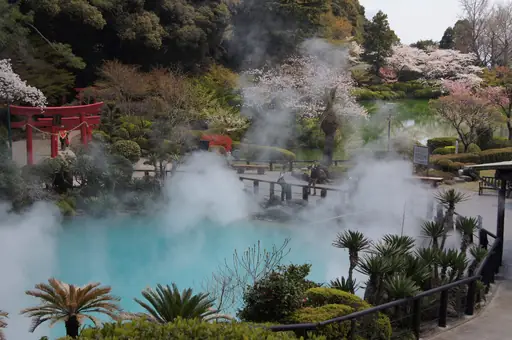
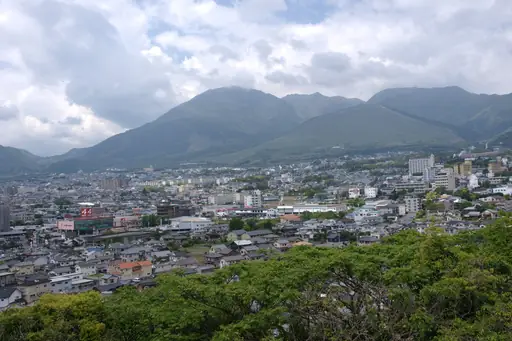
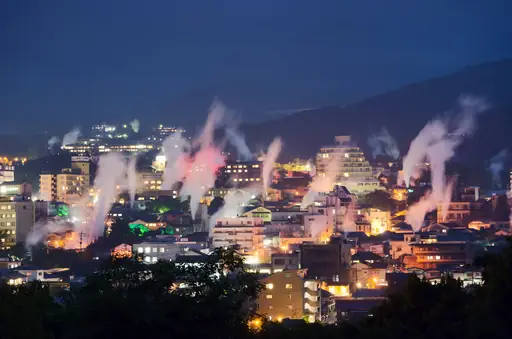
Beppu produces more hot spring water than any other town in Japan. Its Eight Hells tour shows off boiling ponds in shades of blue and red. Visitors can walk between the sites without ever stepping into the scalding water itself. Sand baths nearby let bathers get buried up to the neck in warm sand.
National Park in Japan
Fuji-Hakone-Izu National Park
Fuji, Hakone, Izu and volcanic islands
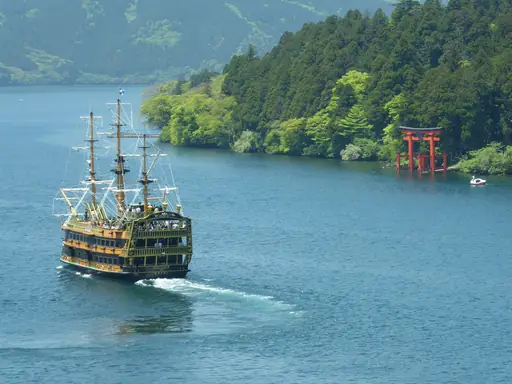
Fuji-Hakone-Izu became a national park in 1936, one of Japan's earliest protected areas. Its boundaries stretch from Mount Fuji's slopes down to the Izu Peninsula's coast. Visitors can move between mountain onsen towns and seaside hot springs within the same park. Offshore, the park even includes several small volcanic islands.
Town in Japan
Noboribetsu
Steaming hell valley and nine spring types
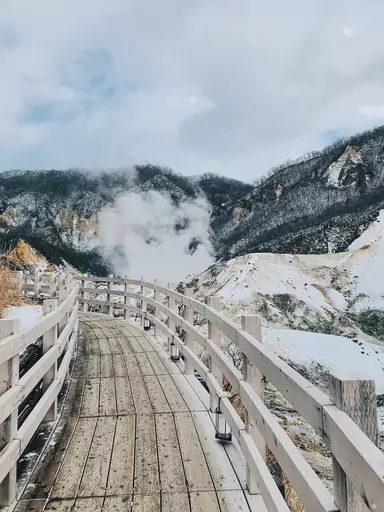
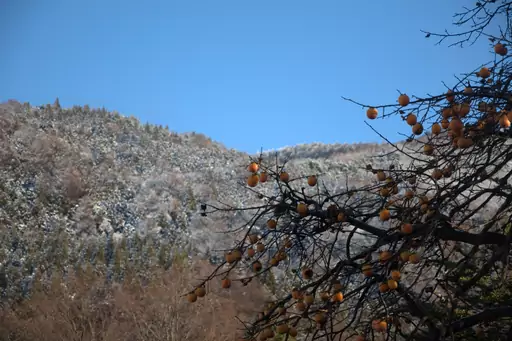
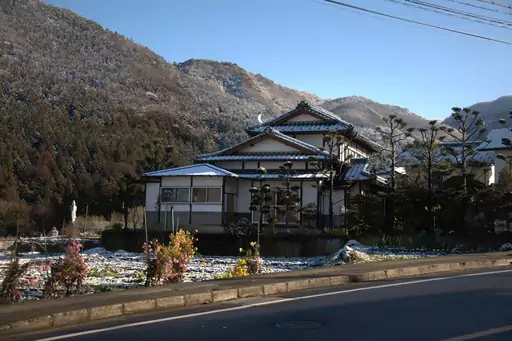
Jigokudani is known in English as Hell Valley, formed from an ancient volcanic crater still venting steam today. Sulphur fumes and bubbling mud pools colour the ground orange near the trail. Visitors can walk a boardwalk trail around the crater's edge. The valley feeds most of the hot spring water used by the town below.
Village in Japan
Shibu Onsen
Nine public baths and cobbled lanes
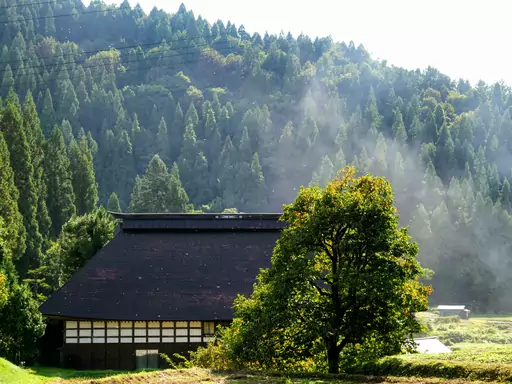
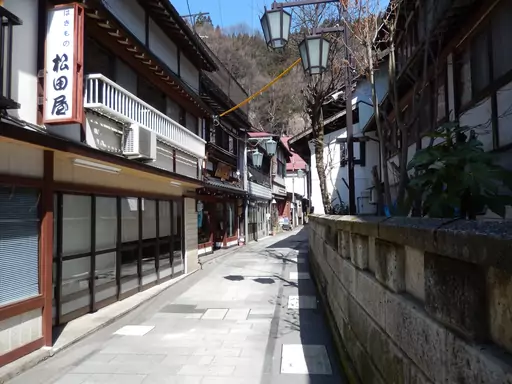
Shibu Onsen's narrow stone streets have stayed largely unchanged for centuries. Nine public bathhouses here are traditionally visited in a set order for good luck. Visitors can walk the route in wooden geta between soaks. Jigokudani Monkey Park, where wild snow monkeys bathe in hot springs, sits just up the mountain.
Town in Japan
Kinugawa-Onsen
Gorge hot spring resort near Nikko
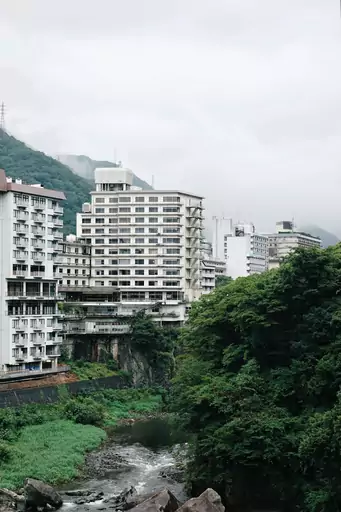
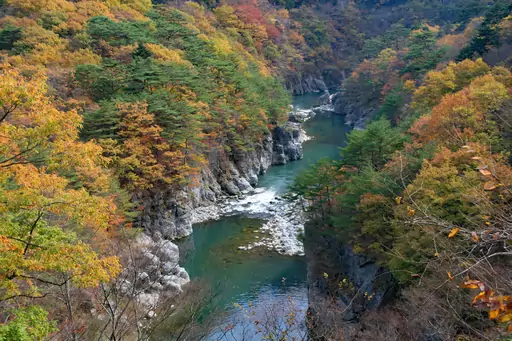
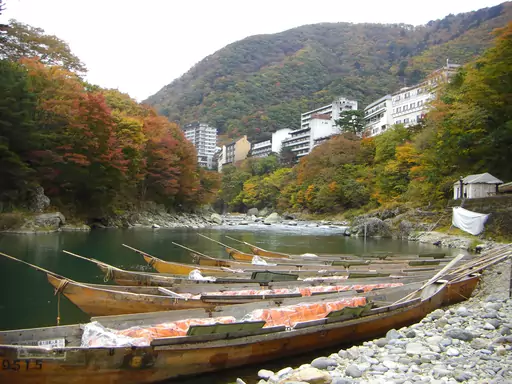
Kinugawa Onsen sits along a river gorge carved through steep, forested cliffs. Hot spring water here was once reserved only for feudal lords centuries ago. Visitors can ride a short cable car for views down into the gorge. The town sits within easy reach of Nikko's historic shrines.
Village in Japan
Kurokawa Onsen
Riverside bath hopping in a Kumamoto valley
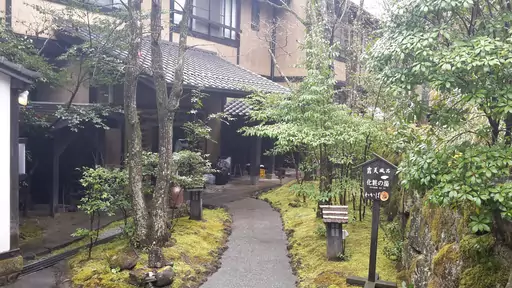
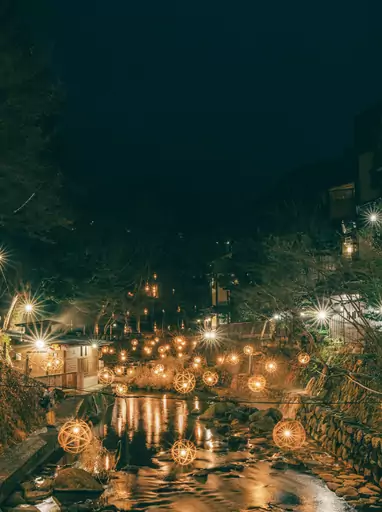
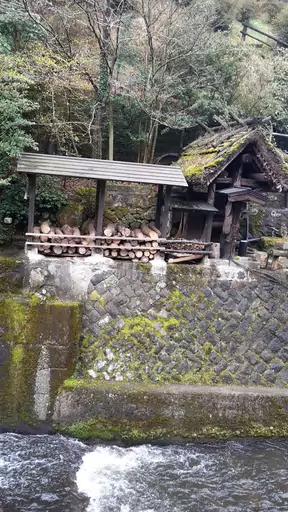
Kurokawa Onsen built its reputation on rustic wooden ryokan set along a forested river. A single wooden pass lets visitors choose three different outdoor baths around town. Guests can wander between inns wrapped in yukata robes after dark. Streetlights here were kept deliberately dim to preserve the town's old fashioned feel.
Town in Japan
Fujikawaguchiko
Lake town with Mount Fuji views and onsen
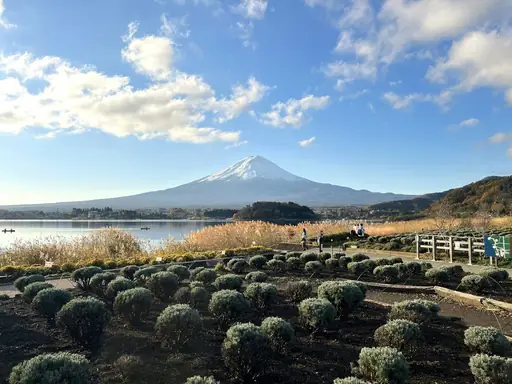
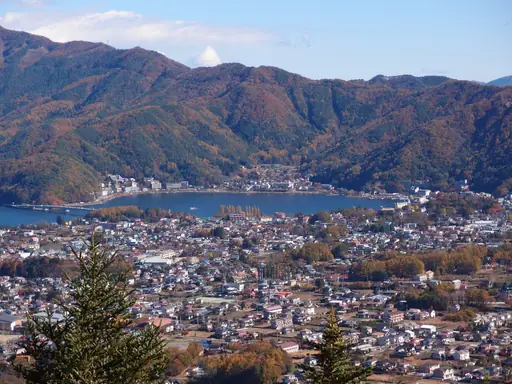
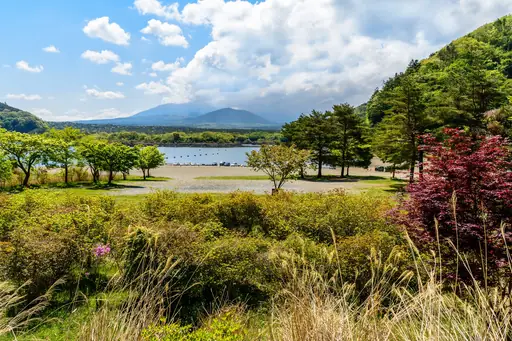
Fujikawaguchiko sits beside a lake that reflects Mount Fuji on clear, still mornings. Several ryokan here built open air baths facing directly towards the mountain. Visitors can soak outdoors while watching the sunrise light up Fuji's snowy peak. The lake itself is one of five formed by past eruptions of the volcano.
City in Japan
Hida
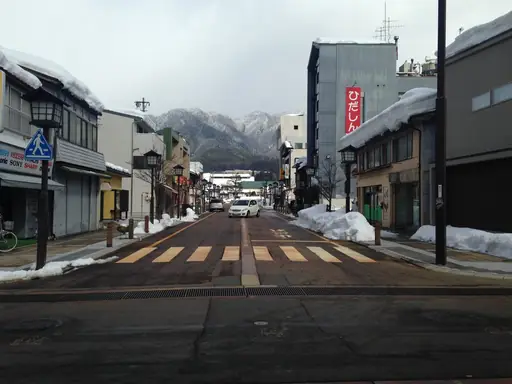
Carp canal and sake town near Takayama
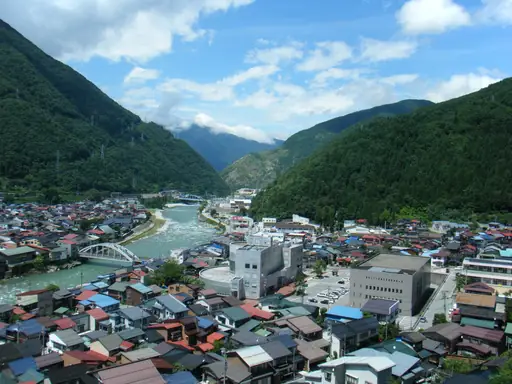
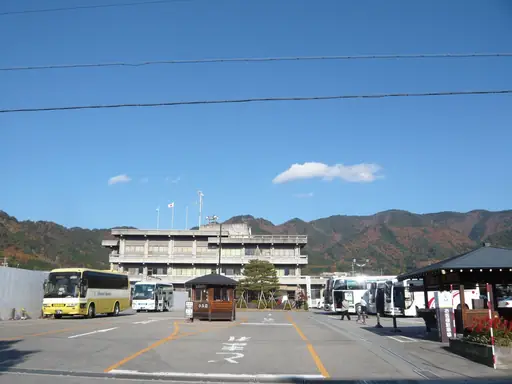
Okuhida's onsen villages sit tucked into a valley beneath the Northern Japan Alps. Five separate hot spring areas here share water from the same volcanic source. Visitors can soak outdoors in baths facing steep, forested mountainsides. The region is also known for its tender, marbled Hida beef.
Other lists you may like
Discover
Top hot springs destinations and thermal resorts
Hot spring travel sits at the intersection of natural landscape, geological spectacle and bathing culture, with the world's most rewarding destinations combining accessible thermal…
Read more
Discover
Best hot springs destinations in Africa
Africa's hot spring offer is distributed along the East African Rift System, where ongoing tectonic activity produces thermal springs, boiling pools and mineral-rich lakes across a…
Read more
Discover
Best hot springs destinations in Asia
Asia's hot spring offer is defined by Japan's onsen culture, one of the world's most sophisticated and deeply embedded bathing traditions, where thousands of facilities ranging…
Read more
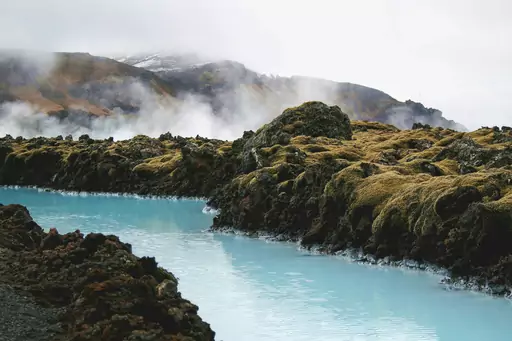
Discover
Best hot springs destinations in Europe
Europe's hot spring offer spans the wild thermal rivers and developed lagoon complexes of Iceland to the architecturally grand thermal bath institutions of central Europe and the…
Read more
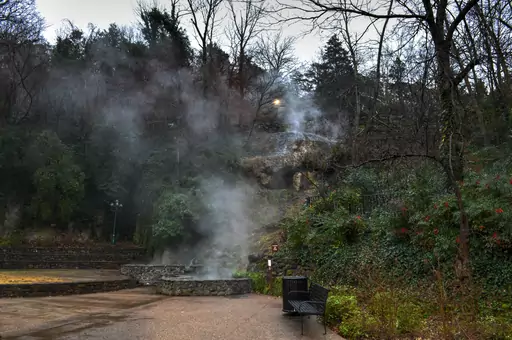
Discover
Best hot springs destinations in North America
North America's hot spring offer ranges from the wild backcountry pools of the western mountain states and the developed thermal attractions of the national parks system to the…
Read more
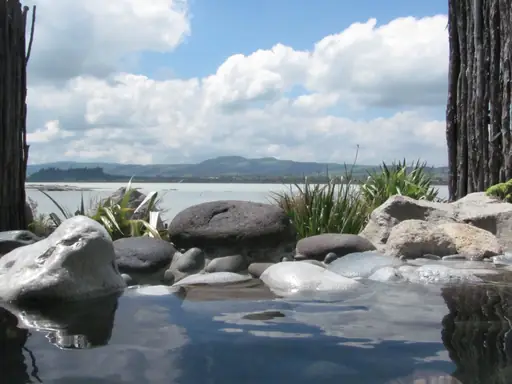
Discover
Best hot springs destinations in Oceania
Oceania's hot spring offer is anchored by New Zealand's North Island geothermal zone, where one of the world's most accessible and varied thermal landscapes produces hot springs,…
Read more
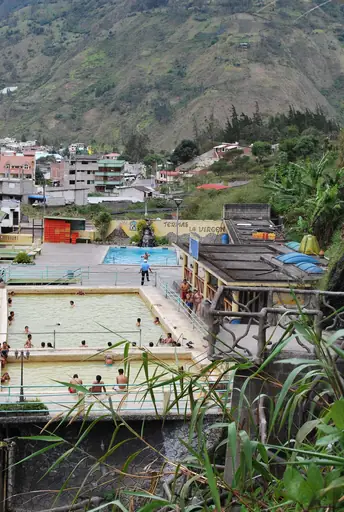
Discover
Best hot springs destinations in South America
South America's hot spring offer is distributed along the Andean volcanic arc, where active and dormant volcanic systems produce thermal water at altitudes that add a distinctive…
Read more
What other users say about travelfilters
“travelfilters made it easy for me to find ski areas and compare what else they offer, so that I could find the best place for my personal travel style.”

Chris
Snowboarding & Onsen trip to Japan
“I love how transparent the data feels. There is no pushy upsell, just honest information and settings I can tune to my own travel style.”

Maria
After booking her 2027 winter escape
“The level of detail for each destination and how well those are displayed, make planning feel confident instead of overwhelming.”

Mina
Planned a week in New York City
“We used travelfilters for our planning from start to end. The trip turned out even better than expected, thanks to all their tools and customisation options.”

Allan & Etienne
Trip to Japan to see autumn foliage
“Thanks to travelfilters, I found some hidden gems to see. Being able to filter for exactly your interests is a game changer for my travel planning.”

Michael
Tour through the old cities of Northern Italy
“The customizable filters helped me find a quiet beach town with good wifi and low season crowds in under five minutes.”

Diego
Weekend Escape to Llanes, Spain
“The airport connection map saved me hours by showing good flight options from my home airport to lesser-known cities.”

Nguyen
Planning a 2027 trip to France
“The website is clean, fast and focused on the search itself, which makes travelfilters feel more like a professional tool than an ad-heavy booking site.”

Hassan
Christmas Market trip, Germany
