
Asia › Japan › Kyushu › Oita

Oita

Scroll
Monkeys, hot springs and Otomo history

Oita is the capital of Oita Prefecture and is on Beppu Bay on Kyushu's east coast. In the 16th century it was Funai, the base of the Otomo clan and a port town open to Western traders and Jesuit missionaries. Today you can see wild Japanese macaques roam free at Mt. Takasaki, with an aquarium nearby on the bay. The city is also a rail and bus hub, so many visitors use it as a base for Beppu. The local food scene is known for chicken tempura, seki mackerel and Bungo beef. One day covers the monkeys and aquarium, with a second for Beppu.

City in Japan
Climate zone: Humid subtropical

Humid subtropical: Warm temperate climates with hot, humid summers, mild winters and evenly distributed rainfall, common on eastern continental margins.

See climate table
Price level: $$$
$Cheap
$$Medium
$$$Expensive, upscale
$$$+Very expensive, luxury
See price details
Safety: 9.1
General Safety:10
Health & medical:8
Accessibility:6
Tap water:9
Read details
Tourist English: 2/5
English is spoken at major hotels, museums and tourist centres, but less so in local shops and restaurants. Signage is improving and translation apps are helpful. Locals are friendly and try to assist.
Last update: 20 Oct 2026
* We earn a commission from some links on this page.
Oita Summary

These place ratings give you a quick overview of how well a destination matches different types of trips.

‘Best for’ scores:
The specific interest scores show where this place really shines – whether it's ideal for hiking, food & drink experiences, museums or other activities. These highlights help you understand what makes the destination special at a glance.

‘Your personal’ scores:
This reflects how well a place matches your personal preferences. You can adjust the importances of travel topics or other personal requirements categories in your account settings.

‘Suited for’ badges:
These give you a quick overview of how well a destination suits specific types of travellers, to help you find the places that match your lifestyle, preferences or travel situation.

Read how our scores work
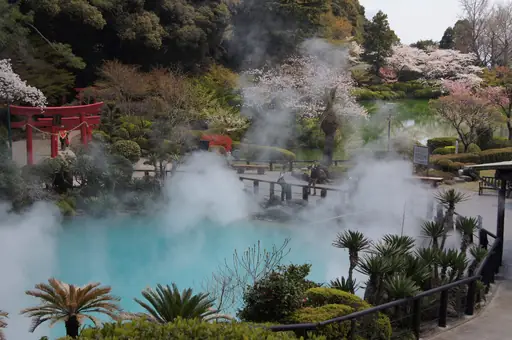
Excellent for hot springs and relaxing spa towns. Enjoy steaming onsen baths, visit geothermal parks, explore scenic valleys and try local cuisine.
Place score
7.9
Best at:
Geothermal
10
Hot springs
10
Spotless
9
Spirits
8
Religious sites
8
Personal score
?
Log in to see how this place matches your personal travel interests.
Suited for
👶 7
Families
🧓 8
Seniors
👩 8
Solo
❤️ 8
Couples
Japan – Quick facts
Power Grid: 100 V, 50 Hz
Plug: Type A
Type A:
Diagram of a Type A power plug

Read about power adapters
Currency: Japanese Yen (JPY)
£1 ≈ JP¥210
Cashless info: Rating 4/5
Cashless payments are becoming more common, especially in cities, with some shops still preferring cash. Be prepared for occasional cash-only situations in rural areas.

Save with a travel credit card
eSIM providers: Best value: Saily
Flexibility: Airalo
Read our in-depth comparison
Tipping: Tipping is not customary in Japan and can be considered rude. Excellent service is the norm, and tipping is unnecessary in most places.
Public drinking: Public drinking is legal and commonly accepted, particularly during festivals and events.
Public smoking: Smoking is prohibited in indoor public places but allowed in designated outdoor areas. Some restaurants may have smoking sections.
New Year
(January)
One of the most important holidays, expect crowded temples and high prices. Plan ahead.
Golden Week
(April-May)
The busiest travel time, expect high demand for accommodation and transport.
Obon
(August)
A time to honour ancestors, many businesses close, and transport can be crowded.
Emergency contact: Emergency Number: 110 (Police), 119 (Fire & Ambulance)
Taxi apps: Uber, JapanTaxi, DiDi
Other: Japan is a country of respect, so understanding local customs and etiquette is important. Public transport is efficient, but can be crowded during peak hours.
Best times to travel

The best times to travel section shows how the months compare for a visit, so you can find the time of year that fits what you want to do.

Background colours of the months:
The colour shows the typical temperature: yellow (hot), green (mild) and blue (cold). How strong the colour is shows the travel season: full colour means high season, soft colour means shoulder season and soft-striped means off season.

Weather symbols:
Each month has one symbol showing what the weather is typically like, such as hot and sunny, freezing or a rainy or snowy season. Use them to quickly spot months that match the weather you want, or to avoid the ones that don't.

Crowdedness:
The people icon shows how busy the place usually is. The more people, the more crowded it gets.

Additional notes:
The grey info boxes point out special things worth knowing, like recurring weather issues or seasonal events.

for Oita, Japan
🌧️
Jan
🌥️
Feb
🌧️
Mar
🌥️
Apr
🌤️
May
🌤️
Jun
☀️
Jul
☀️
Aug
🌤️
Sep
🌤️
Oct
🌥️
Nov
🌧️
Dec
High season: March - May, Oct. - Nov.
Shoulder season: Jan. - Feb., Aug. - Sep., Dec.
Crowdedness: 5 (Moderate tourist numbers)
Tap on a month for more info Hover over a month for more info
Rainy season early June to mid-July; typhoons possible August to October
Hot spring towns like Yufuin are busiest at weekends, Golden Week and Obon in mid-August

Why travel to Oita?

Mt. Takasaki is home to wild Japanese macaques that live without cages and often walk close to visitors. A feeding area is about six minutes from the entrance. Admission is JP¥500 (£2.37) and the park is open from 09:00 – 17:00 all year, with last entry half an hour before closing. A monorail runs up the slope if you'd rather not walk. The Umitamago aquarium is on the same stretch of coast and makes an easy second stop. The city also has real history. In the late 16th century it was Funai, the Otomo clan's base and a political and economic centre for six provinces of Kyushu. Excavations have turned up imported porcelain, medals and rosaries. The old town had a district for foreigners and the Ruins Learning Centre shows finds from the site. A statue of Yoshishige Otomo is outside Shin-Oita Station. Oita Prefecture has more hot springs than any other in Japan. The city is only a short ride from Beppu, where food is steamed with natural vent heat at Kannawa. Seki mackerel, Bungo beef and chicken tempura are local specialities. The city also works as a base on Kyushu's east side. The Usuki Stone Buddhas, a National Treasure carved into cliffs, are further along the coast.

🏯Places worth seeing
  • 1 Oita City Museum of Art Entrance
  • 2 うみたまご
  • 3 Oita Prefectural Art Museum
  • 4 Takasakiyama Natural Zoological Garden
🎡Places for activities
  • 1 Beppu Kannawa Jigoku Onsen Museum
  • 2 Shoningahama Sand Bath
🏞️Natural landmarks
  • 1 Old Ōita River
  • 2 Beppu Bay
  • 3 Tanoura Beach
🍽️Eat & Drink
  • 1 Amabe no Sato Seki-aji Seki-saba-kan
    Seki aji and seki saba, line-caught fish from off Saganoseki, served as whole fish sashimi or in a seafood bowl of local catch. The second-floor restaurant looks out over the Bungo Channel and a shop below sells dried fish.
  • 2 Michi no Eki Saganoseki
    Seki saba and seki aji rice bowls, with kurome seaweed soup, a Saganoseki speciality. The restaurant is in the roadside station on the north side of the Saganoseki peninsula with sea views.
  • 3 Kyodo Ryori-dokoro Kotsukotsuan
    Oita regional dishes such as seki aji and seki saba sashimi, ryukyu, toriten and hand-pulled dango soup, at an izakaya open since 1971. It stocks around 300 local sake and barley shochu.
  • 4 Yoichi
    Ryukyu don, a rice bowl covered in seki aji marinated in a sauce with sesame and ginger, at a counter-only shop. At lunch it serves only this bowl, with red miso soup, until it sells out.
  • 5 Maruju
    Rich tonkotsu ramen and tsukemen with generous toppings at one of the best-known ramen shops in Oita. It is open every day, from 10 in the morning until midnight, so it suits any mealtime.
  • 6 Ikkotsuya
    Rich tonkotsu ramen with house-made noodles at a shop known as the birthplace of Oita thick tonkotsu ramen. The menu also has Oita chilli noodles and spicy cold noodles, and the large shop suits families.
  • 7 Nanaman
    Hakata-style tonkotsu ramen, with its black ramen as the signature, at a shop that opens at 7 in the morning for breakfast. Ramen and fried rice sets are popular, and extra noodles are available.
  • 8 Jiraiya
    Abura soba, brothless noodles mixed with a sauce, in versions with pork back fat and garlic or spicy miso. It is in central Oita near the station, with several portion sizes.
  • 9 Ichiban
    Beppu reimen, cold noodles in the style of Beppu, as its signature, plus miso tonkotsu ramen, at a late-night shop in the Miyakomachi entertainment district. It serves from evening until after midnight.
  • 10 Oita Ramen Maruyu
    Oita ramen at a lunch-only shop in a quiet residential area of Motomachi, long loved by locals. Signature bowls are the house special and the half-chashu ramen, and it closes on Mondays and Fridays.
🎈Events
  • Oita Tanabata Festival
  • Oita International Wheelchair Marathon
  • Funai Pacchin Festival
  • Oita Food and Living Festival
  • Sorin Festival
  • Oita Yumeiro Music Festival
  • Oita Cycle Fes
  • Isshinji Temple Market
  • Kasuga-jinja Shrine Summer Festival

Knowledge before you go

  • Last entry to Mt. Takasaki is half an hour before closing.
  • A combined ticket covers a return bus from Oita Station plus the monkey park and aquarium.
  • Oita Airport has no train link, so take a bus toward Beppu or Oita city.
  • Order toriten, the local chicken tempura, with the karashi mustard and vinegar soy dip served alongside.

How to travel to Oita

The Sonic limited express is the easiest way to reach Oita by rail. It runs from Hakata in about 2 hours, with around 30 round trips a day. Coming from Honshu, most travellers take the shinkansen to Kokura and change to the Sonic there. Beppu and Oita are on the same line, so trains between them are short and frequent. Oita Airport is on the Kunisaki Peninsula and has no rail link. Buses connect it with Beppu in about 50 minutes and also serve Oita city. Flights come from Tokyo and other major Japanese cities. Beppu Port has ferries to Osaka and Shikoku, about a 10 minute bus ride from Beppu Station. Highway buses from Fukuoka are another option. Driving is straightforward on the expressways.

Access summary

  • From Oita Airport (OIT): Limousine bus to Oita Station, about 60 minutes.
  • From Fukuoka (Hakata): JR Sonic limited express via Kokura, roughly 2–2.5 hours.
  • From Osaka: Shinkansen to Kokura then Sonic or overnight ferry Kobe–Oita.

Where to stay in Oita

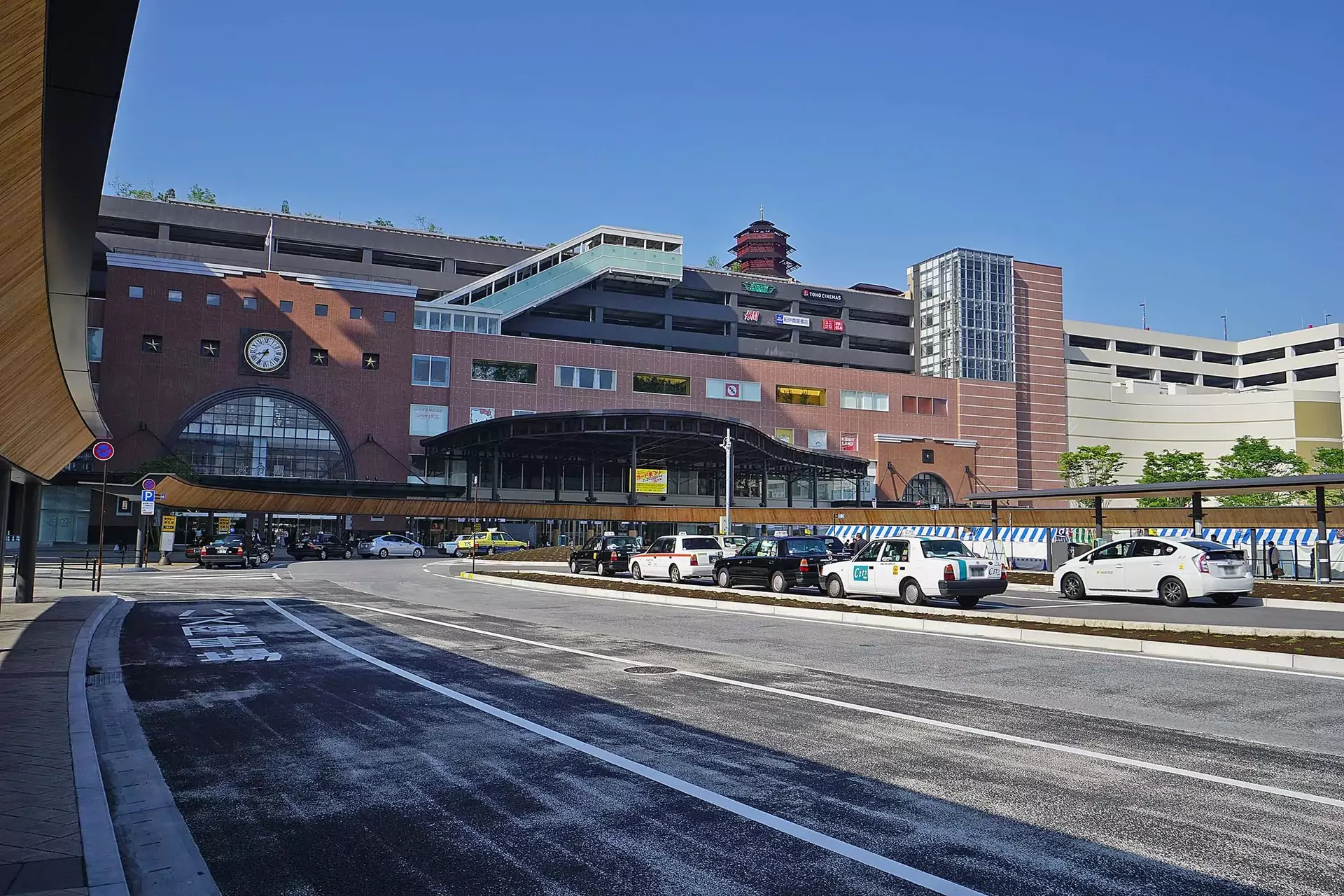
Most visitors stay around Oita Station, where business hotels are within walking distance of the trains, the buses and a large shopping and dining area. This works well for short visits and for early starts to Mt. Takasaki or a train to Beppu. Rooms are simple and prices are fairly low for a prefectural capital. The other common choice is Beppu, a short train ride away. Its hot spring hotels and ryokan are the main reason to stay there, with baths in many rooms and large communal ones in bigger properties. Staying in Beppu suits travellers who want a soak after sightseeing. If you plan a night in Beppu and a day around Oita, the train makes it easy to split your time. Book ahead for weekends, holidays and autumn when hot spring areas fill quickly.

How to get around Oita

Central Oita is compact and the area around Oita Station is easy to cover on foot, while buses and trains cover the rest. Mt. Takasaki and the aquarium are on the coast toward Beppu.

Walking:
The area around Oita Station is easy to cover on foot, with shops and restaurants close to the trains and buses.

Buses:
Oita Kotsu buses leave from the stop in front of the station.
For Mt. Takasaki, take one to the Takasakiyama Shizen Dobutsuen Mae stop, about 25 minutes away. Buses bound for Beppu also stop near the park and the aquarium. A combined bus and entry ticket for the monkeys and aquarium is sold at the Oita Station bus centre.

Trains:
The JR line along the coast connects the station with Beppu and Hakata.
Trains are the simplest choice for Beppu.

Taxis and car:
Taxis are easy to find at the station.
A car helps for the countryside around Yufuin and the Kunisaki Peninsula, though most city sights don't need one.

Food in Oita

Food in Oita is simple and hearty, built around seafood from the Bungo Channel, local beef and chicken.

Toriten:
Toriten is chicken tempura made with marinated chicken that's battered and fried, then dipped in a vinegar and soy sauce with karashi mustard.

Seki mackerel:
Seki mackerel and seki horse mackerel are caught off the Bungo Channel and served as sashimi or rice bowls.

Bungo beef:
Bungo beef is the prefecture's best known meat.

Kabosu:
Kabosu, a sour green citrus, is squeezed on grilled fish and used in drinks and desserts.

Shiitake mushrooms grown in the hills are also a local speciality. Near Beppu you can try food steamed with natural vents at Kannawa, a method that dates to the Edo period. Izakaya and small restaurants near Oita Station serve most of these dishes. Convenience stores and chains are easy to find.

Budget snapshot
Costs compared to home

We calculate the average costs when travelling to destinations and compare those with the living costs at your home. With this you can get an estimate of how expensive or cheap the destination is for you.

To customise this, you can set up which location and price level are used for the calculations in your account settings.

-51 %
Daily expenses in Oita are around 51% lower than the average across United States. That means you'll spend a lot less on meals and getting around.
Exchange rate trend

The exchange rate price factor shows how expensive or cheap a currency currently is compared to its historical average. It's a quick way to see if a country is currently more or less affordable due to exchange rate changes.

-20 %
Your exchange rate (GBP to JPY) is 20% better than in recent years. That means travelling now is considerably cheaper compared to the past.

Travel costs

To help you plan your trip, we provide estimated daily costs per person (when travelling as a pair) for different travel styles. These numbers give you an idea of what you might spend each day at this destination, including accommodation, food, transport and activities.

Additionally, we also provide average hotel costs for different travel styles to give you an estimate for the accommodation only.

Please note that these are only estimates. The real costs depend on booking times, season and other factors.

Daily cost summary

Travel style categories explained:

Backpacker:
Staying in hostels or budget hotels, cooking your own meals or eating cheap and choosing low-cost activities.

Mid-range:
Staying in mid-range hotels, eating at a mix of restaurants and casual spots and enjoying a variety of activities.

Luxury:
Staying in luxury hotels, dining out at high-end restaurants and enjoying premium experiences without worrying about the price.

Backpacker Mid-range Luxury
💵 Total costs per day, including accommodation
£46
£97
£239
🏨 Accommodation per night, per person
£26
£60
£120
🍝 Food per day
£16
£30
£91
🚕 Transportation per day
£4
£6
£28
Food & Drink
🍽️ Restaurant Dinner, per person
£14
🍛 Lunch Set, per person
£3.30
🍟 Fast food combo
£3.90
🍝 Preparing your own food, per day
£6.50
☕ Cappuccino
£1.70
🍺 Beer in a restaurant, 0.5 l
£1.80
Transportation
🚌 Public transport ticket
£0.90
🚕 Taxi Ride, 10 km / 6 mi
£17
⛽ Petrol, 1 l
£0.85
Other
🎞️ Cinema ticket
£7.50
👩‍⚕️ Doctor's consult
£20
🤧 Cold medication
£7
💇 Basic haircut
£6

Safety information overview

General safety
10
Oita is very safe, with low crime in the station area and the city centre even at night. Natural hazards are the main concern. Typhoons in late summer and autumn and heavy rain in early summer can disrupt trains and roads. Earthquakes are possible.
Health & Medical
8
Medical care is very good, with large hospitals and many clinics in the city and pharmacies near the station. English-speaking staff are limited, so a translation app and travel insurance help. Summers are hot and humid.
Accessi­bility
6
The station area is flat and easy to walk. City buses serve the main sights. Mt. Takasaki is on a slope but has a monorail. Holders of a disability handbook and one caregiver get free admission and monorail rides there.
Tap water
9
Tap water in Oita is safe to drink, as across Japan. Bottled water and tea are sold in convenience stores, supermarkets and vending machines throughout the city. A refillable bottle is handy on hot days around Mt. Takasaki and the coast.

Packing recommendations for Oita

Log in to add this place to a travel list and get a summary of all recommended items for your whole trip.

Looking for inspiration?

Discover
Best couple vacation destinations in Asia
Asia is perfect for couples who want their holiday to feel like a shared adventure rather than just a change of scenery. Few continents offer so many ways to be amazed together.…
Read more
Discover
Best wellness destinations in Asia
Asia's wellness offer is rooted in some of the world's most ancient and sophisticated therapeutic traditions, with Ayurvedic medicine, traditional Chinese medicine, Thai massage,…
Read more
Discover
Best destinations for first-time travelers in Asia
Asia has one of the best established beginner travel routes anywhere, largely because so many first time travelers have worn the path before you. Southeast Asia in particular…
Read more
Discover
Top hot springs destinations and thermal resorts
Hot spring travel sits at the intersection of natural landscape, geological spectacle and bathing culture, with the world's most rewarding destinations combining accessible thermal…
Read more
Discover
Best solo travel destinations in Asia
Asia is where most solo travelers figure out they can actually do this. The backpacker trails through Southeast Asia have been running for decades, and the infrastructure along…
Read more
Discover
Top solo travel destinations and safe hubs
Travelling alone sounds like a bigger deal than it is. The first day feels strange – eating dinner by yourself, navigating without someone to double-check the map with, making…
Read more
Discover
Best hot springs destinations in Asia
Asia's hot spring offer is defined by Japan's onsen culture, one of the world's most sophisticated and deeply embedded bathing traditions, where thousands of facilities ranging…
Read more
Discover
Best couple holiday destinations
Travelling as a couple sounds simple enough, yet the best couple holiday destinations mean something different to almost every pair. What feels romantic to one couple can feel like…
Read more
Discover
Best travel destinations for seniors in Asia
Asia offers some of the most senior friendly infrastructure anywhere, alongside destinations that still call for a bit more independence and stamina. Japan in particular stands…
Read more
Discover
Traditional Japanese onsen towns and hot springs
Japan has a relationship with hot spring bathing that goes back more than a thousand years and the culture that has grown up around it is unlike anything found elsewhere. An onsen…
Read more
Discover
Best destinations for first-time travellers
A first trip abroad works best somewhere that eases you in, rather than throwing every possible culture shock and logistical headache at you at once. Some first-time travellers…
Read more
Discover
Best geothermal destinations in Asia
Asia's geothermal offer is anchored by Japan's onsen culture, one of the world's most deeply embedded bathing traditions, where thousands of hot spring facilities ranging from…
Read more
Discover
Top geothermal wonders and volcanic landscapes
Geothermal travel encompasses a spectrum of experiences from the dramatic spectacle of geyser fields and volcanic hot springs to the deeply embedded bathing cultures that have…
Read more
Discover
Best travel destinations for seniors
Senior travel covers a wide range, from slow, low effort trips built around comfort to more independent trips for travellers who still want to cover plenty of ground. Some…
Read more
Discover
Top wellness destinations and holistic retreats
Wellness travel has matured from a niche pursuit into a mainstream category built around the world's most significant spa destinations, retreat centres and therapeutic landscape…
Read more
Feedback
