








Was this page helpful?

| Power Grid: |
230 V, 50 Hz Plug: Type C , Type F
Type C:
  Read about power adapters |
|---|---|
| Currency: |
Euro (EUR) £1 ≈ €1.19 |
| Cashless info: |
Rating 4/5
Portugal has widespread acceptance of cashless payments, particularly in urban areas and larger businesses. Cards are commonly used, and mobile payment options are increasingly available.
Save with a travel credit card |
| eSIM providers: |
Best value: Saily Flexibility: Airalo Read our in-depth comparison |
| Tipping: | Tipping is customary but not mandatory in Portugal. In restaurants, leaving a 5-10% tip is common, especially if the service is exceptional. Taxi drivers usually expect a small tip of around 5-10%, and hotel staff appreciate tips for their services. |
|---|---|
| Public drinking: | Public drinking is generally accepted in most public spaces, such as parks and beaches. However, certain municipalities may enforce restrictions in specific areas. |
| Public smoking: | Smoking is prohibited indoors in public places like restaurants and bars. Designated smoking areas are available in many public spaces. |
| Portuguese Republic Day (October) |
National holiday with public celebrations and some closures, particularly in Lisbon. |
|---|---|
| Christmas (December) |
Holiday celebrations and increased tourism, expect crowded areas and higher accommodation prices. |
| Carnival (February) |
Festive celebrations with parades and events, especially in Lisbon and Madeira. Expect lively crowds. |
| Emergency contact: | Emergency Number: 112 (Police, Fire, Ambulance) |
|---|---|
| Taxi apps: | Bolt, Uber |
| Other: | Portugal boasts rich cultural heritage, beautiful beaches, and historic landmarks. Public transport is reliable, and the country is known for its mild climate, especially in the southern regions. |
The best times to travel section shows how the months compare for a visit, so you can find the time of year that fits what you want to do.
Background colours of the months:
The colour shows the typical temperature: yellow (hot), green (mild) and blue (cold). How strong the colour is shows the travel season: full colour means high season, soft colour means shoulder season and soft-striped means off season.
Weather symbols:
Each month has one symbol showing what the weather is typically like, such as hot and sunny, freezing or a rainy or snowy season. Use them to quickly spot months that match the weather you want, or to avoid the ones that don't.
Crowdedness:
The people icon shows how busy the place usually is. The more people, the more crowded it gets.
Additional notes:
The grey info boxes point out special things worth knowing, like recurring weather issues or seasonal events.
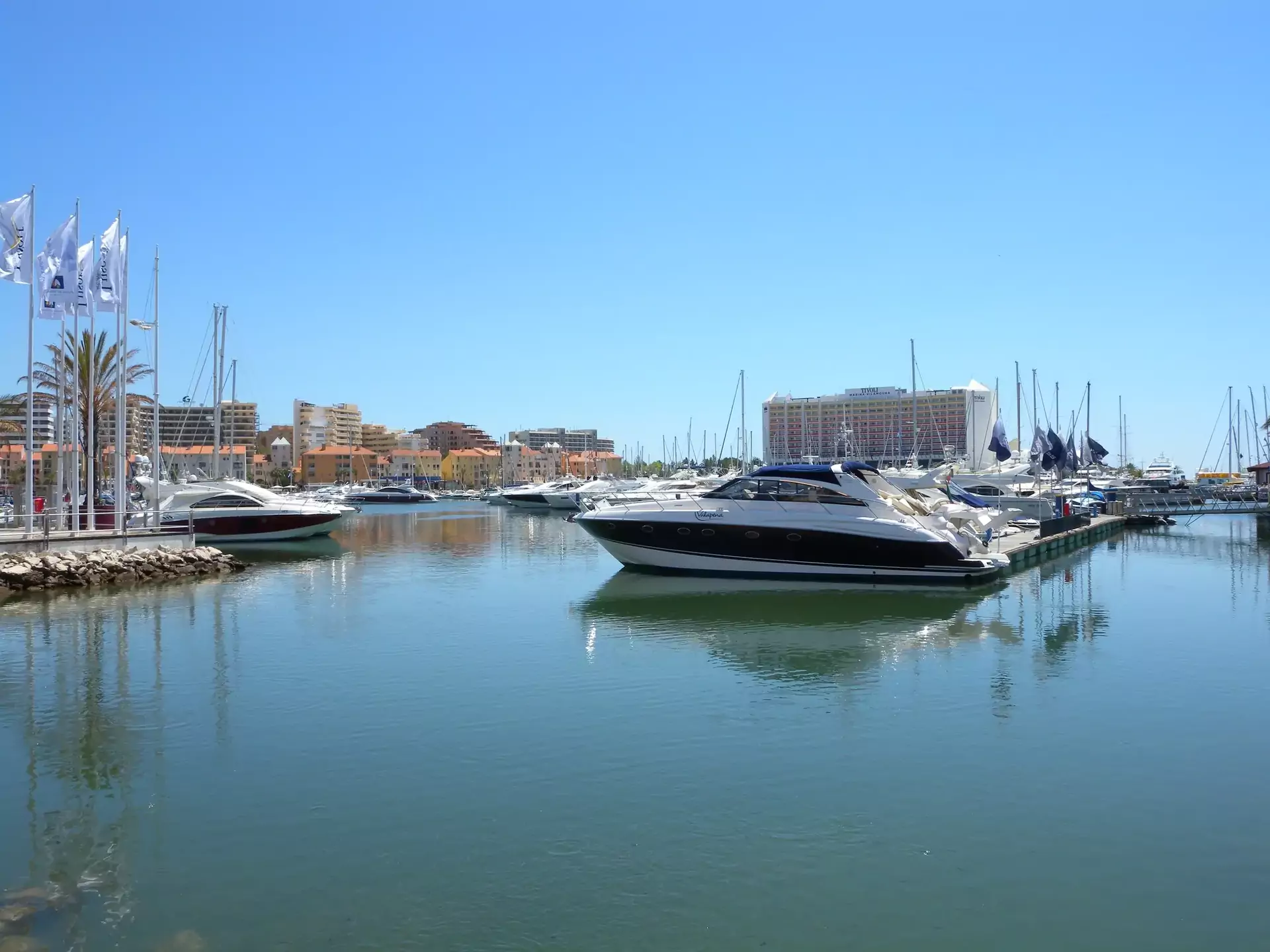
Developed primarily in the 1970s, Vilamoura has grown into one of Europe’s largest and most prestigious leisure resorts. At its heart is the large marina, the biggest in Portugal, accommodating over 1,300 boats, surrounded by upscale shops, restaurants and bars. The town’s layout combines modern urban planning with Mediterranean aesthetics, featuring palm-lined promenades and charming plazas.
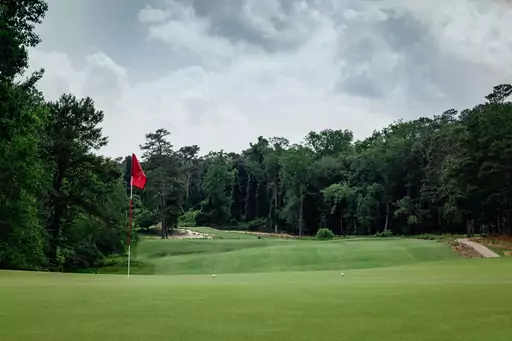
Vilamoura is especially famous for its golfing facilities, hosting several championship golf courses designed by renowned architects including Arnold Palmer. Beyond golf, the area offers a wide variety of activities including tennis, horse riding, water sports and fishing excursions, catering to diverse interests.
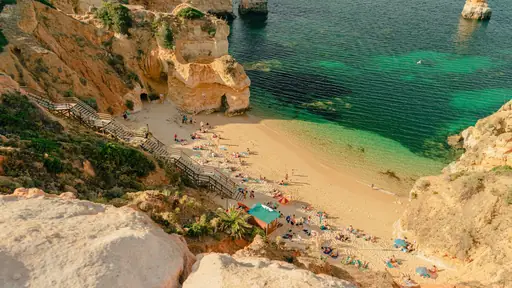
The nearby Praia de Vilamoura and Praia da Falésia are known for their golden sands and clean waters, ideal for swimmers, sunbathers and surfers alike. Nightlife in Vilamoura is lively yet upscale, with numerous bars, clubs and a casino attracting visitors looking for evening entertainment.
While Vilamoura is a polished resort town with many amenities, it can get busy during the high season and prices tend to be higher than in less touristic parts of the Algarve. Some may find the town a bit commercialized, lacking the historic charm of traditional Portuguese villages, but it excels in offering a comfortable and active holiday experience.
Vilamoura is located about 25 kilometers from Faro Airport. Visitors typically take a rental car, taxi or shuttle service to reach the town. Public buses also connect Vilamoura with nearby towns and Faro, making it accessible for travelers without a car. The town's marina and beaches are compact and walkable.
Vilamoura hosts a wide range of accommodations including luxurious 5-star resorts, boutique hotels and self-catering apartments, many located along the marina or close to golf courses, making it perfect for both leisure and sports tourism.
Log in to add this place to a travel list and get a summary of all recommended items for your whole trip.
We calculate the average costs when travelling to destinations and compare those with the living costs at your home. With this you can get an estimate of how expensive or cheap the destination is for you.
To customise this, you can set up which location and price level are used for the calculations in your account settings.
The exchange rate price factor shows how expensive or cheap a currency currently is compared to its historical average. It's a quick way to see if a country is currently more or less affordable due to exchange rate changes.
