















Was this page helpful?

| Public website: | www.sydneyoperahouse.com |
|---|
| Power Grid: |
230 V, 50 Hz Plug: Type I
Type I:
 Read about power adapters |
|---|---|
| Currency: |
Australian Dollar (AUD) £1 ≈ A$1.89 |
| Cashless info: |
Rating 5/5
Cashless payment is widely accepted, even in rural areas. Digital wallets are commonly used.
Save with a travel credit card |
| eSIM providers: |
Best value: Saily Flexibility: Airalo Read our in-depth comparison |
| Tipping: | Tipping is not mandatory in Australia. Rounding up or 10% is appreciated in high-end restaurants. |
|---|---|
| Public drinking: | Public drinking is regulated and often prohibited, except in designated areas. |
| Public smoking: | Smoking is banned in public indoor spaces and most outdoor public areas. |
| Australia Day (January) |
Public events and celebrations occur nationwide. |
|---|---|
| ANZAC Day (April) |
Commemorations and closures happen. |
| Christmas (December) |
Festive events and closures occur. |
| Emergency contact: | Emergency Number: 000 (Police, Fire, Ambulance) |
|---|---|
| Taxi apps: | Uber, 13cabs, Ola |
| Other: | Australia's vast size requires careful planning for travel between regions. Be aware of wildlife and sun exposure. |
The best times to travel section shows how the months compare for a visit, so you can find the time of year that fits what you want to do.
Background colours of the months:
The colour shows the typical temperature: yellow (hot), green (mild) and blue (cold). How strong the colour is shows the travel season: full colour means high season, soft colour means shoulder season and soft-striped means off season.
Weather symbols:
Each month has one symbol showing what the weather is typically like, such as hot and sunny, freezing or a rainy or snowy season. Use them to quickly spot months that match the weather you want, or to avoid the ones that don't.
Crowdedness:
The people icon shows how busy the place usually is. The more people, the more crowded it gets.
Additional notes:
The grey info boxes point out special things worth knowing, like recurring weather issues or seasonal events.
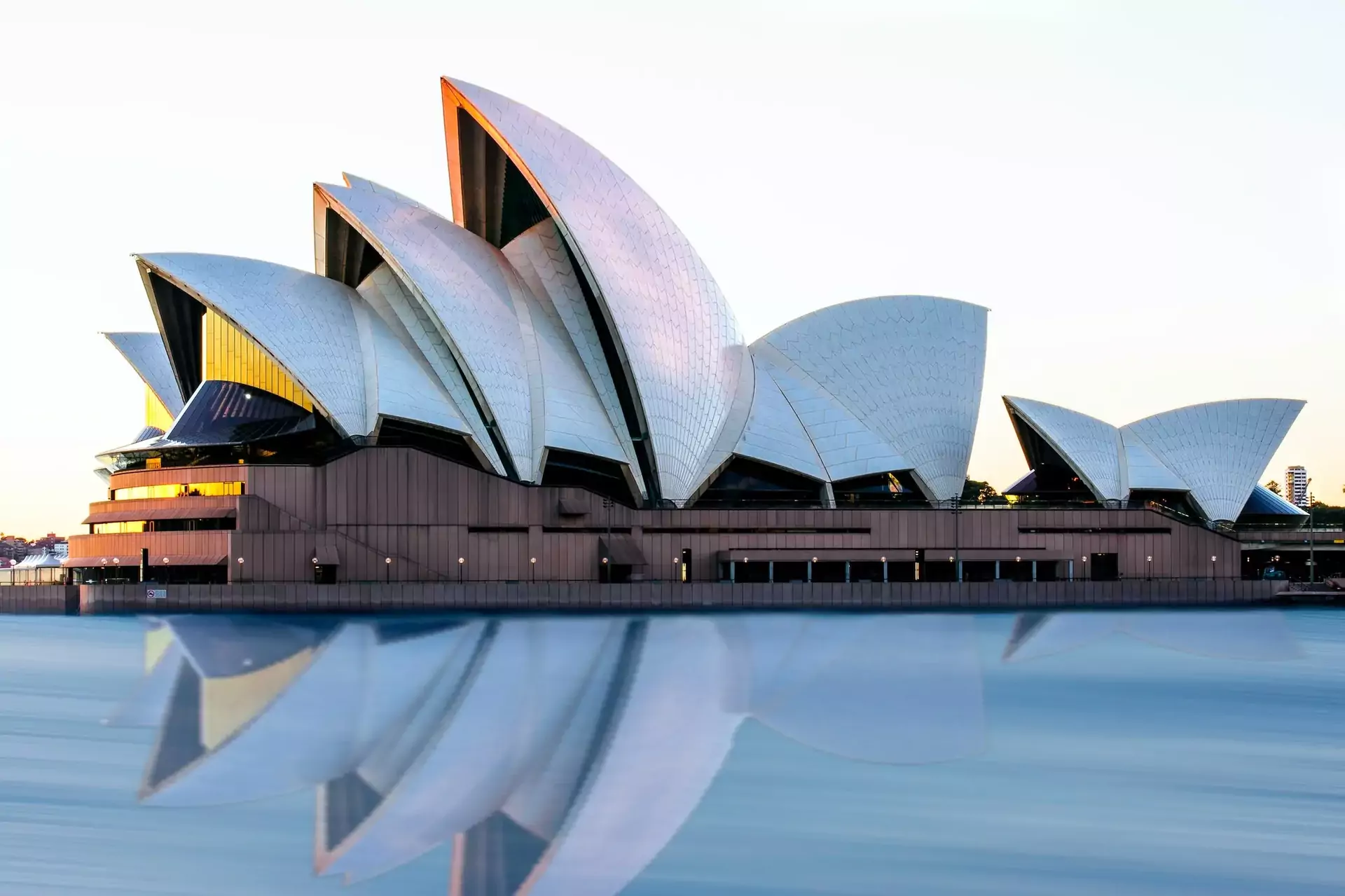
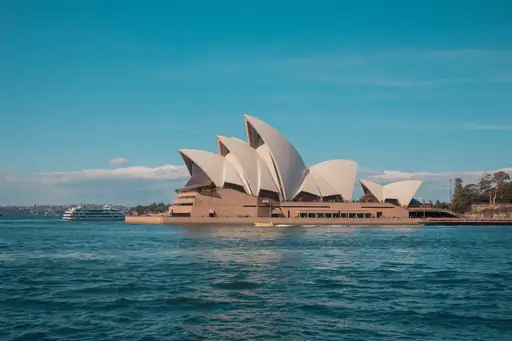
The Sydney Opera House stands as a masterpiece of modern architecture, designed by Danish architect Jørn Utzon and officially opened in 1973. Its distinctive roof shells or 'sails' have become an iconic symbol of Australia and one of the most photographed landmarks worldwide.
Inside, the Opera House houses multiple performance venues, including the Concert Hall with its immense pipe organ and the Joan Sutherland Theatre, home to opera and ballet. Beyond performances, the building features restaurants, bars and guided tours that immerse visitors in its fascinating design and cultural history.
Though celebrated globally, the building’s construction was fraught with political and budget challenges, leading to Utzon’s resignation before completion. Acoustic challenges remain in some venues and tickets for popular shows can be pricey or require advanced booking. Crowds can be significant, especially during peak tourist seasons and major events.
Despite these, visiting the Sydney Opera House offers not just a glimpse into artistic brilliance but also the chance to enjoy spectacular harbour views and vibrant urban life, making it a deeply rewarding experience.
Sydney Opera House is located at Bennelong Point, central Sydney, easily accessible from Sydney Airport via train or taxi to Circular Quay station, a short walk from the venue. Ferries also dock nearby, offering scenic water routes. From within Sydney, the Opera House is well connected by buses, trains and walking paths.
Accommodation options abound in Sydney’s city center and nearby neighborhoods, offering everything from luxury hotels to boutique stays, all within easy reach of the Opera House and other iconic sights.
Log in to add this place to a travel list and get a summary of all recommended items for your whole trip.
We calculate the average costs when travelling to destinations and compare those with the living costs at your home. With this you can get an estimate of how expensive or cheap the destination is for you.
To customise this, you can set up which location and price level are used for the calculations in your account settings.
The exchange rate price factor shows how expensive or cheap a currency currently is compared to its historical average. It's a quick way to see if a country is currently more or less affordable due to exchange rate changes.
