
Best rural retreat destinations in Africa
Best rural retreat destinations in Africa
Secluded mountain lodges and traditional farming villages in Africa
Africa's rural retreat offer ranges from the vineyard farmsteads and coastal agricultural hinterlands of the far south to the highland tea and coffee growing regions of east Africa and the desert oasis settlements of the north. Working rural landscapes across the continent retain a character shaped by subsistence and smallholder farming traditions that give extended stays a cultural depth well beyond scenery and accommodation quality.
The most developed rural retreat infrastructure is concentrated in southern and east Africa, where farm stays, bush lodges and highland retreat properties combine landscape immersion with direct engagement with agricultural and wilderness environments. Community-based accommodation in rural areas provides an alternative to private lodge stays, with locally run guesthouses and homestays offering more direct engagement with rural life.
Transport access to genuinely rural destinations requires a hire car or organised transfers across most of the continent. Health precautions and medical facility limitations outside urban areas require advance preparation and comprehensive travel insurance is essential. Your money goes a long way across most of the continent making quality rural accommodation accessible at price points that represent strong value by international standards.
Lists by region
Nature Reserve in Botswana
Okavango Delta
Africa’s Uncharted Water Wilderness
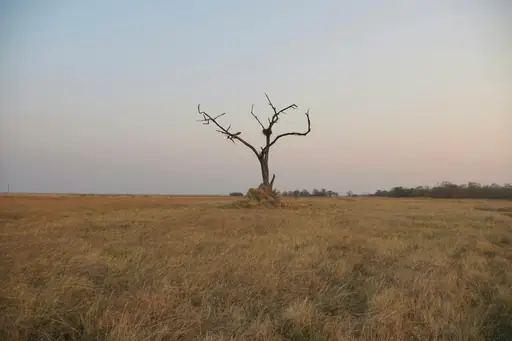
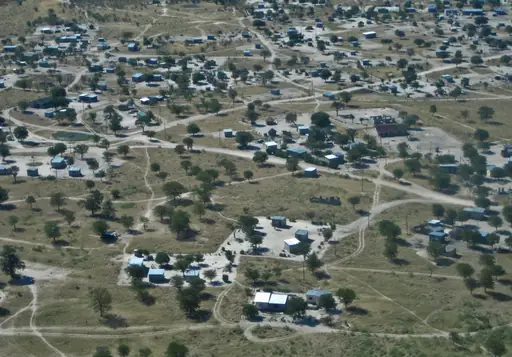
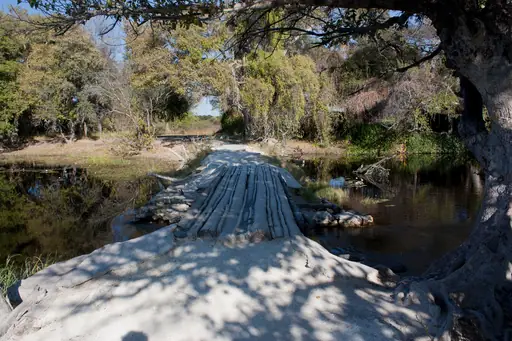
Floodwater from the Angola highlands reaches the delta between June and August. Botswana is dry then. Guides pole mokoro canoes through the channels. Island camps have tents on raised decks. Elephants wade past the camps. Walks start right from the islands. Fish eagles call from the papyrus.
Desert in Namibia
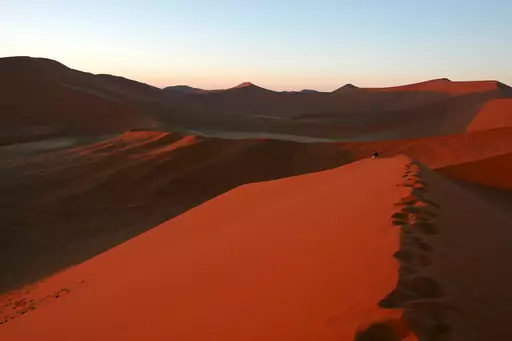
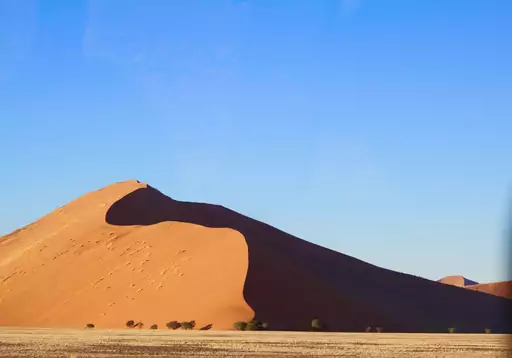
Namib
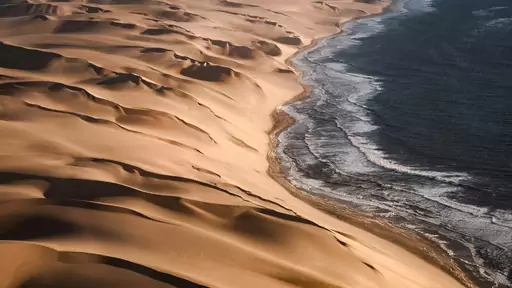
Endless dunes whisper ancient desert secrets
The desert is almost uninhabited. Only a few small settlements and pastoral groups such as the Ovahimba and the Topnaar Nama live there. NamibRand Nature Reserve covers more than 215,000 hectares and became a Dark Sky Reserve in 2012. Several dunes at Sossusvlei exceed 300 metres.
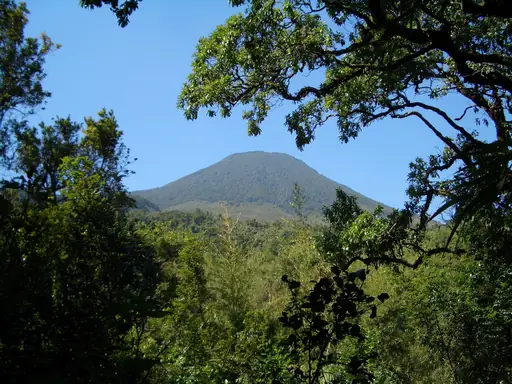
National Park in Uganda
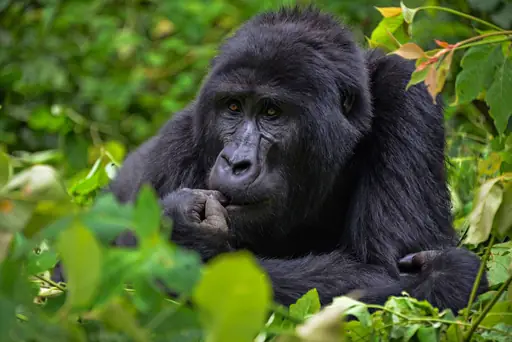
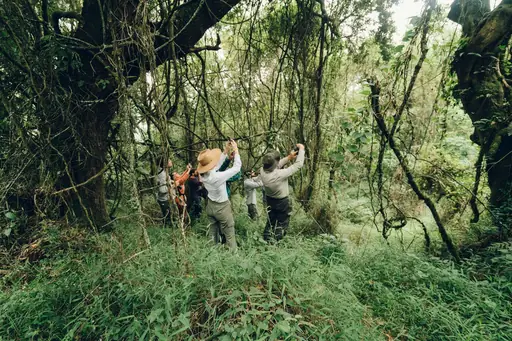
Bwindi Impenetrable National Park
Gorilla Encounters in Ancient Forest
Wet leaves and mud cling to your boots on the steep forest trails. Rangers lead small groups to mountain gorilla families. A permit covers one hour with the animals. Lodges stand on ridges near Buhoma and Ruhija. Batwa guides lead cultural walks near Buhoma. Porters from nearby villages carry packs.
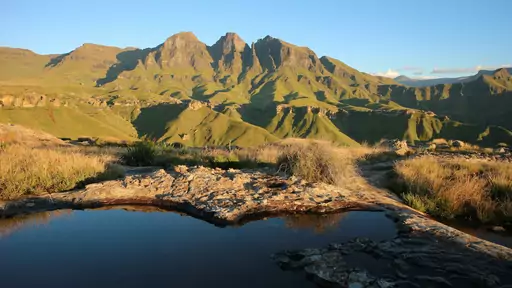
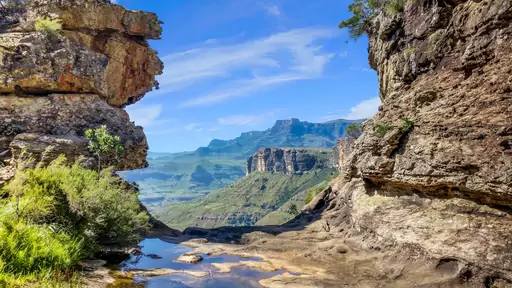
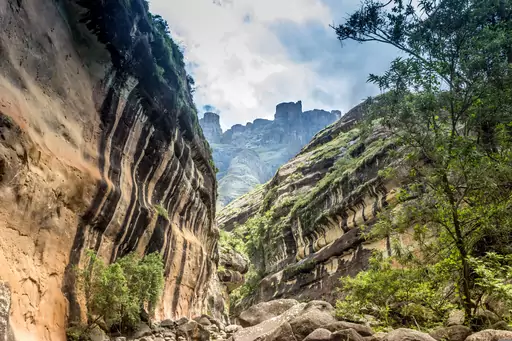
Nature Reserve in South Africa
Ukhahlamba Drakensberg Park
Barrier of spears touching sky
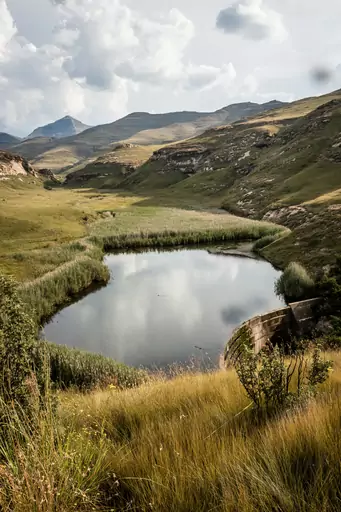
Rock shelters at Main Caves in Giants Castle hold San paintings of eland and hunters. Hikers take the Sentinel trail to the top of Tugela Falls, which drops 948 metres. Cottages and farm hotels stand at the foot of the basalt wall. Trout streams run below.
National Park in Zimbabwe
Hwange National Park
Elephant Herds and Wild Horizons
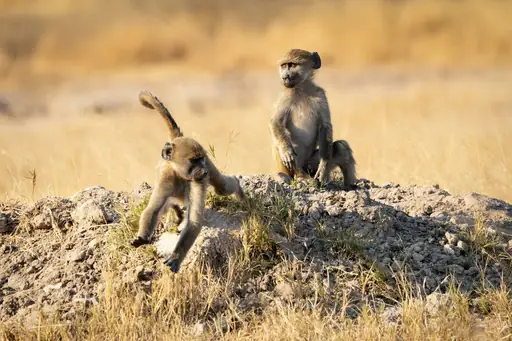
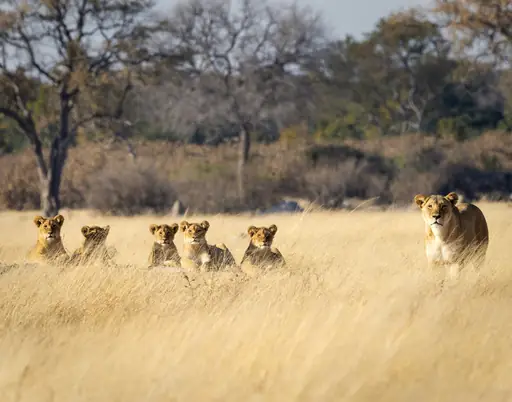
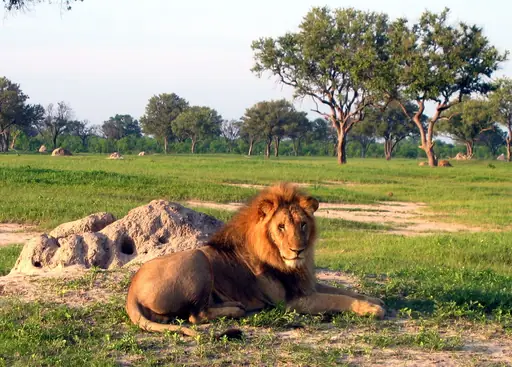
Elephants rumble at the Nyamandlovu pan, where a raised platform looks over the waterhole at night. Pans hold the most animals from July to October. Lodges on the park edge have pools and guided bush walks. Sable antelope graze the teak woodland. Roan antelope come too.
Outer Territory in France
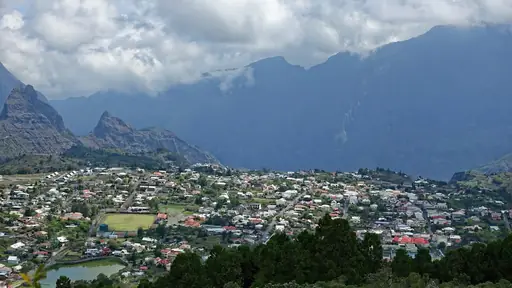
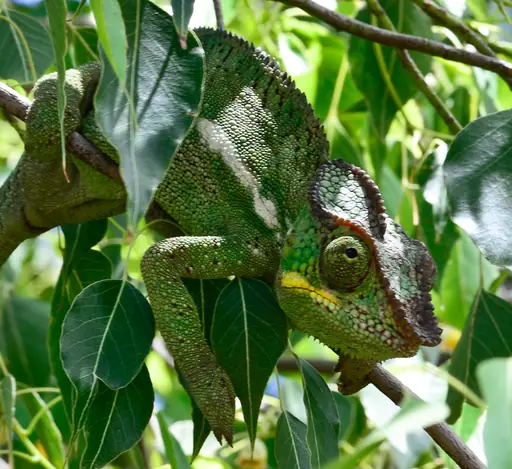
Réunion
An Island of Adventure and Beauty
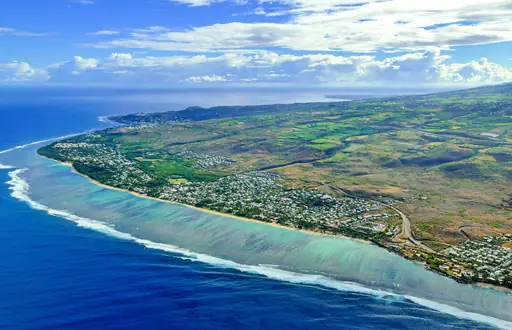
Nobody can drive into Mafate, a crater valley on Reunion. Supplies arrive by helicopter or on foot. Hikers sleep in family guesthouses called gites in villages such as Marla and Roche Plate. Evening meals include rougail saucisse, a spicy sausage stew, served with rice. Trails descend from Col des Boeufs.
National Park in Ethiopia
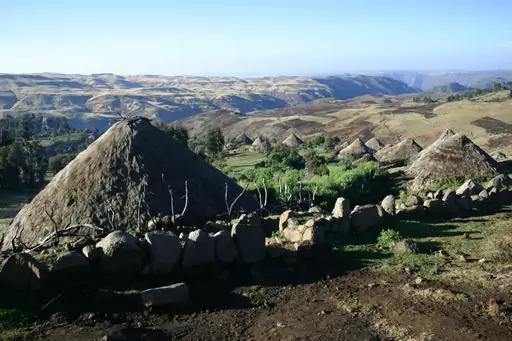
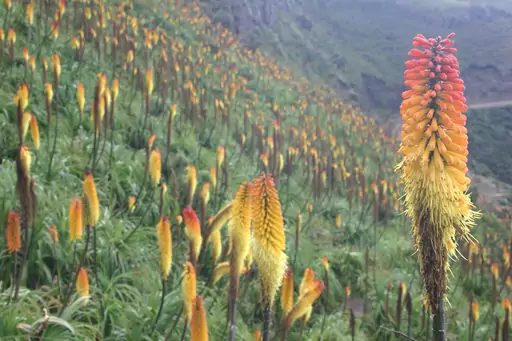
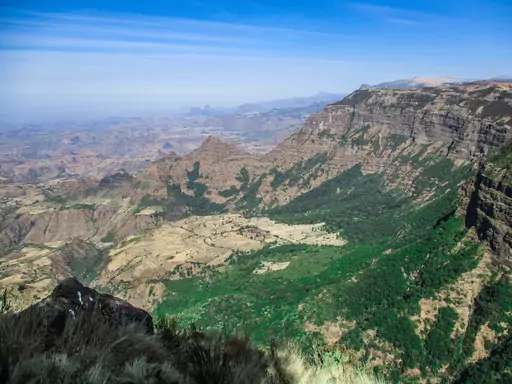
Simien National Park
Jagged peaks of ancient wilderness
Gelada monkeys graze on grass at the cliff edge near Chennek camp. Hikers walk from Debark to Sankaber and Chennek with a park scout, which the park requires. Ras Dejen, at 4,550 metres, is the highest peak in Ethiopia. Villages below grow barley on terraces.
National Park
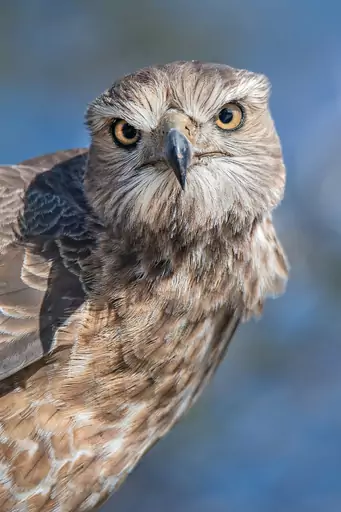
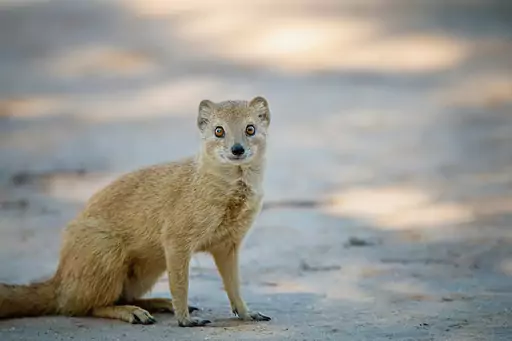
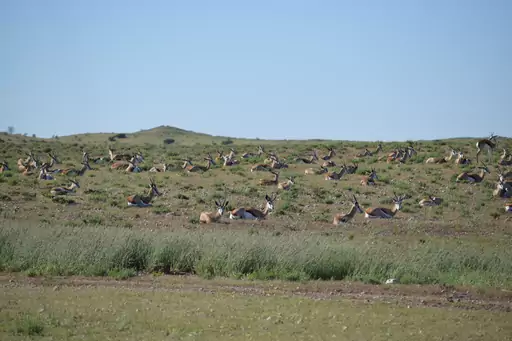
Kgalagadi Transfrontier Park
Where predators rule the Kalahari
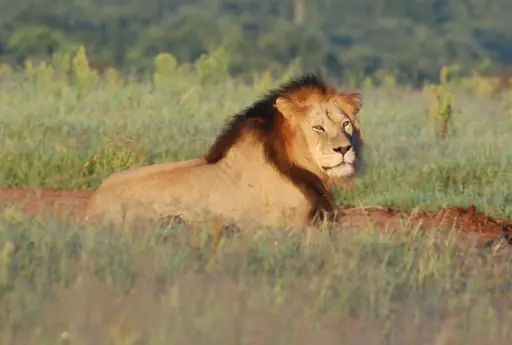
Visit from January to April, when rain brings springbok and gemsbok to the red dunes. Wilderness camps such as Urikaruus sit beside dry riverbeds. Black maned lions rest in camelthorn trees. The park crosses the border between Botswana and South Africa. Nights are cold and the stars are bright.
National Park in Kenya
Amboseli National Park
Elephants Against Kilimanjaro's Backdrop
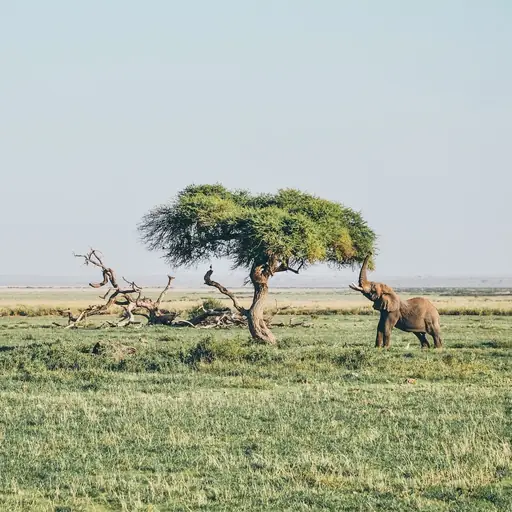
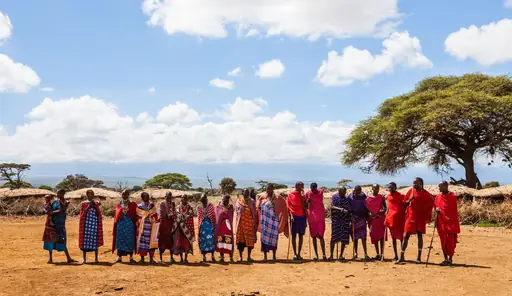
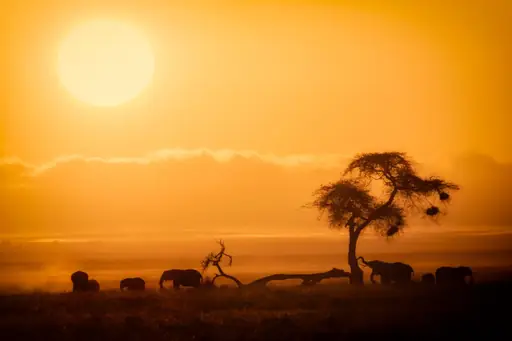
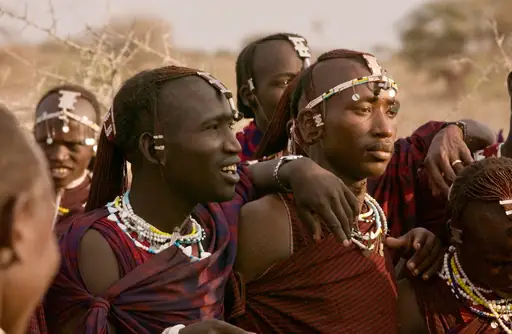
Maasai herders have grazed cattle around Amboseli for generations. Today they run community camps on the park edge, where guests join guided village walks. Elephants wade through swamps below Kilimanjaro, whose snowcap is clearest at dawn. Observation Hill gives a view over the whole plain.
Village in Morocco
Merzouga
Sahara Dunes, Starry Nights
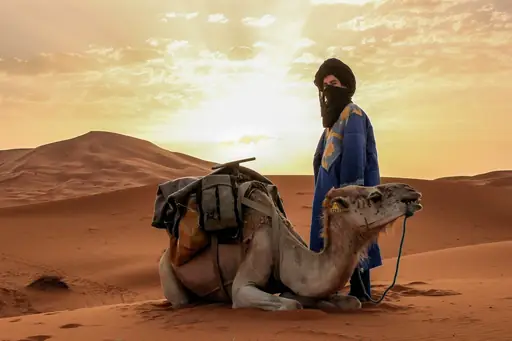
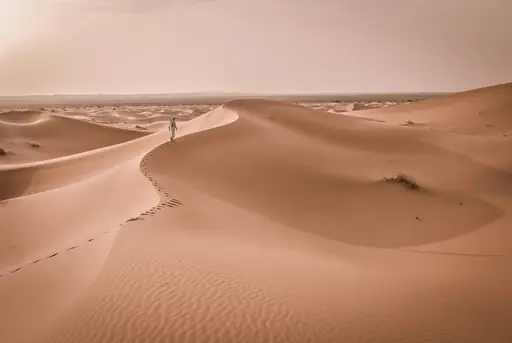
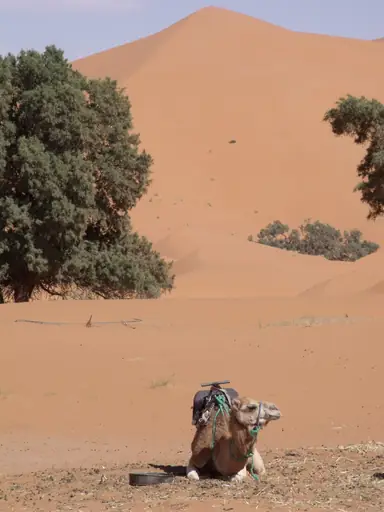
Berber nomads once guided caravans across the dunes of Erg Chebbi. Today camel treks leave Merzouga at sunset for desert camps with rugs and tents. Guests sleep beside the sand. Climb a dune for sunrise. The tallest dunes rise about 150 metres. Camps serve tea and tagine.
National Park in Namibia
Etosha National Park
Namibia's Wildlife Sanctuary
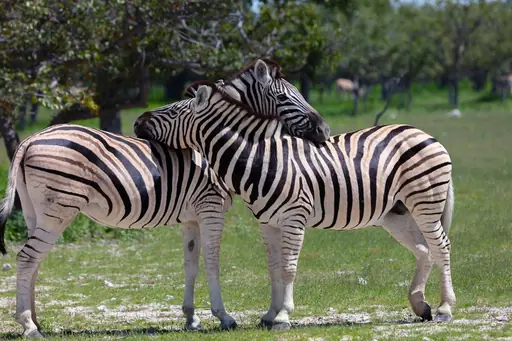
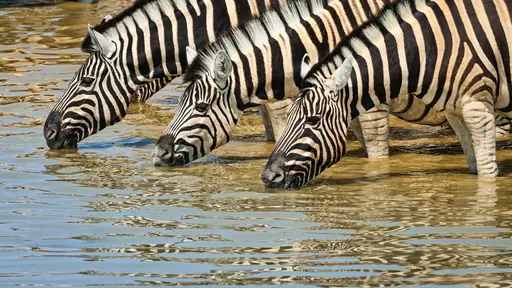
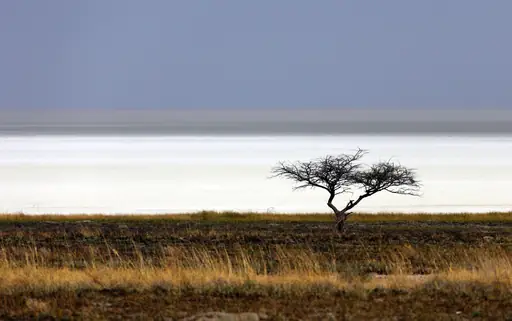
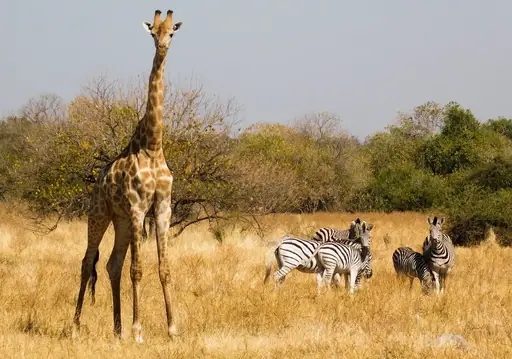
A huge white salt pan spreads across northern Namibia. The park circles its southern edge. Floodlit waterholes at Okaukuejo and Halali show rhinos drinking after dark. Rest camps and lodges have pools. Gravel roads link the waterholes for guests who drive themselves. Springbok and zebra crowd the pans each morning.
National Park in Namibia
Namib-Naukluft National Park
Endless Dunes and Desert Drama
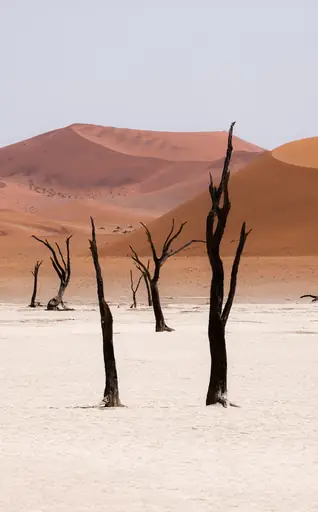
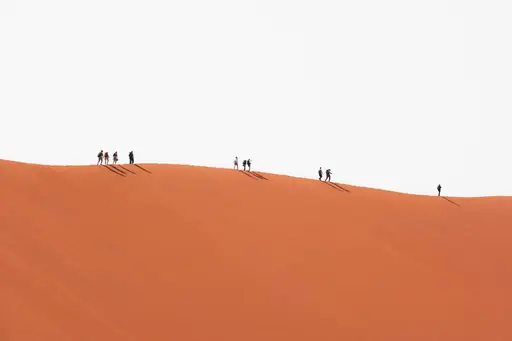
Dune 45 turns orange at dawn. Hikers climb its ridge before the sand gets hot. At Sossusvlei a white clay pan holds dead camelthorn trees at Deadvlei. Lodges near Sesriem have open air decks for stargazing. Oryx walk across the gravel plains nearby. Park gates open at sunrise.
Town in South Africa
Clarens
Art, Adventure and Mountain Calm
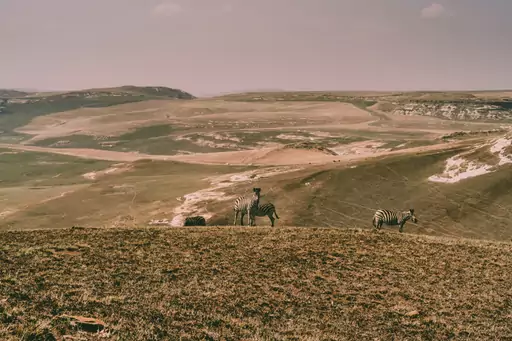
Art galleries and cafes ring the oak shaded square in Clarens, a sandstone village in the Free State. A craft brewery serves beer on a garden terrace. Golden Gate Highlands National Park lies nearby. Cottages and guesthouses sit on quiet streets. Evening light turns the sandstone cliffs gold.
National Park in South Africa
Addo Elephant National Park
Big Five Safari in Malaria-Free Wilds
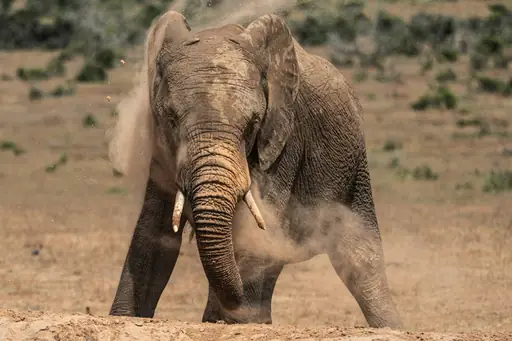
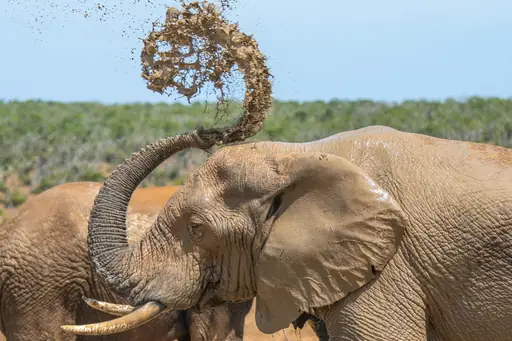
Elephant herds drink at the Hapoor waterhole, which has a covered viewing deck. Gravel roads wind through thicket and grassland near Gqeberha. Guests sleep in camp chalets or on farms along the park edge. Buffalo, lions and black rhinos use the same roads. Zebras graze beside the picnic sites.
Country
Lesotho
Mountain kingdom in the sky
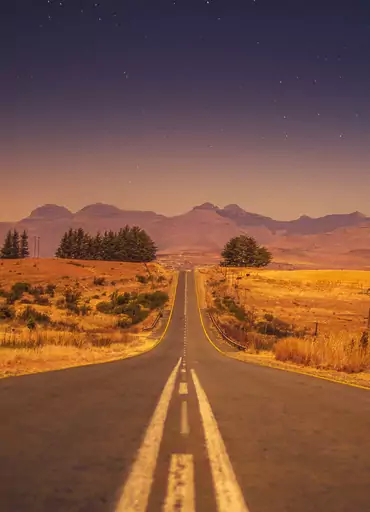
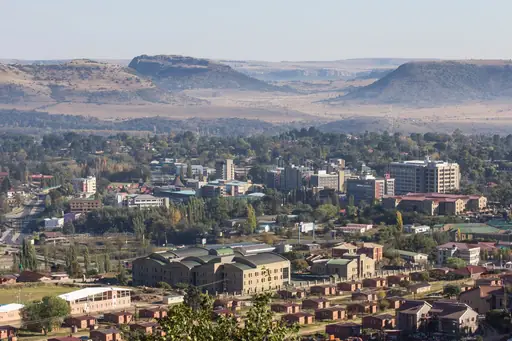
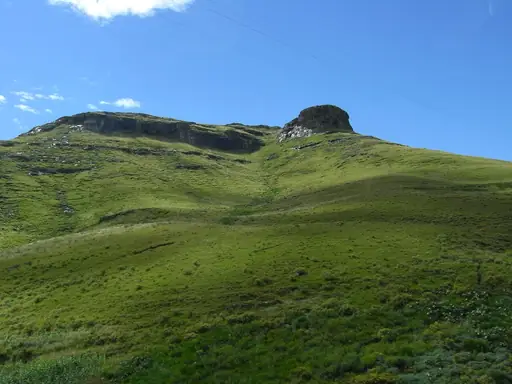
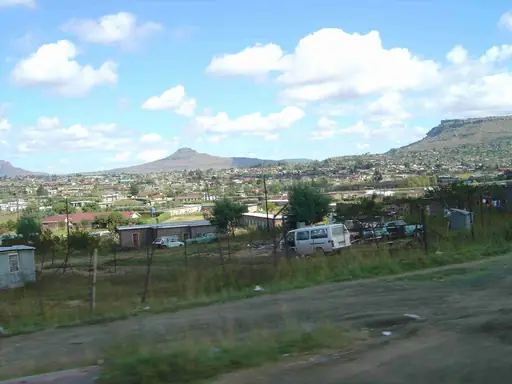
Unlike its neighbours, Lesotho lies entirely above 1,400 metres. Basotho herders ride ponies between stone villages. Pony treks leave from Semonkong. Maletsunyane Falls drops 192 metres near the town. Guesthouses there serve pap, a maize porridge, with stew. Afriski, a ski resort, opens in winter.
Outer Territory in United Kingdom
Saint Helena, Ascension and Tristan da Cunha
Remote volcanic islands with history
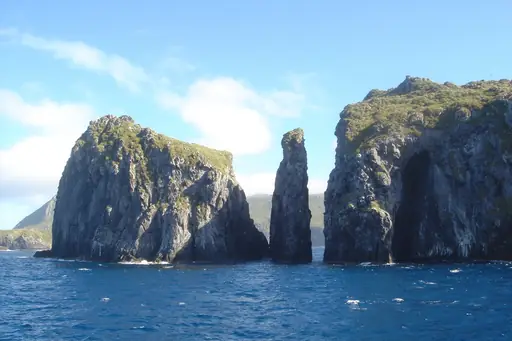
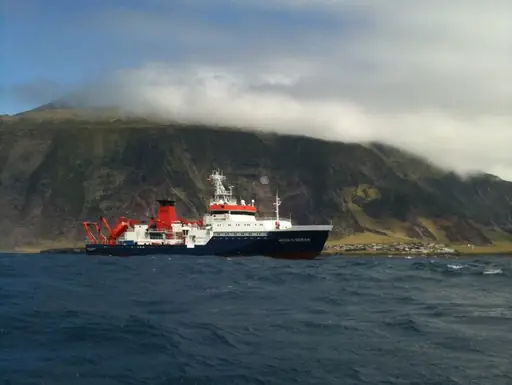
Napoleon spent his last years at Longwood House, which visitors can tour today. Jacob's Ladder climbs 699 steps above Jamestown. Hikers follow clifftop footpaths across the island past small villages. Airlink flies in from Johannesburg. Plantation House has giant tortoises, including Jonathan, born around 1832.
Nature Reserve in Kenya
Maasai Mara National Reserve
Witness the Great Migration
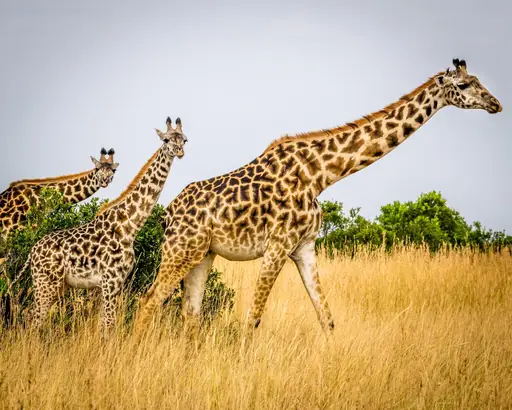
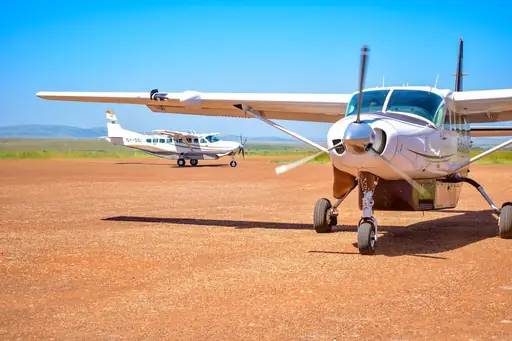
Wildebeest herds cross the Mara River between July and October. Conservancies on the park edge, such as Mara North, limit the number of vehicles. They also allow night drives and bush walks. Tented camps stand beside rivers. Maasai guides lead the walks at dawn. Black rhinos live in the Mara Triangle.

Country
São Tomé and Príncipe
Equatorial paradise with volcanic landscapes
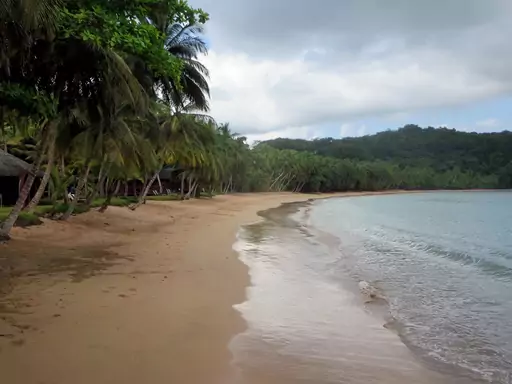
Old cocoa plantations called rocas dot the green hills. Roca Sundy on Principe island is now a guesthouse. Guests walk through cocoa groves and taste chocolate. Pico Cao Grande, a volcanic needle, rises 663 metres above the southern forest. Beaches there are empty of crowds.
Nature Reserve in Tanzania
Ngorongoro Conservation Area
Nature's Untamed Sanctuary
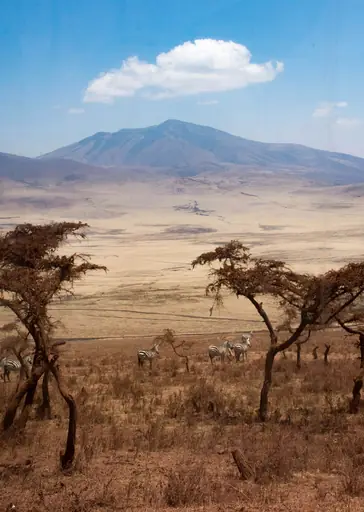
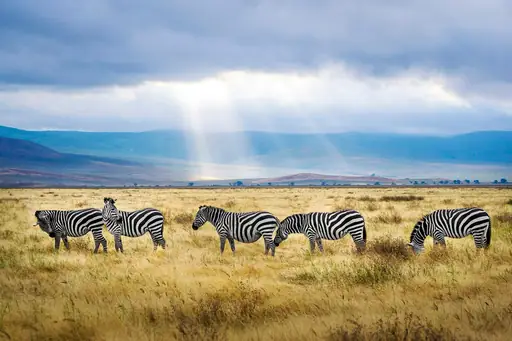
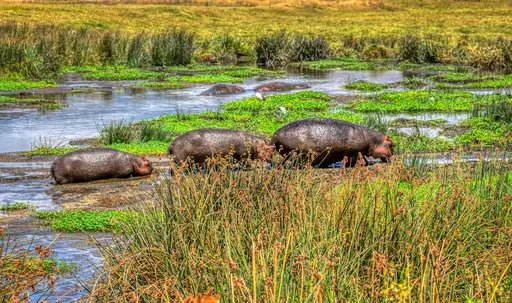
The crater floor sits 600 metres below the rim. A steep road drops down to it. Lodges on the rim serve breakfast with a view into the crater. Maasai herders still graze cattle in the conservation area. Oldupai Gorge, an early human fossil site, lies nearby.
National Park in Tanzania
Serengeti National Park
The Ultimate Safari Adventure
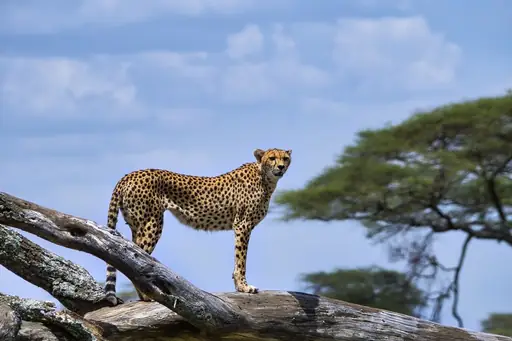
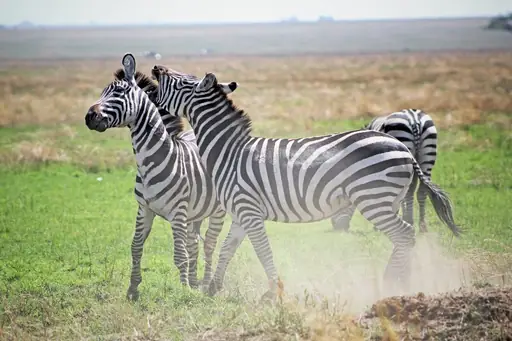
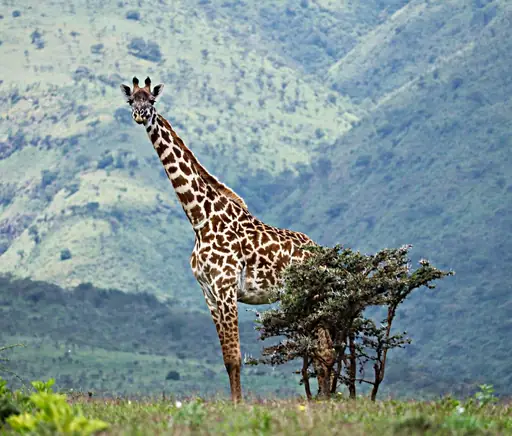
Mobile tented camps move with the wildebeest herds. Guests sleep close to the migration. Hot air balloons lift off at dawn near Seronera. Leopards rest in sausage trees along the Seronera River. Game drives cross open plains and kopjes, which are rock outcrops. Lions rest on the rocks.
National Park in Tanzania
Tarangire National Park
Elephant Paradise with Baobab Backdrops
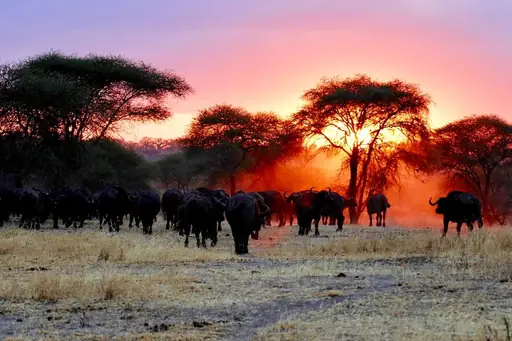
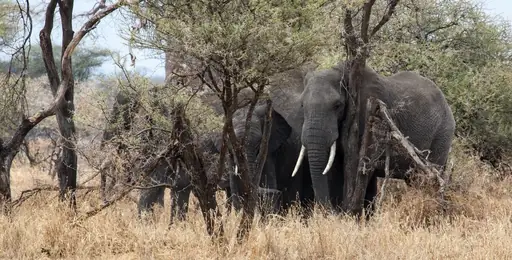
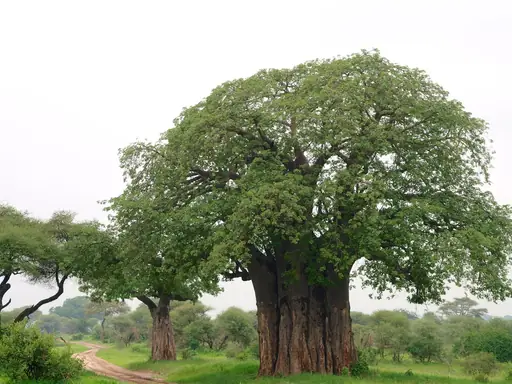
Elephants dig for water in the dry Tarangire riverbed between July and October. Baobab trees tower over the roads. Lodges on the hills above the river have pools. Night drives and guided walks run on the park edge outside the boundary. Pythons climb the trees.
National Park in South Africa
Kruger National Park
Where Africa's Big Five Roam Free
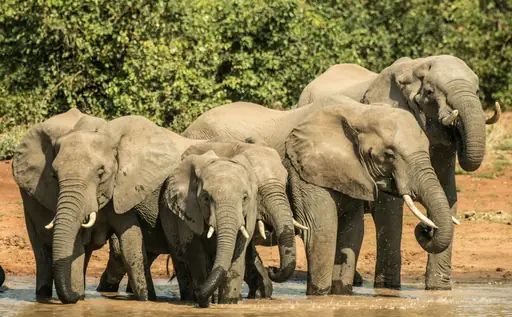
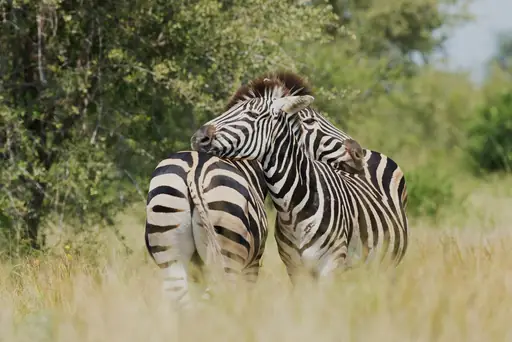
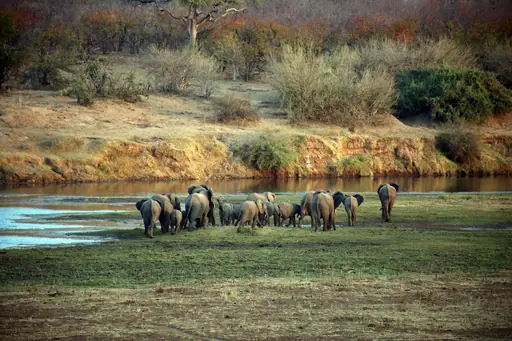
Every rest camp in Kruger has braai pits, where guests grill boerewors, a South African sausage, at sunset. Armed rangers lead bush walks from the camps at dawn. Private reserves along the western edge, such as Sabi Sand, run open vehicle drives. Impalas graze beside the camp fences.
Other lists you may like
Discover
Top rural retreat destinations and countryside getaways
Rural retreat travel is defined by the deliberate removal from urban pace and density, with landscape immersion, slower rhythms and direct engagement with food, nature and local…
Read more
Discover
Best rural retreat destinations in Asia
Rural retreat travel is defined by the deliberate removal from urban pace and density, with landscape immersion, slower rhythms and direct engagement with food, nature and local…
Read more
Discover
Best rural retreat destinations in Europe
Europe's rural landscapes offer some of the most accessible and varied retreat experiences in the world, with working agricultural regions, coastal hinterlands and forested uplands…
Read more
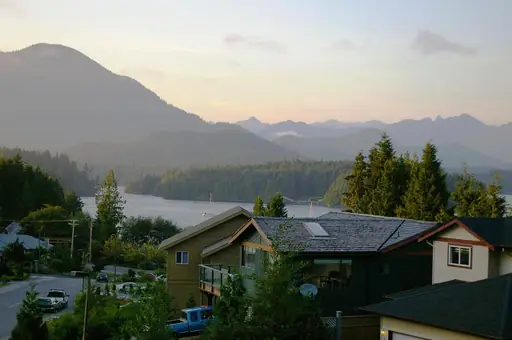
Discover
Best rural retreat destinations in North America
North America's rural retreat offer ranges from the vineyard valleys and coastal farmland of the Pacific coast to the forests and lake districts of the northeast, the ranching…
Read more
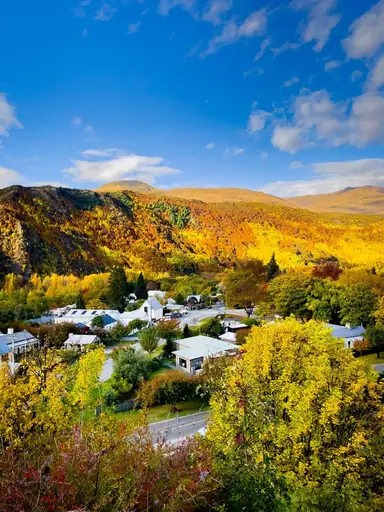
Discover
Best rural retreat destinations in Oceania
Oceania's rural retreat offer is anchored by the agricultural hinterlands, wine regions and coastal farmland of Australia and New Zealand, where a strong tradition of farm stays…
Read more
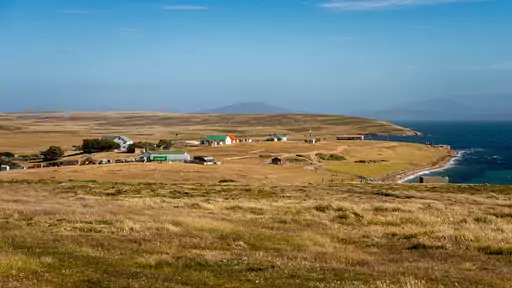
Discover
Best rural retreat destinations in South America
South America's rural retreat offer is shaped by the continent's extraordinary landscape diversity, with Andean valley farmsteads, Patagonian estancias, cloud forest lodges and…
Read more
What other users say about travelfilters
“travelfilters made it easy for me to find ski areas and compare what else they offer, so that I could find the best place for my personal travel style.”

Chris
Snowboarding & Onsen trip to Japan
“I love how transparent the data feels. There is no pushy upsell, just honest information and settings I can tune to my own travel style.”

Maria
After booking her 2027 winter escape
“The level of detail for each destination and how well those are displayed, make planning feel confident instead of overwhelming.”

Mina
Planned a week in New York City
“We used travelfilters for our planning from start to end. The trip turned out even better than expected, thanks to all their tools and customisation options.”

Allan & Etienne
Trip to Japan to see autumn foliage
“Thanks to travelfilters, I found some hidden gems to see. Being able to filter for exactly your interests is a game changer for my travel planning.”

Michael
Tour through the old cities of Northern Italy
“The customizable filters helped me find a quiet beach town with good wifi and low season crowds in under five minutes.”

Diego
Weekend Escape to Llanes, Spain
“The airport connection map saved me hours by showing good flight options from my home airport to lesser-known cities.”

Nguyen
Planning a 2027 trip to France
“The website is clean, fast and focused on the search itself, which makes travelfilters feel more like a professional tool than an ad-heavy booking site.”

Hassan
Christmas Market trip, Germany
