


Back to grid

Top stargazing destinations and dark sky reserves

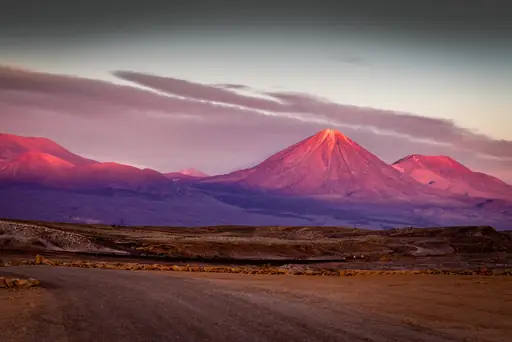
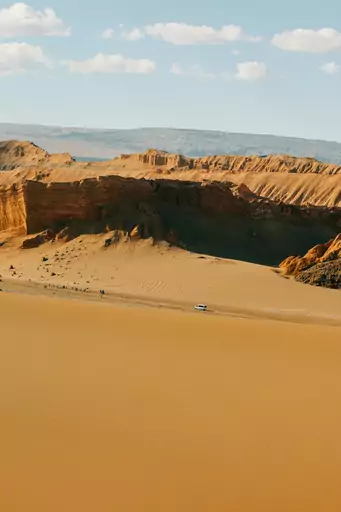
San Pedro de Atacama
Mars-like Landscapes and Starry Nights
7.5
This small desert town serves as the main base for visiting nearby astronomical observatories. Tour operators run nightly stargazing trips into the surrounding high desert. Extremely low humidity and high elevation combine for unusually clear skies. Visitors can also join day tours to the nearby Valle de la Luna before evening viewing.
Highlights:
  • 🌕 Explore the otherworldly landscapes of Valle de la Luna
  • 🧂 Float effortlessly in the salt-rich Laguna Cejar
  • 🌅 Witness sunrise at the geysers of El Tatio
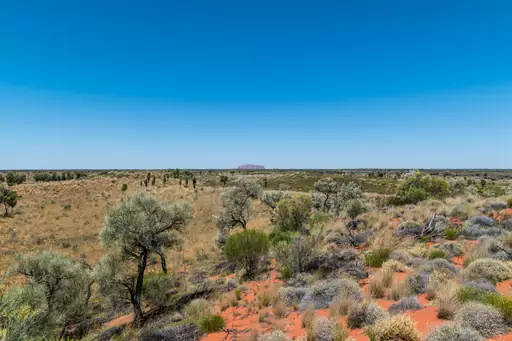
Uluṟu-Kata Tjuṯa National Park
Sacred Red Rock and Majestic Domes
8.4
Anangu traditional owners have used the night sky here for navigation and storytelling for generations. An art installation called Field of Light covers nearby desert with thousands of glowing stems. Visitors can walk through the display before looking up at the stars above it. Remote outback terrain keeps artificial light close to zero for miles.
Highlights:
  • 🌅 Experience Uluru’s mesmerizing sunset color changes
  • 🥾 Hike the Valley of the Winds trail at Kata Tjuta
  • 🪨 Walk the base trail around the sacred Uluru rock
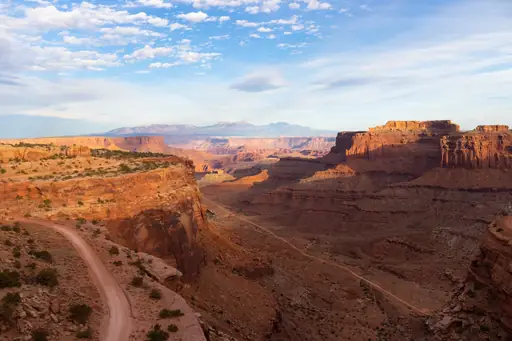
Canyonlands National Park
Epic Canyons and Untamed Wilderness
8.3
This is a certified International Dark Sky Park covering red rock mesas and canyons. The Island in the Sky district offers wide, unobstructed views of the night sky. Visitors can see thousands of stars from overlooks with no city lights nearby. Rangers occasionally run telescope programmes near the visitor centre after dark.
Highlights:
  • 🥾 Hike the easy trail to Grand View Point overlook
  • 🚗 Drive scenic Grand View Point Road and stops
  • 🌅 Watch sunrise at Mesa Arch for breathtaking views
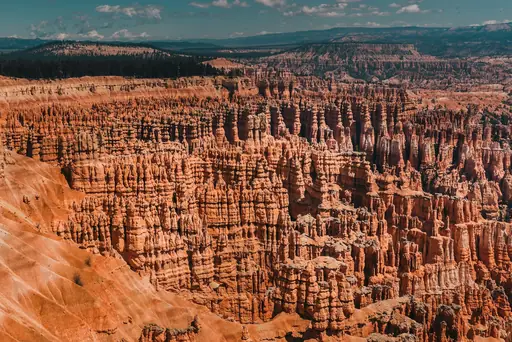
Bryce Canyon National Park
Hoodoo Wonderland and Starry Nights
8.2
This park hosts an annual astronomy festival with telescopes set up among the hoodoos. Rangers run nightly sky programmes using the park's own observatory equipment. Stargazers can see thousands of stars from viewpoints along the canyon rim. High elevation and dry desert air both help keep the skies unusually clear.
Highlights:
  • 🧱 Explore Bryce Amphitheater for stunning rock formations
  • 🌅 Watch sunrise from inspiring viewpoints at Inspiration Point
  • 🥾 Hike the iconic Navajo Loop Trail among hoodoos
Rocky Mountain National Park
Majestic Peaks and Untamed Wilderness
8.7
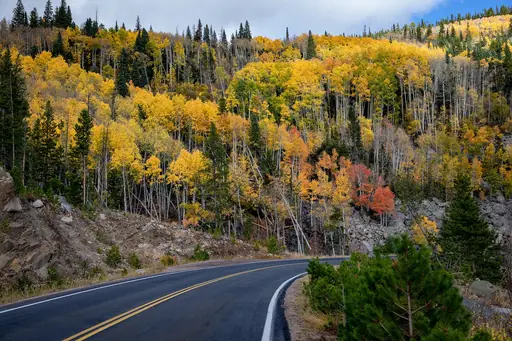
This is a certified International Dark Sky Park within driving distance of Denver. Trail Ridge Road climbs above 12,000 feet, putting visitors well above lower valley haze. Rangers run seasonal night sky programmes from several trailheads inside the park. The Milky Way is often visible directly above the Continental Divide.
Highlights:
  • 💧 Explore Alberta Falls, a short and beautiful hiking route
  • 🏞️ Climb to Sky Pond for dramatic mountain and waterfall views
  • 🥾 Hike to Emerald Lake via scenic Bear Lake Trail
Swakopmund
Coastal charm meets desert horizons
8.9
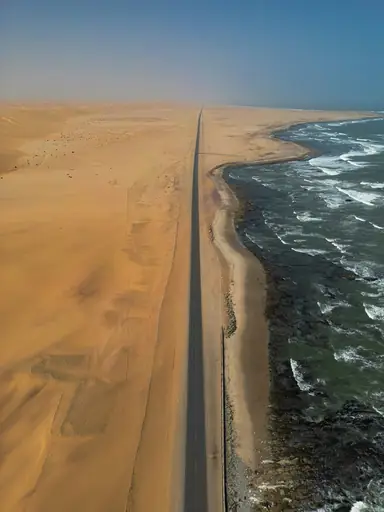
This coastal Namibian town sits at the edge of the Namib Desert, past the dune line. Ocean fog rolls in most mornings but often clears by nightfall for open skies. Tour operators run evening trips into the dunes specifically for stargazing. The Milky Way is visible above the sand with the Atlantic nearby.
Highlights:
  • 🤿 Scuba dive among vibrant coral reefs
  • 🐪 Ride camel across the white dunes
  • 🏖️ Sail on the Atlantic coast at sunset
Gunung Leuser National Park
Breathtaking peaks and ancient rainforests
8.5
Dense rainforest here sits far from any major town or source of artificial light. Clearings along rivers give rare open views up through the forest canopy. Orangutans and other wildlife share the same remote terrain that keeps skies dark. Guides sometimes lead short night walks that end at a clearing for stargazing.
Highlights:
  • 🚣‍♂️ Kayak through limestone karst caves along rivers
  • 🐒 Spot orangutans in their natural rainforest habitat
  • 🌄 Hike to the summit of Gunung Leuser for sunrise
Lake Tekapo
The Glacial Gem of the South Island
8.6
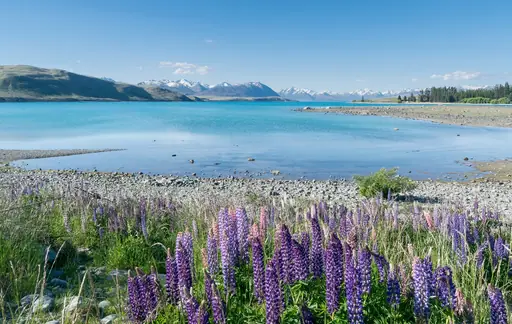
The small Church of the Good Shepherd here is a popular foreground for Milky Way photography. Fields of lupins bloom nearby each summer, adding colour to daytime visits. This town sits within the Aoraki Mackenzie International Dark Sky Reserve. Local tour operators run guided stargazing sessions most clear nights of the year.
Highlights:
  • ♨️ Relax and soak in the Tekapo Springs hot pools
  • 🌌 Stargaze in the Aoraki Mackenzie Dark Sky Reserve
  • ⛪ Visit the iconic Church of the Good Shepherd
La Palma
Volcanic beauty under starry skies
8.5
The Roque de los Muchachos Observatory sits atop this island at nearly 2,400 metres. It houses some of the world's most advanced telescopes, drawn by exceptionally stable air. The island was recognised as the world's first Starlight Reserve for its protected night skies. Visitors can join guided tours of the observatory grounds during the day.
Highlights:
  • 🔭 Visit Roque de los Muchachos Observatory for starry nights
  • 🏞️ Explore Caldera de Taburiente National Park’s rugged beauty
  • 🌋 Hike the Volcano Route with breathtaking lava landscapes
Nevada
Desert Adventures and Neon Nights
7.6
Massacre Rim in northern Nevada has measured some of the darkest skies recorded in the country. Several other sites across the state hold International Dark Sky Park status. Wide open basins with almost no towns keep light pollution unusually low. The Milky Way is visible without any equipment from many rural pull-offs.
Highlights:
  • 🏜️ Hike among red rocks in Valley of Fire State Park
  • 🌉 See the Hoover Dam and Lake Mead from above
  • 🌃 Walk the vibrant Las Vegas Strip at night
Boundary Waters Canoe Area Wilderness
Pristine lakes, untouched wilderness paradise
8.4
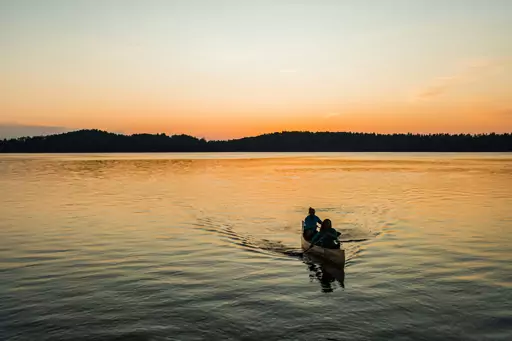
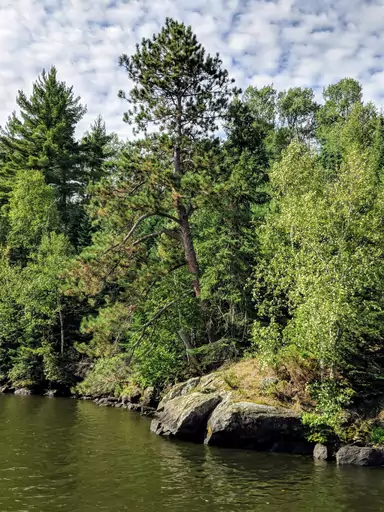
Over a million acres of lakes and forest here sit far from any major light pollution. Calm nights often let paddlers see the Milky Way reflected on still lake water. Canoe trips are timed around new moons for the darkest possible skies. Northern lights are sometimes visible from campsites during solar activity.
Highlights:
  • 💧 Discover waterfalls like Devil’s Cascade and Johnson Falls
  • 🥾 Hike to Eagle Mountain, Minnesota’s highest point
  • 🛶 Go on an overnight canoe camping trip through lakes
Wadi Rum
Valley of the moon's timeless magic
8.1
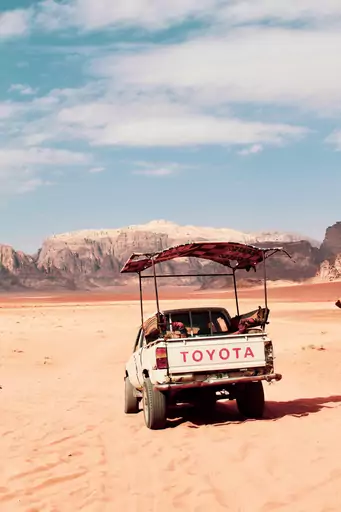
This desert valley is known for some of the darkest measured skies in the Middle East. Bedouin camps set up for overnight stays let guests watch the stars from open-air beds. Sandstone formations rise as dark shapes once the sun goes down. Its terrain has drawn film crews shooting scenes set on other planets.
Highlights:
  • 🏕️ Spend a night in a traditional Bedouin desert camp
  • 🏂 Sandboard down giant red sand dunes for adrenaline rush
  • 🚙 Take a thrilling 4x4 jeep tour through vast desert landscapes
Kerry International Dark Sky Reserve
Starlit horizons over Ireland’s rugged coast
8.9
This is one of only a small number of Gold Tier Dark Sky Reserves in the world. Rural terrain on Ireland's southwest coast keeps light pollution unusually low. Visitors can see the Milky Way from beaches and hillsides across the reserve. Local astronomy clubs run public viewing evenings at several sites throughout the year.
Highlights:
  • 🍃 Explore Killarney National Park's emerald lakes
  • 🏞️ Hike the dramatic cliffs of Skellig Michael
  • 🌌 Stargaze at the International Dark Sky Reserve
Great Basin National Park
Ancient trees, caves and starry skies
7.8
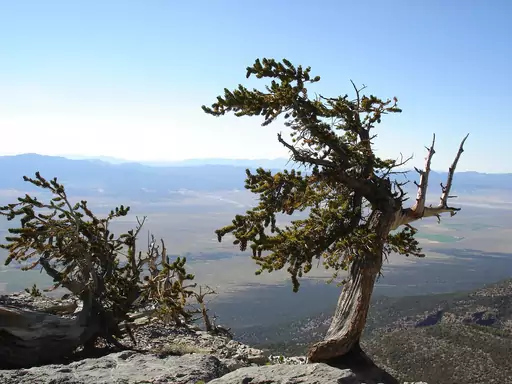
This is one of the least visited parks in the country, which helps keep its skies dark. An annual astronomy festival brings telescopes and guest speakers each September. Ancient bristlecone pines on nearby slopes make for striking foreground shapes under the stars. The park also protects Lehman Caves, a separate draw for daytime visitors.
Highlights:
  • 🌌 Stargaze under one of America’s darkest skies
  • 🕳️ Explore the stunning Lehman Caves with a guided tour
  • 🥾 Hike to the summit of Wheeler Peak
Mont-Mégantic National Park
Majestic peaks and crystal alpine lakes
8.9
This park was designated the world's first International Dark Sky Reserve in 2007. An observatory on the summit is open to the public for guided viewing sessions. Surrounding towns have adopted lighting rules specifically to protect the reserve's night sky. Visitors can see the Milky Way clearly from trails near the summit on clear nights.
Highlights:
  • ⛺ Camp under starlit skies near the Lake Saint-Jean
  • 🚴‍♂️ Explore the park’s alpine meadows by bike
  • 🏔️ Hike to the summit of Mount Jacques-Cartier
Elqui Valley
Stargazing paradise amid Andes' quiet charm
8.8
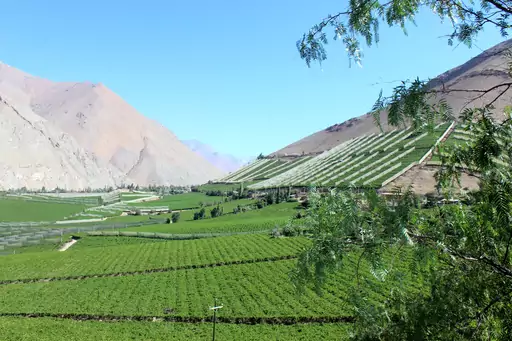
Several public and research observatories operate in this valley, drawn by its unusually clear skies. Small towns like Pisco Elqui run nightly stargazing tours for visitors. Vineyards line the valley floor by day, giving way to open sky viewing after dark. Mamalluca Observatory, one of the most visited, offers sessions using research-grade telescopes.
Highlights:
  • 🏞️ Hike to Elqui Canyon for breathtaking desert vistas
  • 🍹 Tour a local pisco distillery in Vicuña and sample aged varieties
  • 🌌 Visit the Antofagasta Observatory and stargaze under pristine skies
Raja Ampat
Vibrant coral reefs and lush tropical islands
8.9
This remote Indonesian archipelago sits far from any large city and its light pollution. Small liveaboard boats anchor overnight in quiet bays with almost no artificial light nearby. Guests can often see the Milky Way clearly from the deck after the sun sets. Southern hemisphere stars are visible here that many northern travellers rarely see.
Highlights:
  • 🌋 Explore Tofua volcano crater for panoramic sea views
  • 🚤 Kayak through crystal lagoons surrounding the hidden islands
  • 🐠 Snorkel at Manta Point, witness majestic manta rays
Grand Canyon National Park
Epic Vistas, Timeless Adventure
8.1
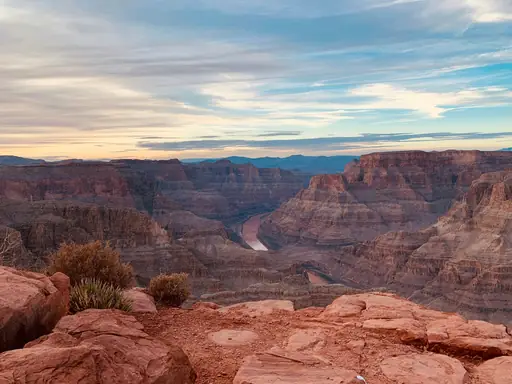
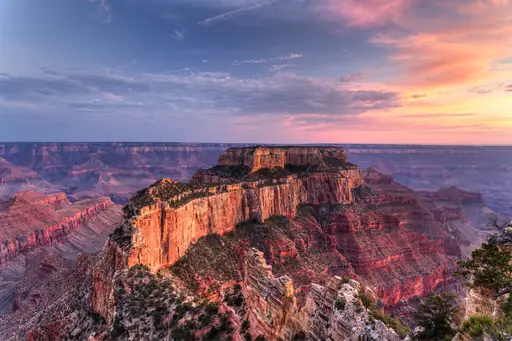
This is a certified International Dark Sky Park covering one of the country's most visited sites. Rangers run seasonal night sky programmes from viewpoints along the South Rim. The canyon's vast open space gives an unusually wide view of the sky. Visitors can often see the Milky Way stretch directly over the far rim.
Highlights:
  • 🏘️ Explore the historic Grand Canyon Village and lodges
  • 🌅 Enjoy sunrise views at Mather Point overlook
  • 🥾 Hike the iconic Bright Angel Trail into the canyon
Death Valley National Park
Otherworldly Extremes and Silent Beauty
6.4
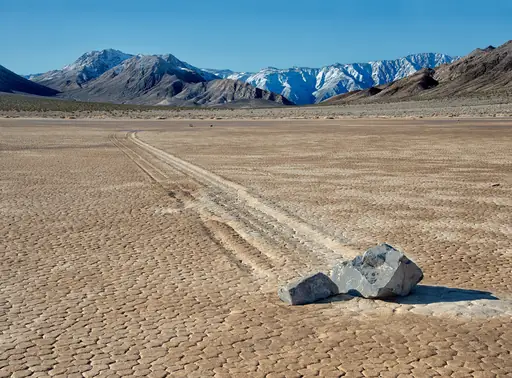
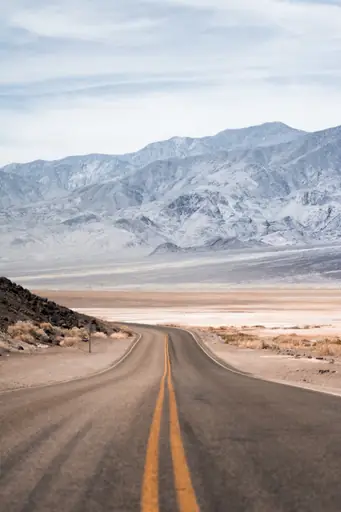
This is one of the largest Gold-tier International Dark Sky Parks in the country. Its extremely low elevation and dry air combine to create unusually sharp star visibility. Badwater Basin, the lowest point in North America, is a popular spot for night photography. Rangers run seasonal astronomy programmes near the park's main visitor areas.
Highlights:
  • 🎨 Explore colorful rock formations at Artists Palette
  • 🦶 Walk across the vast salt flats of Badwater Basin
  • 🌅 Watch sunrise from panoramic Zabriskie Point
Arches National Park
A Desert Wonderland of Stone Arches
8.2
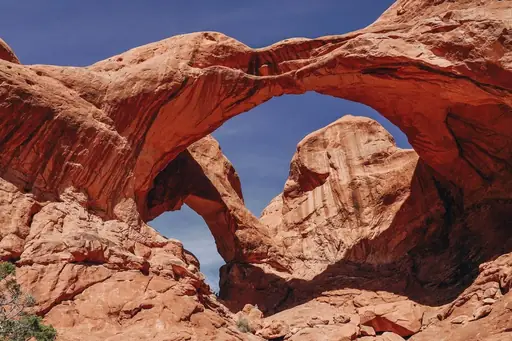
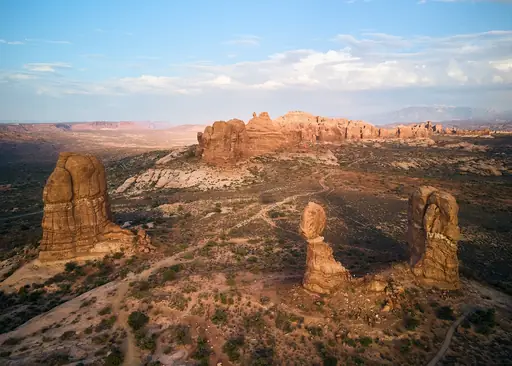
This is a certified International Dark Sky Park in the Utah desert. Sandstone arches stand out as black silhouettes against a sky thick with stars. Rangers run astronomy programmes where visitors can look through telescopes near the formations. Delicate Arch is a popular spot for photographers shooting the Milky Way at night.
Highlights:
  • 🌉 Visit Double Arch and climb beneath its massive spans
  • 🥾 Explore Devils Garden Trail with multiple arches
  • 🧗‍♂️ Hike to Delicate Arch, the park’s iconic symbol
Þingvellir National Park
Where History Meets Nature’s Power
7.9
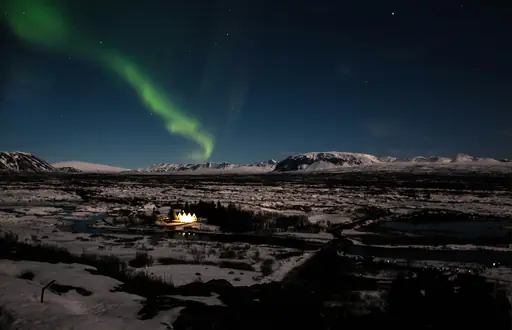
This rift valley park is a certified Dark Sky Park within reach of Reykjavik. Its location along the tectonic boundary gives wide open views with little obstruction. Visitors sometimes catch the northern lights dancing above the fissures in winter. The Milky Way is visible here on clear nights away from the capital's glow.
Highlights:
  • 🤿 Snorkel or dive in the crystal-clear Silfra fissure
  • 💧 Visit Öxarárfoss waterfall in the Almannagjá gorge
  • 🌍 Walk through the rift valley between tectonic plates
Jasper National Park
Untamed Wilderness and Starry Skies
8.8
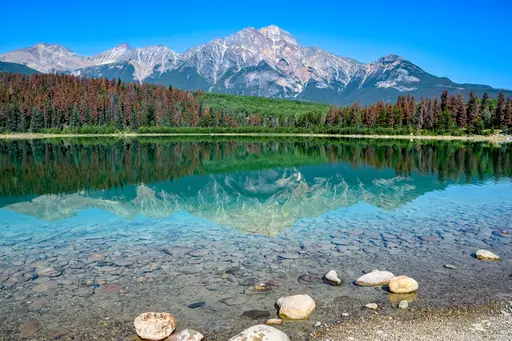
This park anchors one of the largest dark sky preserves on the planet, covering over 11,000 square kilometres. An annual Dark Sky Festival brings astronomers and telescope viewing sessions each October. Visitors can see the Milky Way clearly from viewpoints like Pyramid Lake. Occasional aurora displays are visible here during periods of strong solar activity.
Highlights:
  • 🧊 Walk on the Athabasca Glacier with a guided tour
  • 🐻 Spot elk, moose, and bears along Icefields Parkway
  • 🛶 Cruise Maligne Lake and marvel at Spirit Island
Moab
Red rock canyons echo adventure seekers' dreams
9.1
This town has been recognised as an International Dark Sky Community for its lighting policies. It sits between Arches and Canyonlands, both certified Dark Sky Parks themselves. Visitors can see the La Sal Mountains silhouetted against a star-filled sky. Local outfitters run night photography tours out into the surrounding red rock desert.
Highlights:
  • 🚴‍♂️ Bike the Slickrock Trail through rugged desert terrain
  • 🗿 Explore Arches National Park's iconic rock formations
  • 🏜️ Climb Delicate Arch at sunrise for breathtaking views
Namib-Naukluft National Park
Endless Dunes and Desert Drama
8.2
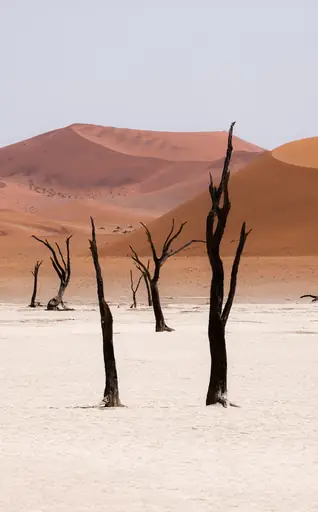
This is one of the largest protected desert areas in Africa, covering nearly 50,000 square kilometres. Its sheer size keeps most of the park far from any source of light pollution. Sossusvlei's dunes sit within its borders, drawing visitors who stay through sunset for the stars. Clear desert air here rarely interferes with visibility.
Highlights:
  • 🧗 Hike Sesriem Canyon’s narrow rock walls and riverbed
  • 🌵 Explore the eerie Dead Vlei clay pan and ancient trees
  • 🌅 Climb Big Daddy dune for sunrise and desert views
Enchanted Rock State Natural Area
Massive pink granite batholith wonder
6.6
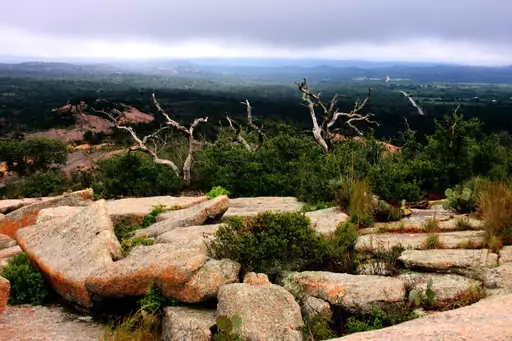
This granite dome rises above the Texas Hill Country, a region known for dark, rural skies. Hikers who climb to the summit get an open, unobstructed view in every direction. The park runs scheduled star parties with astronomy clubs several times a year. Nearby Fredericksburg has adopted lighting rules to help protect the dark skies.
Highlights:
  • 🕳️ Discover the mysterious Enchanted Rock Cave interior
  • 🥾 Explore nearly 11 miles of scenic hiking trails
  • ⛰️ Climb the massive pink granite dome for panoramic views
Big Bend National Park
Majestic canyons, star‑filled desert skies
8.6
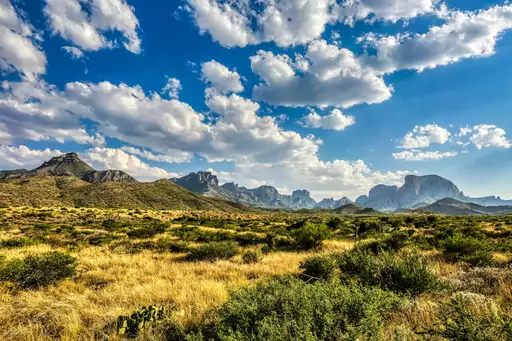
This park has some of the darkest measured night skies in the lower 48 states. The Milky Way is often visible to the naked eye without any special equipment. Rangers lead night sky programmes from an amphitheatre near the Chisos Basin. Remote desert terrain and few nearby towns keep light pollution to a minimum.
Highlights:
  • 🦴 Explore Fossil Creek Trail, find ancient fossils
  • 🏕️ Camp under starlit sky in South Rim Campground
  • 🏞️ Hike to Santa Rita Overlook for sunset views
Voyageurs National Park
Watery wilderness of northern Minnesota
8.0
This park has been certified as an International Dark Sky Park along the Minnesota border with Canada. Its network of lakes can reflect both stars and the aurora on calm nights. Visitors often paddle out by canoe to open water for unobstructed views. Autumn and winter bring stronger odds of catching the northern lights here.
Highlights:
  • 🛶 Paddle a canoe through the peaceful waterways and explore wildlife
  • 🌌 Witness the breathtaking northern lights over pristine lakes
  • 🚣‍♂️ Explore hidden islands by boat and camp overnight
Waterton Glacier International Peace Park
Where two nations preserve wilderness
8.9
This was recognised as an early international Dark Sky Park, spanning the Montana-Alberta border. Its remote mountain terrain keeps light pollution low on both sides of the boundary. Visitors can see the Milky Way from viewpoints near Waterton Lake or deeper in Glacier's backcountry. Rangers on both sides occasionally run joint night sky programmes.
Highlights:
  • 🛶 Canoe or kayak on serene Waterton Lake
  • 🚗 Drive the scenic Red Rock Canyon Road
  • 🥾 Hike the challenging Crypt Lake Trail with stunning views
Iriomote-Ishigaki National Park
Coral lagoon, mangroves and Iriomote jungle
9.1
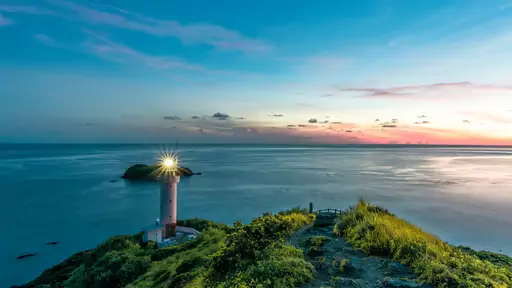
This park holds Japan's first certified Dark Sky Park, covering a cluster of subtropical islands. Dense jungle and low development keep artificial light unusually rare here. Visitors can see the Southern Cross from beaches on the park's southern islands. Guided night tours sometimes combine stargazing with searches for nesting sea turtles.
Highlights:
  • 🏔️ Hike through the jungle to Pinaisara Falls
  • 🛶 Kayak up the mangrove-lined Urauchi River on Iriomote
  • 🤿 Snorkel at Iriomote's crystal clear mangrove lagoons
Lapland
Northern lights and midnight sun
8.9
Polar night here means the sun stays below the horizon for weeks at a time in winter. This extended darkness gives extra hours each day for viewing the aurora borealis. Visitors often stay in glass-roofed cabins built specifically for watching the sky from bed. Clear, cold nights tend to bring the strongest displays of colour.
Highlights:
  • 🦌 Experience a traditional reindeer sleigh ride safari
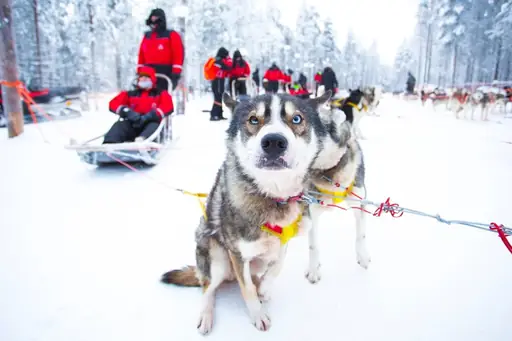
  • 🐕 Go on a husky sledding adventure through snowy forests
  • 🌌 Chase the Northern Lights on clear Arctic nights
Zanskar
Hidden Himalayan Buddhist wilderness frontier
7.8
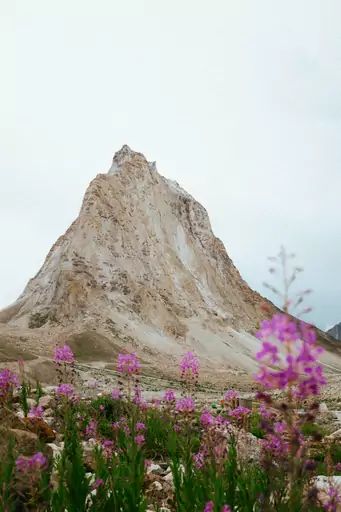
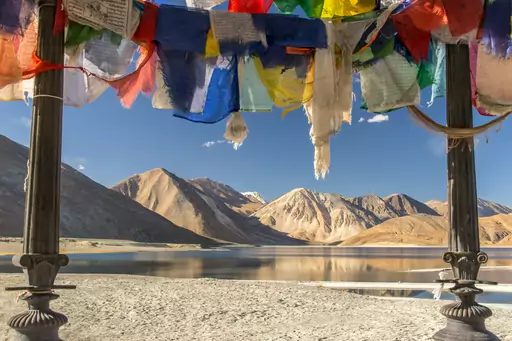
This remote Himalayan region sits within reach of Hanle, home to one of India's highest observatories. Villages here have little to no electric lighting after dark. High altitude and thin air both help make the stars appear unusually sharp. Trekkers passing through often step outside their camps for open views of the Milky Way.
Highlights:
  • 🗻 Explore the stunning Drang Drung Glacier up close
  • 🕉️ Visit the ancient cave monastery at Phugtal Gompa
  • ❄️ Trek the famous Chadar frozen river trail in winter
Ningaloo Coast
Australia's Accessible Underwater Wonderland
9.1
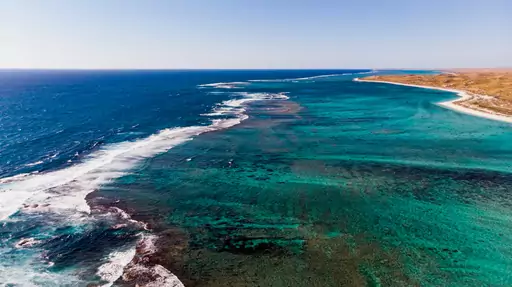
This remote stretch of Western Australian coastline sits far from any major city. Wide open beaches with almost no development give clear views of the sky after dark. Visitors sometimes combine daytime whale shark tours with stargazing back on land at night. The Milky Way is often visible directly above the water on clear nights.
Highlights:
  • 🏞️ Explore Cape Range National Park’s rugged gorges
  • 🤿 Snorkel vibrant coral reefs from sandy beaches
  • 🦈 Swim with gentle whale sharks off the coast
Namaqualand
Vibrant desert landscapes and wildlife wonders
8.9
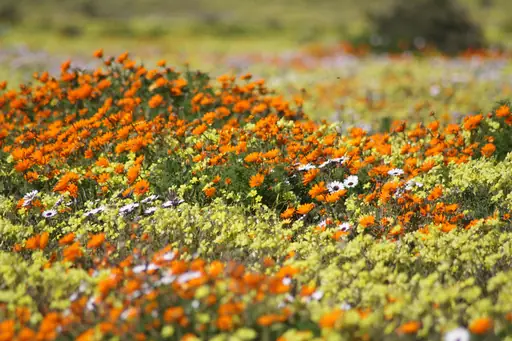
This remote region of South Africa sits far from major cities and their light pollution. Wildflower blooms draw crowds here each spring, but skies stay dark and clear year round. Farmland and semi-desert terrain give wide, open views after sunset. The Milky Way is often visible directly above the region's low hills.
Highlights:
  • ✨ Stargaze from Sossusvlei's clear night skies
  • 🌅 Witness the midnight sun over Namib Desert dunes
  • 🦁 Explore Etosha National Park's wildlife on guided safari
Arizona
Desert Wonders and Scenic Adventures
7.5
Flagstaff became the world's first International Dark Sky City in 2001, protecting nearby observatories. Lowell Observatory, where Pluto was discovered in 1930, still operates public viewing nights there. Several other Arizona towns have since adopted similar lighting ordinances. Clear desert air across the state makes for some of the sharpest stargazing in the country.
Highlights:
  • 🧭 Hike through the striking Antelope Canyon slot formations
  • 🌅 Watch the sunrise over Monument Valley’s red rock mesas
  • 🏞️ Marvel at the Grand Canyon’s breathtaking rim views
New Mexico
Land of Enchantment’s Rich Heritage
7.7
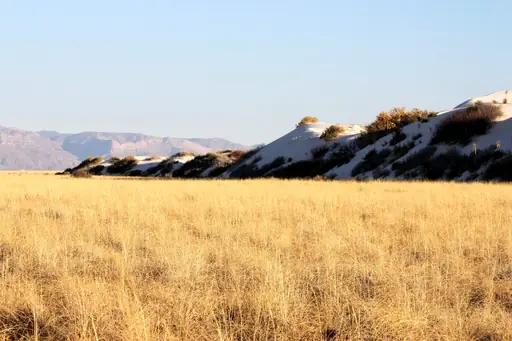
The Very Large Array radio telescope sits on a remote plain in the state's western desert. Its 27 dish antennas were placed here partly for the area's minimal light pollution. Several New Mexico towns have adopted dark sky lighting ordinances. Clear, dry air across much of the state keeps stargazing conditions sharp.
Highlights:
  • ♨️ Soak in natural hot springs at Truth or Consequences
  • 🏘️ Visit historic Taos Pueblo, a living Native American village
  • 🏜️ Explore the surreal dunes of White Sands National Park
Easter Island
Mysterious Moai and Volcanic Landscapes
8.1
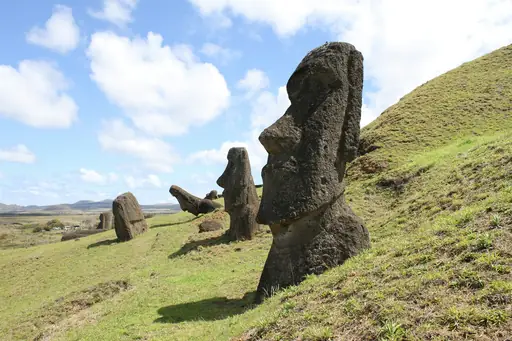
This remote Pacific island sits over 2,000 miles from the nearest major landmass. Ocean horizons on all sides remove almost any source of artificial light. The moai statues stand as dark silhouettes against a sky thick with stars. Clear, unpolluted air here makes for some of the sharpest stargazing in the Pacific.
Highlights:
  • ⛏️ Explore the Rano Raraku volcanic quarry of moai
  • 🏖️ Relax on the white sands of Anakena Beach
  • 🗿 Visit the massive moai statues at Ahu Tongariki
Etosha National Park
Namibia's Wildlife Sanctuary
7.7
A vast white salt pan here reflects starlight across the flat Namibian landscape. Wildlife often gathers at waterholes after dark, visible under a sky full of stars. Remote camps inside the park keep artificial light to a minimum. The Southern Cross and Milky Way are both easily seen on clear nights.
Highlights:
  • 🌅 Drive the Etosha Pan’s vast salt flats at sunrise
  • 🦁 Join a guided safari to spot lions and rhinos
  • 🐘 Watch elephants gathering at the Okaukuejo waterhole
Longyearbyen
The Edge of the Arctic Wild
7.3
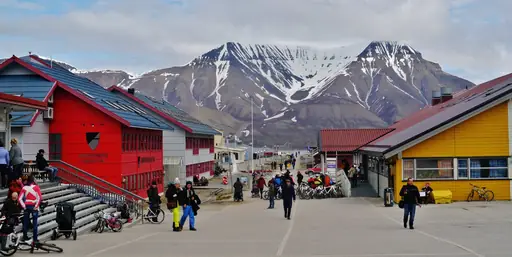
This Arctic town experiences polar night, when the sun stays below the horizon for months. That extended darkness gives extra hours each day for viewing the aurora borealis. Locals and visitors alike watch for the lights from town or on guided snowmobile trips. Clear, cold nights tend to bring the strongest and most colourful displays.
Highlights:
  • 🐻‍❄️ See polar bears safely with expert guides
  • ⛏️ Explore Gruve 3 coal mine on a guided tour
  • 🧊 Visit the Svalbard Museum for Arctic history
Denali National Park
Wild Alaska’s peaks and wildlife
8.8
Six million acres of wilderness here keep light pollution close to zero. Autumn and winter visitors have a chance to see the northern lights above the park's peaks. Denali itself, the tallest mountain in North America, often appears silhouetted against a starlit sky. Clear nights can reveal the Milky Way stretching directly over the mountain.
Highlights:
  • 🛩️ Take a flightseeing tour above Denali’s snowy peak
  • 🥾 Hike the Savage River Trail for rugged alpine views
  • 🐻 Spot grizzly bears and moose in their wild habitat
Teide National Park
Mars-Like Landscapes and Epic Views
8.0
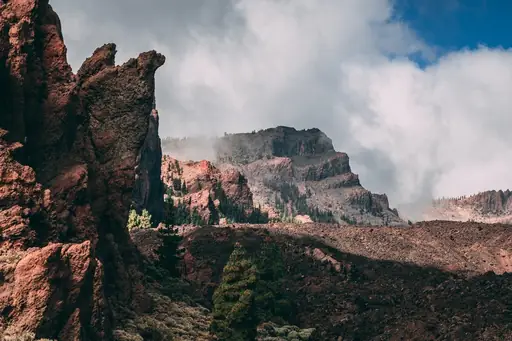
The Teide Observatory sits within this park at over 2,300 metres, run by Spain's astrophysics institute. Its location above the clouds gives researchers exceptionally stable viewing conditions. Visitors can join scheduled night tours that include time at research telescopes. Mount Teide's dark volcanic slopes provide a dramatic foreground for photographs of the sky.
Highlights:
  • 🌋 Explore lunar-like landscapes and volcanic craters on hiking trails
  • 🌅 Watch the sunrise above the clouds from Spain’s highest peak
  • 🚠 Take the cable car to Mount Teide’s summit for breathtaking views
Sedona
Red Rocks, Vortexes and Starry Skies
7.5
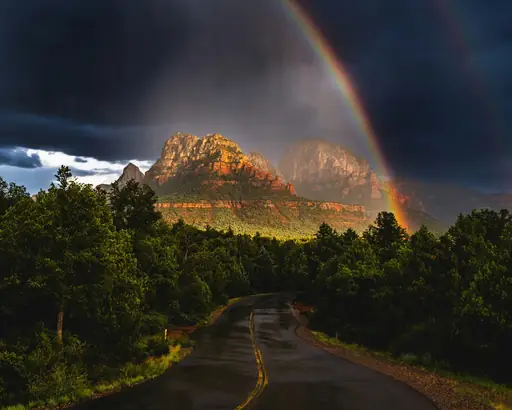
Sedona has been recognised as an International Dark Sky Community for its lighting standards. Red rock formations like Cathedral Rock stand out as dark silhouettes once the sun sets. Local outfitters run guided stargazing tours using telescopes set up among the buttes. The Milky Way is often visible directly above the formations on clear nights.
Highlights:
  • 🚙 Take a scenic jeep tour through rugged canyons
  • 🌅 Experience sunrise at Airport Mesa vortex viewpoint
  • 🏜️ Hike to Cathedral Rock for breathtaking red rock views
Mount Cook National Park
New Zealand’s alpine wonderland
8.8
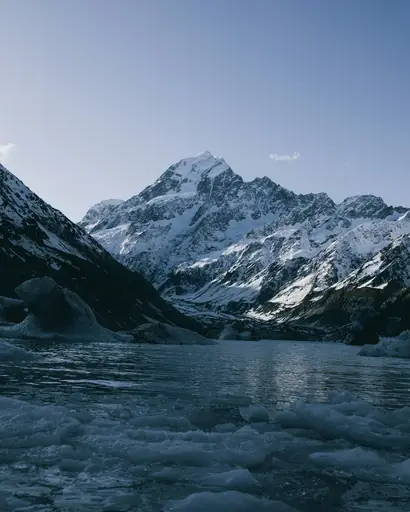
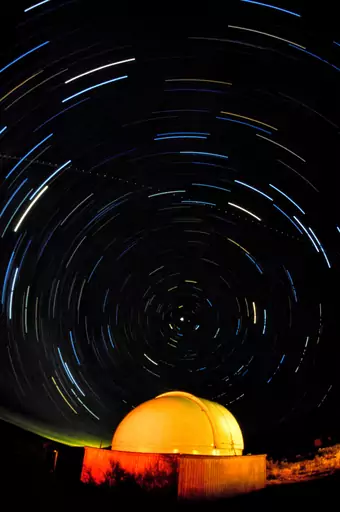
This park anchors the Aoraki Mackenzie International Dark Sky Reserve, one of the largest in the world. The Mount John Observatory sits nearby at over 1,000 metres, run by the University of Canterbury. Visitors can join guided sessions using research-grade telescopes after dark. Aoraki, New Zealand's tallest peak, rises above the reserve's clearest viewing points.
Highlights:
  • 🛶 Kayak on Tasman Lake near the majestic Tasman Glacier
  • 🚁 Take a scenic helicopter ride above Mount Cook
  • 🥾 Hike the stunning Hooker Valley Track for glacier views
Fiordland National Park
New Zealand’s Wildest Water World
8.7
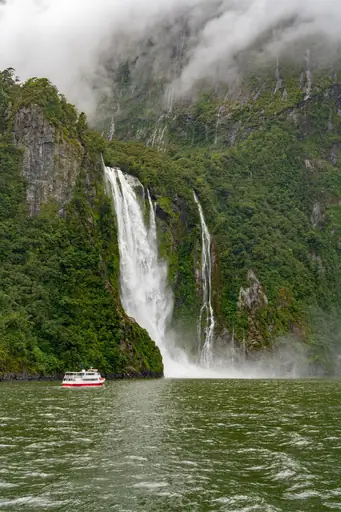
Steep fjords and dense forest here keep towns and their light pollution far apart. Milford Sound is a popular spot for photographers shooting stars over the water. Remote hiking huts along tracks like the Milford Track offer some of the darkest skies in New Zealand. Winter months bring longer nights and clearer viewing windows.
Highlights:
  • 🪶 Scenic fly over dramatic fjords and hidden alpine lakes
  • 🥾 Hike the world-famous Milford Track through lush rainforest
  • 🛥️ Cruise through majestic Milford Sound and spot playful dolphins
Chaco Culture National Historical Park
Ancient pueblos under starlit skies
7.2
Ancestral Puebloans aligned several buildings here with solstice and lunar events centuries ago. A spiral petroglyph called the Sun Dagger once marked the solstice with a beam of light. The park is now a certified International Dark Sky Park with regular telescope nights. Visitors can see the Milky Way arch directly over the ancient ruins.
Highlights:
  • ✨ Attend night sky programs under the park's dark skies
  • 🥾 Hike the Pueblo Alto Trail for panoramic archaeological views
  • 🏛️ Tour the majestic Pueblo Bonito ruins and walk through rooms
Craters of the Moon National Monument
Otherworldly volcanic landscape on Earth
7.7
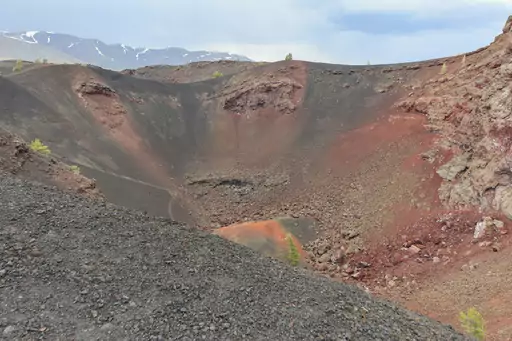
Dark volcanic rock fields here absorb light rather than reflecting it back into the sky. This is a certified International Dark Sky Park within Idaho's volcanic plain. Visitors can walk among lava formations while the Milky Way stretches overhead. Rangers occasionally set up telescopes near the visitor centre for evening programmes.
Highlights:
  • 🚗 Drive and stop along the 7-mile scenic Loop Road
  • 🦇 Explore lava tube caves with a free permit
  • ⛰️ Hike to the top of Inferno Cone for panoramic views
Katmai National Park
Bears, salmon and volcanic wonders
7.2
This remote Alaska park is better known for bear viewing but also offers exceptionally dark skies. Few roads and almost no nearby towns keep light pollution close to zero. Visitors staying overnight sometimes catch the northern lights above the park's volcanic terrain. Clear autumn nights bring strong odds of combining darkness with aurora activity.
Highlights:
  • 🌋 Explore volcanic landscapes shaped by past eruptions
  • 🚁 Fly over the Valley of Ten Thousand Smokes
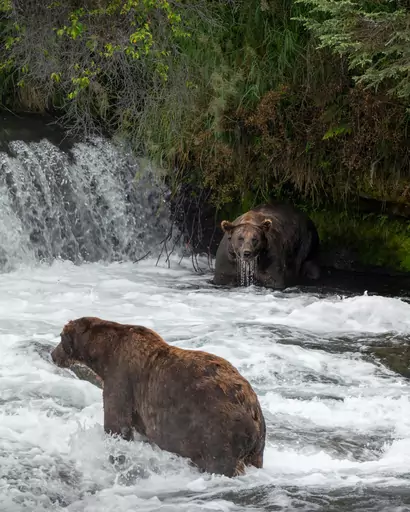
  • 🐻 Watch brown bears catch salmon at Brooks Falls
Kgalagadi Transfrontier Park
Where predators rule the Kalahari
6.9
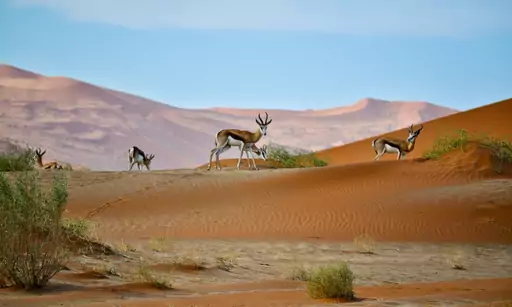
This desert park spans the border between South Africa and Botswana across the Kalahari. Red sand dunes stand out as dark shapes against a sky dense with stars. Camps inside the park keep artificial lighting to a minimum after dark. The Milky Way is easily visible here on most clear nights of the year.
Highlights:
  • 📸 Capture dramatic desert landscapes bursting with life after rain
  • 🦌 Spot springboks and gemsboks on sunset game drives
  • 🦁 Watch black-maned lions roam the red dunes at sunrise
Pamir Mountains
The Remote Roof of the World
6.6
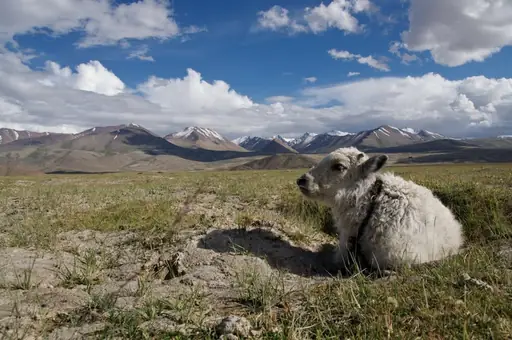
Villages scattered through this range sit at extreme altitude with almost no electric lighting. Thin mountain air and a near total absence of towns combine for exceptionally dark skies. Travellers along the Pamir Highway often stop overnight specifically to see the stars. The Milky Way appears unusually bright and detailed from these remote passes.
Highlights:
  • 🏡 Stay with a local family in a remote Pamiri village
  • 🥾 Trek through the Wakhan Valley with views of Afghanistan’s peaks
  • 🚙 Drive the rugged Pamir Highway, one of the world's highest roads
Ladakh
Himalayan Cold Desert of Contrasts
8.5
The village of Hanle hosts the Indian Astronomical Observatory, built at over 4,500 metres. Surrounding high-altitude terrain has since been designated the country's first dark sky reserve. Villagers here have adopted lighting rules to help protect the observatory's view. Visitors can join public stargazing sessions organised near the observatory.
Highlights:
  • ⛺ Camp overnight beside the Tso Moriri Lake under stars
  • 🌊 Admire the surreal blue waters of Pangong Lake
  • 🏍️ Ride through the world’s highest motorable pass at Khardung La
Bosque del Apache
Majestic plains echo with soaring condors
8.8
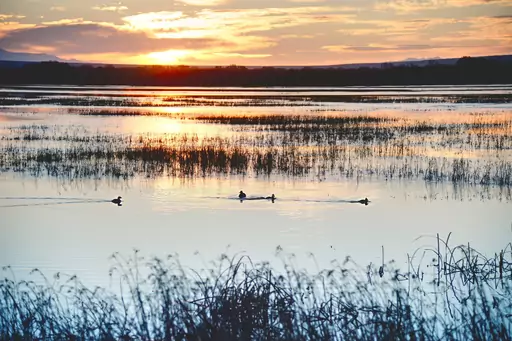
This wildlife refuge sits in a remote stretch of New Mexico's Rio Grande Valley. Its distance from towns keeps light pollution low once the gates close at dusk. Photographers often stay through dawn to catch sandhill cranes lifting off beneath a star-filled sky. Clear, dry desert air here helps keep the Milky Way sharp overhead.
Highlights:
  • 🎨 Visit local Pueblo art galleries and workshops
  • 🥾 Hike to the scenic Santa Fe Trail overlook
  • 🦅 Explore historic Bosque del Apache National Wildlife Refuge
Montana
Wild Beauty & Vast Big Skies
8.4
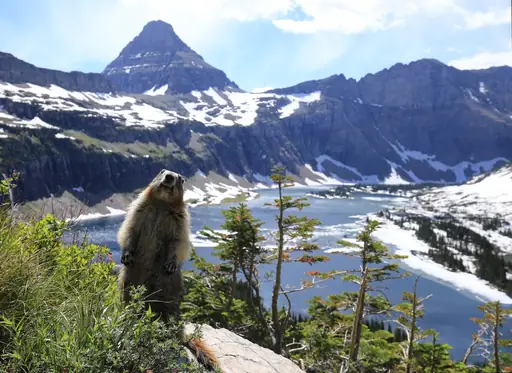
Medicine Rocks State Park here has been certified as an International Dark Sky Park. Wind-carved sandstone formations stand out as pale shapes against the night sky. Visitors can walk among the rocks after dark with almost no artificial light nearby. The park's remote location keeps the Milky Way visible on most clear nights.
Highlights:
  • 🐎 Go horseback riding through wide open Big Sky Country
  • 🦬 Spot wildlife and geysers in Yellowstone’s rugged wilderness
  • 🏞️ Drive the scenic Going-to-the-Sun Road in Glacier National Park
South Dakota
Iconic Monuments and Prairie Landscapes
6.9
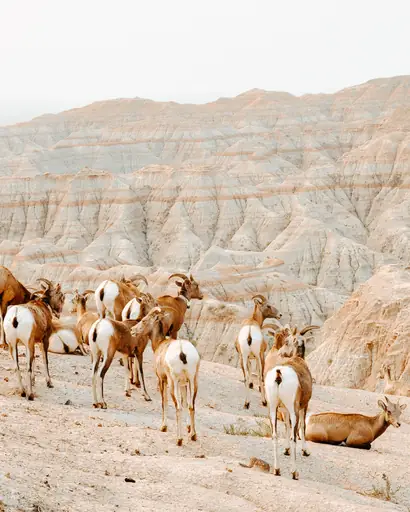
Badlands National Park here has been certified as an International Dark Sky Park. Eroded rock formations stand out as jagged silhouettes against a star-filled sky. Rangers run seasonal night sky programmes from an amphitheatre near the visitor centre. The Milky Way is often visible directly above the park's rugged spires.
Highlights:
  • 🗿 Visit Crazy Horse Memorial and learn about Native heritage
  • 🌄 Hike the rugged trails of Badlands National Park at sunset
  • 🗿 Marvel at Mount Rushmore’s iconic presidential faces
Wyoming
Wild West landscapes and natural wonders
8.5
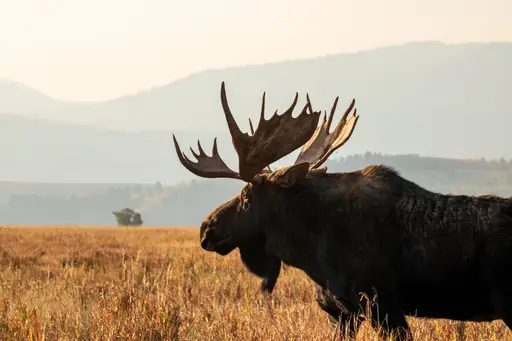
Devils Tower National Monument sits far from any major city, with almost no light pollution nearby. The rock formation's steep sides stand out as a dark silhouette once stars appear. Rangers occasionally run evening programmes from the base of the tower. Clear high-plains air here helps keep the Milky Way sharp overhead.
Highlights:
  • 🗻 Climb Devils Tower, America's first national monument
  • 🥾 Hike scenic trails in Grand Teton National Park
  • 🌋 Witness Old Faithful erupt in Yellowstone National Park
Yosemite National Park
Nature's Grand Cathedral
8.5
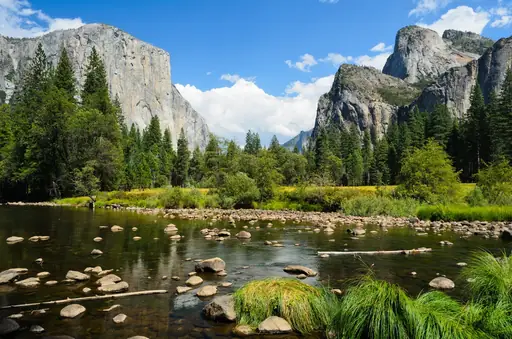
Glacier Point hosts regular astronomy programmes where rangers set up telescopes for public viewing. Granite cliffs stand out as dark shapes against a sky full of stars once night falls. High elevation meadows away from the valley floor offer especially clear conditions. The Milky Way is often visible directly above landmarks like Half Dome.
Highlights:
  • 💦 Marvel at Yosemite Falls, one of the tallest in North America
  • 🏞️ Hike to Glacier Point for one of Yosemite’s best views
  • 🧗‍♂️ Stand before the towering granite face of El Capitan
Tenerife
Volcanoes, Beaches and Endless Sun
8.4
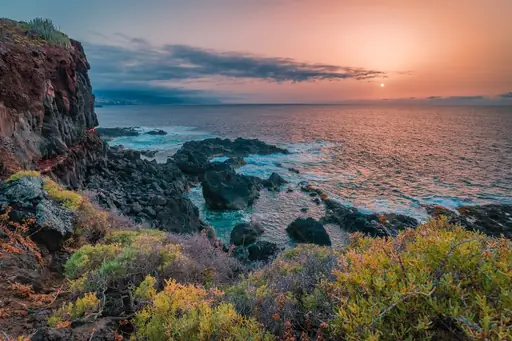
This island was recognised as one of the world's first Starlight Destinations for its protected night skies. Local ordinances limit lighting across much of the island to preserve visibility. Visitors can join guided stargazing tours from several points away from the coastal resorts. Clear, stable air above the clouds helps keep conditions especially sharp.
Highlights:
  • 🌿 Explore the lush landscapes of Anaga Rural Park
  • 🏖️ Relax on the golden sands of Playa de Las Teresitas
  • 🗻 Climb Mount Teide, Spain’s highest peak and volcano
Hawaii
Tropical Vibes and Volcanic Wonders
8.8
Mauna Kea rises to nearly 13,800 feet, among the premier astronomy sites on Earth. Thirteen major observatories, including some of the world's largest telescopes, sit near its summit. Visitors can watch sunset from a lower viewing station before stars appear. The thin, dry air above the clouds gives exceptionally clear conditions.
Highlights:
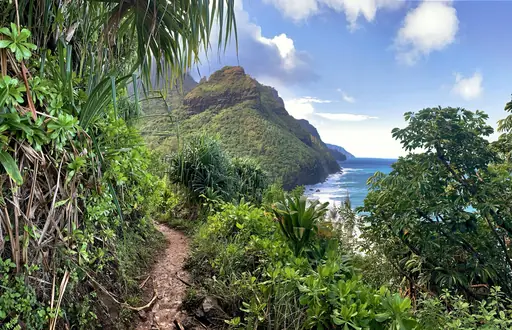
  • 🥾 Hike the Na Pali Coast trail on Kauai
  • 🐠 Snorkel among colorful coral reefs in Hanauma Bay
  • 🌋 Watch sunrise from the summit of Haleakalā Volcano
Grand Teton National Park
Stunning Peaks and Wildlife Wonders
8.6
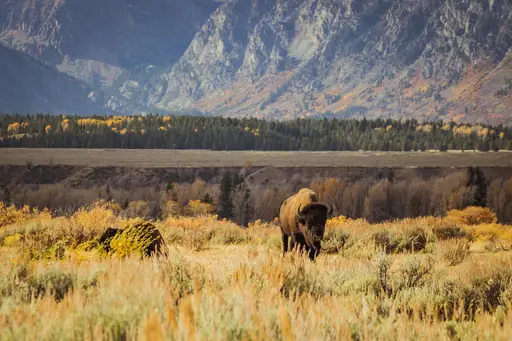
Jagged peaks here rise directly from the valley floor with little development nearby. Snake River overlooks are popular spots for photographing stars above the mountain skyline. Rangers run occasional night sky programmes from the park's visitor centres. Clear, dry air at this elevation helps keep the stars especially sharp.
Highlights:
  • 🏞️ Trek through Cascade Canyon for breathtaking views
  • 💧 Explore Hidden Falls and Inspiration Point nearby
  • 🚶‍♂️ Hike the scenic Jenny Lake Loop Trail
Sequoia and Kings Canyon National Parks
Home of the Giant Sequoias
8.0
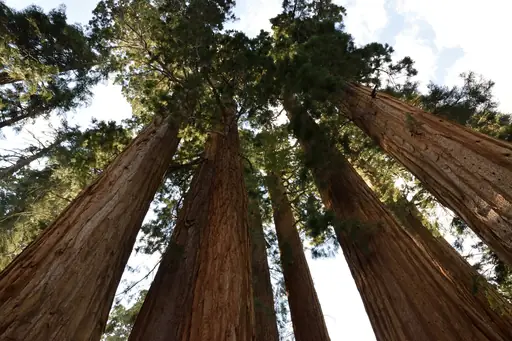
Giant sequoia groves here sit far from any major city, keeping skies largely free of light pollution. Rangers occasionally run night sky programmes beneath some of the largest trees on Earth. High meadows in Kings Canyon offer especially open views of the stars. Clear Sierra air helps keep visibility sharp most of the year.
Highlights:
  • 🕳️ Explore Crystal Cave on a guided tour
  • 🧗‍♂️ Climb Moro Rock for breathtaking panoramic views
  • 🌲 Visit the General Sherman Tree, largest on Earth
Torres del Paine National Park
Epic Landscapes and Untamed Wilderness
8.1
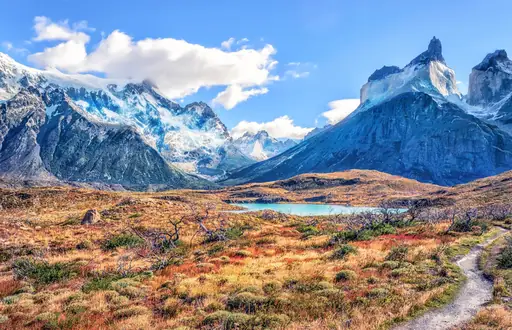
Open Patagonian steppe surrounds much of this park, keeping towns and their lights far away. Clear nights near the granite towers give wide views of the Southern Cross. Campers along the W Trek often stay outside after dark once temperatures allow. Strong winds here tend to clear clouds quickly, leaving sharp viewing conditions.
Highlights:
  • ⛰️ Trek the scenic French Valley with mountain views
  • 🛶 Take a boat tour to see stunning Grey Glacier
  • 🥾 Hike to the iconic Mirador Las Torres viewpoint
Sierra Nevada National Park
Spain’s Rooftop of Sun and Snow
8.1
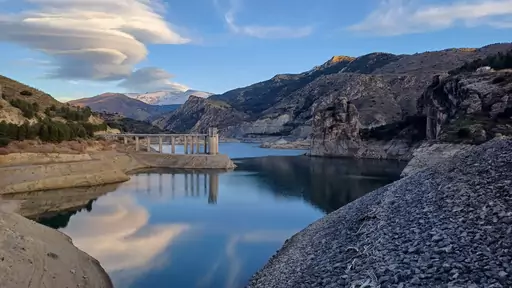
The Sierra Nevada Observatory sits inside this park at over 2,800 metres, run by Spain's astrophysics institute. High altitude and stable air both make it one of the country's leading sites for astronomy. Visitors can join scheduled tours that include time at the observatory's telescopes. Mulhacen, the peak nearby, often stays snow-capped well into summer.
Highlights:
  • 🏘️ Explore whitewashed villages of Las Alpujarras
  • 🥾 Hike the scenic Los Cahorros gorge with suspended bridges
  • ⛰️ Climb Mulhacén, mainland Spain's highest peak
Tasmania
Wilderness, Wildlife and Wild Coasts
8.7
Cradle Mountain and other remote parts of this island sit far from major light pollution. Low population density keeps night skies unusually dark across much of the state. Visitors camping near Lake St Clair can often see the Milky Way with no equipment. Clear winter nights sometimes bring a chance of the aurora australis.
Highlights:
  • 🏛️ Tour the convict ruins at Port Arthur Historic Site
  • ⛰️ Explore Cradle Mountain-Lake St Clair National Park trails
  • 🏖️ Hike to Wineglass Bay and marvel at its white sand
Vatnajökull National Park
Glaciers, Volcanoes and Ice Caves
8.3
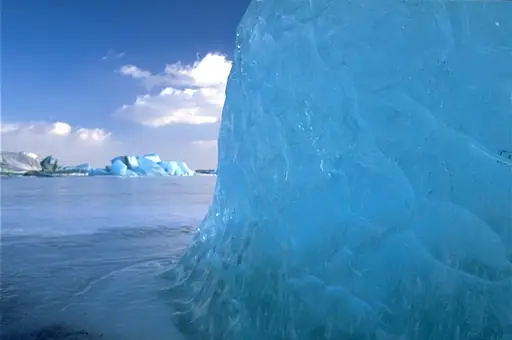
Ice caves carved into this glacier turn deep blue when lit from outside in winter tours. On clear nights, visitors sometimes see the aurora borealis dancing above the ice. The park covers roughly 14 percent of Iceland's land area, most of it far from towns. Remote terrain here keeps light pollution close to nonexistent.
Highlights:
  • ❄️ Explore blue ice caves sculpted within the glacier
  • 🥾 Join a guided glacier walk on Vatnajökull ice cap
  • 🌊 Hike to the stunning Svartifoss waterfall framed by basalt columns
Kakadu National Park
Ancient Rock Art and Wild Wetlands
8.3
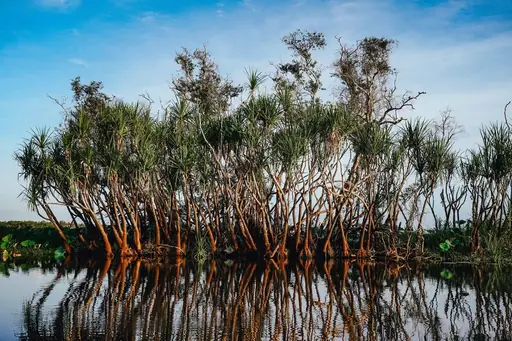
Aboriginal communities here have read the night sky for tens of thousands of years as part of traditional knowledge. Wetlands and floodplains sit far from any major town, keeping light pollution low. Visitors can see the Milky Way reflected on still billabongs after dark. Cultural tours sometimes include guided talks on traditional star stories.
Highlights:
  • 🏞️ Take a challenging hike to Jim Jim Falls gorge
  • 🦅 Cruise the Yellow Water Billabong for crocs and birdlife
  • 🌄 Watch the sunset over Aboriginal rock art at Ubirr
Snowdonia National Park
Mythic Peaks and Wild Welsh Beauty
8.1
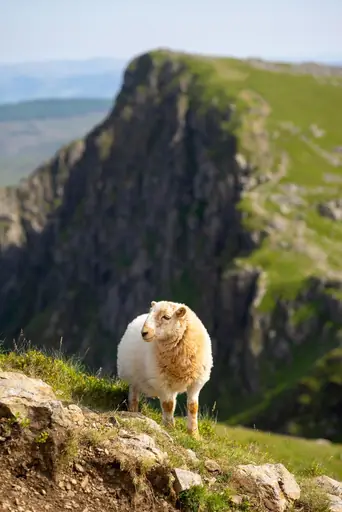
This park is a certified International Dark Sky Reserve covering much of northern Wales. Mountain summits like Snowdon itself offer wide, unobstructed views of the night sky. Rangers and local astronomy groups run public stargazing events through the year. The Milky Way is often visible from valley floors once towns dim for the night.
Highlights:
  • 💧 Discover stunning Aber Falls waterfall on gentle hike
  • 🚂 Experience scenic ride on Snowdon Mountain Railway
  • ⛰️ Climb Snowdon, highest peak in Wales
Mesa Verde National Park
Ancient Cliff Dwellings and Rich History
7.5
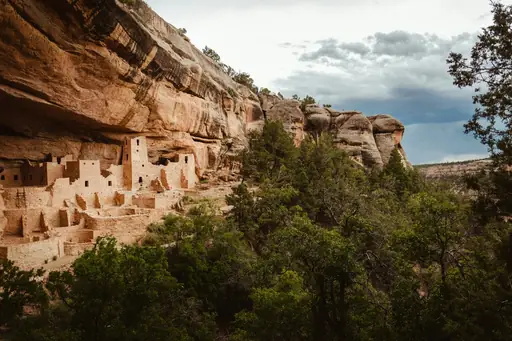
Ancestral Puebloan cliff dwellings here sit beneath a certified International Dark Sky Park. Sandstone alcoves that once sheltered entire communities now frame views of the night sky. Rangers occasionally run evening programmes that combine cultural history with stargazing. The Milky Way is visible above the mesa on most clear nights.
Highlights:
  • 🧗 Tour Balcony House with its ladders and narrow passages
  • 🥾 Hike the scenic Soda Canyon Overlook Trail
  • 🏛️ Explore the ancient cliff dwellings of Cliff Palace
Isle of Skye
Dramatic Landscapes and Ancient Legends
7.9
Several coastal points on this island are certified Dark Sky Discovery sites. Its small population and rural terrain keep artificial light well below mainland levels. Visitors can see the Milky Way from headlands near Neist Point on clear nights. Winter months occasionally bring a chance of the northern lights on the horizon.
Highlights:
  • 💧 Visit the enchanting Fairy Pools near Glenbrittle
  • ⛰️ Marvel at the Old Man of Storr rock pinnacle
  • 🥾 Hike the dramatic landscapes of the Quiraing
Merzouga
Sahara Dunes, Starry Nights
6.9
This edge-of-Sahara town is a common base for overnight camps deep in the dunes. Guests often ride camels out to camp before sunset, then stay up for the stars. Desert air here holds very little moisture, keeping the sky unusually clear. The Milky Way is often visible above the dunes without any light interference.
Highlights:
  • 🌅 Watch stunning Sahara sunsets over golden sand
  • ⛺ Spend a magical night in a Berber desert camp
  • 🐪 Ride camels across the towering Erg Chebbi dunes
Kangaroo Island
Wildlife, Wonders and Rugged Coast
8.6
This island off South Australia holds Dark Sky Sanctuary certification, one of only a handful worldwide. Its isolation from the mainland keeps artificial light unusually low. Visitors can see the Milky Way from beaches and open farmland across the island. Wildlife tours after dark sometimes double as informal stargazing outings.
Highlights:
  • 🦭 Swim with playful sea lions at Seal Bay
  • 🪨 Marvel at the Remarkable Rocks and their surreal formations
  • 🦘 See wild kangaroos and koalas roaming freely at Flinders Chase
Cairngorms National Park
Scotland’s Wild Heart of Adventure
8.1
This is the largest Dark Sky Park in the United Kingdom, certified in 2018. Wide mountain plateaus give unobstructed views across much of the reserve. Visitors can spot the Milky Way from several designated viewing sites within the park. Winter nights sometimes bring a chance of seeing the aurora over the peaks.
Highlights:
  • 🏰 Explore historic Balmoral Castle and royal estate
  • 🐾 Visit Highland Wildlife Park for rare Scottish animals
  • 🏞️ Hike to Loch an Eilein with its 13th-century castle
Cuyabeno Wildlife Reserve
Amazon wilderness teeming with life
8.1
This Amazon reserve sits far from any city, with almost no artificial light for miles. Night canoe trips let visitors watch stars reflected on the reserve's blackwater rivers. Caimans and other nocturnal wildlife are often spotted during these same outings. Dense rainforest canopy makes clearings along the water good spots for viewing.
Highlights:
  • 🐬 Spot pink dolphins swimming in the lagoons
  • 🛶 Take a canoe ride on serene waterways
  • 🌳 Explore dense jungle trails with expert guides
Ukhahlamba Drakensberg Park
Barrier of spears touching sky
7.7
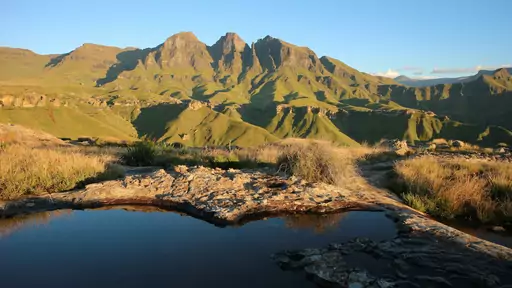
This mountain range straddles the border between South Africa and Lesotho at high altitude. Rural terrain on both sides keeps artificial lighting far below levels found in nearby cities. Visitors staying in lodges along the escarpment often step outside after dinner for the stars. The Milky Way is commonly visible above the basalt cliffs.
Highlights:
  • 🦅 Spot eland and bearded vultures soaring above valleys
  • 🖼️ Explore ancient San rock art at Giants Castle Reserve
  • 🥾 Hike the Giants Cup Trail through breathtaking mountain scenery
Peninsula Valdes
Wild dolphins glide over turquoise cliffs
9.3
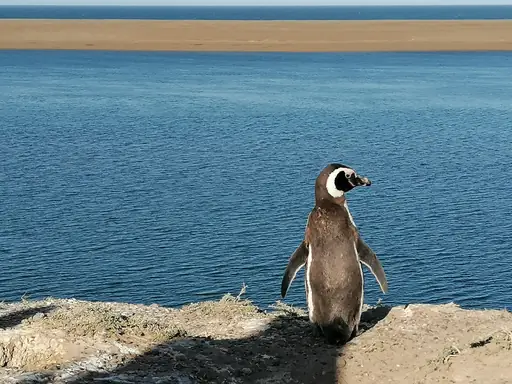
This remote Argentine coastline sits far from any major city and its light pollution. Wildlife tours here often run into the evening, ending just as the stars come out. Open Patagonian steppe gives wide, unobstructed views of the sky after dark. The Southern Cross is easily visible above the cliffs on clear nights.
Highlights:
  • 🍖 Savor local lamb barbecue on a seaside terrace
  • 🧊 Hike to the Perito Moreno glacier’s ice caves
  • 🐋 Spot southern right whales at Punta Tombo beach
Chapada Diamantina National Park
Waterfalls, Caves and Diamond History
7.7
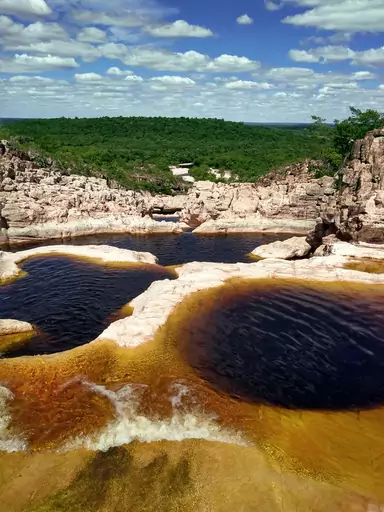
This highland park sits far from major cities, keeping its night skies largely free of light pollution. The Southern Cross is clearly visible from open plateaus within the park. Visitors often combine stargazing with sunset hikes up sandstone tables called serras. Clear, dry air during much of the year helps keep viewing conditions sharp.
Highlights:
  • 🕳️ Explore the vast Lapa Doce Cave with guided tours
  • 💧 Swim in the crystal-clear waters of Poço Azul
  • ⛰️ Hike to the top of Morro do Pai Inácio for panoramic views
Lençóis Maranhenses National Park
Otherworldly dunes with turquoise lagoons
6.9
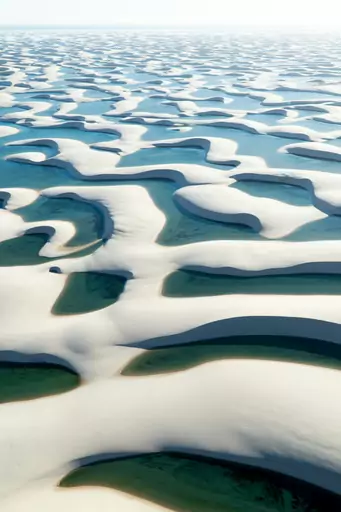
Remote white sand dunes here sit far from any city and its light pollution. Rainwater lagoons between the dunes can reflect stars on calm, clear nights. Visitors sometimes stay out after sunset once the sand has cooled from the day's heat. Wide open dune fields give unobstructed views of the sky in every direction.
Highlights:
  • 🌅 Watch the sunrise reflect on the mesmerizing lagoons
  • 🚙 Take a thrilling 4x4 ride across the vast dunes
  • 💧 Swim in the turquoise lagoons after a hot dune trek
Los Glaciares National Park
Where glaciers meet towering peaks
8.4
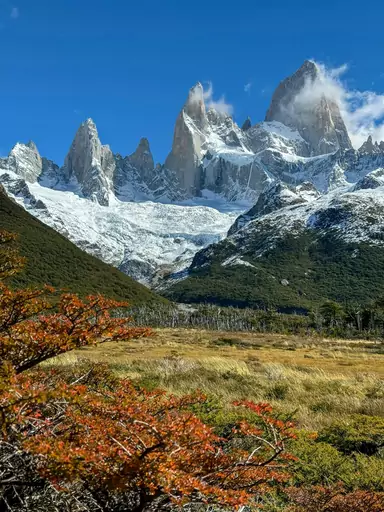
Remote Patagonian terrain here keeps towns and light pollution far apart. Clear nights near Fitz Roy give open views of the Southern Cross above the peaks. Campers along trekking routes often stay out after dark once temperatures allow. Glaciers nearby sometimes reflect faint starlight across the ice at night.
Highlights:
  • 🛥️ Take a boat tour on Lago Argentino to glaciers
  • 🥾 Trek Mount Fitz Roy and Cerro Torre trails
  • 🚶‍♀️ Walk along the Perito Moreno Glacier boardwalks
Simien National Park
Jagged peaks of ancient wilderness
7.4
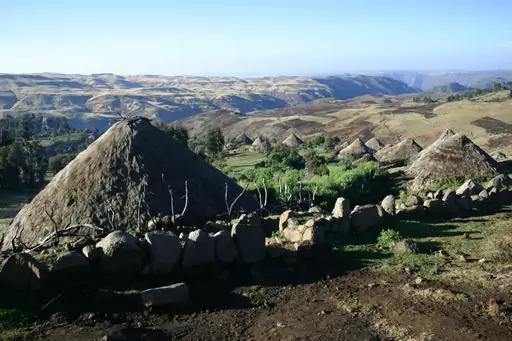
High plateaus here sit above much of the region's cloud cover and any nearby city lights. Gelada baboon troops graze on the same grasslands where visitors camp overnight. Thin mountain air at this altitude helps make the stars appear unusually sharp. The Milky Way is often visible directly above the park's dramatic escarpments.
Highlights:
  • 🌄 Witness breathtaking sunrise views over the escarpments
  • 🐒 Spot Gelada monkeys grazing on the mountain plateaus
  • 🥾 Hike to the dramatic cliffs and peaks of Ras Dashen
Sossusvlei
Towering red dunes meet white clay
7.5
The pale clay floor of Deadvlei can reflect faint starlight once the sun goes down. Towering red dunes surround the pan, blocking out any stray light from the horizon. Visitors who stay past sunset often find the Milky Way stretching directly overhead. Guides sometimes lead short night walks out onto the dune ridges.
Highlights:
  • 🏜️ Marvel at the red dunes contrasting the deep blue sky
  • 📸 Visit Deadvlei and photograph the ancient camelthorn trees
  • 🌅 Climb Dune 45 at sunrise for breathtaking desert views
North York Moors
Heather moorlands meet rugged coastline
8.1
This park is a certified International Dark Sky Reserve covering much of the English moorland. Open heather-covered hills give wide, unobstructed views of the night sky. Local astronomy groups run public viewing evenings at several designated sites. The Milky Way is visible here on clear nights away from nearby coastal towns.
Highlights:
  • 🚶‍♂️ Walk the scenic Cleveland Way coastal trail
  • 🏰 Explore the ancient ruins of Rievaulx Abbey
  • 🚂 Ride the historic steam train from Pickering to Whitby
Fernando de Noronha
World's Best Beaches and Dolphins
8.5
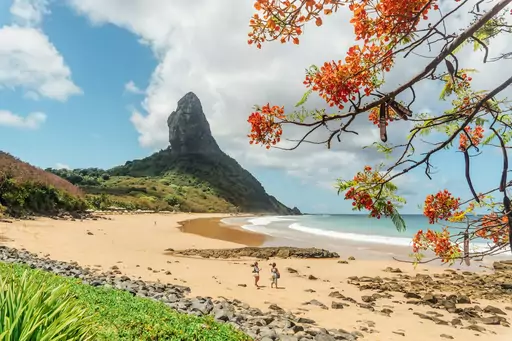
This remote Brazilian archipelago sits roughly 220 miles off the mainland coast. Strict visitor limits keep development and light pollution low across the islands. Beaches with no nearby towns give an open, uninterrupted view of the night sky. The Southern Cross is easily visible from the shoreline on clear nights.
Highlights:
  • 🛥️ Take a boat tour to spot dolphins and sea turtles
  • ⛰️ Hike to the Morro Dois Irmãos viewpoint for stunning vistas
  • 🤿 Snorkel vibrant reefs at Baía do Sancho, world’s top beach
Annapurna
Legendary Trekking in Himalayan Diversity
8.0
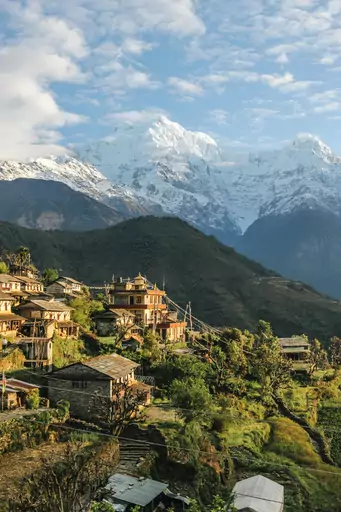
Trekking camps above 4,000 metres sit well above most cloud cover and light pollution. Thin, dry mountain air makes stars appear sharper than at lower elevations. Trekkers often step outside their teahouse after dinner to see the Milky Way arch overhead. Peaks like Machapuchare form a jagged silhouette against the night sky.
Highlights:
  • ♨️ Relax in natural hot springs at Tatopani
  • 🌅 Watch sunrise from Poon Hill’s panoramic viewpoint
  • 🥾 Trek the iconic Annapurna Circuit with varied landscapes
Landmannalaugar
Colorful mountains and natural pools
8.6
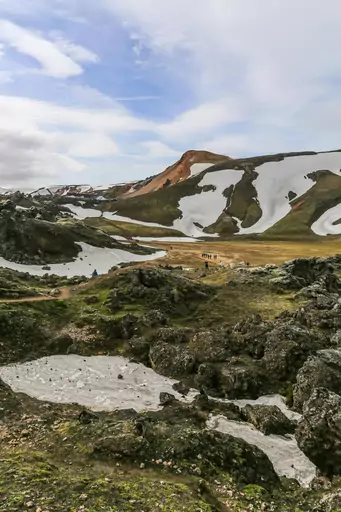
This remote highland area sits far from Iceland's towns and their light pollution. Rhyolite mountains form colourful silhouettes against the sky once the sun sets. Visitors staying overnight in huts sometimes catch the northern lights during winter and early spring. Clear nights here offer some of the darkest skies accessible in the country.
Highlights:
  • 🌋 Photograph the striking lava fields and steaming vents
  • ♨️ Soak in the natural geothermal hot springs after a trek
  • 🥾 Hike the colorful rhyolite mountains on the Laugavegur Trail
Las Leñas
Snow‑kissed peaks and alpine serenity
9.0
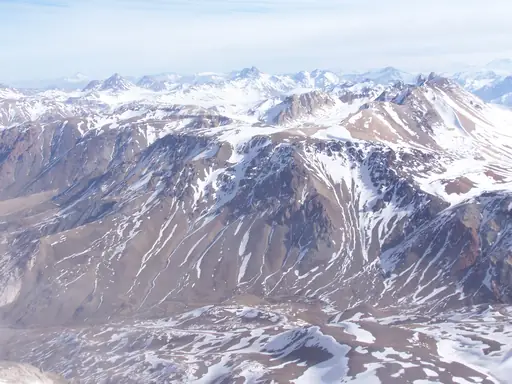
This Argentine ski resort sits at high altitude in a remote stretch of the Andes. Its distance from major cities keeps light pollution unusually low even in winter season. Guests staying overnight can often see the Milky Way directly above the surrounding peaks. Thin mountain air at this elevation helps keep the stars especially sharp.
Highlights:
  • 🍷 Explore local vineyards and taste Malbec in the valley
  • 🌌 Stargaze from the high-altitude observatory at night
  • 🏔️ Hike to the summit of Cerro de los Siete Picos
Idaho
Outdoor Paradise with Scenic Beauty
7.3
Central Idaho holds the earliest International Dark Sky Reserve certified in the United States. The reserve covers more than 1,400 square miles of mostly uninhabited land. Small towns within it have adopted lighting rules to help protect the night sky. Visitors can see the Milky Way clearly from several trailheads and campsites inside the reserve.
Highlights:
  • 🌋 Explore the Craters of the Moon volcanic landscape
  • 💦 Visit Shoshone Falls, higher than Niagara, and take in the power
  • 🏔️ Hike the majestic Sawtooth Mountains and enjoy panoramic views
Lake Baikal
World's deepest lake, Siberia's jewel
7.9
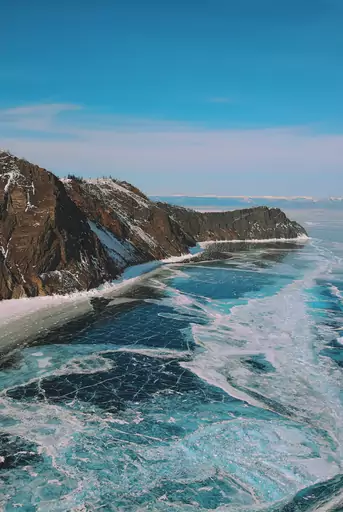
In winter, the lake's surface freezes into clear ice that can reflect the stars above. Remote taiga forest surrounds much of the shoreline, keeping light pollution low. Visitors sometimes walk onto the frozen lake at night for open views in every direction. The Milky Way is often visible without any special equipment.
Highlights:
  • ❄️ Swim in the icy, crystal-clear waters of Baikal
  • 🚂 Ride the Circum-Baikal Railway for breathtaking views
  • 🥾 Take a winter trek across the frozen lake surface
Texas
Vast Landscapes and Deep Culture
7.0
The McDonald Observatory sits in the remote Davis Mountains of West Texas. Its research telescopes were placed here specifically for the region's dark, dry skies. Visitors can join public star parties held several nights a week. Surrounding ranchland keeps artificial light unusually low for hundreds of miles.
Highlights:
  • 🚀 Tour the NASA Space Center Houston
  • 🌄 Explore Big Bend National Park’s rugged wilderness
  • 🌊 Visit the iconic San Antonio River Walk and enjoy a boat ride
Washington (State)
Diverse landscapes from mountains to coast
7.6
The San Juan Islands sit far enough from Seattle to keep light pollution unusually low. North Cascades National Park adds a second remote option with certified dark sky status. Ferry travellers sometimes catch the Milky Way from open decks after dark. Clear summer nights offer a strong mix of mild weather and visibility.
Highlights:
  • ⛰️ Visit Mount Rainier National Park for breathtaking views
  • 🍴 Explore the thriving Pike Place Market in Seattle
  • 🧗‍♂️ Hike the challenging Angels Landing in Zion National Park
West Virginia
Appalachian wilderness and rich history
6.7
The Green Bank Observatory sits inside a federally protected National Radio Quiet Zone. Cell signals and wireless devices are restricted for miles around to protect its radio telescopes. The same restrictions also help keep the area's light pollution low. Visitors can tour the observatory and stargaze from the surrounding hills after dark.
Highlights:
  • 🌊 Witness Blackwater Falls cascading over amber-colored rocks
  • 🏘️ Explore historic streets of Harpers Ferry town
  • 🌉 Walk across the New River Gorge Bridge and admire views
Banff
Rocky Mountain Majesty, Endless Adventure
9.0
Banff National Park sits inside one of the largest dark sky preserves in the world. The Banff Centre hosts events that include night sky viewing throughout the year. Visitors can see the Milky Way stretch over peaks like Cascade Mountain on clear nights. Winter months also bring occasional views of the northern lights.
Highlights:
  • ♨️ Relax in the Banff Upper Hot Springs with mountain views
  • 🥾 Hike Johnston Canyon and explore breathtaking waterfalls
  • 🚡 Ride the Banff Gondola for panoramic Sulphur Mountain views
Isle of Man
Temperate island with varied landscapes
7.7
Several sites across this island are certified Dark Sky Discovery locations. Its rural landscape and small population keep light pollution lower than on much of the British mainland. Visitors can see the Milky Way from coastal viewpoints on clear nights. Local astronomy groups sometimes host public viewing evenings at the certified sites.
Highlights:
  • 🏰 Explore Peel Castle ruins overlooking the Irish Sea
  • 🚋 Ride the Snaefell Mountain Railway for sweeping views
  • 🏍️ Watch the world-famous Isle of Man TT motorcycle race
Yeongyang Firefly Eco Park
Twilight glow of fireflies in tranquil forest
This is South Korea's first certified International Dark Sky Park. Fireflies still glow here each summer thanks to strict limits on artificial lighting. Visitors can watch the insects flicker across fields before the stars fully appear. The Milky Way is often visible directly above the same meadows once darkness sets in.
Highlights:
  • 🎶 Attend a cultural performance showcasing traditional Korean music
  • 🌱 Explore the eco park’s botanical gardens during sunrise
  • 🌌 Walk illuminated trails, watch fireflies light up the night
Pic du Midi
Sunlit vineyards and historic hilltop charm
An observatory has operated atop this Pyrenean peak since the 19th century. A cable car now carries visitors up to nearly 2,900 metres for guided night sessions. The site holds International Dark Sky Reserve status covering the surrounding mountains. Clear alpine air here gives researchers some of the steadiest viewing conditions in France.
Highlights:
  • ✨ Stargaze under clear skies during summer nights
  • 🥾 Hike to summit through scenic alpine trails
  • 🔭 Visit panoramic terrace at Pic du Midi Observatory
Atacama Desert
Endless dunes under starlit desert skies
The ALMA radio telescope array sits on a high plateau here, chosen for its extremely dry air. Researchers rank parts of this desert among the clearest places on Earth for astronomy. Several observatories offer public tours with time at smaller telescopes. Cerro Paranal, home to some of the world's largest optical telescopes, also sits nearby.
Highlights:
  • 🗻 Hike to El Tatio geysers before sunrise
  • ✨ Stargaze from San Pedro observatory, record constellations
  • 🌄 Explore Valle de la Luna during golden hour
Salar de Uyuni
World's largest surreal salt mirror
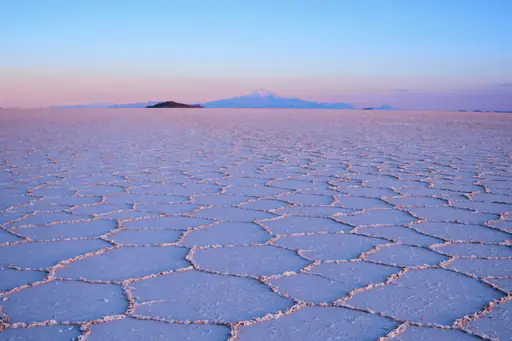
During the rainy season, a thin layer of water can turn this salt flat into a giant mirror. On clear nights, the flooded surface reflects the stars overhead almost perfectly. Visitors often time trips around new moons for the darkest possible skies. The flat's high elevation and remote location keep light pollution close to nonexistent.
Highlights:
  • 🚂 Explore the eerie Train Cemetery near Uyuni town
  • 🌵 Visit Incahuasi Island and climb among giant cacti
  • 📸 Take surreal photos with salt flat perspective illusions
Makhtesh Ramon
Desert canyon revealing ancient geological wonders
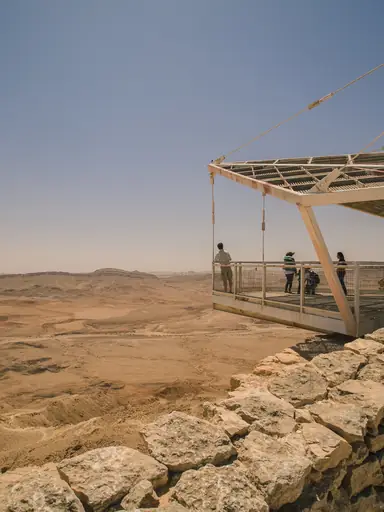
This crater in Israel's Negev desert has been designated a certified Dark Sky Park. Its bowl-shaped terrain blocks light from nearby towns along much of the horizon. Visitors can join guided night walks that end at open viewpoints inside the crater. The Milky Way is often visible directly above the crater's layered rock walls.
Highlights:
  • 🌌 Stargaze at night, view Milky Way
  • 🏜️ Ride a quad bike through sandy dunes
  • 🧗‍♂️ Explore the crater's towering cliffs
Feedback