





Was this page helpful?

| Power Grid: |
230 V, 50 Hz Plug: Type C , Type H
Type C:
  Read about power adapters |
|---|---|
| Currency: |
Israeli New Shekel (ILS) £1 ≈ ₪4.03 |
| Cashless info: |
Rating 5/5
Cashless payments are widely accepted, particularly in urban areas and tourist locations.
Save with a travel credit card |
| eSIM providers: |
Best value: Saily Flexibility: Airalo Read our in-depth comparison |
| Tipping: | Tipping is customary in Israel. 10-15% is standard in restaurants, while taxi drivers usually do not expect tips. |
|---|---|
| Public drinking: | Public drinking is uncommon but not strictly regulated. |
| Public smoking: | Smoking is prohibited in public indoor spaces, with designated areas available. |
| Passover (March/April) |
Public transport is limited. Book accommodations early. |
|---|---|
| Yom Kippur (September/October) |
The country comes to a standstill. |
| Hanukkah (December) |
Festivities and events occur in major cities. |
| Emergency contact: | Emergency Numbers: 100 (Police), 101 (Ambulance), 102 (Fire) |
|---|---|
| Taxi apps: | Gett, Yango |
| Other: | Israel offers a mix of historical, cultural, and natural attractions. Public transport is limited during Shabbat. |
The best times to travel section shows how the months compare for a visit, so you can find the time of year that fits what you want to do.
Background colours of the months:
The colour shows the typical temperature: yellow (hot), green (mild) and blue (cold). How strong the colour is shows the travel season: full colour means high season, soft colour means shoulder season and soft-striped means off season.
Weather symbols:
Each month has one symbol showing what the weather is typically like, such as hot and sunny, freezing or a rainy or snowy season. Use them to quickly spot months that match the weather you want, or to avoid the ones that don't.
Crowdedness:
The people icon shows how busy the place usually is. The more people, the more crowded it gets.
Additional notes:
The grey info boxes point out special things worth knowing, like recurring weather issues or seasonal events.
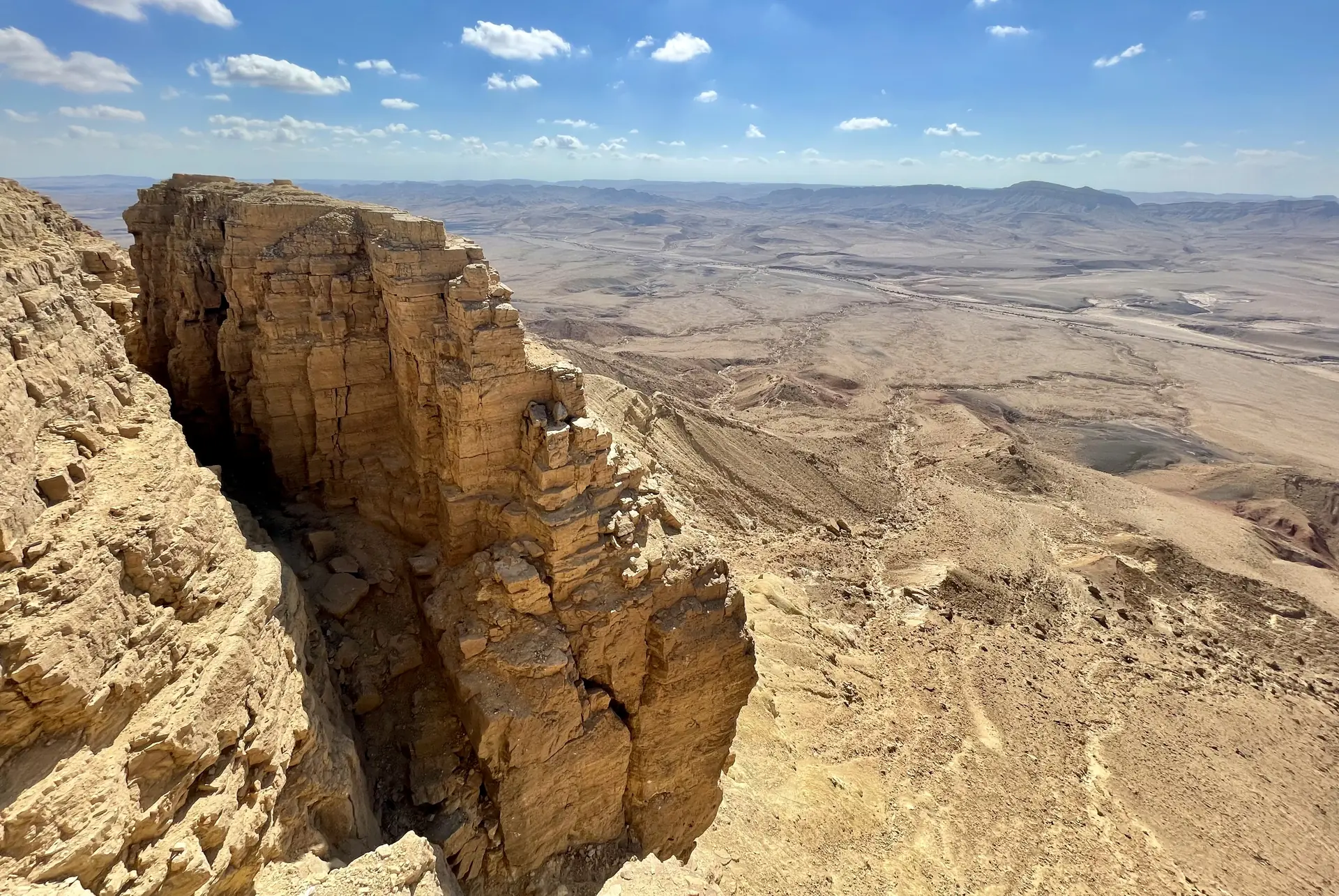
Makhtesh Ramon is a unique geological formation in southern Israel. It stands out as one of the largest erosion craters on Earth not classified as a traditional volcano. The site reveals layers of rock that tell stories of ancient environments and shifting landscapes. Visitors can walk along trails that pass through dramatic cliffs and valleys shaped over millions of years.
The landscape features striking contrasts between high plateaus and deep wadis. At its center lies the Ramon Crater itself a place where wind and water have carved intricate patterns into stone. The area supports diverse plant life adapted to arid conditions including hardy shrubs and seasonal wildflowers that bloom after rare rainfalls. Birdwatchers often spot raptors soaring above while smaller species flit among the rocks.
A network of paths allows exploration without harming fragile ecosystems. Guides provide context about how geological forces created this site and why its features matter to scientists studying Earth’s history. Cultural remnants such as ancient mining trails hint at human activity stretching back centuries. Local communities share knowledge passed down through generations connecting people to the land.
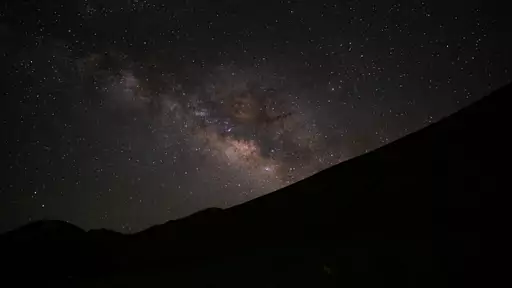
Travelers seeking quiet reflection or scientific curiosity will find Makhtesh Ramon rewarding. The clarity of skies here makes stargazing exceptional after sunset. Simple accommodations nearby let visitors stay close while respecting natural rhythms. Every visit contributes to preserving a place where nature’s patience and power remain visible in every layer of stone.
Makhtesh Ramon, located in Israel’s Negev Desert, is accessible primarily by road. The nearest major city is Eilat, approximately 40 kilometers to the south, reachable via Highway 90 or Highway 60. Travelers can drive from Tel Aviv (around 2 hours) or Jerusalem (about 3 hours) using these main highways. Public transportation options include shared taxis (sheruts) and buses operated by Egged or Dan, connecting major cities to the Ramon Crater area. For visitors arriving at Ben Gurion Airport in Tel Aviv, a combination of rental car or private transfer is recommended due to limited direct public transit routes. The site’s remote location emphasizes the importance of planning transportation in advance.
In the vicinity of Makhtesh Ramon, lodging ranges from modest hostels and guesthouses to upscale desert resorts, offering roughly 200–300 rooms in total. The area is renowned for its eco‑friendly cabins and tented camps that blend rustic charm with modern amenities, catering to both budget travelers and those seeking luxury. Many accommodations feature panoramic views of the crater’s basalt walls, solar panels and locally sourced cuisine. Seasonal packages often include guided hikes, stargazing nights and educational tours of the geological wonder. Whether you prefer a simple bed‑and‑breakfast or a boutique desert lodge, the region provides ample choices that highlight sustainable tourism while showcasing Israel’s unique natural heritage.
Log in to add this place to a travel list and get a summary of all recommended items for your whole trip.
We calculate the average costs when travelling to destinations and compare those with the living costs at your home. With this you can get an estimate of how expensive or cheap the destination is for you.
To customise this, you can set up which location and price level are used for the calculations in your account settings.
The exchange rate price factor shows how expensive or cheap a currency currently is compared to its historical average. It's a quick way to see if a country is currently more or less affordable due to exchange rate changes.
