


Terragio67, CC BY-SA 4.0, via Wikimedia Commons
Europe › Italy › Emilia-Romagna

Emilia-Romagna

Scroll
Culinary heartbeats and historic charm

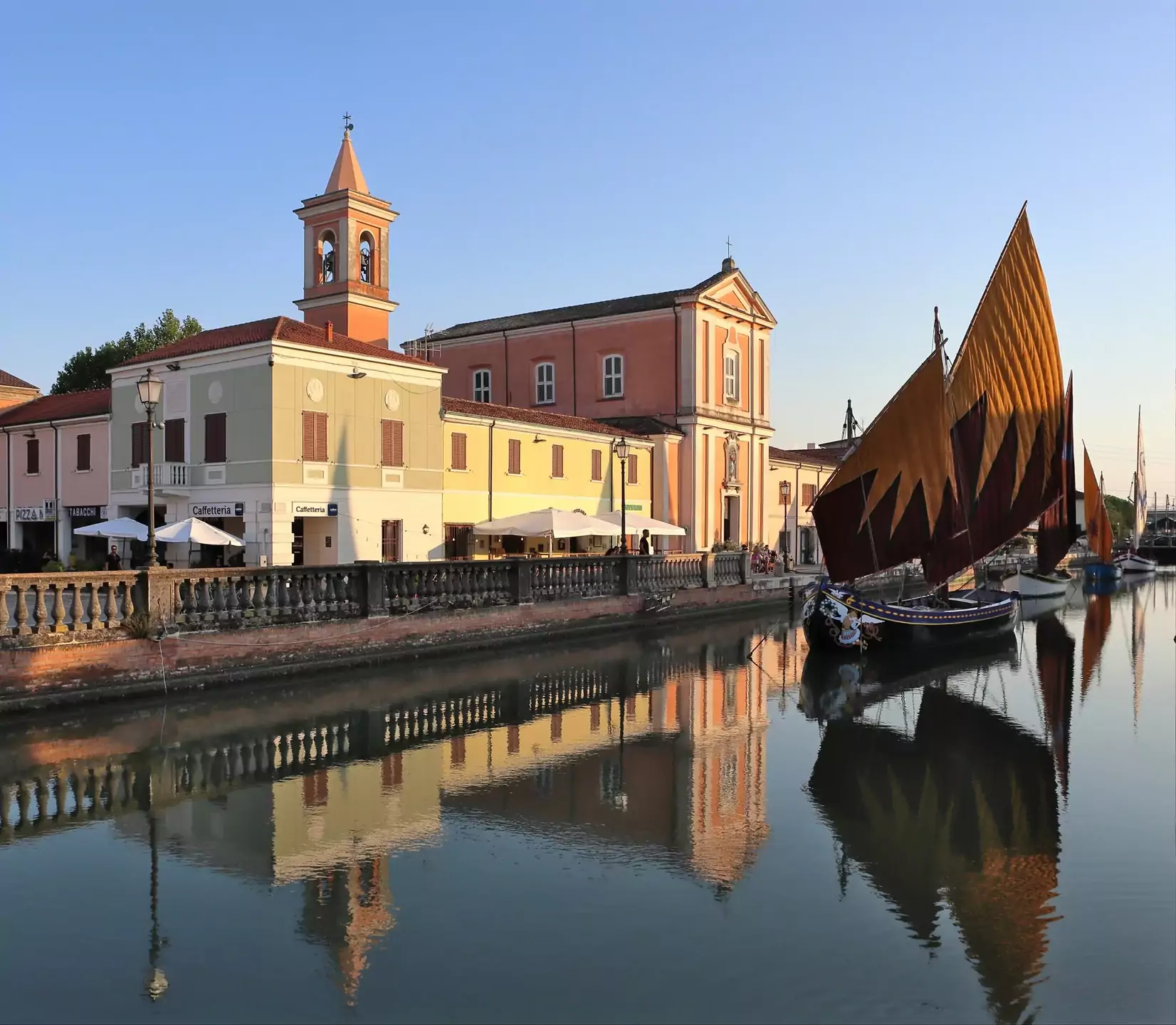
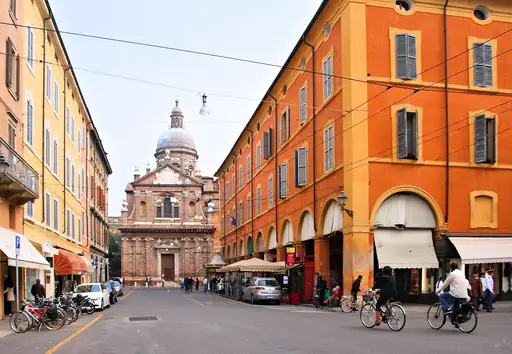
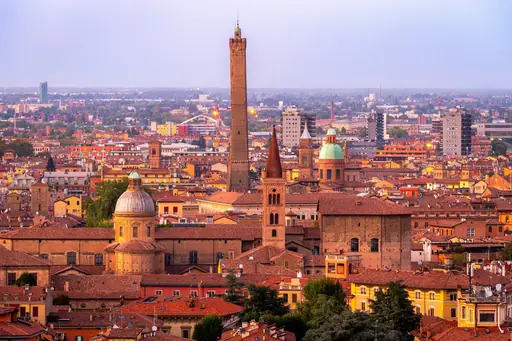
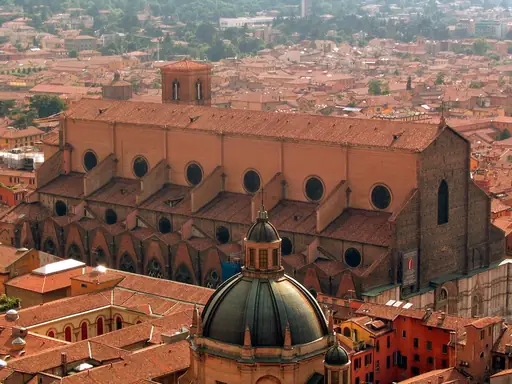
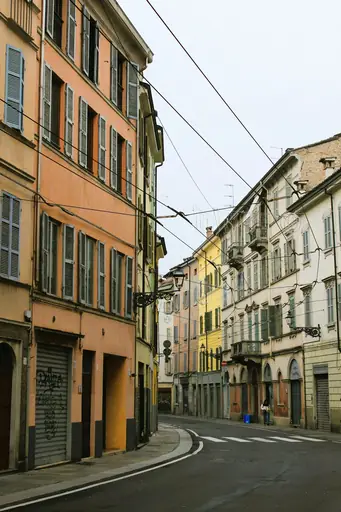
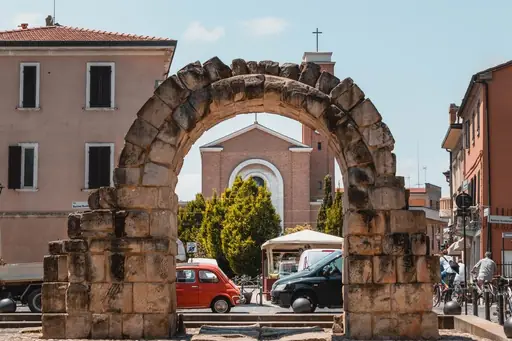
Emilia-Romagna stands out as Italy’s food heartland where tradition meets daily life. The region produces Parmigiano Reggiano cheese, Prosciutto di Parma ham and world-famous pasta such as Tortellini and Lasagne. Cities like Bologna boast medieval squares and university history while Modena is known for its car culture and balsamic vinegar. Rolling hills, coastal towns along the Adriatic and vibrant festivals create a varied landscape that appeals to travelers seeking authentic Italian experiences beyond typical tourist spots.

Region in Italy
Climate zone: Humid subtropical

Humid subtropical: Warm temperate climates with hot, humid summers, mild winters and evenly distributed rainfall, common on eastern continental margins.

See climate table
Price level: $$$
$Cheap
$$Medium
$$$Expensive, upscale
$$$+Very expensive, luxury
See price details
Safety: 7.2
General Safety:7
Health & medical:8
Accessibility:6
Tap water:8
Read details
Tourist English: 3/5
In Emilia‑Romagna, most locals speak basic English, especially in tourist towns and larger cities like Bologna and Rimini. Outside major attractions, language skills drop, so simple phrases or a translation app help.
Last update: 12 Oct 2026
* We earn a commission from some links on this page.
Emilia-Romagna Summary

These place ratings give you a quick overview of how well a destination matches different types of trips.

‘Best for’ scores:
The specific interest scores show where this place really shines – whether it's ideal for hiking, food & drink experiences, museums or other activities. These highlights help you understand what makes the destination special at a glance.

‘Your personal’ scores:
This reflects how well a place matches your personal preferences. You can adjust the importances of travel topics or other personal requirements categories in your account settings.

‘Suited for’ badges:
These give you a quick overview of how well a destination suits specific types of travellers, to help you find the places that match your lifestyle, preferences or travel situation.

Read how our scores work
Great at savoring world‑class pasta and Parmigiano‑Reggiano, Emilia‑Romagna delights travelers with vibrant festivals, historic towns and rolling hills in which inspire culinary creativity.
Place score
9.0
Best at:
Local cuisine
10
Architecture
9
Historic sites
9
Religious sites
9
Motorcycling
9
Personal score
?
Log in to see how this place matches your personal travel interests.
Suited for
👶 8
Families
🧓 7
Seniors
🛡️ 8
Travel Beginners
👩 8
Solo
Italy – Quick facts
Power Grid: 230 V, 50 Hz
Plug: Type C , Type F
Type C:
Diagram of a Type C power plug
Type F:
Diagram of a Type F power plug

Read about power adapters
Currency: Euro (EUR)
£1 ≈ €1.19
Cashless info: Rating 5/5
Cashless payments are widely accepted in Italy, particularly in cities. While larger establishments and chains are fully cashless, smaller shops may still prefer cash.

Save with a travel credit card
eSIM providers: Best value: Saily
Flexibility: Airalo
Read our in-depth comparison
Tipping: Tipping is customary in Italy, especially in restaurants where 10-15% is typical. Tipping for taxi drivers is usually rounded up or 5-10%. Small tips for hotel staff are also appreciated.
Public drinking: Public drinking is allowed in Italy, especially in public squares and during festivals. In some regions, it is illegal to drink alcohol in certain areas like public transport or near schools.
Public smoking: Smoking is banned in indoor public spaces and on public transport. Designated smoking areas are available outside.
Ferragosto
(August)
Many businesses close, and Italians take holidays. It’s very busy in tourist areas.
Christmas
(December)
Christmas markets and festivities are popular, expect higher prices and crowded attractions.
La Befana
(January)
Celebrated on January 6, the Epiphany is a public holiday with festive events, and some businesses close.
Emergency contact: Emergency Number: 112 (Police, Fire, Ambulance)
Taxi apps: Uber, Free Now, ItTaxi
Other: Italy's tourist infrastructure is well-developed, but some rural or historical areas may require extra planning for accessibility.
Best times to travel

The best times to travel section shows how the months compare for a visit, so you can find the time of year that fits what you want to do.

Background colours of the months:
The colour shows the typical temperature: yellow (hot), green (mild) and blue (cold). How strong the colour is shows the travel season: full colour means high season, soft colour means shoulder season and soft-striped means off season.

Weather symbols:
Each month has one symbol showing what the weather is typically like, such as hot and sunny, freezing or a rainy or snowy season. Use them to quickly spot months that match the weather you want, or to avoid the ones that don't.

Crowdedness:
The people icon shows how busy the place usually is. The more people, the more crowded it gets.

Additional notes:
The grey info boxes point out special things worth knowing, like recurring weather issues or seasonal events.

for Emilia-Romagna, Italy
🌤️
Jan
🌤️
Feb
🌤️
Mar
☀️
Apr
☀️
May
☀️
Jun
🔥
Jul
🔥
Aug
☀️
Sep
☀️
Oct
🌤️
Nov
🌤️
Dec
High season: May - Sep.
Shoulder season: March - April, Oct.
Crowdedness: 7 (Many tourists)
Tap on a month for more info Hover over a month for more info
Climate and season vary by area: the Adriatic coast (Rimini, Riccione) is best for beaches June to early September, cities like Bologna, Parma and Ravenna are best April to June and September to October
August: many restaurants and shops in the cities close around Ferragosto (15 August), while the coast is at its busiest
Beach clubs, hotels and nightlife on the coast mostly close from October to April

Why travel to Emilia-Romagna?

Emilia‑Romagna offers a balanced mix of history, culture and natural beauty that appeals to travelers seeking an authentic Italian experience. The region’s cities – Bologna, Modena, Parma, Ravenna and Rimini – each have distinct identities. Bologna’s medieval streets, its renowned university and the iconic Two Towers provide a lively urban atmosphere. Modena is celebrated for its automotive heritage, with the Ferrari and Lamborghini museums drawing enthusiasts worldwide. Parma’s cathedral and the nearby Parmesan cheese farms showcase culinary traditions that extend beyond the city limits. Ravenna, a UNESCO World Heritage site, boasts remarkable Byzantine mosaics that illustrate early Christian art in vivid detail. The Adriatic coast, especially Rimini, offers well‑maintained beaches and a historic promenade that blend leisure with heritage. Inland, the Po Valley’s flat landscapes support extensive agricultural production; visitors can tour vineyards and olive groves, tasting local wines such as Lambrusco and Lambrusco di Sorbara. The region’s culinary scene is grounded in simple, high‑quality ingredients: fresh pasta, cured meats, truffles and balsamic vinegar from Modena. Food markets and trattorias provide opportunities to taste these specialties without the excess of tourist hype. Emilia‑Romagna’s blend of urban sophistication, historical depth and gastronomic authenticity makes it a compelling destination for travelers who value genuine Italian culture.

🏙️Cities & Regions
  • 1 Bologna
    A vibrant university city in northern Italy, known for its medieval towers and historic portico-lined streets. The cuisine centers on rich ragùs, fresh pasta and local cured meats, while the art scene showcases Renaissance masterpieces and contemporary galleries.
  • 2 Ravenna
    This ancient city in northern Italy boasts stunning Byzantine mosaics and historic churches. Its compact center features vibrant piazzas, medieval towers and a rich artistic heritage that draws visitors from around the world seeking cultural immersion.
  • 3 Parma
    This central Italian province boasts Parma Cathedral and its world-renowned Parmigiano Reggiano. While tourists flock to food tours, locals prefer quiet walks along the Parma River away from the main square crowds.
  • 4 Modena
    A historic city in northern Italy's Emilia-Romagna region, famous for its world-class balsamic vinegar and Ferrari factory. The medieval center features charming piazzas, while nearby vineyards offer scenic tours and tastings for visitors seeking culinary delights.
  • 5 Rimini
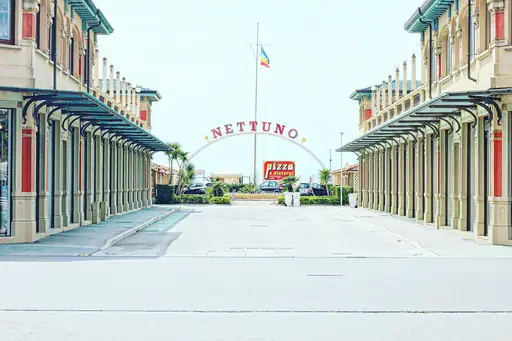
    A vibrant Adriatic coastal city in Italy's Emilia-Romagna region, Rimini features sandy beaches, historic towers and bustling promenades. Its lively atmosphere draws visitors seeking sun, sea and cultural attractions along the Italian Riviera's eastern shore.
🏯Places worth seeing
  • 1 Sanctuary of the Madonna of San Luca
    This Emilia-Romagna sanctuary sits atop a hill overlooking Modena and Bologna, offering serene views away from city bustle. Pilgrims seek its legendary healing waters, while visitors enjoy quiet contemplation or a brief stop en route to nearby culinary hubs.
  • 2 Ducati Museum
    A hub of automotive heritage, the Ducati Museum showcases the evolution of Italian motorcycle engineering through iconic models, design sketches and interactive displays that highlight the brand’s racing legacy and.
  • 3 San Petronio
    This historic basilica in Ravenna features stunning mosaics and a grand dome, drawing pilgrims and art lovers alike. Its intricate designs reflect centuries of craftsmanship within this UNESCO World Heritage site's rich cultural landscape.
  • 4 Piazza Maggiore
  • 5 Cinque Terre
  • 6 Santa Maria del Fiore
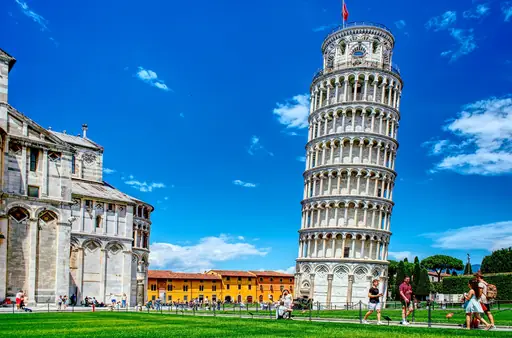
  • 7 Leaning Tower of Pisa
  • 8 Ducal Palace
  • 9 Verona Arena
🎡Places for activities
  • 1 Gondola Ride
🏞️Natural landmarks
  • 1 Casentinesi Forests, Monte Falterona, Campigna National Park
🛍️Shopping
  • 1 Penny Market
  • 2 Spaten - Birreria Montenapoleone

Knowledge before you go

  • Pack lightweight clothing; Emilia‑Romagna has mild summers and cool evenings.
  • Reserve a table at a local trattoria early, as popular spots fill quickly during peak season.
  • Use regional trains for efficient travel between cities like Bologna, Modena and Ravenna; check schedules online before departure.
  • Explore the region’s lesser‑known olive groves and vineyards; they offer authentic tastings and scenic walks away from tourist crowds.

How to travel to Emilia-Romagna

Emilia-Romagna, located in northern Italy, is accessible via several transportation routes. The region’s main international gateway is Bologna Guglielmo Marconi Airport (BLQ), which connects to major European cities and some U.S. destinations seasonally. For rail travel, high-speed trains link key cities like Bologna Centrale and Modena to Milan, Florence, Rome and other Italian hubs. Regional trains provide connections within the region’s provinces. Major highways such as the A1 (connecting Milan to Naples) and A14 (linking Bologna to Ravenna and the Adriatic coast) facilitate car travel. Ferries serve coastal areas via ports like Ravenna and Cattolica, while intercity buses offer additional local access.

Access summary

  • From Bologna Guglielmo Marconi Airport (BLQ): Train to Bologna Centrale (15 min); bus to city center 10–20 min.
  • From Milan Malpensa (MXP): High‑speed train to Bologna (70–80 min).
  • By ferry from Venice Marco Polo (VCE) to Rimini: 1.5–2 hours, popular for beach tourists.

Where to stay in Emilia-Romagna

In Emilia‑Romagna travelers find a spectrum of lodging that ranges from rustic agriturismi nestled amid rolling hills to chic boutique hotels overlooking historic city centers. The region’s countryside offers numerous farm stays where guests can sample local cheeses and olive oil, while coastal towns provide stylish seaside resorts with panoramic views of the Adriatic. Urban areas such as Bologna, Modena and Parma boast a mix of mid‑priced guesthouses and luxury accommodations that blend contemporary design with traditional architecture. Many properties emphasize regional cuisine, offering in‑house restaurants featuring Bolognese ragù or Parmigiano‑Reggiano specialties. Whether seeking budget-friendly hostels or opulent villas, Emilia‑Romagna delivers quality options across its diverse landscapes.

How to get around Emilia-Romagna

Traveling through Emilia-Romagna, Italy, is best experienced via a mix of trains and rental cars. Trains connect major cities like Bologna, Modena and Parma efficiently, offering frequent services across the region. For flexibility – especially to reach rural towns or countryside attractions – a car rental is ideal. Major highways such as the A1 and A14 provide easy access between urban centers. Buses serve smaller communities but are less comprehensive than trains or cars. Walking or cycling works well in compact city areas, though public transport remains limited outside metro zones. Taxis and ride-sharing apps are available in larger towns for short trips. Parking is generally accessible, but city centers may have restricted zones – plan accordingly.
Budget snapshot
Costs compared to home

We calculate the average costs when travelling to destinations and compare those with the living costs at your home. With this you can get an estimate of how expensive or cheap the destination is for you.

To customise this, you can set up which location and price level are used for the calculations in your account settings.

+2 %
Daily expenses in the region are around 2% higher than the average across United States. That means you'll spend around the same on meals and getting around.
Exchange rate trend

The exchange rate price factor shows how expensive or cheap a currency currently is compared to its historical average. It's a quick way to see if a country is currently more or less affordable due to exchange rate changes.

-3 %
Your exchange rate (GBP to EUR) is 3% better than in recent years. That means travelling now costs around the same compared to the past.

Travel costs

To help you plan your trip, we provide estimated daily costs per person (when travelling as a pair) for different travel styles. These numbers give you an idea of what you might spend each day at this destination, including accommodation, food, transport and activities.

Additionally, we also provide average hotel costs for different travel styles to give you an estimate for the accommodation only.

Please note that these are only estimates. The real costs depend on booking times, season and other factors.

Daily cost summary

Travel style categories explained:

Backpacker:
Staying in hostels or budget hotels, cooking your own meals or eating cheap and choosing low-cost activities.

Mid-range:
Staying in mid-range hotels, eating at a mix of restaurants and casual spots and enjoying a variety of activities.

Luxury:
Staying in luxury hotels, dining out at high-end restaurants and enjoying premium experiences without worrying about the price.

Backpacker Mid-range Luxury
💵 Total costs per day, including accommodation
£60
£132
£331
🏨 Accommodation per night, per person
£21
£45
£90
🍝 Food per day
£31
£77
£211
🚕 Transportation per day
£8
£9
£29
Food & Drink
🍽️ Restaurant Dinner, per person
£34
🍛 Lunch Set, per person
£18
🍟 Fast food combo
£9
🍝 Preparing your own food, per day
£11
☕ Cappuccino
£1.60
🍺 Beer in a restaurant, 0.5 l
£4.50
Transportation
🚌 Public transport ticket
£1.80
🚕 Taxi Ride, 10 km / 6 mi
£17
⛽ Petrol, 1 l
£1.60
Other
🎞️ Cinema ticket
£8.50
👩‍⚕️ Doctor's consult
£75
🤧 Cold medication
£8.50
💇 Basic haircut
£12.50

Safety information overview

General safety
7
Emilia‑Romagna offers a high safety level, with low crime rates and reliable public services. Travelers enjoy well‑maintained roads, efficient emergency response and friendly locals. Standard precautions – watch belongings in crowded areas and stay informed about local advisories – ensure peace of mind.
Health & Medical
8
Emilia‑Romagna offers excellent medical care, with world‑class hospitals and highly trained specialists in Bologna, Modena and Parma. Clean air, low pollution and a robust public health system reduce disease risk, while local clinics provide prompt, affordable treatment for travelers.
Accessi­bility
6
Emilia‑Romagna offers solid accessibility: most train stations, major museums and city centers have ramps, elevators and tactile signage. However, older towns like Bologna’s historic core still feature cobblestones and narrow alleys that can challenge mobility aids. Plan ahead for uneven surfaces.
Tap water
8
Tap water in Emilia‑Romagna is consistently high quality, meeting strict EU standards with a pleasant mineral profile. Public fountains and refill stations are plentiful across cities like Bologna and Rimini, ensuring easy access to safe, refreshing hydration for locals and visitors alike.

Packing recommendations for Emilia-Romagna

Log in to add this place to a travel list and get a summary of all recommended items for your whole trip.

Popular districts of Emilia-Romagna

Looking for inspiration?

Discover
Best travel destinations for food allergies in Europe
Europe is one of the more manageable continents for allergy conscious travelers, thanks to strict food labeling rules that apply across the entire European Union. Restaurants…
Read more
Discover
Best travel destinations for food allergies
Travelling with a food allergy adds a layer of planning most people never have to think about and the right destination can make that planning a lot easier. Some travellers…
Read more
Discover
Top digital nomad destinations and remote work hubs in Europe
Europe offers remote workers a level of infrastructure that is hard to beat, along with enough cultural variety to keep even a long stay interesting. City based nomads can hop…
Read more
Discover
Top digital nomad destinations and remote work hubs in 2026
Working from anywhere in the world sounds simple until you actually try it and the best digital nomad destinations look different depending on what kind of remote worker you are.…
Read more
Discover
Best couple holiday destinations
Travelling as a couple sounds simple enough, yet the best couple holiday destinations mean something different to almost every pair. What feels romantic to one couple can feel like…
Read more
Discover
Best couple vacation destinations in Europe
Europe has been the backdrop for love stories for centuries, and for couples it remains one of the easiest continents to feel romantic in without even trying. The choice of…
Read more
Discover
Best destinations for first-time travellers
A first trip abroad works best somewhere that eases you in, rather than throwing every possible culture shock and logistical headache at you at once. Some first-time travellers…
Read more
Discover
Best travel destinations for seniors in Europe
Europe remains one of the easiest continents for older travelers, thanks to excellent trains, reliable healthcare and cities built for walking rather than driving. River cruises…
Read more
Discover
Best travel destinations for seniors
Senior travel covers a wide range, from slow, low effort trips built around comfort to more independent trips for travellers who still want to cover plenty of ground. Some…
Read more
Discover
Best destinations for first-time travelers in Europe
Europe is often the easiest continent to start with, thanks to short distances between countries and infrastructure built for travelers of every experience level. Trains connect…
Read more
Discover
Most beautiful beaches and coastal escapes
For a lot of people, a beach is the whole point of a holiday, but what makes a beach day perfect really depends on personal taste. Some travellers want isolation and the feeling…
Read more
Discover
Stunning national parks and wilderness areas
National parks exist because someone decided that certain landscapes were too important to lose. The best of them protect ecosystems, wildlife and natural processes that would…
Read more
Discover
Intimate escapes and romantic getaways
The most memorable trips for couples tend to have less to do with luxury and more to do with the quality of shared experience. A place that slows you down, removes the usual…
Read more
Was this page helpful?
Feedback