






Was this page helpful?

| Public website: | www.peru.travel |
|---|
| Power Grid: |
220 V, 60 Hz Plug: Type A , Type B
Type A:
  Read about power adapters |
|---|---|
| Currency: |
Peruvian Sol (PEN) £1 ≈ PEN 4.59 |
| Cashless info: |
Rating 4/5
Cashless payments are widely accepted in Peru, especially in larger cities and tourist areas.
Save with a travel credit card |
| eSIM providers: |
Best value: Saily Flexibility: Airalo Read our in-depth comparison |
| Tipping: | Tipping is customary in Peru, with 10-15% being the usual amount in restaurants. Small tips are appreciated by taxi drivers and hotel staff. |
|---|---|
| Public drinking: | Public drinking is prohibited in Peru, and alcohol consumption is restricted to licensed venues. |
| Public smoking: | Smoking is allowed in designated areas, but smoking indoors in public spaces is generally prohibited. |
| Emergency contact: | Emergency Numbers: 105 (Police), 106 (Ambulance), 116 (Fire) |
|---|---|
| Taxi apps: | Uber |
| Other: | Peru is known for its ancient culture, including Inca ruins and the Amazon rainforest, making it a popular destination for nature lovers and history enthusiasts. |
The best times to travel section shows how the months compare for a visit, so you can find the time of year that fits what you want to do.
Background colours of the months:
The colour shows the typical temperature: yellow (hot), green (mild) and blue (cold). How strong the colour is shows the travel season: full colour means high season, soft colour means shoulder season and soft-striped means off season.
Weather symbols:
Each month has one symbol showing what the weather is typically like, such as hot and sunny, freezing or a rainy or snowy season. Use them to quickly spot months that match the weather you want, or to avoid the ones that don't.
Crowdedness:
The people icon shows how busy the place usually is. The more people, the more crowded it gets.
Additional notes:
The grey info boxes point out special things worth knowing, like recurring weather issues or seasonal events.
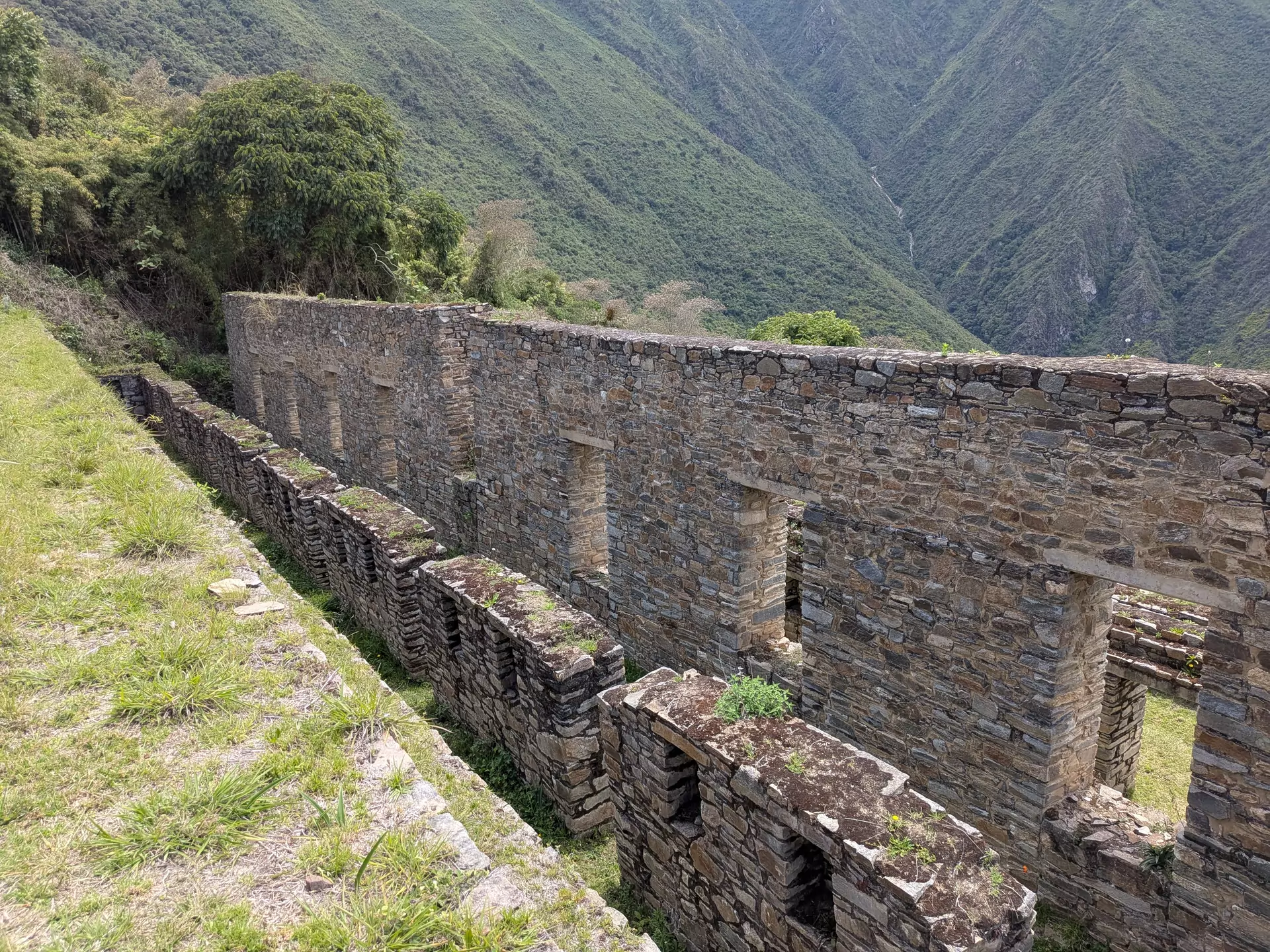
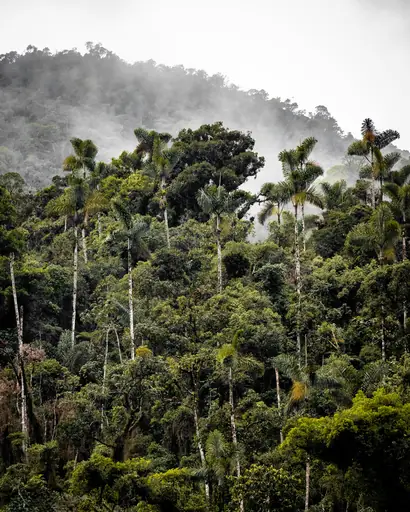
Choquequirao is an ancient Inca site located high in the Andes Mountains of Peru. The ruins sit at over 3,000 meters above sea level and are surrounded by steep cliffs and dense cloud forests. Unlike more popular destinations this location sees fewer visitors each year which creates a sense of quiet exploration for those who make the journey.
The path to Choquequirao typically starts from the town of Cusco and involves several days of trekking through varied terrain. Hikers pass through valleys where terraced fields and stone walls hint at long-abandoned communities. The route often includes crossing rivers and navigating narrow trails that follow old Inca pathways. Weather can change quickly here so preparation is important.
At the site itself there are multiple structures including ceremonial platforms and residential areas built from carefully cut stones. Some sections remain intact while others have been reclaimed by vegetation over time. The remote location means visitors often encounter only the sounds of wind and distant birds. Sunrise reveals mist drifting across the ruins creating a calm atmosphere.
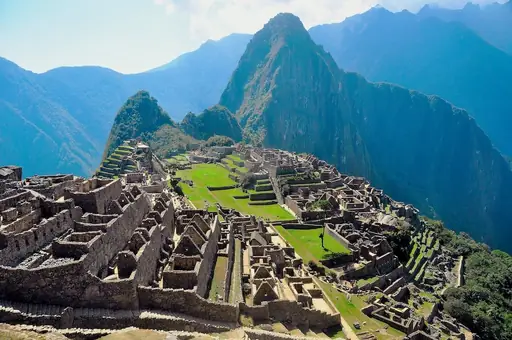
Visiting Choquequirao provides insight into Inca engineering and agricultural practices without the crowds found at Machu Picchu. The experience rewards those who value history and nature equally. Travelers interested in understanding daily life of mountain communities will find evidence preserved in the layout of terraces and storage facilities.
Choquequirao, an archaeological site in Peru’s Cusco Region, is accessed primarily by trekking. The most common route begins at the town of Cachora, located 60 km from Cusco along the Vilcabamba River. Travelers typically take a bus or private vehicle to Cachora first, then hike approximately 4–5 days through remote Andean trails. The journey includes crossing high-altitude passes and navigating rugged terrain. Alternatively, some opt for guided tours that provide logistical support, including porters and meals. Access is seasonal; the dry season (May–September) offers safer passage due to stable weather conditions. Road closures or trail restrictions may affect entry points at times.
In the highlands surrounding Choquequirao, lodging ranges from modest hostels to upscale eco-lodges, catering to trekkers and cultural enthusiasts alike. Most accommodations are situated in nearby towns such as Cusco or Machu Picchu’s base villages, offering basic rooms with shared bathrooms for budget travelers and private suites with mountain views for those seeking comfort. The region is renowned for its rustic adobe inns that blend traditional Andean architecture with modern amenities, providing a unique cultural experience. Many establishments feature communal kitchens and guided trekking services, ensuring visitors can rest comfortably after long hikes while immersing themselves in local hospitality.
Log in to add this place to a travel list and get a summary of all recommended items for your whole trip.
We calculate the average costs when travelling to destinations and compare those with the living costs at your home. With this you can get an estimate of how expensive or cheap the destination is for you.
To customise this, you can set up which location and price level are used for the calculations in your account settings.
The exchange rate price factor shows how expensive or cheap a currency currently is compared to its historical average. It's a quick way to see if a country is currently more or less affordable due to exchange rate changes.
