










Was this page helpful?

| Opening hours: |
|
||
|---|---|---|---|
| Public website: | www.australiazoo.com.au |
| Power Grid: |
230 V, 50 Hz Plug: Type I
Type I:
 Read about power adapters |
|---|---|
| Currency: |
Australian Dollar (AUD) £1 ≈ A$1.89 |
| Cashless info: |
Rating 5/5
Cashless payment is widely accepted, even in rural areas. Digital wallets are commonly used.
Save with a travel credit card |
| eSIM providers: |
Best value: Saily Flexibility: Airalo Read our in-depth comparison |
| Tipping: | Tipping is not mandatory in Australia. Rounding up or 10% is appreciated in high-end restaurants. |
|---|---|
| Public drinking: | Public drinking is regulated and often prohibited, except in designated areas. |
| Public smoking: | Smoking is banned in public indoor spaces and most outdoor public areas. |
| Australia Day (January) |
Public events and celebrations occur nationwide. |
|---|---|
| ANZAC Day (April) |
Commemorations and closures happen. |
| Christmas (December) |
Festive events and closures occur. |
| Emergency contact: | Emergency Number: 000 (Police, Fire, Ambulance) |
|---|---|
| Taxi apps: | Uber, 13cabs, Ola |
| Other: | Australia's vast size requires careful planning for travel between regions. Be aware of wildlife and sun exposure. |
The best times to travel section shows how the months compare for a visit, so you can find the time of year that fits what you want to do.
Background colours of the months:
The colour shows the typical temperature: yellow (hot), green (mild) and blue (cold). How strong the colour is shows the travel season: full colour means high season, soft colour means shoulder season and soft-striped means off season.
Weather symbols:
Each month has one symbol showing what the weather is typically like, such as hot and sunny, freezing or a rainy or snowy season. Use them to quickly spot months that match the weather you want, or to avoid the ones that don't.
Crowdedness:
The people icon shows how busy the place usually is. The more people, the more crowded it gets.
Additional notes:
The grey info boxes point out special things worth knowing, like recurring weather issues or seasonal events.
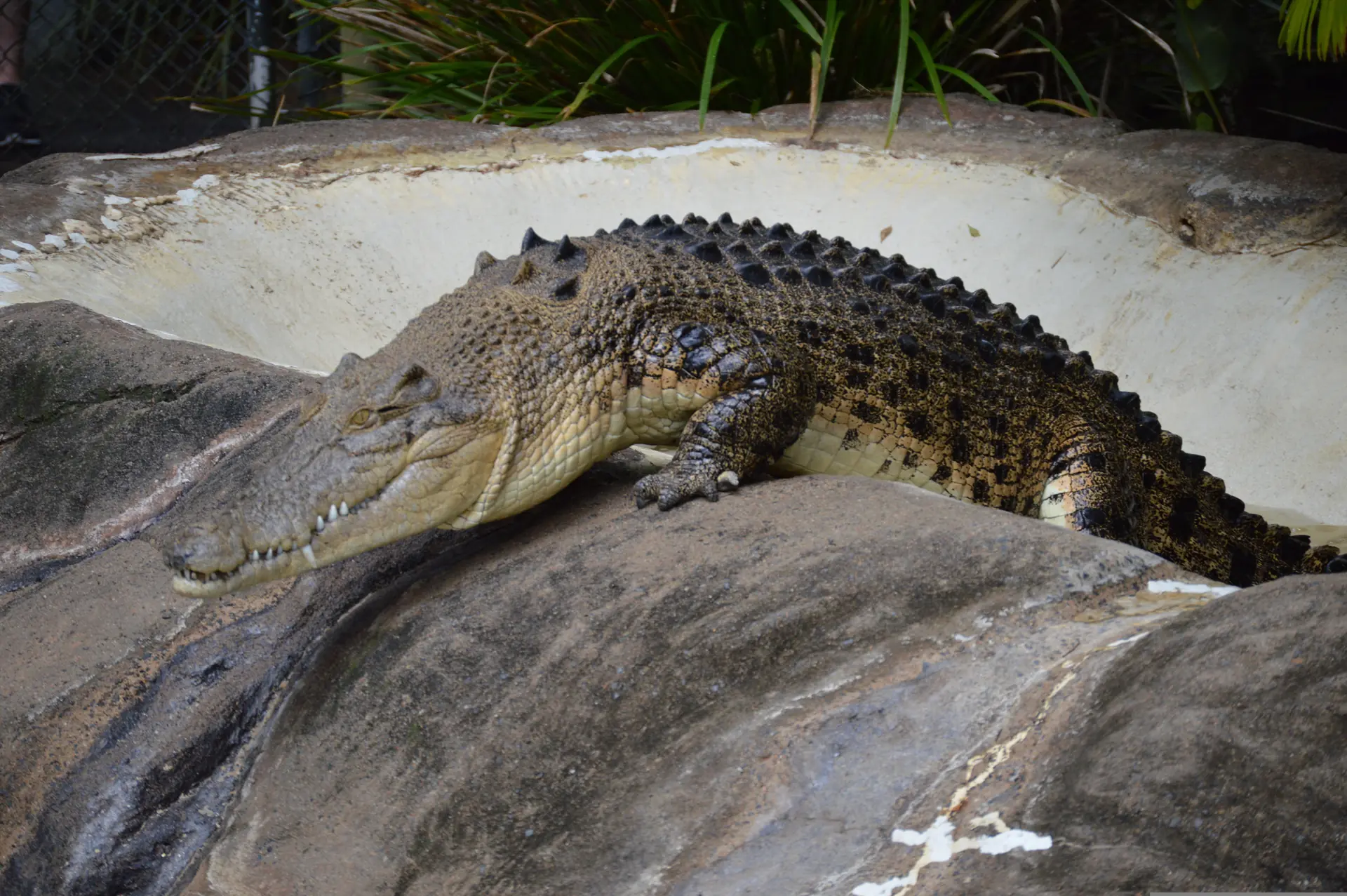
Australia Zoo stands out as a place where wildlife conservation takes center stage. Visitors encounter animals like kangaroos and koalas up close while learning about efforts to protect endangered species. The zoo partners with global programs to support breeding and habitat restoration making every visit feel purposeful.
The facility emphasizes hands-on experiences through guided tours led by knowledgeable staff. Guests can observe feeding sessions or join interactive workshops that explain animal behavior in simple terms. These activities help build a clear understanding of how daily actions impact wildlife survival.
Spaces are designed to mimic natural environments with open enclosures and shaded areas for both animals and visitors. Paths wind through varied habitats allowing easy movement between exhibits without feeling crowded. Signage provides straightforward facts about each species’ role in the ecosystem encouraging thoughtful engagement.
Beyond entertainment the zoo contributes directly to research projects tracking animal health and migration patterns. Data collected here informs policies that protect habitats across Australia and beyond. This focus on science ensures every element of the zoo serves a practical goal supporting long-term ecological balance.
The Australia Zoo, located in Beerwah, Queensland, is accessible via several transportation methods. Visitors can drive to the zoo using major highways such as the M1 and Sunshine Motorway, with clear signage directing travelers from Brisbane or the Gold Coast. Public transport options include buses operated by TransLink, connecting Brisbane to nearby areas like Beerwah and Nambour, followed by a short taxi or shuttle ride. The zoo is approximately 70 km northeast of Brisbane, taking about an hour by car under normal traffic conditions. For those flying, the nearest airports are Brisbane Airport (approx. 90 km) and Sunshine Coast Airport (approx. 100 km), with rental cars or shuttles available to complete the journey.
Near the Australia Zoo, visitors find a mix of budget-friendly hostels and mid‑range boutique inns that cater to families and wildlife enthusiasts alike. Many accommodations offer family suites with kitchenettes, allowing guests to prepare meals after a day of animal encounters. The area is renowned for eco‑friendly lodges that emphasize sustainability, featuring solar panels, rainwater harvesting and native landscaping. Prices typically range from A$80 (£41.89) to A$180 (£94.25) per night, depending on proximity to the zoo’s entrance and the level of amenities such as free Wi‑Fi, breakfast packages or shuttle services. For those seeking a more immersive experience, several campgrounds provide powered sites with easy access to walking trails that loop around the surrounding rainforest.
Log in to add this place to a travel list and get a summary of all recommended items for your whole trip.
We calculate the average costs when travelling to destinations and compare those with the living costs at your home. With this you can get an estimate of how expensive or cheap the destination is for you.
To customise this, you can set up which location and price level are used for the calculations in your account settings.
The exchange rate price factor shows how expensive or cheap a currency currently is compared to its historical average. It's a quick way to see if a country is currently more or less affordable due to exchange rate changes.
