










Was this page helpful?
Also in Boarding Area A, offering high-end services including buffet, showers, and premium bar. Open to qualifying passengers or those willing to pay at the door.

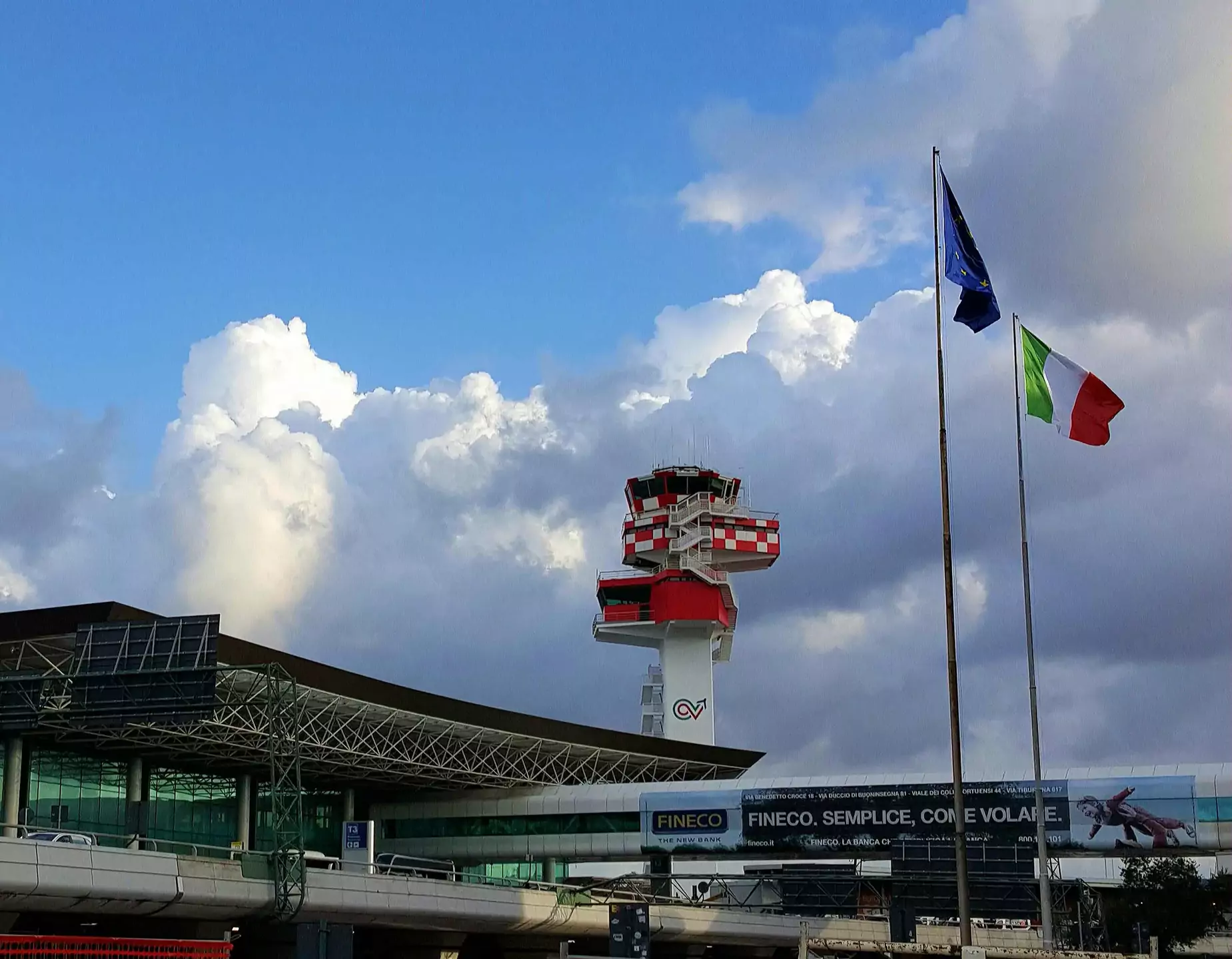
Leonardo da Vinci Fiumicino Airport serves as Rome’s main gateway to the world. Opened in 1961, it handles millions of travelers each year with modern terminals and efficient services. The airport connects Italy by air to major cities across Europe, Africa, Asia and North America. Inside, passengers find shops, restaurants, lounges and direct train links to central Rome. Its layout includes multiple runways and a mix of international carriers operating daily flights. The facility balances practicality with Italian design elements throughout its spaces.



| Power Grid: |
230 V, 50 Hz Plug: Type C , Type F
Type C:
  Read about power adapters |
|---|---|
| Currency: |
Euro (EUR) £1 ≈ €1.19 |
| Cashless info: |
Rating 5/5
Cashless payments are widely accepted in Italy, particularly in cities. While larger establishments and chains are fully cashless, smaller shops may still prefer cash.
Save with a travel credit card |
| eSIM providers: |
Best value: Saily Flexibility: Airalo Read our in-depth comparison |
| Tipping: | Tipping is customary in Italy, especially in restaurants where 10-15% is typical. Tipping for taxi drivers is usually rounded up or 5-10%. Small tips for hotel staff are also appreciated. |
|---|---|
| Public drinking: | Public drinking is allowed in Italy, especially in public squares and during festivals. In some regions, it is illegal to drink alcohol in certain areas like public transport or near schools. |
| Public smoking: | Smoking is banned in indoor public spaces and on public transport. Designated smoking areas are available outside. |
| Ferragosto (August) |
Many businesses close, and Italians take holidays. It’s very busy in tourist areas. |
|---|---|
| Christmas (December) |
Christmas markets and festivities are popular, expect higher prices and crowded attractions. |
| La Befana (January) |
Celebrated on January 6, the Epiphany is a public holiday with festive events, and some businesses close. |
| Emergency contact: | Emergency Number: 112 (Police, Fire, Ambulance) |
|---|---|
| Taxi apps: | Uber, Free Now, ItTaxi |
| Other: | Italy's tourist infrastructure is well-developed, but some rural or historical areas may require extra planning for accessibility. |
Leonardo da Vinci–Fiumicino Airport is Europe's primary gateway to Italy’s capital and a major hub in Southern Europe, handling over 49 million passengers annually. Its spacious, modern terminals showcase a well-thought blend of Italian design, culture and convenience. Passengers can admire reproductions of Leonardo da Vinci’s works, connecting travelers with Italy’s Renaissance heritage immediately upon arrival.
The airport is divided into five terminals, serving a wide array of international and domestic flights. It hosts long-haul carriers and low-cost airlines alike, making it accessible to different traveler types. In recent years, extensive renovations have improved passenger flow, security controls and environmental sustainability, including innovative LED systems and water recycling.
However, despite improvements, Fiumicino remains a busy airport with occasional congestion in customs and security lines during peak hours. Some travelers advise allowing ample connection times if changing terminals. The distance to Rome can lead to additional travel time depending on traffic, so planning ground transportation wisely is key to a smooth experience.
From upscale lounges to a variety of dining and shopping options including famous Italian brands, Fiumicino offers a taste of Italy right at the airport. While the airport can feel bustling, its efficiency and cultural touches make it a memorable part of the journey.
Also in Boarding Area A, offering high-end services including buffet, showers, and premium bar. Open to qualifying passengers or those willing to pay at the door.
Exclusive access for Emirates business and first-class travellers, offering luxurious surroundings and dining options.
Reserved for ITA Airways business class passengers and eligible frequent flyers, featuring premium amenities.
Available to British Airways premium passengers, offering upscale comfort and services.
Located in Boarding Area A, serving domestic and Schengen flights, it provides plush seating, refreshments, Wi-Fi, and quiet rest zones. Access is granted to business class passengers, frequent flyers, or for a fee without prior reservation.
Situated on the second floor of Boarding Area E (non-Schengen flights) and Boarding Area A, this lounge features comfortable seating, diverse food and beverages, and business facilities. Accessible to business class travellers and for a fee to all passengers.
Located near the ABCD multi-storey car park, open to all arriving and transit passengers for a fee, with shower and rest facilities available without reservation.
The area around Fiumicino features several comfortable hotels, mostly catering to transit and business travelers, while Rome’s city center offers a vast range of accommodations from budget to luxury within easy reach.
To Rome:
The fastest and most popular way to reach central Rome from Fiumicino Airport is via the Leonardo Express train, which takes about 32 minutes to Roma Termini station and runs every 15-30 minutes from early morning till late evening. Tickets cost around €14 (£11.76). Alternatively, shuttle buses run regularly with a longer journey time of about 55 minutes and lower fares around €7 (£5.88). Taxis and rideshares are available, with fixed fares to central Rome typically around €50 (£41.98), but travel time varies greatly depending on traffic.
To Lazio Region:
To reach other parts of the Lazio region, regional trains and buses are available from the airport. Car hire provide flexibility for exploring coastal towns or inland historical sites, with routes depending on destination. Travel times and costs can vary widely, so planning ahead is advised.
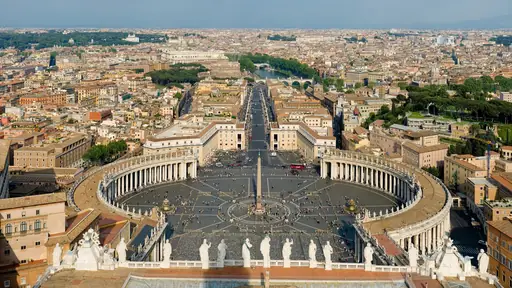
To Vatican City:
Visitors to the Vatican can take public transport from Fiumicino via the Leonardo Express to Roma Termini and then transfer to metro or bus lines. The trip usually takes about 45-60 minutes depending on connections. Taxi rides are quicker but costlier, especially in busy traffic.
+4
 +1
+3
 +3
