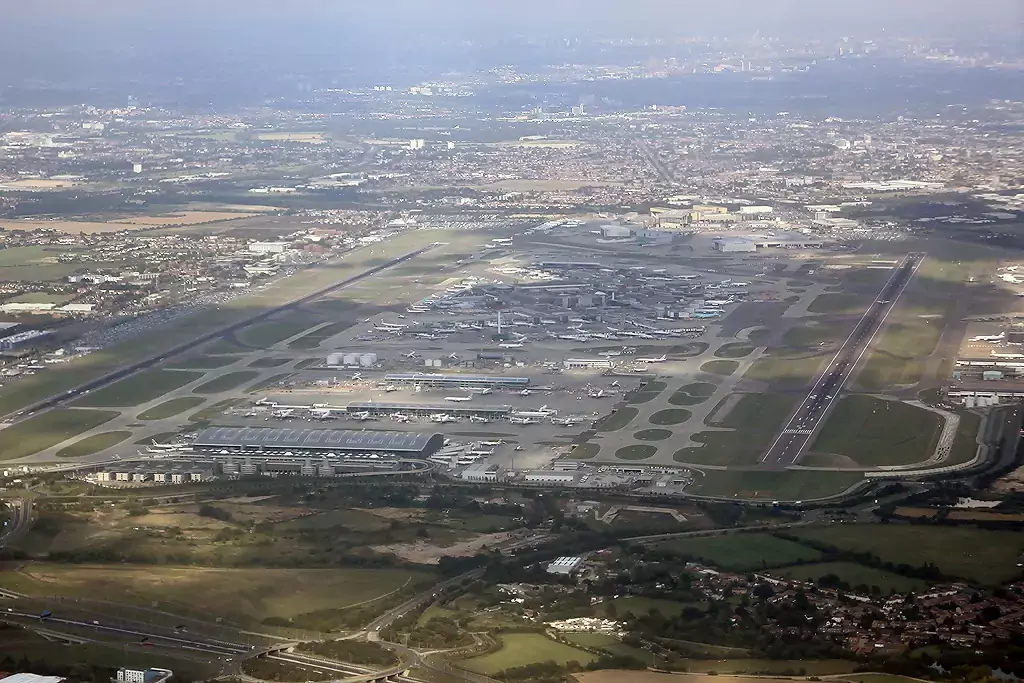
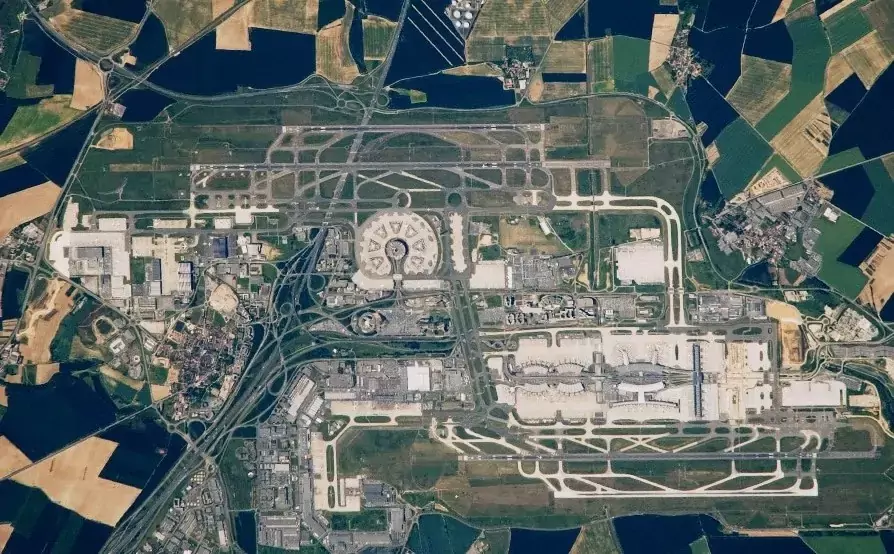
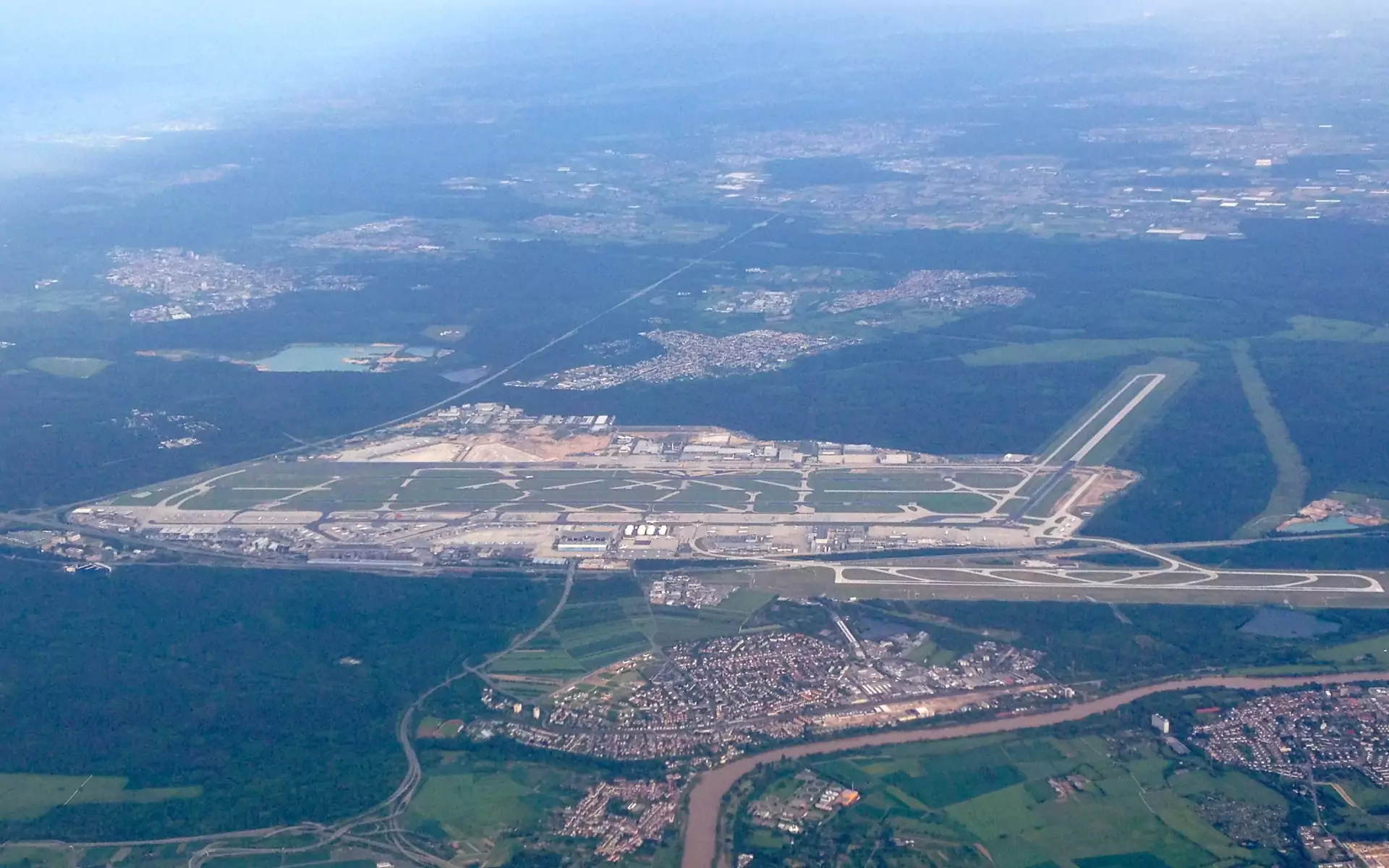
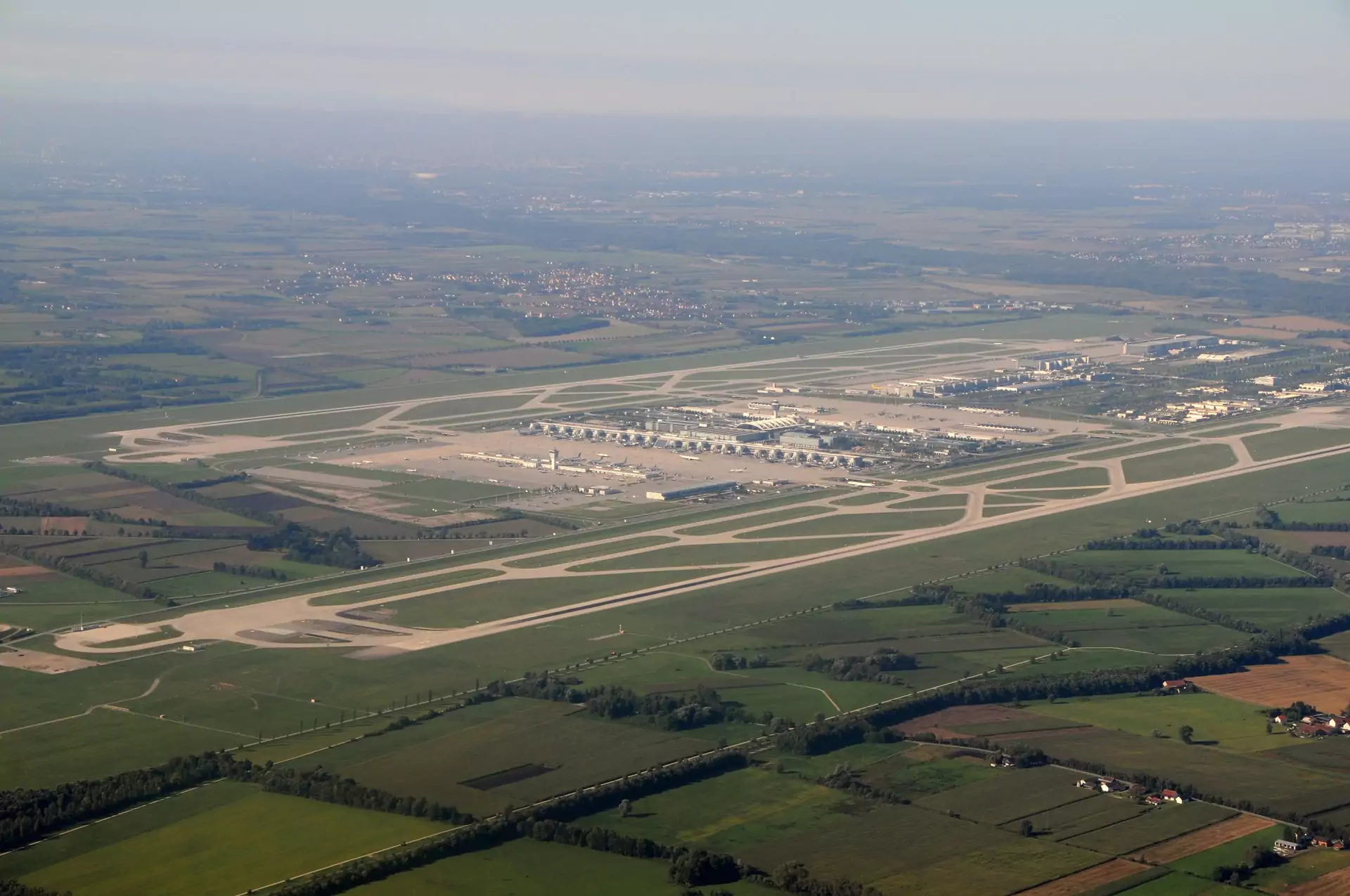
Among the primary international gateways, London Heathrow in the United Kingdom maintains its reputation as the busiest airport in Europe, serving as the central hub for British Airways and offering extensive connections across the globe. In western Europe, Paris Charles de Gaulle stands out as Air France’s stronghold and France’s key international entrance, while Amsterdam Schiphol anchors the Netherlands with a vast network for KLM and its partners. Germany’s main point of entry is Frankfurt am Main, crucial for Lufthansa and Star Alliance traffic, while Munich Airport offers a second major German hub renowned for its efficiency and smooth connections.
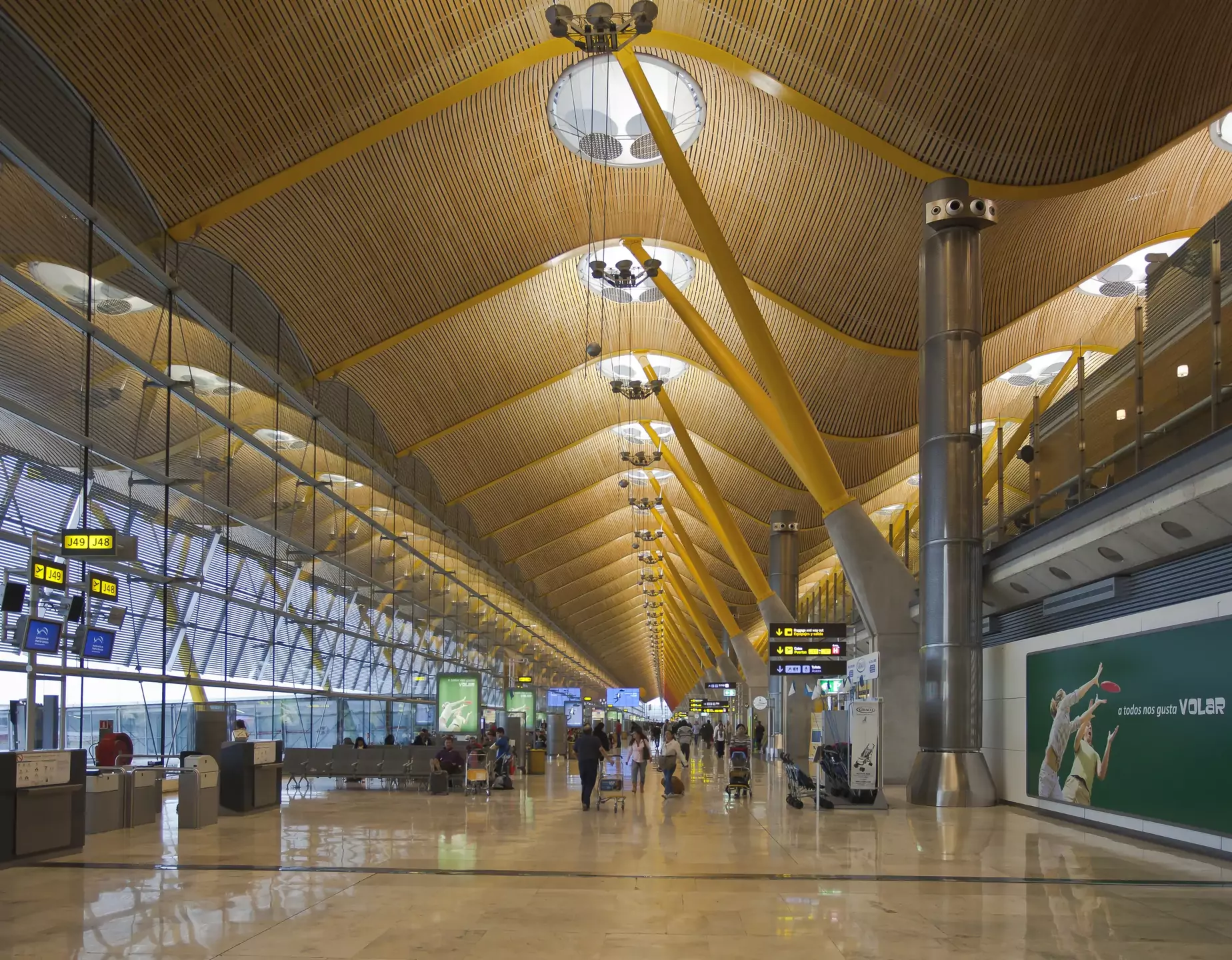
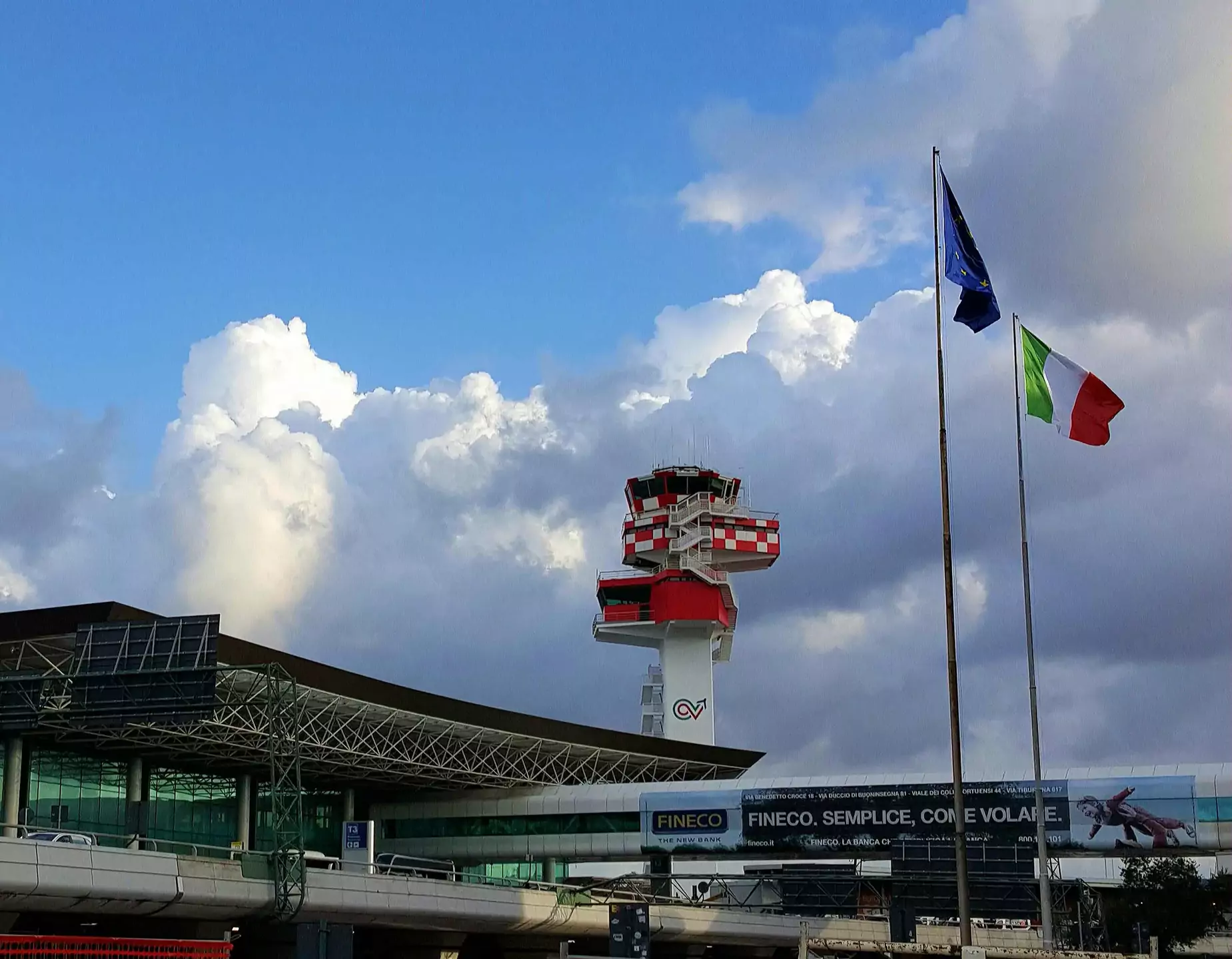
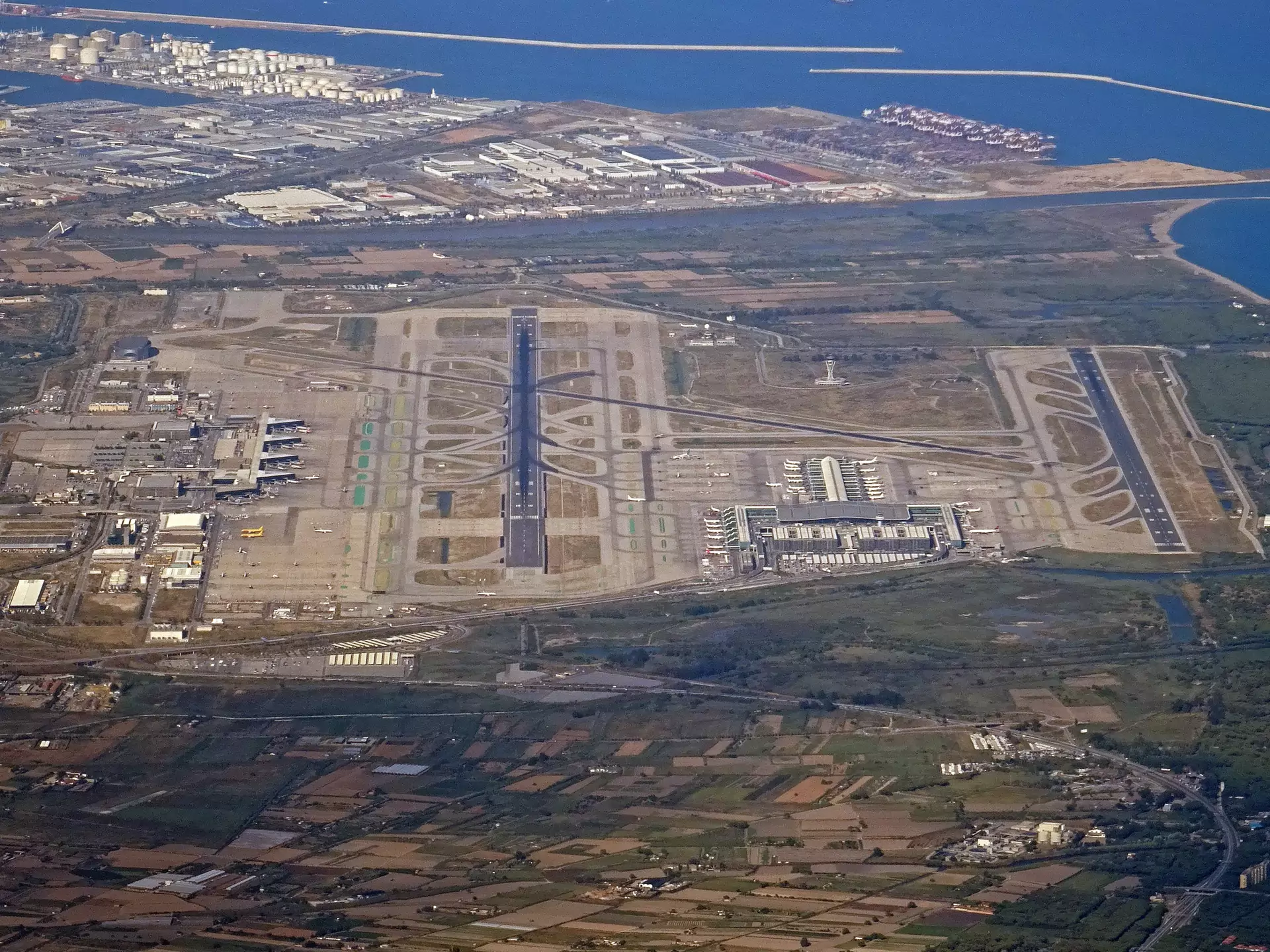
Further east, Istanbul Airport has rapidly risen in prominence, overtaking many western hubs in passenger volume and acting as the lynchpin for Turkish Airlines' massive European, Asian and intercontinental operations. Rome Fiumicino and Milan Malpensa form Italy’s main international gateways, supporting both national and major international carriers. Madrid Barajas is the busiest airport in Spain, home to Iberia and key for flights to Latin America, while Barcelona El Prat is a major secondary hub and popular with budget carriers. In Scandinavia, Copenhagen and Stockholm Arlanda serve as gateways to northern Europe and Zurich in Switzerland acts as Swiss International Air Lines’ central hub.
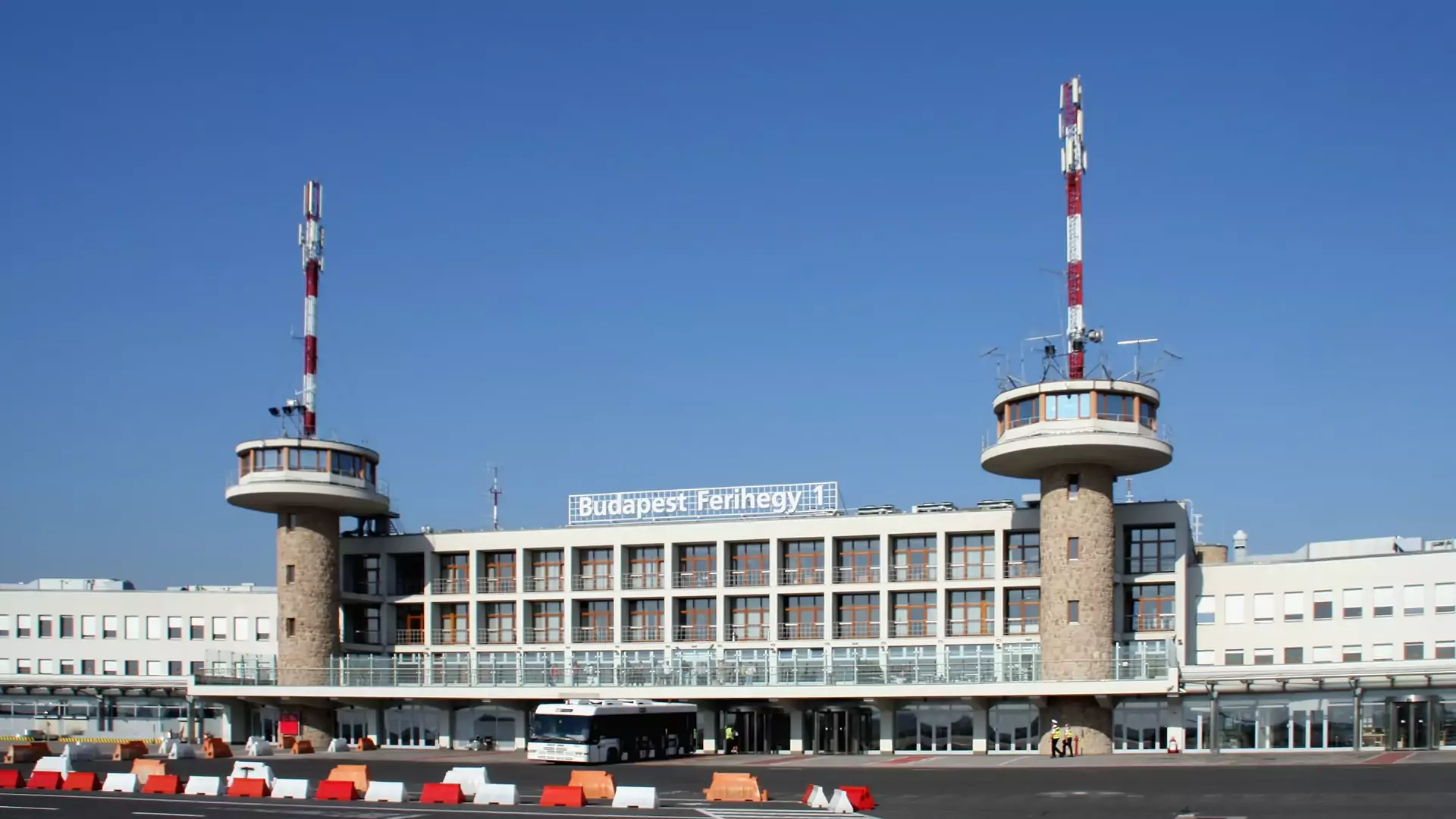
Europe also stands out for its extensive low-cost network. London Gatwick and Stansted, Barcelona El Prat, Berlin Brandenburg, Vienna, Dublin, Milan Bergamo, Warsaw Modlin, Budapest and Brussels Charleroi are all renowned for traffic from leading budget airlines such as Ryanair, easyJet and Wizz Air. These airports are often located near – but not in the heart of – major cities, with strong rail or motorway links connecting them to wider metropolitan areas and neighbouring countries, making them attractive for bargain-seekers.
Key airlines operating the most extensive networks from these hubs include national carriers such as British Airways, Air France, Lufthansa, KLM, Turkish Airlines, Iberia and Swiss, alongside distinctive low-cost giants Ryanair, easyJet, Wizz Air, Vueling and Eurowings. For travellers looking for ultra-convenience on a budget, secondary airports and terminals often provide the best deals, with efficient facilities and connections to urban centres. Notably, the rise of point-to-point low-cost carriers has made city breaks, business trips and cross-border family visits more accessible, blurring traditional boundaries and opening up the whole of Europe to millions every year.