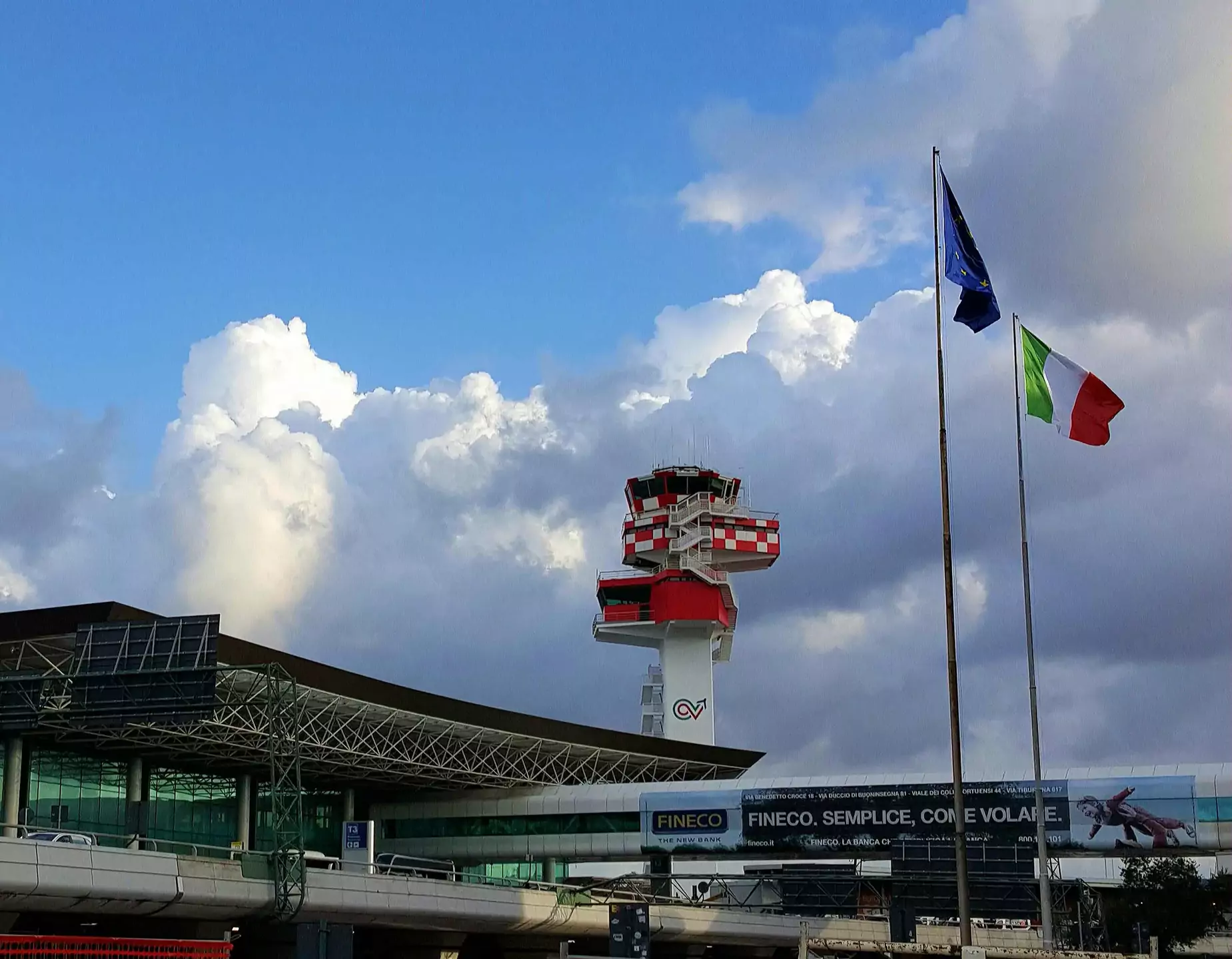
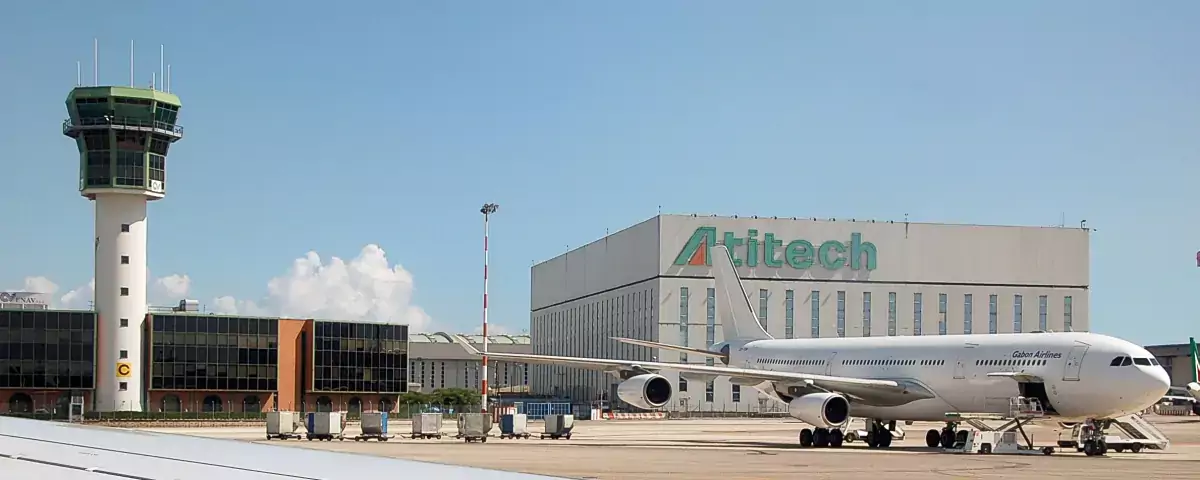
Rome Leonardo da Vinci–Fiumicino Airport (FCO), lying about 30 kilometers west of Rome’s city center, is Italy’s largest and busiest airport and serves as the main international gateway. It acts as the principal hub for ITA Airways, Italy’s flag carrier and hosts a wide variety of global airlines with over 200 destinations. The airport features four terminals and excellent transport links including express trains and shuttle buses to central Rome, making it an essential entry point for those visiting Italy’s historic capital.
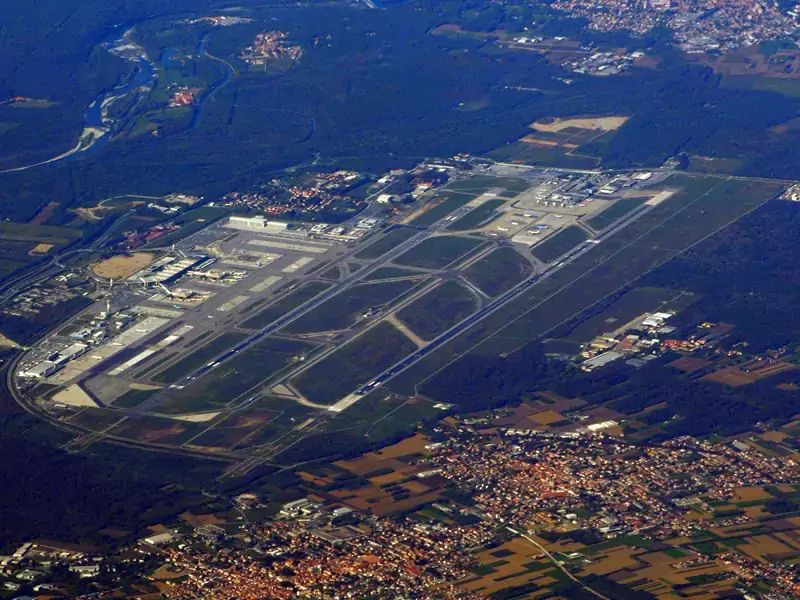
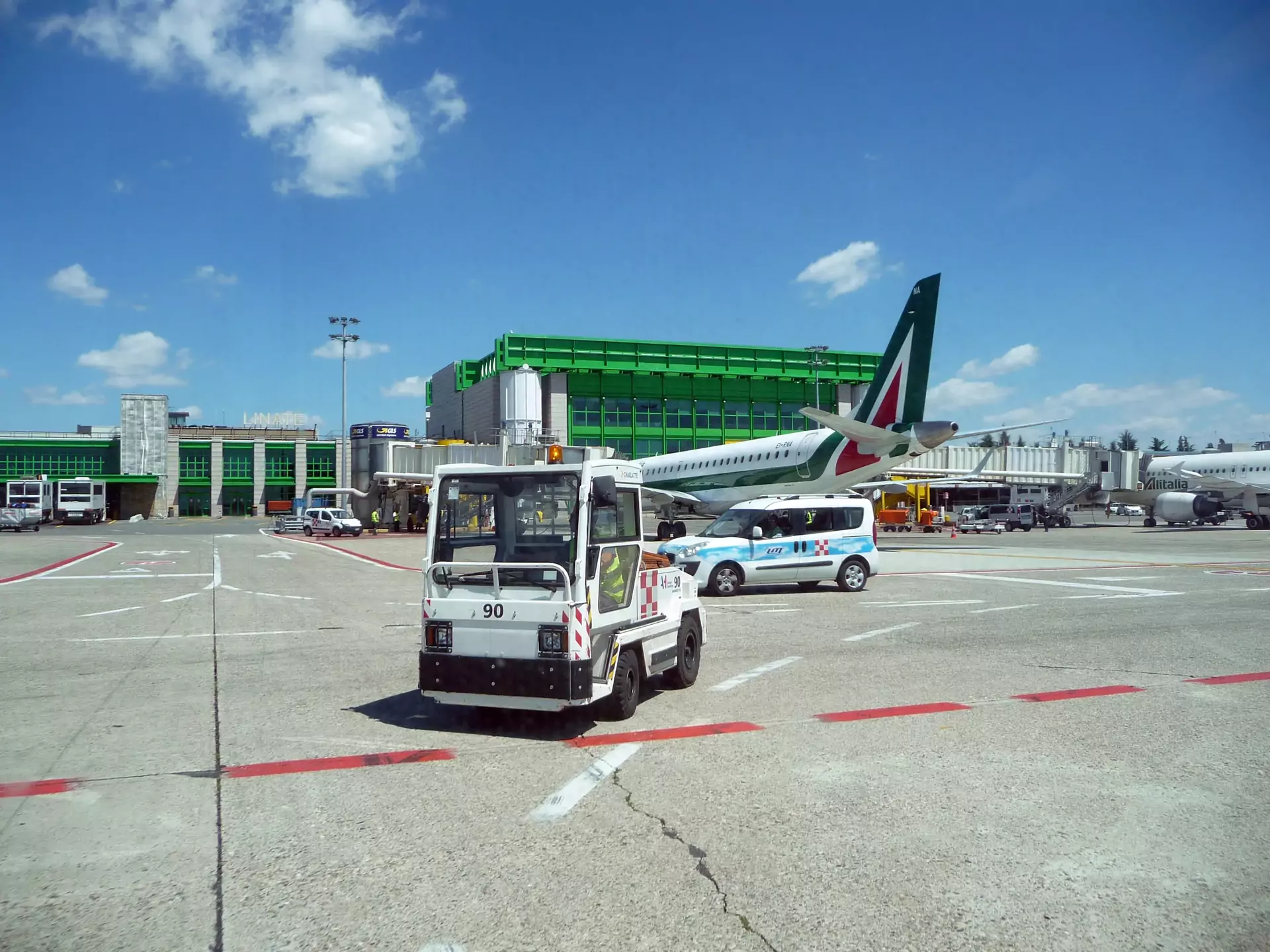
Milan Malpensa Airport (MXP) is the primary international airport serving Milan and Northern Italy. Located around 50 kilometers northwest of Milan, it is a major hub for both ITA Airways and several international carriers. Malpensa handles long-haul flights, especially transatlantic routes and connects Northern Italy to numerous European cities. Alongside Malpensa, Milan Linate Airport (LIN), closer to the city center, primarily handles domestic and short-haul European flights, favored by business travelers for its convenience.
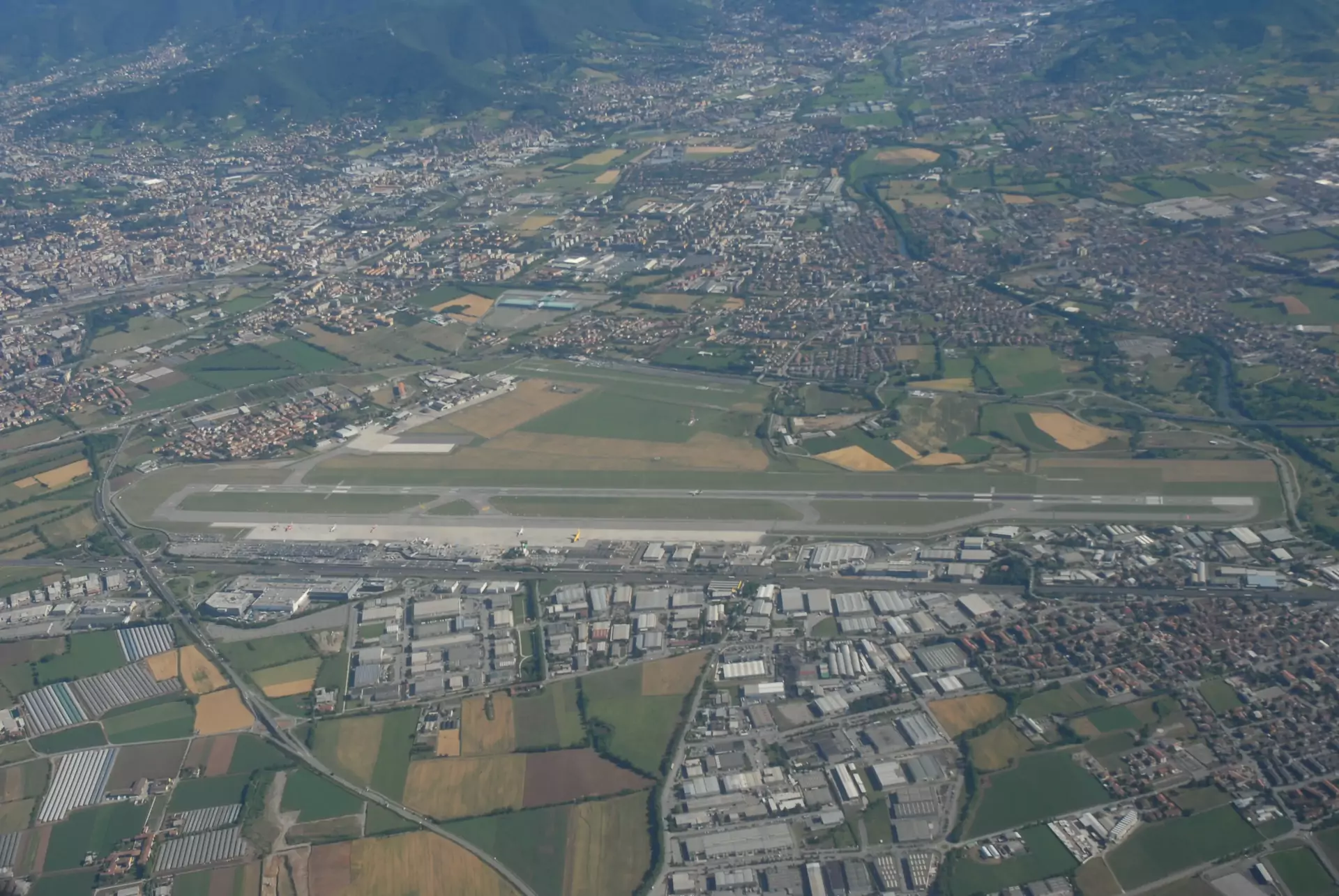
Bergamo Orio al Serio Airport (BGY), near Milan, is a significant base for low-cost carriers such as Ryanair. It serves northern Italy with a focus on budget travel, providing flights across Europe and expanding travel access for leisure passengers. The airport is well connected by bus and road to Milan and surrounding areas.
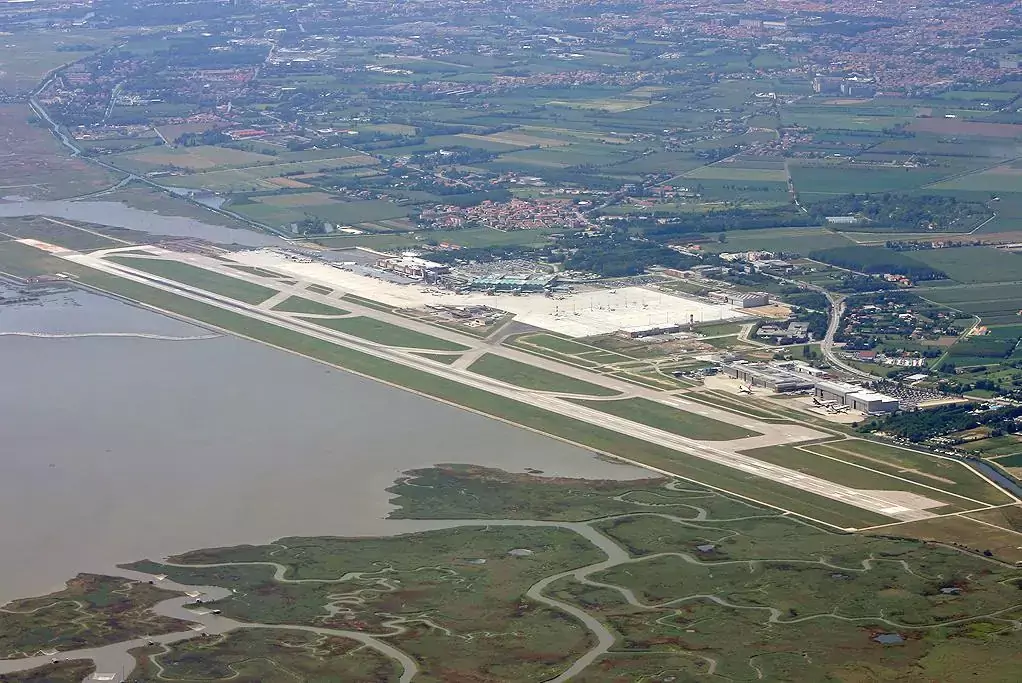
Venice Marco Polo Airport (VCE) is the main gateway to the Veneto region, including Venice and its famous canals. Located about 13 kilometers from Venice city center, it offers international flights primarily to Europe, operated by airlines including easyJet and Lufthansa. Water taxis and buses connect the airport to Venice, providing a seamless transition from air to the iconic waterways.
Naples Capodichino Airport (NAP) serves Southern Italy and is located approximately 7 kilometers northeast of Naples city. It handles both leisure and business travelers with connections across Europe and occasional international long-haul flights. Ryanair and easyJet are prominent carriers here, supporting access to the Amalfi Coast and other southern attractions.
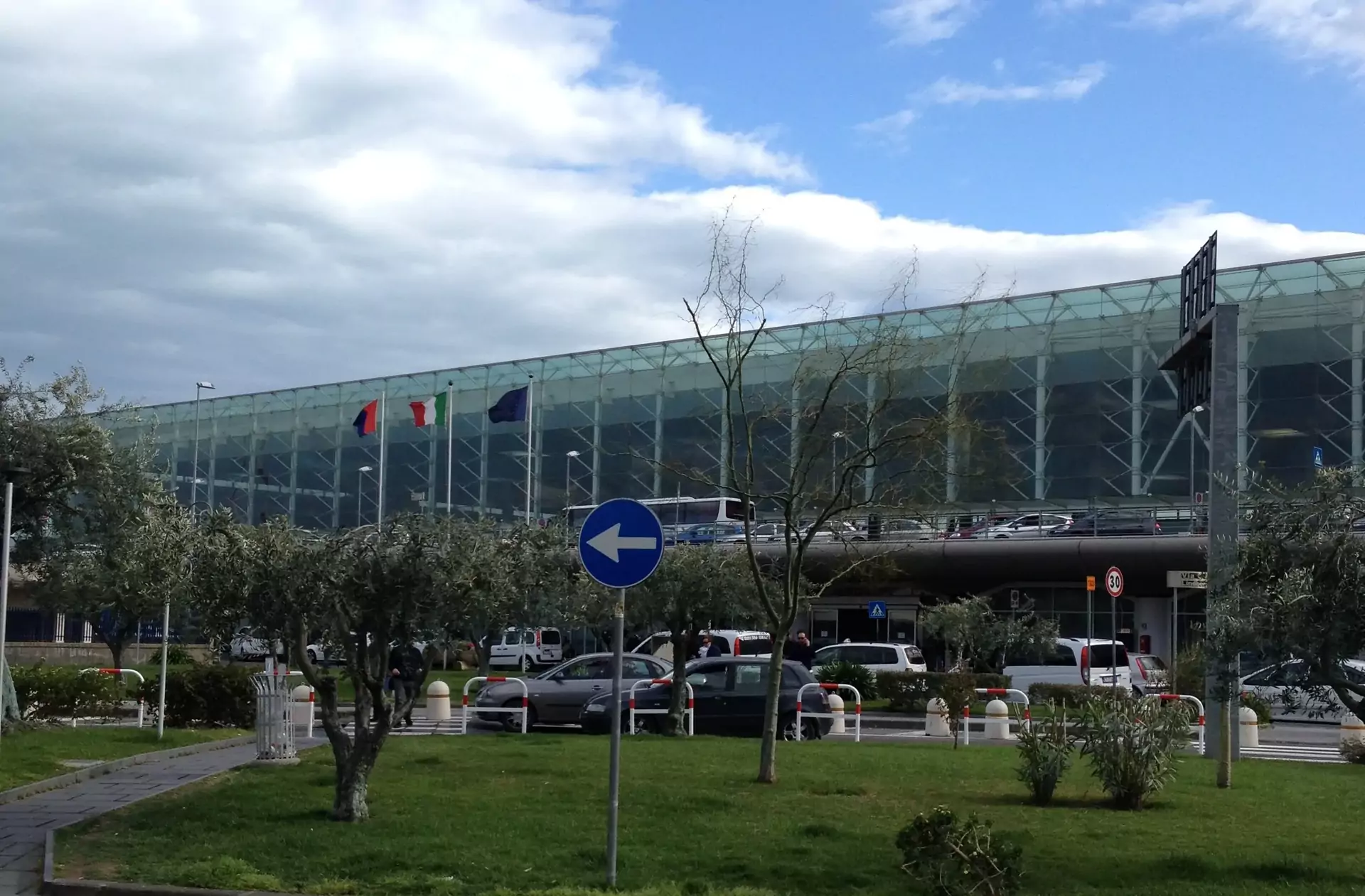
Catania Fontanarossa Airport (CTA), situated in Sicily, is the busiest airport on the island, handling international and domestic flights. It connects to major cities across Europe and is the preferred airport for tourists exploring Sicily’s cultural and natural wonders.
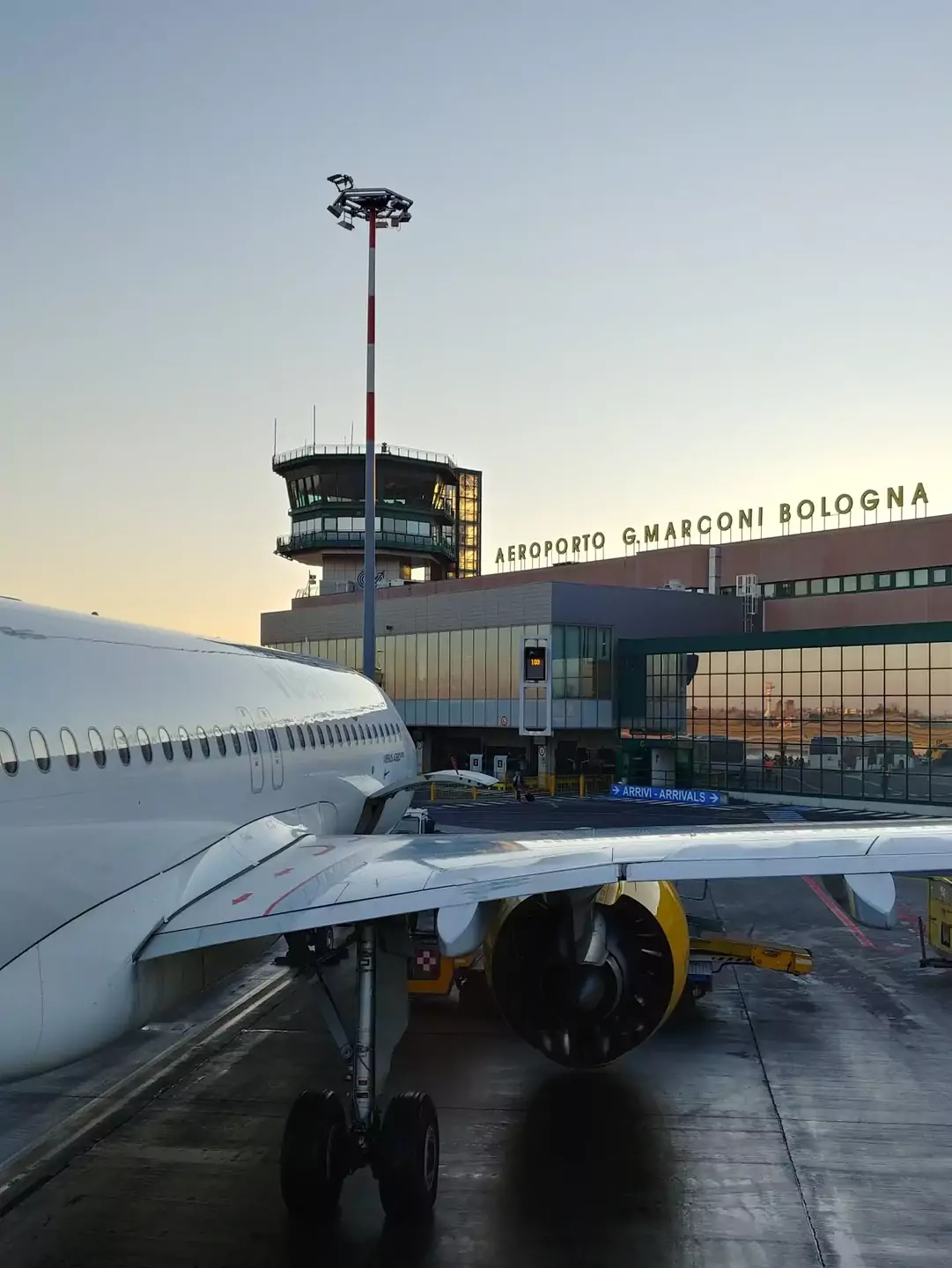
Additional regional airports such as Bari Karol Wojtyła Airport (BRI), Bologna Guglielmo Marconi Airport (BLQ), Palermo Falcone–Borsellino Airport (PMO) and Florence Airport (FLR) provide important connectivity, often served by low-cost airlines like Ryanair and easyJet, enabling budget-friendly travel across Italy and Europe. These airports combine modern facilities with efficient transit options, ensuring visitors can travel comfortably and conveniently.
Italy’s extensive low-cost carrier market dramatically expands travel options, with Ryanair, easyJet and Wizz Air offering extensive networks through secondary airports like Milan Bergamo, Rome Ciampino (CIA) and Venice Treviso (TSF). This diverse airport ecosystem allows Italy to accommodate millions of travelers each year efficiently, whether they seek luxury or budget travel experiences.