
























Was this page helpful?

These place ratings give you a quick overview of how well a destination matches different types of trips.
‘Best for’ scores:
The specific interest scores show where this place really shines – whether it's ideal for hiking, food & drink experiences, museums or other activities. These highlights help you understand what makes the destination special at a glance.
‘Your personal’ scores:
This reflects how well a place matches your personal preferences. You can adjust the importances of travel topics or other personal requirements categories in your account settings.
‘Suited for’ badges:
These give you a quick overview of how well a destination suits specific types of travellers, to help you find the places that match your lifestyle, preferences or travel situation.
| Power Grid: |
230 V, 50 Hz Plug: Type I
Type I:
 Read about power adapters |
|---|---|
| Currency: |
Australian Dollar (AUD) £1 ≈ A$1.89 |
| Cashless info: |
Rating 5/5
Cashless payment is widely accepted, even in rural areas. Digital wallets are commonly used.
Save with a travel credit card |
| eSIM providers: |
Best value: Saily Flexibility: Airalo Read our in-depth comparison |
| Tipping: | Tipping is not mandatory in Australia. Rounding up or 10% is appreciated in high-end restaurants. |
|---|---|
| Public drinking: | Public drinking is regulated and often prohibited, except in designated areas. |
| Public smoking: | Smoking is banned in public indoor spaces and most outdoor public areas. |
| Australia Day (January) |
Public events and celebrations occur nationwide. |
|---|---|
| ANZAC Day (April) |
Commemorations and closures happen. |
| Christmas (December) |
Festive events and closures occur. |
| Emergency contact: | Emergency Number: 000 (Police, Fire, Ambulance) |
|---|---|
| Taxi apps: | Uber, 13cabs, Ola |
| Other: | Australia's vast size requires careful planning for travel between regions. Be aware of wildlife and sun exposure. |
The best times to travel section shows how the months compare for a visit, so you can find the time of year that fits what you want to do.
Background colours of the months:
The colour shows the typical temperature: yellow (hot), green (mild) and blue (cold). How strong the colour is shows the travel season: full colour means high season, soft colour means shoulder season and soft-striped means off season.
Weather symbols:
Each month has one symbol showing what the weather is typically like, such as hot and sunny, freezing or a rainy or snowy season. Use them to quickly spot months that match the weather you want, or to avoid the ones that don't.
Crowdedness:
The people icon shows how busy the place usually is. The more people, the more crowded it gets.
Additional notes:
The grey info boxes point out special things worth knowing, like recurring weather issues or seasonal events.
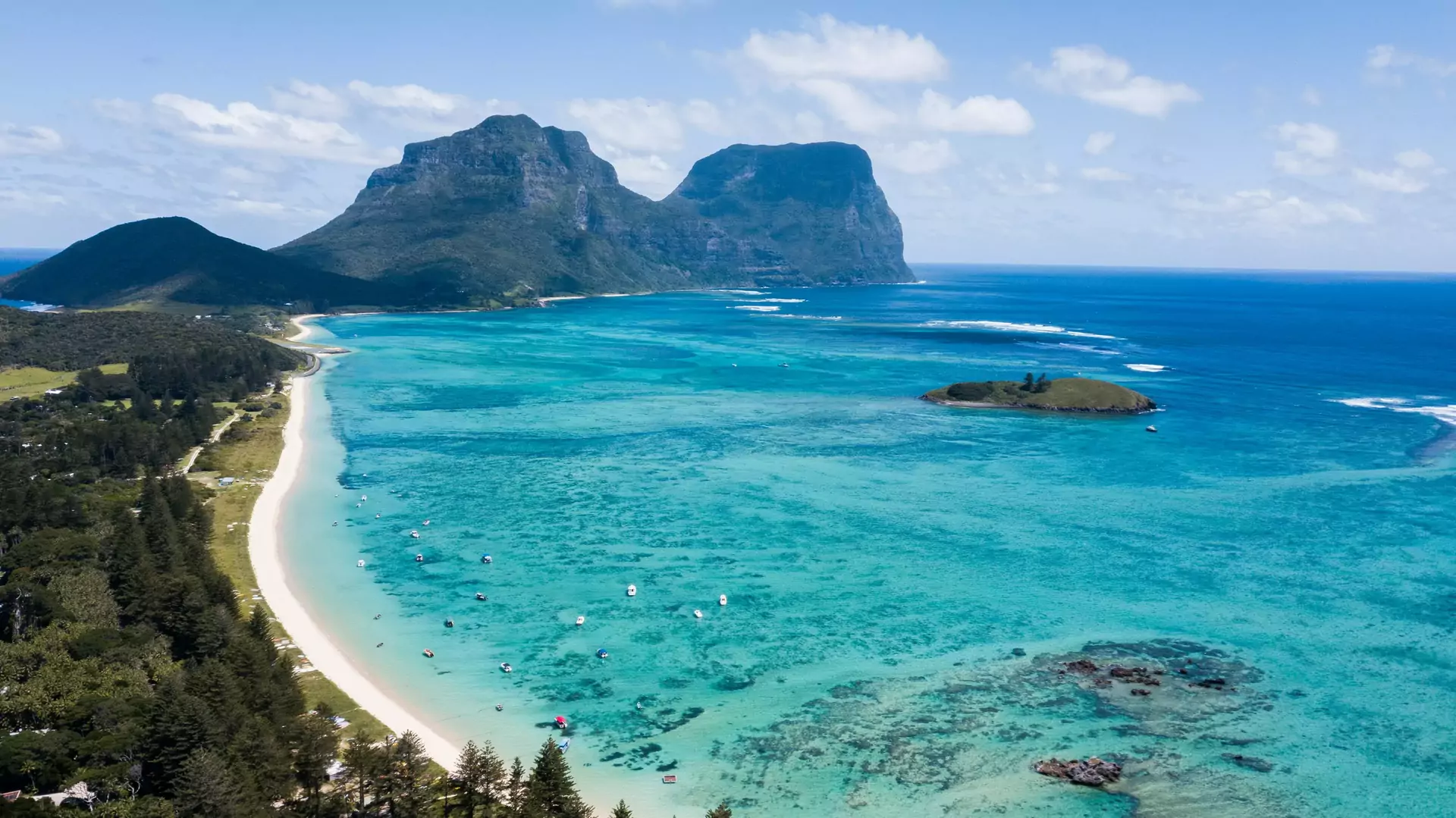
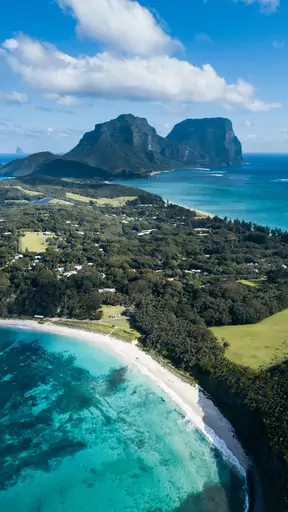
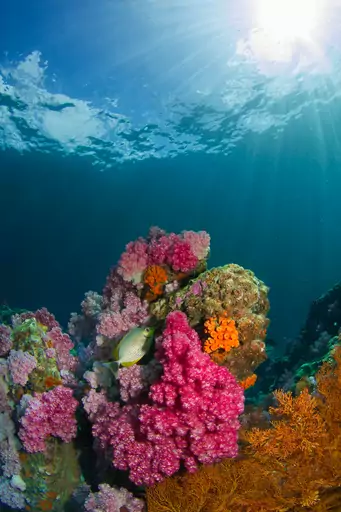
Lord Howe Island offers a quiet escape that blends natural beauty with relaxed island life. Located in the Tasman Sea, it is small enough to explore on foot or by bike yet rich in biodiversity. The island’s volcanic peak, Mount Gower, provides a modest challenge for hikers and rewards visitors with panoramic views of the surrounding ocean and neighboring islands. Along the coast, sandy beaches such as North Beach and South Beach are ideal for swimming, snorkeling and spotting local marine life like turtles and rays. The island’s flora is equally impressive; its subtropical rainforest hosts rare species such as the Lord Howe Island stick insect and a variety of endemic birds. Guided walks through these forests allow visitors to learn about conservation efforts that have preserved this unique ecosystem. For those interested in history, the historic lighthouse at Cape Byron offers insight into early maritime navigation. Accommodation ranges from modest guesthouses to eco-friendly lodges, many of which emphasize sustainable practices. Dining options focus on fresh seafood and locally sourced produce, giving travelers a taste of regional flavors without excess. Overall, Lord Howe Island provides a balanced mix of outdoor adventure, wildlife observation and cultural experience in a setting that encourages mindful travel rather than spectacle.
Lord Howe Island, part of Australia’s territory in Oceania, is accessible via limited commercial flights and sea travel. The primary entry point is through Sydney or Brisbane airports, with scheduled flights to Norfolk Island serving as a stepping stone for inter-island transfers. From Norfolk Island, visitors can take a 2-hour ferry ride to Lord Howe Island, weather permitting, as schedules depend on sea conditions. Private charters and seasonal seaplane services also operate between the mainland and nearby islands. Travel requires advance booking due to strict visitor caps and environmental protections. The island’s remote location limits daily arrivals, ensuring minimal disruption to its UNESCO World Heritage-listed ecosystem. Access is regulated year-round, with ferry operations often suspended during winter storms.
Lord Howe Island offers a range of lodging that caters to both budget‑conscious travelers and those seeking luxury. The island’s main village hosts several family‑run guesthouses and boutique inns, many featuring sea‑view rooms and locally sourced décor. For a more rustic experience, the surrounding hinterland has a handful of eco‑lodges and self‑contained cabins built from reclaimed timber, providing privacy while minimizing environmental impact. A few upscale resorts offer all‑inclusive packages with gourmet dining, spa services and guided snorkeling tours. Accommodation prices vary seasonally, with peak summer rates typically 30–50 % higher than the off‑season, yet the island’s limited capacity ensures a consistently intimate atmosphere.
We calculate the average costs when travelling to destinations and compare those with the living costs at your home. With this you can get an estimate of how expensive or cheap the destination is for you.
To customise this, you can set up which location and price level are used for the calculations in your account settings.
The exchange rate price factor shows how expensive or cheap a currency currently is compared to its historical average. It's a quick way to see if a country is currently more or less affordable due to exchange rate changes.
Log in to add this place to a travel list and get a summary of all recommended items for your whole trip.
