
Best gardens and parks in Oceania
Best gardens and parks in Oceania
Lush public domains and native botanical sanctuaries in Oceania
Oceania's garden culture is shaped by isolation and biodiversity. Many of the plants growing in botanical collections here are found nowhere else in the world, and several of the institutions on this page were founded specifically to document and preserve them. Australia and New Zealand both developed colonial-era botanic gardens in the 19th century that have matured into serious scientific institutions, while also functioning as well-used public parks.
The range across the region reflects how different the climates are. Cool temperate gardens in Dunedin and Hobart grow things that wouldn't survive in tropical Queensland, and the highland gardens of the Blue Mountains operate in conditions closer to northern Europe than to coastal Sydney. Some of the most interesting plant collections are in places that don't advertise themselves as garden destinations at all.
Native flora is a recurring theme in a way that sets Oceania apart from other regions. Australian wildflowers, New Zealand ferns and forest trees, Pacific island endemics. A lot of what's worth seeing here isn't ornamental planting in the European sense but ecosystems that happen to be accessible. That shifts what you're looking for and makes timing and location matter in different ways than they do elsewhere.
Lists by region
City in Australia
Adelaide
Festivals, wine and laid-back charm
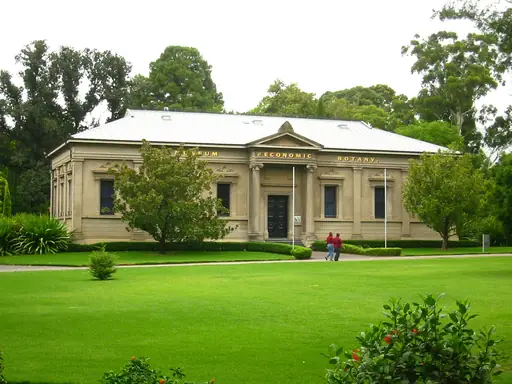
Adelaide Botanic Garden's Bicentennial Conservatory shelters a slice of rainforest under one long glass roof. Inside, a giant Amazon water lily can spread its pads wide enough to hold a small child. Visitors can wander the Palm House, one of the oldest glasshouses in Australia. A Museum of Economic Botany from 1881 stands nearby.

City in New Zealand
Auckland
Where Urban Life Meets Nature
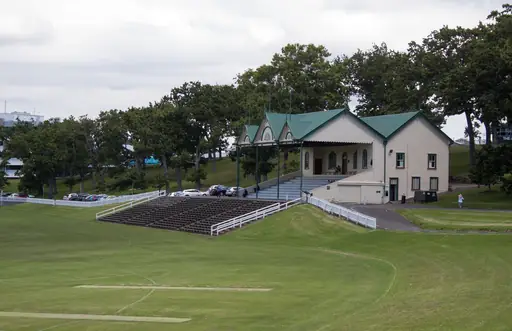
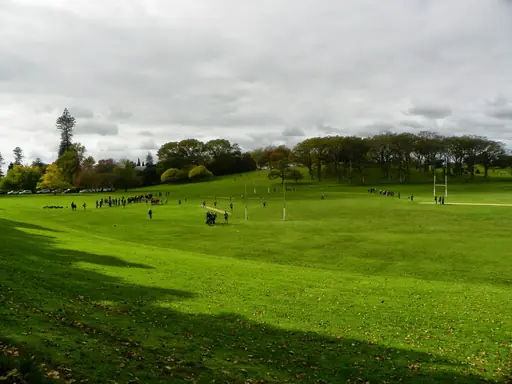
One Tree Hill rises from Cornwall Park, an old volcanic cone south of the city centre. Maori built terraced pa fortifications into its slopes centuries before Europeans arrived. Visitors can walk grazing paddocks past sheep and old stone walls. The summit obelisk marks the grave of the park's donor.
Region in Australia
Victoria
Diverse Landscapes and Cultural Richness
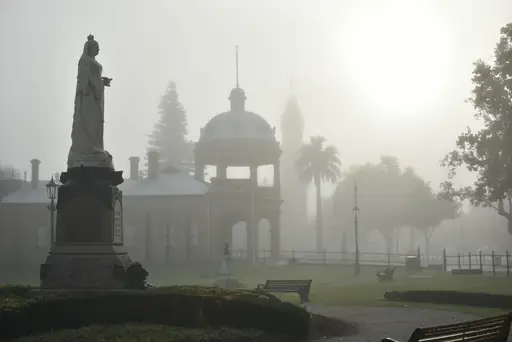
The Royal Botanic Gardens Victoria in Melbourne were laid out along the Yarra River in 1846. Baron Ferdinand von Mueller shaped much of the collection during his time as director. Visitors can walk past a large ornamental lake ringed by weeping willows. A separate garden at Cranbourne grows only Australian native plants.
City in New Zealand
Christchurch
The Garden City of Adventure
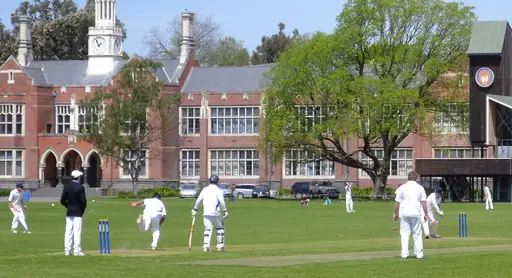
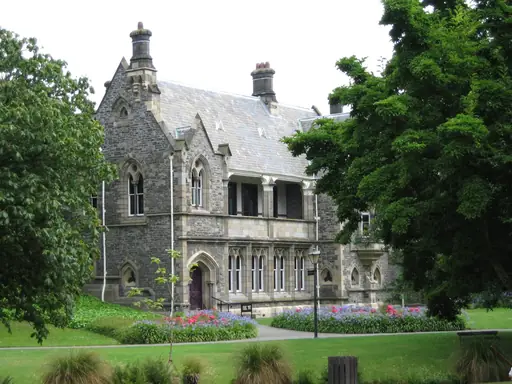
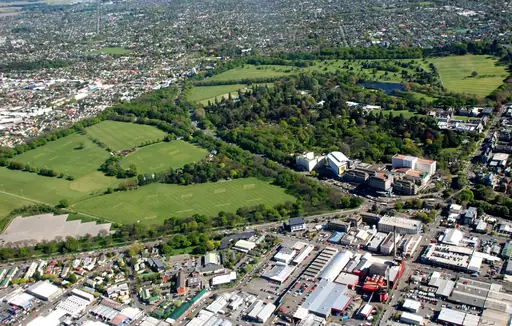
Christchurch Botanic Gardens were founded in 1863 with a single oak tree planted for a royal wedding. The Avon River loops around the gardens through punting boats and willow trees. Visitors can walk from rose beds into a fernery and rock garden. Hagley Park surrounds the gardens with open lawns and cricket grounds.
National Park in Australia
Blue Mountains National Park
Majestic Views and Untamed Nature
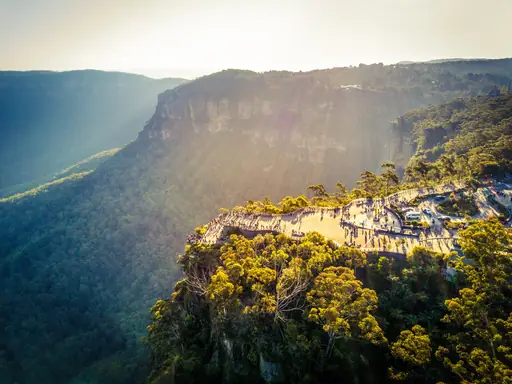
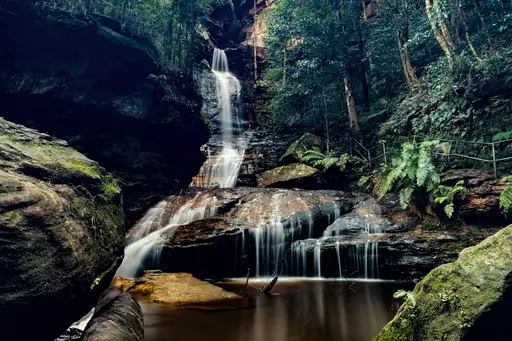
Mount Tomah Botanic Garden sits over 1,000 metres up in the Blue Mountains west of Sydney. Cool climate plants from around the world grow here instead of native eucalyptus. Visitors can walk paths overlooking the Grose Valley wilderness below. Frost and occasional snow shape what can survive in these beds.
City in Australia
Canberra
A cultural hub surrounded by nature
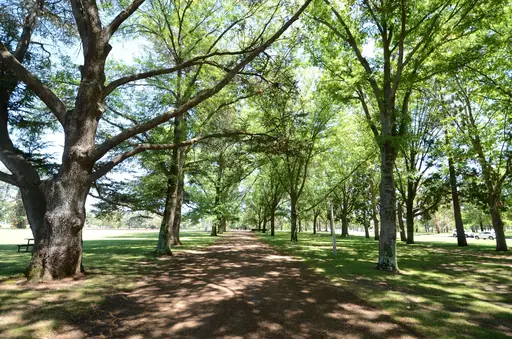
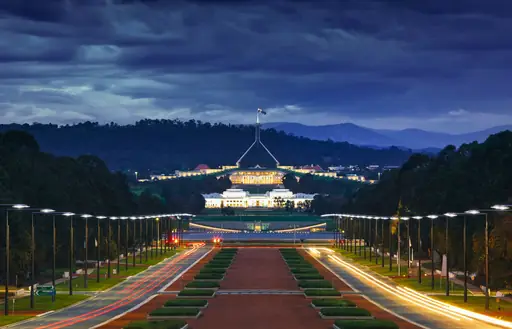
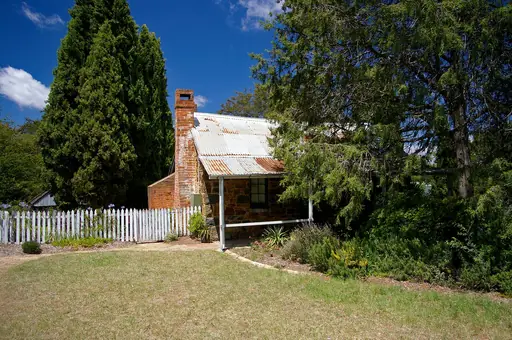
The Australian National Botanic Garden grows only native Australian species across its hillside site. Its Red Centre Garden recreates the look of the outback with desert plants and red gravel. Visitors can follow a rainforest gully trail shaded by tree ferns. The garden sits on the slopes of Black Mountain above the city.
Park in Auckland
Auckland Domain
Historic Volcano Park Oasis
Auckland Domain fills the crater and slopes of the extinct Pukekawa volcano. Its Wintergardens hold two glasshouses of ferns, orchids and tropical plants. Visitors can walk shaded paths past duck ponds and open sports fields. The Auckland War Memorial Museum stands on the highest point of the park.
City in Australia
Perth
Sun, surf and city style collide
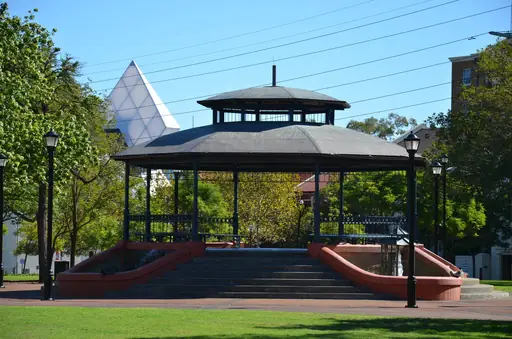
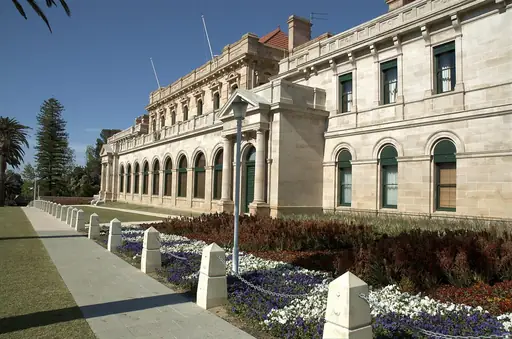
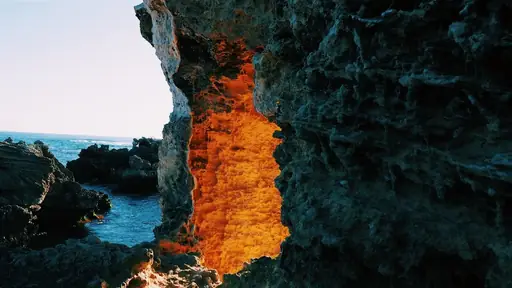
Kings Park covers around 400 hectares on a ridge overlooking the Swan River and city skyline. Each spring its wildflower displays draw crowds during Kings Park Festival. Visitors can walk a treetop glass bridge suspended among eucalyptus canopies. A war memorial and eternal flame stand near the main lookout.
City in Australia
Hobart
Coastal charm meets historic streets
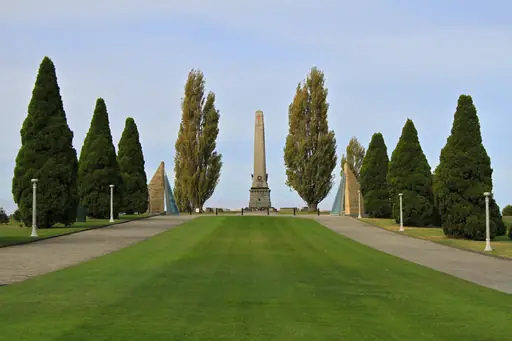
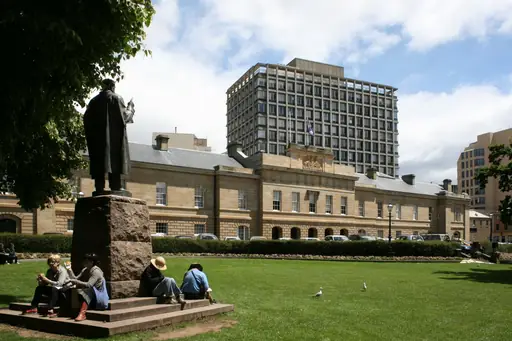
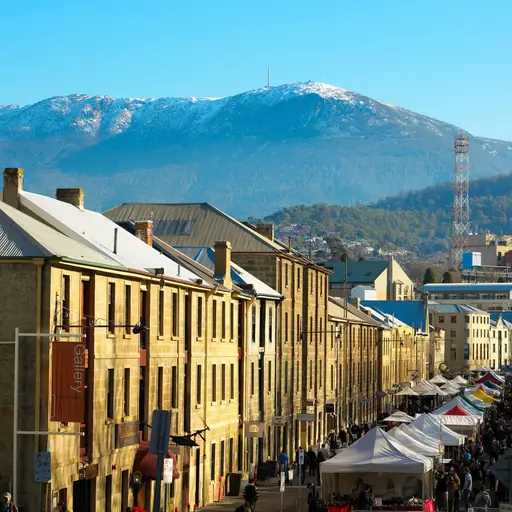
The Royal Tasmanian Botanical Gardens opened in 1818, making them Australia's second oldest botanic garden. A Japanese garden and a subantarctic plant house sit within the walled grounds. Visitors can walk past a conservatory built from an old convict built wall. The Derwent River is visible from several points along the paths.
Botanical Garden in Wellington
Wellington Botanic Garden
Tranquil Urban Oasis in Wellington
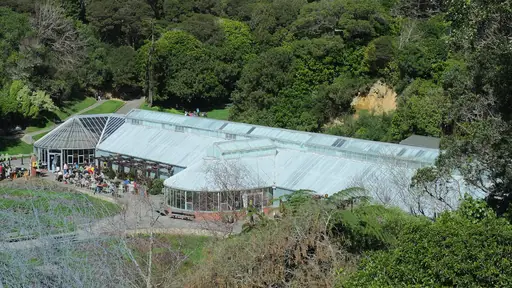
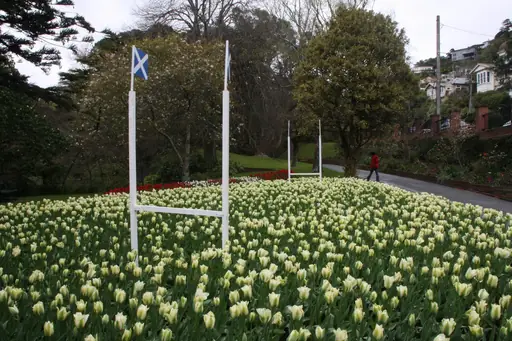
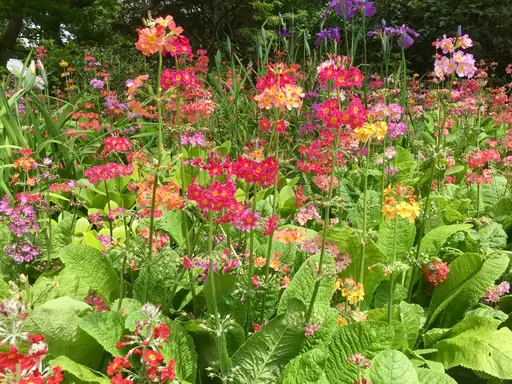
A cable car climbs from downtown Wellington straight into the botanic garden at the top. Norwood Cottage and a begonia house sit among winding paths and native bush. Visitors can walk down through rose beds towards the lake at the bottom gate. The Carter Observatory shares the same hilltop grounds.
City in New Zealand
Rotorua
Geothermal Wonders and Māori Culture
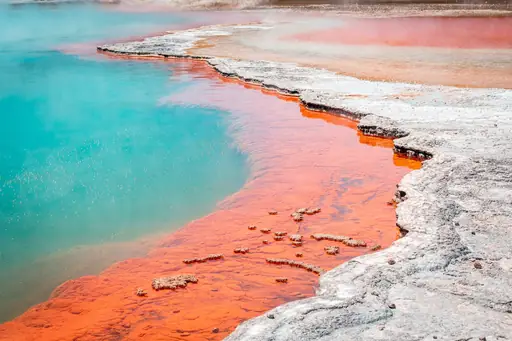
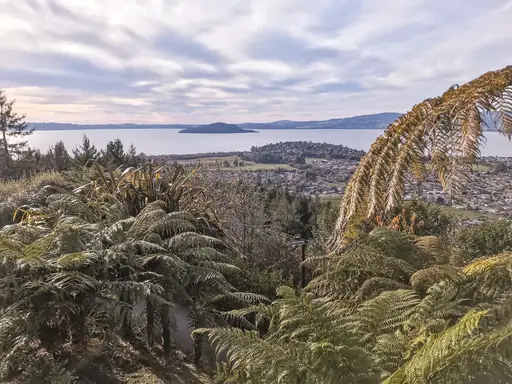
Government Gardens in Rotorua surround the ornate Tudor style Bath House built in 1908. Steam rises from geothermal vents scattered through the manicured lawns. Visitors can walk past rose gardens and a lawn bowls green beside the lake. The old Blue Baths pavilion still stands a short walk from the gardens.

Island in Australia
Lord Howe Island
Secluded paradise with crystal reefs and cliffs
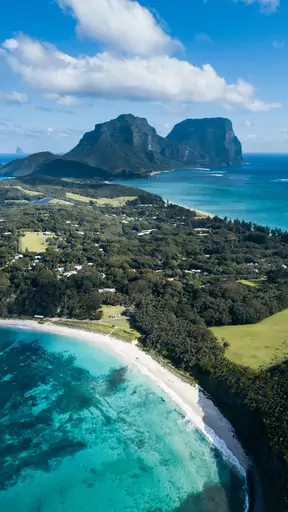
Kentia palms grow wild across Lord Howe Island and were once its main export crop. Forest still covers much of the island beneath the twin peaks of Mount Gower. Visitors can walk trails through palm groves found nowhere else on Earth. Seedlings are still harvested here and shipped worldwide as house plants.
Outer Territory in Australia
Norfolk Island
Untouched Paradise with Rich History
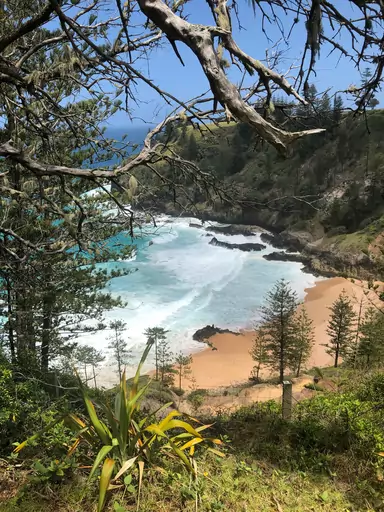
Norfolk Island pines tower over the island's national park in the interior highlands. Captain Cook noted the tall, straight trees when he landed here in 1774. Visitors can walk rainforest trails past the endangered Norfolk Island parakeet. Moss covered banyan trees line some of the older forest paths.

City in Australia
Cairns
Gateway to Reef and Rainforest Wonders
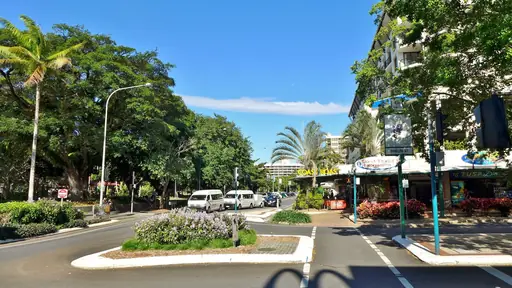
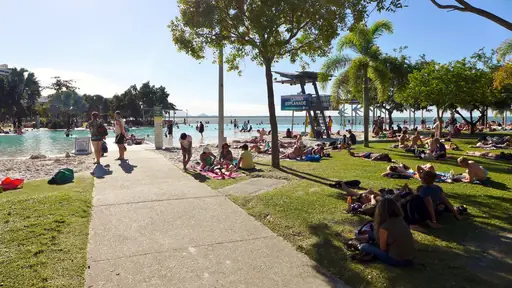
The Flecker Garden inside Cairns Botanic Gardens grows tropical plants beside a lowland rainforest boardwalk. Timber walkways lead through the swamp forest without disturbing the roots below. Visitors can spot orchids, palms and cycads collected from across the wet tropics. A saltwater lake nearby draws herons and other wading birds.
Botanical Garden in Sydney
Royal Botanic Garden
Sydney’s Serene Harbour Oasis
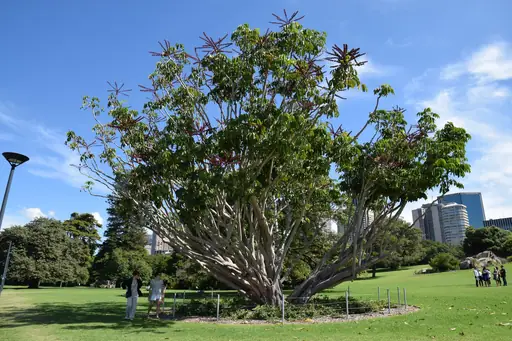
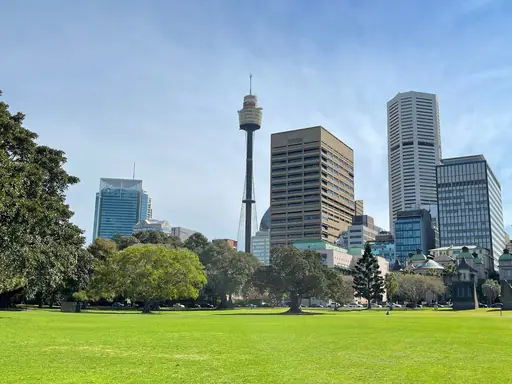
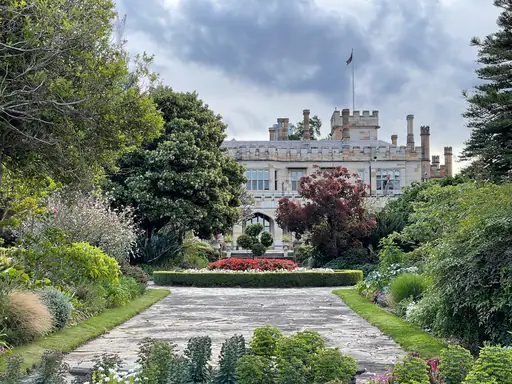
The Royal Botanic Garden Sydney was founded in 1816 on the edge of the harbour. A rare Wollemi pine, thought extinct until 1994, grows behind locked gates here. Visitors can follow the harbourside path towards the Opera House and bridge. Flying foxes once roosted in the fig trees above the main lawn.
Other lists you may like

Discover
Most beautiful gardens and parks worldwide
Some places are worth visiting just to stand still for a while. Gardens and parks don't always make it onto the classic travel itineraries, but they're often where a city's…
Read more
Discover
Best gardens and parks in Africa
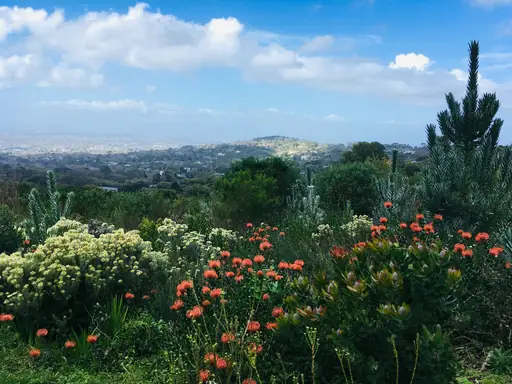
Africa doesn't always come up in conversations about great gardens, but the continent has a longer horticultural history than most people realise. Botanical gardens established…
Read more
Discover
Best gardens and parks in Asia
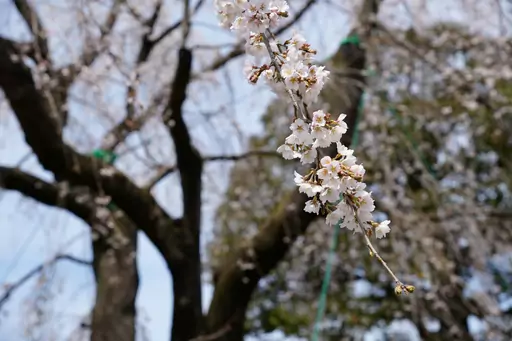
Asia has some of the oldest garden traditions in the world, and the range across the continent is wide enough that the word "garden" barely covers it. Classical Chinese gardens…
Read more
Discover
Best gardens and parks in Europe
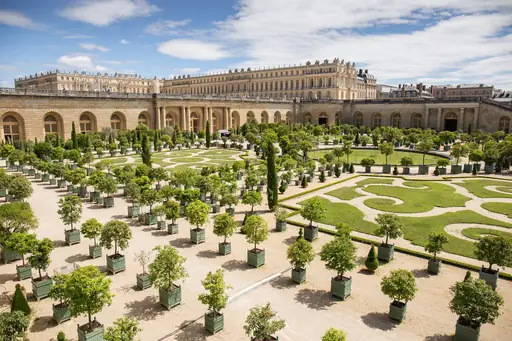
Europe has been shaping its landscapes deliberately for a long time, and the range of what counts as a garden here is wider than anywhere else. Baroque palace grounds laid out to…
Read more
Discover
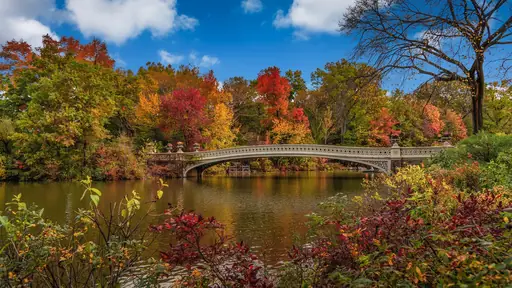
Best gardens and parks in North America
North America's garden tradition is younger than Europe's or Asia's, but that hasn't stopped some of its institutions from becoming genuinely world-class. Botanical gardens founded…
Read more
Discover
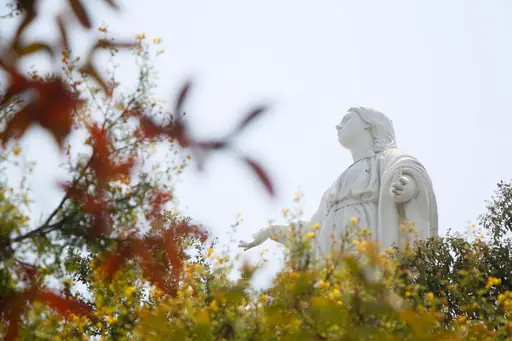
Best gardens and parks in South America
South America's botanical gardens and public parks reflect the continent's extraordinary plant diversity, with collections that draw on one of the richest floras in the world. The…
Read more
What other users say about travelfilters
“travelfilters made it easy for me to find ski areas and compare what else they offer, so that I could find the best place for my personal travel style.”

Chris
Snowboarding & Onsen trip to Japan
“I love how transparent the data feels. There is no pushy upsell, just honest information and settings I can tune to my own travel style.”

Maria
After booking her 2027 winter escape
“The level of detail for each destination and how well those are displayed, make planning feel confident instead of overwhelming.”

Mina
Planned a week in New York City
“We used travelfilters for our planning from start to end. The trip turned out even better than expected, thanks to all their tools and customisation options.”

Allan & Etienne
Trip to Japan to see autumn foliage
“Thanks to travelfilters, I found some hidden gems to see. Being able to filter for exactly your interests is a game changer for my travel planning.”

Michael
Tour through the old cities of Northern Italy
“The customizable filters helped me find a quiet beach town with good wifi and low season crowds in under five minutes.”

Diego
Weekend Escape to Llanes, Spain
“The airport connection map saved me hours by showing good flight options from my home airport to lesser-known cities.”

Nguyen
Planning a 2027 trip to France
“The website is clean, fast and focused on the search itself, which makes travelfilters feel more like a professional tool than an ad-heavy booking site.”

Hassan
Christmas Market trip, Germany
