








Was this page helpful?

| Opening hours: |
|
|
|---|---|---|
| Public website: | wellingtongardens.nz |
| Power Grid: |
230 V, 50 Hz Plug: Type I
Type I:
 Read about power adapters |
|---|---|
| Currency: |
New Zealand Dollar (NZD) £1 ≈ NZ$2.34 |
| Cashless info: |
Rating 5/5
Cashless payments are widely accepted across New Zealand, and credit cards are commonly used, especially in urban areas and tourist spots.
Save with a travel credit card |
| eSIM providers: |
Best value: Saily Flexibility: Airalo Read our in-depth comparison |
| Tipping: | Tipping is not expected in New Zealand, though it is appreciated for exceptional service. 5-10% in restaurants and small tips for taxi and hotel staff are common. |
|---|---|
| Public drinking: | Public drinking is generally allowed in some designated areas but may be restricted in others. Consumption of alcohol in public places may require a permit. |
| Public smoking: | Smoking is restricted in many public areas, especially indoor spaces and public transport. |
| Waitangi Day (6 February) |
A national holiday celebrating the signing of the Treaty of Waitangi |
|---|
| Emergency contact: | Emergency Number: 111 (Police, Fire, Ambulance) |
|---|---|
| Taxi apps: | Uber, Ola |
| Other: | New Zealand is known for its stunning landscapes, from beaches and mountains to national parks and cultural experiences. |
The best times to travel section shows how the months compare for a visit, so you can find the time of year that fits what you want to do.
Background colours of the months:
The colour shows the typical temperature: yellow (hot), green (mild) and blue (cold). How strong the colour is shows the travel season: full colour means high season, soft colour means shoulder season and soft-striped means off season.
Weather symbols:
Each month has one symbol showing what the weather is typically like, such as hot and sunny, freezing or a rainy or snowy season. Use them to quickly spot months that match the weather you want, or to avoid the ones that don't.
Crowdedness:
The people icon shows how busy the place usually is. The more people, the more crowded it gets.
Additional notes:
The grey info boxes point out special things worth knowing, like recurring weather issues or seasonal events.
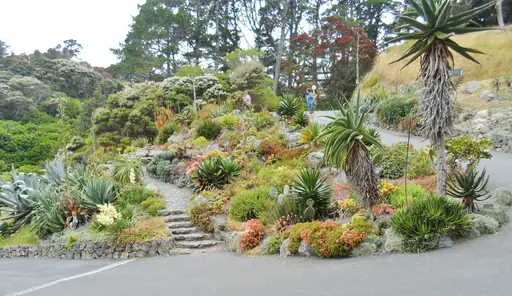
Wellington Botanic Garden dates back over 150 years and is one of New Zealand’s most treasured green spaces. It features an extensive variety of plant collections including native flora, exotic species and specialised gardens such as the Lady Norwood Rose Garden with over 300 rose varieties. The Begonia House offers year-round tropical plants and a vibrant atmosphere.
The garden is also a habitat for native birds and wildlife, making it a favorite spot for birdwatchers and photographers. Artistic sculptures and exhibition spaces add a cultural layer to the natural beauty. Its hillside location provides spectacular views over Wellington city and harbor.
Visitors should watch their step on some of the garden’s slopes and be prepared for occasional weather changes, including wind and rain. Some paths may be slippery when wet. The garden is well maintained with clear signage and helpful staff, but those with mobility issues should inquire about accessible routes in advance.
This garden is a peaceful escape from urban life and an educational experience with its diverse botanical collections, often complemented by seasonal events and guided tours.
Visitors commonly arrive at Wellington International Airport, which is well connected internationally. From the city center, the garden is easily accessible by taking the Wellington Cable Car to the top station, followed by a short walk or by bus and taxi services. The central location makes it convenient for day trips from the city.
Wellington offers a range of accommodations from boutique hotels to budget-friendly hostels, mostly concentrated near the city center, providing easy access to the Botanic Garden and other attractions.
Log in to add this place to a travel list and get a summary of all recommended items for your whole trip.
We calculate the average costs when travelling to destinations and compare those with the living costs at your home. With this you can get an estimate of how expensive or cheap the destination is for you.
To customise this, you can set up which location and price level are used for the calculations in your account settings.
The exchange rate price factor shows how expensive or cheap a currency currently is compared to its historical average. It's a quick way to see if a country is currently more or less affordable due to exchange rate changes.
