












Was this page helpful?

These place ratings give you a quick overview of how well a destination matches different types of trips.
‘Best for’ scores:
The specific interest scores show where this place really shines – whether it's ideal for hiking, food & drink experiences, museums or other activities. These highlights help you understand what makes the destination special at a glance.
‘Your personal’ scores:
This reflects how well a place matches your personal preferences. You can adjust the importances of travel topics or other personal requirements categories in your account settings.
‘Suited for’ badges:
These give you a quick overview of how well a destination suits specific types of travellers, to help you find the places that match your lifestyle, preferences or travel situation.
| Power Grid: |
120 V, 60 Hz Plug: Type A , Type B
Type A:
  Read about power adapters |
|---|---|
| Currency: |
Canadian Dollar (CAD) £1 ≈ CA$1.87 |
| Cashless info: |
Rating 5/5
Cashless payments are widely accepted, especially in urban areas. Most businesses accept credit and debit cards, and mobile payment options like Apple Pay are popular.
Save with a travel credit card |
| eSIM providers: |
Best value: Saily Flexibility: Airalo Read our in-depth comparison |
| Tipping: | Tipping is customary in Canada, with a typical tip of 10-20% in restaurants. Tipping is also expected in taxis and for hotel staff, usually 1-2 CAD for bellhops and housekeepers. |
|---|---|
| Public drinking: | Public drinking laws vary by province, but it's often allowed in designated areas such as festivals or certain parks. |
| Public smoking: | Smoking is prohibited indoors in public spaces and in most outdoor spaces in urban areas. Some provinces have stricter laws than others. |
| Canada Day (July) |
The country celebrates with fireworks and festivals. Expect crowded tourist spots and high demand for accommodations. |
|---|---|
| Thanksgiving (October) |
A major family holiday with many businesses closed, especially in rural areas. |
| Christmas (December) |
Festive markets and winter activities are popular, but expect higher accommodation prices and busy cities. |
| Emergency contact: | Emergency Number: 911 (Police, Fire, Ambulance) |
|---|---|
| Taxi apps: | Uber, Lyft, Bolt |
| Other: | Canada is vast, so be prepared for long distances between cities and varying weather conditions depending on the region. |
The best times to travel section shows how the months compare for a visit, so you can find the time of year that fits what you want to do.
Background colours of the months:
The colour shows the typical temperature: yellow (hot), green (mild) and blue (cold). How strong the colour is shows the travel season: full colour means high season, soft colour means shoulder season and soft-striped means off season.
Weather symbols:
Each month has one symbol showing what the weather is typically like, such as hot and sunny, freezing or a rainy or snowy season. Use them to quickly spot months that match the weather you want, or to avoid the ones that don't.
Crowdedness:
The people icon shows how busy the place usually is. The more people, the more crowded it gets.
Additional notes:
The grey info boxes point out special things worth knowing, like recurring weather issues or seasonal events.
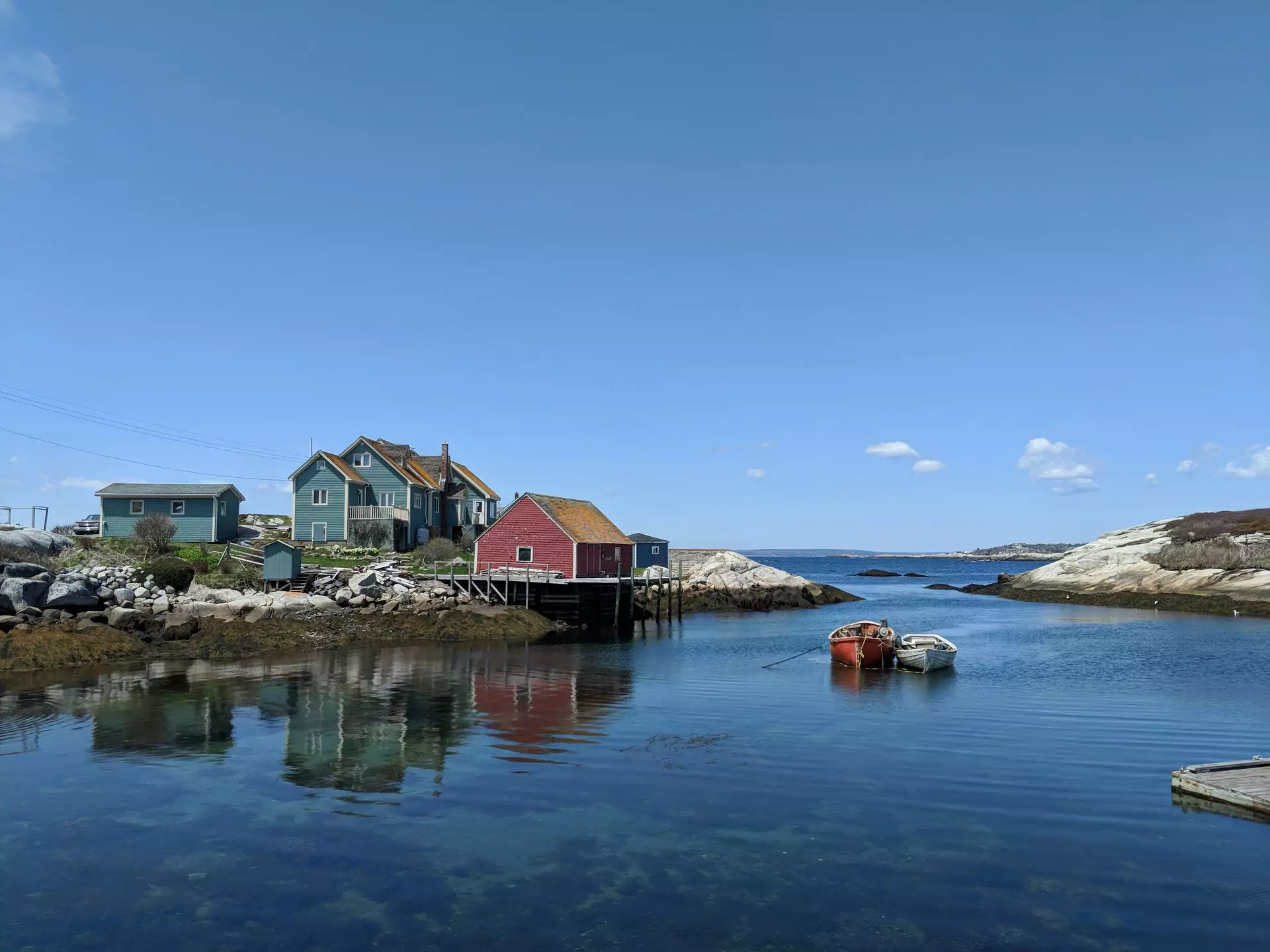
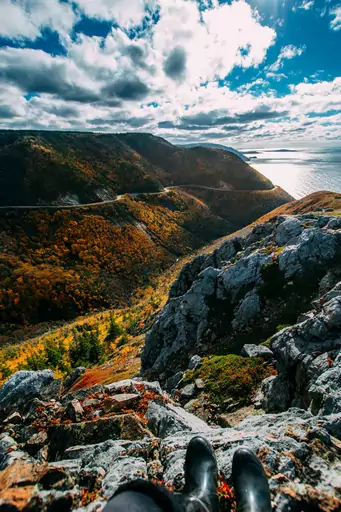
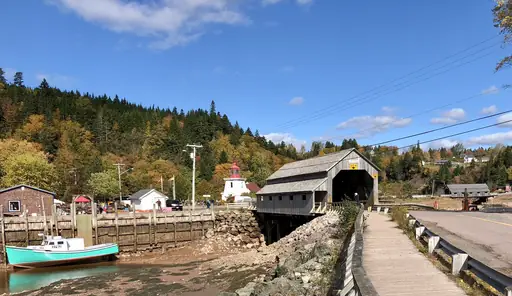
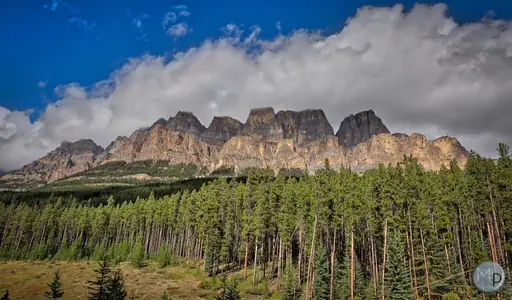
Nova Scotia offers a blend of natural beauty, cultural heritage and relaxed coastal living that appeals to travelers seeking both adventure and tranquility. The province’s rugged shoreline features dramatic cliffs, sandy coves and the iconic Cabot Trail, where winding roads reveal sweeping ocean views and dense forests. For those interested in wildlife, the Bay of Fundy’s tidal phenomenon attracts visitors eager to witness one of the world’s highest tides and explore marine life along its shores. History enthusiasts will appreciate Halifax’s maritime past, highlighted by the historic Citadel, the Maritime Museum of the Atlantic and the bustling waterfront district where ships dock and local seafood is served fresh. The province’s Acadian roots shine in villages like Lunenburg, a UNESCO World Heritage Site, offering colorful architecture and traditional music. Culinary experiences are centered around Nova Scotia’s renowned seafood – think lobster rolls, scallop chowder and freshly caught oysters – paired with locally brewed craft beers. Outdoor activities abound: kayaking through salt marshes, hiking in Cape Breton Highlands National Park or cycling along the scenic coastal routes. Whether you’re looking to immerse yourself in maritime culture, savor fresh cuisine or simply unwind by the Atlantic, Nova Scotia provides a welcoming and varied destination that rewards exploration with memorable experiences.
Travelers can reach Nova Scotia by air through Halifax Stanfield International Airport, which offers domestic and international flights. The province is also accessible via major highways connecting to New Brunswick and Quebec, with driving times ranging from 4 to 8 hours depending on the origin. For those preferring rail, VIA Rail operates services between Halifax and other Canadian cities, though connections may require transfers in larger urban centers. Ferries provide access to Cape Breton Island via the Strait Crossing, operated by Marine Atlantic. Once within Nova Scotia, local transit includes buses operated by companies like ABM Transportation for regional travel. The province’s compact size allows efficient road trips between coastal towns and inland destinations.
Nova Scotia offers a wide spectrum of lodging, from cozy bed‑and‑breakfasts tucked into historic homes to luxury oceanfront resorts boasting panoramic Atlantic views. In Halifax and the Cape Breton Highlands, boutique inns emphasize local heritage, often featuring artisanal décor and farm‑to‑table breakfasts. The province’s cottage country along the Eastern Shore provides rustic cabins and waterfront cottages that cater to families and couples seeking tranquility. For budget travelers, hostels and self‑contained rentals in towns like Lunenburg offer affordable yet comfortable stays. Many accommodations highlight eco‑friendly practices, such as solar panels and locally sourced materials, reflecting Nova Scotia’s commitment to sustainable tourism.


We calculate the average costs when travelling to destinations and compare those with the living costs at your home. With this you can get an estimate of how expensive or cheap the destination is for you.
To customise this, you can set up which location and price level are used for the calculations in your account settings.
The exchange rate price factor shows how expensive or cheap a currency currently is compared to its historical average. It's a quick way to see if a country is currently more or less affordable due to exchange rate changes.
To help you plan your trip, we provide estimated daily costs per person (when travelling as a pair) for different travel styles. These numbers give you an idea of what you might spend each day at this destination, including accommodation, food, transport and activities.
Additionally, we also provide average hotel costs for different travel styles to give you an estimate for the accommodation only.
Please note that these are only estimates. The real costs depend on booking times, season and other factors.
Travel style categories explained:
Backpacker:
Staying in hostels or budget hotels, cooking your own meals or eating cheap and choosing low-cost activities.
Mid-range:
Staying in mid-range hotels, eating at a mix of restaurants and casual spots and enjoying a variety of activities.
Luxury:
Staying in luxury hotels, dining out at high-end restaurants and enjoying premium experiences without worrying about the price.
| Backpacker | Mid-range | Luxury | |
|---|---|---|---|
| 💵 Total costs per day, including accommodation | |||
| 🏨 Accommodation per night, per person | |||
| 🍝 Food per day | |||
| 🚕 Transportation per day |
| 🍽️ Restaurant Dinner, per person | |
|---|---|
| 🍛 Lunch Set, per person | |
| 🍟 Fast food combo | |
| 🍝 Preparing your own food, per day | |
| ☕ Cappuccino | |
| 🍺 Beer in a restaurant, 0.5 l |
| 🚌 Public transport ticket | |
|---|---|
| 🚕 Taxi Ride, 10 km / 6 mi | |
| ⛽ Petrol, 1 l |
| 🎞️ Cinema ticket | |
|---|---|
| 👩⚕️ Doctor's consult | |
| 🤧 Cold medication | |
| 💇 Basic haircut |
Log in to add this place to a travel list and get a summary of all recommended items for your whole trip.
