











Was this page helpful?

| Power Grid: |
230 V, 50 Hz Plug: Type C , Type F
Type C:
  Read about power adapters |
|---|---|
| Currency: |
Romanian Leu (RON) £1 ≈ RON 6.39 |
| Cashless info: |
Rating 4/5
Cashless payment is widely accepted in cities, though cash is often required in rural areas.
Save with a travel credit card |
| eSIM providers: |
Best value: Saily Flexibility: Airalo Read our in-depth comparison |
| Tipping: | Tipping is customary in Romania. 10-15% in restaurants is standard, and small tips for taxi drivers and hotel staff are common. |
|---|---|
| Public drinking: | Public drinking is not widely accepted, though it is tolerated in some festive events. |
| Public smoking: | Smoking is banned in indoor public spaces and transport, with designated areas available. |
| Unification Day (December) |
Expect closures and parades. |
|---|---|
| Easter (March/April) |
Religious and cultural activities dominate. |
| Christmas (December) |
Markets and festive celebrations occur. |
| Emergency contact: | Emergency Number: 112 (Police, Fire, Ambulance) |
|---|---|
| Taxi apps: | Bolt, Uber, Clever |
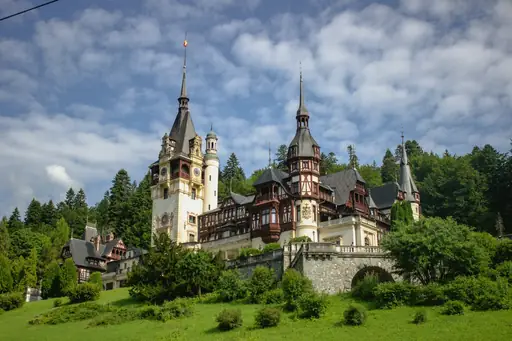
| Other: | Romania is famous for its castles, including Dracula’s Castle, and its beautiful Carpathian landscapes. |
The best times to travel section shows how the months compare for a visit, so you can find the time of year that fits what you want to do.
Background colours of the months:
The colour shows the typical temperature: yellow (hot), green (mild) and blue (cold). How strong the colour is shows the travel season: full colour means high season, soft colour means shoulder season and soft-striped means off season.
Weather symbols:
Each month has one symbol showing what the weather is typically like, such as hot and sunny, freezing or a rainy or snowy season. Use them to quickly spot months that match the weather you want, or to avoid the ones that don't.
Crowdedness:
The people icon shows how busy the place usually is. The more people, the more crowded it gets.
Additional notes:
The grey info boxes point out special things worth knowing, like recurring weather issues or seasonal events.
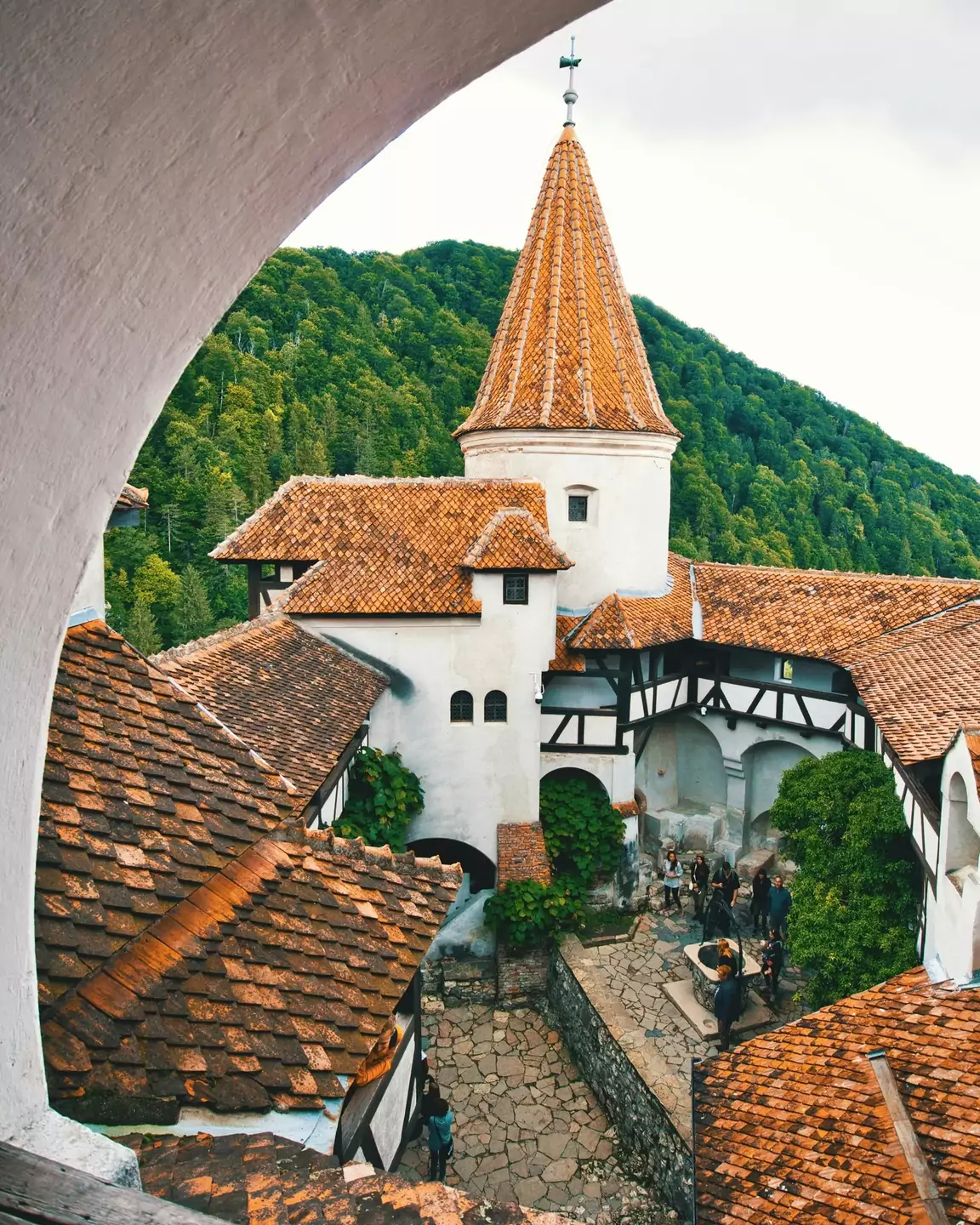
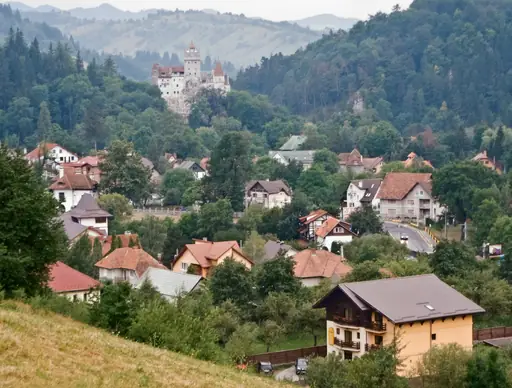
Bran Castle stands as a prominent landmark in Transylvania offering visitors a glimpse into medieval history. Perched on a hill overlooking the surrounding forests it provides sweeping views of the Carpathian Mountains. The structure dates back to the 14th century and has served various roles including a fortress and royal residence. Its stone walls and narrow towers reflect centuries of change while maintaining an air of mystery.
The castle’s interior reveals details about daily life during medieval times. Wooden beams and stone floors remain largely intact showcasing original craftsmanship. Artifacts such as old furniture tapestries and weapons are displayed in rooms that once hosted nobles and travelers. Guides explain how the building adapted over time to meet new needs while preserving its core design.
Local culture plays a key role in shaping the experience here. The nearby town of Bran hosts markets where handmade crafts and regional foods are sold. Seasonal events often take place near the castle drawing both locals and tourists together. Traditional music storytelling and folk art connect visitors to the area’s heritage without relying on modern entertainment.
Natural surroundings enhance the appeal of this destination. Dense forests surround the site creating a quiet environment ideal for walking or photography. Trails lead to viewpoints where hikers can observe wildlife such as deer and birds. The mix of history and nature makes Bran Castle a place where exploration feels both educational and peaceful.
Bran Castle, perched on a rocky outcrop overlooking the village of Bran in central Romania, offers visitors a tangible connection to the region’s medieval past and natural beauty. The fortress dates back to the early 13th century, originally serving as a strategic stronghold against Ottoman incursions. Its stone walls, crenellated battlements and narrow windows reflect typical Gothic military architecture, while interior rooms reveal layers of history – from royal residences to prison cells. A walk through the castle’s corridors provides insight into the lives of its former occupants, including Vlad the Impaler, whose association with the site has sparked interest worldwide. The museum displays artifacts such as period weaponry, religious icons and everyday objects that illustrate the social fabric of Transylvania during different eras. Visitors can also explore the well-preserved kitchens, storerooms and a chapel that showcase medieval craftsmanship. Beyond its historical significance, Bran Castle is set amid dense forest and rolling hills, offering scenic views of the surrounding landscape. The nearby village provides local cuisine and crafts, allowing travelers to experience authentic Romanian hospitality. Whether one seeks architectural detail, cultural context or simply a quiet place to reflect on history, Bran Castle delivers an engaging, informative visit without resorting to sensationalism.
Bran Castle, often associated with the Dracula legend, is located near the town of Bran in central Romania. The nearest major city is Brașov, approximately 30 kilometers away, which has a regional train station and bus connections to other parts of Romania. From Brașov, visitors can reach the castle by taxi, private car or guided tour. The route typically follows Highway 26B, offering scenic views through the Carpathian Mountains. Public transportation options include buses operated by companies like RENART, with schedules available at local terminals. The castle is accessible year-round, though winter conditions may affect road travel. A short drive from the town provides direct access to the site’s main entrance.
Near Bran Castle the accommodation scene blends medieval charm with modern comfort. Boutique guesthouses line the village streets, offering cozy rooms decorated in traditional Romanian motifs and free Wi‑Fi for travelers who want a quiet retreat. Several agritourism farms provide rustic cottages surrounded by vineyards and orchards, perfect for those seeking fresh local produce and peaceful countryside views. For families or larger groups, self‑contained apartments with kitchenettes are available in nearby towns, allowing flexible meal planning while staying close to the castle’s attractions. Seasonal bed‑and‑breakfasts often feature homemade pastries and regional wines, giving guests an authentic taste of Transylvanian hospitality without compromising on cleanliness or convenience.
Log in to add this place to a travel list and get a summary of all recommended items for your whole trip.
We calculate the average costs when travelling to destinations and compare those with the living costs at your home. With this you can get an estimate of how expensive or cheap the destination is for you.
To customise this, you can set up which location and price level are used for the calculations in your account settings.
The exchange rate price factor shows how expensive or cheap a currency currently is compared to its historical average. It's a quick way to see if a country is currently more or less affordable due to exchange rate changes.
