





Was this page helpful?

| Power Grid: |
230 V, 50 Hz Plug: Type C , Type F
Type C:
  Read about power adapters |
|---|---|
| Currency: |
Euro (EUR) £1 ≈ €1.19 |
| Cashless info: |
Rating 5/5
Cashless payments are widely accepted in Italy, particularly in cities. While larger establishments and chains are fully cashless, smaller shops may still prefer cash.
Save with a travel credit card |
| eSIM providers: |
Best value: Saily Flexibility: Airalo Read our in-depth comparison |
| Tipping: | Tipping is customary in Italy, especially in restaurants where 10-15% is typical. Tipping for taxi drivers is usually rounded up or 5-10%. Small tips for hotel staff are also appreciated. |
|---|---|
| Public drinking: | Public drinking is allowed in Italy, especially in public squares and during festivals. In some regions, it is illegal to drink alcohol in certain areas like public transport or near schools. |
| Public smoking: | Smoking is banned in indoor public spaces and on public transport. Designated smoking areas are available outside. |
| Ferragosto (August) |
Many businesses close, and Italians take holidays. It’s very busy in tourist areas. |
|---|---|
| Christmas (December) |
Christmas markets and festivities are popular, expect higher prices and crowded attractions. |
| La Befana (January) |
Celebrated on January 6, the Epiphany is a public holiday with festive events, and some businesses close. |
| Emergency contact: | Emergency Number: 112 (Police, Fire, Ambulance) |
|---|---|
| Taxi apps: | Uber, Free Now, ItTaxi |
| Other: | Italy's tourist infrastructure is well-developed, but some rural or historical areas may require extra planning for accessibility. |
The best times to travel section shows how the months compare for a visit, so you can find the time of year that fits what you want to do.
Background colours of the months:
The colour shows the typical temperature: yellow (hot), green (mild) and blue (cold). How strong the colour is shows the travel season: full colour means high season, soft colour means shoulder season and soft-striped means off season.
Weather symbols:
Each month has one symbol showing what the weather is typically like, such as hot and sunny, freezing or a rainy or snowy season. Use them to quickly spot months that match the weather you want, or to avoid the ones that don't.
Crowdedness:
The people icon shows how busy the place usually is. The more people, the more crowded it gets.
Additional notes:
The grey info boxes point out special things worth knowing, like recurring weather issues or seasonal events.
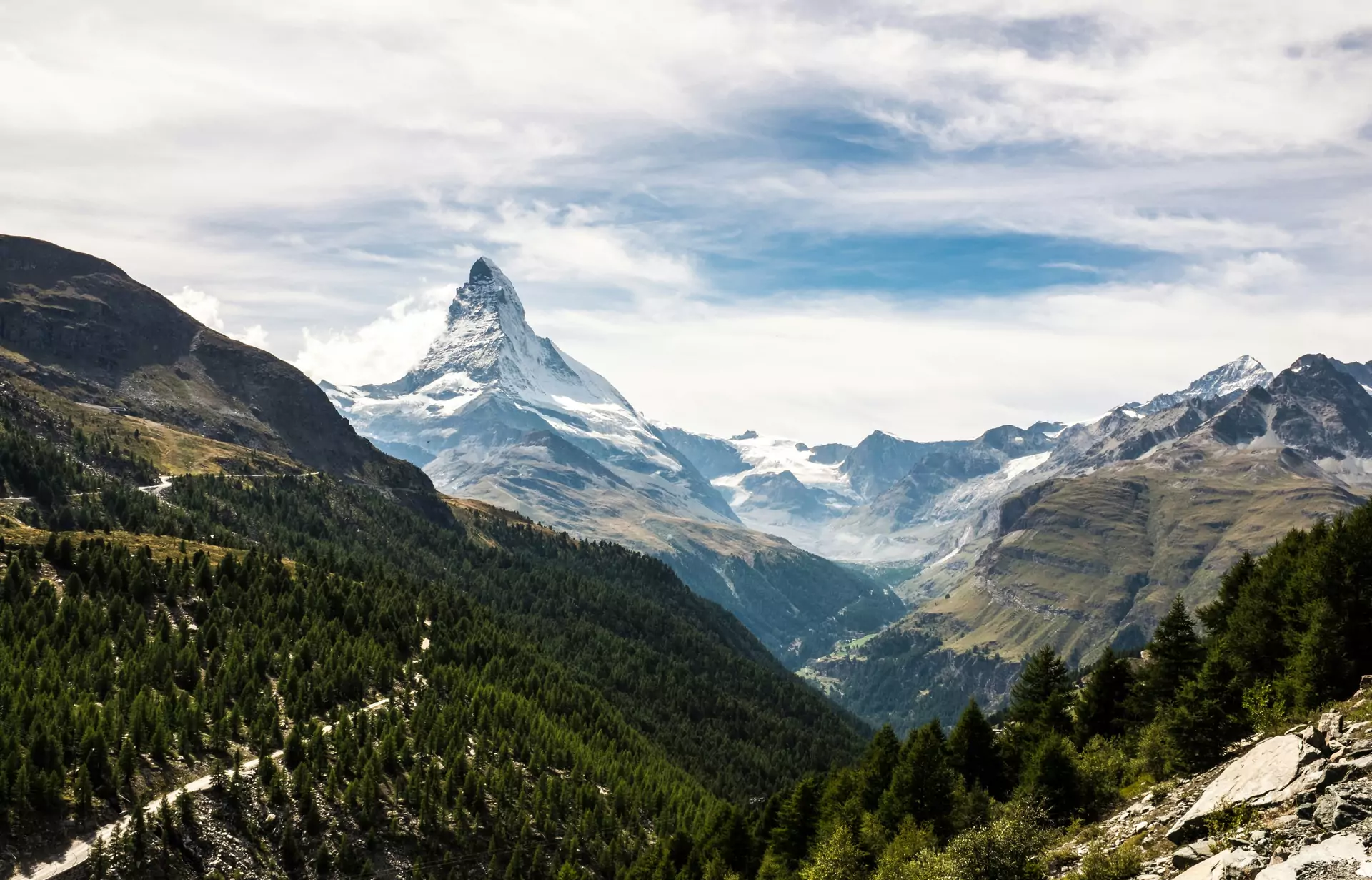
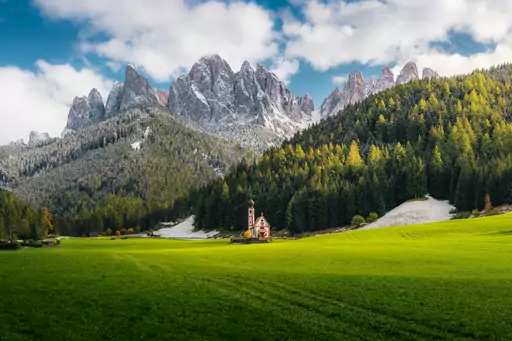
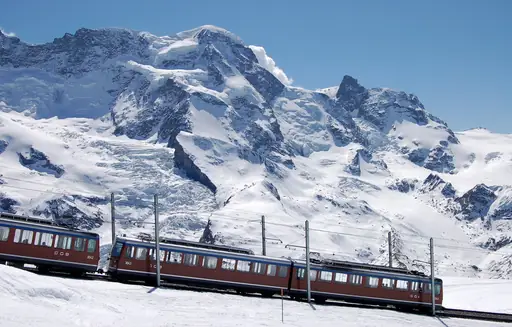
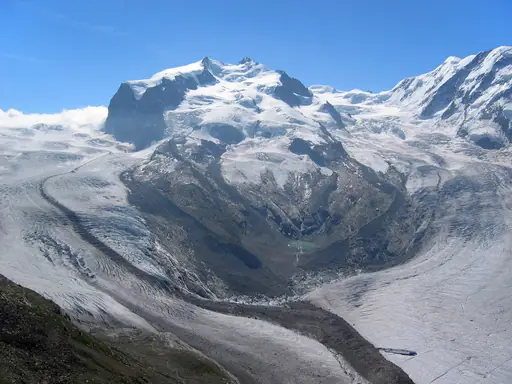
Italy’s Matterhorn region showcases striking alpine scenery where jagged peaks rise sharply against a clear blue sky. The mountain stands as a prominent landmark visible from several valleys below. Hikers and climbers find routes ranging from moderate to challenging depending on skill level. Local trails wind through forests of pine and open meadows dotted with wildflowers during summer months.
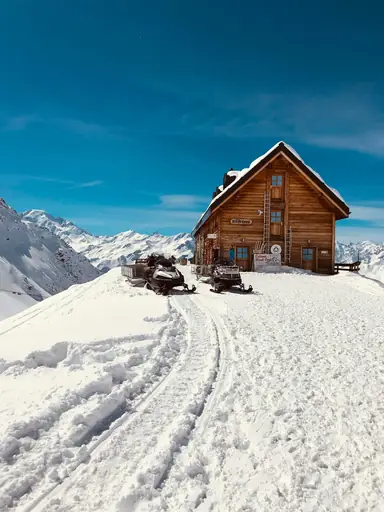
The area supports diverse wildlife including chamois goats and golden eagles. Snow often caps the summit year round though summer brings milder temperatures at lower elevations. Many visitors arrive early to explore villages like Breuil-Cervinia where basic amenities cater to travelers seeking adventure or quiet retreats. Mountain huts provide shelter for those extending their trips into multi-day excursions.
Cultural heritage in the region reflects centuries of mountain living. Traditional stone cottages dot slopes and many families maintain small farms producing cheese and cured meats. Seasonal festivals celebrate local customs with music and food often featuring regional ingredients such as chestnuts and polenta. Guides familiar with trails share knowledge about geology history and safety precautions before heading out.
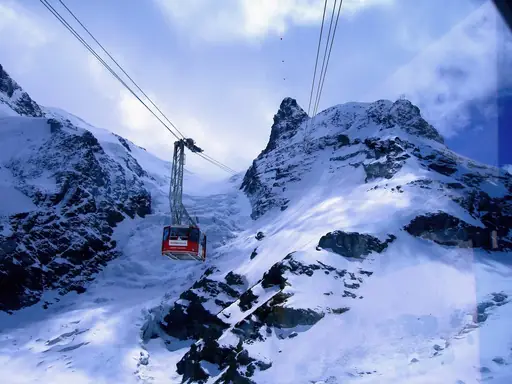
Access to the Matterhorn base is possible via cable cars from nearby towns making steep ascents easier for non-climbers. Weather changes quickly so preparation remains important even during stable periods. Photography enthusiasts find changing light creates dramatic contrasts across rock faces and glaciers throughout the day. Whether seeking physical challenge or peaceful scenery this destination delivers reliable natural beauty without unnecessary embellishment.
The Matterhorn is accessible via several routes depending on the entry point. In Italy, the closest major town is Cervinia, connected to the A5 motorway from Turin and Milan. Trains from Turin’s Porta Nuova station reach Cervinia in about 2 hours, followed by a short bus or taxi ride uphill. The mountain can also be approached via the A9 highway near Aosta Valley, with scenic drives through alpine valleys. Cable cars operate seasonally from Breuil-Cervinia to the base of the mountain, offering direct access to ski slopes and viewpoints. Hikers may start from nearby villages like Riffian or Valtournenche for trekking routes. Road conditions vary seasonally due to snowfall in winter.
The Italian side of the Matterhorn offers a range of lodging from rustic mountain refuges to upscale chalets and boutique inns. In Zermatt’s neighboring villages such as Breuil-Cervinia and Valtournenche, you’ll find well‑equipped family apartments and ski‑in/ski‑out lodges that cater to both budget travelers and those seeking luxury. Traditional alpine huts provide a cozy, communal experience for hikers, while modern hotels boast panoramic views, spa facilities and gourmet dining. The area is renowned for its “casa alpina” style accommodations – wooden chalets with stone fireplaces – that blend rustic charm with contemporary comforts. Whether you prefer a minimalist cabin or a lavish suite, the region’s diverse options accommodate every taste and budget.
Log in to add this place to a travel list and get a summary of all recommended items for your whole trip.
We calculate the average costs when travelling to destinations and compare those with the living costs at your home. With this you can get an estimate of how expensive or cheap the destination is for you.
To customise this, you can set up which location and price level are used for the calculations in your account settings.
The exchange rate price factor shows how expensive or cheap a currency currently is compared to its historical average. It's a quick way to see if a country is currently more or less affordable due to exchange rate changes.
