


Europe › Denmark › Øresund Strait

Øresund Strait

Scroll
Where two nations meet beautifully

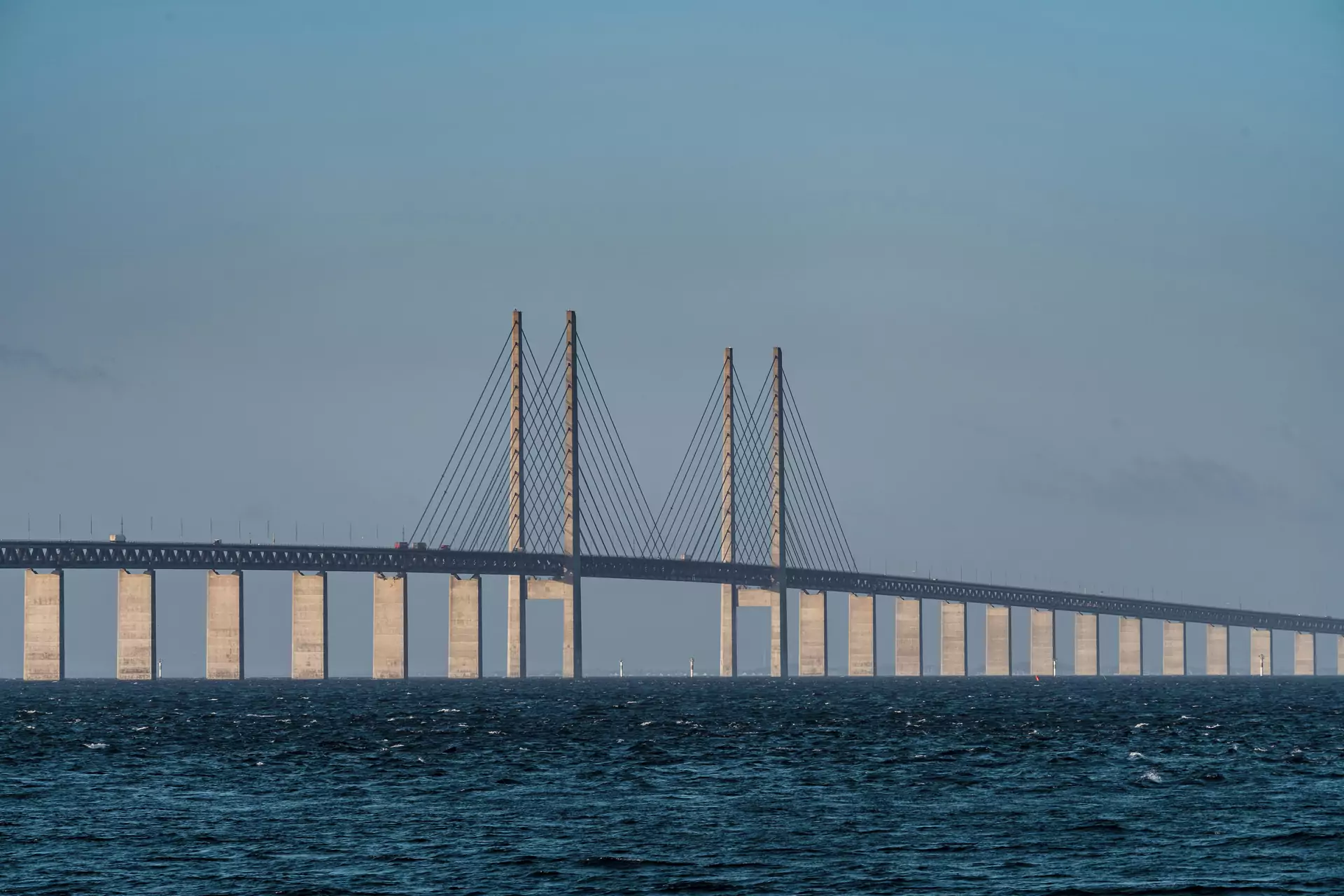
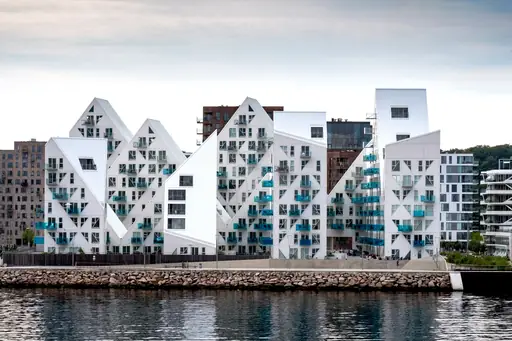
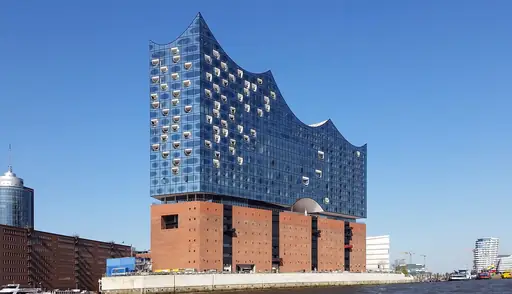
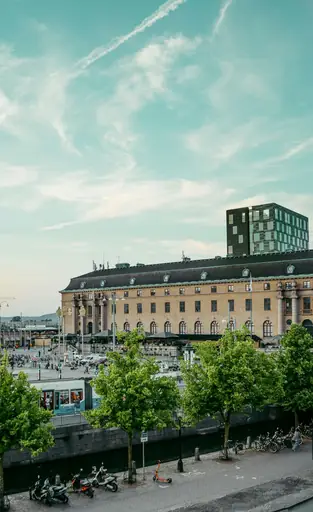
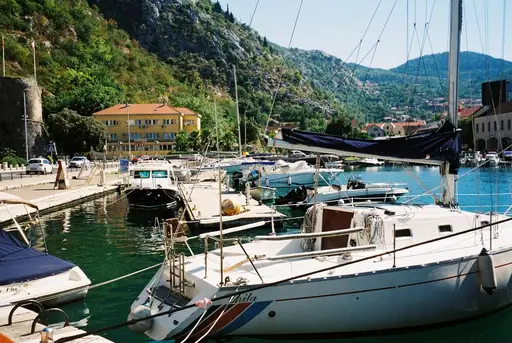
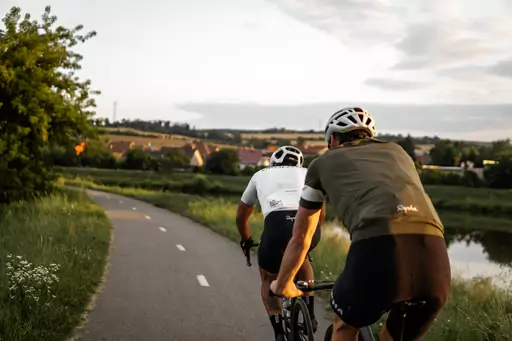
The Oresund Strait connects Denmark and Sweden across a narrow waterway just south of Copenhagen. The area is known for its modern bridge that links the two countries, allowing easy travel by train or car. On one side, you find Danish cities with historic architecture and vibrant cultural scenes. On the other, Swedish towns offering clean streets and efficient public transport. The strait’s waters are busy with ships and ferries, while islands nearby provide quiet spots for walking and cycling. It is a place where urban life meets coastal calm.

Region
Climate zone: Mild oceanic

Mild oceanic: Marine-influenced climates with cool summers, mild winters and frequent precipitation year-round, typical of western coasts at mid-latitudes.

See climate table
Price level: $$$
$Cheap
$$Medium
$$$Expensive, upscale
$$$+Very expensive, luxury
See price details
Safety: 6.7
General Safety:5
Health & medical:9
Accessibility:8
Tap water:10
Read details
Tourist English: 4/5
English proficiency is excellent throughout the Øresund region. Nearly all Danes and Swedes speak fluent English, especially in tourist areas, hotels, restaurants, and transportation services. Even in smaller towns, you'll rarely encounter language barrie
Last update: 12 Oct 2026
* We earn a commission from some links on this page.
Øresund Strait Summary

These place ratings give you a quick overview of how well a destination matches different types of trips.

‘Best for’ scores:
The specific interest scores show where this place really shines – whether it's ideal for hiking, food & drink experiences, museums or other activities. These highlights help you understand what makes the destination special at a glance.

‘Your personal’ scores:
This reflects how well a place matches your personal preferences. You can adjust the importances of travel topics or other personal requirements categories in your account settings.

‘Suited for’ badges:
These give you a quick overview of how well a destination suits specific types of travellers, to help you find the places that match your lifestyle, preferences or travel situation.

Read how our scores work
Great for coastal cities and scenic crossings. Take ferry trips between Denmark and Sweden, enjoy waterfront cycling, visit seaside towns and watch ships crossing the strait.
Place score
7.5
Best at:
Spotless
9
Sea
8
Walkable
7
Natural sites
7
Guided tours
7
Personal score
?
Log in to see how this place matches your personal travel interests.
Suited for
👶 5
Families
🧓 9
Seniors
🛡️ 9
Travel Beginners
❤️ 9
Couples
Best times to travel

The best times to travel section shows how the months compare for a visit, so you can find the time of year that fits what you want to do.

Background colours of the months:
The colour shows the typical temperature: yellow (hot), green (mild) and blue (cold). How strong the colour is shows the travel season: full colour means high season, soft colour means shoulder season and soft-striped means off season.

Weather symbols:
Each month has one symbol showing what the weather is typically like, such as hot and sunny, freezing or a rainy or snowy season. Use them to quickly spot months that match the weather you want, or to avoid the ones that don't.

Crowdedness:
The people icon shows how busy the place usually is. The more people, the more crowded it gets.

Additional notes:
The grey info boxes point out special things worth knowing, like recurring weather issues or seasonal events.

for Øresund Strait
❄️
Jan
❄️
Feb
🌥️
Mar
🌤️
Apr
🌤️
May
🌤️
Jun
🌤️
Jul
🌤️
Aug
🌤️
Sep
🌥️
Oct
☁️
Nov
❄️
Dec
High season: June - Aug.
Shoulder season: April - May, Sep., Dec.
Crowdedness: 7 (Many tourists)
Tap on a month for more info Hover over a month for more info
Daylight lasts about 7 hours in December and about 17 hours in June
Swimming at beaches and harbour baths mainly June to August, sea around 18 to 20°C
Many beach cafés and seasonal attractions close from October to April

Why travel to Øresund Strait?

The Øresund Strait offers a fascinating two-country experience that combines natural beauty with remarkable human achievement. The strait itself is a scenic wonder with varied coastlines ranging from sandy beaches to dramatic cliffs, but what makes it truly special is how it connects two distinct yet complementary cultures. The engineering marvel of the Øresund Link - featuring the world's largest immersed tunnel and one of Europe's longest bridges - is worth experiencing, whether you're crossing by train, car or admiring it from afar. What makes the region particularly appealing is its accessibility and variety. You can cycle along designated paths through charming seaside villages, explore vibrant cities like Copenhagen and Malmö on either side or take boat tours to appreciate the maritime perspective. The area is rich in history, from medieval market towns to Renaissance castles, yet thoroughly modern in its approach to sustainability and design. However, be aware that weather can be unpredictable with strong winds sometimes affecting boat crossings and while the main attractions are well-connected, exploring some of the smaller coastal communities might require more planning.

🏯Places worth seeing
  • 1 Copenhagen
  • 2 Helsingborg
  • 3 Elsinore
  • 4 Landskrona
  • 5 Malmö City Library
  • 6 Ribersborgs Kallbadhus
  • 7 Øresund Bridge
🎡Places for activities
  • 1 Kastrup
🏞️Natural landmarks
  • 1 Kungsparken
  • 2 Lernacken
  • 3 Pepperholm
  • 4 Ribersborg Beach
  • 5 Slottsparken
🛍️Shopping
  • 1 Åhléns
  • 2 Pook Market
  • 3 Malmö Saluhall
  • 4 Södergatan
🎈Events
  • Øresund Cycling Circuit
  • Malmö Festival
  • Copenhagen Jazz Festival
  • Helsingborg Festival
  • Autumn Bird Migration (Falsterbo)
  • Midsummer Celebrations
  • Kullaberg Nature Festival
  • Ven Island Summer Festival
  • Malmö Art Exhibition
  • Winter Swimming Championships

Knowledge before you go

  • Use Øresund Bridge train from Copenhagen to Malmö.
  • Buy combined ticket for bridge/train; no passport check for Schengen visitors crossing.
  • Cycle Helsingør-Helsingborg ferry route for scenic 20-minute strait crossing experience.
  • Time visit for summer solstice sunset; views span both Danish coast and Swedish shoreline simultaneously.

How to travel to Øresund Strait

The Øresund region is easily accessible through multiple entry points. Copenhagen Airport is the main international gateway, located right next to the strait with direct train connections to both Copenhagen and Malmö. If arriving by train, both Copenhagen Central Station and Malmö Central Station are well-connected to European rail networks. Driving to the region is straightforward via the European highway network, with the E20 crossing the Øresund Bridge (toll applies). For those arriving by sea, ferries connect the region with Germany, Poland and other Baltic destinations.

Access summary

  • From Copenhagen Airport (CPH): Direct Öresund trains or motorway bridge, about 20–40 min.
  • From Copenhagen city: Train or drive over Øresund Bridge, typically 30–45 min.
  • From Malmö: Short drive, bus or train to coastline and bridge viewpoints, 15–40 min.

Where to stay in Øresund Strait

Accommodation options around the Øresund Strait vary widely, from luxury hotels in Copenhagen and Malmö to charming guesthouses in smaller coastal towns like Helsingør, Landskrona and Skanör. The Swedish side tends to be slightly more affordable than the Danish side. For a unique experience, consider staying on the Island of Ven in the middle of the strait, though options there are limited and book up quickly during summer. Coastal camping sites offer budget-friendly alternatives with beautiful views, particularly along the Kullaberg Peninsula and Falsterbo areas.

How to get around Øresund Strait

Exploring the Øresund Strait region is convenient with multiple transportation options. Trains run regularly across the Øresund Bridge connecting Copenhagen and Malmö (approximately 40 minutes), making it easy to experience both sides of the strait. For a more scenic experience, ferries operate between Helsingør (Denmark) and Helsingborg (Sweden). Cycling is particularly popular with well-maintained bike paths along both coastlines and you can take your bike on trains and some ferries. Local buses connect smaller coastal towns, though having a car offers the most flexibility for exploring remote areas.
Budget snapshot
Costs compared to home

We calculate the average costs when travelling to destinations and compare those with the living costs at your home. With this you can get an estimate of how expensive or cheap the destination is for you.

To customise this, you can set up which location and price level are used for the calculations in your account settings.

+3 %
Daily expenses in the region are around 3% higher than the average across United States. That means you'll spend around the same on meals and getting around.
Exchange rate trend

The exchange rate price factor shows how expensive or cheap a currency currently is compared to its historical average. It's a quick way to see if a country is currently more or less affordable due to exchange rate changes.

---
We currently don't have exchange rates for this place

Travel costs (Data for Landskrona, Sweden - 15 km away)

To help you plan your trip, we provide estimated daily costs per person (when travelling as a pair) for different travel styles. These numbers give you an idea of what you might spend each day at this destination, including accommodation, food, transport and activities.

Additionally, we also provide average hotel costs for different travel styles to give you an estimate for the accommodation only.

Please note that these are only estimates. The real costs depend on booking times, season and other factors.

Daily cost summary

Travel style categories explained:

Backpacker:
Staying in hostels or budget hotels, cooking your own meals or eating cheap and choosing low-cost activities.

Mid-range:
Staying in mid-range hotels, eating at a mix of restaurants and casual spots and enjoying a variety of activities.

Luxury:
Staying in luxury hotels, dining out at high-end restaurants and enjoying premium experiences without worrying about the price.

Backpacker Mid-range Luxury
💵 Total costs per day, including accommodation
£64
£147
£416
🏨 Accommodation per night, per person
£26
£68
£165
🍝 Food per day
£27
£68
£210
🚕 Transportation per day
£11
£12
£41
Food & Drink
🍽️ Restaurant Dinner, per person
£29
🍛 Lunch Set, per person
£10
🍟 Fast food combo
£8
🍝 Preparing your own food, per day
£9
☕ Cappuccino
£3.70
🍺 Beer in a restaurant, 0.5 l
£4.90
Transportation
🚌 Public transport ticket
£2.70
🚕 Taxi Ride, 10 km / 6 mi
£24
⛽ Petrol, 1 l
£1.50
Other
🎞️ Cinema ticket
£14
👩‍⚕️ Doctor's consult
£27
🤧 Cold medication
£4.80
💇 Basic haircut
£17

Safety information overview

General safety
5
The Øresund region is extremely safe with low crime rates. Standard precautions apply in urban areas like Copenhagen and Malmö. The main safety concerns relate to water activities and cycling - be aware of strong currents when swimming and follow traffic rules when cycling.
Health & Medical
9
Healthcare standards are excellent on both sides of the strait, with modern facilities and well-trained staff. EU citizens should bring their European Health Insurance Card. Non-EU visitors should have comprehensive travel insurance. Pharmacies are readily available in all towns and cities.
Accessi­bility
8
Major attractions and transportation systems around Øresund are generally accessible for those with mobility challenges. Trains, most ferries and urban areas have good accessibility features. Some historical sites and natural areas may present difficulties. Both Denmark and Sweden have strong accessibility standards.
Tap water
10
Tap water is excellent quality and safe to drink throughout the Øresund region. Public drinking fountains are available in major cities and parks. There's no need to buy bottled water, which helps reduce plastic waste in this environmentally conscious region.

Looking for inspiration?

Discover
Best travel destinations for food allergies in Europe
Europe is one of the more manageable continents for allergy conscious travelers, thanks to strict food labeling rules that apply across the entire European Union. Restaurants…
Read more
Discover
Best travel destinations for food allergies
Travelling with a food allergy adds a layer of planning most people never have to think about and the right destination can make that planning a lot easier. Some travellers…
Read more
Discover
Top boating destinations and cruising waters
Boating travel encompasses an enormous range of experiences from river cruising and canal boating to motor yacht charter, liveaboard diving and the growing circuit of destinations…
Read more
Discover
Top digital nomad destinations and remote work hubs in Europe
Europe offers remote workers a level of infrastructure that is hard to beat, along with enough cultural variety to keep even a long stay interesting. City based nomads can hop…
Read more
Discover
Top solo travel destinations and safe hubs
Travelling alone sounds like a bigger deal than it is. The first day feels strange – eating dinner by yourself, navigating without someone to double-check the map with, making…
Read more
Discover
Top digital nomad destinations and remote work hubs in 2026
Working from anywhere in the world sounds simple until you actually try it and the best digital nomad destinations look different depending on what kind of remote worker you are.…
Read more
Discover
Best couple holiday destinations
Travelling as a couple sounds simple enough, yet the best couple holiday destinations mean something different to almost every pair. What feels romantic to one couple can feel like…
Read more
Discover
Best couple vacation destinations in Europe
Europe has been the backdrop for love stories for centuries, and for couples it remains one of the easiest continents to feel romantic in without even trying. The choice of…
Read more
Discover
Top family friendly destinations and holidays
Family travel asks for different things than a solo or couples trip, with safety, ease of getting around and the ability to keep different ages happy mattering just as much as any…
Read more
Discover
Top LGBTQ+ friendly travel destinations and safe hubs
LGBTQ+ friendly travel means something different depending on where you are headed, since legal protections and everyday attitudes can vary enormously even within the same region.…
Read more
Discover
Best destinations for first-time travellers
A first trip abroad works best somewhere that eases you in, rather than throwing every possible culture shock and logistical headache at you at once. Some first-time travellers…
Read more
Discover
Best travel destinations for seniors in Europe
Europe remains one of the easiest continents for older travelers, thanks to excellent trains, reliable healthcare and cities built for walking rather than driving. River cruises…
Read more
Discover
Top plant-based food hotspots and vegan travel hubs
Plant-based travel has moved well past niche cafés into cities with serious, varied vegan food scenes: places where the cooking is good enough to draw non-vegans too and where…
Read more
Discover
Ultimate bike routes and cycling getaways
Cycling is one of the most rewarding ways to explore a destination, covering enough ground to see real variety while staying connected to the landscape in a way that faster travel…
Read more
Discover
Best travel destinations for seniors
Senior travel covers a wide range, from slow, low effort trips built around comfort to more independent trips for travellers who still want to cover plenty of ground. Some…
Read more
Was this page helpful?
Feedback