
Best destinations to visit in March in Asia
Best destinations to visit in March in Asia
Asia moves quickly toward warmer weather in March, though how warm depends heavily on where you land.
Southeast Asia heats up fast this month, edging toward its hottest stretch of the year, with humidity building alongside the temperature. Many places in South Asia celebrate Holi in March, a colorful festival that draws travelers to cities and towns across the region, though the exact date shifts each year with the lunar calendar. East Asia starts to thaw, with cherry blossom season beginning in parts of Japan toward the end of the month. Ski resorts across the region's colder areas hold onto their final weeks of snow before the season wraps up. Travelers hoping to catch both the last snow and the first blossoms sometimes plan a trip that spans both within the same country.
The destinations on our list for Asia reflect that same range, from early blossoms to the last of the season's snow.
Lists by region
Country
Vietnam
Ancient charm meets natural wonder
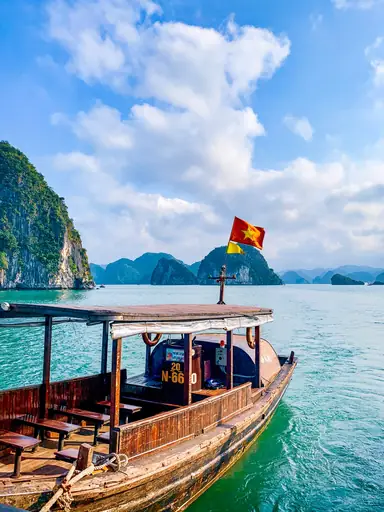
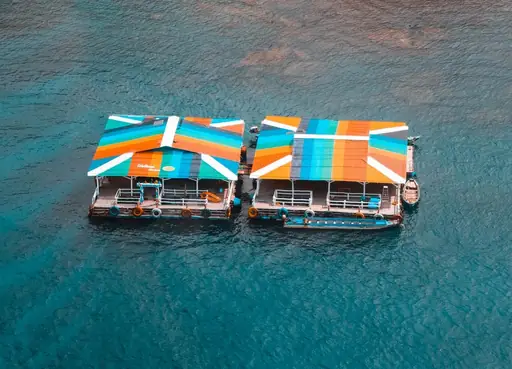
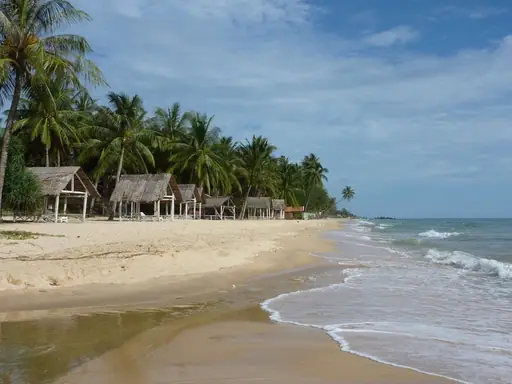
This S shaped country stretches about 1,000 miles from north to south. The centre is dry in March, so Hoi An's lantern lit streets and the beaches near Da Nang are pleasant. Hanoi is mild. Ha Long Bay has about 1,600 limestone islands and earned UNESCO status in 1994.
Country
India
Palaces, temples, backwaters and Himalayan peaks
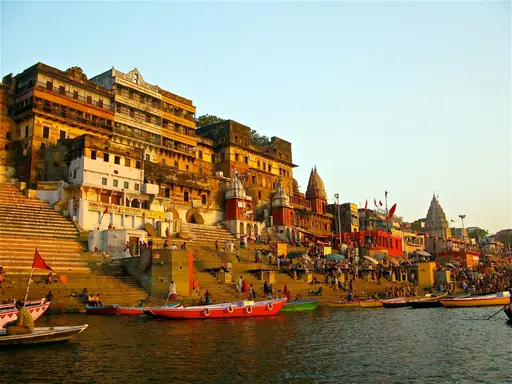
Mughal emperor Shah Jahan built the Taj Mahal between 1632 and 1653 in memory of his wife Mumtaz Mahal. It earned World Heritage status in 1983. March brings sunny days before the summer heat, with Agra highs near 90 degrees Fahrenheit. Jaipur and Udaipur in Rajasthan also have warm dry days.

City in Japan
Tokyo
Japan's capital of temples, towers and food
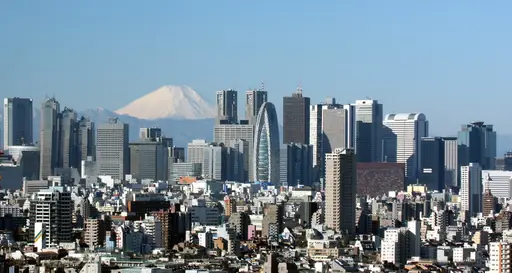
Cherry trees bloom in Ueno Park and along the Meguro River, usually opening in late March. Picnickers spread tarps under the trees for hanami. At night paper lanterns glow and the petals drift onto the water. Chidorigafuchi moat is a favourite spot for boat rides under the blossoms.
Country
South Korea
Tradition meets modern innovation
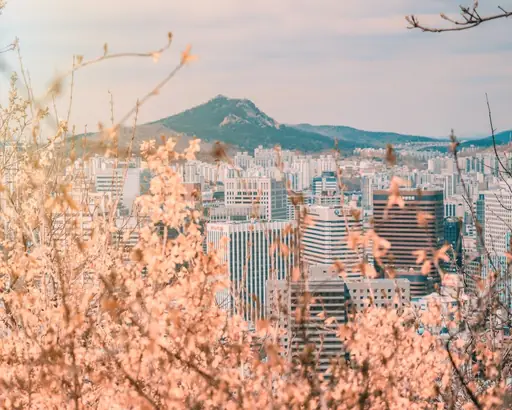
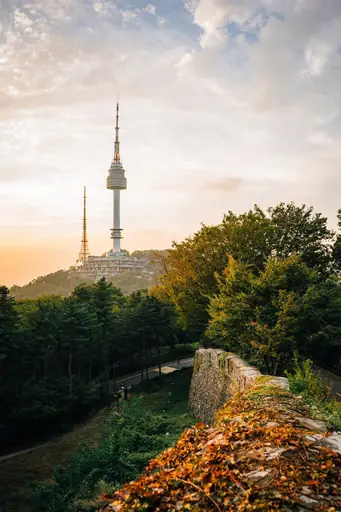
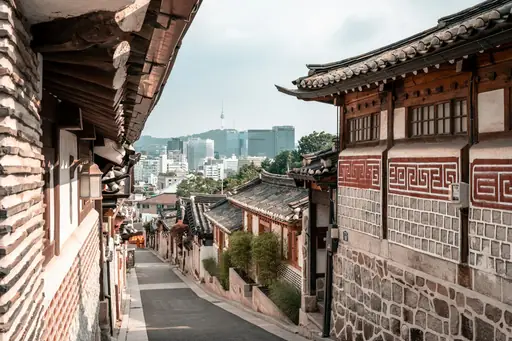
Plum blossoms open in mid March at the Gwangyang Maehwa festival in the south. Yellow canola flowers cover fields on Jeju, where cherry blossoms start in late March. Seoul follows in early April. Mild days and clear skies make walks along rivers and palace walls pleasant.


City in Japan
Kyoto
Temples, geisha districts and kaiseki dining
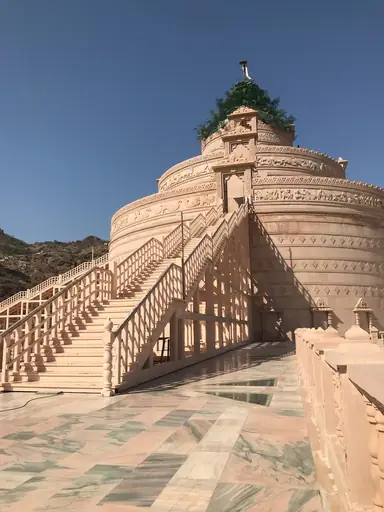
Mountains ring this basin city on three sides. Plum blossoms open at Kitano Tenmangu in early March. Cherry blossoms follow in late March along the Philosopher's Path. Thousands of red torii gates climb the hillside at Fushimi Inari. Temples and gardens fill every district of the old capital.
City in Japan
Hiroshima
Peace Park, okonomiyaki and Miyajima ferry
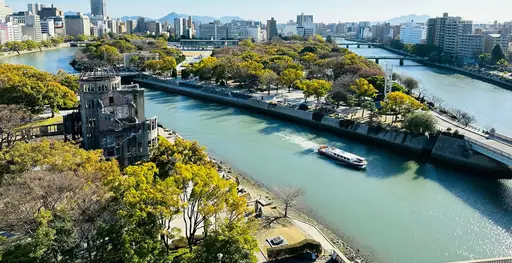
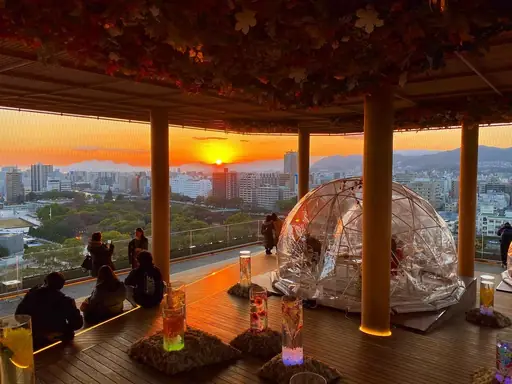
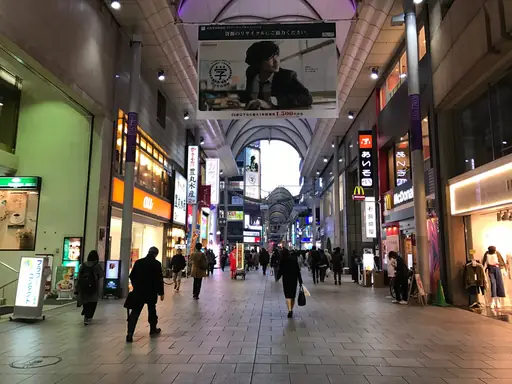
The Atomic Bomb Dome stands beside Peace Memorial Park as a reminder of 1945. It joined UNESCO's list in 1996. Nearby Miyajima has a shrine gate that appears to float at high tide. Cherry blossoms start to open in late March along the rivers of the city.
Country
Jordan
Ancient wonders meet desert landscapes
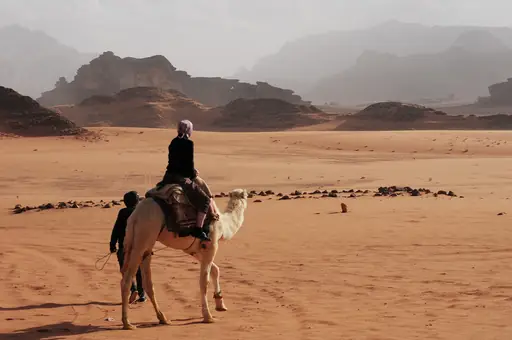
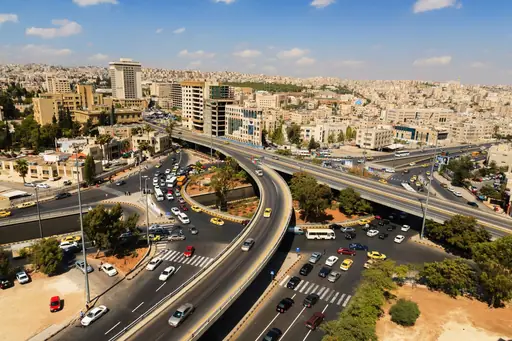
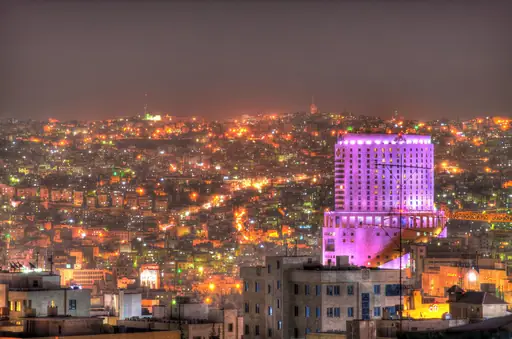
Cool spring air and blooming black irises greet hikers in the hills in March. Days near 70 degrees Fahrenheit suit the long walk through the siq into Petra. The Nabataean city earned UNESCO status in 1985. Wadi Rum has red sand and rock arches under clear skies.
Country
Maldives
Coral atolls, lagoons and overwater villas
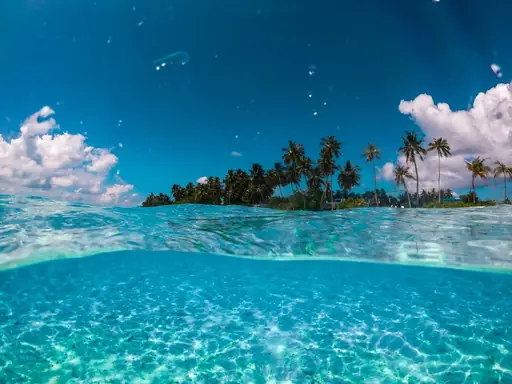
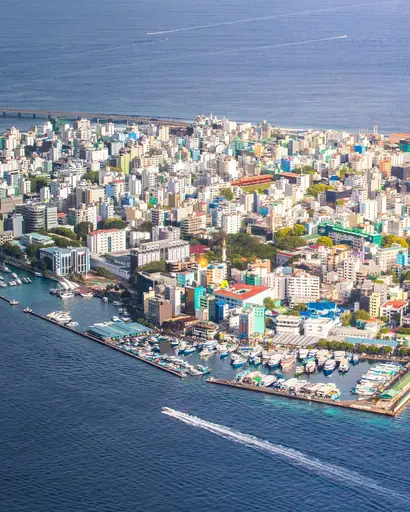
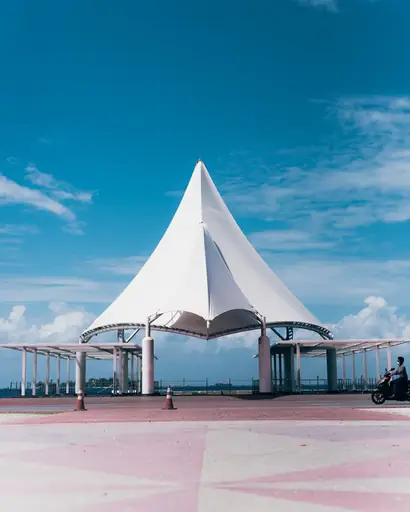
March falls in the dry season that runs from December to April. Calm seas and clear water suit diving and snorkelling. The country has about 1,190 coral islands in 26 atolls. Water stays near 84 degrees Fahrenheit all month. Whale sharks gather around South Ari Atoll.
Country
Sri Lanka
Ancient cities, tea hills and surf beaches
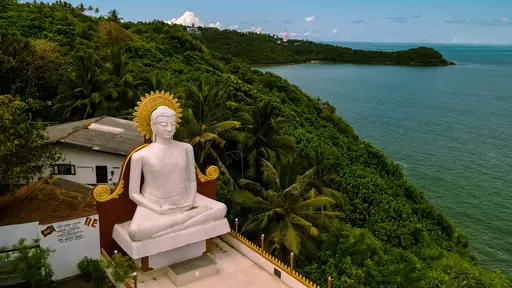
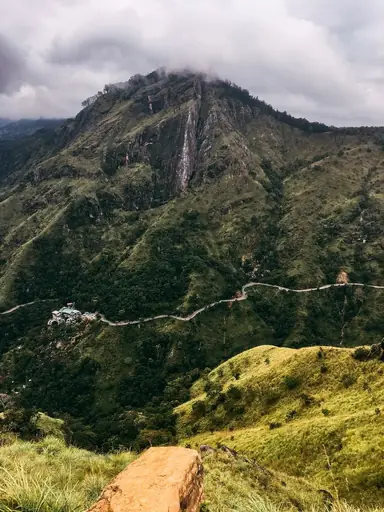
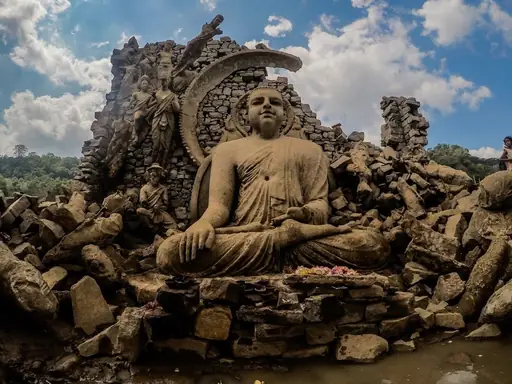
King Kasyapa built a palace on top of Sigiriya, a 200 metre rock, in the fifth century. Frescoes of women line the climb. UNESCO listed the site in 1982. The south coast is dry and sunny in March. Blue whales feed off Mirissa until about April.
Island in Philippines
Palawan
Paradise of Lagoons and Limestone Cliffs
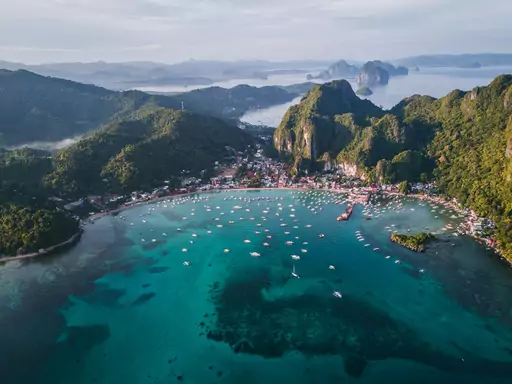
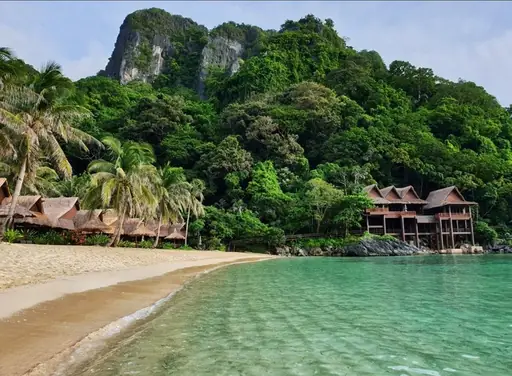
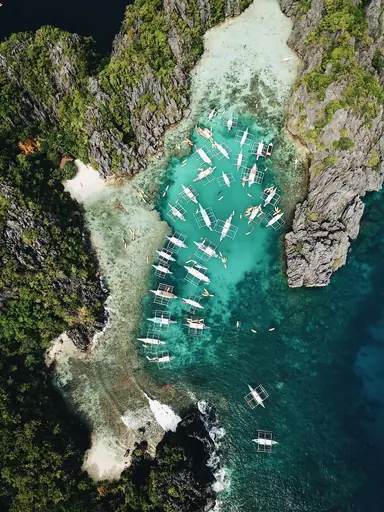
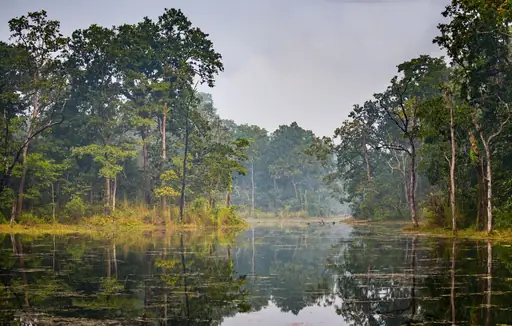
This long, narrow island stretches about 280 miles and its province is the largest in the Philippines. The dry season runs through March. El Nido has limestone cliffs rising from bright lagoons. Coron has Japanese shipwrecks from 1944 for divers. The Underground River is a UNESCO site.
Country
Nepal
Land of Himalayan wonders
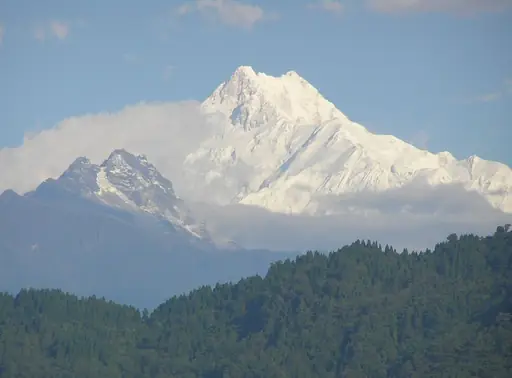
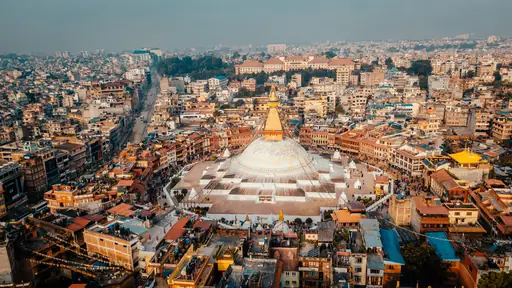
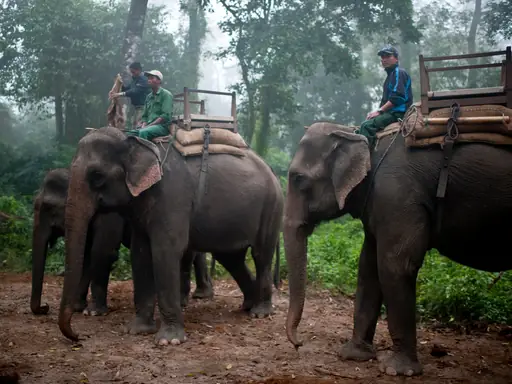
Locals celebrate Fagu Purnima, their Holi festival, with coloured powder and water in March. Rhododendrons, the national flower, bloom on trails around Annapurna. Clear mornings give long views of the Himalayas. Kathmandu Valley temples earned UNESCO status in 1979. Spring is also a busy trekking season.
Other lists you may like

Discover
Best winter sports destinations in Europe
Europe is the heartland of alpine skiing culture, with a resort infrastructure and mountain tradition that has been developing for well over a century. The best destinations…
Read more

Discover
Best street art destinations in Africa
Africa's street art scenes have emerged rapidly, with several cities developing mural cultures of genuine international standing that sit at the intersection of local artistic…
Read more
Discover
Best slow travel destinations in North America
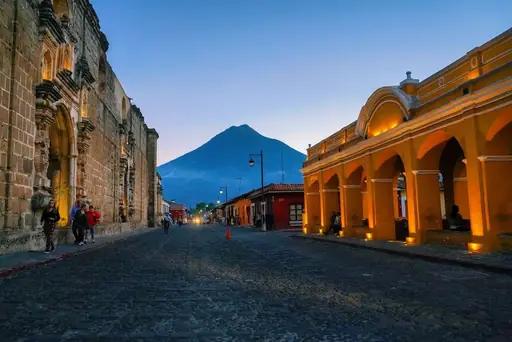
Rural New England and a culinary region in Mexico offer two very different versions of slow travel, one built around small-town routine, the other around centuries-old culinary and…
Read more

Discover
Best cherry blossom destinations in Africa
Cherry blossoms are a rarity across Africa, limited to a small handful of regions in South Africa, Algeria and Morocco rather than any continent wide tradition. Jacaranda trees are…
Read more

Discover
Most beautiful beaches and coastal escapes
For a lot of people, a beach is the whole point of a holiday, but what makes a beach day perfect really depends on personal taste. Some travellers want isolation and the feeling…
Read more
Discover
Best winter sports destinations in North America
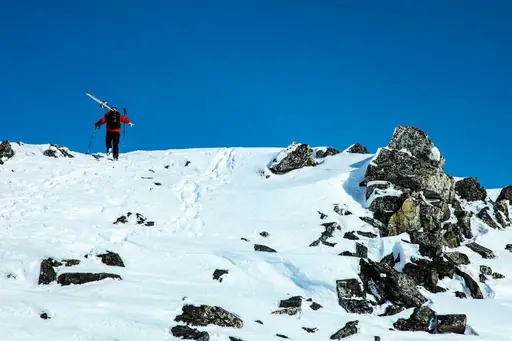
North America has some of the most varied and celebrated winter sports terrain on earth, with resort cultures on both the east and west coasts that have developed distinct…
Read more
Discover
Best slow travel destinations in Oceania
New Zealand's southern regions and the wider Pacific Islands both reward a slower pace, shaped as much by geography and limited transport links as by deliberate choice, with…
Read more
Discover
Best cherry blossom destinations in South America
Cherry blossoms are not native to South America, but Japanese immigrant communities have successfully planted Yoshino and other cherry varieties throughout the continent since the…
Read more
What other users say about travelfilters
“travelfilters made it easy for me to find ski areas and compare what else they offer, so that I could find the best place for my personal travel style.”

Chris
Snowboarding & Onsen trip to Japan
“I love how transparent the data feels. There is no pushy upsell, just honest information and settings I can tune to my own travel style.”

Maria
After booking her 2027 winter escape
“The level of detail for each destination and how well those are displayed, make planning feel confident instead of overwhelming.”

Mina
Planned a week in New York City
“We used travelfilters for our planning from start to end. The trip turned out even better than expected, thanks to all their tools and customisation options.”

Allan & Etienne
Trip to Japan to see autumn foliage
“Thanks to travelfilters, I found some hidden gems to see. Being able to filter for exactly your interests is a game changer for my travel planning.”

Michael
Tour through the old cities of Northern Italy
“The customizable filters helped me find a quiet beach town with good wifi and low season crowds in under five minutes.”

Diego
Weekend Escape to Llanes, Spain
“The airport connection map saved me hours by showing good flight options from my home airport to lesser-known cities.”

Nguyen
Planning a 2027 trip to France
“The website is clean, fast and focused on the search itself, which makes travelfilters feel more like a professional tool than an ad-heavy booking site.”

Hassan
Christmas Market trip, Germany
