
Best destinations to visit in March in Africa
Best destinations to visit in March in Africa
March marks a turning point across much of Africa, as the dry season starts giving way to rain in some regions while others stay dry a while longer.
East Africa begins its long rains around this time, which brings greener landscapes, lower prices and fewer crowds, though wildlife can be more spread out and some roads turn muddy. Cape Town and South Africa's Cape region enjoy one of their best stretches of the year in March, with warm days, cooler nights and the crowds of peak summer largely gone. Safari regions further north in Botswana and Zambia remain lush and green, still well before their dry season sets in. North Africa settles into mild spring weather, comfortable for exploring cities before the summer heat arrives.
The destinations on our list for Africa reflect that same shift, from early rains to one of the best months on the Cape coast.
Lists by region
Country
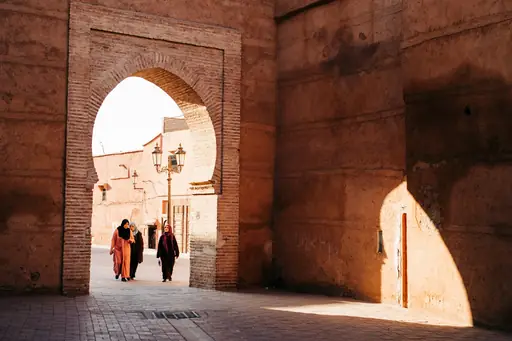
Morocco
Where desert meets Mediterranean magic
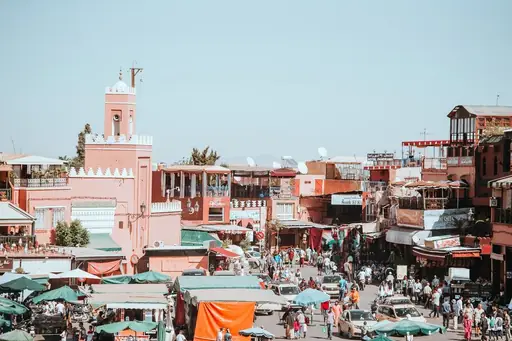
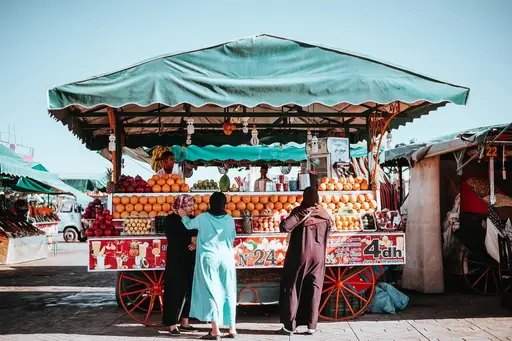
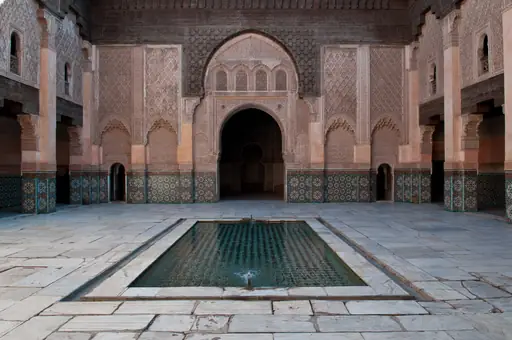
Set between the Atlantic and the Mediterranean, this country has coast, desert and mountains. Spring is mild in March, with highs from about 18 to 24 degrees Celsius in the main cities. Marrakech, Essaouira and Chefchaouen are popular stops for a first trip. Mint tea is a common sign of welcome.

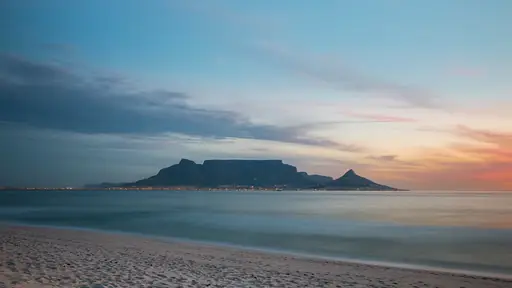
City in South Africa
Cape Town
Mountains, Beaches and a Vibrant Culture
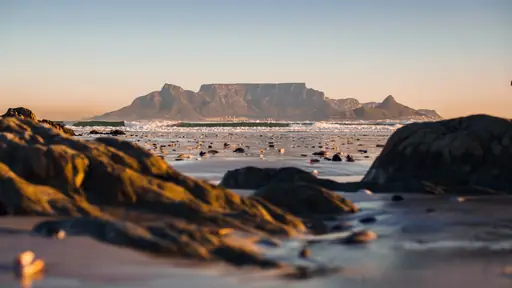
Dutch traders founded this port city in 1652 as a supply station for passing ships. Late summer in March is warm and mostly dry, with highs near 26 degrees Celsius. Beaches, Table Mountain and Cape Point are all easy to reach. Winds are often lighter than in midsummer.
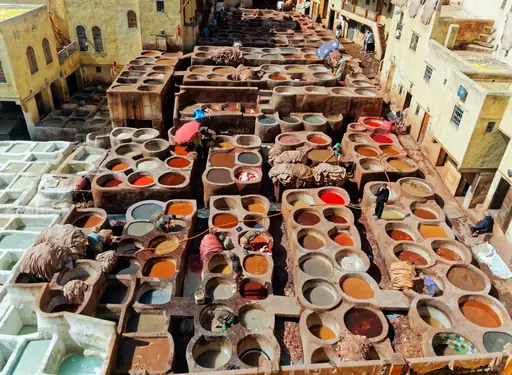
City in Morocco
Fez
Labyrinthine Medina, Living Moroccan Heritage
Among the four imperial cities of Morocco, this city is a major centre of craft and learning. Fez was founded in 789. Its car free medina, Fes el Bali, is a World Heritage site with leather tanneries and old madrasas. March is mild with highs near 19 degrees Celsius, which is good for walking.
City in Egypt
Aswan
Nile Islands, Nubian Culture, Golden Light
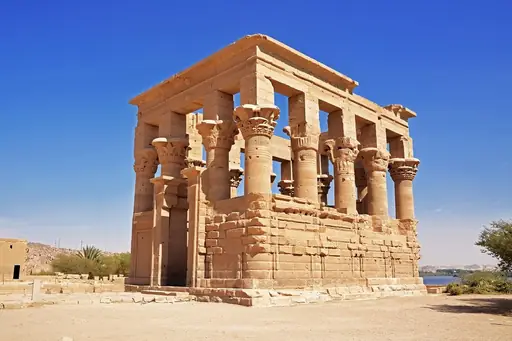
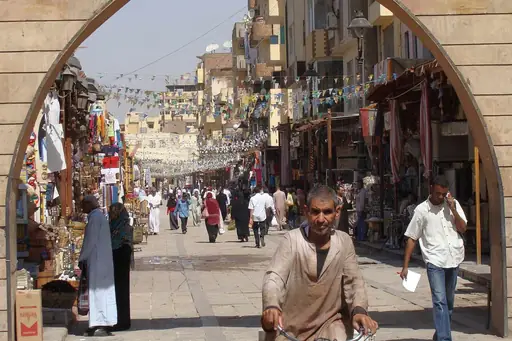
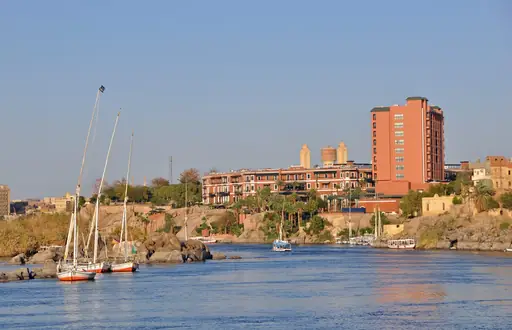
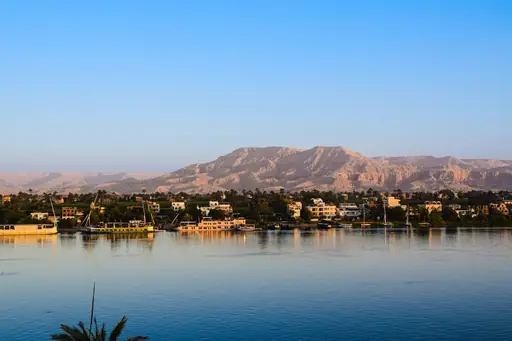
Set on the Nile in southern Egypt, this city is sunny in March, with highs around 30 degrees Celsius. Felucca sailboats cross the river past Elephantine Island and Nubian villages. Philae Temple sits on an island close to town. Abu Simbel is a long day trip south.
City in Egypt
Luxor
Ancient wonders on the Nile
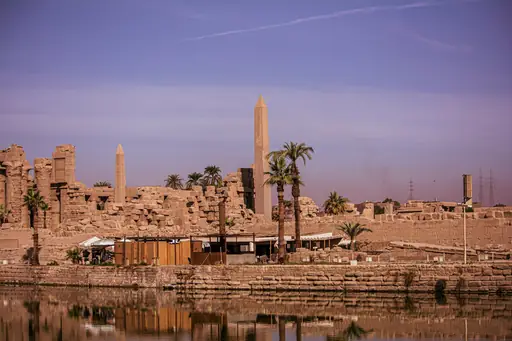
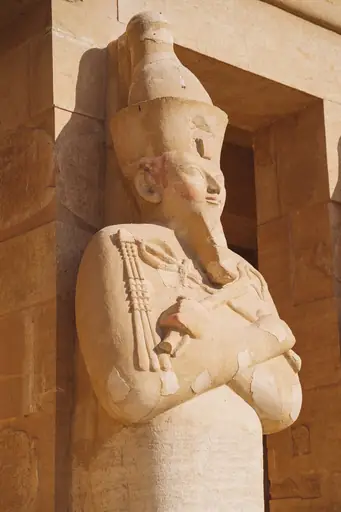
Compared with Cairo, this city is smaller and easier to get around. Karnak and Luxor Temple are on the east bank, while the Valley of the Kings is west. March is sunny with highs near 30 degrees Celsius, before the heat of summer. Early morning visits are popular for the cooler air.
Country
Zambia
Wild safaris meet thundering waterfalls
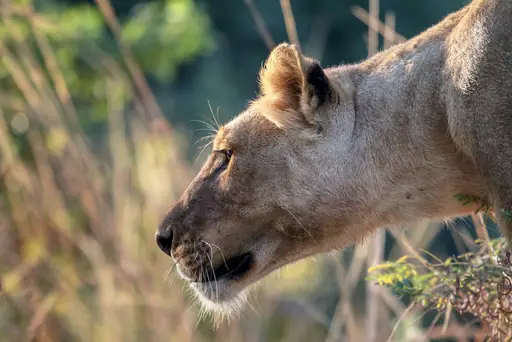
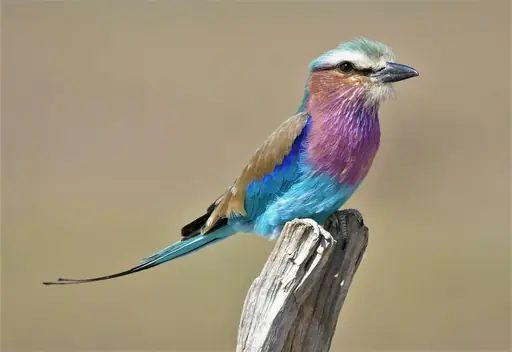
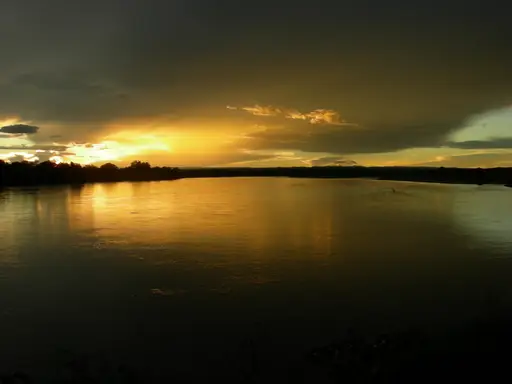
Nsima, a thick maize porridge, is the staple food in this country and is usually eaten by hand. Victoria Falls, shared with Zimbabwe, is at its fullest in March and April. Spray can soak visitors on the footpaths. Many safari camps close in the rains, so check dates before booking.
City in South Africa
Stellenbosch
Wine, Heritage and Mountain Views
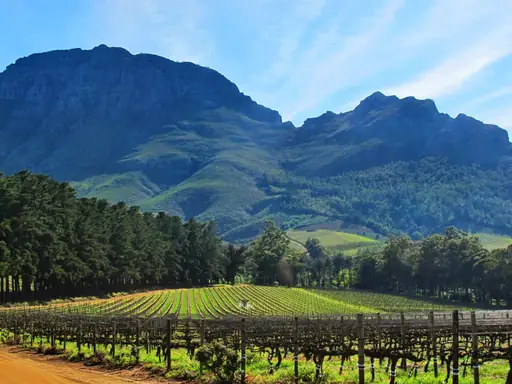
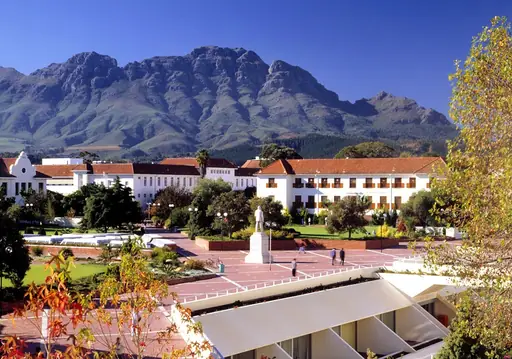
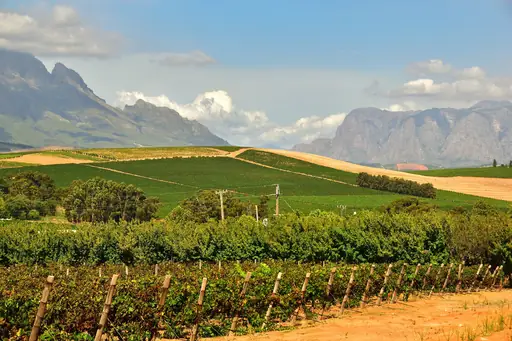
With a large university and many wine estates nearby, this town has a lively and youthful feel. Founded in 1679, it is the second oldest European settlement in South Africa after Cape Town. Oak lined streets and Cape Dutch buildings are common in the old centre. Estates offer tastings close to town.
National Park in Namibia
Sossusvlei
Towering red dunes meet white clay
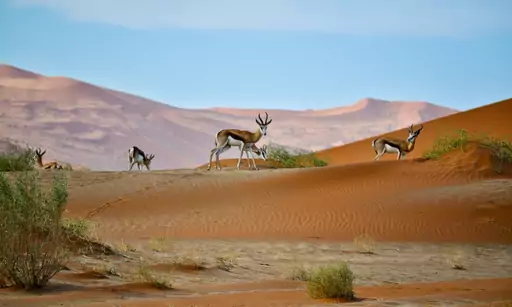
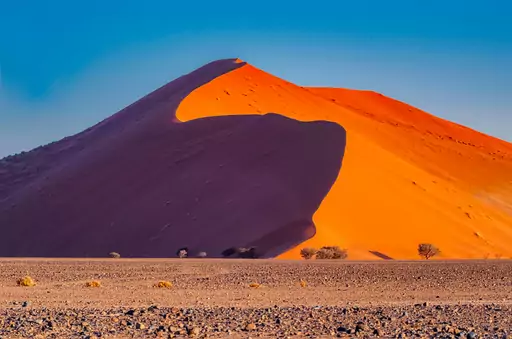
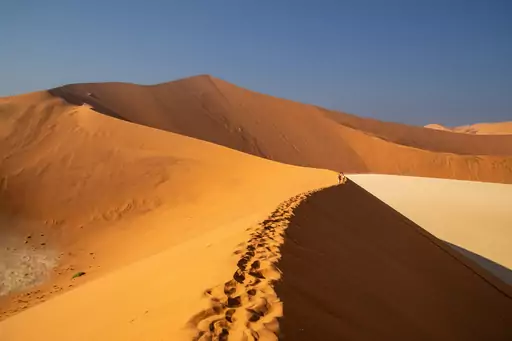
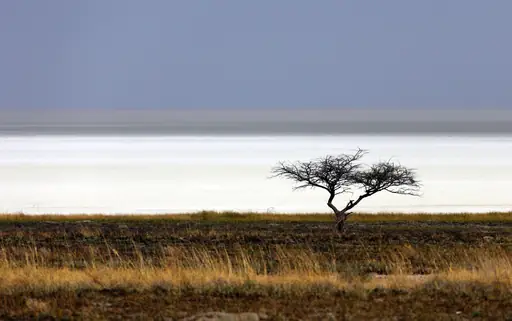
Vast and quiet, this clay pan in the Namib Desert is surrounded by tall red dunes. Dead Vlei, a white pan with dark dead trees, is a short walk away. Big Daddy is a popular dune to climb at sunrise. March is hot with highs above 30 degrees Celsius, so visits start early.
Region in Morocco
Atlas Mountains
Majestic peaks echo ancient desert horizons
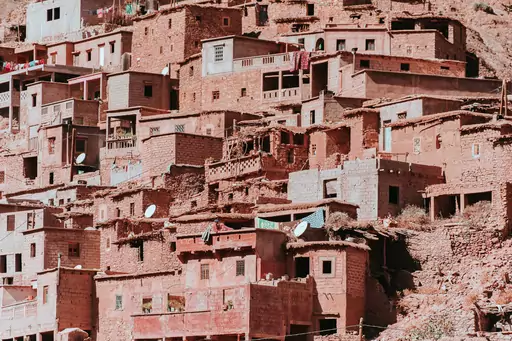
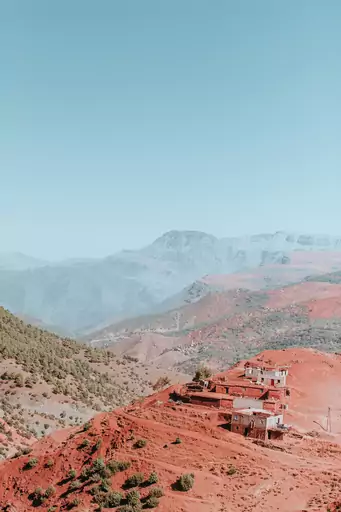
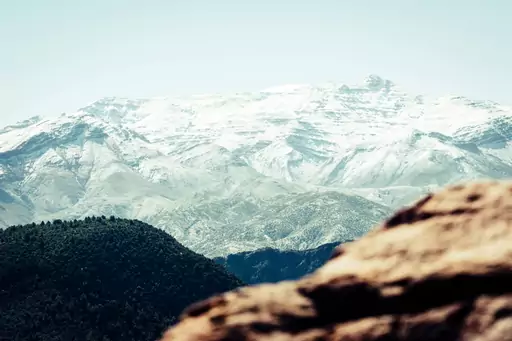
Unlike the plains near Marrakech, this range is cool in March and snow lies on high peaks. Imlil is the base for climbs of Toubkal, the highest peak in North Africa. Lower valleys have Berber villages and easy walking trails. A guide and winter gear are advised above the snow line.
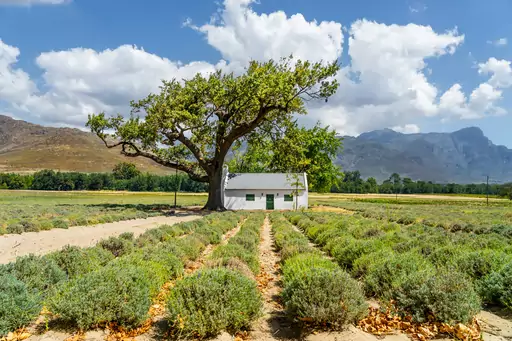
Town in South Africa
Franschhoek
Wine, Mountains and Gourmet Living
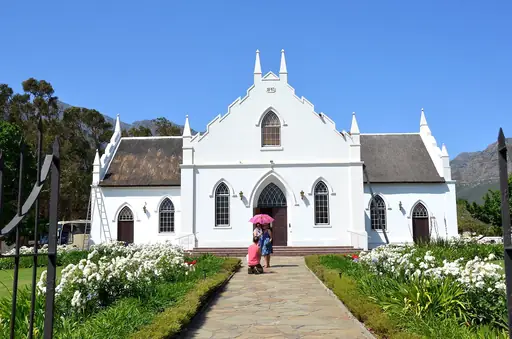
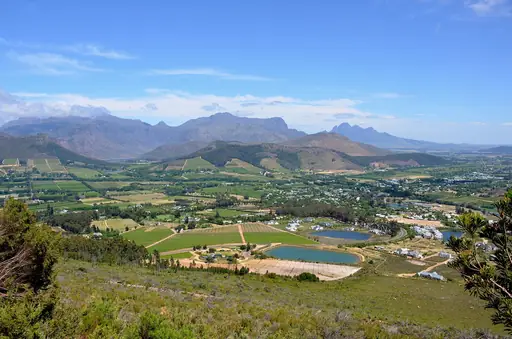
March is warm and dry in this valley, with highs near 27 degrees Celsius. Grape harvest is underway at many wine estates, so cellars are busy. French Huguenots settled in this valley in 1688 and brought winemaking skills. Many farms still have French names and the village has many good restaurants.
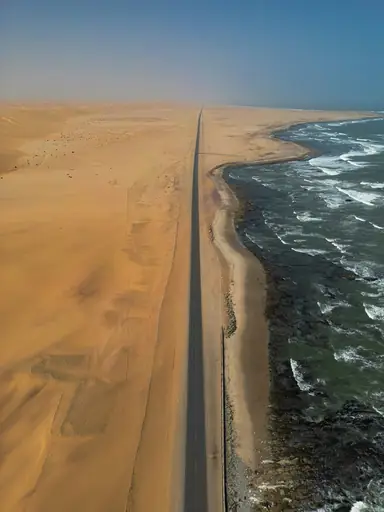
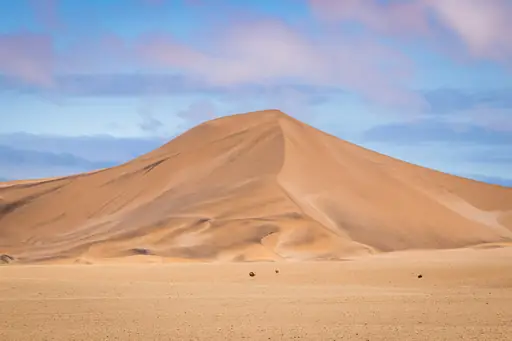
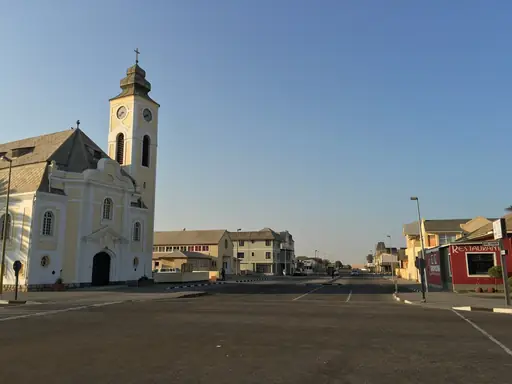
Town in Namibia
Swakopmund
Coastal charm meets desert horizons
March is mild in this coastal town, with highs near 22 degrees Celsius and some morning fog. It is much cooler than inland Namibia, where temperatures can pass 35 degrees. German colonists founded this town in 1892 and some buildings still show that history. Adventure activities include sandboarding, quad biking and skydiving.
National Park in Namibia
Etosha National Park
Namibia's Wildlife Sanctuary
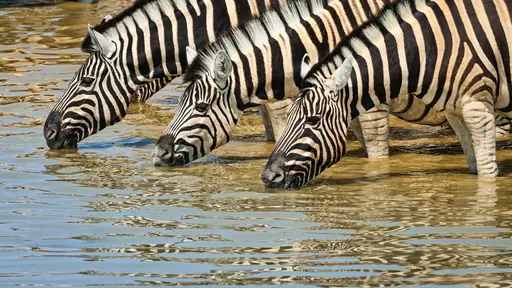
Quiet and green in March, this national park in northern Namibia is in the rainy season. Animals spread out across the plains, so sightings at waterholes are less reliable than in winter. Birdlife is rich and young animals are common. Lower prices and fewer visitors suit travellers who value space.
Nature Reserve in Botswana
Okavango Delta
Africa’s Uncharted Water Wilderness
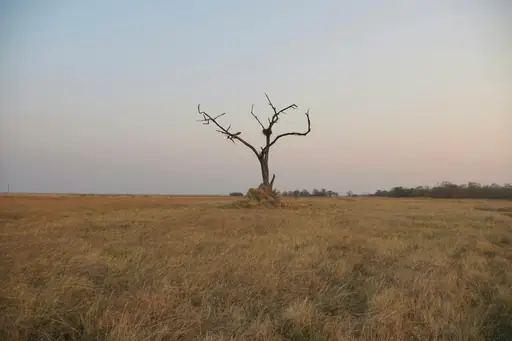
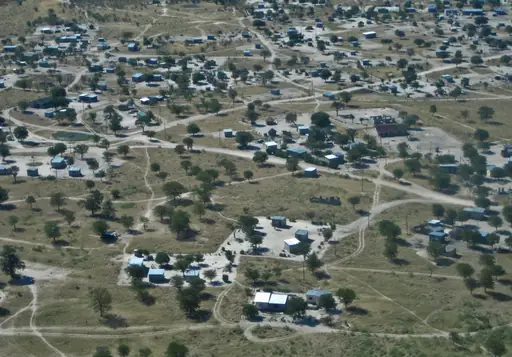
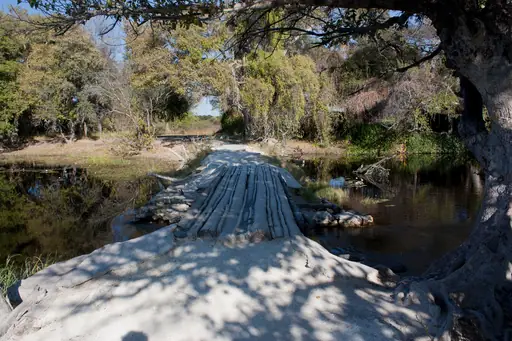
The Okavango River flows from Angola and ends in the Kalahari, forming this large inland delta. March is in the green season, with lush scenery, many birds and lower lodge prices. Water levels peak later in the year, around July and August. Mokoro trips are possible in places where channels hold water.
Desert in Botswana
Kalahari Desert
Endless dunes whisper ancient desert secrets
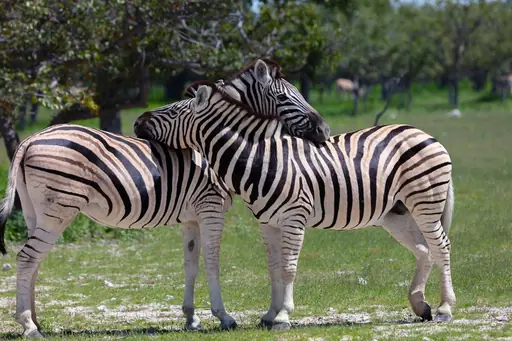
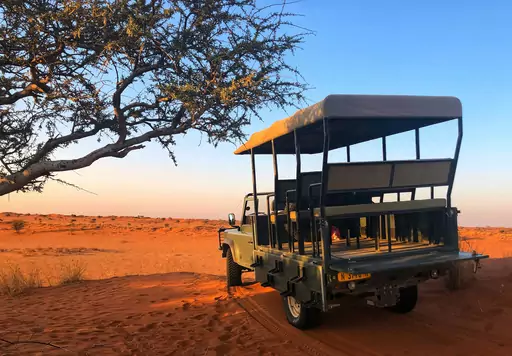
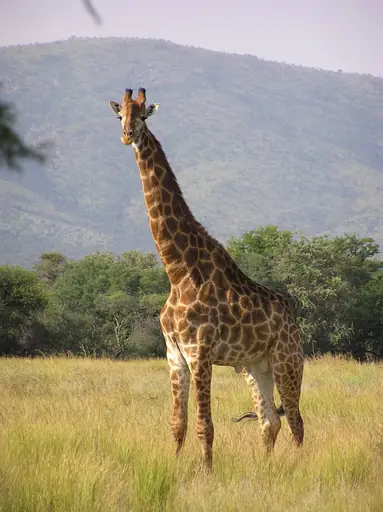
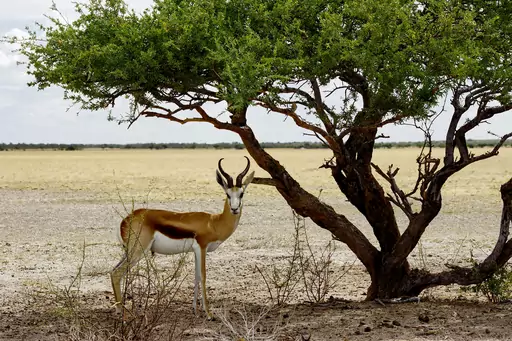
San people have lived in this semi desert for thousands of years and guides still use their tracking skills. Rain falls between November and April, so March is green with full pans and many birds. Zebra herds gather at Makgadikgadi and Nxai Pan during the rainy season.
Other lists you may like
Discover
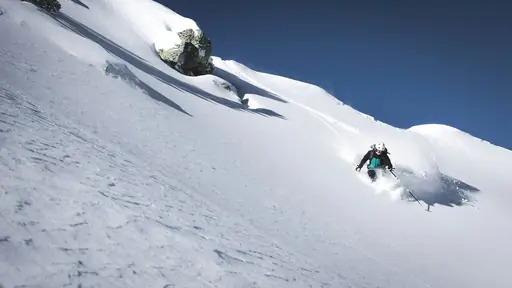
Best winter sports destinations in Europe
Europe is the heartland of alpine skiing culture, with a resort infrastructure and mountain tradition that has been developing for well over a century. The best destinations…
Read more

Discover
Best street art destinations in Africa
Africa's street art scenes have emerged rapidly, with several cities developing mural cultures of genuine international standing that sit at the intersection of local artistic…
Read more
Discover
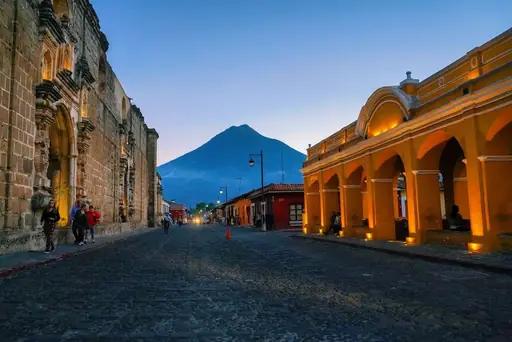
Best slow travel destinations in North America
Rural New England and a culinary region in Mexico offer two very different versions of slow travel, one built around small-town routine, the other around centuries-old culinary and…
Read more

Discover
Best cherry blossom destinations in Africa
Cherry blossoms are a rarity across Africa, limited to a small handful of regions in South Africa, Algeria and Morocco rather than any continent wide tradition. Jacaranda trees are…
Read more

Discover
Most beautiful beaches and coastal escapes
For a lot of people, a beach is the whole point of a holiday, but what makes a beach day perfect really depends on personal taste. Some travellers want isolation and the feeling…
Read more
Discover
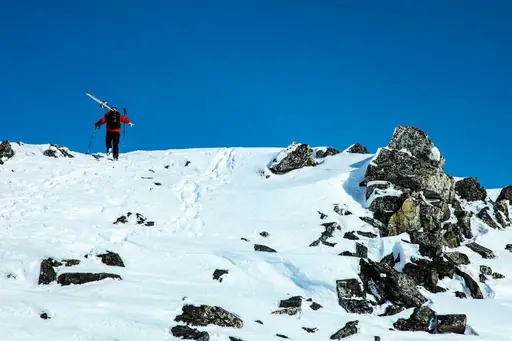
Best winter sports destinations in North America
North America has some of the most varied and celebrated winter sports terrain on earth, with resort cultures on both the east and west coasts that have developed distinct…
Read more
Discover
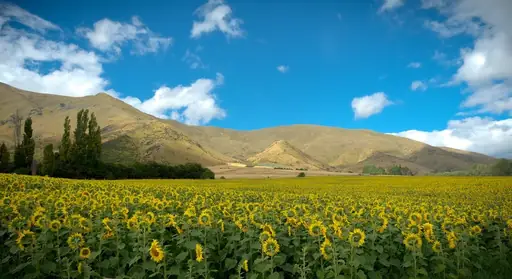
Best slow travel destinations in Oceania
New Zealand's southern regions and the wider Pacific Islands both reward a slower pace, shaped as much by geography and limited transport links as by deliberate choice, with…
Read more
Discover
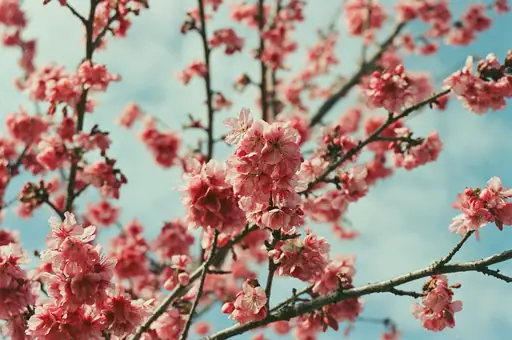
Best cherry blossom destinations in South America
Cherry blossoms are not native to South America, but Japanese immigrant communities have successfully planted Yoshino and other cherry varieties throughout the continent since the…
Read more
What other users say about travelfilters
“travelfilters made it easy for me to find ski areas and compare what else they offer, so that I could find the best place for my personal travel style.”

Chris
Snowboarding & Onsen trip to Japan
“I love how transparent the data feels. There is no pushy upsell, just honest information and settings I can tune to my own travel style.”

Maria
After booking her 2027 winter escape
“The level of detail for each destination and how well those are displayed, make planning feel confident instead of overwhelming.”

Mina
Planned a week in New York City
“We used travelfilters for our planning from start to end. The trip turned out even better than expected, thanks to all their tools and customisation options.”

Allan & Etienne
Trip to Japan to see autumn foliage
“Thanks to travelfilters, I found some hidden gems to see. Being able to filter for exactly your interests is a game changer for my travel planning.”

Michael
Tour through the old cities of Northern Italy
“The customizable filters helped me find a quiet beach town with good wifi and low season crowds in under five minutes.”

Diego
Weekend Escape to Llanes, Spain
“The airport connection map saved me hours by showing good flight options from my home airport to lesser-known cities.”

Nguyen
Planning a 2027 trip to France
“The website is clean, fast and focused on the search itself, which makes travelfilters feel more like a professional tool than an ad-heavy booking site.”

Hassan
Christmas Market trip, Germany
