




Africa › Botswana › Kalahari Desert

Kalahari Desert

Scroll
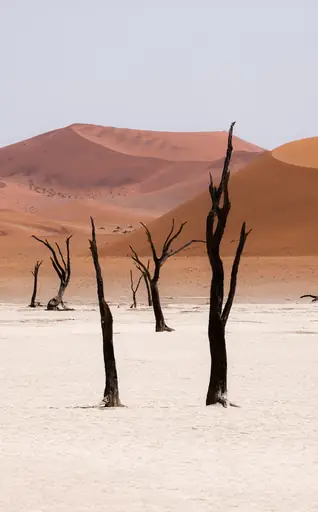
Endless dunes whisper ancient desert secrets

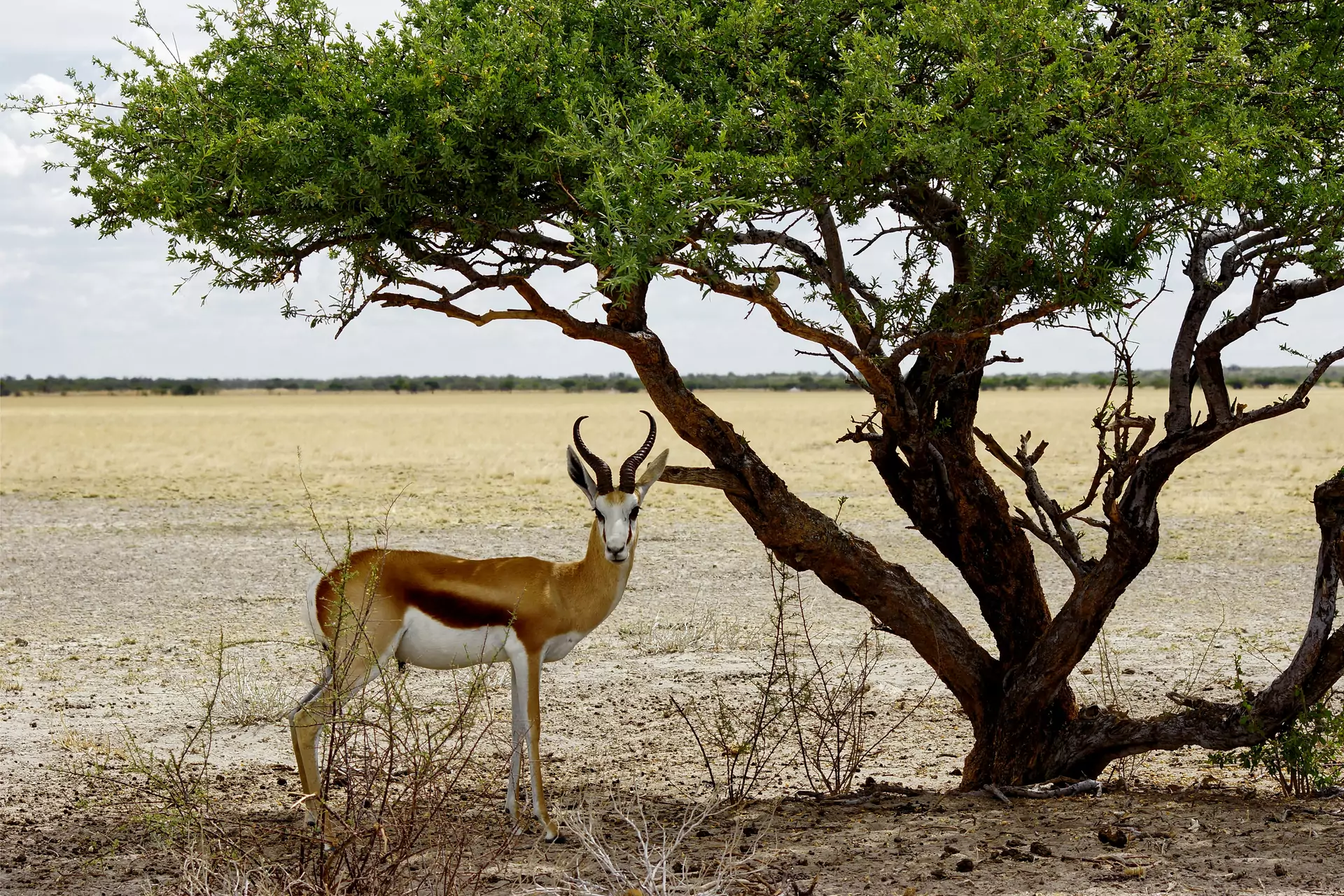
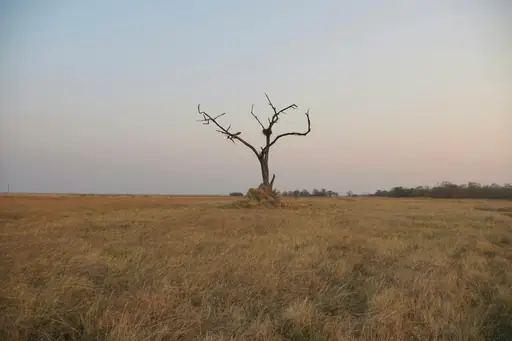
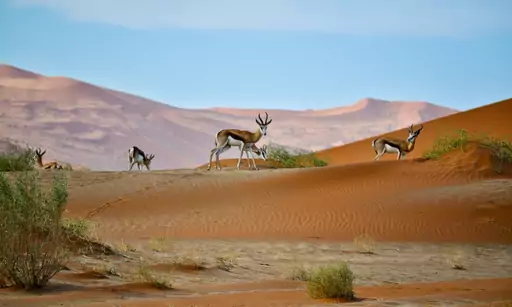
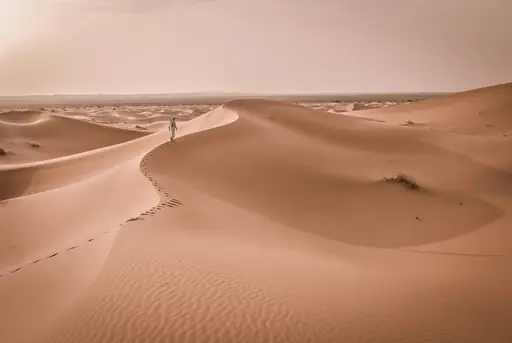
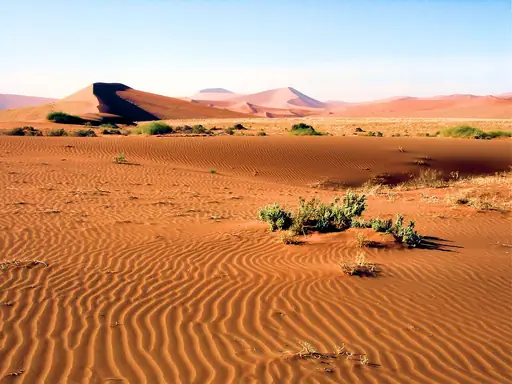
The Kalahari Desert spans parts of Botswana Namibia and South Africa creating a vast open landscape where red sand meets wide skies. Temperatures shift with seasons bringing cool nights and hot days that shape life here. Herders move herds across dry plains while wildlife finds ways to survive in sparse water sources. The region holds ancient cultures who read the land for signs and travelers discover quiet dunes under bright sun or gentle rain. It is a place shaped by scarcity and resilience where every plant animal and person adapts to thrive.

Desert in Botswana
Climate zone: Hot steppe

Hot steppe: Semi-arid climates bordering hot deserts, with hot summers, limited rainfall and short grasses or shrubs dominating vegetation.

See climate table
Price level: $$$
$Cheap
$$Medium
$$$Expensive, upscale
$$$+Very expensive, luxury
See price details
Safety: 5.7
General Safety:8
Health & medical:3
Accessibility:1
Tap water:2
Read details
Tourist English: 2/5
In the Kalahari Desert, most local guides and service staff speak basic English, especially in tourist hubs like Kuruman or Windhoek. Travelers will find communication generally easy with simple phrases.
Last update: 16 Oct 2026
* We earn a commission from some links on this page.
Kalahari Desert Summary

These place ratings give you a quick overview of how well a destination matches different types of trips.

‘Best for’ scores:
The specific interest scores show where this place really shines – whether it's ideal for hiking, food & drink experiences, museums or other activities. These highlights help you understand what makes the destination special at a glance.

‘Your personal’ scores:
This reflects how well a place matches your personal preferences. You can adjust the importances of travel topics or other personal requirements categories in your account settings.

‘Suited for’ badges:
These give you a quick overview of how well a destination suits specific types of travellers, to help you find the places that match your lifestyle, preferences or travel situation.

Read how our scores work
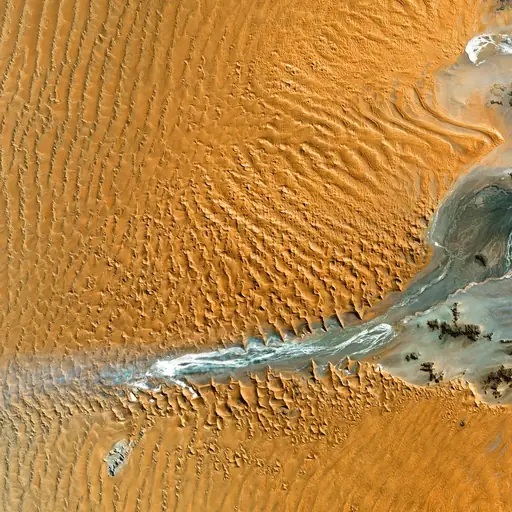
Great at showcasing endless sand dunes and a unique desert ecosystem. Enjoy rare nocturnal wildlife sightings, stargazing under an unpolluted sky and the vibrant traditions of local San communities.
Place score
7.2
Best at:
Secluded
10
Stargazing
10
Less touristy
9
Natural sites
9
Camping
9
Personal score
?
Log in to see how this place matches your personal travel interests.
Suited for
👶 4
Families
🧓 3
Seniors
❤️ 7
Couples
♻️ 7
Sustainability
Botswana – Quick facts
Power Grid: 230 V, 50 Hz
Plug: Type C , Type M
Type C:
Diagram of a Type C power plug
Type M:
Diagram of a Type M power plug

Read about power adapters
Currency: Botswana Pula (BWP)
£1 ≈ BWP 18.38
Cashless info: Rating 4/5
Cashless payments are becoming more common in Botswana, particularly in larger cities like Gaborone. However, cash is still widely accepted.

Save with a travel credit card
eSIM providers: Best value: Saily
Flexibility: Airalo
Read our in-depth comparison
Tipping: Tipping is appreciated but not mandatory in Botswana. It is customary to leave 10% in restaurants. Taxi drivers and hotel staff also appreciate small tips.
Public drinking: Public drinking is not widely accepted in Botswana, though alcohol can be consumed in licensed venues or private areas.
Public smoking: Smoking is prohibited in most indoor public spaces, including restaurants and bars.
Botswana Day
(September)
Expect national celebrations with parades and public events.
New Year’s Day
(January)
Expect public celebrations and some business closures.
Emergency contact: Emergency Number: 999
Taxi apps: Bolt, Uber
Other: Botswana is known for its breathtaking landscapes, including the Okavango Delta and Chobe National Park, offering incredible wildlife viewing opportunities.
Best times to travel

The best times to travel section shows how the months compare for a visit, so you can find the time of year that fits what you want to do.

Background colours of the months:
The colour shows the typical temperature: yellow (hot), green (mild) and blue (cold). How strong the colour is shows the travel season: full colour means high season, soft colour means shoulder season and soft-striped means off season.

Weather symbols:
Each month has one symbol showing what the weather is typically like, such as hot and sunny, freezing or a rainy or snowy season. Use them to quickly spot months that match the weather you want, or to avoid the ones that don't.

Crowdedness:
The people icon shows how busy the place usually is. The more people, the more crowded it gets.

Additional notes:
The grey info boxes point out special things worth knowing, like recurring weather issues or seasonal events.

for Kalahari Desert, Botswana
🔥
Jan
🔥
Feb
🔥
Mar
☀️
Apr
☀️
May
☀️
Jun
☀️
Jul
☀️
Aug
🔥
Sep
🔥
Oct
🔥
Nov
🔥
Dec
High season: Feb. - Aug.
Shoulder season: Jan., Sep. - Oct.
Crowdedness: 1 (Very few tourists)
Tap on a month for more info Hover over a month for more info
Rainy season November to March: tracks can become impassable and some camps close, 4x4 essential
Green season January to April brings calving and the best wildlife on the pans and plains
Winter nights from June to August often drop below freezing, pack warm layers

Why travel to Kalahari Desert?

The Kalahari Desert offers a unique blend of natural beauty and cultural insight that appeals to travelers seeking an authentic experience. Spanning Botswana, Namibia and South Africa, the vast sandy plains are home to diverse wildlife such as springboks, meerkats and the iconic black rhino. Guided safaris allow visitors to observe these animals in their natural habitat while learning about conservation efforts that protect the fragile ecosystem. Beyond wildlife, the Kalahari is rich in indigenous heritage. The San people or Bushmen, have inhabited the region for thousands of years, leaving behind rock art and stories that reveal a deep connection to the land. Cultural tours provide opportunities to meet local communities, hear traditional songs and taste dishes prepared with native ingredients. The desert’s landscape offers dramatic sunsets and star-filled skies that are ideal for photography and stargazing. Visitors can stay in eco-friendly lodges or camp under the open sky, experiencing the quiet rhythm of the environment. Seasonal variations bring occasional rains that turn dunes into lush green patches, offering a striking contrast to the typical arid image. Travelers who plan responsibly – respecting wildlife guidelines, supporting local guides and minimizing environmental impact – can enjoy an enriching journey that highlights both the resilience of nature and the enduring spirit of the Kalahari’s people.

Knowledge before you go

  • Pack lightweight, breathable clothing and a wide-brimmed hat for sun protection.
  • Carry sufficient water (at least 3 liters per person daily) and high-energy snacks for long drives in the desert.
  • Use a reliable GPS or offline maps; cell coverage is sparse, especially near remote dunes and wildlife areas.
  • Visit during early morning or late afternoon to avoid extreme heat and witness unique Kalahari sunsets over the sand dunes.

How to travel to Kalahari Desert

The Kalahari Desert is accessible primarily through road networks connecting major towns such as Gaborone in Botswana and Upington in South Africa. Travelers can drive via the N1 highway from Johannesburg to Maun, then take the N4 toward the Kalahari. Alternatively, flights are available to airfields near the Central Kalahari Game Reserve or Ghanzi, offering charter services from Windhoek or Johannesburg. The Trans-Kalahari Highway links Botswana’s major cities and extends into Namibia. For overland access, 4x4 vehicles are recommended due to sandy terrain. Seasonal road conditions may affect travel during the rainy season (November–March).

Access summary

  • From Maun Airport (MAU): 30‑min taxi to Kalahari camp sites.
  • From Gaborone (GBE): 4‑hour bus or 3‑hour flight to Maun.
  • By chartered safari plane from Johannesburg (JNB) to Maun, 1.5 hours.

Where to stay in Kalahari Desert

In the Kalahari Desert, accommodations range from modest eco-lodges to luxury safari camps, offering roughly 30–50 sites across popular towns such as Kuruman and Upington. Many lodges emphasize sustainable practices, using solar power and locally sourced materials, while still providing comfortable beds, private bathrooms and communal dining areas that showcase regional cuisine. The area is renowned for its “glamping” tents – high‑end safari tents with king‑size mattresses, en suite facilities and panoramic windows to observe the night sky. For budget travelers, campsites with shared cabins or basic bungalows are available, often featuring communal kitchens and fire pits. Overall, guests can choose between rustic charm and upscale comfort while enjoying the vast, star‑filled desert landscape.

Hotel recommendations

*by rating and popularity. Commissions have no influence on the rankings.
We couldn't find any nearby hotels for now.

How to get around Kalahari Desert

The Kalahari Desert offers vast, open landscapes best explored by 4x4 vehicle, which provides access to remote areas and unpaved tracks. Renting a vehicle from major towns like Upington or Shoshone allows flexibility for self-driving adventures across dunes and dry riverbeds. For those preferring guided tours, local operators offer safaris with transport included, often combining desert exploration with wildlife stops. Public minibuses connect larger settlements such as Ghanzi and Kuruman, though schedules are limited. Walking or cycling is feasible in some regions but requires preparation for extreme heat and limited shade. Always carry water, a GPS device and ensure your vehicle has sufficient fuel when traveling off-road.
Budget snapshot
Costs compared to home

We calculate the average costs when travelling to destinations and compare those with the living costs at your home. With this you can get an estimate of how expensive or cheap the destination is for you.

To customise this, you can set up which location and price level are used for the calculations in your account settings.

---
We can't detect your current location. Please log in and set your current location in the account settings to see a cost comparison.
Exchange rate trend

The exchange rate price factor shows how expensive or cheap a currency currently is compared to its historical average. It's a quick way to see if a country is currently more or less affordable due to exchange rate changes.

-13 %
Your exchange rate (GBP to BWP) is 13% better than in recent years. That means travelling now is cheaper compared to the past.

Safety information overview

General safety
8
The Kalahari Desert offers a generally safe environment for travelers, with low crime rates and minimal political unrest. However, visitors should stay hydrated, avoid isolated areas after dark and respect local wildlife. Carry emergency supplies and follow ranger guidance to ensure a secure trip.
Health & Medical
3
The Kalahari Desert offers limited medical facilities; travelers should carry comprehensive travel insurance and a well-stocked first‑aid kit. Heatstroke, dehydration and insect-borne illnesses are common risks. Air quality is generally good, but dust storms can aggravate respiratory conditions.
Accessi­bility
1
The Kalahari Desert offers limited accessibility: rugged terrain and sparse infrastructure make travel challenging, yet well‑planned tours provide wheelchair‑friendly trails and accessible campsites. Good for adventurous travelers; be cautious of extreme temperatures, lack of public transport and minimal medical facilities.
Tap water
2
Tap water in the Kalahari Desert is virtually nonexistent; most settlements rely on boreholes or transported bottled water. The few available sources are often saline or mineral‑rich and require filtration or boiling before consumption to ensure safety.

Looking for inspiration?

Discover
Top desert destinations and arid landscapes
Desert travel offers some of the most visually arresting and physically demanding environments on earth, with the world's great sand seas, stone plateaus and salt flat systems…
Read more
Discover
Best couple vacation destinations in Africa
For couples, Africa offers something that is getting rare in modern travel, the sense of experiencing something genuinely extraordinary together rather than ticking off sights you…
Read more
Discover
Best couple holiday destinations
Travelling as a couple sounds simple enough, yet the best couple holiday destinations mean something different to almost every pair. What feels romantic to one couple can feel like…
Read more
Discover
Best desert destinations in Africa
Africa's desert environments encompass some of the world's most significant and diverse arid landscapes, from the vast sand seas and ancient eroded plateaus of the Sahara and the…
Read more
Discover
Best destinations to visit in March in Africa
March marks a turning point across much of Africa, as the dry season starts giving way to rain in some regions while others stay dry a while longer. East Africa begins its long…
Read more
Discover
Best destinations to visit in January in Africa
January lands in the middle of two very different seasons across Africa, one dry and sunny, the other green and rainy, depending on where you go. East Africa sits in its short…
Read more
Discover
Most beautiful beaches and coastal escapes
For a lot of people, a beach is the whole point of a holiday, but what makes a beach day perfect really depends on personal taste. Some travellers want isolation and the feeling…
Read more
Discover
Stunning national parks and wilderness areas
National parks exist because someone decided that certain landscapes were too important to lose. The best of them protect ecosystems, wildlife and natural processes that would…
Read more
Discover
Intimate escapes and romantic getaways
The most memorable trips for couples tend to have less to do with luxury and more to do with the quality of shared experience. A place that slows you down, removes the usual…
Read more
Was this page helpful?
Feedback