



Asia › Japan › Mie

Mie

Scroll
Ise Shrine, ninja country and spiny lobster

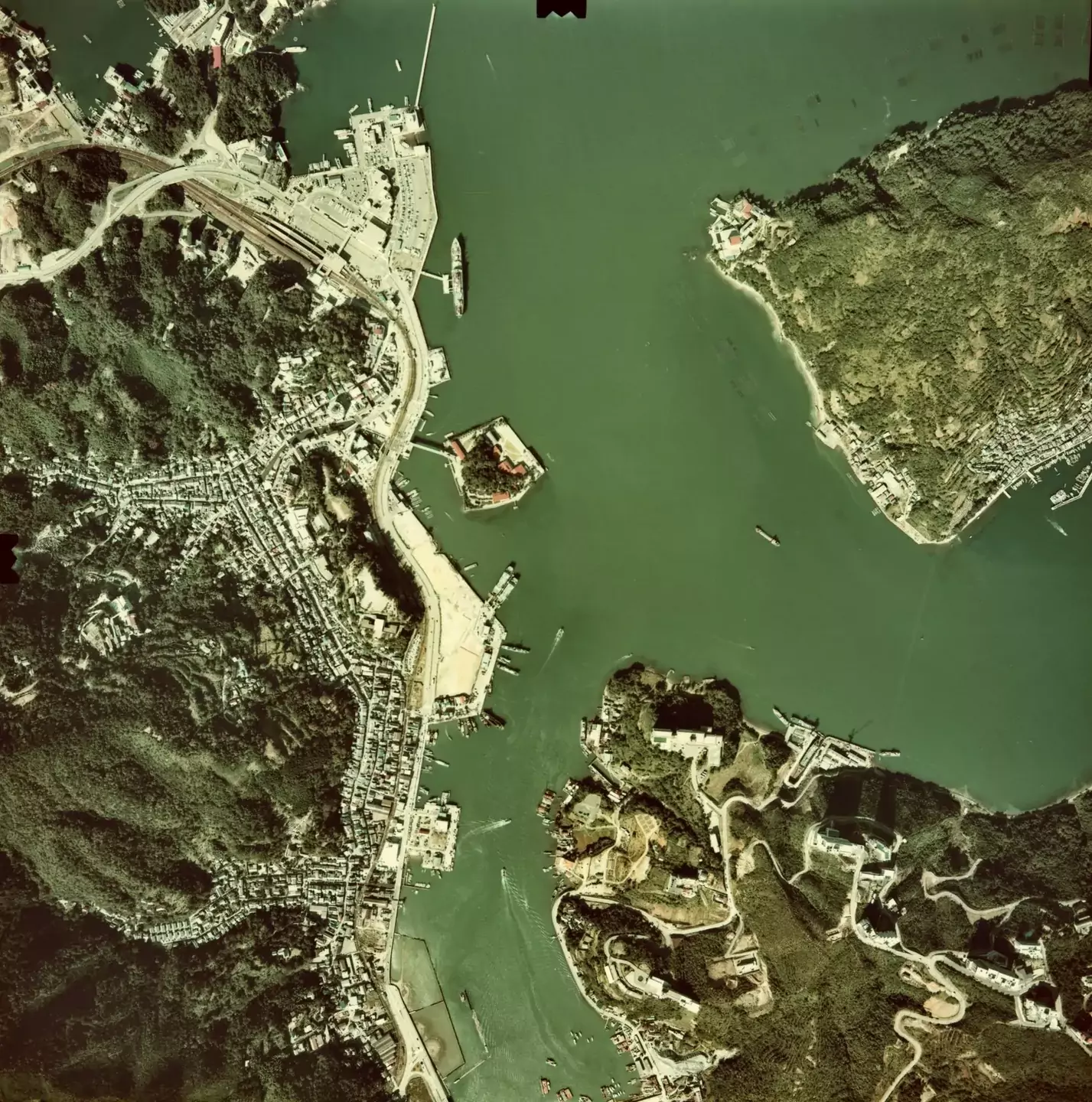
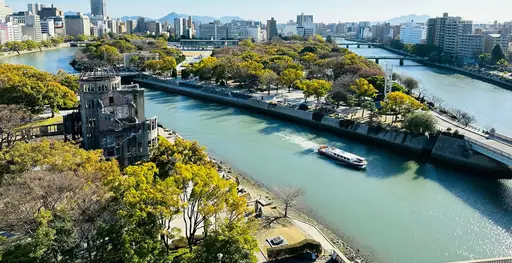
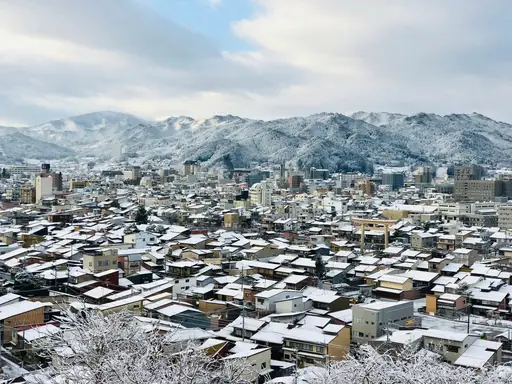
Mie is home to Ise Jingu, the most sacred shrine in Japan, made up of the Naiku and Geku sanctuaries in the city of Ise. The prefecture is long and narrow, with a Pacific coast south of Nagoya and mountains toward Nara. The coast has the pearl-diving town of Toba and the bays of Ise-Shima. Inland, Iga Ueno is known for its ninja history. In the south the Kumano Kodo Iseji pilgrim route goes over forested passes. The prefecture is too big for one short trip, so it's best to pick one or two areas.

State/Prefecture in Japan
Climate zone: Humid subtropical

Humid subtropical: Warm temperate climates with hot, humid summers, mild winters and evenly distributed rainfall, common on eastern continental margins.

See climate table
Price level: $$$
$Cheap
$$Medium
$$$Expensive, upscale
$$$+Very expensive, luxury
See price details
Safety: 8.7
General Safety:9
Health & medical:8
Accessibility:7
Tap water:10
Read details
Tourist English: 2/5
In Mie, most locals speak limited English, especially outside major tourist spots. Travellers will find basic greetings and signs helpful, but relying on translation apps or a bilingual guide is advisable for smooth communication.
Last update: 20 Oct 2026
* We earn a commission from some links on this page.
Mie Summary

These place ratings give you a quick overview of how well a destination matches different types of trips.

‘Best for’ scores:
The specific interest scores show where this place really shines – whether it's ideal for hiking, food & drink experiences, museums or other activities. These highlights help you understand what makes the destination special at a glance.

‘Your personal’ scores:
This reflects how well a place matches your personal preferences. You can adjust the importances of travel topics or other personal requirements categories in your account settings.

‘Suited for’ badges:
These give you a quick overview of how well a destination suits specific types of travellers, to help you find the places that match your lifestyle, preferences or travel situation.

Read how our scores work
Great at blending ancient spirituality with seaside serenity, Mie offers world‑class shrines, pristine coastlines and soothing hot springs. Visitors enjoy fresh seafood, historic towns and mountain trails.
Place score
8.8
Best at:
Religious sites
10
Pilgrimage
10
Spotless
9
Aquariums
9
Theme parks
9
Personal score
?
Log in to see how this place matches your personal travel interests.
Suited for
👶 9
Families
🧓 8
Seniors
👩 8
Solo
🛡️ 7
Travel Beginners
Japan – Quick facts
Power Grid: 100 V, 50 Hz
Plug: Type A
Type A:
Diagram of a Type A power plug

Read about power adapters
Currency: Japanese Yen (JPY)
£1 ≈ JP¥210
Cashless info: Rating 4/5
Cashless payments are becoming more common, especially in cities, with some shops still preferring cash. Be prepared for occasional cash-only situations in rural areas.

Save with a travel credit card
eSIM providers: Best value: Saily
Flexibility: Airalo
Read our in-depth comparison
Tipping: Tipping is not customary in Japan and can be considered rude. Excellent service is the norm, and tipping is unnecessary in most places.
Public drinking: Public drinking is legal and commonly accepted, particularly during festivals and events.
Public smoking: Smoking is prohibited in indoor public places but allowed in designated outdoor areas. Some restaurants may have smoking sections.
New Year
(January)
One of the most important holidays, expect crowded temples and high prices. Plan ahead.
Golden Week
(April-May)
The busiest travel time, expect high demand for accommodation and transport.
Obon
(August)
A time to honour ancestors, many businesses close, and transport can be crowded.
Emergency contact: Emergency Number: 110 (Police), 119 (Fire & Ambulance)
Taxi apps: Uber, JapanTaxi, DiDi
Other: Japan is a country of respect, so understanding local customs and etiquette is important. Public transport is efficient, but can be crowded during peak hours.
Best times to travel

The best times to travel section shows how the months compare for a visit, so you can find the time of year that fits what you want to do.

Background colours of the months:
The colour shows the typical temperature: yellow (hot), green (mild) and blue (cold). How strong the colour is shows the travel season: full colour means high season, soft colour means shoulder season and soft-striped means off season.

Weather symbols:
Each month has one symbol showing what the weather is typically like, such as hot and sunny, freezing or a rainy or snowy season. Use them to quickly spot months that match the weather you want, or to avoid the ones that don't.

Crowdedness:
The people icon shows how busy the place usually is. The more people, the more crowded it gets.

Additional notes:
The grey info boxes point out special things worth knowing, like recurring weather issues or seasonal events.

for Mie, Japan
⛅
Jan
⛅
Feb
⛅
Mar
⛅
Apr
⛅
May
⛅
Jun
⛅
Jul
⛅
Aug
⛅
Sep
⛅
Oct
⛅
Nov
⛅
Dec
High season: April - May, Nov.
Shoulder season: Jan., March, July - Aug., Oct., Dec.
Crowdedness: 7 (Many tourists)
Tap on a month for more info Hover over a month for more info
Climate varies within the prefecture: the south coast is milder and rainier, inland Iga mountains are colder in winter
New Year (1 to 3 January): Ise Grand Shrine is extremely crowded with first-visit pilgrims

Why travel to Mie?

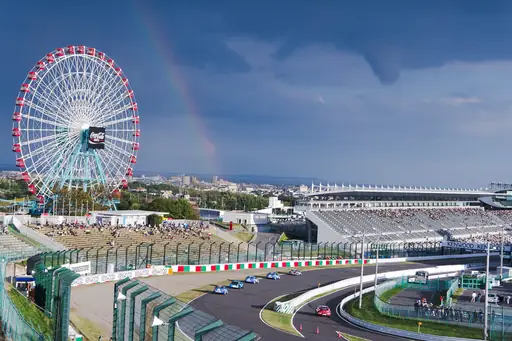
Ise Jingu has two main sanctuaries. The Naiku is dedicated to the sun goddess Amaterasu and the Geku to the deity of food and crops. A visit takes about half a day with the shopping street and the sweet rice cakes called Akafuku. The Ise-Shima coast makes a good second stop. Toba has an aquarium and a pearl island. Ama divers still work this coast and some huts serve their seafood. Ago Bay near Shima is a bay of small islands that you can see from boats and lookouts. Mie also has other trips that don't resemble each other. Iga Ueno has ninja museums and shows. The north has the Suzuka motor racing circuit and leisure parks like Nagashima Spa Land. The Kumano Kodo Iseji is a UNESCO-listed pilgrim path you can walk in sections. Three or four days works well for Ise and the coast plus one of the other areas. Spring and autumn are comfortable for walking. In winter there are illuminations and New Year visits to Ise Jingu. If you only have a day, Ise Jingu from Nagoya or Osaka is the most direct choice.

🏙️Cities & Regions
  • 1 Ise
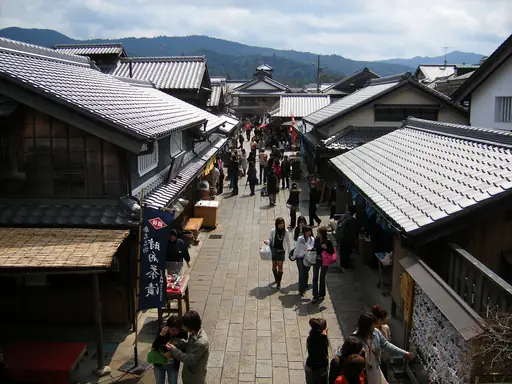
    A shrine city in Mie Prefecture that holds Ise Jingu, Japan's most sacred Shinto site, under two hours by train from Nagoya. Pilgrim lanes, a rebuilt Edo-style market street and thick Ise udon noodles round out a day or two.
  • 2 Suzuka
    A city in Mie best known for the racing circuit that hosts the Formula 1 Japanese Grand Prix. You can drive the track, visit the amusement park beside it and see stencil-dyeing crafts that date back centuries.
🏯Places worth seeing
  • 1 Ise Grand Shrine
    Ise Grand Shrine is a Shinto shrine complex in Ise, Mie Prefecture, with 125 affiliated shrines. Its two principal sites are the Inner Shrine, dedicated to Amaterasu, and the Outer Shrine, dedicated to Toyouke.
🎡Places for activities
  • 1 Bentendake
    Bentendake is a mountain in the Ise area of Mie Prefecture. A small shrine on its summit is dedicated to Benzaiten, a deity associated with water, music, speech, time, and wisdom.
🏞️Natural landmarks
  • 1 Ago Bay
    Ago Bay is a deeply indented bay in Shima, Mie Prefecture, with around 60 islands and peninsulas. It is a centre for pearl cultivation, where oyster rafts are visible across the water.
🍽️Eat & Drink
  • 1 Matsuzaka-niku Ganso Wada Kin
    Sukiyaki and shabu-shabu, Japanese beef hot-pot dishes, at this luxury restaurant in a traditional merchant house. Staff serve Matsusaka beef and the restaurant has operated for more than 100 years. It is a 10-minute walk from Matsusaka Station.
  • 2 Fukusuke
    Ise udon, thick and soft wheat noodles in a sweet soy-sauce broth, at this noodle restaurant on Okage Yokocho. Cooks make the mild broth from dried bonito and kombu, a sea kelp. Pilgrims to Ise long ate it.
  • 3 Yokocho Soba Shouseiko
    Ramen in a soup stock made from Matsusaka beef and simmered for up to a week. The ramen shop is on a small side street in the middle of Okage Yokocho, the food street in Ise.
  • 4 Isshobin Honten
    Yakiniku, Japanese grilled meat, with Matsusaka beef grilled over charcoal. Staff run the original shop of a local yakiniku name in the city of Matsusaka in Mie. It is about a 15-minute walk from Matsusaka Station.
  • 5 Takeya Gyuuniku-ten
    Yakiniku, Japanese grilled meat, from this restaurant in Tsu that buys whole Matsusaka beef selected under strict standards. It also offers takeaway orders. The nearest train station, JR Takachaya, is about a 15-minute walk away.
  • 6 Unafuji
    Eel on rice, called unadon, at this restaurant in Tsu city, where eating eel every day is part of the local food culture. It serves lunch only. It is in Takanoo, a neighbourhood of Tsu.
  • 7 Matsusaka Gyu OKUYAMA
    Amiyaki, beef grilled on a wire net, at this speciality restaurant in Yokkaichi that serves only Matsusaka beef. The restaurant serves dinner only and closes two days a week. It is a 5-minute walk from Kintetsu Yokkaichi Station.

Knowledge before you go

  • Pilgrims traditionally visit Geku first and Naiku second.
  • The Shimakaze train needs a reservation and has no service one weekday each week, depending on the route.
  • Mie is long from north to south, so pick one or two areas rather than the whole prefecture.
  • Ise Jingu rebuilds its main sanctuary every 20 years in a ritual called Shikinen Sengu, so the wood always looks fresh.

How to travel to Mie

Trains from Nagoya are the easiest way into Mie. Kintetsu limited express services run from Kintetsu-Nagoya to Ise and Toba. Ise, Tsu and Matsusaka are about 1.5 to 2 hours from Nagoya. From Osaka and Kyoto it takes about 2.5 hours. Tokyo travellers take the Tokaido Shinkansen to Nagoya in under 2 hours and change there. The Shimakaze sightseeing train runs from Osaka-Namba to Kashikojima in about 2 hours 20 minutes, with stops at Ise and Toba. Reserve seats ahead. It doesn't run on one day each week and the day depends on the route. From Nagoya it takes about 2 hours and from Kyoto about 2 hours 45 minutes. Chubu Centrair Airport (NGO) near Nagoya has buses and high-speed ferries to points in Mie. Driving from Nagoya or Osaka is easy on the expressways, including the Ise Expressway to Ise and the Meishin Expressway for Iga Ueno.

Access summary

  • From Kansai Intl (KIX): Shinkansen to Nagoya (50 min), local train to Tsu (30 min) – about 1 h 20 min.
  • From Osaka Itami (ITM): Limited Express Kuroshio to Tsu (1 h 15 min).
  • From Tokyo Narita (NRT): Shinkansen to Nagoya (2 h), local train to Tsu (30 min) – about 2 h 30 min.

Where to stay in Mie

Most visitors stay in Ise or on the coast near Toba and Shima. Ise suits a shrine trip and puts you close to Naiku and Geku with a mix of business hotels and ryokan. Toba and Shima have larger resort hotels and seafood ryokan, many with onsen baths. These work well for a night or two by the sea. Other areas have their own bases. Iga Ueno has small inns and a few hotels near its castle town. In the north, hotels near Nagashima Spa Land and Suzuka are busy during the racing and leisure seasons. The Kumano Kodo area has simple guesthouses and fewer rooms, so book early for spring and autumn. If you want to keep luggage in one place, Nagoya or Osaka are workable bases for a single day at Ise. Staying overnight in Ise gives you the quiet morning hours at the shrine before tour groups arrive.

How to get around Mie

Mie is long and narrow with its main corridor along the coast from Nagoya through Tsu and Matsusaka to Ise and Toba. Trains do most of the work along it, while a car helps for the areas away from the main stations.

Trains:
Kintetsu runs from Nagoya through Tsu and Matsusaka to Ise and Toba and on to Kashikojima.
JR lines serve the same coast while separate Kintetsu and Iga lines go inland to Iga Ueno. Kintetsu rail passes cover the line but you still pay the limited express charge for fast trains.

Buses:
Within Ise a local bus connects the stations with Naiku in about 15 minutes.
Toba and the Ise-Shima coast can be reached by train and local bus, but services get thin once you move away from the main stations.

Car:
A car is useful for the bays of Ise-Shima, the Kumano Kodo area and the countryside around Iga.
Naiku is about 5 minutes from the nearest Ise Expressway interchange. If you stay within Ise and Toba a car isn't needed.

Food in Mie

Food in Mie is mostly about seafood from the coast and good beef. Restaurants cluster near the stations and shrine streets. Many close in the early evening outside the main towns, so plan dinner ahead. Coastal ryokan include seafood dinners in the rate.

Ise-ebi:
Ise-ebi, the local spiny lobster, is the best known coastal speciality.
Oysters from Toba and Shima are another. Some ama huts serve seafood grilled at your table.

Matsusaka beef:
Matsusaka beef is one of the best known beef brands in Japan.
Tsu is known for eel.

Ise udon:
In Ise you can try Ise udon, which has thick soft noodles in a dark sauce.

Akafuku:
Akafuku is a sweet rice cake covered in sweet bean paste that has been sold near the shrine for centuries.

Budget snapshot
Costs compared to home

We calculate the average costs when travelling to destinations and compare those with the living costs at your home. With this you can get an estimate of how expensive or cheap the destination is for you.

To customise this, you can set up which location and price level are used for the calculations in your account settings.

-55 %
Daily expenses in the region are around 55% lower than the average across United States. That means you'll spend a lot less on meals and getting around.
Exchange rate trend

The exchange rate price factor shows how expensive or cheap a currency currently is compared to its historical average. It's a quick way to see if a country is currently more or less affordable due to exchange rate changes.

-20 %
Your exchange rate (GBP to JPY) is 20% better than in recent years. That means travelling now is considerably cheaper compared to the past.

Travel costs

To help you plan your trip, we provide estimated daily costs per person (when travelling as a pair) for different travel styles. These numbers give you an idea of what you might spend each day at this destination, including accommodation, food, transport and activities.

Additionally, we also provide average hotel costs for different travel styles to give you an estimate for the accommodation only.

Please note that these are only estimates. The real costs depend on booking times, season and other factors.

Daily cost summary

Travel style categories explained:

Backpacker:
Staying in hostels or budget hotels, cooking your own meals or eating cheap and choosing low-cost activities.

Mid-range:
Staying in mid-range hotels, eating at a mix of restaurants and casual spots and enjoying a variety of activities.

Luxury:
Staying in luxury hotels, dining out at high-end restaurants and enjoying premium experiences without worrying about the price.

Backpacker Mid-range Luxury
💵 Total costs per day, including accommodation
£44
£84
£233
🏨 Accommodation per night, per person
£24
£51
£124
🍝 Food per day
£15
£26
£80
🚕 Transportation per day
£5
£7
£29
Food & Drink
🍽️ Restaurant Dinner, per person
£7
🍛 Lunch Set, per person
£5
🍟 Fast food combo
£2.90
🍝 Preparing your own food, per day
£6
☕ Cappuccino
£2.40
🍺 Beer in a restaurant, 0.5 l
£2.10
Transportation
🚌 Public transport ticket
£1.15
🚕 Taxi Ride, 10 km / 6 mi
£18
⛽ Petrol, 1 l
£0.85
Other
🎞️ Cinema ticket
£9.50
👩‍⚕️ Doctor's consult
£21
🤧 Cold medication
£8
💇 Basic haircut
£11

Safety information overview

General safety
9
Mie is very safe for travellers with low crime in towns and shrine areas. The main risks are natural. Typhoons can hit the Pacific coast in late summer and autumn. Coastal areas are exposed to tsunami after strong earthquakes.
Health & Medical
8
Medical care is good in cities like Tsu, Yokkaichi and Ise and pharmacies are common in towns. Hospitals are far apart in the south around Kumano. Summer heat and humidity are the main health concern on shrine grounds and hiking trails.
Accessi­bility
7
Accessibility varies a lot across Mie. Larger stations and Kintetsu trains have lifts and step-free routes while Ise Jingu has long gravel paths and some steps. The Kumano Kodo trails are steep with stone steps that are slippery when wet.
Tap water
10
Tap water in Mie is safe to drink like the rest of Japan. Vending machines and convenience stores are easy to find in towns. In rural areas along the Kumano Kodo and the southern coast, carry a bottle because shops are far apart.

Packing recommendations for Mie

Log in to add this place to a travel list and get a summary of all recommended items for your whole trip.

Looking for inspiration?

Discover
Best travel destinations for food allergies
Travelling with a food allergy adds a layer of planning most people never have to think about and the right destination can make that planning a lot easier. Some travellers…
Read more
Discover
Best couple vacation destinations in Asia
Asia is perfect for couples who want their holiday to feel like a shared adventure rather than just a change of scenery. Few continents offer so many ways to be amazed together.…
Read more
Discover
Best destinations for first-time travelers in Asia
Asia has one of the best established beginner travel routes anywhere, largely because so many first time travelers have worn the path before you. Southeast Asia in particular…
Read more
Discover
Best travel destinations for food allergies in Asia
Asia has real strengths for allergy conscious travelers once you know what to look for, since several of its cuisines are naturally suited to specific diets. Rice based diets…
Read more
Discover
Top digital nomad destinations and remote work hubs in 2026
Working from anywhere in the world sounds simple until you actually try it and the best digital nomad destinations look different depending on what kind of remote worker you are.…
Read more
Discover
Best couple holiday destinations
Travelling as a couple sounds simple enough, yet the best couple holiday destinations mean something different to almost every pair. What feels romantic to one couple can feel like…
Read more
Discover
Best travel destinations for seniors in Asia
Asia offers some of the most senior friendly infrastructure anywhere, alongside destinations that still call for a bit more independence and stamina. Japan in particular stands…
Read more
Discover
Top digital nomad destinations and remote work hubs in Asia
Asia has quietly become one of the most popular continents for remote work, and it is easy to see why once you look past the obvious hubs. Some remote workers gravitate toward…
Read more
Discover
Best destinations for first-time travellers
A first trip abroad works best somewhere that eases you in, rather than throwing every possible culture shock and logistical headache at you at once. Some first-time travellers…
Read more
Discover
Best travel destinations for seniors
Senior travel covers a wide range, from slow, low effort trips built around comfort to more independent trips for travellers who still want to cover plenty of ground. Some…
Read more
Discover
Most beautiful beaches and coastal escapes
For a lot of people, a beach is the whole point of a holiday, but what makes a beach day perfect really depends on personal taste. Some travellers want isolation and the feeling…
Read more
Discover
Stunning national parks and wilderness areas
National parks exist because someone decided that certain landscapes were too important to lose. The best of them protect ecosystems, wildlife and natural processes that would…
Read more
Discover
Intimate escapes and romantic getaways
The most memorable trips for couples tend to have less to do with luxury and more to do with the quality of shared experience. A place that slows you down, removes the usual…
Read more
Feedback