











Was this page helpful?

These place ratings give you a quick overview of how well a destination matches different types of trips.
‘Best for’ scores:
The specific interest scores show where this place really shines – whether it's ideal for hiking, food & drink experiences, museums or other activities. These highlights help you understand what makes the destination special at a glance.
‘Your personal’ scores:
This reflects how well a place matches your personal preferences. You can adjust the importances of travel topics or other personal requirements categories in your account settings.
‘Suited for’ badges:
These give you a quick overview of how well a destination suits specific types of travellers, to help you find the places that match your lifestyle, preferences or travel situation.
| Power Grid: |
230 V, 50 Hz Plug: Type C , Type F
Type C:
  Read about power adapters |
|---|---|
| Currency: |
Indonesian Rupiah (IDR) £1 ≈ IDR 24,141.20 |
| Cashless info: |
Rating 4/5
Cashless payments are becoming more common in urban areas of Indonesia, particularly in larger cities. Credit cards and mobile payment apps like GoPay and OVO are widely accepted in many establishments.
Save with a travel credit card |
| eSIM providers: |
Best value: Saily Flexibility: Airalo Read our in-depth comparison |
| Tipping: | Tipping is appreciated but not mandatory in Indonesia. A 5-10% tip is common in restaurants, and taxi drivers may expect small tips for good service. |
|---|---|
| Public drinking: | Public drinking is not commonly seen in Indonesia. Alcohol is consumed mainly in licensed establishments such as bars, restaurants, and hotels. |
| Public smoking: | Smoking is prohibited in many indoor public spaces, including restaurants, shopping centres, and public transport. |
| Independence Day (17 August) |
A national holiday with celebrations and ceremonies |
|---|---|
| Nyepi (March/April) |
The Balinese Day of Silence, celebrated with unique rituals and festivities |
| Emergency contact: | Emergency Number: 112 |
|---|---|
| Taxi apps: | GoJek, Grab |
| Other: | Indonesia is known for its stunning natural landscapes, including beaches, volcanoes, and jungles. It is a great destination for nature lovers and adventure seekers. |
The best times to travel section shows how the months compare for a visit, so you can find the time of year that fits what you want to do.
Background colours of the months:
The colour shows the typical temperature: yellow (hot), green (mild) and blue (cold). How strong the colour is shows the travel season: full colour means high season, soft colour means shoulder season and soft-striped means off season.
Weather symbols:
Each month has one symbol showing what the weather is typically like, such as hot and sunny, freezing or a rainy or snowy season. Use them to quickly spot months that match the weather you want, or to avoid the ones that don't.
Crowdedness:
The people icon shows how busy the place usually is. The more people, the more crowded it gets.
Additional notes:
The grey info boxes point out special things worth knowing, like recurring weather issues or seasonal events.
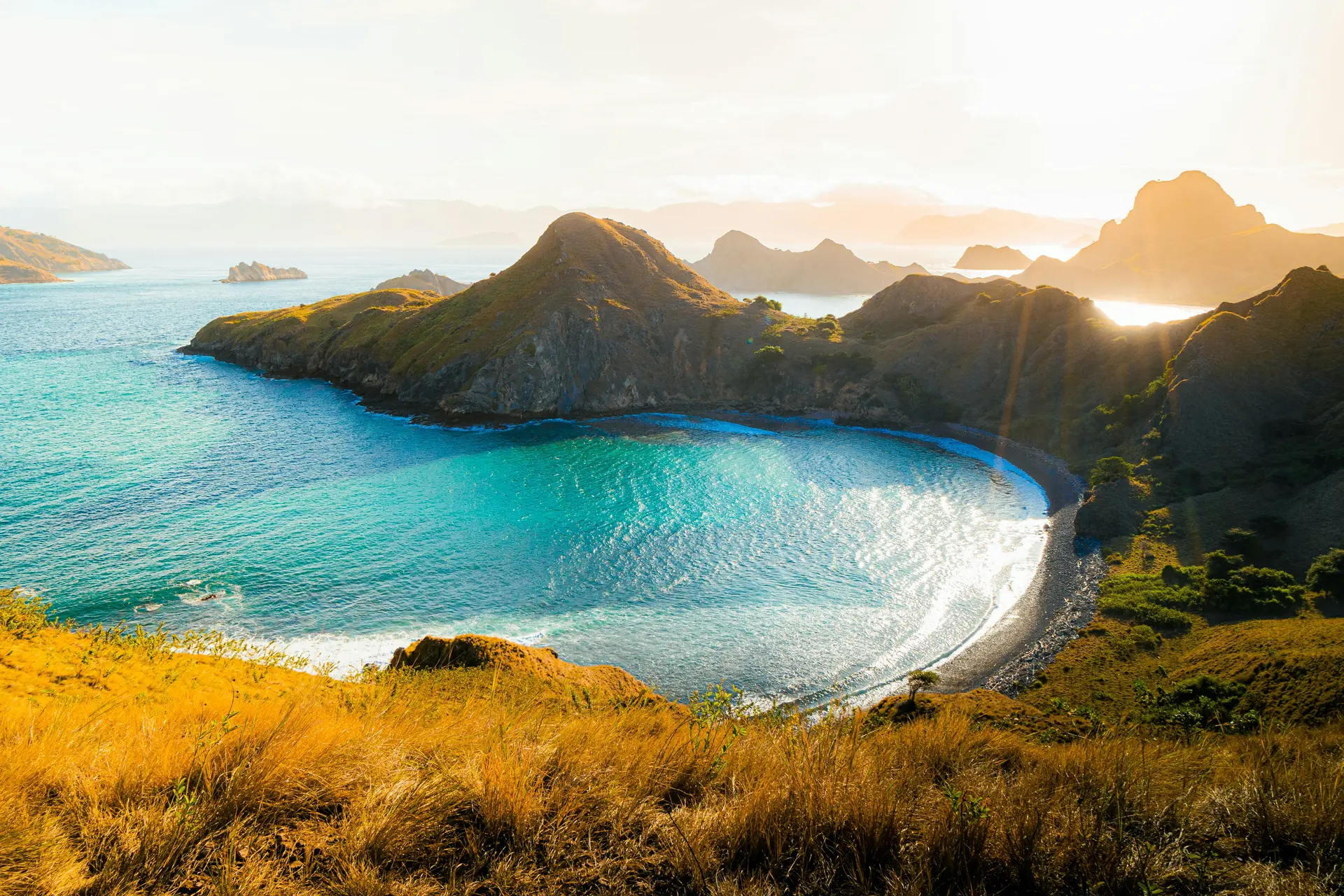
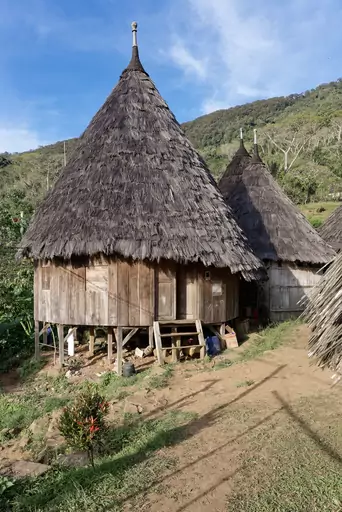
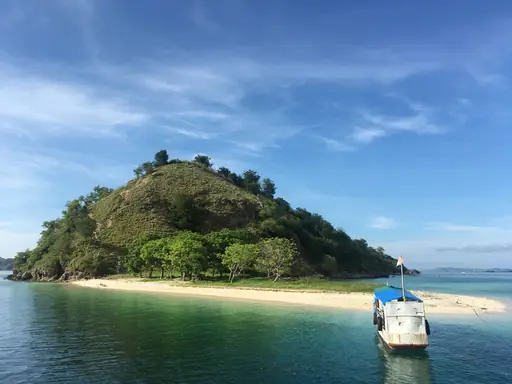
Flores offers a quiet yet richly rewarding travel experience that appeals to those who appreciate natural beauty, cultural authenticity and adventure without the crowds of more famous Indonesian destinations. The island’s landscape is dominated by lush volcanic peaks, rolling hills and verdant rice terraces that create a dramatic backdrop for hiking and photography. A highlight is the Kelimutu volcano, where three crater lakes change color seasonally, providing a unique geological spectacle that can be explored on a moderate trek. Beyond its scenery, Flores preserves traditional villages where local communities still practice age‑old crafts such as weaving and pottery. Visitors can learn about the Kangean and Manggarai cultures through guided tours, music performances and participation in daily rituals. The island’s coastal areas offer excellent snorkeling and diving opportunities; the coral reefs around the Barat Island Marine Park are home to diverse marine life, including turtles and colorful reef fish. Culinary experiences on Flores showcase fresh seafood and local specialties like “sate lilit” (minced fish satay) served with fragrant rice. Accommodation ranges from eco‑lodges in forested areas to modest homestays that provide an intimate glimpse into island life. With its blend of untouched nature, cultural depth and welcoming hospitality, Flores invites travelers seeking a meaningful, low‑impact journey through Indonesia’s lesser‑known gems.
Access to Flores, Indonesia, primarily involves flying into Komodo International Airport (CGK), located on nearby Komodo Island but serving as the main gateway. From CGK, domestic flights connect to Denpasar (Bali) or Jakarta, followed by a ferry or domestic flight to Labuan Bajo, Flores’ primary port town. The island’s rugged terrain limits road access between regions, making flights and ferries essential for travel. Public buses and private minivans operate on the main roads linking towns like Maumere and Ende, though services can be infrequent. Taxis and rental motorbikes are available in urban areas. For remote villages, boat transfers across Flores’ southern coastline may also be required.
Flores offers a range of lodging that caters to both budget travelers and those seeking luxury. In the capital city of Maumere, you’ll find compact guesthouses with local décor, as well as boutique resorts overlooking the sea. The popular tourist hub of Labuan Bajo hosts a mix of mid‑priced hotels and eco‑lodges built from reclaimed timber, many featuring open‑air verandas that blend with the surrounding rainforest. For adventurous visitors, homestays in traditional villages provide an authentic cultural experience while keeping costs low. In remote areas near Kelimutu National Park, small inns offer basic amenities but stunning views of volcanic craters at sunrise. Nighttime stargazing is also popular among guests staying in the highlands.
We calculate the average costs when travelling to destinations and compare those with the living costs at your home. With this you can get an estimate of how expensive or cheap the destination is for you.
To customise this, you can set up which location and price level are used for the calculations in your account settings.
The exchange rate price factor shows how expensive or cheap a currency currently is compared to its historical average. It's a quick way to see if a country is currently more or less affordable due to exchange rate changes.
Log in to add this place to a travel list and get a summary of all recommended items for your whole trip.
