










Was this page helpful?

| Public website: | www.bondinho.com.br |
|---|
| Power Grid: |
127 V, 60 Hz Plug: Type C , Type N
Type C:
  Read about power adapters |
|---|---|
| Currency: |
Brazilian Real (BRL) £1 ≈ R$7.15 |
| Cashless info: |
Rating 4/5
Cashless payment is widely accepted in urban areas but less so in remote regions.
Save with a travel credit card |
| eSIM providers: |
Best value: Saily Flexibility: Airalo Read our in-depth comparison |
| Tipping: | Tipping is not customary in Brazil. Restaurants often include a 10% service charge. Additional tips are optional. |
|---|---|
| Public drinking: | Public drinking is generally allowed in Brazil, and it is common in social settings. |
| Public smoking: | Smoking is banned in enclosed public spaces, with designated outdoor areas. |
| Carnival (February/March) |
Expect parades and heavy crowds. |
|---|---|
| Independence Day (September) |
National celebrations occur. |
| Christmas (December) |
Family gatherings and public celebrations are common. |
| Emergency contact: | Emergency Numbers: 190 (Police), 192 (Ambulance), 193 (Fire) |
|---|---|
| Taxi apps: | 99, Uber, Cabify |
| Other: | Brazil is known for its natural beauty, vibrant culture, and Carnival celebrations. Avoid travelling alone in remote areas for safety. |
The best times to travel section shows how the months compare for a visit, so you can find the time of year that fits what you want to do.
Background colours of the months:
The colour shows the typical temperature: yellow (hot), green (mild) and blue (cold). How strong the colour is shows the travel season: full colour means high season, soft colour means shoulder season and soft-striped means off season.
Weather symbols:
Each month has one symbol showing what the weather is typically like, such as hot and sunny, freezing or a rainy or snowy season. Use them to quickly spot months that match the weather you want, or to avoid the ones that don't.
Crowdedness:
The people icon shows how busy the place usually is. The more people, the more crowded it gets.
Additional notes:
The grey info boxes point out special things worth knowing, like recurring weather issues or seasonal events.
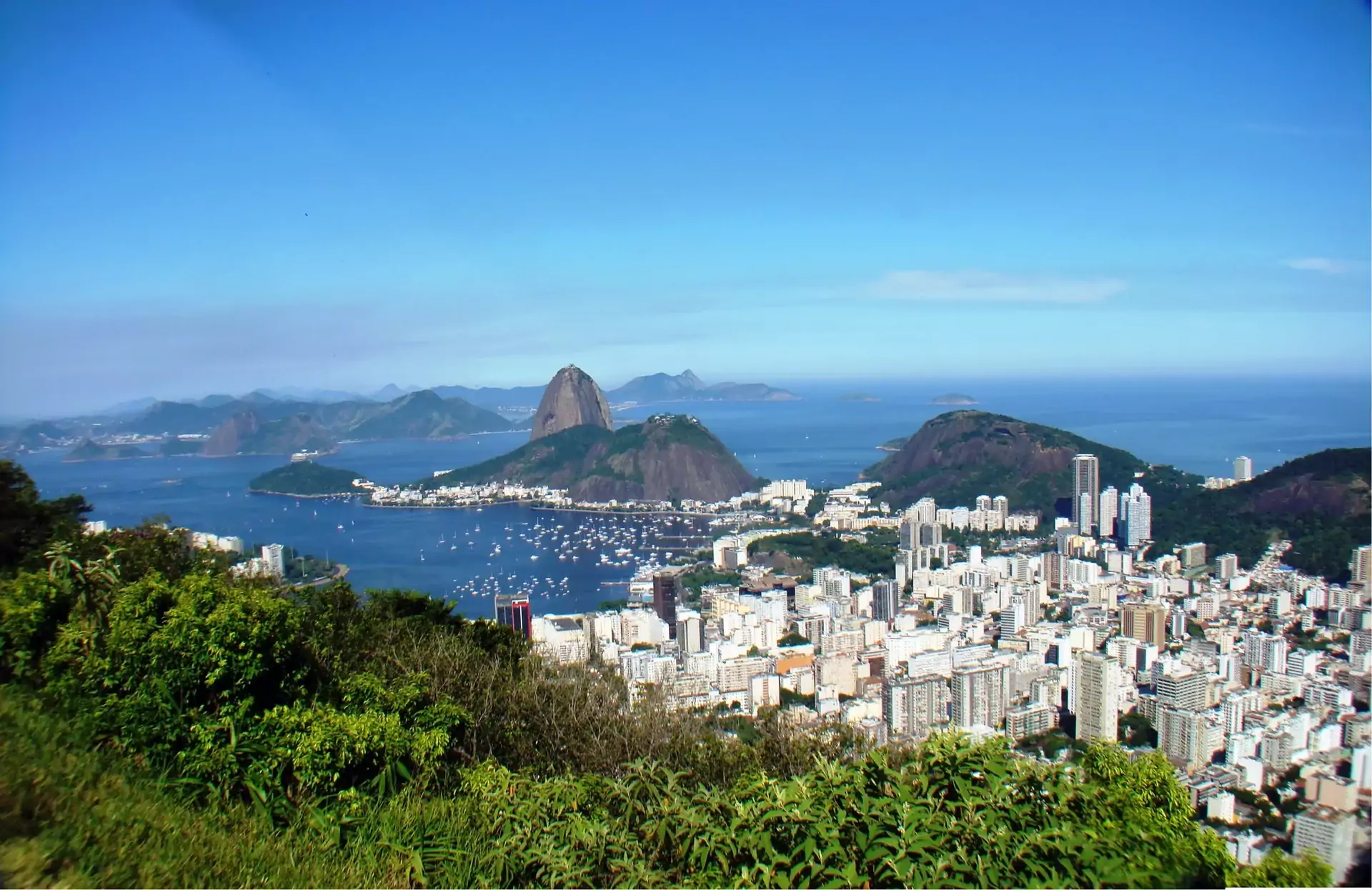
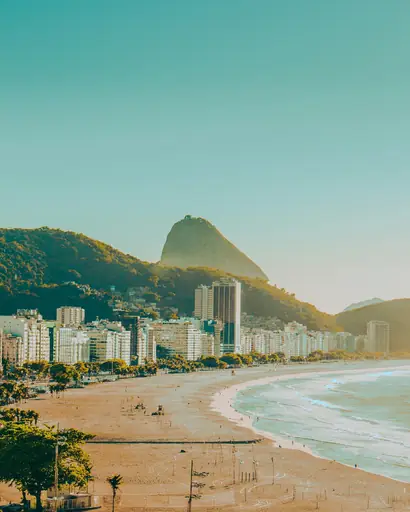
Sugarloaf Mountain (Pão de Açúcar) is an iconic natural granite peak that towers 396 meters above the harbor of Rio de Janeiro. It is renowned worldwide for its stunning 360-degree views encompassing the city skyline, famous beaches like Copacabana and the surrounding lush mountains and ocean. The site is accessible by a two-stage cable car ride, with an intermediate stop at Morro da Urca, which itself offers charming viewpoints, cafes and beaches.
The cable car experience is smooth and offers spectacular photo opportunities along the way. At the summit, visitors can explore well-maintained walkways and enjoy unobstructed views that are particularly magical at sunset when the city lights start to twinkle. The mountain is a favorite for photographers, nature lovers and adventurers alike.
Although the attraction is well-organized and visitor-friendly, it can get crowded, especially on weekends and during holidays. Long queues for cable cars are common, so booking fast pass or advance tickets is highly recommended. Visitors should also be aware that the area may be busy and personal belongings should be kept secure. The weather can change quickly, so carrying a light jacket and water is sensible.
Overall, Sugarloaf offers a unique blend of natural beauty and urban contrast, making it a highlight of any Rio de Janeiro visit and a memorable adventure for travelers.
Sugarloaf Mountain is located in the Urca neighborhood of Rio de Janeiro. The easiest way to get there from Rio de Janeiro-Galeão International Airport is by taxi or rideshare, which takes around 30-40 minutes depending on traffic. Public transport options include taking the metro to Botafogo Station, followed by a short taxi or bus ride to the cable car station. Many tours also provide direct shuttle services.
The Urca and Botafogo neighborhoods near Sugarloaf offer a range of accommodations from boutique hotels to comfortable guesthouses, providing easy access to the mountain and local dining options.
Log in to add this place to a travel list and get a summary of all recommended items for your whole trip.
We calculate the average costs when travelling to destinations and compare those with the living costs at your home. With this you can get an estimate of how expensive or cheap the destination is for you.
To customise this, you can set up which location and price level are used for the calculations in your account settings.
The exchange rate price factor shows how expensive or cheap a currency currently is compared to its historical average. It's a quick way to see if a country is currently more or less affordable due to exchange rate changes.
