






Was this page helpful?

| Opening hours: |
|
|---|
| Power Grid: |
230 V, 50 Hz Plug: Type I
Type I:
 Read about power adapters |
|---|---|
| Currency: |
New Zealand Dollar (NZD) £1 ≈ NZ$2.34 |
| Cashless info: |
Rating 5/5
Cashless payments are widely accepted across New Zealand, and credit cards are commonly used, especially in urban areas and tourist spots.
Save with a travel credit card |
| eSIM providers: |
Best value: Saily Flexibility: Airalo Read our in-depth comparison |
| Tipping: | Tipping is not expected in New Zealand, though it is appreciated for exceptional service. 5-10% in restaurants and small tips for taxi and hotel staff are common. |
|---|---|
| Public drinking: | Public drinking is generally allowed in some designated areas but may be restricted in others. Consumption of alcohol in public places may require a permit. |
| Public smoking: | Smoking is restricted in many public areas, especially indoor spaces and public transport. |
| Waitangi Day (6 February) |
A national holiday celebrating the signing of the Treaty of Waitangi |
|---|
| Emergency contact: | Emergency Number: 111 (Police, Fire, Ambulance) |
|---|---|
| Taxi apps: | Uber, Ola |
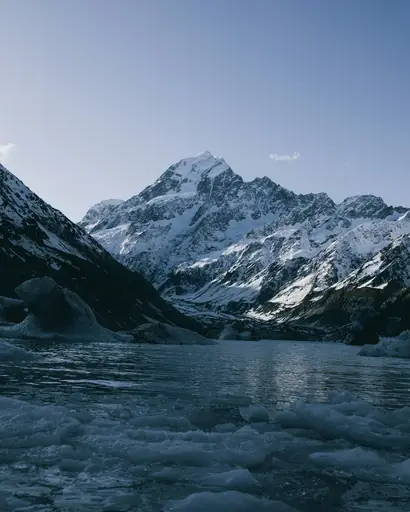
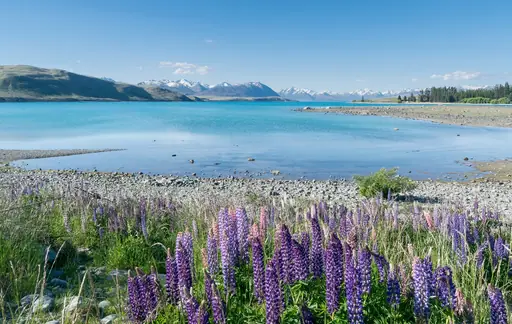
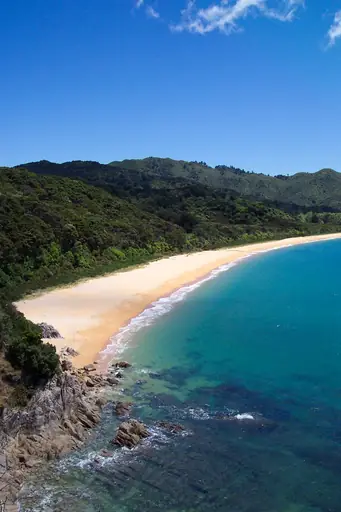
| Other: | New Zealand is known for its stunning landscapes, from beaches and mountains to national parks and cultural experiences. |
The best times to travel section shows how the months compare for a visit, so you can find the time of year that fits what you want to do.
Background colours of the months:
The colour shows the typical temperature: yellow (hot), green (mild) and blue (cold). How strong the colour is shows the travel season: full colour means high season, soft colour means shoulder season and soft-striped means off season.
Weather symbols:
Each month has one symbol showing what the weather is typically like, such as hot and sunny, freezing or a rainy or snowy season. Use them to quickly spot months that match the weather you want, or to avoid the ones that don't.
Crowdedness:
The people icon shows how busy the place usually is. The more people, the more crowded it gets.
Additional notes:
The grey info boxes point out special things worth knowing, like recurring weather issues or seasonal events.
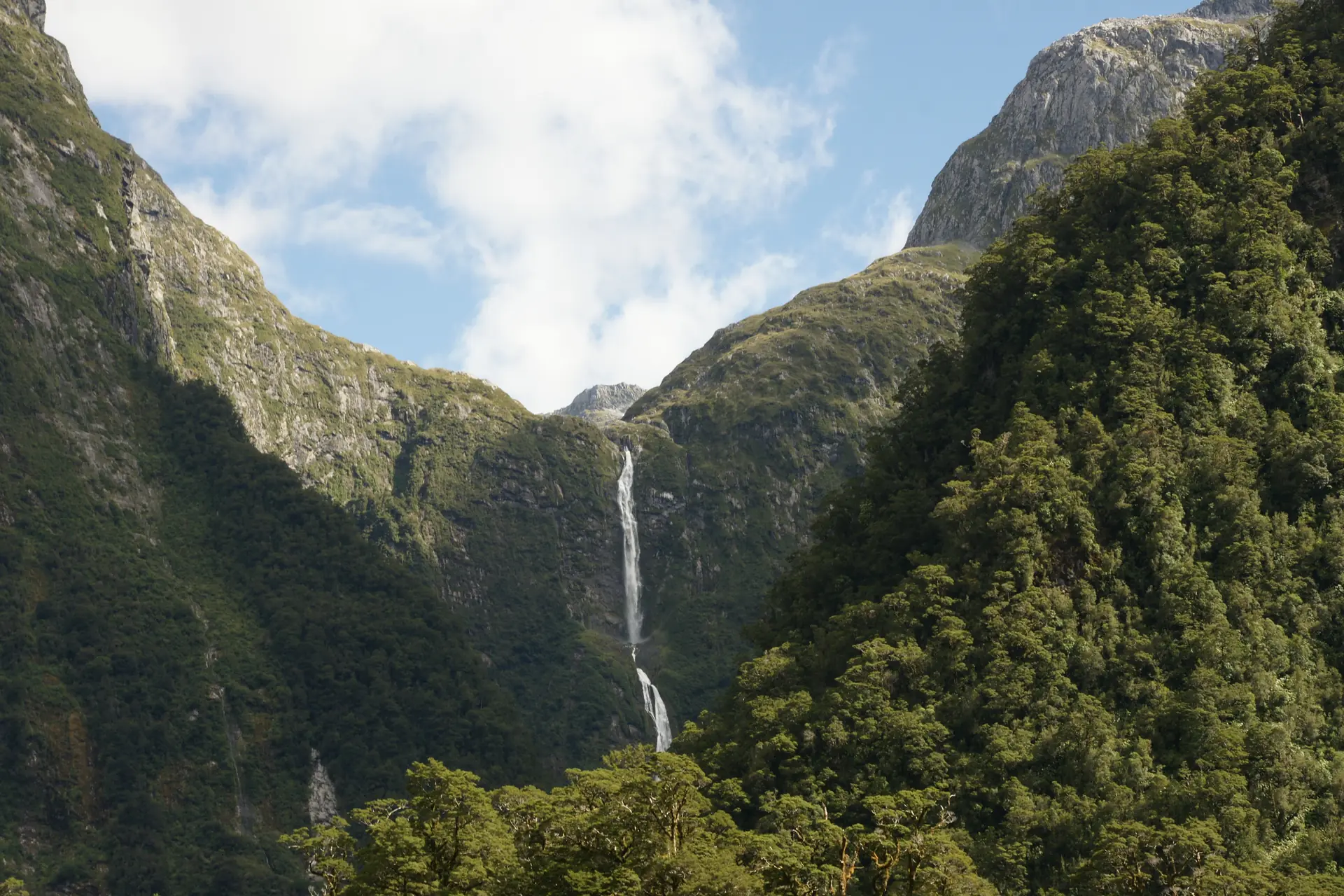
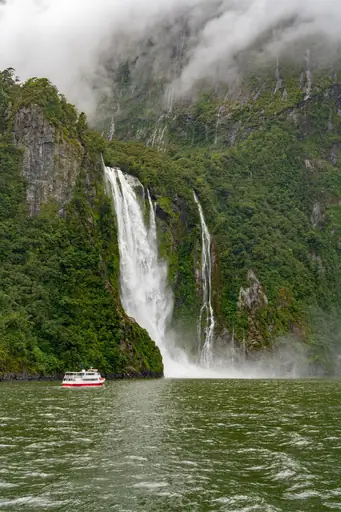
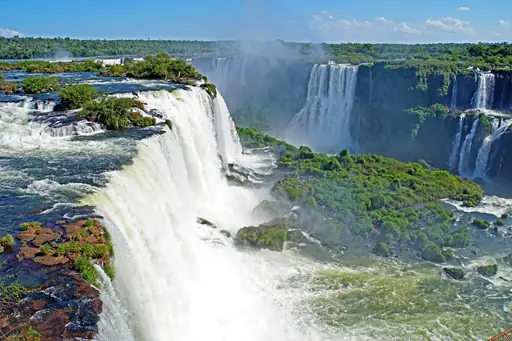
Sutherland Falls stands as one of New Zealand’s most striking natural landmarks. Located on the South Island’s western coast it drops over 900 meters in three distinct tiers. The water flows through a rugged valley shaped by ancient glaciers and ongoing erosion. Visitors encounter a powerful cascade that changes with seasonal rain and snowmelt creating a dynamic display of force and sound.
The area around Sutherland Falls is part of the Te Anau region which supports dense native forests and open tussock lands. The surrounding landscape includes steep cliffs moss-covered rocks and river channels filled with driftwood. Wildlife such as kea parrots and native birds can often be seen near the falls adding to the sense of wilderness. Trails lead along the river offering close views without disturbing the habitat.
Access requires careful planning because roads are narrow and weather changes quickly. Most travelers reach Sutherland Falls via a scenic drive from Te Anau followed by a short walk on a marked path. The route passes through remote valleys where signs of past gold mining remain visible in old structures and abandoned equipment. This history connects the present landscape to earlier human activity without dominating the environment.
Photographers find many angles along the viewing platforms where the waterfall catches light at different times of day. Early morning brings soft tones while midday highlights spray patterns across rocks. The sound reaches far beyond the trail making it clear why local communities have long valued this place for its energy and presence. Sutherland Falls remains a reminder of nature’s ability to shape land over time without rushing or forcing change.
Sutherland Falls, located in Fiordland National Park on New Zealand’s South Island, is accessed via a network of scenic routes and walking trails. The nearest town is Te Anau, approximately 150 km south, reachable by State Highway 94 from Queenstown or Invercargill. From Te Anau, visitors can drive to the Sutherland Falls parking area (approx. 1 hour) or take a shuttle bus operated seasonally. A popular option involves hiking the 90‑minute return trail from the parking lot, offering views en route to the 260‑meter waterfall. For those preferring road access, the Milford Road (State Highway 94) provides a scenic drive with stops near the falls. Public transport is limited; private vehicles or guided tours are recommended for flexibility.
Nestled in the Fiordland National Park, the area around Sutherland Falls offers a range of lodging that caters to both adventure seekers and those seeking tranquility. The most common choice is the rustic lodge at Te Anau, where cabins provide basic comforts yet maintain an intimate connection with nature; rates typically fall between NZ$120 – 180 (£50.98 – 76.47) per night for double occupancy. For travelers desiring more privacy, self‑contained chalets in the nearby forested valleys offer a quiet retreat, priced around NZ$150 – 200 (£63.73 – 84.97). Backpackers can opt for the budget-friendly hostels at Te Anau’s outskirts, with dormitory beds starting at NZ$35 (£14.87). All accommodations emphasize eco‑friendly practices and provide easy access to guided hikes that showcase the majestic waterfall.
Log in to add this place to a travel list and get a summary of all recommended items for your whole trip.
We calculate the average costs when travelling to destinations and compare those with the living costs at your home. With this you can get an estimate of how expensive or cheap the destination is for you.
To customise this, you can set up which location and price level are used for the calculations in your account settings.
The exchange rate price factor shows how expensive or cheap a currency currently is compared to its historical average. It's a quick way to see if a country is currently more or less affordable due to exchange rate changes.
