













Was this page helpful?

These place ratings give you a quick overview of how well a destination matches different types of trips.
‘Best for’ scores:
The specific interest scores show where this place really shines – whether it's ideal for hiking, food & drink experiences, museums or other activities. These highlights help you understand what makes the destination special at a glance.
‘Your personal’ scores:
This reflects how well a place matches your personal preferences. You can adjust the importances of travel topics or other personal requirements categories in your account settings.
‘Suited for’ badges:
These give you a quick overview of how well a destination suits specific types of travellers, to help you find the places that match your lifestyle, preferences or travel situation.
| Power Grid: |
120 V, 60 Hz Plug: Type A , Type B
Type A:
  Read about power adapters |
|---|---|
| Currency: |
Canadian Dollar (CAD) £1 ≈ CA$1.87 |
| Cashless info: |
Rating 5/5
Cashless payments are widely accepted, especially in urban areas. Most businesses accept credit and debit cards, and mobile payment options like Apple Pay are popular.
Save with a travel credit card |
| eSIM providers: |
Best value: Saily Flexibility: Airalo Read our in-depth comparison |
| Tipping: | Tipping is customary in Canada, with a typical tip of 10-20% in restaurants. Tipping is also expected in taxis and for hotel staff, usually 1-2 CAD for bellhops and housekeepers. |
|---|---|
| Public drinking: | Public drinking laws vary by province, but it's often allowed in designated areas such as festivals or certain parks. |
| Public smoking: | Smoking is prohibited indoors in public spaces and in most outdoor spaces in urban areas. Some provinces have stricter laws than others. |
| Canada Day (July) |
The country celebrates with fireworks and festivals. Expect crowded tourist spots and high demand for accommodations. |
|---|---|
| Thanksgiving (October) |
A major family holiday with many businesses closed, especially in rural areas. |
| Christmas (December) |
Festive markets and winter activities are popular, but expect higher accommodation prices and busy cities. |
| Emergency contact: | Emergency Number: 911 (Police, Fire, Ambulance) |
|---|---|
| Taxi apps: | Uber, Lyft, Bolt |
| Other: | Canada is vast, so be prepared for long distances between cities and varying weather conditions depending on the region. |
The best times to travel section shows how the months compare for a visit, so you can find the time of year that fits what you want to do.
Background colours of the months:
The colour shows the typical temperature: yellow (hot), green (mild) and blue (cold). How strong the colour is shows the travel season: full colour means high season, soft colour means shoulder season and soft-striped means off season.
Weather symbols:
Each month has one symbol showing what the weather is typically like, such as hot and sunny, freezing or a rainy or snowy season. Use them to quickly spot months that match the weather you want, or to avoid the ones that don't.
Crowdedness:
The people icon shows how busy the place usually is. The more people, the more crowded it gets.
Additional notes:
The grey info boxes point out special things worth knowing, like recurring weather issues or seasonal events.
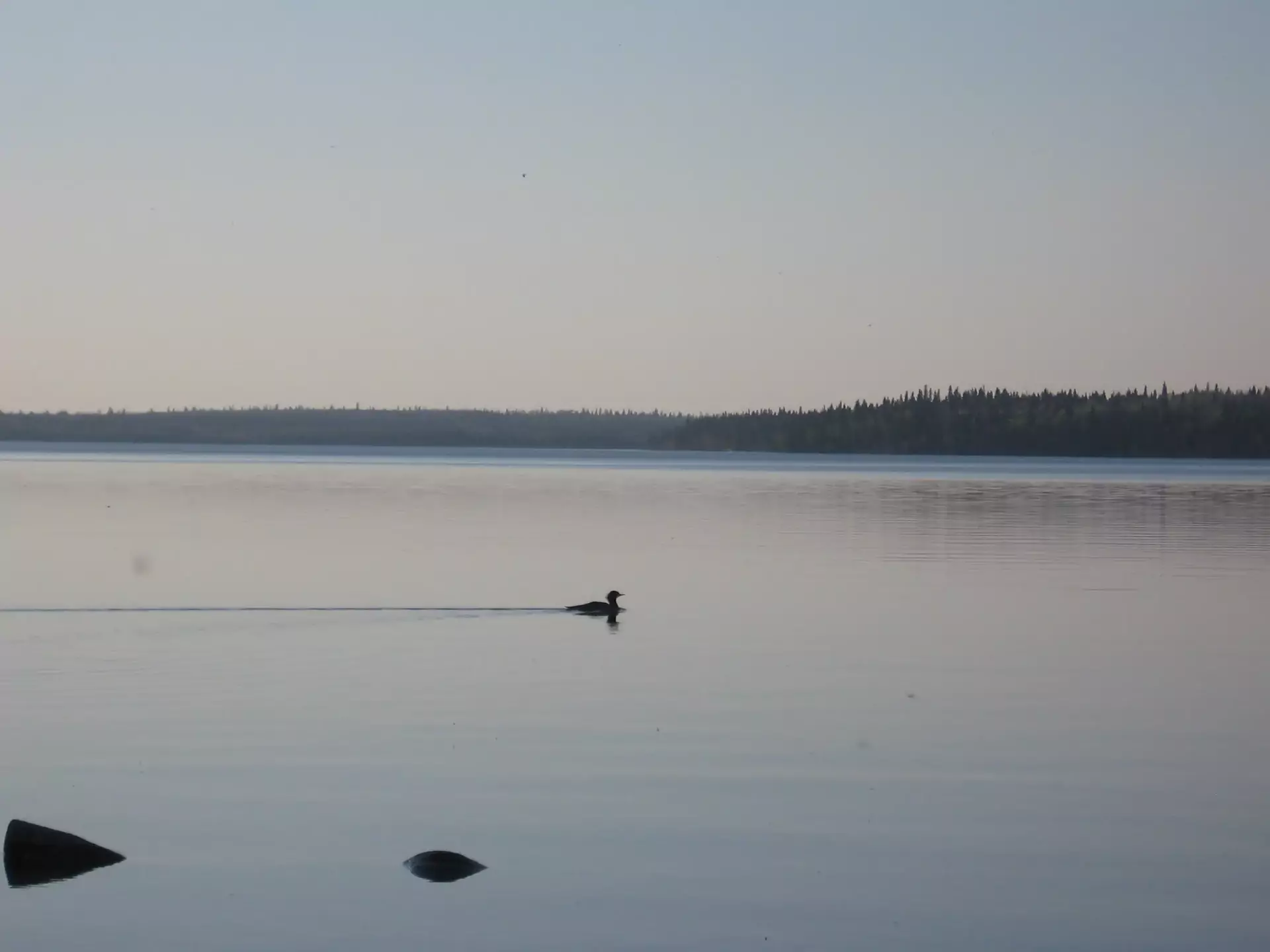
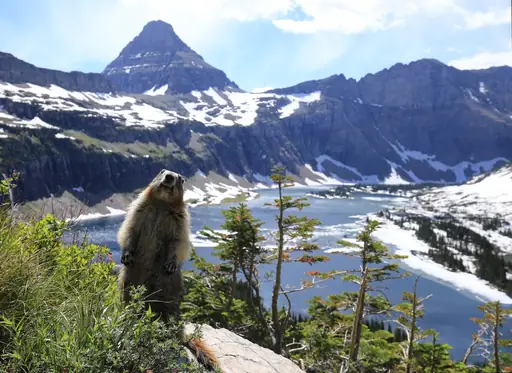
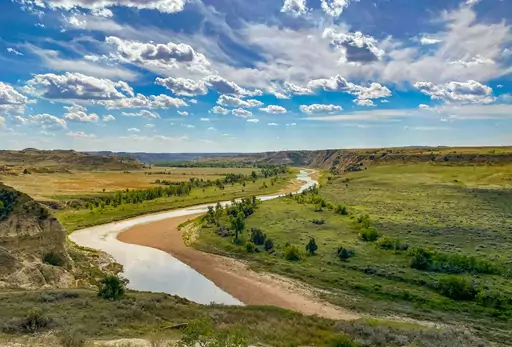
Manitoba offers a blend of natural beauty and cultural depth that appeals to travelers seeking both relaxation and enrichment. The province’s landscape ranges from the flat prairies of the south to the rugged Canadian Shield in the north, providing ample opportunities for hiking, canoeing and wildlife observation. In Winnipeg, visitors can explore the historic Exchange District, with its preserved Victorian architecture and vibrant arts scene or visit the Canadian Museum for Human Rights, a landmark that highlights global stories of justice. The province’s Indigenous heritage is evident throughout Manitoba. The Anishinaabe, Métis and Cree communities maintain traditions through festivals, art galleries and cultural centers such as the Forks National Historic Site, where riverfront markets showcase local crafts and cuisine. Seasonal events – like the International Peace Garden Festival in Brandon or the winter ice fishing tours on Lake Winnipeg – offer unique experiences tied to Manitoba’s climate. Manitoba also supports sustainable tourism. Many lodges and campsites emphasize low-impact practices, allowing visitors to enjoy the region’s pristine lakes and forests while contributing to conservation efforts. Whether you’re interested in history, art, outdoor adventure or authentic cultural encounters, Manitoba provides a well-rounded destination that rewards thoughtful exploration without resorting to exaggerated claims.
Travel to Manitoba, Canada, can be achieved via several methods depending on your origin and preferences. The primary access point is Winnipeg International Airport (YWM), which offers direct flights from major Canadian cities such as Toronto, Vancouver, Calgary and Montreal, as well as seasonal international routes. For travelers in the United States, direct flights are available to Winnipeg from cities like Minneapolis, Chicago and Dallas. Road access includes major highways such as the Trans-Canada Highway (Highway 1) and the Manitoba Highway 2, connecting the province to neighboring provinces. Rail services operated by Canadian National Railway provide another option for reaching key urban centers within Manitoba.
Manitoba offers a spectrum of lodging that caters to both budget travelers and those seeking luxury. In Winnipeg’s downtown core, boutique inns and mid‑range hotels provide easy access to cultural venues, while the surrounding suburbs feature family‑friendly motels and serviced apartments with kitchenettes. Rural areas such as Churchill and Brandon boast cozy cabins, log lodges and eco‑resorts that emphasize rustic charm and wildlife viewing. The province’s renowned winter retreats include ski chalets and snow‑shaped lodges equipped with heated saunas and panoramic views of the frozen landscape. For those preferring a more intimate stay, numerous bed‑and‑breakfasts and agritourism farms offer personalized hospitality and local cuisine.


We calculate the average costs when travelling to destinations and compare those with the living costs at your home. With this you can get an estimate of how expensive or cheap the destination is for you.
To customise this, you can set up which location and price level are used for the calculations in your account settings.
The exchange rate price factor shows how expensive or cheap a currency currently is compared to its historical average. It's a quick way to see if a country is currently more or less affordable due to exchange rate changes.
Log in to add this place to a travel list and get a summary of all recommended items for your whole trip.
