







Was this page helpful?

| Public website: | www.myswitzerland.com |
|---|
| Power Grid: |
230 V, 50 Hz Plug: Type C , Type J
Type C:
  Read about power adapters |
|---|---|
| Currency: |
Swiss Franc (CHF) £1 ≈ CHF 1.10 |
| Cashless info: |
Rating 5/5
Switzerland is very cashless-friendly, with credit and debit cards widely accepted. Mobile payments like Apple Pay and Google Pay are also increasingly common.
Save with a travel credit card |
| eSIM providers: |
Best value: Saily Flexibility: Airalo Read our in-depth comparison |
| Tipping: | Tipping is appreciated but not mandatory in Switzerland. Most service charges are included in bills. In restaurants, rounding up to the nearest 5 CHF or leaving 5-10% is common. Taxi drivers and hotel staff appreciate small tips for exceptional service. |
|---|---|
| Public drinking: | Public drinking is allowed and socially acceptable in Switzerland, but being disruptive is frowned upon. Alcohol can be consumed in parks, trains, and outdoor events. |
| Public smoking: | Smoking is banned indoors in public places but allowed in designated areas. Outdoor smoking is common. |
| Swiss National Day (August) |
Expect celebrations, parades, and fireworks throughout the country. |
|---|---|
| Christmas (December) |
Markets and festive events are common, with tourist areas being busier than usual. |
| Easter (March/April) |
Many attractions are closed, but some areas offer special events and celebrations. |
| Emergency contact: | Emergency Number: 112 (Police, Fire, Ambulance) |
|---|---|
| Taxi apps: | Uber, Bolt |
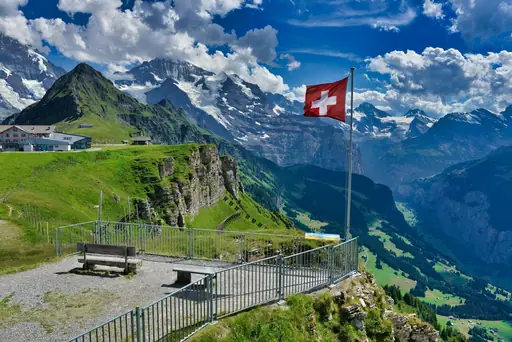
| Other: | Switzerland is famous for its natural beauty, well-organised transport, and multilingual culture. The Swiss Travel Pass is highly recommended for tourists. |
The best times to travel section shows how the months compare for a visit, so you can find the time of year that fits what you want to do.
Background colours of the months:
The colour shows the typical temperature: yellow (hot), green (mild) and blue (cold). How strong the colour is shows the travel season: full colour means high season, soft colour means shoulder season and soft-striped means off season.
Weather symbols:
Each month has one symbol showing what the weather is typically like, such as hot and sunny, freezing or a rainy or snowy season. Use them to quickly spot months that match the weather you want, or to avoid the ones that don't.
Crowdedness:
The people icon shows how busy the place usually is. The more people, the more crowded it gets.
Additional notes:
The grey info boxes point out special things worth knowing, like recurring weather issues or seasonal events.
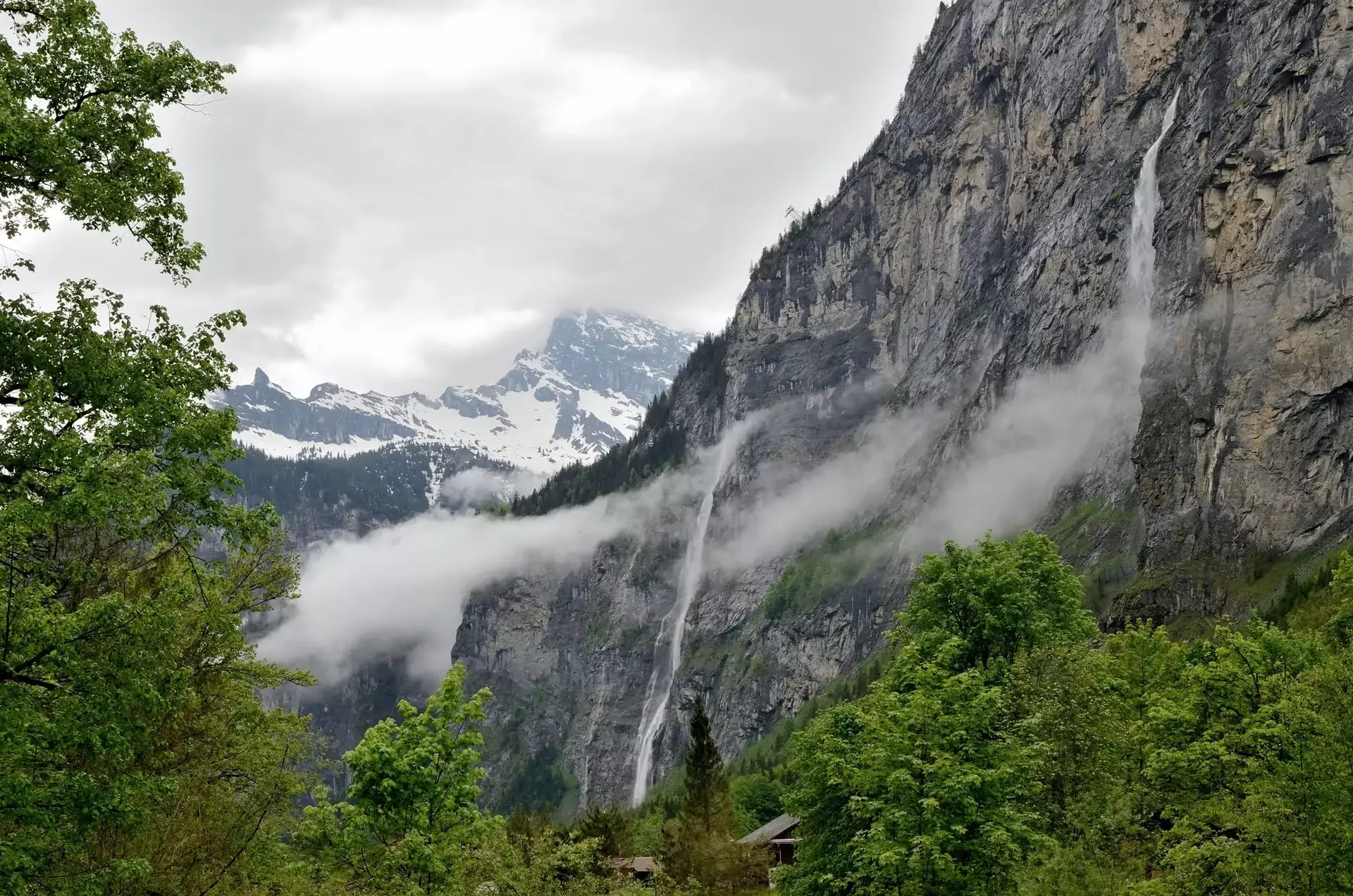
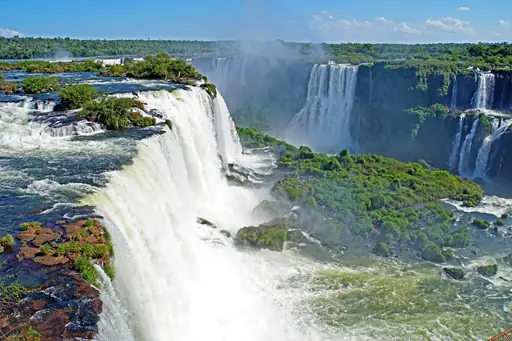
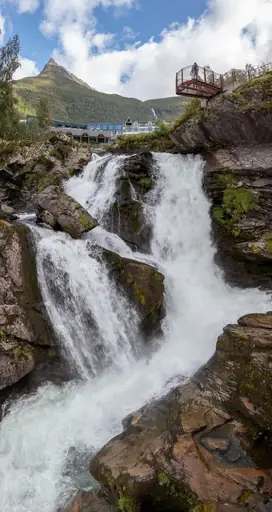
Trümmelbach Falls presents an extraordinary experience of nature’s power, with 10 glacial waterfalls cascading inside a mountain accessed via tunnels, stairs and a funicular elevator. The falls carry meltwater from glaciers high on the Eiger, Mönch and Jungfrau peaks, with a powerful flow visible year-round.
The indoor walkways allow visitors to witness roaring waterfalls from various vantage points, experiencing the thunder and spray close-up in a safe environment. The path includes several viewing platforms that offer different perspectives, some illuminated for dramatic effect.
Safety is important as the pathways can be wet and slippery. Visitors should wear sturdy, slip-resistant shoes and hold railings, especially on stairs. The funicular elevator helps those who prefer to avoid climbing but involves some stairs regardless. The Falls are closed in winter due to weather conditions.
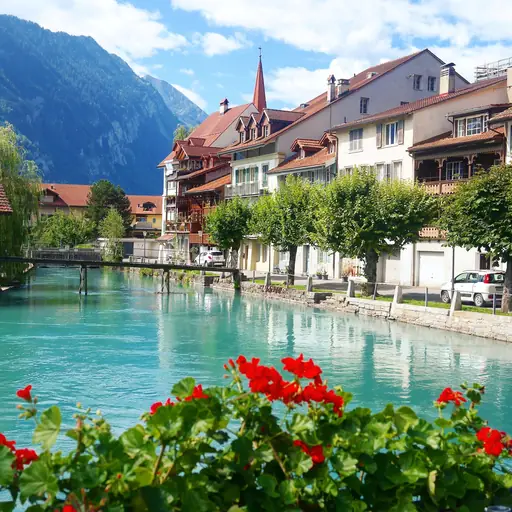
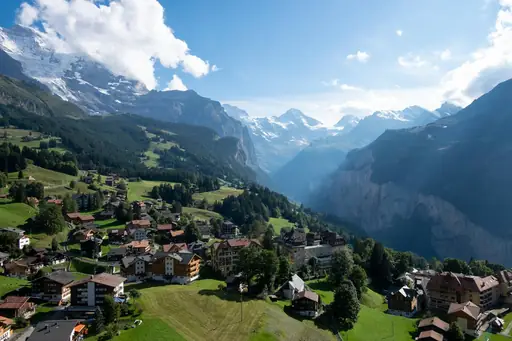
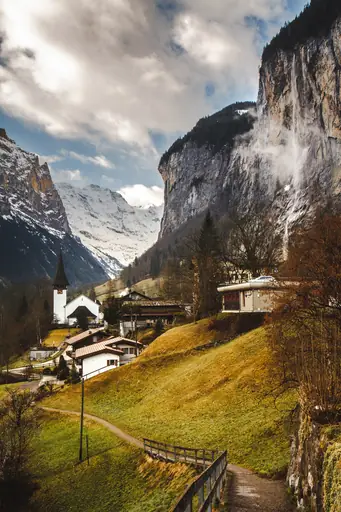
Nearby, beautiful landscapes and charming villages enrich the visit, making Trümmelbach Falls a highlight of the Swiss Alps and a testament to geological forces and man’s ingenuity in showcasing them.
Trümmelbach Falls is located about 3 km from Lauterbrunnen village in the Bernese Oberland, Switzerland. Travelers typically arrive at Zurich or Bern airports, then take trains to Interlaken and onward to Lauterbrunnen. From Lauterbrunnen, local buses or a short walk bring visitors to the falls entrance, which requires an admission fee.
Lauterbrunnen village offers a range of accommodations from cozy inns to mid‑range hotels, providing easy access to Trümmelbach Falls and other alpine attractions.
Log in to add this place to a travel list and get a summary of all recommended items for your whole trip.
We calculate the average costs when travelling to destinations and compare those with the living costs at your home. With this you can get an estimate of how expensive or cheap the destination is for you.
To customise this, you can set up which location and price level are used for the calculations in your account settings.
The exchange rate price factor shows how expensive or cheap a currency currently is compared to its historical average. It's a quick way to see if a country is currently more or less affordable due to exchange rate changes.
