








Was this page helpful?

| Public website: | www.praha-vysehrad.cz |
|---|
| Power Grid: |
230 V, 50 Hz Plug: Type C , Type E
Type C:
  Read about power adapters |
|---|---|
| Currency: |
Czech Koruna (CZK) £1 ≈ CZK 29.06 |
| Cashless info: |
Rating 5/5
Cashless payment is widely accepted, with cards and mobile payment options common even in smaller towns.
Save with a travel credit card |
| eSIM providers: |
Best value: Saily Flexibility: Airalo Read our in-depth comparison |
| Tipping: | Tipping is appreciated but not mandatory in the Czech Republic. Rounding up or leaving 10% in restaurants is standard. Tips for taxi drivers and hotel staff are also common. |
|---|---|
| Public drinking: | Public drinking is permitted in most areas, though it is restricted in certain zones like public transport stations. |
| Public smoking: | Smoking is banned in indoor public spaces and restaurants, with designated outdoor smoking areas available. |
| Independence Day (October) |
Public events and closures occur, especially in Prague. |
|---|---|
| Christmas (December) |
Markets and holiday closures are common. |
| Easter (March/April) |
Easter markets and traditions attract many tourists. |
| Emergency contact: | Emergency Number: 112 (Police, Fire, Ambulance) |
|---|---|
| Taxi apps: | Bolt, Liftago, Uber |
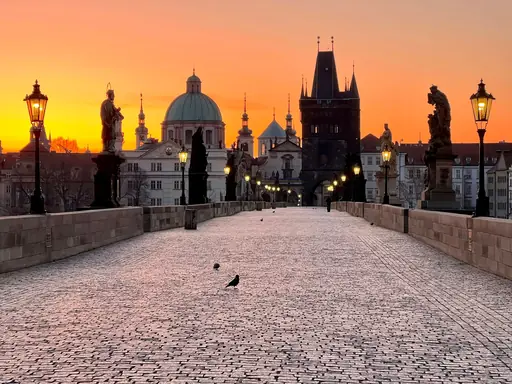
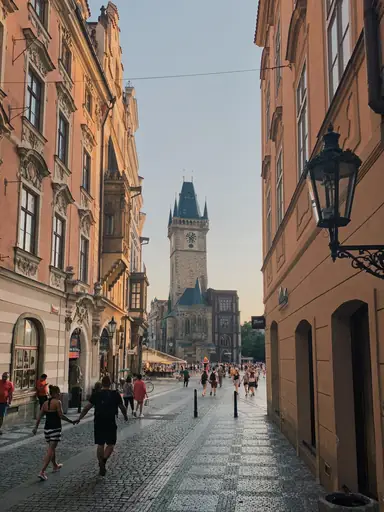
| Other: | The Czech Republic is famous for its historical cities, castles, and beer culture. Public transport is efficient and affordable. |
The best times to travel section shows how the months compare for a visit, so you can find the time of year that fits what you want to do.
Background colours of the months:
The colour shows the typical temperature: yellow (hot), green (mild) and blue (cold). How strong the colour is shows the travel season: full colour means high season, soft colour means shoulder season and soft-striped means off season.
Weather symbols:
Each month has one symbol showing what the weather is typically like, such as hot and sunny, freezing or a rainy or snowy season. Use them to quickly spot months that match the weather you want, or to avoid the ones that don't.
Crowdedness:
The people icon shows how busy the place usually is. The more people, the more crowded it gets.
Additional notes:
The grey info boxes point out special things worth knowing, like recurring weather issues or seasonal events.
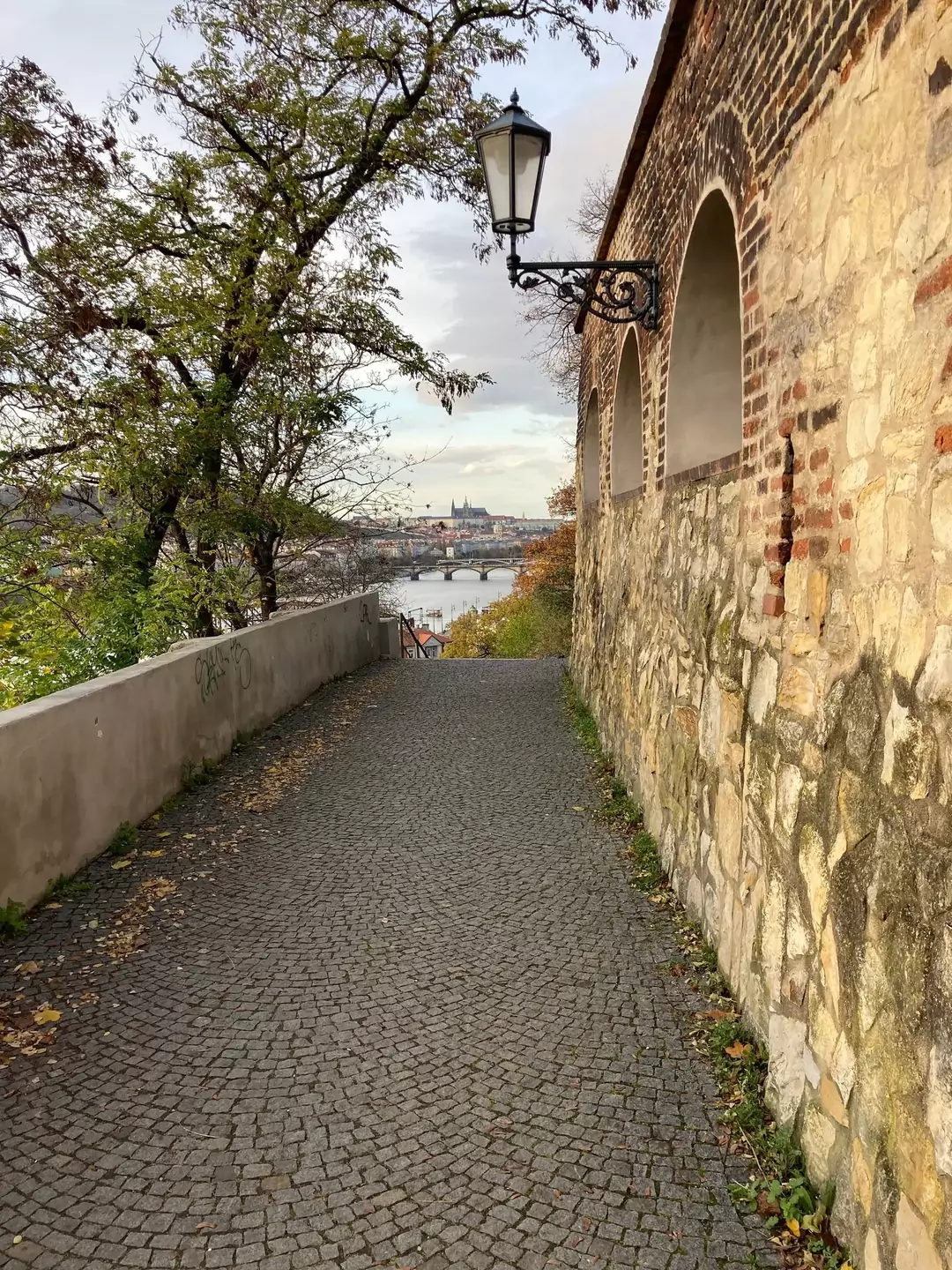
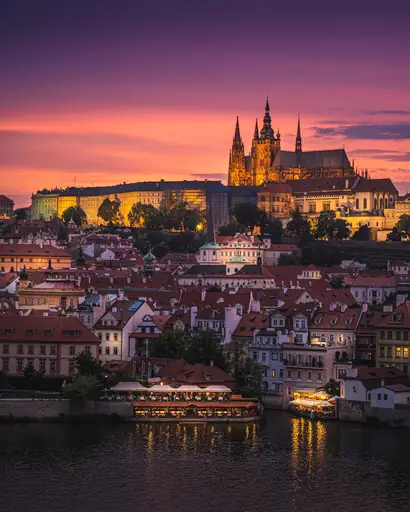
Dating back to the 10th century, Vyšehrad is considered the legendary seat of the earliest Czech rulers and the oldest fortification on the east bank of the Vltava River. The fortress was extended and rebuilt through the Romanesque, Gothic and Baroque periods, shaping its unique character today. The site includes thick defensive walls, gates and underground casemates once used as military bunkers.
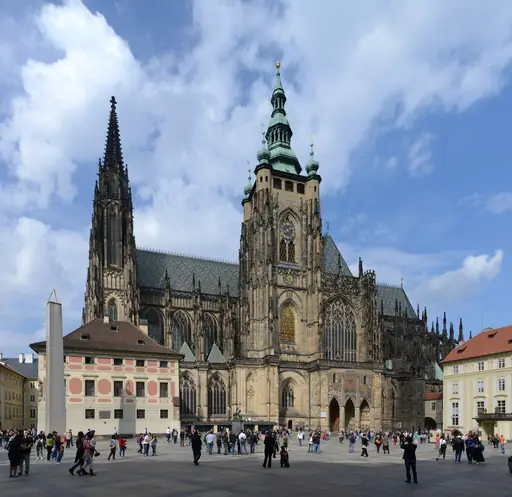
The Neo-Gothic Basilica of St. Peter and St. Paul, with its twin towers and vibrant interior murals, stands as a historic and artistic highlight. Next to it is the Vyšehrad cemetery, where many Czech luminaries including composers Dvořák and Smetana are buried in the Slavín Tomb.
Visitors enjoy peaceful walks around the large park, panoramic views of Prague’s skyline and exploring archaeological ruins like the Rotunda of St. Martin, one of Prague’s oldest surviving structures. The site’s calm ambiance contrasts with Prague’s busier tourist spots, making it a special experience.
Caution is advised while walking uphill and on uneven surfaces among the ancient fortifications. Facilities are limited compared to central Prague, so planning your visit with comfortable shoes and water is recommended. Vyšehrad is less crowded, making it ideal for those seeking a more reflective cultural exploration.
Vyšehrad is located in Prague’s New Town district, accessible by metro line C to Vyšehrad station, followed by a short walk uphill. Visitors usually arrive through Václav Havel Airport Prague with public transit, taxi or on foot from the city center. The area is quieter than central Prague and well-connected by trams and buses.
Accommodations near Vyšehrad range from boutique hotels in Prague’s New Town to charming guesthouses, offering peaceful stays while within reach of city attractions and public transport.
Log in to add this place to a travel list and get a summary of all recommended items for your whole trip.
We calculate the average costs when travelling to destinations and compare those with the living costs at your home. With this you can get an estimate of how expensive or cheap the destination is for you.
To customise this, you can set up which location and price level are used for the calculations in your account settings.
The exchange rate price factor shows how expensive or cheap a currency currently is compared to its historical average. It's a quick way to see if a country is currently more or less affordable due to exchange rate changes.
