





Was this page helpful?

| Power Grid: |
230 V, 50 Hz Plug: Type C , Type F
Type C:
  Read about power adapters |
|---|---|
| Currency: |
Euro (EUR) £1 ≈ €1.19 |
| Cashless info: |
Rating 5/5
Austria is a highly cashless society, particularly in urban areas. Credit and debit cards are widely accepted, and mobile payment services such as Apple Pay and Google Pay are increasingly popular.
Save with a travel credit card |
| eSIM providers: |
Best value: Saily Flexibility: Airalo Read our in-depth comparison |
| Tipping: | Tipping is customary in Austria. In restaurants, it is common to leave a 5-10% tip, though rounding up to the nearest euro is also acceptable. Taxi drivers typically expect a small tip, around 10% of the fare. Hotel staff and tour guides appreciate small gratuities. |
|---|---|
| Public drinking: | Public drinking is generally permitted in Austria, though some areas may have restrictions. Drinking in public spaces such as parks and squares is socially accepted but may be subject to local laws in specific municipalities. |
| Public smoking: | Smoking is prohibited in most indoor public spaces, including restaurants, bars, and public transport. Designated smoking areas are available in many locations. |
| National Day (October) |
A national holiday with many closures, celebrations, and increased domestic tourism. |
|---|---|
| Christmas (December) |
Festive celebrations across the country, with crowded tourist spots and higher prices for accommodation. |
| Austrian Wine Harvest Festival (September) |
Celebration of local wines, especially in wine-producing regions, with festivals and events. |
| Emergency contact: | Emergency Number: 112 (Police, Fire, Ambulance) |
|---|---|
| Taxi apps: | Bolt, Uber |
| Other: | Austria is known for its rich cultural heritage, with historical sites, museums, and nature reserves. Its well-developed infrastructure, particularly in transport, makes it a comfortable destination for travellers. |
The best times to travel section shows how the months compare for a visit, so you can find the time of year that fits what you want to do.
Background colours of the months:
The colour shows the typical temperature: yellow (hot), green (mild) and blue (cold). How strong the colour is shows the travel season: full colour means high season, soft colour means shoulder season and soft-striped means off season.
Weather symbols:
Each month has one symbol showing what the weather is typically like, such as hot and sunny, freezing or a rainy or snowy season. Use them to quickly spot months that match the weather you want, or to avoid the ones that don't.
Crowdedness:
The people icon shows how busy the place usually is. The more people, the more crowded it gets.
Additional notes:
The grey info boxes point out special things worth knowing, like recurring weather issues or seasonal events.
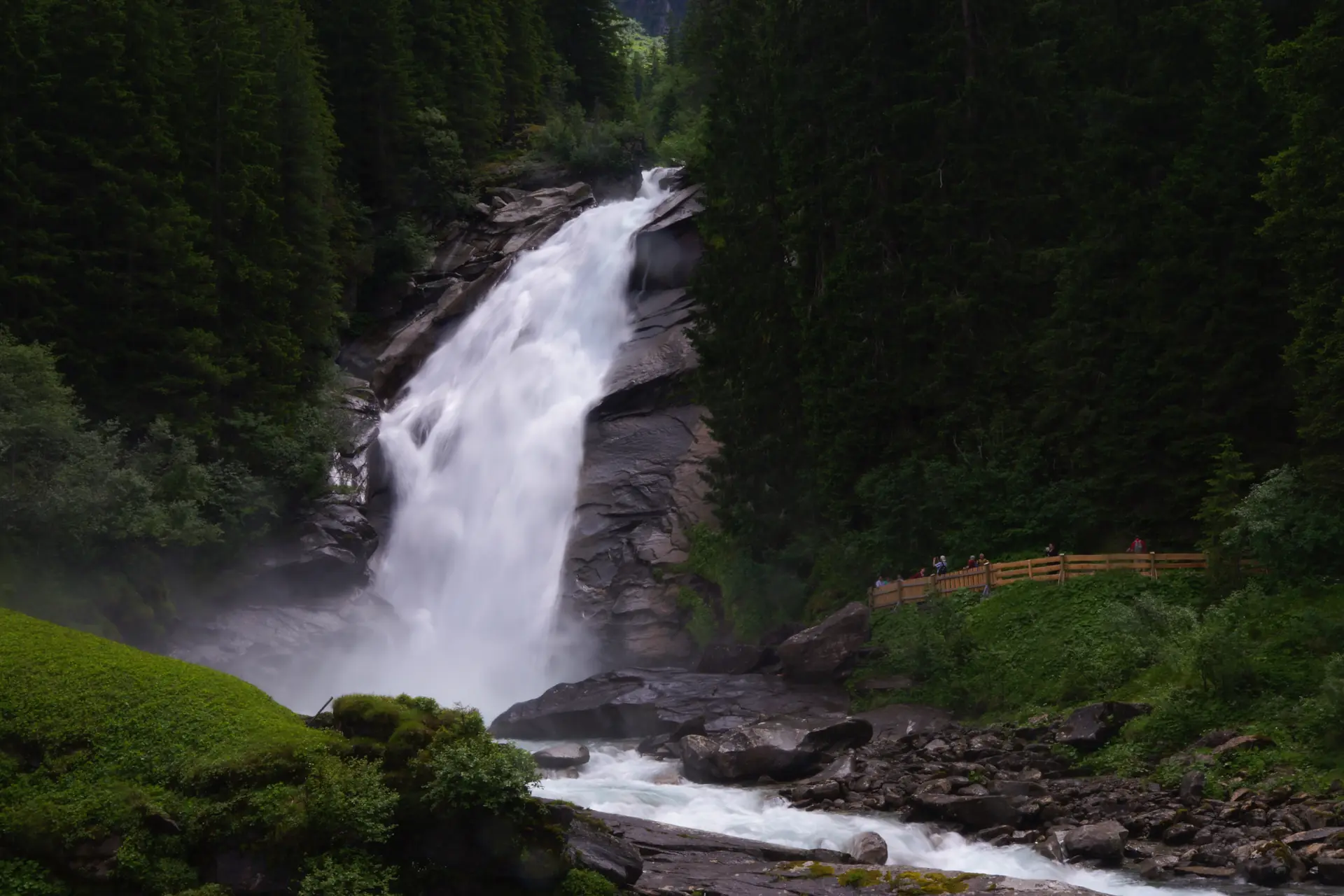
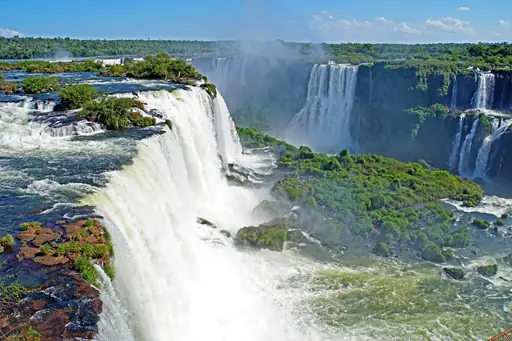
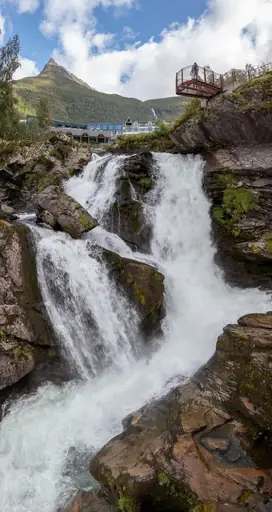
Salzburg’s Krimml Waterfalls present a striking display of natural power. The cascade begins high in the Alps where meltwater tumbles down rocky cliffs. Visitors follow marked paths to viewpoints that reveal layers of mist and rainbows formed by sunlight on spray. The sound of rushing water dominates the air creating a calm yet energetic atmosphere.
The trail system around Krimml showcases careful planning that protects both visitors and habitat. Wooden walkways wind through forested slopes allowing close observation without disturbing wildlife. Seasonal changes alter the flow making each visit unique. In early summer the volume peaks while autumn brings quieter tones of amber leaves against stone.
Local guides share stories about how the waterfall shaped regional culture. Folktales speak of hidden tunnels and mythical creatures living behind the curtain of water. Hikers often pause to listen for echoes that seem to carry ancient voices across the valley. Photography enthusiasts find endless opportunities to capture motion in still frames.
Accessibility improves each year with updated signage and rest areas designed for all ages. Public transport connects major towns making day trips feasible without heavy traffic concerns. Nearby villages offer simple lodging and meals featuring regional ingredients like smoked trout or apple strudel. The combination of natural wonder and practical amenities makes Krimml a reliable choice for curious travelers.
The Krimml Waterfalls, located in Salzburg’s Hohe Tauern National Park, are accessible via a network of hiking trails and public transport. The nearest train station is in Salzburg city (approx. 1 hour by rail), with regional buses or taxis connecting to the trailhead. From the village of Krimml, follow signs for “Krimmler Wasserfälle” along the Tauernstraße road; parking is available at the Krimml Panorama Hotel. Hikers can reach the upper falls via marked paths starting near the hotel, while the lower falls are accessible via shorter trails from the village. Public transport schedules should be checked in advance for optimal timing.
Nestled in the alpine foothills, the area around Krimml Waterfalls offers a mix of cozy guesthouses and family‑run inns that cater to both budget travelers and those seeking a more upscale experience. Prices typically range from €70 (£58.78) for a basic double room to €150 (£125.95) for rooms with mountain views and spa access. Many accommodations emphasize rustic charm, featuring wood‑fired fireplaces, locally sourced cuisine and panoramic terraces overlooking the waterfalls. The region is renowned for its “Alpenhotel” style – large, traditional hotels that combine modern amenities with historic architecture. For a more intimate stay, consider small B&Bs or agritourism farms, which often provide homemade breakfasts and guided hikes to the falls.


Log in to add this place to a travel list and get a summary of all recommended items for your whole trip.
We calculate the average costs when travelling to destinations and compare those with the living costs at your home. With this you can get an estimate of how expensive or cheap the destination is for you.
To customise this, you can set up which location and price level are used for the calculations in your account settings.
The exchange rate price factor shows how expensive or cheap a currency currently is compared to its historical average. It's a quick way to see if a country is currently more or less affordable due to exchange rate changes.
