







Was this page helpful?

| Power Grid: |
220 V, 50 Hz Plug: Type A , Type C
Type A:
  Read about power adapters |
|---|---|
| Currency: |
Vietnamese Dong (VND) £1 ≈ ₫34,383 |
| Cashless info: |
Rating 4/5
Cashless payments are widely accepted in Vietnam, especially in larger cities and tourist areas. Cash is still commonly used in rural areas.
Save with a travel credit card |
| eSIM providers: |
Best value: Saily Flexibility: Airalo Read our in-depth comparison |
| Tipping: | Tipping is not customary in Vietnam, but small tips are appreciated for good service in restaurants, taxis, and hotels. |
|---|---|
| Public drinking: | Public drinking is generally allowed in Vietnam, but drinking in certain public spaces, like parks, may be regulated. |
| Public smoking: | Smoking is allowed in outdoor public spaces, but there are smoking restrictions in some indoor public areas. |
| Independence Day (2 September) |
Celebrates Vietnam’s independence from France |
|---|---|
| Tết (January/February) |
The most important holiday in Vietnam, typically in January or February |
| Emergency contact: | Emergency Numbers: 113 (Police), 115 (Ambulance), 114 (Fire) |
|---|---|
| Taxi apps: | Grab |
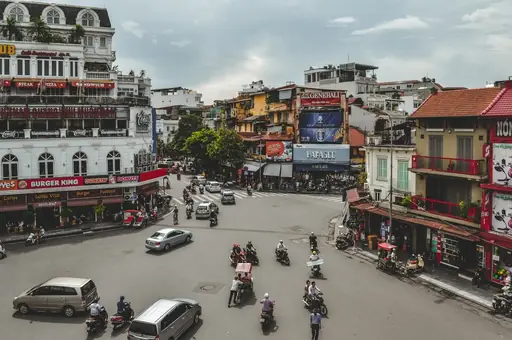
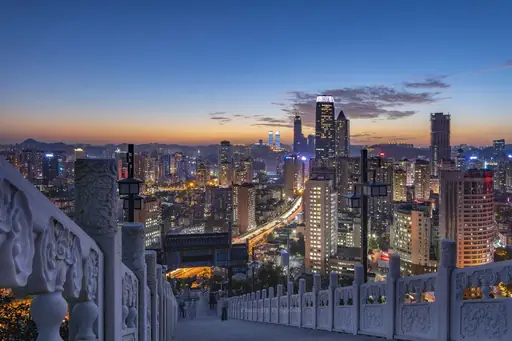
| Other: | Vietnam is famous for its vibrant cities, historic sites, and stunning landscapes like Ha Long Bay and the Mekong Delta, offering a rich and diverse travel experience. |
The best times to travel section shows how the months compare for a visit, so you can find the time of year that fits what you want to do.
Background colours of the months:
The colour shows the typical temperature: yellow (hot), green (mild) and blue (cold). How strong the colour is shows the travel season: full colour means high season, soft colour means shoulder season and soft-striped means off season.
Weather symbols:
Each month has one symbol showing what the weather is typically like, such as hot and sunny, freezing or a rainy or snowy season. Use them to quickly spot months that match the weather you want, or to avoid the ones that don't.
Crowdedness:
The people icon shows how busy the place usually is. The more people, the more crowded it gets.
Additional notes:
The grey info boxes point out special things worth knowing, like recurring weather issues or seasonal events.
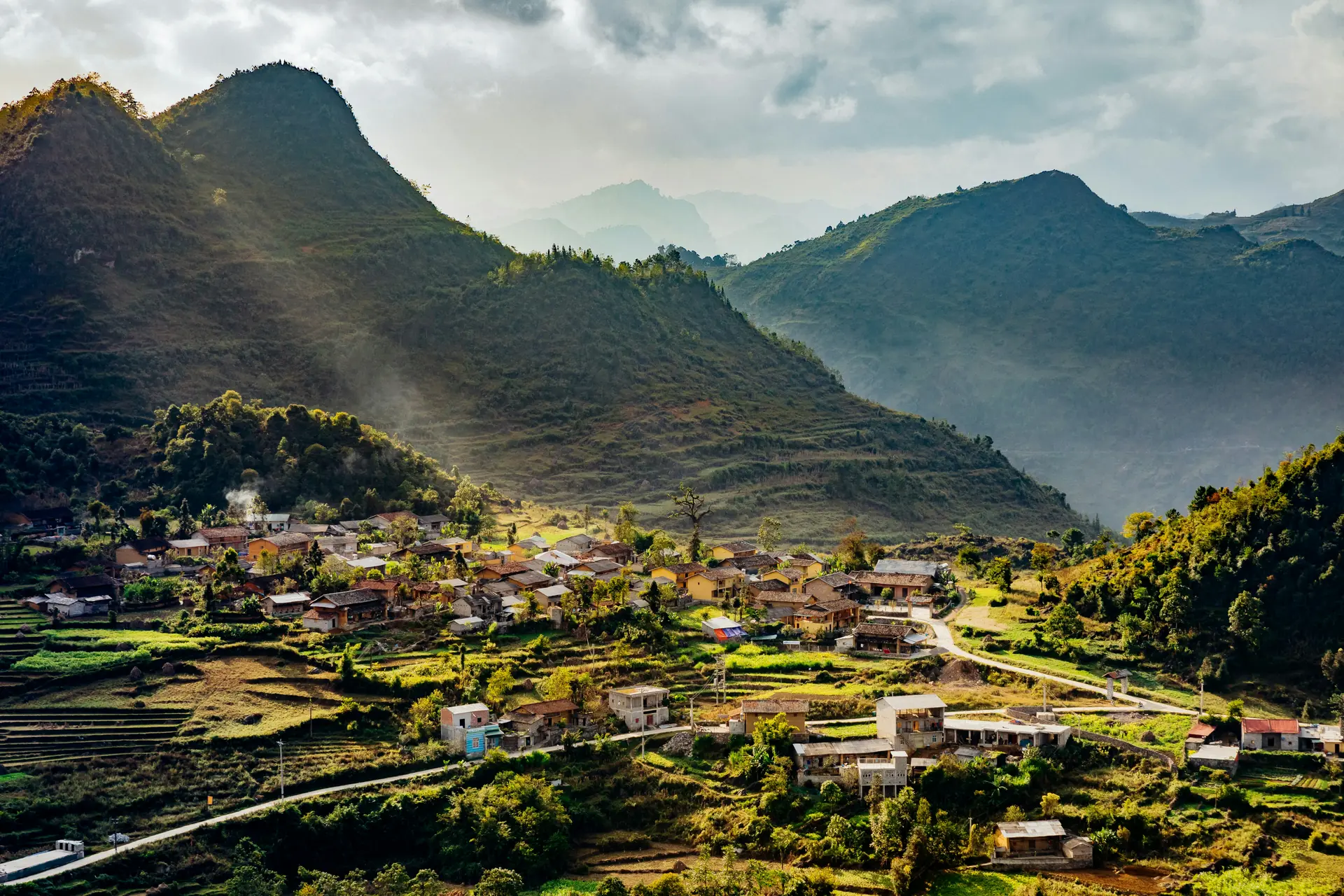
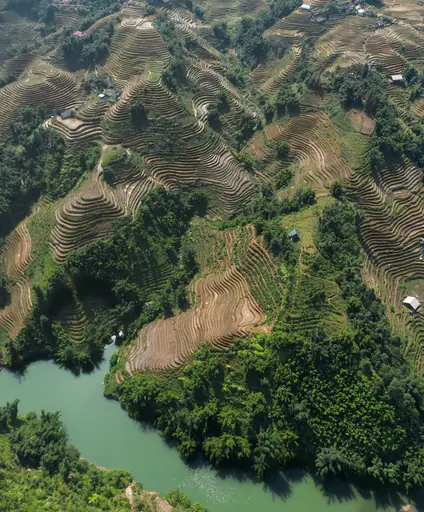
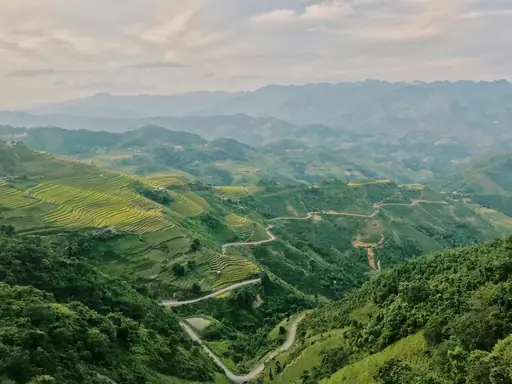
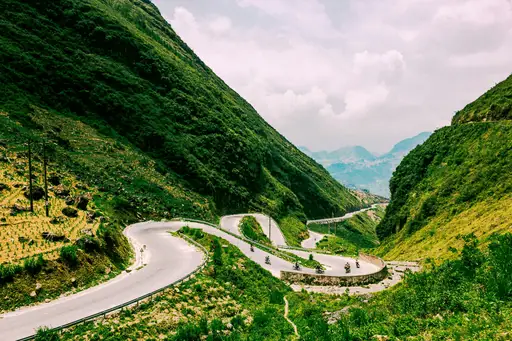
Ha Giang stands out as a region where rugged mountains meet deep valleys and winding rivers. The landscape stretches wide with terraced fields that climb steep slopes creating patterns visible from afar. Travelers see small villages tucked into hillsides often accessed by narrow roads carved along cliffs. The area feels remote yet inviting with locals welcoming visitors to share their daily routines.
The climate here shifts between cool winters and warm summers making each season distinct. In early months mist clings to valleys while later sunlight brings bright skies over rice paddies. Weather changes quickly especially in higher elevations where snow can fall even during summer nights. This variability shapes how people farm grow crops and build homes suited for changing conditions.
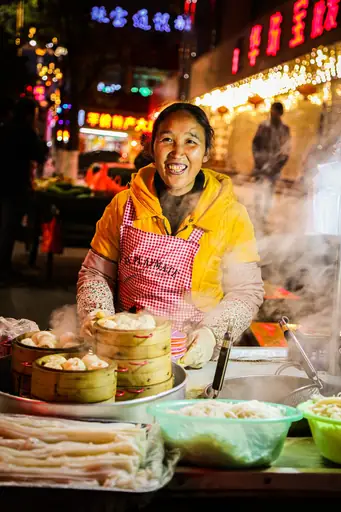
Cultural life centers on ethnic groups like the Hmong Tai Dao and Nung who preserve traditions through music dance and craftsmanship. Markets in Ha Giang town display colorful textiles woven by hand while homestays let visitors taste homemade meals using local herbs and vegetables. Festivals mark important events with drum beats lantern displays and shared stories passed down generations.
Outdoor activities attract those seeking adventure without crowds. Hiking trails lead to viewpoints overlooking endless ridges offering photo opportunities of untouched scenery. Cycling routes follow old paths once used by traders now enjoyed by cyclists exploring villages and waterfalls. Each step reveals new details about the land its people and their resilience in a challenging environment.
Ha Giang, located in northern Vietnam, is accessible primarily by road from Hanoi, the capital city. The journey typically takes around 6 to 8 hours via Highway 3 or the scenic Hoang Lien Son route, depending on weather and road conditions. For travelers coming from China, border crossings at Dong Dang or Lau Cai offer access into Ha Giang province, though documentation such as passports and visas is required. Domestic flights to Dong Van Airport provide another option for reaching the region quickly, followed by a short taxi or bus ride to Ha Giang town. The area’s mountainous terrain makes road travel an adventure but can be affected by seasonal rains, so checking conditions before departure is advisable.
Ha Giang offers a mix of rustic homestays and modest guesthouses that cater to budget travelers and those seeking authentic experiences. Most accommodations are family‑run, featuring simple rooms with local décor and shared kitchen facilities. In the provincial capital, Ha Giang City, you’ll find a handful of mid‑range hotels offering basic amenities such as Wi‑Fi, air conditioning and private bathrooms. Rural villages along the Dong Van Karst Plateau provide traditional homestays where guests can share meals and learn about local culture. The region is renowned for its eco‑friendly lodges that blend into the landscape, often built from timber and stone, offering panoramic views of terraced fields and limestone cliffs. Prices range from ₫150,000 (£4.36) per night for a dormitory bed to ₫1,200,000 (£34.86) for a private room with a view.
Log in to add this place to a travel list and get a summary of all recommended items for your whole trip.
We calculate the average costs when travelling to destinations and compare those with the living costs at your home. With this you can get an estimate of how expensive or cheap the destination is for you.
To customise this, you can set up which location and price level are used for the calculations in your account settings.
The exchange rate price factor shows how expensive or cheap a currency currently is compared to its historical average. It's a quick way to see if a country is currently more or less affordable due to exchange rate changes.
