


Asia › China › Hunan

Hunan

Scroll
Vibrant landscapes and ancient culinary heritage

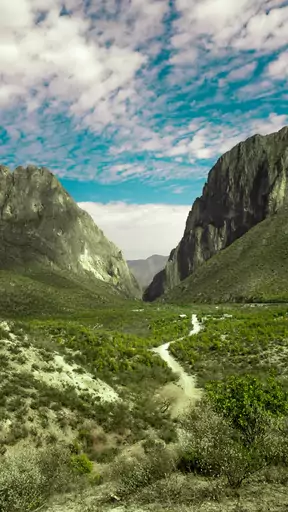
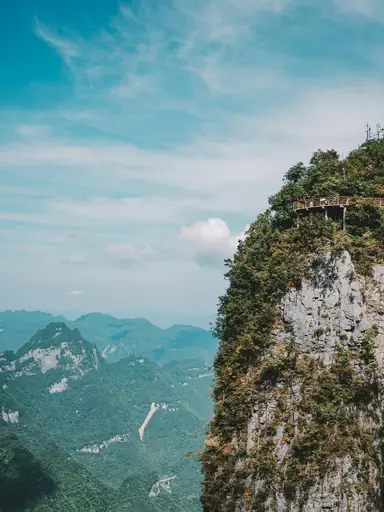
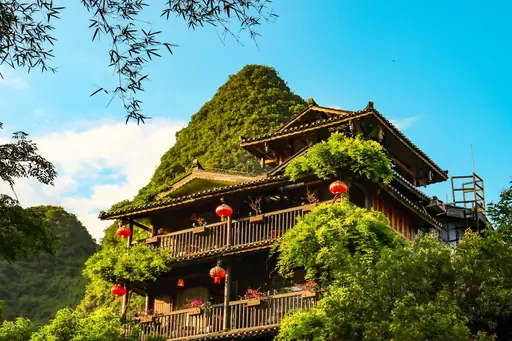
Hunan Province in China features rolling mountains, clear rivers and lush forests that shape daily life. The region is known for its hot, spicy cuisine which uses local chilies and herbs to create bold flavors. Traditional villages preserve customs through festivals, music and handmade crafts passed down over generations. Travelers can explore ancient towns along the Xiang River or hike in Zhangjiajie’s towering quartzite peaks. Hunan balances modern growth with longstanding cultural roots, making it a place where history feels present in everyday life.

Region in China
Climate zone: Humid subtropical

Humid subtropical: Subtropical climates with hot, humid summers, dry or cooler winters and strong monsoonal rainfall peak during warmer months.

See climate table
Price level: $$$
$Cheap
$$Medium
$$$Expensive, upscale
$$$+Very expensive, luxury
See price details
Safety: 7.0
General Safety:8
Health & medical:6
Accessibility:6
Tap water:4
Read details
Tourist English: 3/5
In Hunan, most locals speak Mandarin and only a few know basic English – especially in rural areas. Tourists may find communication challenging, but larger cities like Changsha offer more bilingual staff and signage.
Last update: 12 Oct 2026
* We earn a commission from some links on this page.
Hunan Summary

These place ratings give you a quick overview of how well a destination matches different types of trips.

‘Best for’ scores:
The specific interest scores show where this place really shines – whether it's ideal for hiking, food & drink experiences, museums or other activities. These highlights help you understand what makes the destination special at a glance.

‘Your personal’ scores:
This reflects how well a place matches your personal preferences. You can adjust the importances of travel topics or other personal requirements categories in your account settings.

‘Suited for’ badges:
These give you a quick overview of how well a destination suits specific types of travellers, to help you find the places that match your lifestyle, preferences or travel situation.

Read how our scores work
Great for dramatic mountains and spicy cuisine. Hike sandstone peaks, explore national parks, visit historic towns and enjoy bold regional food.
Place score
8.8
Best at:
Historic sites
10
Mountains
9
Rivers
9
Traditional culture
9
Ruins
9
Personal score
?
Log in to see how this place matches your personal travel interests.
Suited for
👶 6
Families
🧓 7
Seniors
👩 7
Solo
💻 7
Digital Nomads
China – Quick facts
Power Grid: 220 V, 50 Hz
Plug: Type A , Type I
Type A:
Diagram of a Type A power plug
Type I:
Diagram of a Type I power plug

Read about power adapters
Currency: Chinese Yuan Renminbi (CNY)
£1 ≈ CN¥8.88
Cashless info: Rating 5/5
Cashless payments are widely accepted in China, particularly in urban areas. Mobile payment services like Alipay and WeChat Pay are commonly used.

Save with a travel credit card
eSIM providers: Best value: Saily
Flexibility: Airalo
Read our in-depth comparison
Tipping: Tipping is not customary in China and is not expected, although it may be appreciated in high-end restaurants or by hotel staff for exceptional service.
Public drinking: Public drinking is generally not allowed in many places in China, but it is common in restaurants and bars.
Public smoking: Smoking is prohibited in many indoor public spaces, such as restaurants and public transport, but enforcement can vary.
Chinese New Year
(January/February)
Major holiday with family gatherings and public celebrations
National Day
(1 October)
National holiday with parades and festivities
Emergency contact: Emergency Numbers: 110 (Police), 120 (Ambulance), 119 (Fire)
Taxi apps: DiDi, Uber
Other: China is known for its vast cultural heritage, including historical landmarks like the Great Wall, the Forbidden City, and the Terracotta Army. It offers diverse landscapes ranging from mountains to beaches.
Best times to travel

The best times to travel section shows how the months compare for a visit, so you can find the time of year that fits what you want to do.

Background colours of the months:
The colour shows the typical temperature: yellow (hot), green (mild) and blue (cold). How strong the colour is shows the travel season: full colour means high season, soft colour means shoulder season and soft-striped means off season.

Weather symbols:
Each month has one symbol showing what the weather is typically like, such as hot and sunny, freezing or a rainy or snowy season. Use them to quickly spot months that match the weather you want, or to avoid the ones that don't.

Crowdedness:
The people icon shows how busy the place usually is. The more people, the more crowded it gets.

Additional notes:
The grey info boxes point out special things worth knowing, like recurring weather issues or seasonal events.

for Hunan, China
🌤️
Jan
🌥️
Feb
🌤️
Mar
🌤️
Apr
🌦️
May
⛈️
Jun
🌦️
Jul
🔥
Aug
🌤️
Sep
🌤️
Oct
🌤️
Nov
🌤️
Dec
High season: April - May, Sep. - Nov.
Shoulder season: March, June - Aug.
Crowdedness: 2 (Few tourists)
Tap on a month for more info Hover over a month for more info
Zhangjiajie and Wulingyuan: busiest in summer and during Golden Week (1 to 7 October), with long queues for cable cars and lifts
Mountain mist and cloud often hide the views in spring and summer, with the clearest days in autumn
Summer is hot and humid in Changsha and lowland cities, so mountains like Zhangjiajie and Hengshan are cooler for summer travel

Why travel to Hunan?

Hunan, a province in south-central China, offers travelers a blend of natural beauty, cultural depth and culinary delight that feels both authentic and accessible. The landscape is marked by rolling hills, dense forests and the meandering Xiang River, which provides scenic boat rides and opportunities for hiking in places like Zhangjiajie’s Wulingyuan Scenic Area. Visitors can explore ancient towns such as Changsha, where modern skyscrapers sit beside historic sites like the Yuelu Academy, one of China’s oldest universities. The province is also known for its vibrant history. The former residence of Mao Zedong in Shaoshan offers insight into a pivotal figure while showcasing traditional architecture and local crafts. Nearby, the Hunan Provincial Museum houses artifacts that trace the region’s evolution from prehistoric times to the present day. Food lovers will find Hunan cuisine both flavorful and approachable. Dishes such as spicy fish head, stinky tofu and braised pork belly showcase the province’s signature use of chili, garlic and fermented sauces. Local markets provide fresh ingredients and a chance to observe everyday cooking practices. Overall, Hunan presents a balanced itinerary: natural parks for outdoor enthusiasts, historic sites for culture seekers and a culinary scene that invites experimentation without overwhelming the senses.

🏙️Cities & Regions
  • 1 Changsha
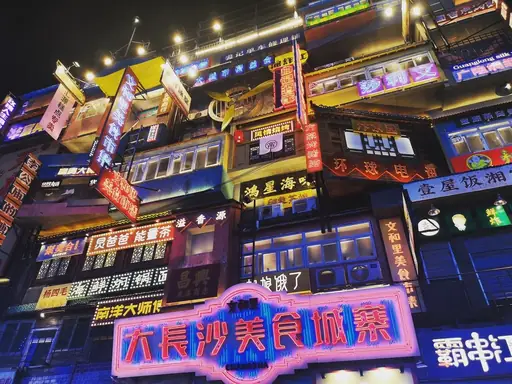
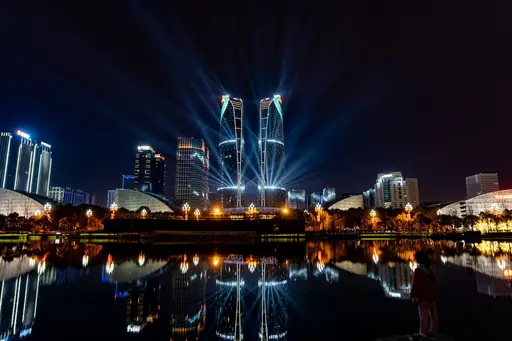
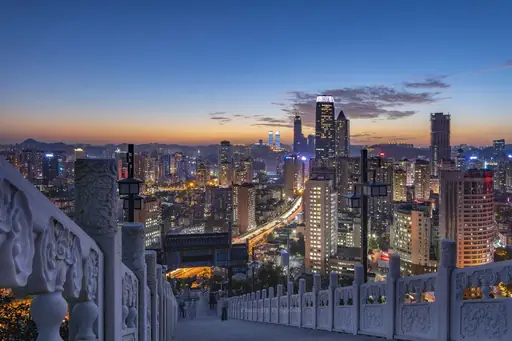
    A vibrant commercial hub in central China, Changsha offers a mix of modern skyscrapers and historic sites like the Yuelu Academy. The city’s riverfront parks, bustling night markets and local Hunan cuisine attract travelers seeking culture and urban energy.
  • 2 Zhangjiajie
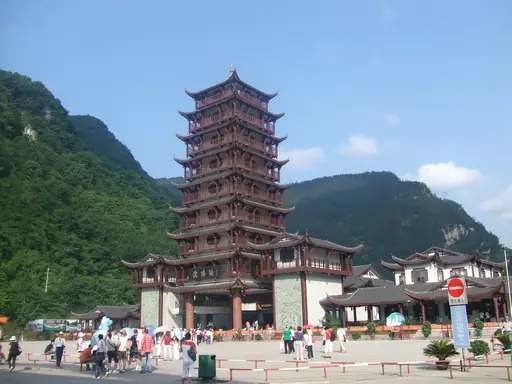
    A UNESCO World Heritage site in Hunan, Zhangjiajie features towering quartzite pillars rising above misty valleys. The landscape resembles a fantasy world, with steep cliffs and glass-bottomed bridges offering breathtaking views of nature's dramatic formations.
  • 3 Wulingyuan nature reserve
    This nature reserve in Hunan features dramatic karst peaks, deep valleys and over 120 waterfalls. The landscape is lush and green, with mist-covered mountains and crystal-clear streams winding through the forested terrain year-round.
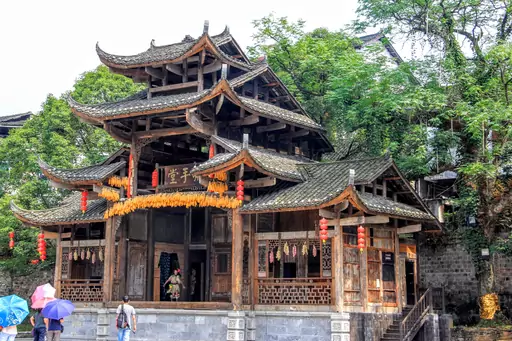
  • 4 Fenghuang
    A historic town on the Yangtze River’s banks, Fenghuang preserves Ming‑and‑Qing‑era architecture and wooden bridges. Its cobblestone streets, ancient temples and riverfront markets offer a quiet glimpse into China’s rural heritage.
  • 5 Furong Ancient Town
    A misty, mountainous region in Hunan Province known for its dramatic peaks and ancient stone bridges. The landscape features towering cliffs, deep valleys and a serene atmosphere that feels timeless and untouched by modern crowds.
🏯Places worth seeing
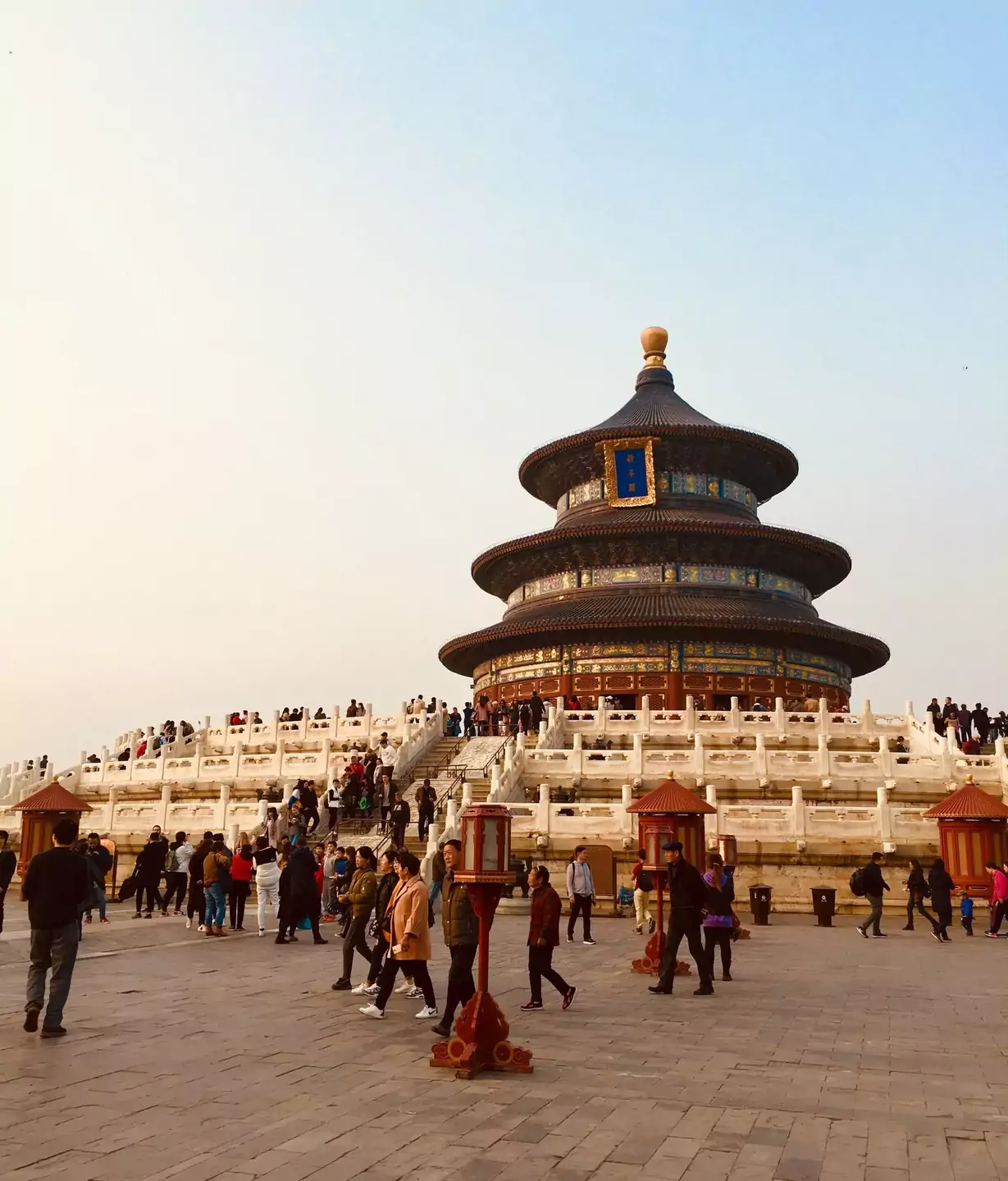
  • 1 Temple of Heaven
    This ancient temple complex in Hunan features a massive circular hall surrounded by lush gardens and traditional architecture, offering serene views of the surrounding landscape and cultural heritage sites.
  • 2 Tianxin Pavilion
  • 3 Yuelu Academy
  • 4 West Lake
  • 5 Zhangjiajie Tianmen Mountain National Forest Park
  • 6 Mao Zedong's Former Residence
🎡Places for activities
  • 1 Huanglongdong Scenic Area
  • 2 Kyriad Hotel Leiyang West Lake Amusement Park
  • 3 University of South China (Yumu Campus)
🏞️Natural landmarks
  • 1 Tianmen Mountain
    A towering natural wonder in Hunan, Tianmen Mountain features a dramatic cliffside cableway and an iconic arch carved into the rock face. The site offers breathtaking views of misty peaks and lush valleys from its high-altitude observation decks.
  • 2 Transfer bus to Glass Bridge
  • 3 Yangtze River
  • 4 West Lake
  • 5 Dongyangdu Xiangjiang River Bridge
🛍️Shopping
  • 1 Wanda Plaza
  • 2 Changsha IFS Tower T1

Knowledge before you go

  • Carry a reusable water bottle; tap water is not potable in many Hunan cities.
  • Learn basic Mandarin phrases and carry a phrasebook, as English signage is limited outside major tourist spots.
  • Check local weather forecasts before traveling; Hunan experiences heavy monsoon rains from May to September.
  • Visit the Dongguan Ancient Town during the annual Lantern Festival for authentic cultural experience and vibrant night markets.

How to travel to Hunan

Access to Hunan, a province in China’s south-central region, involves several transportation methods. The primary entry point is Changsha, the provincial capital, served by Changsha Huanghua International Airport, which connects to major Chinese cities and select international destinations via airlines like Air China and China Southern. For rail access, high-speed trains link Changsha to Beijing (approx. 4 hours), Shanghai (6–7 hours) and Guangzhou (5–6 hours). The region is also connected by highways, including the G4 and G60 expressways, facilitating road travel from neighboring provinces such as Hubei, Jiangxi and Guangdong. Local transit includes buses and taxis in cities, while rural areas may require shared vans or motorbikes for shorter distances.

Access summary

  • From Changsha Huanghua (CSX): Taxi to downtown 30–40 min.
  • From Wuhan (WUH): High‑speed train 1h to Changsha.
  • By high‑speed train from Shanghai (PVG) 4–5h to Changsha.

Where to stay in Hunan

Hunan offers a mix of boutique guesthouses, mid‑range business hotels and luxury resorts that cater to both budget travelers and those seeking comfort. In Changsha, the capital, you’ll find well‑rated hostels and modern aparthotels with prices ranging from CN¥200 – 500 (£22.48 – 56.21) per night, ideal for city explorers. Rural areas such as Zhangjiajie feature eco‑lodges and homestays that showcase local architecture and offer nightly rates of CN¥150 – 300 (£16.86 – 33.72), often including traditional meals. The region’s famed “tea house inns” in Fenghuang provide a cultural experience with rooms priced around CN¥250 – 400 (£28.10 – 44.97), blending historic charm with contemporary amenities. Overall, Hunan balances affordability with quality, ensuring travelers can choose accommodations that match their budget and desired experience.

How to get around Hunan

Hunan Province in China offers diverse transportation options due to its mountainous terrain and river systems. The primary method is by road, with a growing network of highways connecting major cities like Changsha, the provincial capital, to surrounding regions. Buses are widely used for intercity travel, offering affordable access to rural areas. For faster journeys, high-speed trains link key urban centers such as Zhangjiajie and Xiangyang. In mountainous zones like the Wuling Mountains, cable cars and funiculars provide unique transit solutions. The Yangtze River also supports ferry services for local commuters and goods transport. Renting a car or hiring private drivers is recommended for remote areas with limited public transit.
Budget snapshot
Costs compared to home

We calculate the average costs when travelling to destinations and compare those with the living costs at your home. With this you can get an estimate of how expensive or cheap the destination is for you.

To customise this, you can set up which location and price level are used for the calculations in your account settings.

-73 %
Daily expenses in the region are around 73% lower than the average across United States. That means you'll spend a lot less on meals and getting around.
Exchange rate trend

The exchange rate price factor shows how expensive or cheap a currency currently is compared to its historical average. It's a quick way to see if a country is currently more or less affordable due to exchange rate changes.

-1 %
Your exchange rate (GBP to CNY) is 1% better than in recent years. That means travelling now costs around the same compared to the past.

Travel costs

To help you plan your trip, we provide estimated daily costs per person (when travelling as a pair) for different travel styles. These numbers give you an idea of what you might spend each day at this destination, including accommodation, food, transport and activities.

Additionally, we also provide average hotel costs for different travel styles to give you an estimate for the accommodation only.

Please note that these are only estimates. The real costs depend on booking times, season and other factors.

Daily cost summary

Travel style categories explained:

Backpacker:
Staying in hostels or budget hotels, cooking your own meals or eating cheap and choosing low-cost activities.

Mid-range:
Staying in mid-range hotels, eating at a mix of restaurants and casual spots and enjoying a variety of activities.

Luxury:
Staying in luxury hotels, dining out at high-end restaurants and enjoying premium experiences without worrying about the price.

Backpacker Mid-range Luxury
💵 Total costs per day, including accommodation
£21
£45
£130
🏨 Accommodation per night, per person
£8
£23
£68
🍝 Food per day
£11
£19
£57
🚕 Transportation per day
£2
£3
£6
Food & Drink
🍽️ Restaurant Dinner, per person
£8
🍛 Lunch Set, per person
£2.30
🍟 Fast food combo
£3.90
🍝 Preparing your own food, per day
£4.10
☕ Cappuccino
£1.90
🍺 Beer in a restaurant, 0.5 l
£0.90
Transportation
🚌 Public transport ticket
£0.30
🚕 Taxi Ride, 10 km / 6 mi
£3.80
⛽ Petrol, 1 l
£0.85
Other
🎞️ Cinema ticket
£4.60
👩‍⚕️ Doctor's consult
£17
🤧 Cold medication
£3.30
💇 Basic haircut
£3.90

Safety information overview

General safety
8
Hunan province offers generally safe travel conditions, with low violent crime and well‑policed tourist sites. Visitors should stay alert in crowded markets, avoid isolated rural areas after dark, keep valuables secure and follow local advisories to ensure a smooth, worry‑free visit.
Health & Medical
6
Hunan offers reliable medical care with modern hospitals in Changsha and regional clinics, staffed by qualified Chinese physicians. Travelers should be aware of air pollution in urban centers and seasonal typhoons; vaccinations for Hepatitis A/B and routine travel vaccines are recommended.
Accessi­bility
6
Hunan offers mixed accessibility: many modern hotels and public transport are wheelchair‑friendly, with elevators and ramps in major cities like Changsha. However, rural villages and historic sites often lack curb cuts or accessible pathways, so advance planning is essential for mobility needs.
Tap water
4
Tap water in Hunan is generally safe for locals but often treated with chlorine and may taste slightly metallic or chlorinated. Most urban areas provide reliable municipal supply; rural villages sometimes rely on bottled or filtered water. Public fountains are scarce, so carry a reusable bottle.

Packing recommendations for Hunan

Log in to add this place to a travel list and get a summary of all recommended items for your whole trip.

Popular districts of Hunan

Looking for inspiration?

Discover
Top digital nomad destinations and remote work hubs in 2026
Working from anywhere in the world sounds simple until you actually try it and the best digital nomad destinations look different depending on what kind of remote worker you are.…
Read more
Discover
Best travel destinations for seniors in Asia
Asia offers some of the most senior friendly infrastructure anywhere, alongside destinations that still call for a bit more independence and stamina. Japan in particular stands…
Read more
Discover
Top digital nomad destinations and remote work hubs in Asia
Asia has quietly become one of the most popular continents for remote work, and it is easy to see why once you look past the obvious hubs. Some remote workers gravitate toward…
Read more
Discover
Top historical destinations and historic sites
The most compelling history destinations are places where the past is still physically present and legible in the landscape, the architecture and the daily life of the people who…
Read more
Discover
Best historical destinations in Asia
Asia's historical depth is staggering, encompassing some of the oldest continuous civilisations on earth and a range of empires, belief systems and cultural traditions that have…
Read more
Discover
Best travel destinations for seniors
Senior travel covers a wide range, from slow, low effort trips built around comfort to more independent trips for travellers who still want to cover plenty of ground. Some…
Read more
Discover
Most beautiful beaches and coastal escapes
For a lot of people, a beach is the whole point of a holiday, but what makes a beach day perfect really depends on personal taste. Some travellers want isolation and the feeling…
Read more
Discover
Stunning national parks and wilderness areas
National parks exist because someone decided that certain landscapes were too important to lose. The best of them protect ecosystems, wildlife and natural processes that would…
Read more
Discover
Intimate escapes and romantic getaways
The most memorable trips for couples tend to have less to do with luxury and more to do with the quality of shared experience. A place that slows you down, removes the usual…
Read more
Was this page helpful?
Feedback