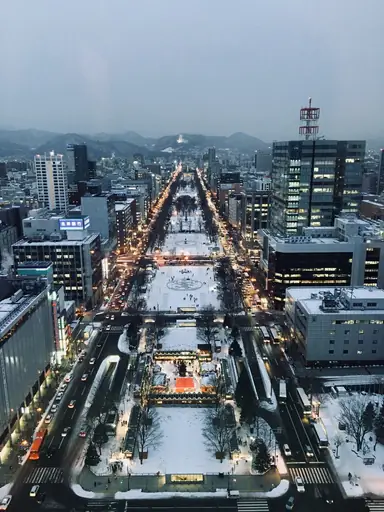
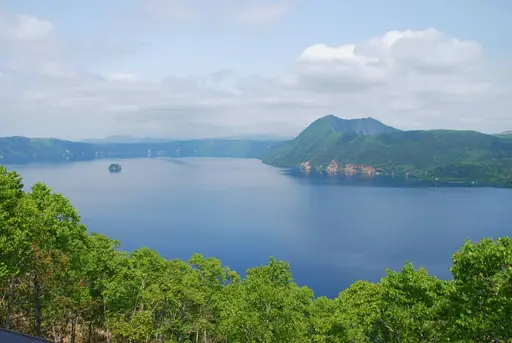
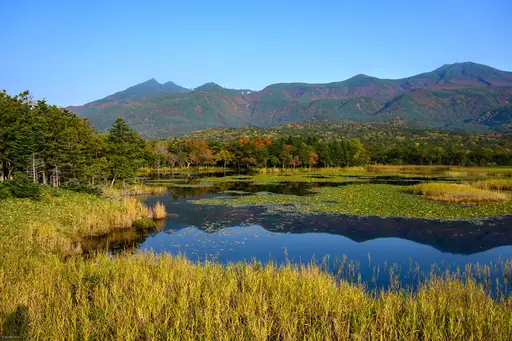
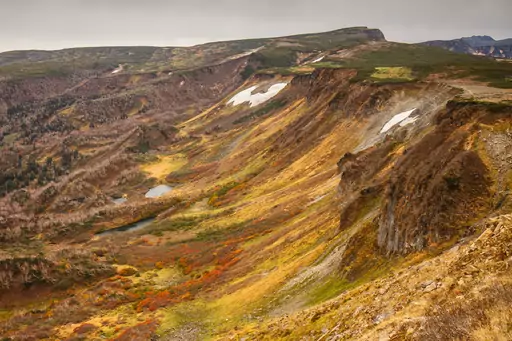
Jkinsocal, CC BY-SA 3.0, via Wikimedia Commons
Asia › Japan › Hokkaido › Asahikawa › Climate

Asahikawa climate data

Asahikawa, located in central Hokkaido, is known for its dramatic seasonal contrasts and one of the most continental climates in Japan. Winters are long, cold, and snowy, while summers are warm and relatively humid. The city experiences significant annual temperature variation, abundant precipitation, and is a hub for winter sports and vibrant seasonal scenery.

Best times to travel

The best times to travel section shows how the months compare for a visit, so you can find the time of year that fits what you want to do.

Background colours of the months:
The colour shows the typical temperature: yellow (hot), green (mild) and blue (cold). How strong the colour is shows the travel season: full colour means high season, soft colour means shoulder season and soft-striped means off season.

Weather symbols:
Each month has one symbol showing what the weather is typically like, such as hot and sunny, freezing or a rainy or snowy season. Use them to quickly spot months that match the weather you want, or to avoid the ones that don't.

Crowdedness:
The people icon shows how busy the place usually is. The more people, the more crowded it gets.

Additional notes:
The grey info boxes point out special things worth knowing, like recurring weather issues or seasonal events.

for Asahikawa, Japan
🌨️
Jan
🌨️
Feb
🌨️
Mar
🌤️
Apr
🌤️
May
🌤️
Jun
🌥️
Jul
🌤️
Aug
🌤️
Sep
🌤️
Oct
🌨️
Nov
🌨️
Dec
High season: Feb., July - Aug.
Shoulder season: Jan., March, May - June, Sep. - Oct., Dec.
Crowdedness: 4 (Moderate tourist numbers)
Tap on a month for more info Hover over a month for more info
Asahikawa Winter Festival with giant snow and ice sculptures, early to mid February
Daisetsuzan hiking July to September, earliest autumn leaves in Japan late September
Asahiyama Zoo: winter penguin walk December to March, closed briefly in April and early November

The climate of Asahikawa

Asahikawa features a humid continental climate with pronounced seasonal changes. Winters (November–March) are long, cold, and snowy, with average daily lows dropping to -12°C and highs rarely above -3°C in January. The city is famous for its heavy snowfall, averaging over 7.5 metres per year, and is among the coldest cities in Japan. Snow cover is persistent, and phenomena like 'diamond dust' – sparkling ice crystals in the air – can be observed on the coldest mornings. Despite the cold, winter days are often calm, though winds can be brisk and humidity remains high.

Summers (June–August) are warm and relatively humid, with average highs reaching 25–26°C in July and August and lows near 16–17°C. Rainfall peaks in August (up to 150 mm), but overall humidity and rainfall are lower than in much of Japan, making for comfortable outdoor conditions. Spring and autumn are short and transitional; spring brings chilly mornings and late cherry blossoms in April, while autumn features crisp air and vibrant foliage. Annual precipitation is around 1,100–1,400 mm, with the wettest months from July to November. Sunshine is most abundant in late spring and early summer, with daylight hours peaking at over 15 hours in June and dropping to under 9 hours in December. Winds are generally light to moderate but can be brisk in winter.

Asahikawa’s climate supports lush summer greenery, spectacular autumn colours, and a long, snowy winter ideal for skiing and snow festivals. The city’s continental location means large temperature swings between day and night, so visitors should plan accordingly for variable conditions.

Average climate data for Asahikawa, Japan
Month Jan Feb Mar Apr May Jun Jul Aug Sep Oct Nov Dec Year
Average maximum temperature (°C) -5 -5 -0 7 16 20 24 24 20 12 3 -3 24
Average minimum temperature (°C) -13 -13 -9 -2 5 10 14 15 10 4 -3 -10 -13
Average precipitation (mm) 56 46 48 41 44 49 92 96 55 57 62 81 728
Average rainfall days (days) 5 6 9 13 14 16 19 17 15 16 12 8 151
Average snowfall (mm) 460 352 267 118 3 0 0 0 0 34 286 561 2,081
Average snowfall days (days) 26 23 20 9 0 0 0 0 0 3 14 26 121
Average relative humidity (%) 94 94 90 80 74 78 82 82 82 81 88 94 85
Average wind speed (km/h) 9 10 10 10 10 8 7 7 8 10 10 10 9
Average daily daylight hours (h) 9 10 11 13 14 15 15 14 12 11 9 9 12
Average daily sunshine hours (h) 2 2 4 8 8 8 8 8 7 6 3 2 6
Average cloud coverage (%) 79 75 64 46 43 50 53 48 43 49 66 76 58
Average UV index 1 1 1 3 4 5 6 5 3 2 1 1 3

Travel info

  • Spring (March–May): Chilly at first, warming to 17°C by May. Cherry blossoms bloom in late April. Layered clothing is recommended for fluctuating temperatures and cool evenings.
  • Summer (June–August): Warm and relatively humid, with highs up to 26°C. Rainfall is moderate, and humidity is lower than much of Japan. Light clothing and a jacket for cooler nights are advised.
  • Autumn (September–November): Cool and crisp, with highs from 21°C in September to 6°C in November. Beautiful autumn foliage. Pack layers and a warm jacket for chilly evenings.
  • Winter (December–February): Very cold and snowy, with highs of -3°C to -1°C and lows down to -12°C. Heavy snow is common. Essential to pack insulated winter clothing, boots, and accessories.
  • Snow cover persists from November to March, making it ideal for winter sports.
  • Sunshine is most abundant in late spring and early summer; daylight ranges from 8.9 hours in December to 15.5 hours in June.
  • Winds are generally light but can be brisk in winter; dress accordingly for wind chill.
  • UV levels are moderate, but sun protection is recommended in summer and on snowy winter days.

The best time to visit Asahikawa

The best time to visit Asahikawa is from June to September, when temperatures are warm (21–26°C), rainfall is moderate, and days are long and sunny. These months are ideal for outdoor activities, sightseeing, and enjoying the region’s natural beauty without the extreme cold or heavy snow of winter.

The worst time to visit Asahikawa

The least favourable time to visit Asahikawa is from November to March, when the city is gripped by severe cold, frequent snowstorms, and short daylight hours. Unless you are visiting for winter sports or festivals, the harsh winter conditions can limit sightseeing and outdoor activities.

Frequently asked questions

How cold does it get in Asahikawa during winter?

Asahikawa is one of Japan’s coldest cities, with average lows of -12°C and highs rarely above -3°C in January. Extreme cold snaps can see temperatures plunge below -20°C, and snow cover is persistent from November to March.

Does Asahikawa get a lot of snow?

Yes, Asahikawa is renowned for its heavy snowfall, averaging over 7.5 metres per year. Snowfall is heaviest from December to February, making the city a popular destination for winter sports and snow festivals.

When is the best time to see cherry blossoms in Asahikawa?

Cherry blossoms in Asahikawa typically bloom in late April, later than most of Japan due to the cold spring. Parks and riversides become popular hanami (blossom viewing) spots during this time.

How much rainfall does Asahikawa receive annually?

Asahikawa receives about 1,100–1,400 mm of precipitation annually, with the wettest months from July to November. August is usually the rainiest month, but overall humidity is lower than in much of Japan.

Is summer in Asahikawa humid?

Summers in Asahikawa are warm and relatively humid, but less so than in most of Japan. Average highs reach 25–26°C in July and August, with comfortable conditions for outdoor activities.

What should I pack for a winter visit to Asahikawa?

For winter visits, pack insulated clothing, thermal layers, a down jacket, snow boots, gloves, and a hat. Anti-slip footwear is recommended due to icy pavements, and sunglasses are useful for bright, snowy days.

How much sunshine does Asahikawa get?

Asahikawa enjoys the most sunshine in late spring and early summer, with over 15 hours of daylight in June. Winter months are much darker, with under 9 hours of daylight in December and frequent overcast skies.

Minimum and maximum temperatures in Asahikawa

The warmest month, with the highest average maximum temperature, is July (24.3 °C). The month with the lowest average maximum temperature is January (-5.4 °C). Overall, the average maximum temperature over the whole year is 9.4 °C.

The month with the highest average minimum temperature is August (14.6 °C). The coldest month, with the lowest average minimum temperature, is February (-13.3 °C). Overall, the average minimum temperature over the whole year is 0.7 °C.

Rainfall amount in Asahikawa

The wettest month, with the highest amount of precipitation, is August (96 mm). The driest month, with the least amount of precipitation, is April (41.2 mm). Over the whole year there are 728 mm of rainfall on average.

Rainfall days in Asahikawa

The month with the most days of rain is July (19 days). The month with the fewest days of rain is January (5 days). Over the whole year there are 150.6 days of rain on average.

Snowfall amount in Asahikawa

The month with the most snowfall is December (561 mm). The months with the least snowfall are June, July, August and September (0 mm). Over the whole year there are 2,081.3 mm of snowfall on average.

Snowfall days in Asahikawa

The month with the most days of snowfall is January (26.2 days). The month with the fewest days of snowfall is July (0 days). Over the whole year there are 121.5 days of snowfall on average.

Relative humidity in Asahikawa

The month with the highest average relative humidity is January (93.7 %). The month with the lowest average relative humidity is May (74 %). The overall average relative humidity over the whole year is 84.8 %.

Wind speed in Asahikawa

The windiest month, with the highest average wind speed, is April (10.4 km/h). The calmest month, with the lowest average wind speed, is July (7.1 km/h). The overall average wind speed over the whole year is 9.1 km/h.

Cloud coverage in Asahikawa

The month with the cloudiest skies, so the highest cloud coverage, is January (78.8 %). The month with the clearest skies, so the lowest cloud coverage, is September (42.7 %). Over the whole year there is an average cloud coverage of 57.6 %.

Daylight hours and sunshine hours in Asahikawa

The month with the longest days, so the most daylight, is June (Average daylight: 15 h). The month with the shortest days, so the least daylight, is December (Average daylight: 9 h). Over the whole year there are 11.9 h of daylight per day on average.

The month with the most sunshine per day is August (Average sunshine: 8.1 h). The month with the least sunshine per day is December (Average sunshine: 1.9 h). Over the whole year there are 5.5 h of sunlight per day on average.

UV index in Asahikawa

The month with the highest average UV index is July (UV index: 6). The months with the lowest average UV index are January, February, March, November and December (UV index: 1). Over the whole year the average UV index is 2.8.

Was this page helpful?
Feedback