








Was this page helpful?

| Opening hours: |
|
||
|---|---|---|---|
| Public website: | en.wikipedia.org |
| Power Grid: |
220 V, 50 Hz Plug: Type A , Type I
Type A:
  Read about power adapters |
|---|---|
| Currency: |
Chinese Yuan Renminbi (CNY) £1 ≈ CN¥8.88 |
| Cashless info: |
Rating 5/5
Cashless payments are widely accepted in China, particularly in urban areas. Mobile payment services like Alipay and WeChat Pay are commonly used.
Save with a travel credit card |
| eSIM providers: |
Best value: Saily Flexibility: Airalo Read our in-depth comparison |
| Tipping: | Tipping is not customary in China and is not expected, although it may be appreciated in high-end restaurants or by hotel staff for exceptional service. |
|---|---|
| Public drinking: | Public drinking is generally not allowed in many places in China, but it is common in restaurants and bars. |
| Public smoking: | Smoking is prohibited in many indoor public spaces, such as restaurants and public transport, but enforcement can vary. |
| Chinese New Year (January/February) |
Major holiday with family gatherings and public celebrations |
|---|---|
| National Day (1 October) |
National holiday with parades and festivities |
| Emergency contact: | Emergency Numbers: 110 (Police), 120 (Ambulance), 119 (Fire) |
|---|---|
| Taxi apps: | DiDi, Uber |
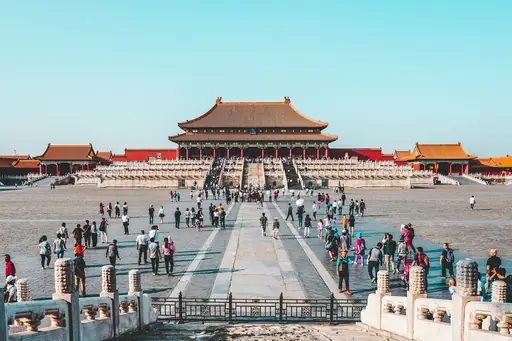
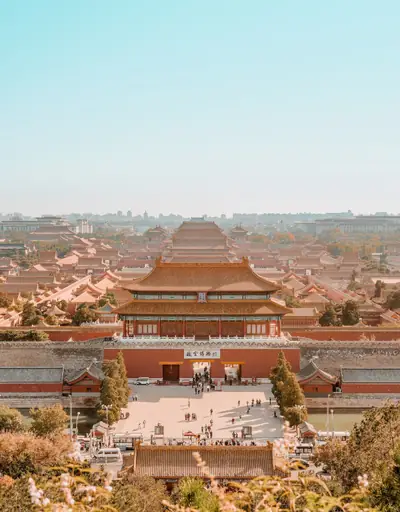
| Other: | China is known for its vast cultural heritage, including historical landmarks like the Great Wall, the Forbidden City, and the Terracotta Army. It offers diverse landscapes ranging from mountains to beaches. |
The best times to travel section shows how the months compare for a visit, so you can find the time of year that fits what you want to do.
Background colours of the months:
The colour shows the typical temperature: yellow (hot), green (mild) and blue (cold). How strong the colour is shows the travel season: full colour means high season, soft colour means shoulder season and soft-striped means off season.
Weather symbols:
Each month has one symbol showing what the weather is typically like, such as hot and sunny, freezing or a rainy or snowy season. Use them to quickly spot months that match the weather you want, or to avoid the ones that don't.
Crowdedness:
The people icon shows how busy the place usually is. The more people, the more crowded it gets.
Additional notes:
The grey info boxes point out special things worth knowing, like recurring weather issues or seasonal events.
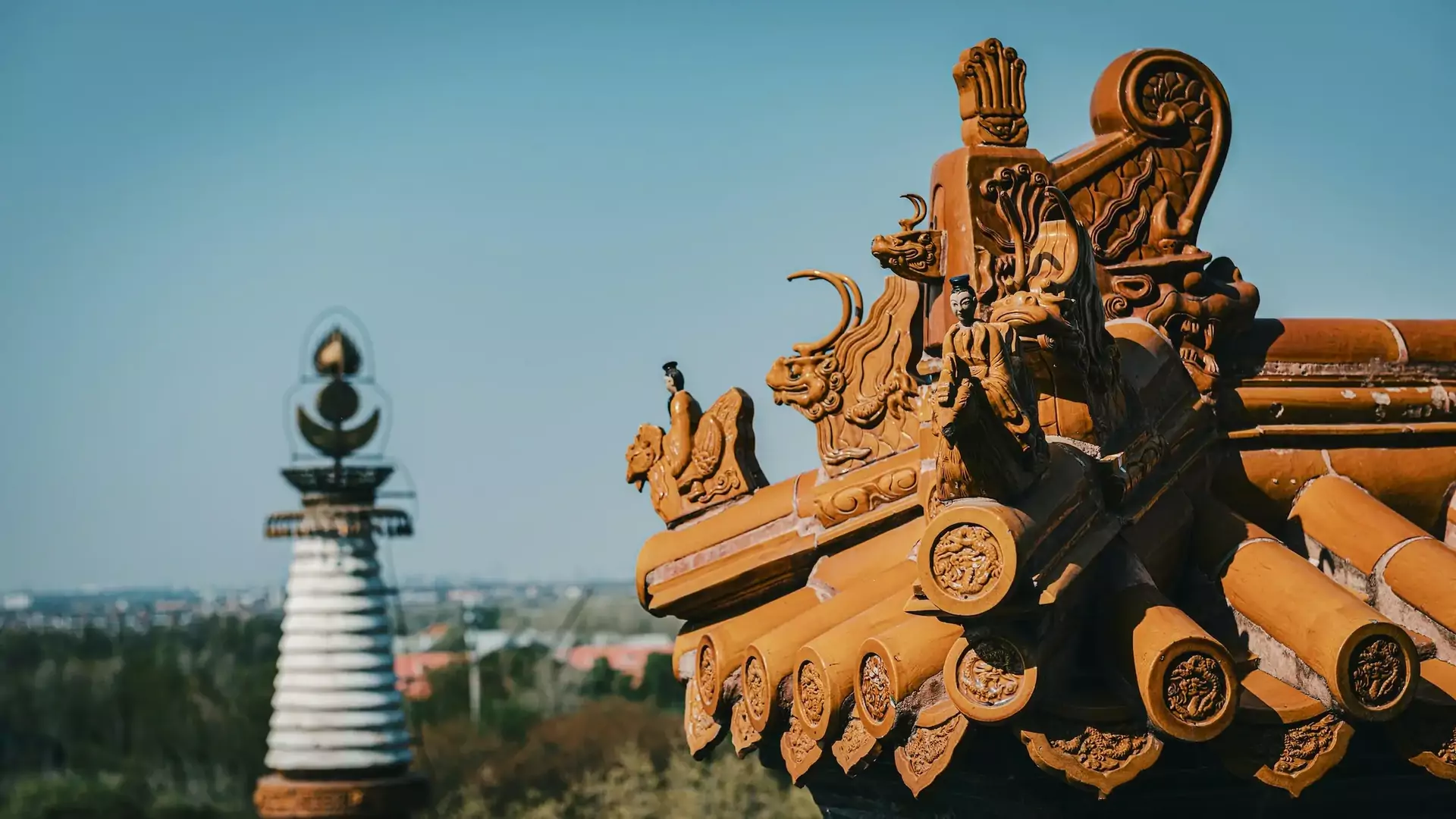
Beihai Park is one of China's oldest and most beautiful imperial gardens, covering an area of approximately 71 hectares. It features classic Chinese garden landscaping with calm waters, carefully arranged rockeries, temples and pavilions, centered around the large Beihai Lake. The park was originally constructed in the 12th century and has been a favored imperial retreat over many dynasties.
The iconic White Dagoba, standing atop Jade Flower Island in the middle of the lake, is a Tibetan-style stupa built in 1651 that symbolizes the Qing dynasty’s Buddhist devotion. Surrounding the lake are historic sites like the Five Dragon Pavilion and the ornate Nine-Dragon Wall made of glazed tiles depicting vibrant dragons in motion.
While Beihai Park provides a tranquil green retreat from city life, be prepared for crowds during weekends and holidays. Some temples require additional entrance fees, so planning your visit accordingly is beneficial. The park's pathways can be slippery after rain, so appropriate footwear is recommended.
Visitors enjoy boating on the lake, walking through serene gardens and admiring the architecture and landscapes crafted to evoke famous scenic spots across China. Nighttime illumination around certain structures offers a magical visiting experience in the evenings.
Beihai Park is located centrally in Beijing, northwest of the Forbidden City. Visitors can easily reach it by subway, with the closest station being Beihai North on Line 6. From Beijing Capital International Airport, take the airport express train to Dongzhimen and then transfer to Line 6. The park is a short walk from the station.
Beijing’s city center offers many hotels ranging from luxurious to budget-friendly, all within easy reach of Beihai Park and other key historic sites. Staying centrally allows comfortable access to the park and the wider range of Beijing attractions.
Log in to add this place to a travel list and get a summary of all recommended items for your whole trip.
We calculate the average costs when travelling to destinations and compare those with the living costs at your home. With this you can get an estimate of how expensive or cheap the destination is for you.
To customise this, you can set up which location and price level are used for the calculations in your account settings.
The exchange rate price factor shows how expensive or cheap a currency currently is compared to its historical average. It's a quick way to see if a country is currently more or less affordable due to exchange rate changes.
