Located airside near Gate 9, the Hanaq Lounge is open to all passengers regardless of airline or class of service. It offers comfortable seating, snacks, refreshments, Wi-Fi, and a quiet escape from the busy terminal. Access is possible via pay-at-door or through some lounge membership programmes, though Priority Pass only covers domestic departures.
Alejandro Velasco Astete International Airport serves Lima, Peru’s capital. This airport handles most domestic and international flights to the city. It operates at a high elevation near the Andes Mountains, creating unique flying conditions due to its altitude. The terminal provides basic amenities for travelers seeking food or rest before connecting flights. Its location makes it a key gateway for exploring Peru’s coast and culture. The airport reflects Lima’s role as a transportation hub with practical facilities for passengers moving through South America.
| Power Grid: |
220 V, 60 Hz Plug: Type A , Type B
Type A:
Read about power adapters |
|---|---|
| Currency: |
Peruvian Sol (PEN) £1 ≈ PEN 4.59 |
| Cashless info: |
Rating 4/5
Cashless payments are widely accepted in Peru, especially in larger cities and tourist areas.
Save with a travel credit card |
| eSIM providers: |
Best value: Saily Flexibility: Airalo Read our in-depth comparison |
| Tipping: | Tipping is customary in Peru, with 10-15% being the usual amount in restaurants. Small tips are appreciated by taxi drivers and hotel staff. |
|---|---|
| Public drinking: | Public drinking is prohibited in Peru, and alcohol consumption is restricted to licensed venues. |
| Public smoking: | Smoking is allowed in designated areas, but smoking indoors in public spaces is generally prohibited. |
| Emergency contact: | Emergency Numbers: 105 (Police), 106 (Ambulance), 116 (Fire) |
|---|---|
| Taxi apps: | Uber |
| Other: | Peru is known for its ancient culture, including Inca ruins and the Amazon rainforest, making it a popular destination for nature lovers and history enthusiasts. |
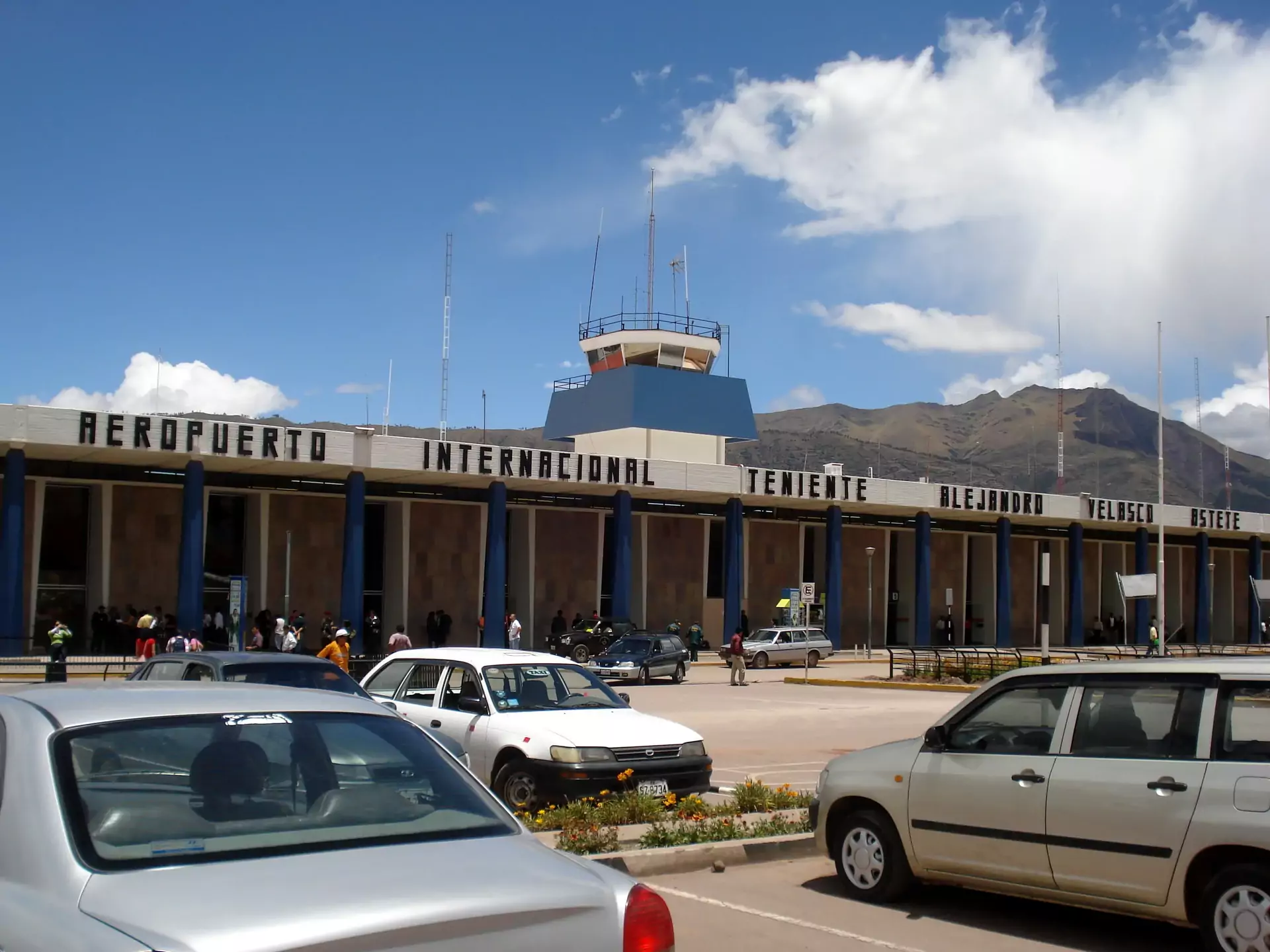
Alejandro Velasco Astete International Airport sits in the middle of Cusco’s urban area, which limits its expansion and leads to a compact but busy terminal. It handles millions of visitors every year, many making their way to the Sacred Valley and Machu Picchu. The airport is basic but functional, with essential amenities like check-in counters, a few small shops and a restaurant offering quick bites.
The airport’s location at 3,310 meters above sea level means passengers may feel the effects of altitude on arrival, so it’s wise to prepare for this with hydration and rest. Because of its challenging geography and runway slope, only certain aircraft types operate here and flights often must adhere to strict landing and takeoff procedures.
Be ready for modest facilities; while staff are generally helpful and friendly, the terminal may feel crowded during peak travel seasons and lacks some comforts found in larger international airports. Travelers should beware of aggressive taxi solicitation outside the terminal and prefer pre-arranged or official transport options for safety and fair pricing.
Despite its limitations, the airport serves as an efficient hub for exploring Peru’s cultural and natural treasures. Plans for a new international airport in nearby Chinchero aim to eventually replace this facility, but for now, Alejandro Velasco Astete remains a fascinating and essential entry point to the Andean region.
Helpful tips for Alejandro Velasco Astete International Airport
- Arrive at least two hours early for security and customs clearance.
- Check Peru's entry requirements online, including visa, vaccination and COVID-19 protocols before departure.
- Use the airport's free Wi‑Fi to download offline maps of Cuzco and local transport schedules.
- The terminal offers a small museum showcasing Inca artifacts; visit during lunch hours for quieter exploration.
Available airport lounges
Where to stay near Alejandro Velasco Astete International Airport
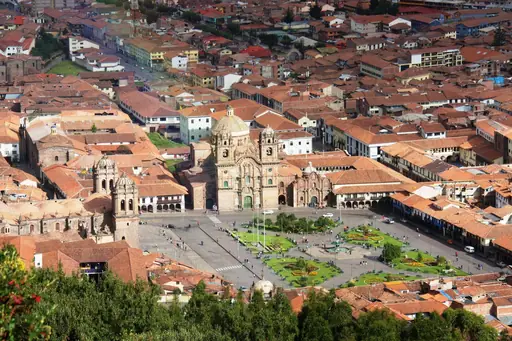
Cusco offers a broad range of accommodations from budget hostels to mid-range hotels and a few upscale options, mostly clustered in the historic center. Staying near the Plaza de Armas is popular for convenience and atmosphere. The airport vicinity itself is more residential with fewer lodging options.
Hotel recommendations
How to get from Cuzco Airport to popular destinations
To Cusco City Center:
The airport is just 3.7 km from Cusco’s historic core. Public minibuses ("Correcaminos") run frequently from a stop outside the terminal for approximately PEN 1 (£0.22) Peruvian Sol, but are crowded and may be inconvenient with luggage. Taxis are abundant but unmetered and prices should be negotiated beforehand; a fair rate is roughly PEN 45 – 55 (£9.79 – 11.97) (about $15 USD). Private airport transfers are highly recommended for comfort and reliability, with services available 24/7.
To Sacred Valley:
The Sacred Valley is reachable by private transfer, taxi, or organised tours departing from Cusco city. Direct transport from the airport is limited, so visitors typically first go to Cusco before continuing. Travel time from Cusco to the valley is about 1 to 2 hours depending on destination, with shuttle buses and taxis widely available.
To Machu Picchu:
Visitors usually take transport from Cusco city to train stations (e.g., Poroy or Ollantaytambo) to reach Machu Picchu. From the airport, it’s best to arrange transfers or walk into town to connect with the railway services. Pre-book train tickets and tours well in advance to avoid last-minute complications.