Located in the domestic terminal, the lounge offers comfortable seating, snacks, refreshments, and Wi-Fi for business and first-class passengers, as well as select frequent flyers. It is open from early morning until evening, providing a relaxing pit stop before your flight.
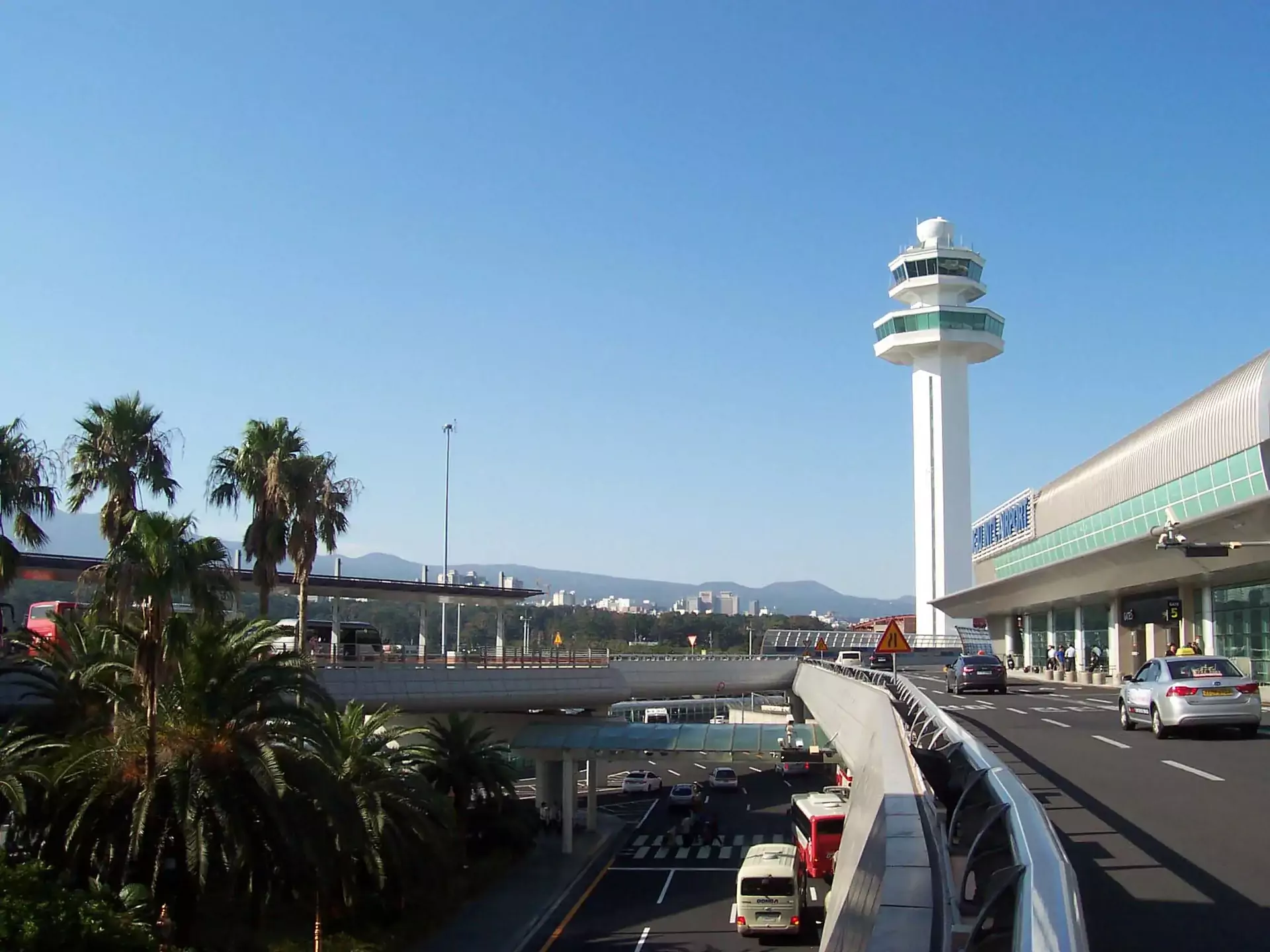
Jeju International Airport serves as South Korea’s primary gateway to the island of Jeju, a popular destination known for its natural beauty and relaxed atmosphere. Located just minutes from the island’s main towns, the airport connects travelers with flights across Asia and beyond. Inside, passengers find clear signage guiding them through customs, baggage claim and transportation options. The terminal includes modern amenities, local food stalls serving fresh seafood and sweet potato treats and convenient bus and taxi services to help visitors start their trip quickly.
| Power Grid: |
220 V, 60 Hz Plug: Type C , Type F
Type C:
Read about power adapters |
|---|---|
| Currency: |
South Korean Won (KRW) £1 ≈ ₩1,766 |
| Cashless info: |
Rating 5/5
Cashless payments are widely accepted in South Korea. Credit cards are commonly used in most establishments, including smaller businesses.
Save with a travel credit card |
| eSIM providers: |
Best value: Saily Flexibility: Airalo Read our in-depth comparison |
| Tipping: | Tipping is not customary in South Korea. However, small tips are appreciated in hotels and for exceptional service. |
|---|---|
| Public drinking: | Public drinking is allowed in South Korea, though drinking in public spaces like parks and streets may attract attention. Alcohol is also served in many convenience stores. |
| Public smoking: | Smoking is prohibited in indoor public spaces, but designated smoking areas are available in some outdoor locations. |
| Seollal (January/February) |
Celebrated in January or February with family gatherings |
|---|---|
| Chuseok (September/October) |
Celebrated in September or October |
| Emergency contact: | Emergency Numbers: 112 (Police), 119 (Fire, Ambulance) |
|---|---|
| Taxi apps: | Kakao T, T Map Taxi |
| Other: | South Korea offers a blend of traditional culture and modern technology, with historical sites, vibrant cities, and stunning landscapes. |
Jeju International Airport is located just 2 kilometers from Jeju City, making it convenient for visitors to quickly access the island’s vibrant towns and natural wonders. It is South Korea’s second busiest airport, with modern facilities including two terminals dedicated to domestic and international flights respectively.
The airport offers a range of amenities including cafes, restaurants, duty-free shopping, lounges and free Wi-Fi. Travelers often highlight the friendly and helpful airport staff, as well as the smooth and efficient check-in and security processes. However, food options can sometimes feel limited and a bit pricey, reflecting typical airport fare.
One important tip is to book ground transportation in advance during peak tourist seasons, as taxis and buses can be busy and language barriers occasionally complicate arrangements. The terminal is spacious but navigating between domestic and international sections may involve walking some distance, so comfortable shoes and a little extra time are recommended.
Jeju Airport functions as a key hub linking the island to major cities in Korea as well as destinations across East Asia and provides a great starting point for exploring Jeju’s UNESCO Biosphere Reserve, volcanic cones and waterfalls.
Helpful tips for Jeju International Airport
- Arrive at least 90 minutes early for international arrivals and security checks.
- Use the free Wi‑Fi network in the terminal; remember to enable data roaming if you need mobile internet.
- Check the airport’s baggage claim map online before arrival to avoid confusion with multiple carousels.
- Explore the Jeju Airport Museum, which showcases local aviation history and offers a unique cultural perspective on the island.
Available airport lounges
Situated in the international terminal, the Asiana Lounge provides premium services including a quiet space, beverages, light meals, Wi-Fi, and business facilities. Access is granted to Asiana's premium passengers and lounge members.
Several lounges on-site accept Priority Pass members, offering complimentary snacks, drinks, and comfortable seating areas for eligible travellers.
Where to stay near Jeju International Airport
Jeju City near the airport offers a good variety of accommodations from budget guesthouses to mid-range hotels and upscale resorts. Many lodgings provide easy access to the airport and island attractions, making Jeju City a popular base for travelers.
Hotel recommendations
How to get from Jeju Airport to popular destinations
To Jeju City:
Just 2 km from the airport, Jeju City can be reached in less than 10 minutes by taxi, costing about ₩3,000 – 5,000 (£1.69 – 2.82). Airport bus #600 operates between the airport and city centre regularly with a fare around ₩1,200 (£0.68) and travel time of about 20 minutes. Car hire are widely available at the airport and provide flexibility for island exploration.
To Seogwipo:
Located about 40 km south of the airport, Seogwipo is accessible via airport limousine buses and regular intercity buses, with trips taking around 60-90 minutes and costing roughly ₩6,000 (£3.38). Taxi rides are faster but more expensive. Most visitors rent cars for convenience in reaching this scenic region.
To Hallasan National Park:
One of Jeju’s iconic natural landmarks, Hallasan can be accessed by rented car or taxi from the airport, about a 30-minute drive. Public transport is limited, so car hire or guided tours are recommended to explore the park comfortably.