Incheon International Airport is South Korea’s international aviation jewel, located about 48 kilometers west of Seoul on reclaimed land between Yeongjong and Yongyu islands. Opened in 2001, it handles over 70 million passengers annually and acts as a hub for Korean Air, Asiana Airlines, Jeju Air and Air Seoul among others. The airport features two sprawling passenger terminals with 111 boarding gates and advanced amenities including extensive shopping, restaurants and transit options. It offers direct flights to over 180 destinations worldwide, spanning North America, Europe, Asia and Oceania.
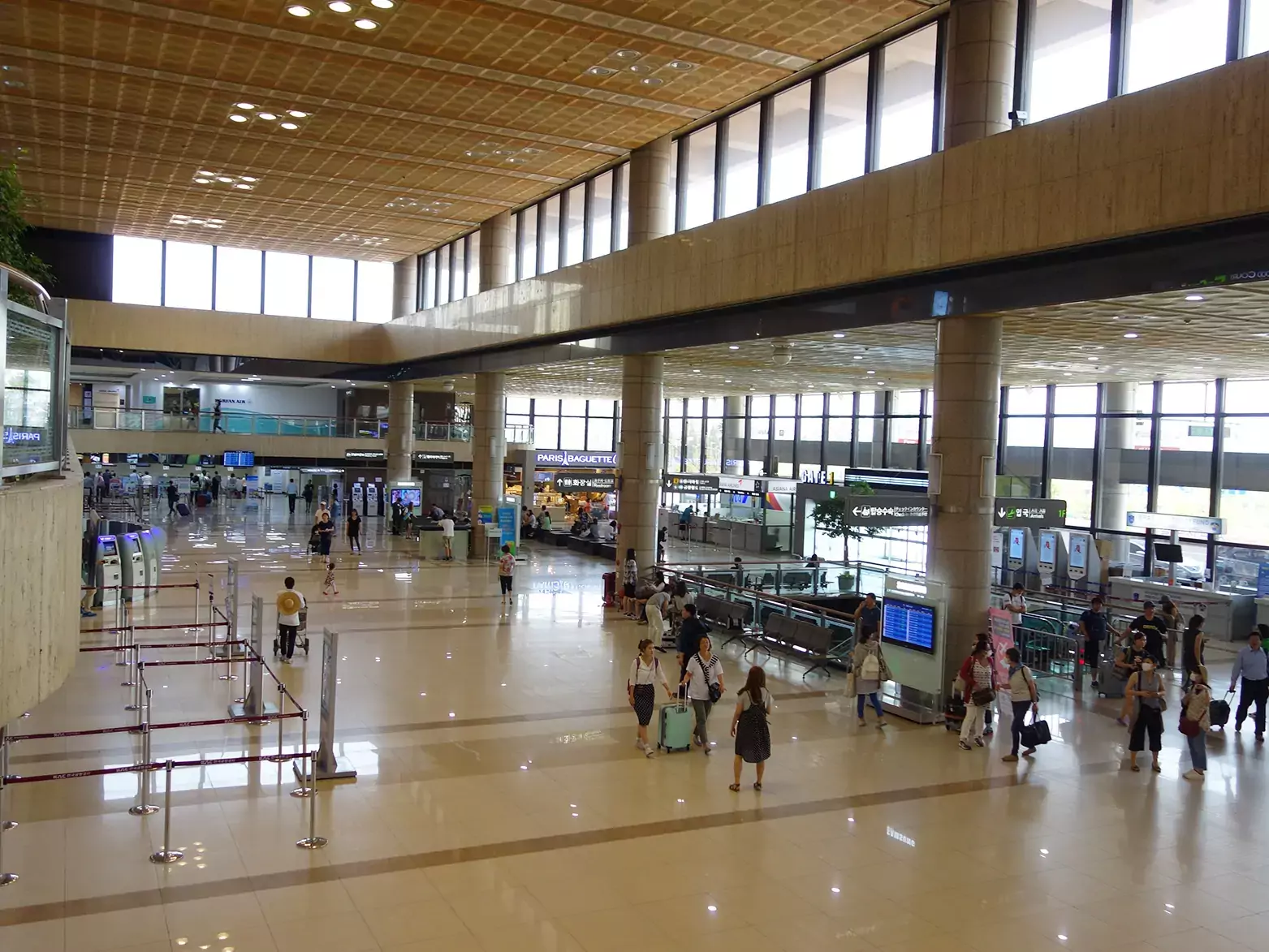
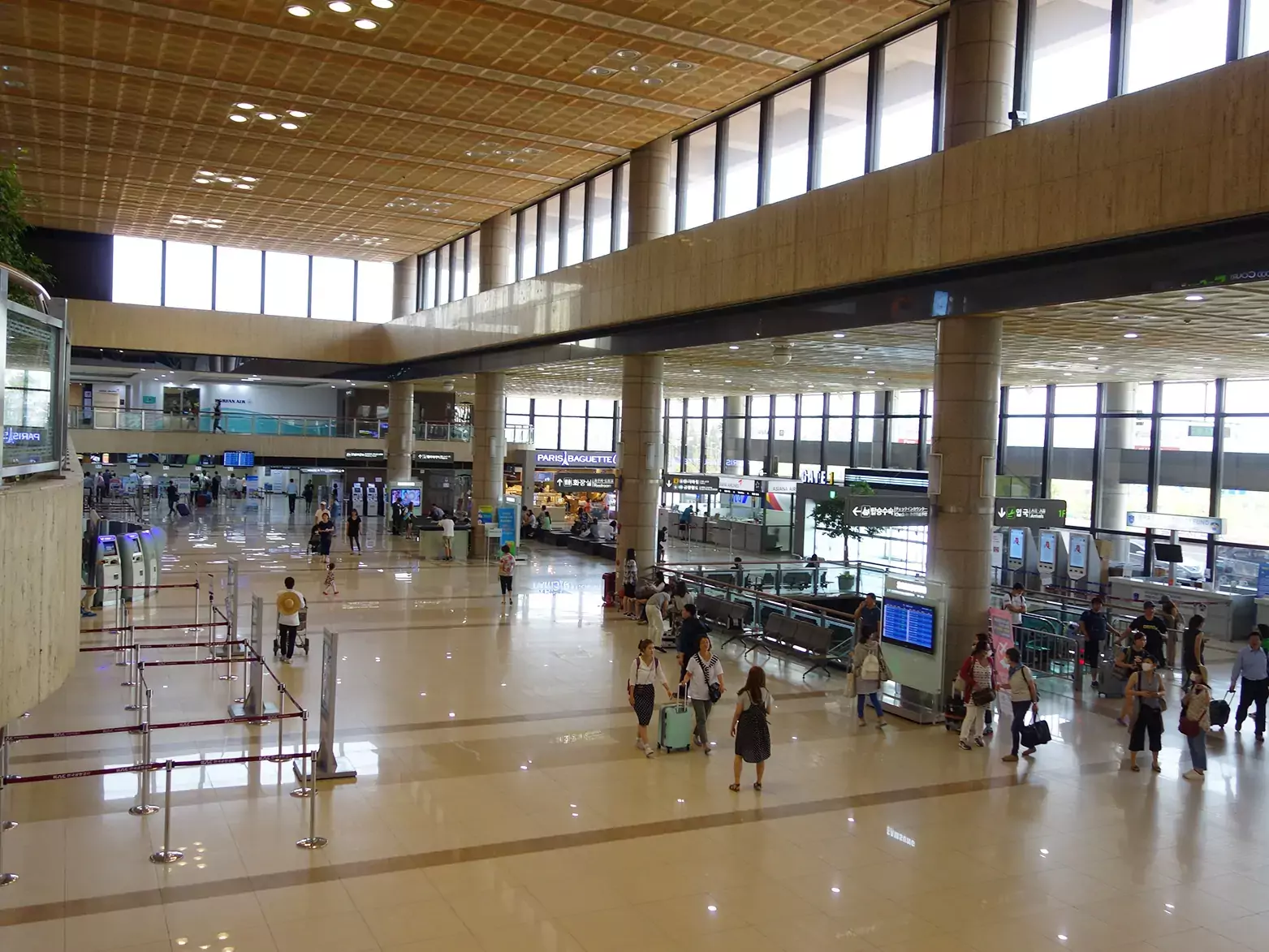
Gimpo International Airport, closer to Seoul city, primarily handles domestic flights to major cities such as Busan, Jeju and Daegu, along with regional international flights to Beijing, Tokyo (Haneda), Shanghai, Taipei (Songshan) and more. It complements Incheon by serving as Seoul's key domestic and short regional airport, facilitating quick turnarounds for business and leisure travelers.
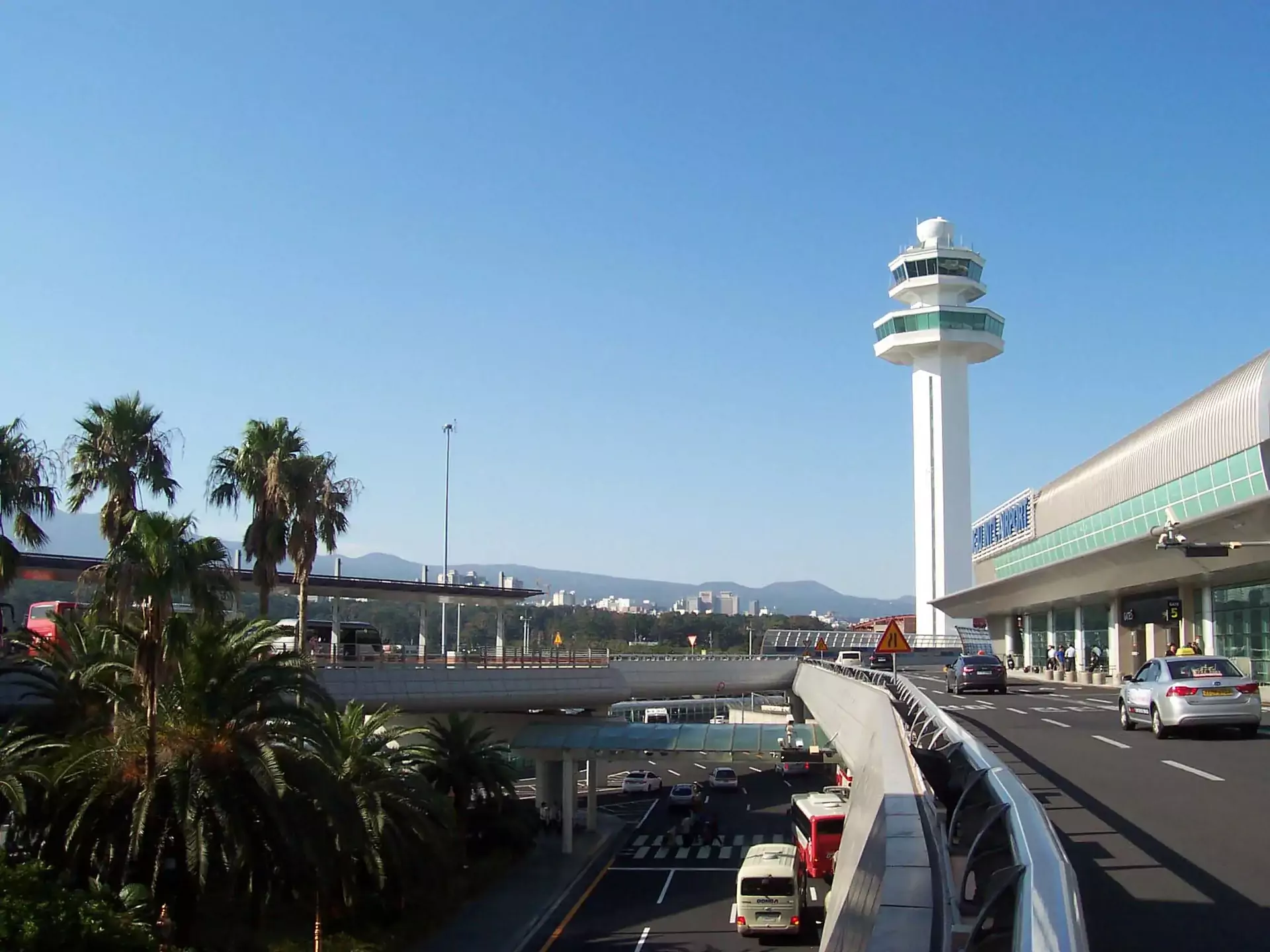
Jeju International Airport, located on South Korea’s largest island, handles over 30 million passengers annually, making it the country’s second busiest airport. It serves as the primary link between Jeju island and Korea’s mainland cities, especially Seoul-Gimpo, which is the world’s busiest airline route. The airport is the base for Jeju Air, the country's largest low-cost carrier. It also connects international destinations including China, Japan, Hong Kong and Taiwan.
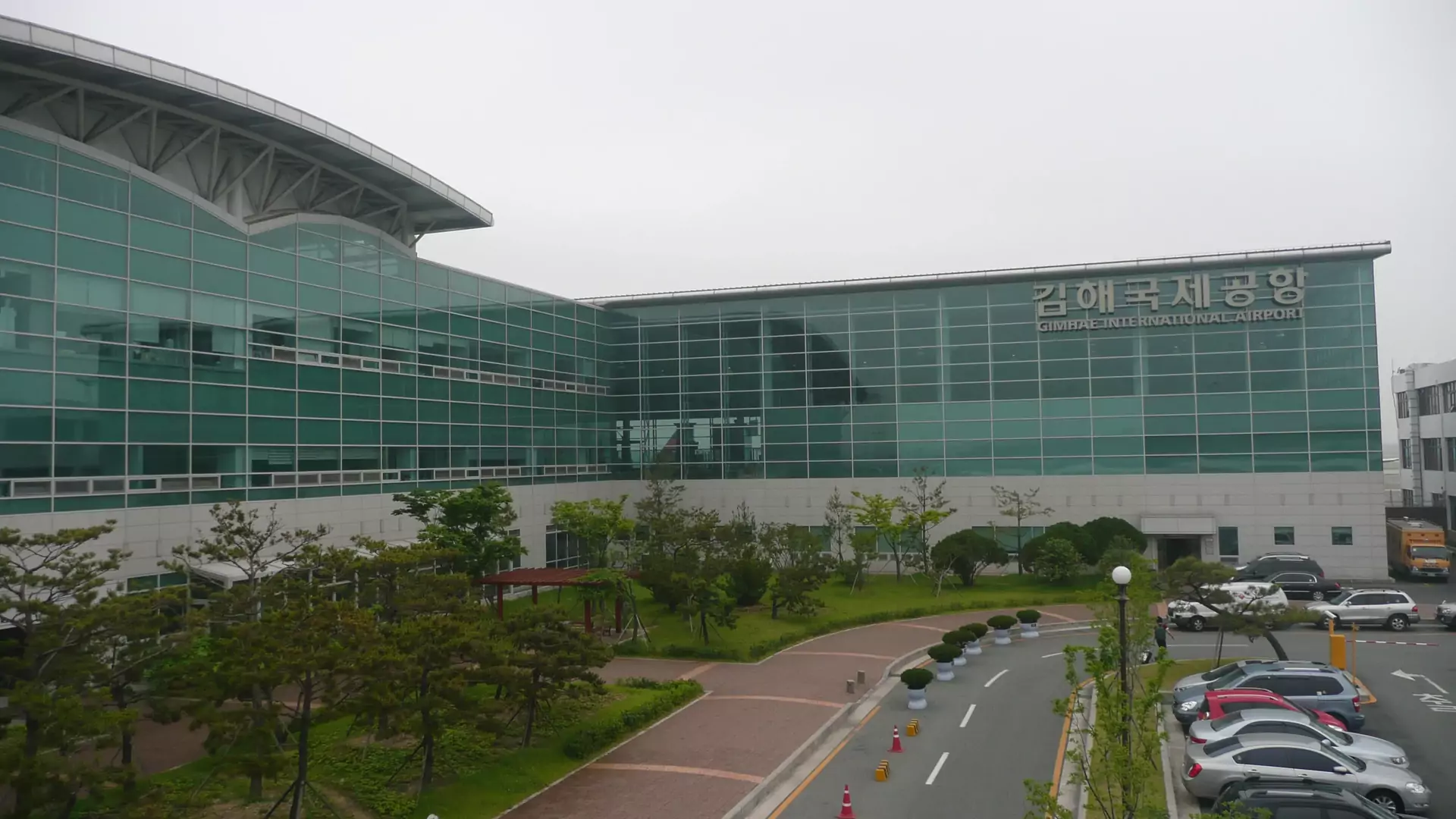
Other notable airports include Gimhae International Airport near Busan, which caters to both domestic and international routes and acts as a hub for Air Busan and Muan International Airport, serving the southwestern region with growing domestic and international flights. South Korea’s airport network balances efficiency, connectivity and passenger experience, supporting one of Asia’s key economic hubs while accommodating a growing number of budget-conscious travelers.