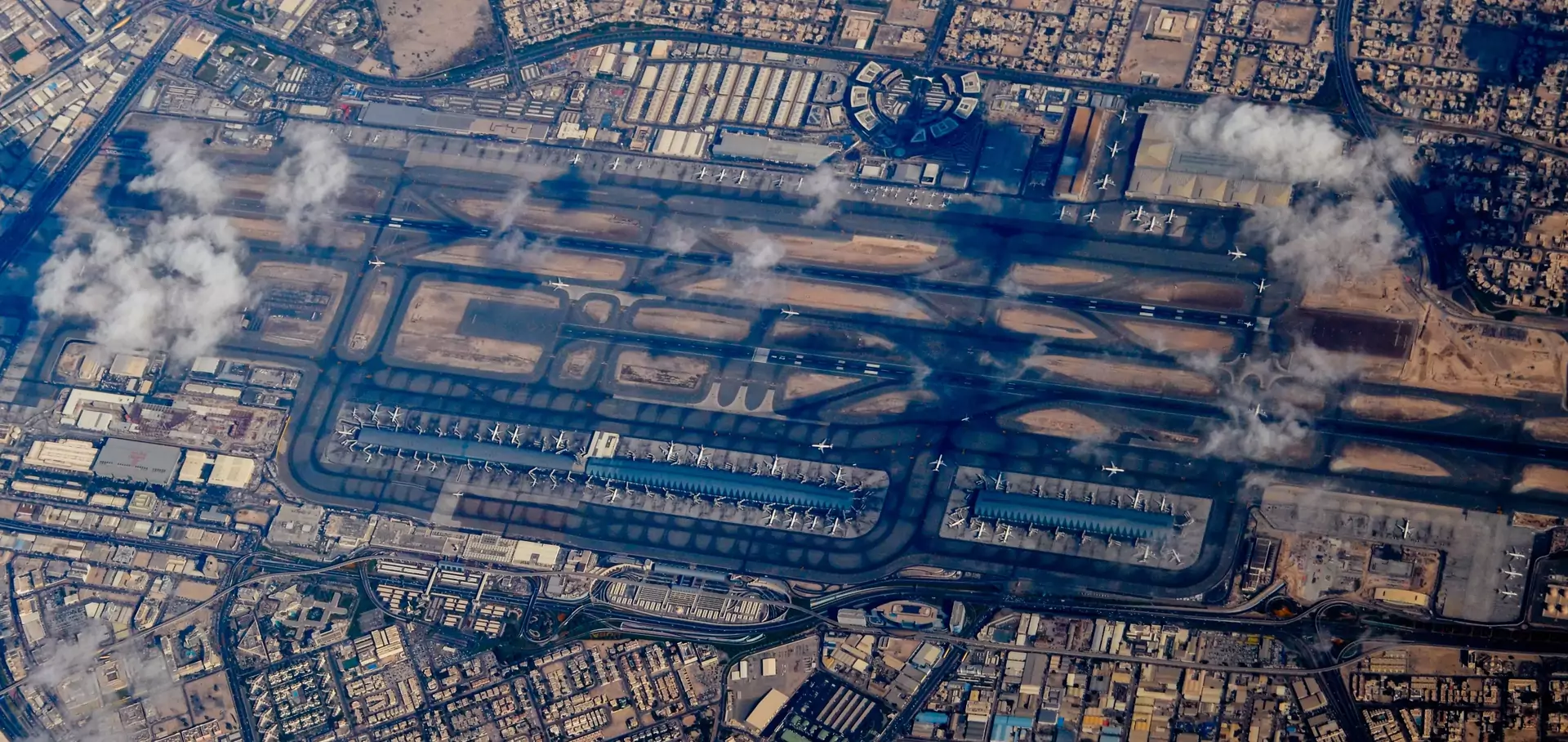
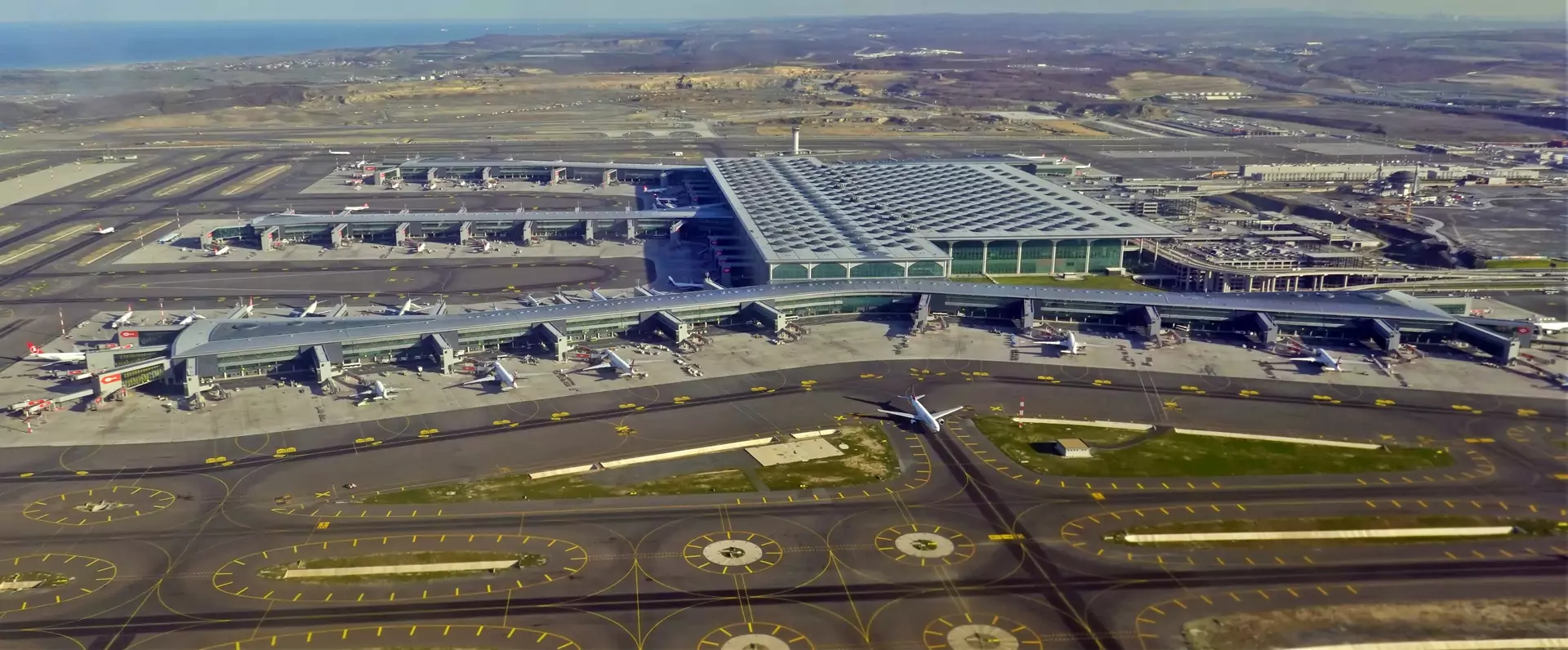
Kuala Lumpur International Airport (KLIA) in Malaysia is the leading megahub in Asia, recognised globally for its connectivity and as the world’s top low-cost carrier airport. It serves as the primary hub for AirAsia, one of Asia’s largest budget airlines and offers expansive routes connecting Southeast Asia, East Asia and beyond. Kuala Lumpur is situated about 50 kilometres south of the city centre and is well connected to neighbouring cities via express rail and motorways.
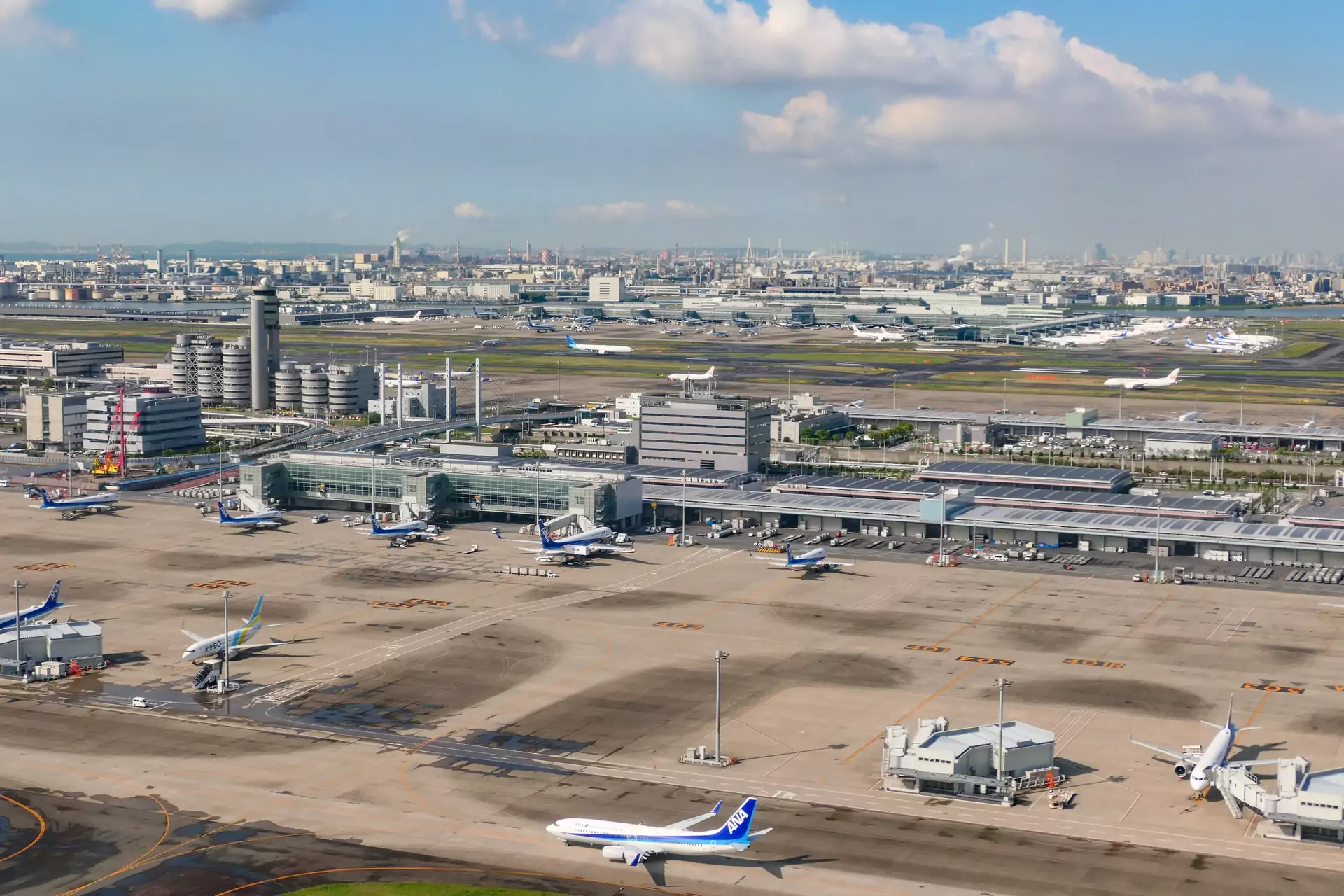
Tokyo Haneda Airport, located near downtown Tokyo, Japan, is one of the busiest airports in Asia and serves as a major hub for Japan Airlines and All Nippon Airways (ANA), catering mainly to domestic and international flights. Alongside Haneda, Tokyo Narita Airport handles the bulk of Japan’s long-haul international traffic and acts as a gateway to Asia and the rest of the world.
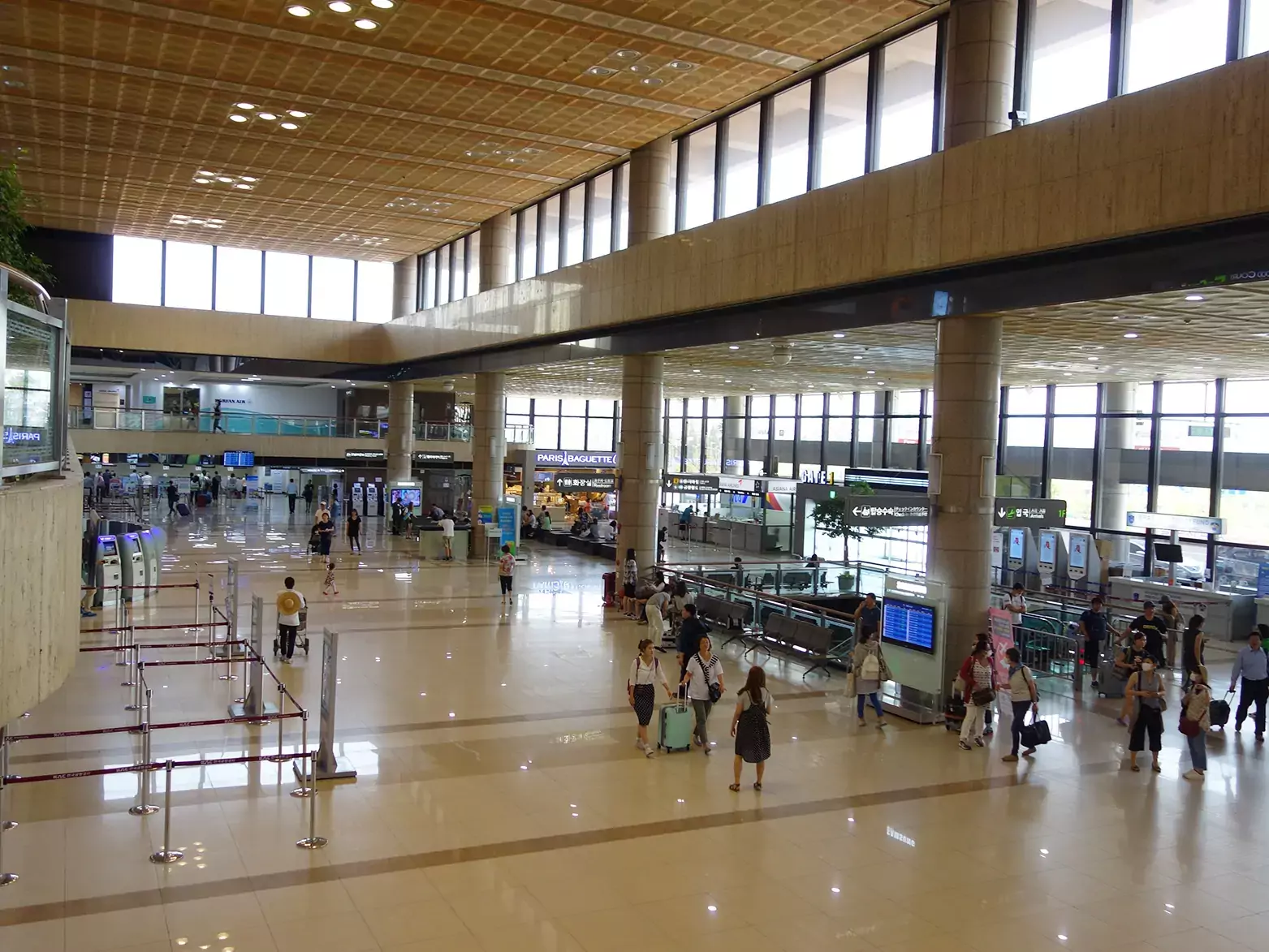
Seoul Incheon International Airport in South Korea serves as the primary international gateway into the country and is the main hub for Korean Air and Asiana Airlines, located west of Seoul with extensive rail connections to the capital and surrounding cities. It’s known for its excellent facilities and high passenger satisfaction.
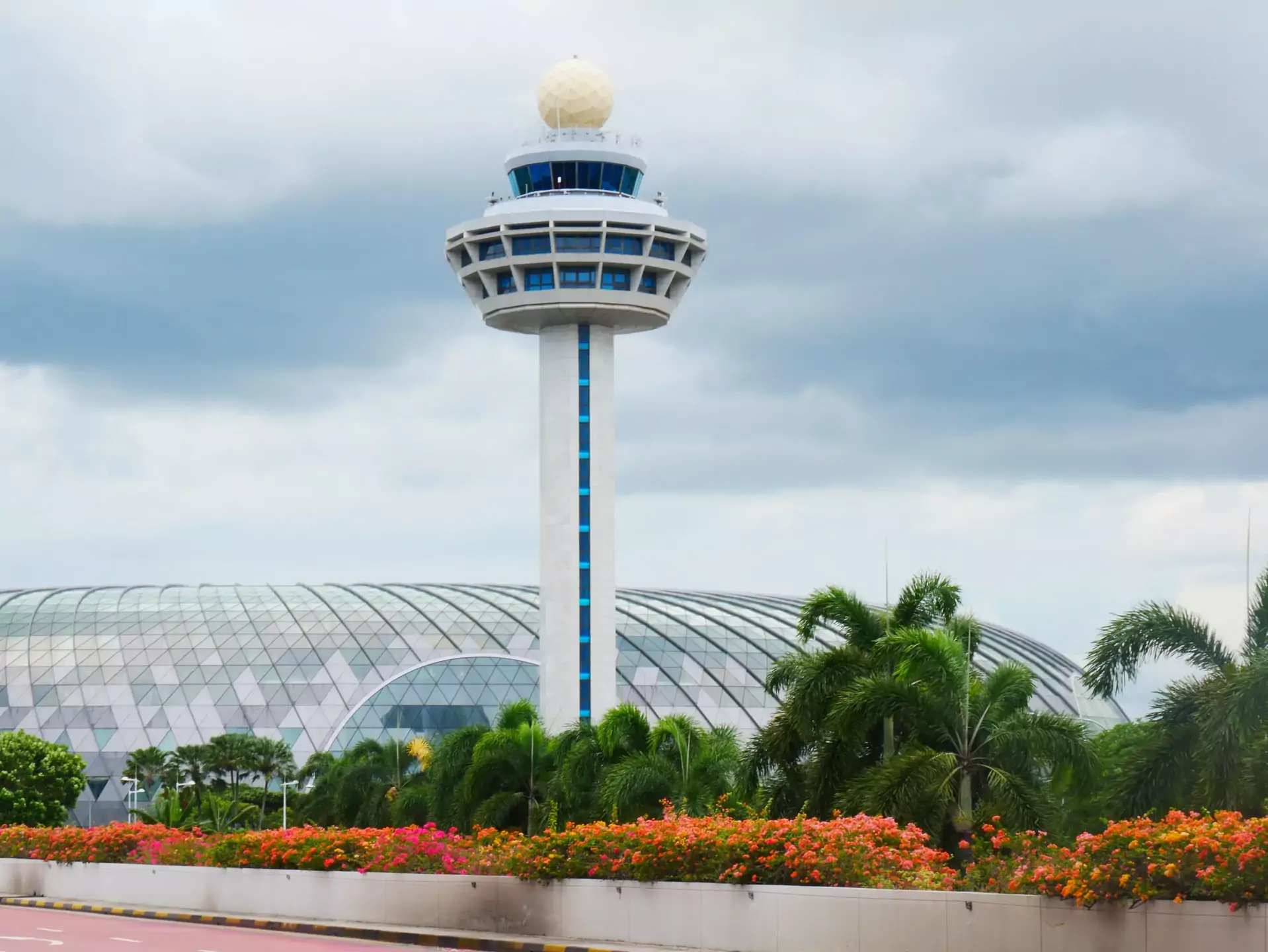
Singapore Changi Airport is a world-renowned transit hub in Southeast Asia, favoured for its efficiency and award-winning passenger amenities. It’s the hub for Singapore Airlines and serves as a gateway connecting Asia with Australia, Europe and the Americas.
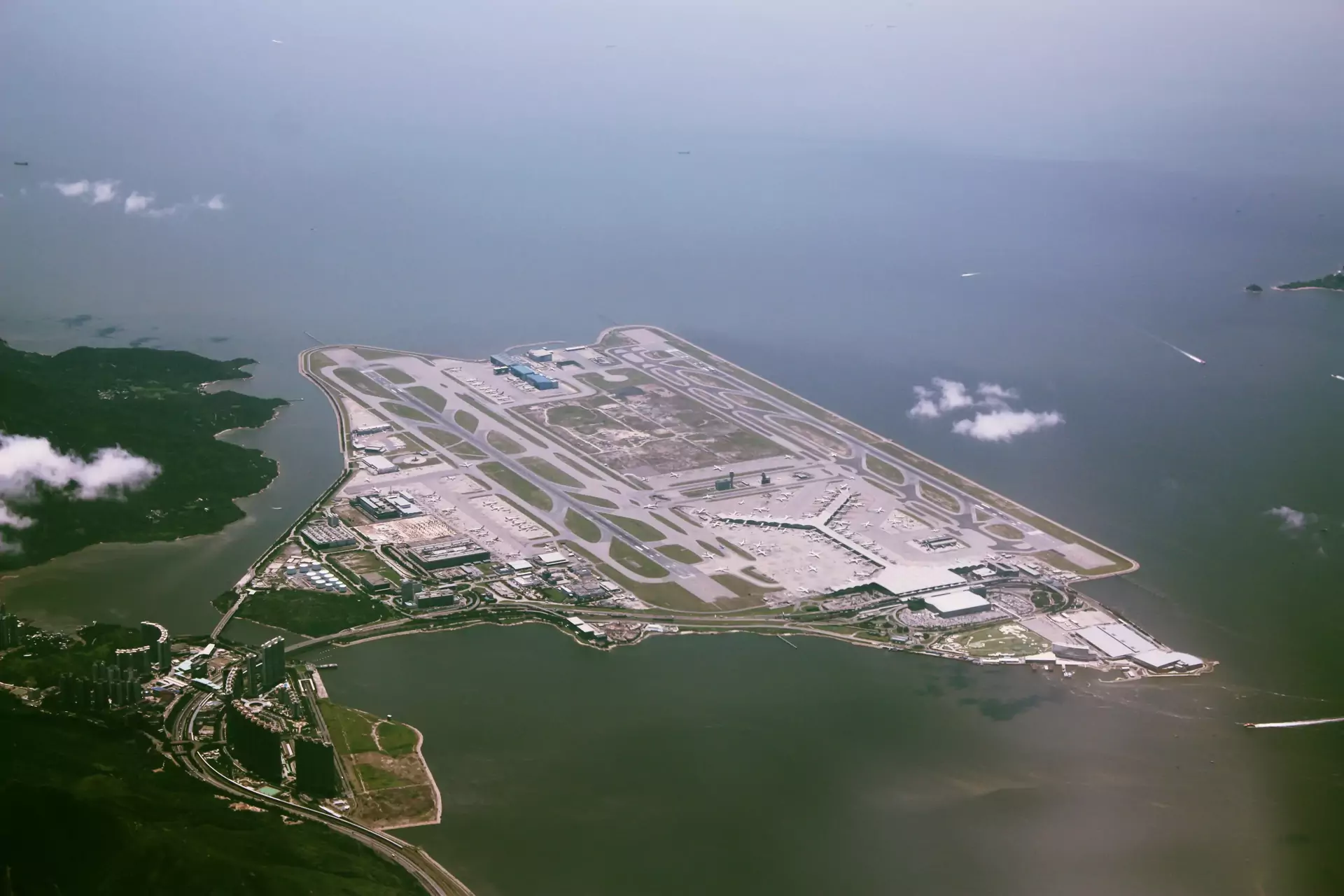
Hong Kong International Airport is a pivotal hub for Cathay Pacific and is strategically located near the manufacturing centres of southern China. Known for its significant cargo operation, Hong Kong offers a crucial link for both passenger and freight transport.
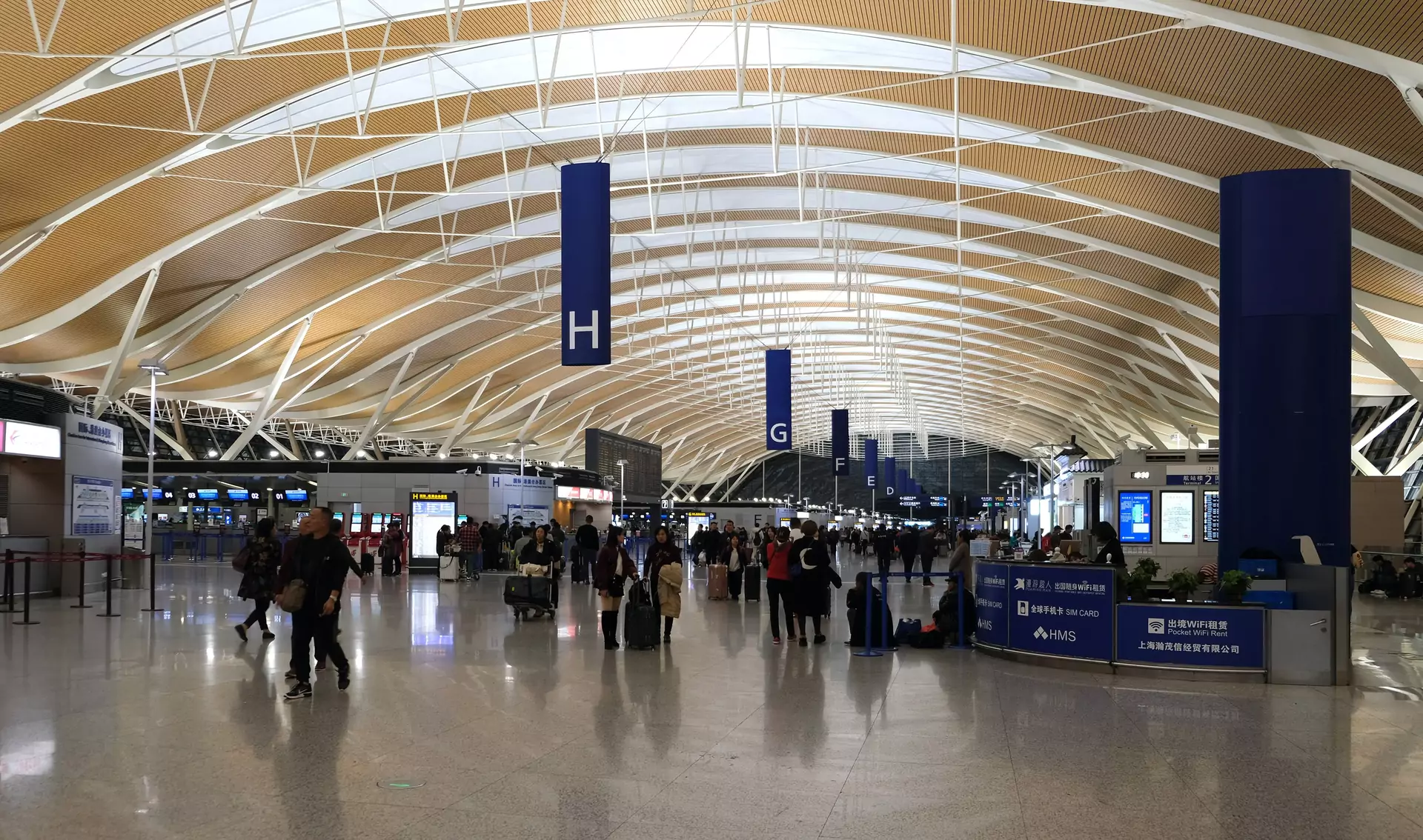
Other significant hubs include Bangkok Suvarnabhumi Airport in Thailand, serving Thai Airways and numerous international flights and Shanghai Pudong International Airport, China Eastern’s hub, located approximately 30 kilometres east of central Shanghai, offering a vast network of international and domestic services.
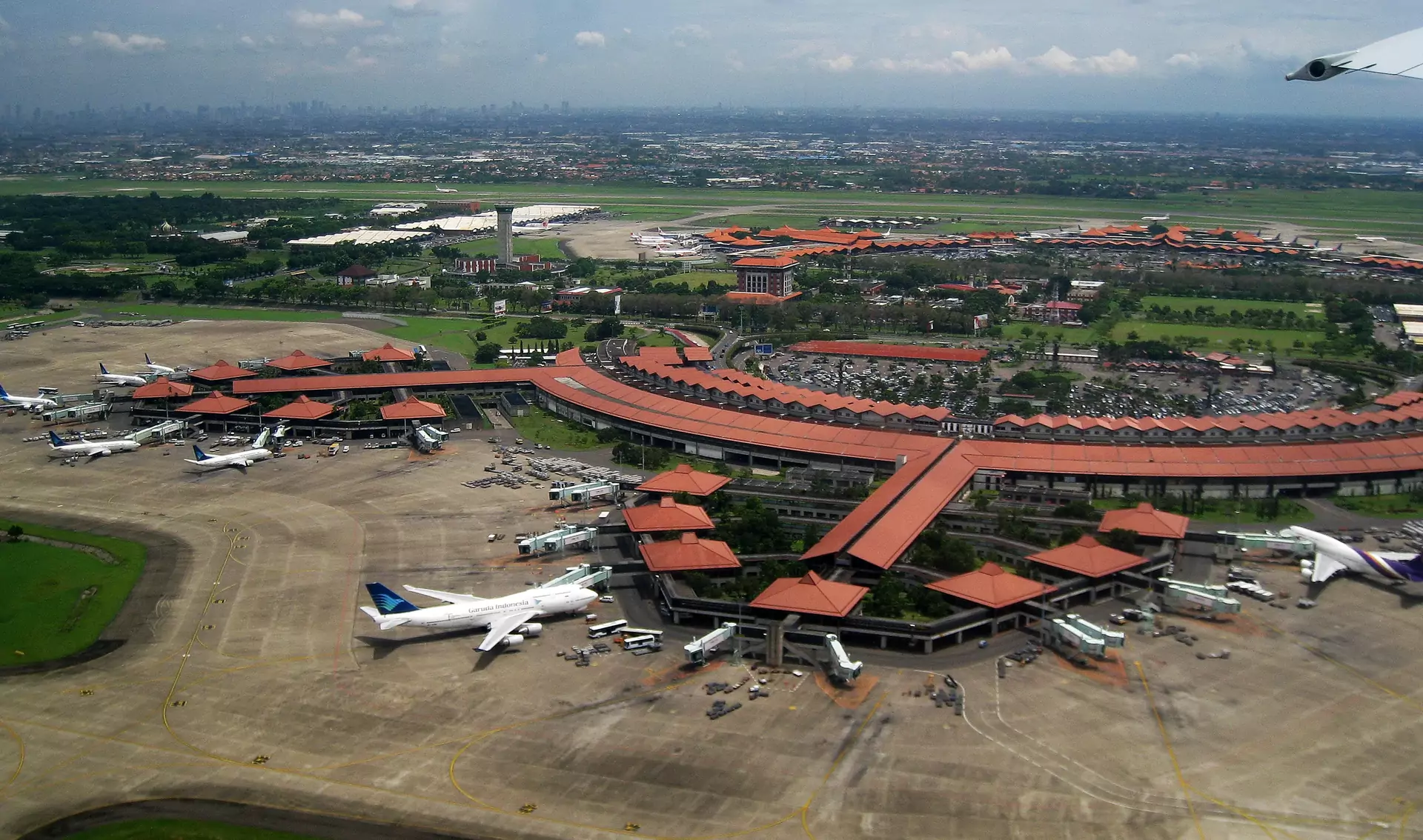
In terms of low-cost carrier airports, Jakarta Soekarno–Hatta International Airport in Indonesia supports airlines like Lion Air, while Bangkok Don Mueang Airport complements Bangkok’s main airport by focusing on budget airlines such as Thai AirAsia. Manila's Ninoy Aquino International Airport in the Philippines also serves as a hub for budget carriers like Cebu Pacific and Philippine Airlines.
Emerging secondary airports catering to low-cost carriers include Chengdu Shuangliu International Airport in China, Taipei Taoyuan International Airport in Taiwan and Delhi Indira Gandhi International Airport in India, the latter serving as a hub for both legacy and low-cost operators like IndiGo and Air India Express.
This layered structure of primary and secondary airports, combined with a mix of full-service and budget airlines, exemplifies the complexity and efficiency of Asia’s aviation landscape, providing diverse options to travellers and contributing to the continent’s remarkable economic integration.